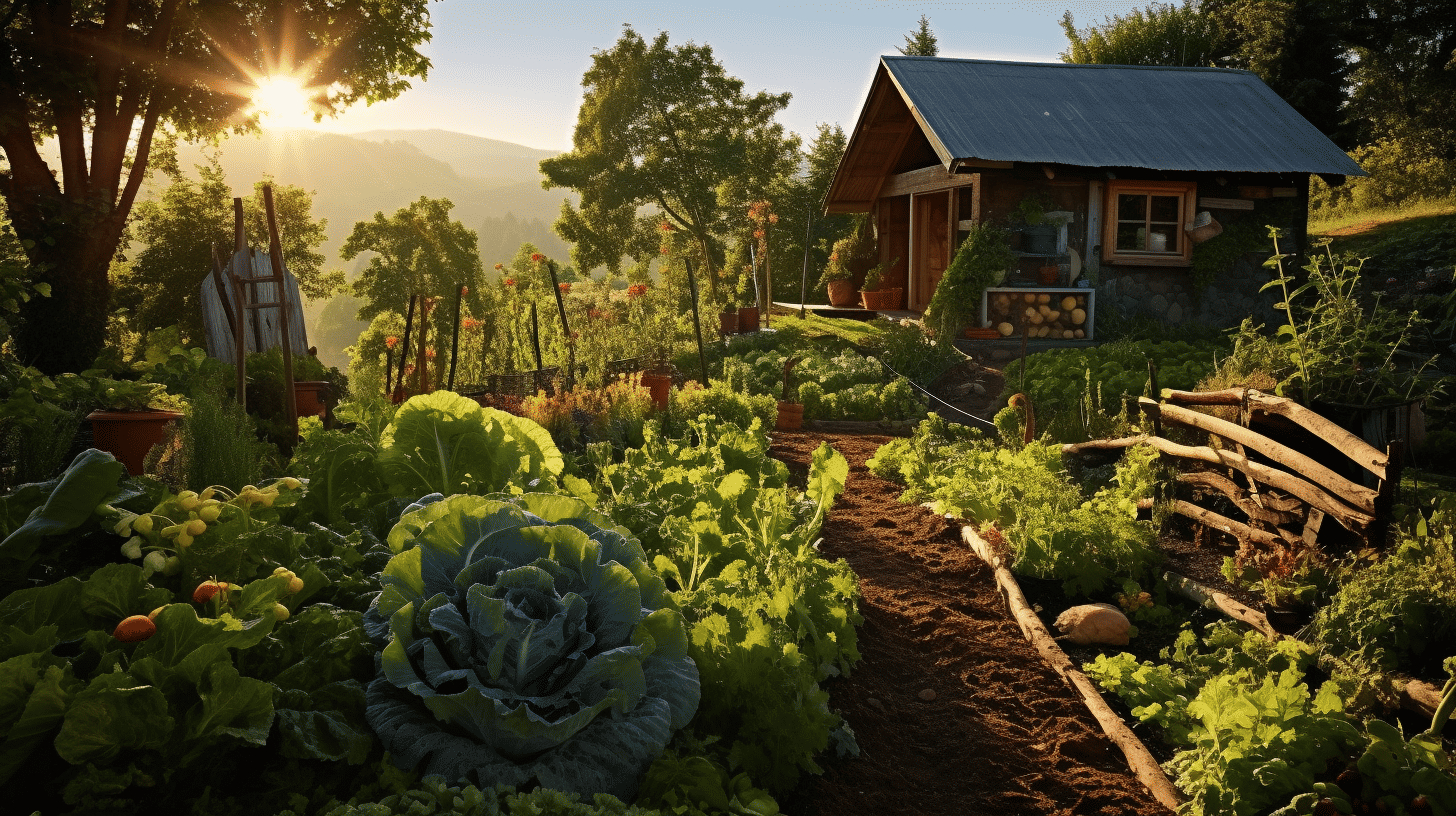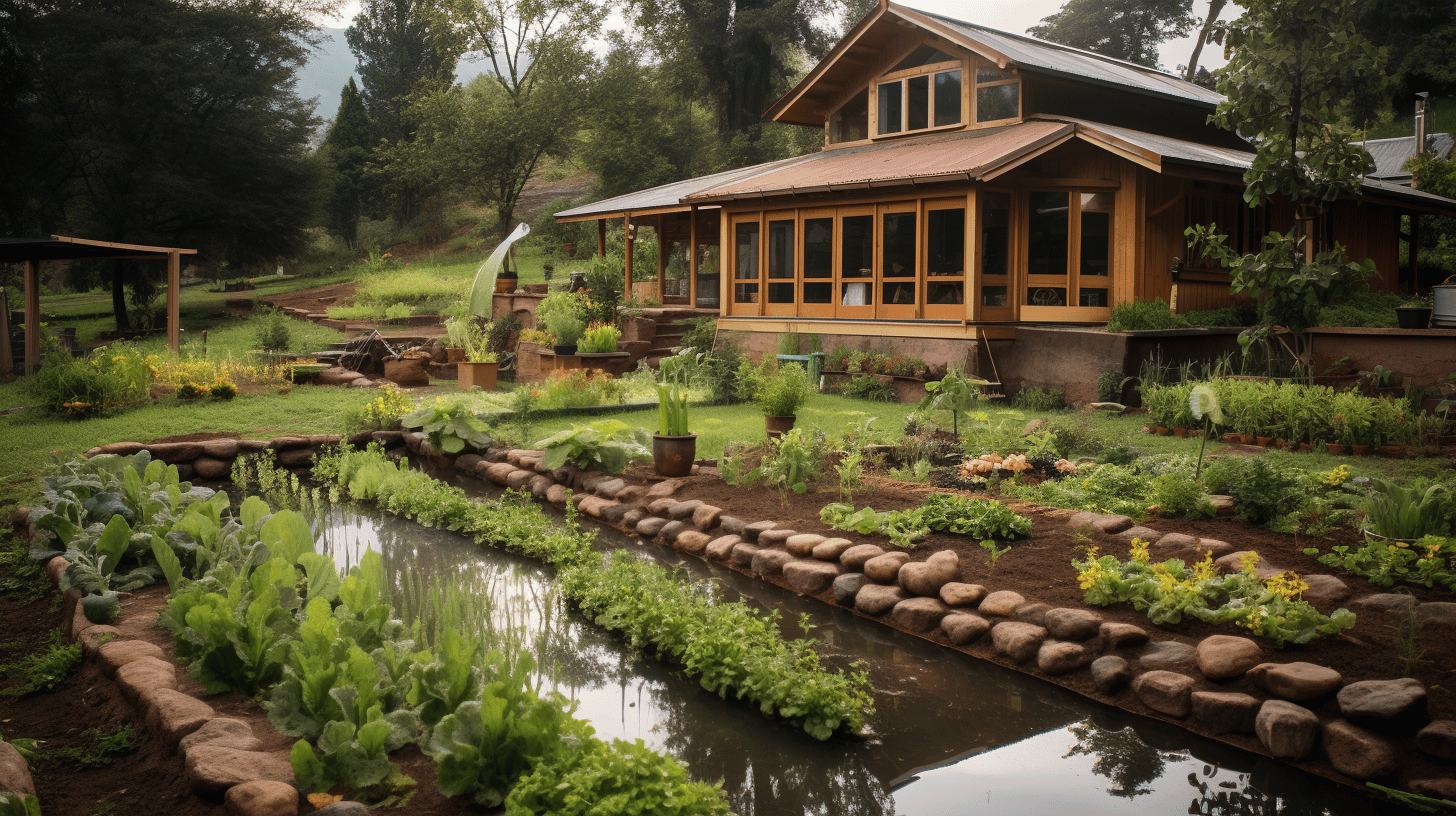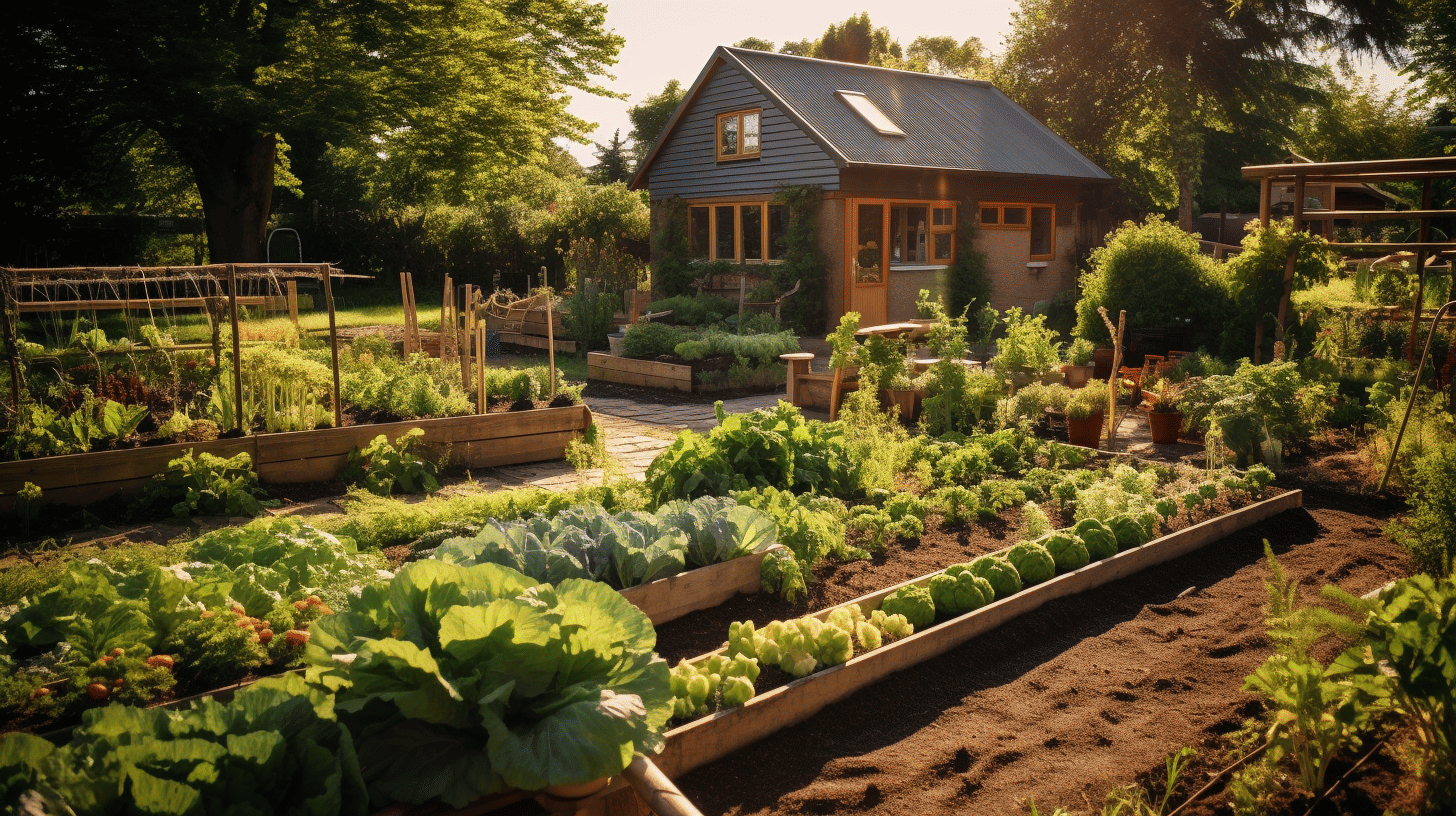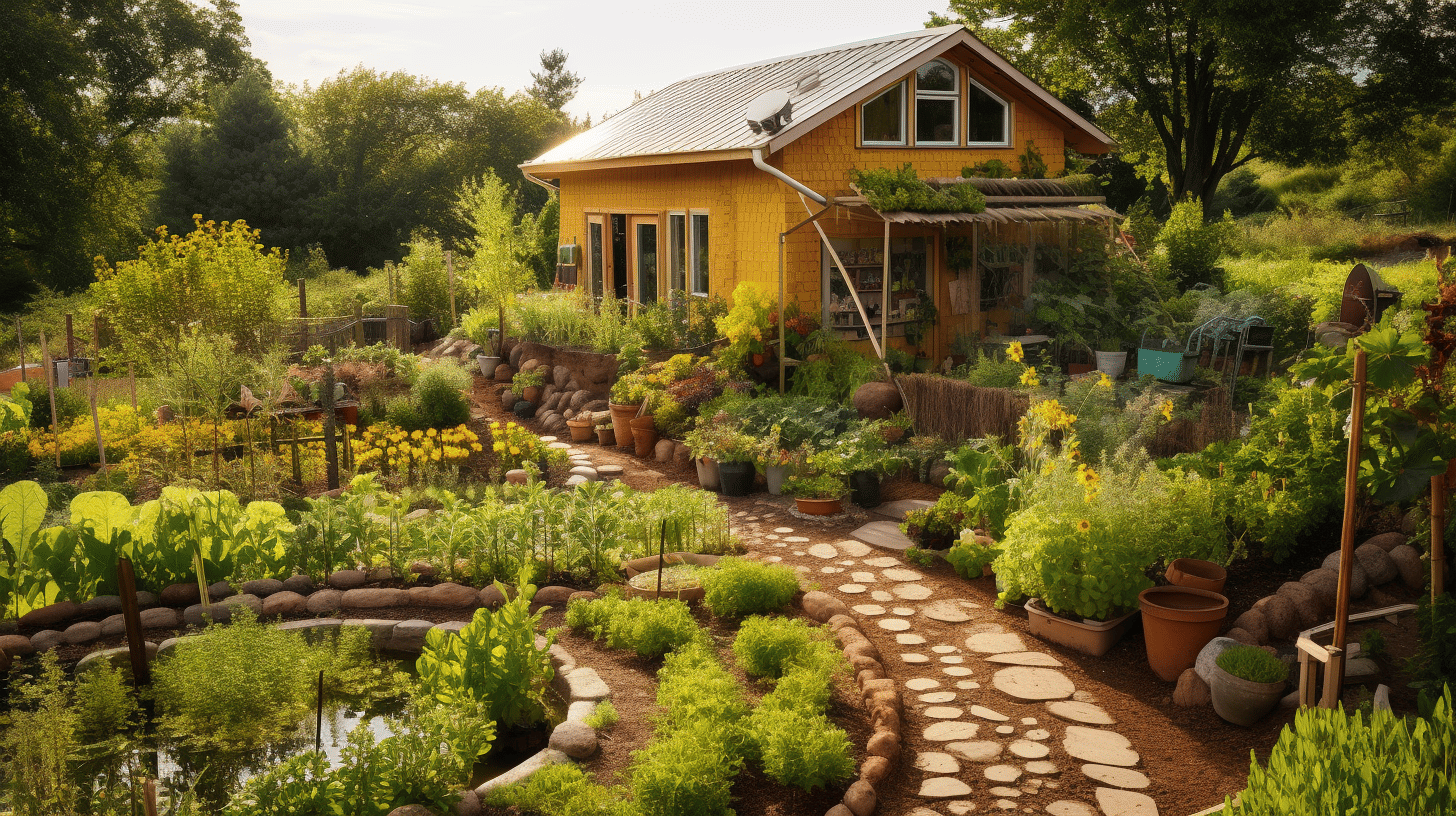
Permaculture design is a holistic approach to farming that aims to create self-sustaining systems by mimicking natural ecosystems. It offers an innovative solution to the challenges faced by modern agriculture, such as environmental degradation, food insecurity, and climate change. By implementing permaculture principles, farmers can cultivate abundant and resilient farms while minimizing negative impacts on the environment.
Permaculture design draws inspiration from nature’s patterns and processes, emphasizing the importance of working with, rather than against, the natural world. By incorporating principles like observation, diversity, and interdependence, permaculture farming systems can achieve long-term sustainability and productivity.
In this article, we will delve into the world of permaculture design and explore its potential for building self-sustaining farming systems. We will discuss the principles that guide permaculture design, the step-by-step process of creating a permaculture farm, and the benefits it brings to the environment and society. We will also address the challenges that farmers may face when implementing permaculture design and showcase real-world examples of successful permaculture farms.
Whether you are a seasoned farmer looking to transition to a more sustainable model or an enthusiast interested in learning about innovative farming practices, this article will provide you with valuable insights into the world of permaculture design and its role in shaping the future of agriculture. So let’s dive in and explore the fascinating world of permaculture design and its potential to revolutionize farming as we know it.
Understanding Permaculture Design
Permaculture Defined
Permaculture. Have you heard this term before? In a world where sustainable living is becoming more important than ever, permaculture is a concept that stands out. But what exactly is permaculture?
Permaculture is an innovative and holistic approach to designing systems that are sustainable, self-sufficient, and regenerative. It combines principles from various fields, including agriculture, ecology, and design, to create a harmonious and productive environment.
At its core, permaculture aims to mimic natural ecosystems, where everything is interconnected and functions in harmony. It acknowledges that nature has already perfected efficient and sustainable systems, and seeks to apply those principles to human-designed systems.
Permaculture design can be applied to a wide range of settings, from small-scale urban gardens to large agricultural landscapes. No matter the scale, the goal remains the same: to create resilient ecosystems that provide for human needs while minimizing environmental impact.
Principles of Permaculture Design
To better understand permaculture, let’s explore its guiding principles. These principles serve as a framework for designing sustainable and regenerative systems. Here are some key principles commonly found in permaculture design:
- Observe and Interact: Take the time to study and understand the natural patterns and processes of a site before making any design decisions. By observing and interacting with the environment, you can make informed choices that align with nature’s wisdom.
- Catch and Store Energy: Utilize renewable energy sources and design systems that capture and store energy efficiently. This could involve harnessing solar power, collecting rainwater, or implementing composting systems to capture nutrients.
- Obtain a Yield: Design systems that provide an abundance of resources and benefits. This means considering not only food production but also energy production, water conservation, and other forms of yield that contribute to a sustainable lifestyle.
- Apply Self-Regulation and Accept Feedback: Create systems that are self-regulating and adapt to feedback from the environment. By being open to feedback, you can make adjustments and optimize the productivity and resilience of your systems.
- Design from Patterns to Details: Start with the big picture and identify the patterns and connections within the system before diving into the specifics. This helps ensure that all elements in the system work together harmoniously.
- Integrate Rather than Segregate: Aim for diversity and integration rather than segregation and monocultures. By integrating different elements, such as plants, animals, and structures, you can create mutually beneficial relationships that enhance the overall system.
These principles, along with others like using renewable resources and valuing local resources, form the foundation of permaculture design. By embracing and applying these principles, individuals and communities can create regenerative and sustainable systems that benefit both people and the environment.
Remember, permaculture is not just about gardening or farming. It is a mindset and a way of life that seeks to harmonize human activities with the natural world. So, whether you have a small balcony or a vast piece of land, incorporating permaculture design principles can help you create a more sustainable and resilient environment.
Building Self-Sustaining Farming Systems
In today’s world, where sustainability and self-sufficiency are becoming more important than ever, self-sustaining farming systems offer a way to meet our needs without exhausting our resources. These systems aim to create a harmonious balance between agricultural production and environmental preservation, ensuring long-term viability and resilience. If you’re interested in creating your own self-sustaining farm, here are four essential steps to get you started:
Step 1: Site Assessment
Before diving into the design and implementation of a self-sustaining farm, it’s crucial to conduct a thorough site assessment. This assessment allows you to understand the unique characteristics and limitations of your land, helping you make informed decisions about your farming approach. Consider the following factors during your assessment:
- Climate and Weather Patterns: Analyze the average temperatures, rainfall, and seasonal changes in your area. This information will help you tailor your farming practices to suit the local climate and maximize productivity.
- Soil Quality: Evaluate the soil composition, fertility levels, and drainage capabilities of your land. This assessment will guide your choice of crops, as well as any necessary soil improvement measures.
- Water Availability: Assess the availability and quality of water sources on your property. Understanding your water resources will assist you in designing effective irrigation systems, water conservation strategies, and aquaculture components.
- Topography: Study the physical features of your land, such as slopes, slopes, and potential areas for water catchment. This knowledge will inform your land use planning and help with erosion control.
Step 2: Design Development
With a comprehensive understanding of your site, you can now move on to the design development phase. This step involves creating a holistic and integrated farming system that maximizes productivity, minimizes environmental impact, and fosters a balanced ecosystem. Consider the following elements when designing your self-sustaining farm:
- Crop Rotation and Polyculture: Implement crop rotation to minimize soil depletion and pest infestations. Additionally, embrace polyculture by integrating multiple complementary crops to enhance biodiversity and increase resilience against diseases and pests.
- Livestock Integration: Incorporate livestock into your farming system to create a closed-loop nutrient cycle. Livestock can provide manure for fertilizer, while their grazing can help with weed control and land management.
- Permaculture Principles: Apply permaculture principles like companion planting, natural pest control, and soil conservation techniques to create a self-sustaining ecosystem that works in harmony with nature.
- Energy Efficiency: Explore renewable energy sources such as solar panels or wind turbines to power your farm. Consider energy-efficient designs for buildings, machinery, and infrastructure.
Step 3: Implementation
Once you have a detailed design in place, it’s time to put your plans into action. The implementation phase involves the physical construction, establishment of crops and livestock, and setting up the necessary infrastructure. Here are some essential steps during implementation:
- Land Preparation: Prepare the land by clearing weeds, tilling the soil, and implementing any necessary contouring or terracing to prevent erosion and maximize water retention.
- Planting and Animal Husbandry: Follow your crop and livestock management plans, ensuring proper spacing, planting techniques, and animal care protocols. Pay attention to watering, feeding, and disease prevention measures.
- Infrastructure Setup: Construct the necessary infrastructure, such as irrigation systems, fencing, animal shelters, and storage facilities. Ensure that these structures are designed with sustainability and functionality in mind.
Step 4: Management and Maintenance
The final step in creating a self-sustaining farming system is ongoing management and maintenance. Sustainable farming is a continuous and evolving process that requires monitoring, adjustment, and constant learning. Here are some key aspects to consider for effective management:
- Record Keeping: Maintain detailed records of planting schedules, yields, inputs used, and farm activities. These records will help you analyze and improve your farming practices over time.
- Disease and Pest Management: Implement integrated pest management strategies to minimize the use of synthetic pesticides. Monitor for signs of diseases and pests, and utilize natural control methods whenever possible.
- Soil Health and Fertility: Regularly test your soil, and amend it with organic matter, cover crops, or other appropriate measures to maintain fertility and health.
- Continued Learning: Stay informed about the latest research, technologies, and best practices in sustainable farming. Attend workshops, conferences, and join communities of like-minded farmers to exchange knowledge and ideas.
Remember, building a self-sustaining farming system requires patience, dedication, and ongoing effort. But the rewards are immense – not only for you and your family but also for the environment. By creating a self-sustaining farm, you’ll be contributing to a more sustainable and resilient future. Start the journey today, and watch your farm flourish in harmony with nature.
Benefits of Self-Sustaining Permaculture Farming Systems
Environmental Stewardship
One of the main advantages of self-sustaining permaculture farming systems is their positive impact on the environment. By emulating natural ecosystems, these farming systems promote biodiversity, enhance soil health, and reduce the need for harmful chemical inputs. Some specific benefits include:
- Conservation of soil: Permaculture farming systems prioritize soil health by implementing techniques like no-till farming, cover cropping, and composting. These practices help prevent soil erosion, improve soil structure, and increase water infiltration rates.
- Water conservation: By using techniques such as water harvesting, swales, and the cultivation of deep-rooted plants, permaculture farming systems reduce water runoff and improve water retention in the soil. This helps mitigate the impact of droughts and contributes to overall water conservation efforts.
- Promotion of biodiversity: Permaculture farming systems prioritize the maintenance of diverse ecosystems. By planting a variety of crops, trees, and flowers, farmers create habitats that attract beneficial insects, birds, and other wildlife. This biodiversity not only enhances the overall resilience of the farm but also aids in natural pest control.
Food Security
Another significant benefit of self-sustaining permaculture farming systems is their potential to enhance food security. These systems prioritize local food production and reduce dependence on outside sources. Here are a few ways they contribute to food security:
- Diverse and resilient production: Permaculture farming systems emphasize the cultivation of a wide range of crops, allowing for a more diverse and reliable food supply. This diversity helps mitigate the risks associated with crop failures due to pests, diseases, or adverse weather conditions.
- Reduced reliance on external inputs: Permaculture farming systems focus on regenerative practices that minimize the need for synthetic fertilizers, pesticides, and herbicides. By relying on natural processes and inputs, farmers can reduce their dependency on external resources and inputs, making their farms more self-sufficient and economically viable.
Resilience to Climate Change
Permaculture farming systems offer significant resilience against the impacts of climate change. With changing weather patterns and increasing instances of extreme weather events, building resilience in farming is crucial. Self-sustaining permaculture systems contribute to this resilience by:
- Building soil organic matter: Practices such as cover cropping, composting, and mulching increase organic matter content in the soil, enhancing its water-holding capacity and reducing vulnerability to droughts and floods.
- Enhancing biodiversity: By creating diverse ecosystems, permaculture farming systems promote resilience in the face of climate change. The presence of various crops and plant species ensures that even if some crops fail due to extreme weather events, there will always be a backup or alternative food source available.
Biodiversity Preservation
Preserving biodiversity is crucial for the long-term health and resilience of our planet. Self-sustaining permaculture farming systems play a significant role in preserving and enhancing biodiversity through:
- Habitat creation: Permaculture farms incorporate various elements such as hedgerows, ponds, and windbreaks, which provide habitats for diverse plant and animal species. These habitats offer shelter, food, and breeding grounds, inviting a wide array of beneficial organisms onto the farm.
- Conservation of native species: Permaculture farming systems prioritize the use of native plants and crops. By promoting the cultivation of regionally adapted varieties, farmers help preserve genetic diversity and protect native species from extinction.
Sustainable Resource Management
Lastly, self-sustaining permaculture farming systems promote sustainable resource management. By implementing regenerative practices and reducing waste, these systems contribute to a more sustainable and efficient use of resources. Some key aspects include:
- Energy efficiency: Permaculture farms aim to minimize energy consumption through practices like efficient irrigation systems, renewable energy sources, and the integration of livestock for natural fertility management.
- Waste reduction: Permaculture systems aim to create closed-loop cycles where organic waste is recycled back into the system. Composting, vermiculture, and other waste management strategies contribute to the reduction of waste and promote resource efficiency.
In conclusion, self-sustaining permaculture farming systems offer numerous benefits to the environment, farmers, and society as a whole. From environmental stewardship and biodiversity preservation to food security and resilience to climate change, these systems are paving the way for a more sustainable and resilient future in agriculture.
Challenges in Implementing Permaculture Design
Permaculture design offers a promising solution for creating sustainable and regenerative systems that work harmoniously with nature. However, implementing permaculture practices comes with its own set of challenges. From navigating land access to regulatory hurdles, let’s explore some of the major challenges faced by individuals and organizations when it comes to implementing permaculture design principles.
Land and Resource Access
One of the key challenges in implementing permaculture design is finding suitable land and gaining access to the necessary resources. Here are some considerations that individuals and organizations may encounter:
- Land availability: Finding land that meets the needs of a permaculture design can be a challenge. Factors such as location, size, soil quality, and access to water sources all play a crucial role.
- Land ownership: Acquiring land, especially in urban areas, can be prohibitively expensive. Additionally, navigating land ownership laws and regulations can pose challenges for those looking to implement permaculture practices.
- Resource availability: Permaculture relies on the sustainable use of natural resources, including water, soil, and biomass. Ensuring access to these resources, especially in areas with limited availability, can present obstacles in implementing permaculture design.
Scaling Permaculture Systems
While permaculture principles can be applied at various scales, scaling up the design to larger systems presents its own challenges. Here are some factors to consider:
- Systems integration: As permaculture systems expand, integrating different components such as food production, water management, and energy systems becomes more complex. Ensuring these elements work together in a harmonious and efficient manner requires meticulous planning and management.
- Logistics and infrastructure: Scaling up permaculture systems often requires investment in infrastructure such as irrigation systems, greenhouses, and storage facilities. Managing logistics, sourcing materials, and implementing these infrastructure components can be challenging, both in terms of cost and technical know-how.
Regulations and Standards
Navigating regulations and standards can be another significant challenge in implementing permaculture design. Here are some considerations when it comes to regulatory hurdles:
- Zoning and land use: Understanding and complying with local zoning regulations and land use restrictions can pose challenges for those implementing permaculture practices. Certain agricultural practices may not be permitted in certain areas or require specific permits.
- Building codes and permits: Constructing infrastructure on the land, such as buildings or water capture systems, may require adherence to building codes and obtaining necessary permits. These processes can vary from place to place and can be time-consuming and costly.
- Certifications: Some permaculture practitioners may seek certifications to showcase their adherence to specific standards and practices. Understanding the requirements and pursuing certifications can add complexity to the implementation process.
Education and Skills Development
Educating oneself and developing the necessary skills to effectively implement permaculture design can be a challenge. Here are some considerations:
- Knowledge acquisition: Gaining a comprehensive understanding of permaculture design principles, techniques, and best practices requires ongoing education and self-study. Access to quality resources, courses, and mentorship can impact the rate of skill development.
- Experience and practice: Implementing permaculture design effectively often requires hands-on experience and practical application. Developing these skills can take time and may require learning from trial and error.
- Community support: Building a supportive network of like-minded individuals and experts in permaculture can be invaluable in overcoming challenges and gaining practical knowledge. Engaging with local permaculture communities and attending workshops or conferences can help foster this support system.
In conclusion, while permaculture design offers immense potential for creating regenerative systems, overcoming the challenges in implementation requires careful planning, resource management, regulatory compliance, and continuous education. By understanding and addressing these challenges, individuals and organizations can navigate the complexities and successfully bring permaculture design principles to life.
Real World Examples of Successful Permaculture Farms
Permaculture farming has gained popularity over the years as a sustainable and environmentally-friendly method of agriculture. Many farms around the world are implementing permaculture principles to create thriving ecosystems while producing abundant, organic food. Let’s explore some real-world examples of successful permaculture farms that are making a positive impact on our planet.
1. Polyface Farm – Virginia, USA
Owned and operated by Joel Salatin and his family, Polyface Farm is often referred to as the epitome of permaculture farming. Located in Virginia, USA, this innovative farm follows a regenerative agriculture model that mimics natural ecosystems.
At Polyface Farm, animals are an integral part of the system. They rotate through different pastures, which helps improve soil health, control pests, and build fertility. This rotational grazing method ensures that the animals always have access to fresh forage while simultaneously increasing the quality of the soil.
Polyface Farm also emphasizes the importance of local food systems. They sell their products directly to consumers through farmer’s markets and their on-farm store, reducing the carbon footprint associated with long-distance transportation.
2. Zaytuna Farm – New South Wales, Australia
Zaytuna Farm, located in New South Wales, Australia, is a permaculture demonstration site and education center founded by Geoff Lawton. This 66-acre farm showcases the potential of permaculture principles in creating a sustainable and productive landscape.
The farm’s design incorporates elements such as swales, ponds, and diverse plantings to maximize water retention and prevent soil erosion. Fruit orchards, vegetable gardens, and livestock systems are integrated to create a self-sufficient and resilient ecosystem.
Zaytuna Farm not only produces an abundance of food for its residents but also offers permaculture courses and internships to educate and inspire others to implement these principles on their own land.
3. Finca Luna Nueva – Costa Rica
Situated in the lush rainforests of Costa Rica, Finca Luna Nueva is an agro-ecological farm that combines permaculture with biodynamic farming practices. The farm focuses on the cultivation of medicinal plants, cacao, and organic agriculture while preserving the surrounding biodiversity.
One of the unique features of Finca Luna Nueva is its commitment to regenerating the rainforest. Through reforestation efforts, the farm has restored degraded land, creating wildlife corridors and planting over 300 species of trees.
The permaculture design at Finca Luna Nueva includes polyculture gardens and integrated animal systems, which contribute to the farm’s overall sustainability and productivity. The farm also offers educational tours and workshops to promote the importance of biodiversity and sustainable farming.
Conclusion
These are just a few examples of the many successful permaculture farms around the world. By implementing permaculture principles, these farms are not only producing healthy food but also nurturing the environment, regenerating ecosystems, and inspiring others to adopt sustainable agricultural practices. Through their efforts, they are demonstrating that it is possible to create a harmonious relationship between humans, nature, and food production.
Future of Permaculture Design in Farming
Permaculture design is increasingly being recognized as a transformative approach to farming and land management. With its emphasis on sustainability, regenerative practices, and ecological harmony, permaculture has the potential to reshape the future of agriculture. As we look ahead, several key trends and developments point to a promising future for permaculture design in farming.
1. Growing Awareness and Demand
One of the most significant drivers for the future of permaculture design in farming is the growing awareness and demand for sustainable agricultural practices. As consumers become increasingly conscious of the environmental impact of industrial agriculture and the importance of local, organic food, they are seeking out alternatives that align with their values. Permaculture offers a holistic approach that addresses these concerns, making it an attractive option for farmers and consumers alike.
2. Climate Change Resilience
In the face of a changing climate, farmers are looking for ways to adapt and build resilience. Permaculture design offers a toolkit of strategies that can help farmers mitigate the effects of climate change, such as:
- Water management: Permaculture techniques like swales, rainwater harvesting, and contour planting help retain water in the landscape, reducing reliance on irrigation and improving overall water efficiency.
- Agroforestry: Planting trees and perennial crops in combination with annual crops provides shade, windbreaks, and additional sources of income. This diversification increases the resilience of the farm ecosystem to extreme weather events and contributes to carbon sequestration.
3. Collaboration and Knowledge Sharing
The future of permaculture design in farming lies in collaboration and knowledge sharing amongst farmers, researchers, and practitioners. This sharing of best practices, innovations, and experiences allows for continuous learning and improvement in permaculture techniques. Online platforms and networks like the Permaculture Research Institute and local permaculture guilds facilitate the exchange of information, fostering a vibrant permaculture community.
4. Integration of Technology
While permaculture design is rooted in principles of observation, natural patterns, and working with nature, the future of farming will also see the integration of technology. Advances in precision agriculture, remote sensing, and data analytics have the potential to enhance the efficiency and effectiveness of permaculture practices. For example, drones can be used to monitor plant health and identify areas that require attention, while smart irrigation systems can optimize water usage.
5. Policy Support and Incentives
As the importance of sustainable agriculture becomes increasingly recognized, governments and policymakers are starting to provide support and incentives for farmers who adopt regenerative practices like permaculture. This support can come in the form of grants, subsidies, tax incentives, and more favorable regulations. These policy measures provide a strong foundation for the future growth and mainstream adoption of permaculture design in farming.
The future of permaculture design in farming holds great promise as farmers, communities, and policymakers recognize the need for sustainable and regenerative practices. By embracing permaculture principles, we can create a resilient and flourishing agricultural system that not only provides for our needs but also nurtures the health of the planet.
Conclusion
In conclusion, permaculture design is a powerful approach to building self-sustaining farming systems that prioritize ecological health, resilience, and abundance. By embracing the principles of permaculture and following the step-by-step process of site assessment, design development, implementation, and management, farmers and gardeners can create regenerative ecosystems that provide a multitude of benefits.
From environmental stewardship and food security to resilience against climate change and preservation of biodiversity, permaculture offers a holistic and sustainable solution for agricultural practices. Though there are challenges in implementing permaculture design, such as land access and education, the future of permaculture in farming looks promising as more individuals and communities recognize its potential.
To learn more about permaculture and explore in-depth guides and resources, visit the Regenerative Agriculture Wiki. Start your journey towards a regenerative and thriving future for agriculture and ecology.
Frequently Asked Questions
- What is permaculture design?
Permaculture design is an approach to designing and building sustainable farming systems that mimic natural ecosystems, aiming to create harmonious and self-sustaining agricultural systems.
- What are the key principles of permaculture design?
The key principles of permaculture design include observing and interacting with nature, capturing and storing energy, integrating diverse elements, using renewable resources, producing no waste, and valuing and sharing resources and knowledge.
- How can permaculture design help in building self-sustaining farming systems?
Permaculture design helps in building self-sustaining farming systems by focusing on designing integrated and resilient systems that work with nature rather than against it. It promotes biodiversity, efficient use of resources, soil health, and ecosystem balance.
- What are some common practices used in permaculture design for self-sustaining farming systems?
Some common practices used in permaculture design for self-sustaining farming systems include agroforestry, companion planting, water harvesting and conservation, composting, using organic and regenerative farming techniques, and promoting beneficial insects and wildlife.
- Is permaculture design applicable only to large-scale farming systems?
No, permaculture design can be applied to farming systems of any scale, from small backyard gardens to large-scale agricultural operations. The principles and practices can be adapted to suit the specific needs and resources of the given space.