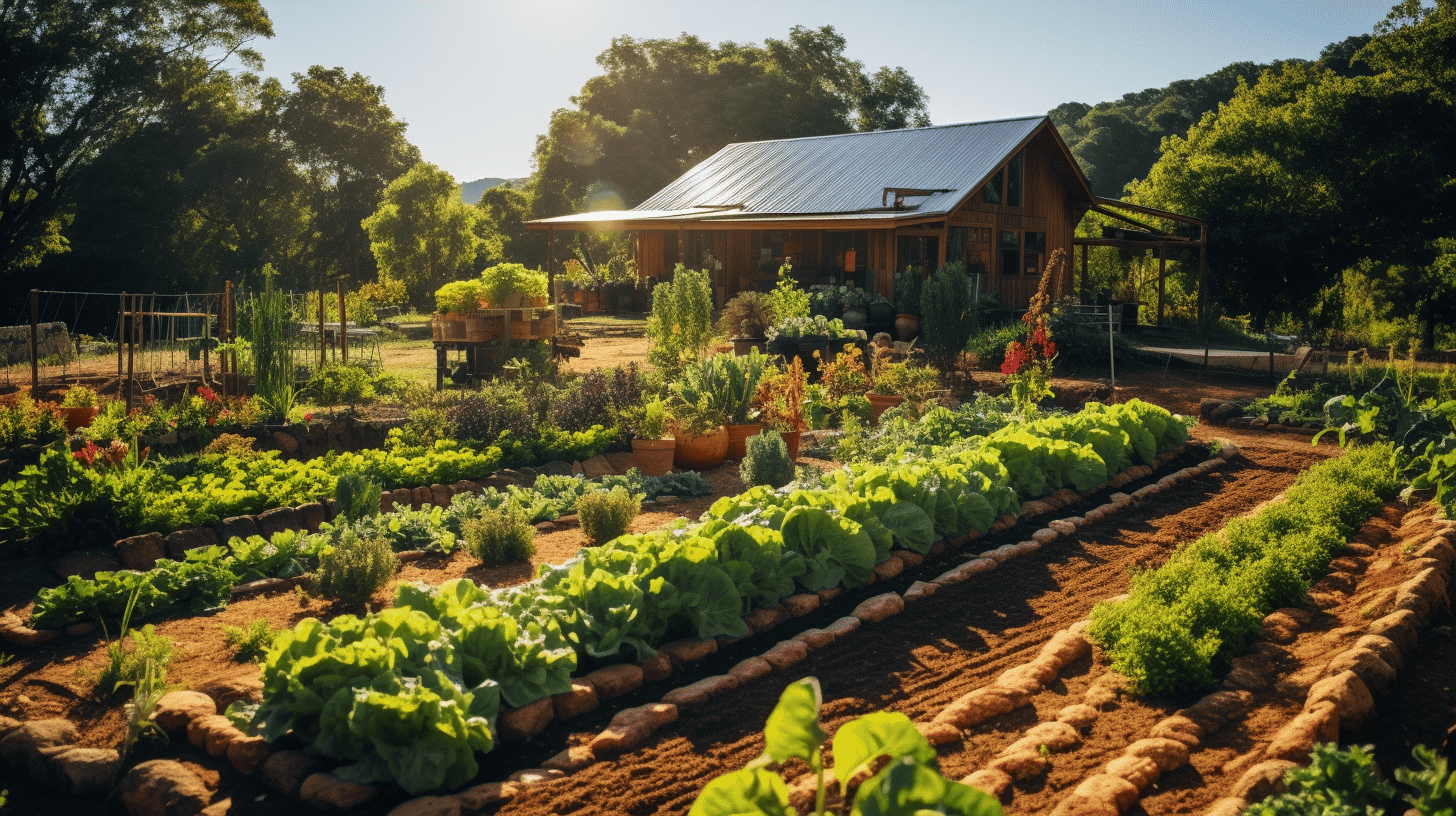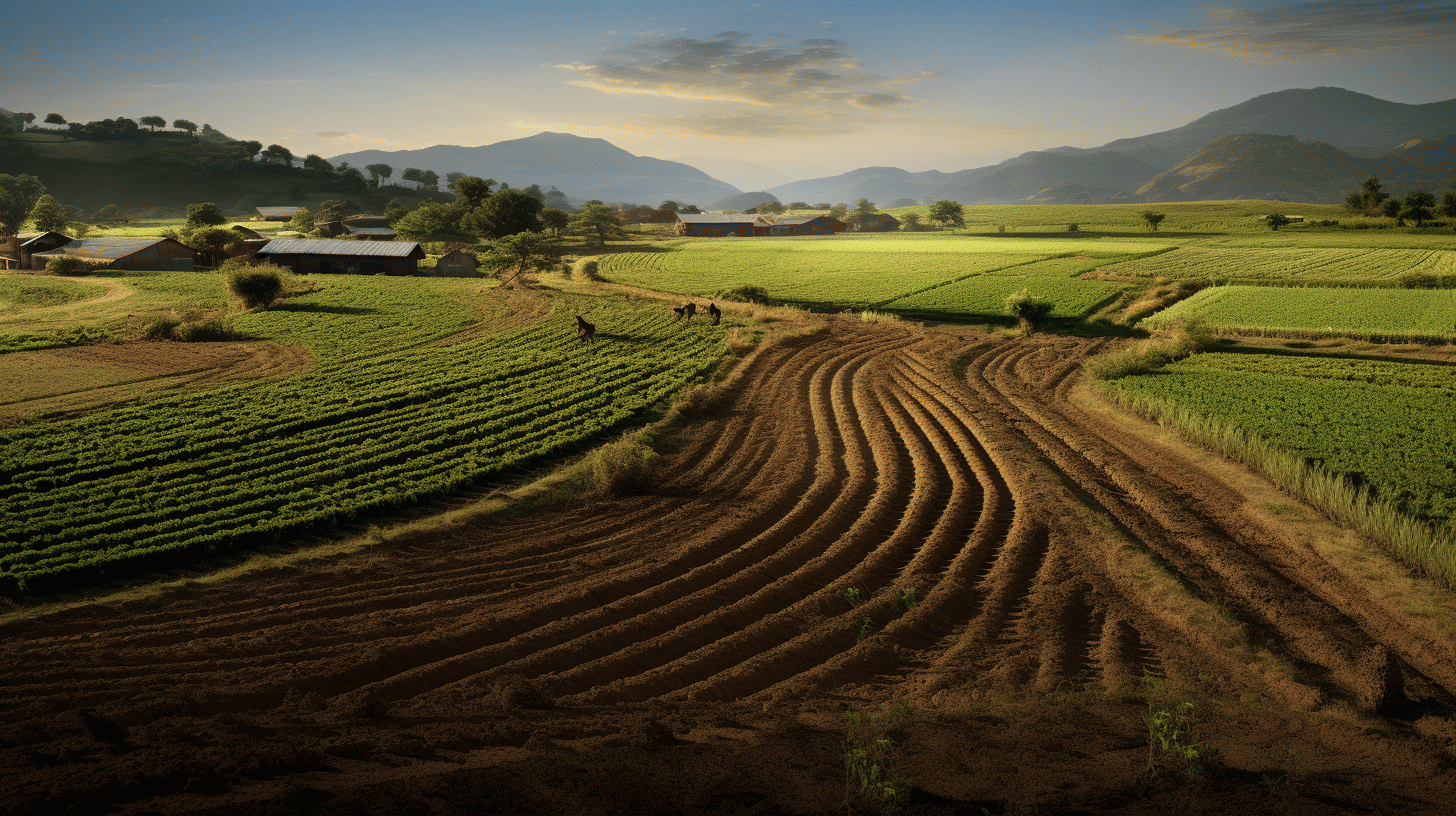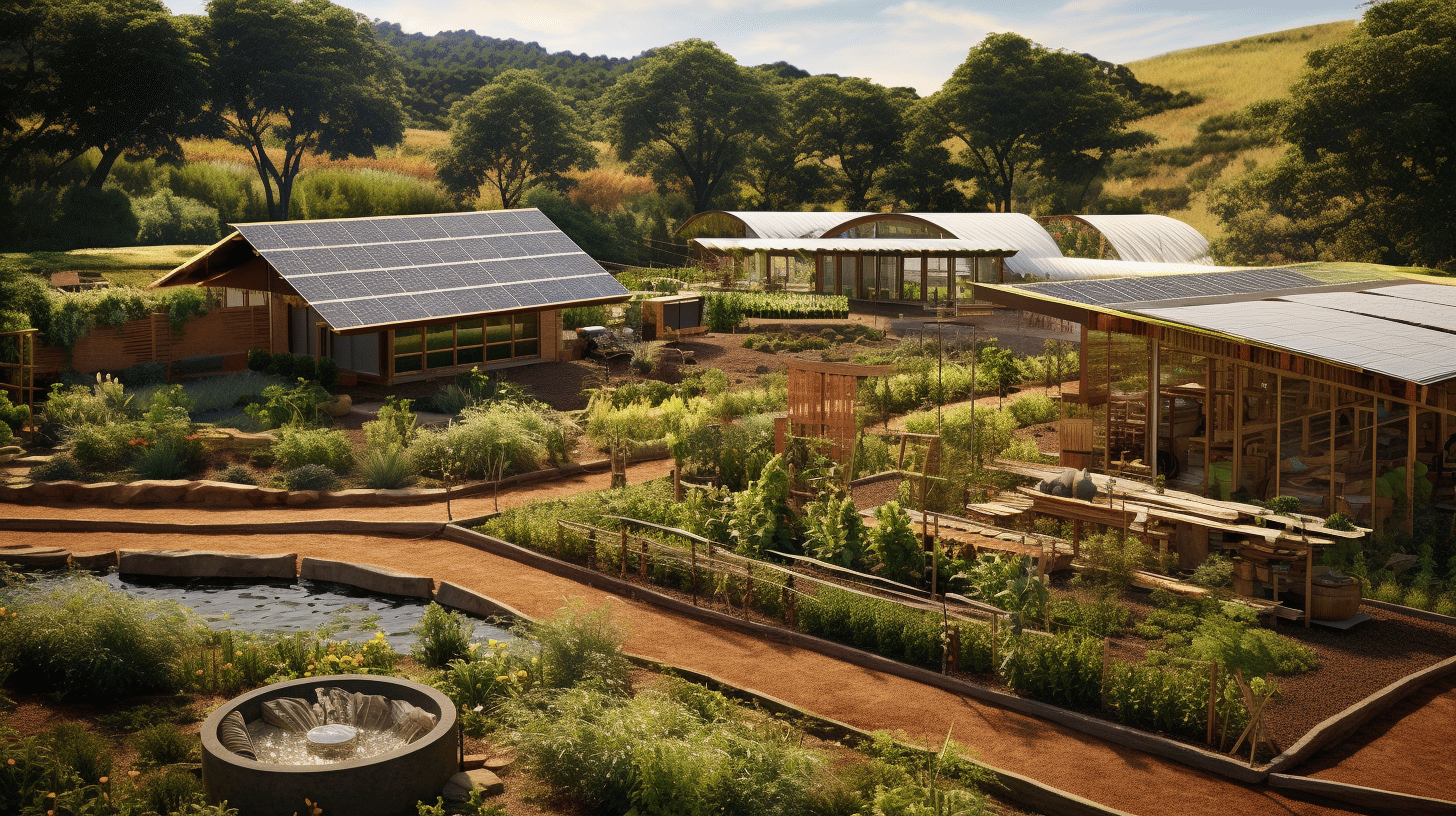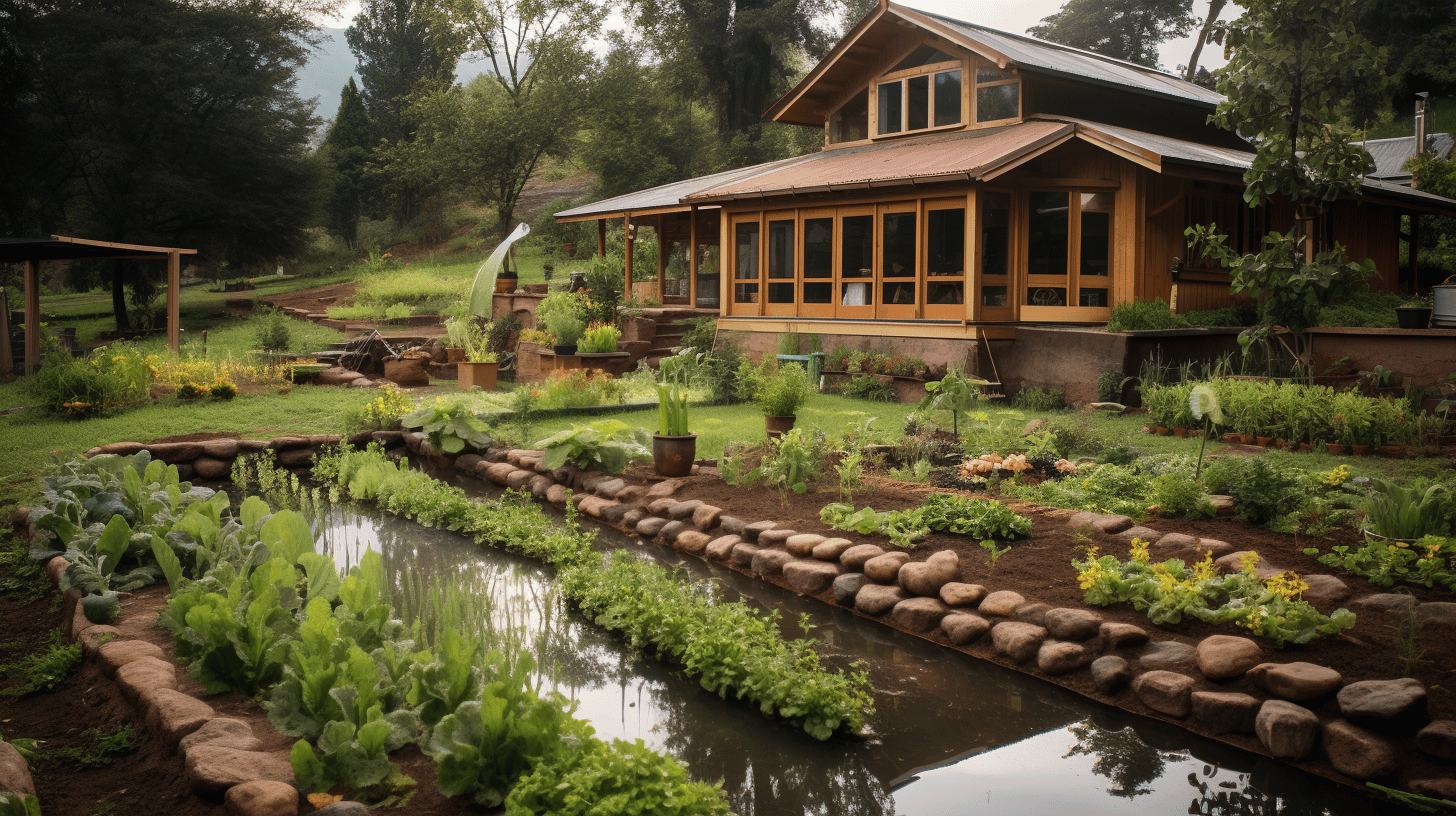
Permaculture, a portmanteau of “permanent agriculture,” is a holistic approach to designing sustainable and resilient systems that thrive in harmony with nature. Since its inception in the 1970s, permaculture has gained traction as a solution to address the pressing environmental and social challenges of our time. By integrating ecological principles, observation, and design, permaculture offers a path towards regenerative agriculture and self-sustaining ecosystems.
In this article, we will delve into the principles, potential, and practical implementation of permaculture, as well as explore its global impact and relevance in the realm of sustainable water management. Whether you are a farmer looking to transform your practices or a curious soul seeking a more sustainable way of life, this article will provide you with valuable insights and inspiration.
So, let’s embark on a journey to understand the beauty and practicality of permaculture, and discover how it can shape the future of farming and our relationship with the planet.
Understanding Permaculture
Permaculture is a holistic approach to designing sustainable and regenerative systems that mimic the patterns and relationships found in nature. It encompasses a wide range of practices, including agriculture, architecture, and ecological restoration, that seek to create harmonious and resilient ecosystems.
Definition and Foundational Principles
At its core, permaculture is centered around three basic principles:
- Earth Care: The aim is to respect and care for the Earth, recognizing that all living beings are interconnected and dependent on a healthy environment.
- People Care: Permaculture also emphasizes the importance of caring for people, in terms of their well-being, education, and access to resources. It emphasizes the importance of community and creating systems that support human needs.
- Fair Share: Lastly, permaculture encourages the equitable distribution of resources and a commitment to sharing surplus, ensuring that everyone has access to the basic necessities of life.
These principles guide practitioners in creating sustainable systems that are not only environmentally friendly but also socially and economically beneficial.
12 Principles of Permaculture Design
In addition to the foundational principles, permaculture design is guided by a set of twelve design principles. These principles act as a framework for creating efficient and resilient systems. Some of these principles include:
- Observation and Interaction: Before making any design decisions, it is essential to spend time observing and interacting with the natural environment. By understanding the patterns and processes at work, we can design systems that are better suited to the specific conditions of the site.
- Catching and Storing Energy: Permaculture seeks to harness and utilize renewable sources of energy, such as sunlight, wind, and water. By capturing and storing energy, we can reduce our reliance on fossil fuels and create self-sustaining systems.
- Obtaining Yields: Permaculture aims to create productive systems that generate useful yields. This could be in the form of food, fibers, energy, or other resources. By designing systems that provide for our needs, we can create more self-sufficient and resilient communities.
These principles, along with others such as using small and slow solutions and valuing diversity, provide a roadmap for sustainable design and decision-making.
The Importance of Observing and Interacting with Nature
One of the fundamental aspects of permaculture design is the emphasis on observing and interacting with nature. By taking the time to understand the natural processes and patterns of a site, we can design systems that work with, rather than against, the existing ecosystem.
Observation allows us to gather important information about the resources available, the climate, the behavior of plants and animals, and other key factors that will influence our design decisions. It helps us identify opportunities and constraints and provides insights into the potential challenges and successes that lie ahead.
Interacting with nature goes hand in hand with observation. Through hands-on activities such as planting, soil testing, and water management, we can deepen our understanding of the natural world and build a more intuitive and intimate relationship with our surroundings.
In permaculture, this observation and interaction process is an ongoing and dynamic one. As we implement our designs and observe their outcomes, we can learn from the feedback provided by the living systems we work with. This iterative process allows us to refine and adjust our designs over time, continually improving and adapting to the changing needs of the ecosystem.
As permaculture practitioners, we become co-creators with nature, partnering with the natural world to design systems that are not only sustainable but also regenerative, creating abundance and resilience for future generations.
Popularity and Awareness of Permaculture
Permaculture, a sustainable farming and gardening practice that seeks to mimic natural ecosystems, has been gaining popularity in recent years. As people become more aware of the environmental impact of traditional agriculture methods, they are seeking out alternatives that prioritize the health of the planet while still providing for human needs. In this section, we will explore the current popularity and awareness of permaculture, highlighting some intriguing statistics and trends.
- Did you know that there are already over 10,000 permaculture farms in the United States alone? These farms utilize permaculture principles to create resilient, productive, and environmentally-friendly systems. This number is a testament to the growing interest and acceptance of permaculture as a viable agricultural approach.
- Furthermore, a recent survey conducted by McKinsey found that more than 70% of young farmers in the US plan to incorporate permaculture techniques into their farming practices. This indicates a generational shift towards sustainable farming methods and a recognition of the long-term benefits of adopting permaculture.
- Despite the positive trends, there is still work to be done to increase the adoption of permaculture on a larger scale. The same McKinsey survey revealed that while 90% of farmers are aware of sustainable farming practices, including permaculture, the actual implementation of these practices remains relatively low. This suggests that awareness alone is not enough and that barriers, such as lack of resources or knowledge, may be preventing widespread adoption.
In conclusion, permaculture is gaining traction and popularity as people recognize its potential to address environmental challenges and create more resilient food systems. With thousands of permaculture farms already in operation and a strong interest from young farmers, the future of permaculture looks promising. However, efforts to increase awareness and overcome barriers to implementation are necessary to fully realize the potential of this sustainable farming practice.
Potential and Benefits of Permaculture
Permaculture is gaining momentum as a sustainable and regenerative approach to agriculture and land management. Harnessing the power of nature and working in harmony with it, permaculture offers a multitude of benefits that go far beyond traditional farming methods. Let’s delve into some of the incredible potential and advantages that permaculture brings to the table.
Yield Potential
One of the most remarkable aspects of permaculture is its ability to yield impressive results in terms of food production. According to data from the Sustainable Food Initiative (SFI), permaculture systems have the potential to generate three to four times more yield compared to conventional agriculture methods[1]. This higher productivity is achieved by integrating diverse plant species and utilizing efficient design principles that maximize the use of resources.
Soil Health Improvement
Permaculture places a significant emphasis on nurturing and improving soil health. Unlike conventional practices that often deplete soil of essential nutrients, permaculture strategies work towards building fertile soils that are abundant in organic matter. By implementing techniques such as composting, mulching, and cover cropping, permaculturists create a thriving ecosystem in the soil. This, in turn, enhances nutrient availability, water retention, and overall soil fertility.
Biodiversity Enhancement
One of the key principles of permaculture is biodiversity. By advocating for the cultivation of a wide range of plant species, permaculture systems promote a diverse and resilient ecosystem. This approach not only benefits wildlife but also contributes to the overall health and productivity of the system. From attracting beneficial insects to providing habitat for pollinators, the integration of diverse species in permaculture designs creates a harmonious balance that supports the entire ecosystem.
Creation of Self-Sustaining Ecosystems
Permaculture aims to create self-sustaining ecosystems that require minimal external inputs. By carefully designing the layout and interactions of different elements within a system, permaculturists strive to establish a closed-loop model. This means that the system becomes self-sufficient, utilizing resources efficiently, recycling waste, and minimizing reliance on external inputs like fertilizers and pesticides. Ultimately, this approach not only reduces the ecological footprint but also offers long-term resilience and sustainability.
In conclusion, the potential and benefits of permaculture are vast and significant. It has the power to revolutionize the way we interact with the land and produce our food. By maximizing yield potential, improving soil health, enhancing biodiversity, and creating self-sustaining ecosystems, permaculture offers a promising and sustainable future for agriculture and land management.
[1] – additional_info.data[1]
Global Implementation of Permaculture
Permaculture, a holistic approach to sustainable living and agriculture, has gained significant momentum globally. Its principles and practices are being implemented in various parts of the world, making a positive impact on both the environment and communities. With organic agriculture sales on the rise and the sustainable agriculture market projected to grow even further, it is evident that permaculture is playing a crucial role in shaping a sustainable future.
Here are some key highlights of permaculture’s global implementation:
- Increasing Sales and Market Growth: Organic agriculture has experienced a substantial increase in sales since 2016, with a rise of 31% overall[1]. This growth signifies the growing demand for sustainably produced goods and the recognition of the benefits of organic practices. Furthermore, the global sustainable agriculture market is predicted to reach 31.35 billion by 2031[2]. This projection reflects the increasing adoption of sustainable practices, including permaculture, on a global scale.
- Successful Implementation: Permaculture practices have been successfully implemented in various regions around the world. From small-scale community gardens to larger agricultural operations, permaculture principles are being applied to create regenerative systems that work symbiotically with nature. Examples of successful permaculture projects can be found in countries like Australia, Costa Rica, India, and the United States. These projects demonstrate the adaptability and effectiveness of permaculture in different climatic and cultural contexts.
- Addressing Environmental Challenges: As the world faces significant environmental challenges such as climate change, soil degradation, and biodiversity loss, permaculture offers a practical and sustainable solution. By incorporating principles such as biodiversity, natural resource conservation, and regenerative practices, permaculture helps restore and regenerate ecosystems. This approach not only mitigates the negative impact of conventional agricultural practices but also contributes to the overall health and resilience of the planet.
In conclusion, permaculture’s global implementation is on the rise, driven by the increasing demand for sustainable and organic products. Its success is evident from the growth in sales of organic agriculture and the projected expansion of the sustainable agriculture market. With successful implementations around the globe, permaculture is playing a vital role in addressing environmental challenges and creating a more sustainable future for all.
[1]: source
[2]: source
Regenerative Agriculture and Permaculture
Regenerative agriculture and permaculture are two powerful approaches that share a common goal: to create sustainable and regenerative systems that improve both the land and the livelihoods of farmers. When these two practices are integrated, they can provide even more significant economic outcomes and environmental benefits.
Permaculture, which stands for “permanent agriculture,” is a design system that aims to mimic nature’s patterns and principles. It emphasizes working harmoniously with natural ecosystems, considering them as partners rather than obstacles. By observing and understanding the interactions between plants, animals, and the surrounding environment, permaculture seeks to create resilient, self-sustaining systems that require minimal human intervention.
Regenerative agriculture, on the other hand, focuses on rebuilding and restoring the health and productivity of agricultural landscapes. It goes beyond sustainability by actively replenishing the soil, enhancing biodiversity, and improving water management. This approach recognizes that healthy soil is the foundation for successful and resilient farming.
Key Principles of Regenerative Agriculture and Permaculture
Both regenerative agriculture and permaculture share common principles and practices that can be applied in various contexts. Some of the key principles include:
- Holistic Approach: Both regenerative agriculture and permaculture embrace a holistic perspective, considering the interconnections between different elements of the system. By understanding and working with these connections, farmers can optimize resource use and promote resilience.
- Soil Health: Both practices prioritize soil health and emphasize the importance of organic matter, microbial activity, and nutrient cycling. By building healthy soil, farmers can enhance plant growth, sequester carbon, and reduce the need for synthetic inputs.
- Biodiversity: Regenerative agriculture and permaculture promote biodiversity by encouraging the presence of different plant species, animals, and insects. This helps create a balanced and resilient ecosystem that supports natural pest control and pollination.
- Water Management: Both approaches prioritize efficient water management, considering water as a precious resource. Techniques such as rainwater harvesting, contouring of land, and swale systems help to retain and utilize water effectively.
Incorporating permaculture principles into regenerative agriculture practices can lead to additional benefits. By cultivating diverse plant species, integrating livestock, and creating food forests, farmers can maximize productivity, improve ecosystem services, and enhance the overall resilience of their systems.
Final Thoughts on Regenerative Agriculture and Permaculture
Regenerative agriculture and permaculture offer innovative and sustainable solutions to the challenges faced by modern agriculture. By adopting these approaches, farmers can not only improve their economic outcomes but also play a crucial role in mitigating climate change, preserving biodiversity, and protecting precious natural resources.
The integration of permaculture principles into regenerative agriculture practices adds another layer of complexity and effectiveness to sustainable farming systems. By combining these two approaches, farmers can create harmonious and productive landscapes that benefit both people and the planet.
As we move towards a more sustainable future, it is essential to explore and implement approaches like regenerative agriculture and permaculture. By embracing these practices, we can foster a more resilient and regenerative agroecosystem that sustains us and future generations.
Practical Implementation of Permaculture
Permaculture is not just a theory or an ideology; it is a practical approach to sustainable living and farming. It offers valuable solutions for addressing environmental challenges, improving food security, and promoting biodiversity. But how can permaculture be implemented in real-life situations? Let’s explore some practical ways to bring permaculture principles into action.
Teaching Permaculture to Conventional Farmers
One of the most impactful ways to implement permaculture is by teaching its principles to conventional farmers. Conventional farming methods often rely heavily on chemical inputs, monoculture cropping, and heavy equipment. By introducing permaculture techniques to farmers, we can help them transition to more sustainable and regenerative practices.
Here are some effective ways to teach permaculture to conventional farmers:
– Workshops and Training: Organize workshops and training sessions where farmers can learn about the core principles of permaculture, such as observation, working with nature, and creating diverse systems. Hands-on activities and real-life examples can help them understand the practical applications of permaculture.
– Demonstration Farms: Establish demonstration farms that showcase successful permaculture projects. Farmers can visit these farms to see how permaculture techniques are being implemented in practice. These farms can serve as living examples and inspire farmers to adopt similar practices on their own land.
– Peer-to-Peer Learning: Encourage farmers who have already implemented permaculture on their farms to share their experiences and knowledge with others. Peer-to-peer learning can be highly effective, as farmers can relate to and learn from each other’s challenges and successes.
Applying Permaculture in Various Scales
Permaculture is not limited to large-scale farms or rural settings. Its principles can be applied at various scales, from urban gardens to community projects. Here are some examples of how permaculture can be implemented in different contexts:
– Urban Permaculture: In urban areas, permaculture can be implemented through rooftop gardens, vertical farming, or community gardens. These spaces can utilize composting, rainwater harvesting, and companion planting to create sustainable and productive green spaces.
– Suburban Permaculture: Suburban neighborhoods can implement permaculture by transforming lawns into food forests or incorporating permaculture principles in landscaping designs. This approach can promote locally sourced food, reduce water consumption, and increase biodiversity.
– Community-based Permaculture: Permaculture can also be implemented in community projects, such as school gardens, public parks, or cooperative farms. These initiatives provide opportunities for community engagement, education, and collective action towards sustainable food production.
Staged Development of Permaculture Farms
Implementing permaculture on a farm requires careful planning and staged development. It is often unrealistic to expect immediate transformation from conventional practices to a fully integrated permaculture system. Here’s a suggested approach for staged development of permaculture farms:
1. Assessment and Design: Start by assessing the current state of the farm, including soil health, water availability, climate conditions, and existing infrastructure. Based on this assessment, develop a permaculture design that considers the natural resources available and aligns with the farmer’s goals and aspirations.
2. Infrastructure Development: Begin by developing key infrastructure elements, such as water catchment systems, composting areas, and windbreaks. These elements provide the foundation for sustainable farming practices and help enhance biodiversity.
3. Soil Building and Planting: Focus on improving soil health through techniques like cover cropping, composting, and mulching. Implement agroforestry practices and plant a diverse range of crops to mimic natural ecosystems and increase resilience.
4. Integration of Livestock: Integrate livestock into the farm system to create a closed-loop nutrient cycle. Practices like rotational grazing and keeping animals in harmony with the landscape can improve soil fertility and reduce the need for external inputs.
By following this staged approach, farmers can gradually transform their farms into thriving permaculture systems that are productive, resilient, and environmentally sustainable.
Permaculture offers practical solutions for a more sustainable future. Whether it’s teaching permaculture to conventional farmers, applying permaculture principles in urban or suburban contexts, or staged development of permaculture farms, implementing permaculture in real-life situations can make a significant positive impact on our environment and communities.
Permaculture and Sustainable Water Management
Permaculture, a holistic approach to farming and land management, can play a crucial role in sustainable water management within agricultural systems. With its focus on working with, rather than against, nature, permaculture offers innovative solutions for maximizing water efficiency and conservation. By implementing permaculture principles, farmers can reduce water consumption, prevent soil erosion, and enhance the quality of water resources.
Water-Saving Techniques in Permaculture
Permaculture employs various techniques to save water and make the most efficient use of this precious resource. Here are some notable methods:
- Rainwater Harvesting: Collecting rainwater is a fundamental practice in permaculture. By installing rain barrels, tanks, or cisterns, farmers can capture rainwater and use it for irrigation during dry spells.
- Swales: Swales are shallow ditches dug along the contour lines of the land to capture and retain rainfall runoff. These earthworks help prevent soil erosion and allow water to infiltrate the soil, recharging groundwater reserves.
- Mulching: Mulching involves covering the soil surface with organic materials such as straw, wood chips, or leaves. This layer acts as a protective barrier, reducing evaporation and maintaining soil moisture levels.
- Perennial Plantings: Permaculture encourages the cultivation of perennial plants that have deep root systems. These plants can access water from deeper soil layers, reducing the need for frequent irrigation.
The Role of Permaculture in Water Quality
In addition to water conservation, permaculture also pays attention to water quality. Agricultural activities can contribute to water pollution through the use of synthetic fertilizers, pesticides, and improper waste management. However, permaculture focuses on employing natural techniques that minimize environmental impacts. For example:
- Companion Planting: By incorporating companion plants in their permaculture design, farmers can naturally control pests and reduce the need for chemical pesticides that can contaminate water sources.
- Biological Filters: Constructed wetlands and biological filters are used in permaculture to treat and filter wastewater on-site. These systems replicate natural wetland ecosystems and remove contaminants from water before it is released back into the environment.
Permaculture and Long-Term Sustainability
Permaculture’s emphasis on long-term sustainability aligns perfectly with the goals of sustainable water management. By integrating water-saving techniques and organic practices, permaculture systems can:
- Reduce reliance on external water sources, lowering the strain on local water supplies.
- Promote soil health and fertility, leading to increased water absorption and retention capacity.
- Enhance biodiversity by creating habitats for beneficial insects, birds, and other wildlife.
In conclusion, permaculture offers innovative solutions for sustainable water management in agricultural systems. By implementing water-saving techniques, promoting water quality, and fostering long-term sustainability, permaculture practices can ensure the responsible use of water resources while maintaining productive and resilient agricultural landscapes. With permaculture, farmers can become stewards of both land and water, contributing to a more sustainable and water-secure future.
Conclusion
Permaculture offers an innovative and sustainable approach to farming and land management. By following the core principles and techniques of permaculture design, farmers and individuals can create resilient and self-sustaining ecosystems that benefit both the environment and their communities. The potential and benefits of permaculture are vast, including increased yield potential, improved soil health, enhanced biodiversity, and the creation of self-sustaining ecosystems.
As the popularity and awareness of permaculture continue to grow, its implementation is spreading worldwide. From small-scale gardens to large-scale farms, permaculture principles can be applied in various contexts. Educating and teaching conventional farmers about permaculture is an essential step in transforming farming practices and ensuring a sustainable future.
Through our platform at Regenerative Agriculture Wiki, we aim to be a reliable source of information on permaculture and regenerative agriculture. Our comprehensive guides, tips, and insights are tailored to meet the interests of seasoned farmers, environmentalists, food enthusiasts, and anyone curious about sustainable living. Join us in exploring the potential of regenerative agriculture and fostering a future where agriculture and ecology thrive in harmony.
To learn more about permaculture and discover the wealth of information available on our platform, visit our website: Regenerative Agriculture Wiki.
Monetize with Product Link: If you’re ready to take the next step and dive deeper into permaculture, consider exploring our selection of permaculture books, courses, and resources available on Regenerative Agriculture Wiki’s online store. These carefully curated resources can provide you with the knowledge and tools you need to implement permaculture principles on your own farm or garden. Visit our online store today and start your journey towards sustainable and regenerative farming practices.
Frequently Asked Questions
- What is permaculture?
Permaculture is a system of agricultural and social design principles that mimic natural ecosystems. Its goal is to create sustainable and resilient human settlements while minimizing waste and environmental impact.
- How can permaculture principles be applied in farming?
Permaculture principles can be applied in farming through practices such as agroforestry, organic farming, water conservation techniques, companion planting, and using natural pest control methods. These techniques help create self-sustaining and resilient farming systems.
- What are the benefits of using permaculture principles in farming?
Using permaculture principles in farming offers several benefits, including increased biodiversity, improved soil health and fertility, reduced need for synthetic inputs, efficient water usage, enhanced resilience against climate change, and the production of healthy and nutritious food.
- Is permaculture suitable for large-scale commercial farming?
While permaculture principles are commonly applied in small-scale and backyard farming, they can also be adapted for large-scale commercial farming. However, implementing permaculture on a larger scale requires careful planning, design, and management.
- Are there any certifications or courses available for learning permaculture farming?
Yes, there are various certifications and courses available for learning permaculture farming. These courses provide in-depth knowledge about permaculture principles, design techniques, and practical applications. Organizations like Permaculture Institute offer internationally recognized certifications.