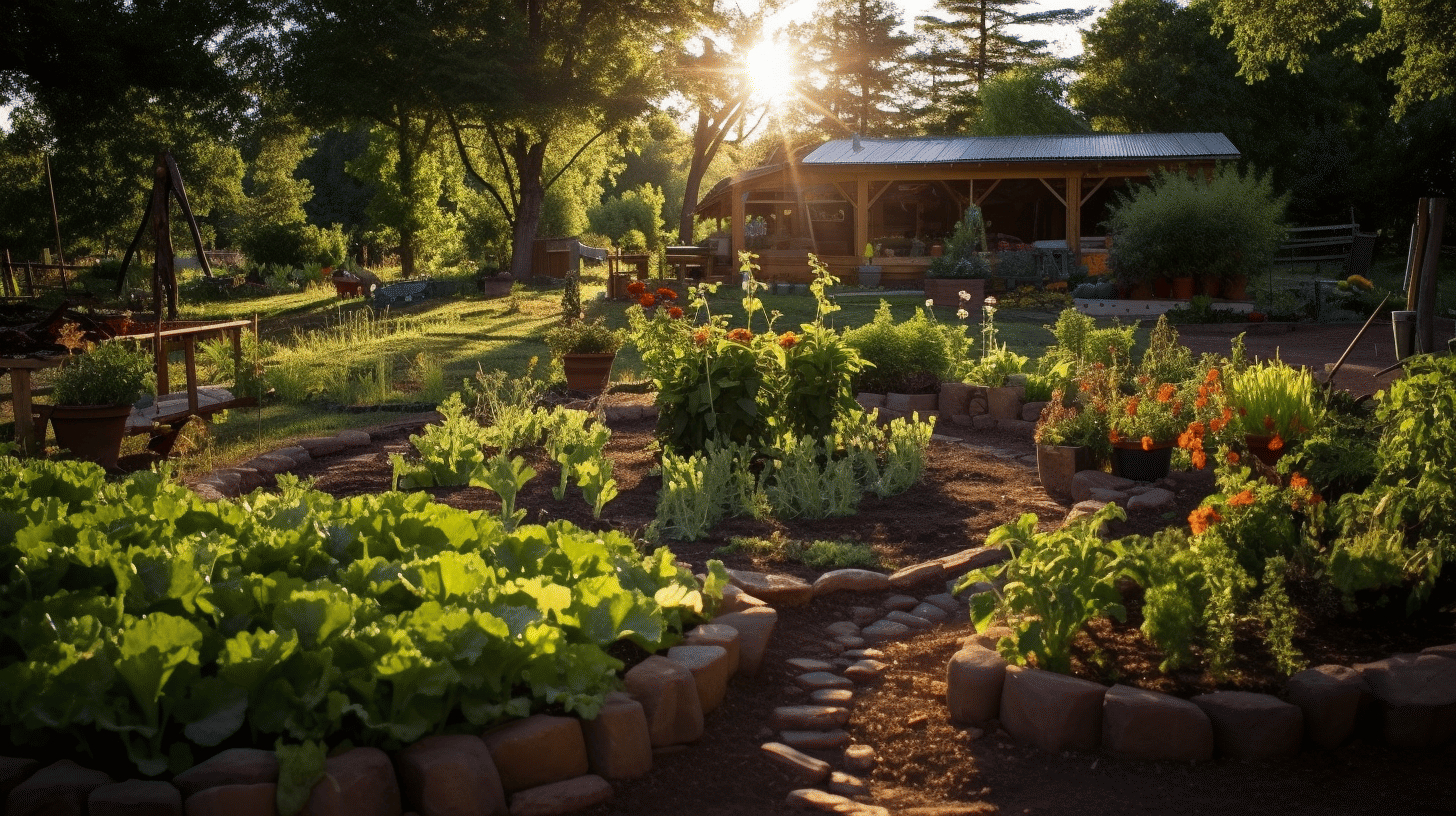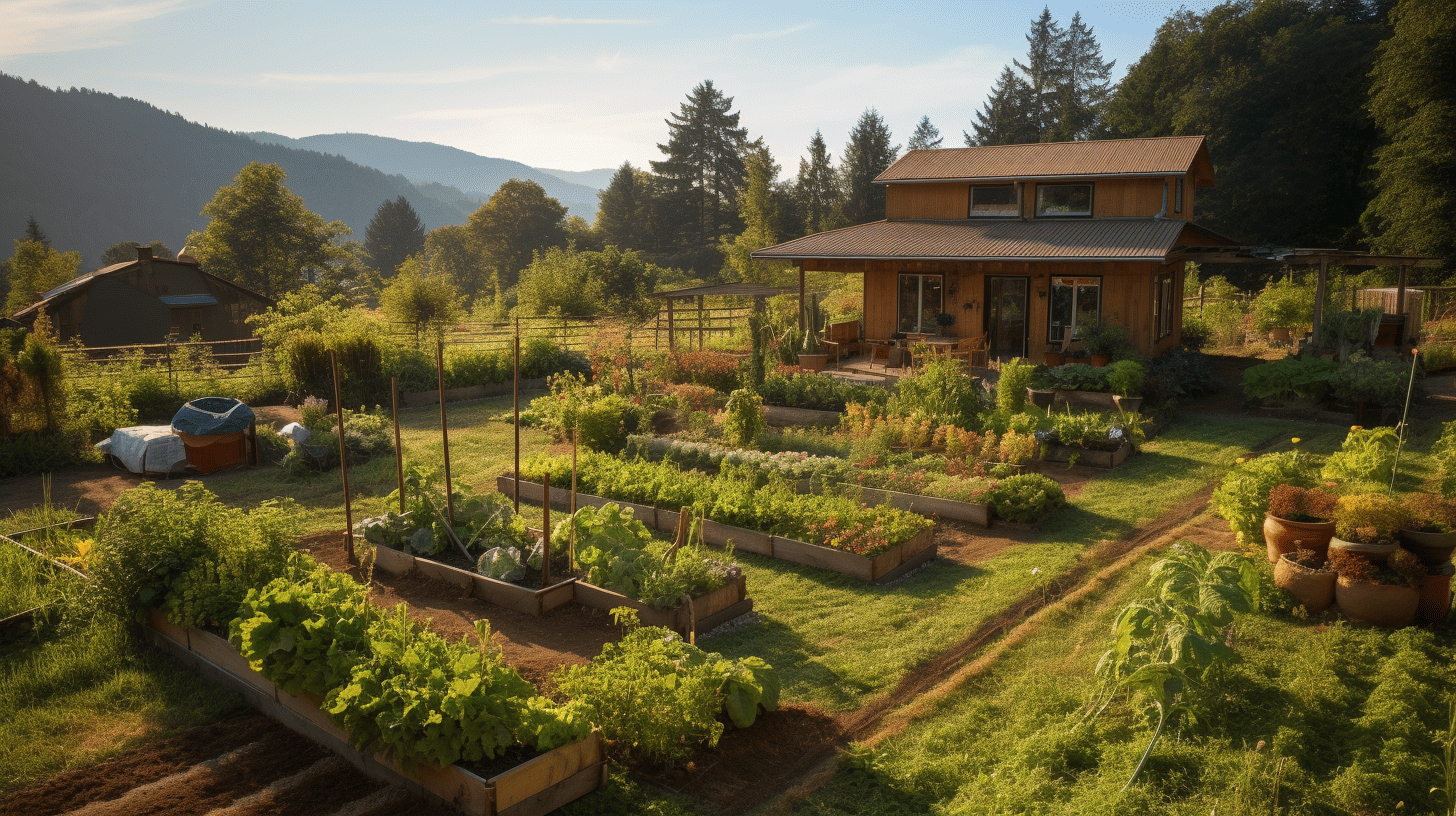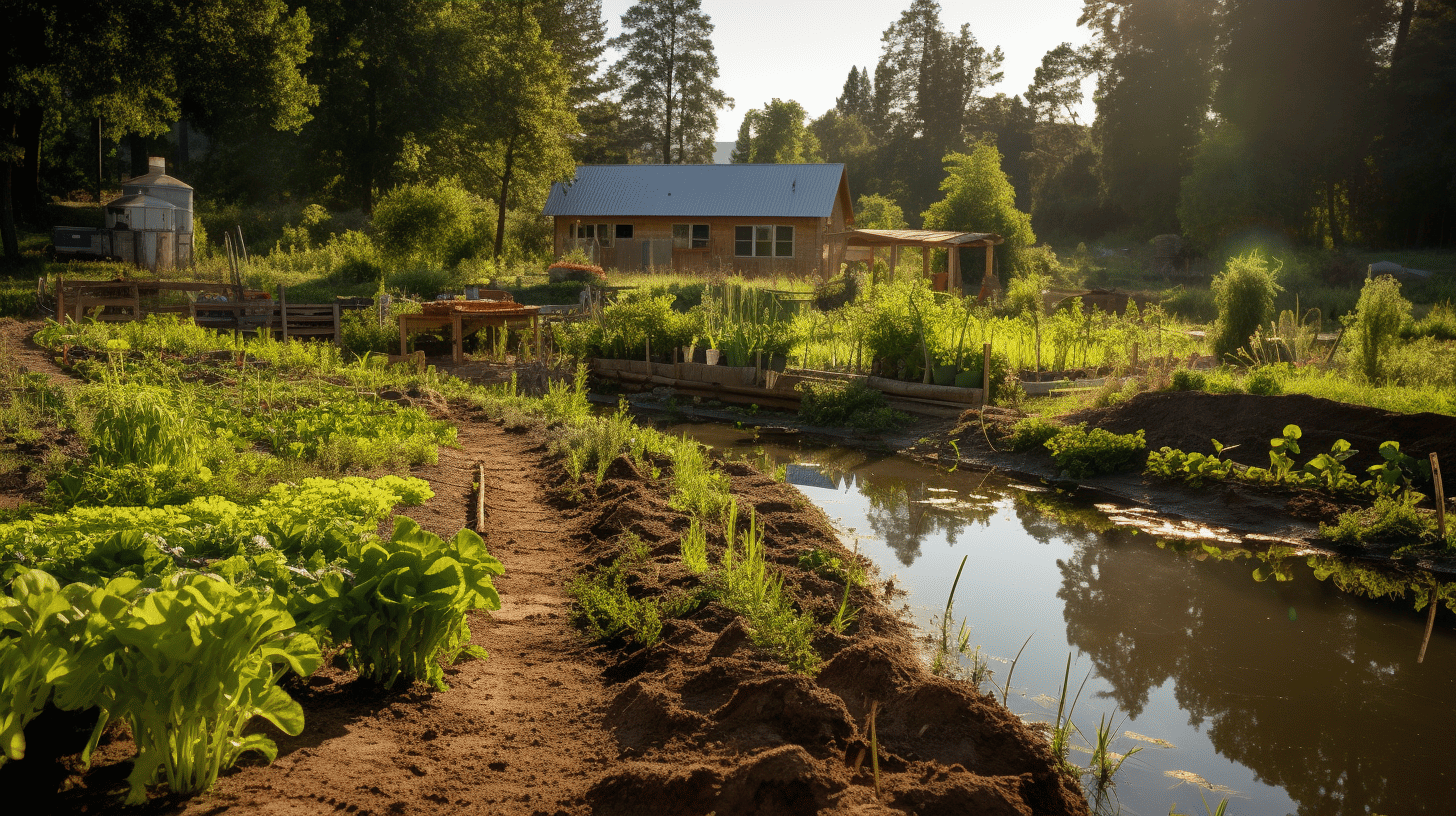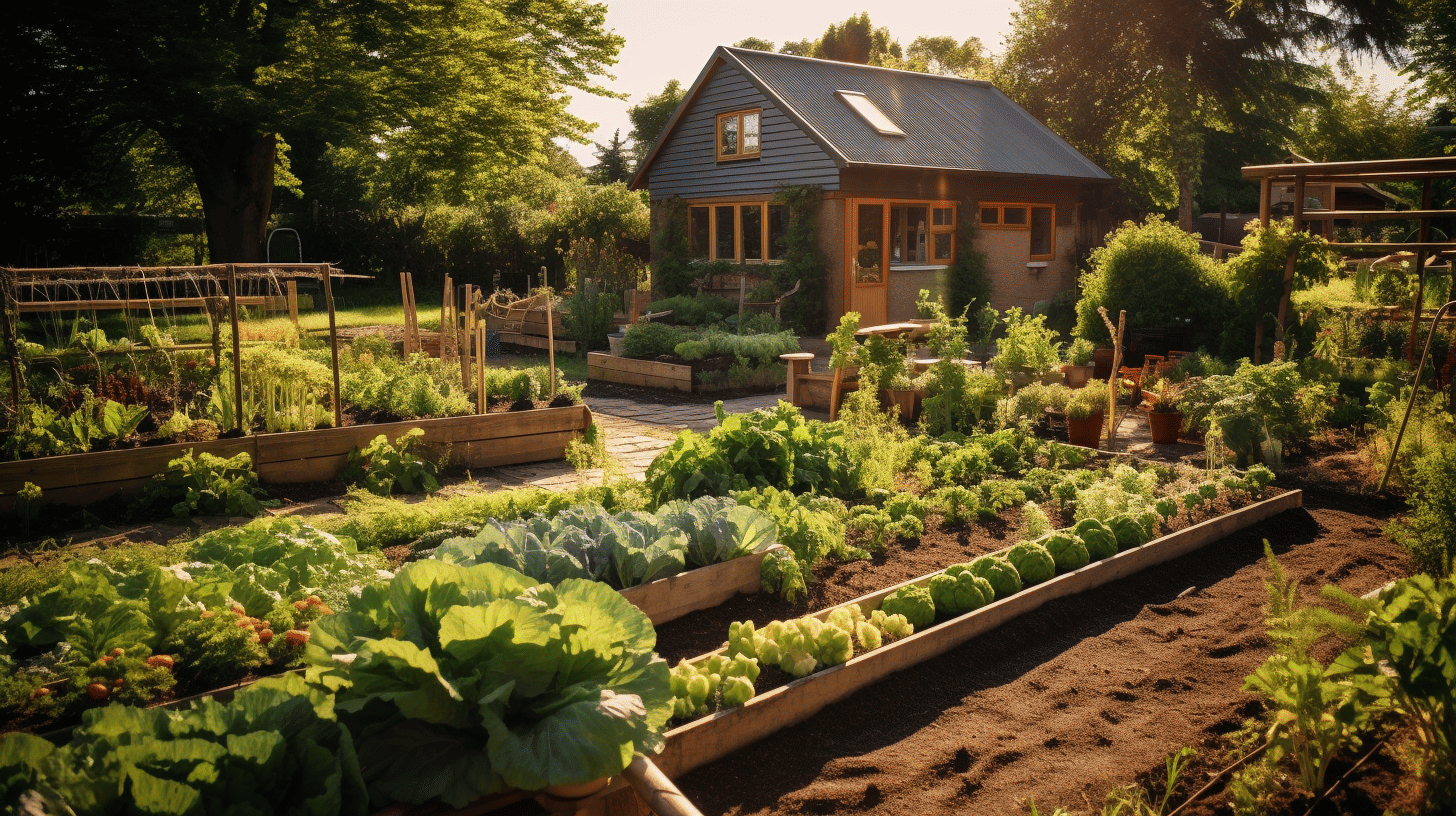
Permaculture, a term derived from “permanent agriculture” and “culture,” is a holistic approach to farming and gardening that aims to mimic natural ecosystems while maximizing yield, promoting sustainability, and enhancing resilience in the face of environmental challenges. Combining traditional knowledge with modern science, permaculture techniques offer a way to cultivate crops while minimizing the negative impact on the environment.
In this article, we will explore the principles and techniques of permaculture, highlighting its benefits over traditional farming methods. We will also delve into the impact of permaculture on climate change and ecology. By the end, you’ll have a comprehensive understanding of how permaculture can significantly contribute to enhancing crop resilience and yield.
So, whether you’re a farmer looking to transition to more sustainable practices or an avid gardener wanting to make a positive environmental impact, permaculture has something to offer you. Let’s dive into the world of permaculture and explore the techniques that can transform your approach to farming and gardening.
Principles of Permaculture
Permaculture, an approach to designing human settlements and agricultural systems, is gaining popularity due to its focus on sustainability and ecological harmony. By mimicking natural ecosystems, permaculture aims to create resilient and productive crop systems. Three principles that form the foundation of permaculture practices include biodiversity, companion planting, and regenerative practices.
Biodiversity
Biodiversity plays a crucial role in permaculture systems, as it promotes ecological balance and resilience. By incorporating a wide range of plant and animal species, permaculture designs mimic the diversity of natural ecosystems. Here’s why biodiversity is a fundamental principle:
- Resilience: A diverse ecosystem is better able to withstand environmental fluctuations, pests, and diseases. If one species is affected, others can compensate, allowing the system to bounce back.
- Natural pest control: In permaculture, diverse plants attract a variety of beneficial insects and birds that help control pests naturally. This reduces the need for harmful chemical pesticides.
- Ecological functions: Diverse plant species perform a range of ecological functions, such as nitrogen fixation, nutrient cycling, and soil improvement. This results in a self-sustaining and fertile system.
Companion Planting
Companion planting is an age-old agricultural practice that involves planting different compatible species in close proximity to enhance growth, productivity, and pest management. Here’s why companion planting is integral to permaculture:
- Mutual benefits: Some plant combinations have mutually beneficial relationships. For example, certain plants may repel pests that can damage neighboring crops. Others may provide shade or physical support to fellow plants.
- Disease suppression: Companion planting can help prevent the spread of diseases. Some plants release natural compounds that deter pathogens, reducing the risk of crop infections.
- Improved yields: By carefully selecting companion plants, permaculturists can optimize space and resources, leading to increased yields. Plant combinations that enhance nutrient uptake or provide windbreaks can significantly boost productivity.
Regenerative Practices
Regenerative practices focus on rebuilding and revitalizing soil health, which is essential for sustainable agriculture. By prioritizing soil regeneration, permaculture systems promote long-term productivity and environmental stewardship. Here are key aspects of regenerative practices:
- No-till agriculture: Tilling disrupts the soil structure and exposes it to erosion. Permaculture emphasizes the minimal disturbance of soil, preserving its organic matter and beneficial microbial communities.
- Cover cropping: Cover crops, such as legumes and grasses, are planted to protect the soil from erosion, fix nitrogen, and improve soil fertility. When the cover crop is eventually incorporated into the soil, it adds organic matter and nutrients.
- Composting: Permaculture encourages composting as a means of recycling organic waste into a valuable soil amendment. Compost enriches the soil with nutrients, enhances its water-holding capacity, and promotes beneficial microbial activity.
By embracing principles like biodiversity, companion planting, and regenerative practices, permaculture offers a holistic and sustainable approach to agriculture. Whether you’re a farmer, a gardener, or simply passionate about sustainable living, exploring permaculture principles can empower you to create resilient and thriving ecosystems.
Techniques of Permaculture
Permaculture is a design philosophy that aims to create sustainable and resilient systems inspired by natural ecosystems. It offers a holistic approach to agriculture, integrating various techniques to create a harmonious and self-sufficient environment. This article explores some of the key techniques used in permaculture, including organic agriculture, agroforestry, composting, rainwater harvesting, and solar energy.
Organic Agriculture
One of the fundamental principles of permaculture is to work with nature rather than against it. Organic agriculture aligns perfectly with this principle, emphasizing the use of natural methods to grow crops and raise livestock. Here are some key features of organic agriculture in permaculture:
- No synthetic chemicals: Organic farming avoids the use of synthetic fertilizers, pesticides, and herbicides, relying instead on natural alternatives such as compost, cover crops, and biological pest control.
- Soil health: Permaculture practices focus on building and maintaining healthy soils through techniques like crop rotation, soil amendment with organic matter, and the use of living mulches.
- Biodiversity: Permaculture encourages the cultivation of a wide range of crops and the preservation of natural habitats to promote biodiversity and create a balanced ecosystem.
- Resilience: By avoiding chemical inputs and implementing regenerative practices, organic agriculture in permaculture systems aims to increase the resilience of food production while minimizing environmental impact.
Agroforestry
Agroforestry combines agricultural crops with the cultivation of trees to create a diverse and productive landscape. This technique has numerous benefits in permaculture:
- Ecosystem services: Trees provide a range of ecosystem services, including shade, windbreaks, erosion control, and habitat for wildlife. By integrating trees into the agricultural system, permaculture practitioners can enhance the overall health and productivity of the ecosystem.
- Food production: Agroforestry allows for the simultaneous cultivation of food crops and tree crops, maximizing land use efficiency and providing a variety of food sources.
- Carbon sequestration: Trees are excellent carbon sinks, absorbing carbon dioxide from the atmosphere and storing it in their biomass and soils. Agroforestry systems can play a vital role in mitigating climate change by sequestering significant amounts of carbon.
Composting
Composting is an essential technique in permaculture for recycling organic waste and creating nutrient-rich soil. Here’s why composting is so integral to permaculture:
- Waste reduction and recycling: Composting allows for the conversion of kitchen scraps, yard waste, and other organic materials into a valuable resource, reducing the amount of waste sent to landfills.
- Nutrient cycling: Compost adds organic matter and nutrients to the soil, improving its structure, fertility, and water-holding capacity. It also helps to promote beneficial soil microorganisms and suppress plant diseases.
- Closed-loop system: By composting on-site and using the resulting compost in the garden or farm, permaculture practitioners create a closed-loop system that minimizes the need for external inputs and fosters self-sufficiency.
Rainwater Harvesting
Water is a precious resource, and permaculture emphasizes the efficient use and conservation of water. Rainwater harvesting is a technique commonly used in permaculture for capturing and storing rainwater for various purposes. Here are some benefits:
- Water self-sufficiency: By collecting rainwater, permaculture practitioners can reduce their reliance on mains water supply, especially during dry periods. This is particularly important in areas where water scarcity is a concern.
- Landscape hydration: By capturing rainwater and directing it to the landscape, rainwater harvesting helps to replenish groundwater, hydrate plants, and support overall ecosystem health.
- Reduced runoff and erosion: By collecting rainwater and storing it on-site, permaculture systems can significantly reduce stormwater runoff and erosion, mitigating the negative impacts of heavy rainfall.
Solar Energy
Permaculture embraces renewable energy sources, and solar energy plays a crucial role in powering sustainable systems. Here’s why solar energy is a valuable technique in permaculture:
- Clean and renewable: Solar energy is abundant, clean, and renewable, making it an ideal alternative to fossil fuels. By harnessing the power of the sun, permaculture practitioners can reduce their carbon footprint and contribute to a more sustainable future.
- Off-grid applications: Solar energy can be used off-grid to power various infrastructure in permaculture systems, such as lighting, water pumps, irrigation systems, and electric fencing.
- System resilience: Solar energy provides a reliable and decentralized source of electricity, enhancing the resilience and self-sufficiency of permaculture systems, especially in remote or rural areas with limited access to the grid.
Incorporating these techniques into permaculture systems helps to create regenerative and sustainable environments that benefit both people and the planet. By embracing organic agriculture, agroforestry, composting, rainwater harvesting, and solar energy, permaculture practitioners can build resilient systems that provide for their needs while preserving and regenerating the natural world.
Impact of Permaculture on Climate Change and Ecology
Permaculture, a nature-based approach to farming and gardening, has gained increasing attention in recent years due to its positive impact on climate change and ecology. By utilizing regenerative practices and mimicking natural ecosystems, permaculture offers a sustainable solution to mitigate the effects of climate change while promoting biodiversity and supporting wildlife. Let’s explore the various ways in which permaculture contributes to a healthier planet.
Resilience to Climate Change
One of the key benefits of permaculture is its ability to increase resilience to climate change and other environmental stresses. Traditional farming methods often rely heavily on chemical inputs, which can deplete soil fertility and make crops more vulnerable to extreme weather events. In contrast, permaculture focuses on building healthy and resilient ecosystems that are better equipped to withstand climate-related challenges.
By implementing permaculture principles such as companion planting, soil enrichment, and water harvesting, farmers and gardeners can create a diverse and interconnected web of plant and animal interactions. This diversity helps to buffer against the impacts of climate change, such as droughts, flooding, and pests. In essence, permaculture acts as a natural insurance policy, ensuring the long-term viability of food production in an uncertain climate.
Sustainable Ecosystems
Permaculture goes beyond simply growing food; it aims to create sustainable and self-sufficient ecosystems that mimic the resilience and productivity of natural ecosystems. In permaculture gardens and farms, different elements are strategically placed to maximize their synergistic relationships and minimize waste. This holistic approach fosters a more efficient use of resources and reduces the reliance on external inputs.
For example, permaculture encourages the use of polycultures instead of mono-cropping, where multiple plants are grown together in a symbiotic relationship. This not only increases biodiversity and ecological resilience but also enhances soil fertility and reduces the need for chemical fertilizers and pesticides. The result is a more sustainable and regenerative system that minimizes the ecological footprint associated with conventional agriculture.
Biodiversity and Wildlife Support
Permaculture actively promotes biodiversity and provides critical habitat for wildlife, helping to reverse the trend of species loss and habitat destruction. By creating diverse and abundant ecosystems, permaculture gardens and farms attract a wide range of beneficial insects, birds, and mammals that contribute to pest control, pollination, and nutrient cycling.
Native plants, which are an integral part of permaculture design, play a crucial role in supporting local wildlife. They provide food and shelter for indigenous species, contributing to the overall health and biodiversity of the ecosystem. In this way, permaculture not only cultivates food for humans but also nurtures thriving ecosystems that support a myriad of species.
In conclusion, permaculture offers a sustainable and nature-based approach to mitigate the impacts of climate change and promote ecological resilience. By incorporating regenerative practices and mimicking natural ecosystems, permaculture creates a win-win situation for the environment and humanity. Through permaculture, we can foster empowerment, cooperation, and nature restoration, going beyond traditional farming methods to create a greener and more sustainable future.
Advantages of Permaculture over Traditional Farming
Improving Soil Fertility
Permaculture methods prioritize the health and fertility of the soil. By implementing practices such as crop rotation and cover cropping, permaculture farmers can enhance the nutrient content of the soil and reduce the risk of nutrient depletion. These techniques help maintain soil structure, prevent erosion, and promote the growth of beneficial soil microorganisms. As a result, permaculture farms can sustainably produce healthy crops year after year.
Increasing Total Crop Yield
Another significant advantage of permaculture is the increased total crop yield. By utilizing multi-cropping techniques, permaculture farmers can grow different types of crops in the same space, maximizing the productivity of their land. Additionally, permaculture encourages the use of perennial plants that continue to produce crops year after year, further boosting overall yield. This approach allows farmers to diversify their production and enhance food security.
Promoting Multi-Cropping
Permaculture embraces the concept of multi-cropping, which involves growing multiple crops together in a harmonious and supportive environment. This approach contrasts with monoculture, where a single crop is grown over a large area. Multi-cropping offers several benefits:
- Natural Pest Control: Growing a variety of crops helps control pests and diseases naturally. Some plants repel certain pests, while others attract beneficial insects that prey on harmful pests, reducing the need for chemical pesticides.
- Improved Soil Health: Different plants have different nutrient requirements. Planting a variety of crops helps prevent nutrient depletion and improves soil health by replenishing specific nutrients.
- Enhanced Biodiversity: Multi-cropping creates a diverse ecosystem on the farm, attracting various wildlife species, including pollinators. This biodiversity is crucial for a healthy and balanced environment.
Assisting Wildlife and Pollinators
Permaculture farming methods prioritize the conservation of wildlife and support the thriving of pollinator populations. Through the use of native plants, hedgerows, and water features, permaculture farms create habitats for a range of wildlife, including birds, insects, and small mammals. These organisms play a vital role in pollination, helping to ensure the reproductive success of crops and the diversity of plant species.
In conclusion, permaculture offers numerous advantages over traditional farming methods. By focusing on soil fertility, increasing total crop yield, promoting multi-cropping, and supporting wildlife and pollinators, permaculture farms can achieve sustainable and environmentally-friendly agriculture. These benefits make permaculture a compelling alternative to conventional farming for those seeking long-term ecological and economic sustainability.
Conclusion
In conclusion, permaculture techniques offer a holistic and sustainable approach to enhance crop resilience and yield. By implementing practices such as biodiversity, companion planting, regenerative practices, organic agriculture, agroforestry, composting, rainwater harvesting, and solar energy, farmers can create sustainable ecosystems that are resilient to climate change, support biodiversity, and promote wildlife and pollinators.
Permaculture not only improves soil fertility and increases total crop yield but also fosters a harmonious relationship between agriculture and ecology. It is a powerful tool in combating climate change and achieving long-term sustainability in our food systems.
If you want to learn more about permaculture and its benefits, visit Regenerative Agriculture Wiki. Our platform provides extensive content and resources on regenerative agriculture, including comprehensive guides and valuable insights. Together, we can foster a future where agriculture and ecology thrive in harmony.
Visit Regenerative Agriculture Wiki to explore the potential of regenerative agriculture and join us in creating a sustainable and resilient future.
Frequently Asked Questions
- What is permaculture?
Permaculture is a sustainable design system that aims to create harmonious and self-sufficient ecosystems by observing and mimicking natural patterns and processes.
- How can permaculture techniques enhance crop resilience?
Permaculture techniques such as companion planting, polyculture, and mulching promote biodiversity, attract beneficial insects, improve soil health, and reduce pest and disease pressure, ultimately enhancing crop resilience.
- What are some permaculture techniques for increasing crop yield?
Some permaculture techniques for increasing crop yield include agroforestry, contour planting, sheet mulching, rainwater harvesting, and integrating livestock into the system.
- Can permaculture techniques be applied to any scale of farming or gardening?
Yes, permaculture techniques can be applied to any scale of farming or gardening, from small urban gardens to large-scale agricultural operations. The principles and practices can be adapted to suit the specific context and resources available.
- Is permaculture a time-consuming practice?
Permaculture initially requires time and effort to set up the systems and establish the ecosystem. However, once established, the self-sustaining nature of permaculture reduces the need for constant inputs and maintenance compared to traditional farming methods.