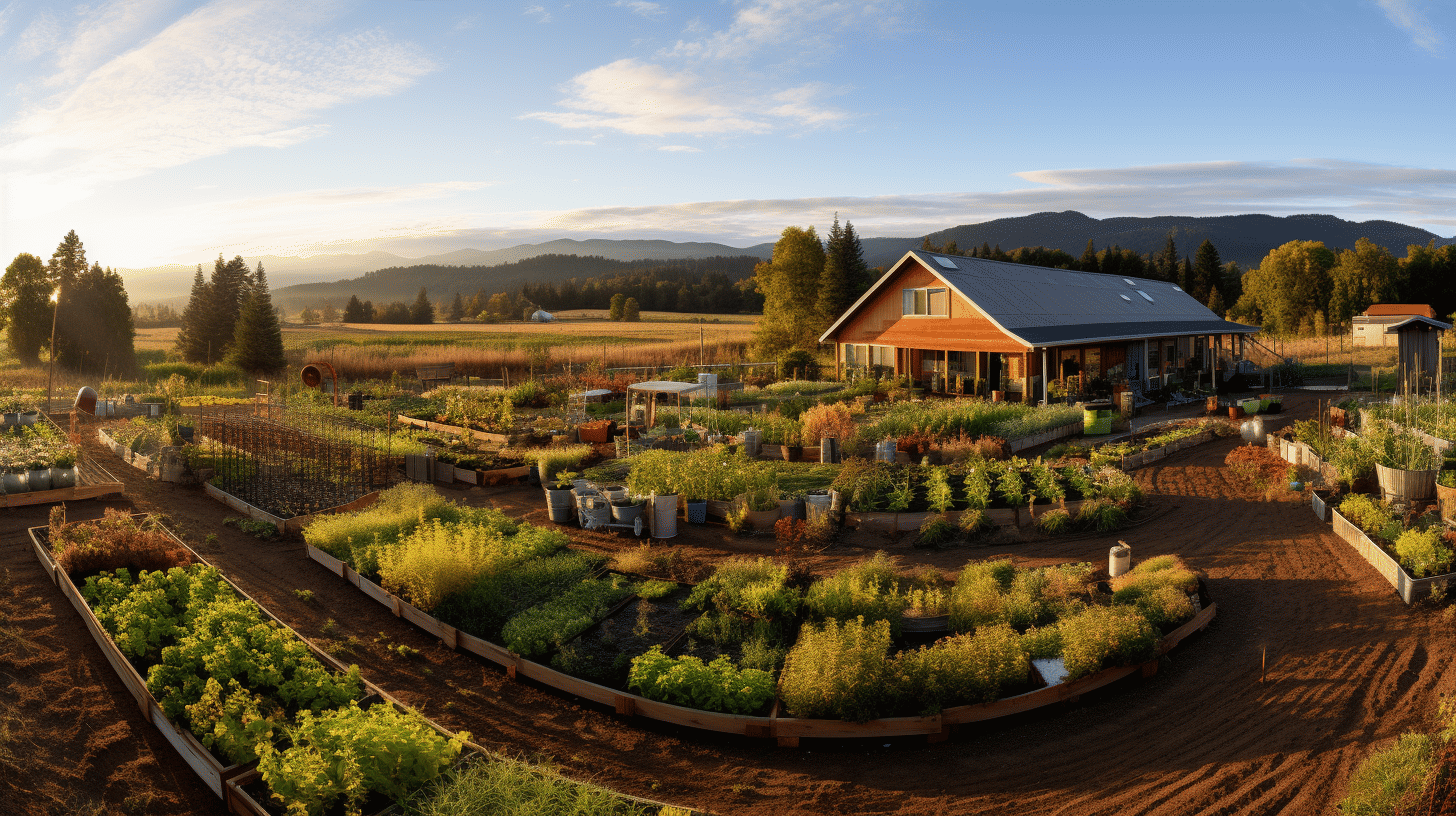
Agroforestry is a revolutionary approach to agriculture that has the power to reshape sustainable food production. It offers a unique blend of trees and shrubs integrated with conventional crops or livestock, creating a harmonious and productive ecosystem. This innovative practice not only supports local economies and food security but also provides numerous environmental benefits.
In this article, we will explore the transformative potential of agroforestry, examining its impacts on yields and productivity, its role in improving environmental quality, and its economic and social aspects. We will also delve into how agroforestry can contribute to sustainable production by reducing dependency on chemicals and promoting biodiversity. Furthermore, we will analyze its role in mitigating climate change by sequestering carbon and reducing greenhouse gas emissions. Finally, we will discuss future aims and perspectives in agroforestry, including the expansion of this approach in U.S. agriculture.
As we delve into the various facets of agroforestry, we will discover how this practice has the potential to revolutionize modern agriculture, offering a sustainable and resilient alternative to conventional farming methods. So, let’s embark on this enlightening journey to explore the power of agroforestry in reshaping sustainable food production.
What is Agroforestry?
Agroforestry, put simply, is the practice of integrating trees and woody shrubs into crop and livestock production systems. It’s a sustainable and holistic approach that combines the benefits of agriculture and forestry to create a more productive and resilient landscape. With agroforestry, farmers and landowners can harness the power of trees to enhance soil health, conserve water, mitigate climate change impacts, and provide additional income streams.
Agroforestry encompasses a range of practices, each tailored to different farm and landscape needs. Some common examples of agroforestry practices include:
- Windbreaks: These are rows of trees or shrubs strategically planted along field edges to protect crops from wind erosion and reduce wind-induced stress on plants. They also provide habitat for beneficial insects and birds.
- Silvopasture: Combining trees with livestock grazing, this practice allows animals to benefit from shade and shelter while utilizing the land for forage. It promotes healthy soil, improves animal welfare, and can increase overall farm productivity.
- Riparian Forest Buffers: Planting trees along rivers, streams, and other water bodies helps to filter pollutants, stabilize banks, and prevent soil erosion. It also provides habitat for aquatic species and contributes to water quality improvement.
- Alley Cropping: Alternating rows of trees or shrubs with crops creates a productive system where trees provide shade, wind protection, and nutrient cycling benefits to the crops. This approach maximizes land use efficiency while improving soil fertility.
- Forest Farming: It involves growing high-value specialty crops, such as mushrooms, medicinal plants, and fruits, beneath a forest canopy. This practice allows landowners to diversify their income while making use of the existing forest ecosystem.
- Multi-story Cropping: This practice involves growing crops of varying heights and functions in stacked layers. Trees provide the upper canopy, while shrubs, herbaceous crops, and ground cover plants occupy the understory. This maximizes land productivity and resource use efficiency.
These are just a few examples of agroforestry practices, but the possibilities are vast. The key idea is to create a harmonious and integrated system that works in harmony with nature, enhancing biodiversity, improving soil health, and providing multiple benefits to farmers and landowners.
Agroforestry not only offers practical solutions for sustainable land management but also presents opportunities for resilient and profitable farming systems. By incorporating trees into agricultural landscapes, we can foster a healthier planet for generations to come.
Impacts on Yields and Productivity
Agroforestry, with its unique combination of trees and crops, can have significant impacts on agricultural yields and overall productivity. In this section, we will explore the positive effects on less fertile lands and the potential negative impacts on fertile lands.
Positive Impacts on Less Fertile Lands
Agroforestry practices can be a game-changer for less fertile lands, which struggle to produce high yields. Here are some positive impacts that agroforestry can have on these types of lands:
- Increased Productivity: Agroforestry has the potential to increase productivity per unit of land. By incorporating trees into the farming system, farmers can take advantage of the unique benefits offered by agroforestry, such as improved nutrient cycling, enhanced soil fertility, and reduced soil erosion. These factors contribute to increased crop yields and overall farm productivity.
- Diversification of Crop Production: Agroforestry offers opportunities for diversifying crop production. The presence of trees provides shade and shelter, creating microclimates that can support the growth of different crops. This diversification not only spreads the risk of crop failure but also enhances food security by providing a wide range of nutritious crops for consumption and sale.
Potential Negative Impacts on Fertile Lands
While agroforestry brings numerous benefits to less fertile lands, it is important to consider its potential negative impacts on already fertile lands. Here are some aspects to be mindful of:
- Competition for Resources: In fertile lands, the presence of trees in agroforestry systems can lead to competition for resources such as sunlight, water, and nutrients. This competition can result in reduced yields and lower overall productivity of the cultivated crops. However, proper management practices, such as selecting suitable tree species and incorporating appropriate tree-spacing, can help mitigate these negative impacts.
- Altered Soil Conditions: The presence of trees in agroforestry systems can also alter soil conditions. Tree roots, for instance, can extract moisture and nutrients from the soil, potentially affecting the availability of these resources for the understory crops. However, careful planning and thoughtful selection of tree species can minimize these negative impacts and ensure a harmonious coexistence between trees and crops.
In conclusion, agroforestry has the potential to positively impact yields and productivity, especially on less fertile lands. The diversification of crop production and increased productivity per unit of land are some of the key benefits offered by agroforestry. However, it is essential to carefully manage the negative impacts on fertile lands, such as resource competition and altered soil conditions. Through proper planning and implementation, agroforestry can contribute to sustainable and productive agricultural systems.
Environmental Quality and Agroforestry
Agroforestry is not only beneficial for agriculture and productivity but also plays a crucial role in enhancing environmental quality. The integration of trees with agricultural crops or livestock systems provides a range of ecological benefits that contribute to a healthier environment. Let’s explore some of the ways agroforestry positively impacts environmental quality.
Carbon Sequestration
One of the significant environmental benefits of agroforestry is its ability to sequester carbon dioxide from the atmosphere. Trees are known for their excellent carbon storage capacity, and when integrated into agricultural landscapes, they can effectively capture and store carbon. This process helps mitigate climate change by reducing greenhouse gas emissions and absorbing carbon dioxide, a leading contributor to global warming.
In agroforestry systems, trees capture carbon through photosynthesis and store it in their biomass, including trunks, branches, leaves, and roots. As a result, agroforestry can significantly contribute to carbon sequestration and help offset greenhouse gas emissions from agricultural activities. Additionally, this carbon storage potential makes agroforestry an essential strategy in climate change adaptation and mitigation efforts.
Soil Erosion and Runoff Control
Soil erosion and water runoff are common challenges in agriculture that can result in soil degradation, loss of fertile topsoil, and pollution of water bodies. However, agroforestry systems have proven to be effective in controlling soil erosion and managing runoff.
The presence of trees in agroforestry systems plays a vital role in reducing the impact of rainfall on the soil surface. The tree canopy intercepts the raindrops, reducing their velocity and preventing direct contact with the ground. This interception reduces soil erosion by minimizing the energy of raindrop impact and the detachment of soil particles.
Furthermore, tree roots stabilize the soil structure, effectively binding soil particles together. This enhanced soil structure reduces the risk of erosion by enhancing water infiltration and water-holding capacity. The roots also help minimize surface runoff, allowing water to infiltrate into the soil, recharge groundwater, and prevent excess water from washing away valuable topsoil.
Improved Nutrient and Water Cycling
Agroforestry practices also promote improved nutrient and water cycling within agricultural systems. The presence of trees enhances nutrient availability and cycling, leading to increased soil fertility and improved crop productivity. Here’s how:
- Trees have deep-rooting systems, accessing nutrients from lower soil layers and bringing them to the surface through leaf drop and root decay.
- The leaf litter from trees serves as a natural mulch, recycling nutrients back into the soil and enhancing microbial activity.
- The shading effect of trees helps reduce evaporation, minimizing water loss and improving water-use efficiency in agricultural systems.
By enhancing nutrient cycling and water-use efficiency, agroforestry systems reduce the reliance on synthetic fertilizers and irrigation, minimizing the environmental impacts associated with these practices.
In summary, agroforestry systems provide numerous environmental benefits, including carbon sequestration, soil erosion and runoff control, and improved nutrient and water cycling. These ecological enhancements play a crucial role in promoting environmental quality, enhancing the resilience of agricultural systems, and mitigating the impacts of climate change. Agroforestry truly offers a sustainable and holistic approach to both agricultural productivity and environmental conservation.
Economic and Social Aspects
Agroforestry is not only beneficial for the environment but also has significant economic and social impacts. By incorporating trees into the landscape, farmers can generate income, enhance food security, and create more sustainable livelihoods. Let’s explore the economic and social aspects of agroforestry in more detail.
Income Generation and Food Security
One of the key benefits of agroforestry is its potential to generate income for farmers. By diversifying their income streams, farmers can mitigate risks associated with relying solely on a single crop or livestock. Agroforestry allows farmers to integrate tree crops, such as fruit trees or timber trees, with traditional crops or livestock, providing them with additional sources of revenue.
In addition to income generation, agroforestry also contributes to food security. The incorporation of tree crops into agricultural systems can increase overall food production. By growing a variety of crops, farmers can ensure a diverse and nutritious diet for themselves and their communities. This is especially important in areas where access to food is limited.
Farmers’ Incomes
Agroforestry has the potential to significantly increase farmers’ incomes by diversifying their agricultural practices. Here are some key points to consider:
- Improved market opportunities: Agroforestry can open up new market opportunities for farmers, especially with the demand for sustainably sourced products on the rise. For example, by integrating tree-based products like timber, fruits, or nuts into their farming systems, farmers can tap into niche markets and earn higher prices for their produce.
- Long-term income sources: The incorporation of trees in agroforestry systems allows farmers to establish long-term income sources. Unlike annual crops that need to be replanted every year, tree crops can provide income for several years, providing farmers with more stability and financial security.
Diversifying Farm Income Streams
Agroforestry plays a crucial role in diversifying farm income streams. By integrating trees with traditional farming practices, farmers can benefit in the following ways:
- Multiple income sources: Agroforestry enables farmers to derive income from different sources, such as crop harvests, tree products (timber, fruits, nuts), and even non-timber forest products (medicinal plants, honey). This diversification reduces dependence on a single income source and provides a safety net during fluctuations in market prices or crop failures.
- Reduced vulnerability: By diversifying income sources, farmers can better withstand economic and natural shocks. For example, if a particular crop fails due to adverse weather conditions, income from other sources within the agroforestry system can help offset the losses.
In summary, agroforestry has significant economic and social benefits. It helps generate income for farmers, enhances food security, and promotes the diversification of farm income streams. By incorporating trees into their agricultural practices, farmers can create sustainable livelihoods while contributing to a more resilient and prosperous farming landscape.
The Role of Agroforestry in Sustainable Production
Agroforestry is gaining recognition as a sustainable and environmentally friendly approach to agricultural production. By combining trees and crops in the same farming system, agroforestry offers multiple benefits that contribute to the long-term health of both the land and communities that rely on it. In this article, we will explore two key aspects of agroforestry: reducing dependency on chemicals and promoting biodiversity and ecosystem health.
Reducing Dependency on Chemicals
One of the main advantages of agroforestry is its ability to reduce dependency on chemical inputs such as fertilizers and pesticides. This is achieved through several mechanisms:
- Nutrient cycling: Trees play a crucial role in nutrient cycling by capturing and recycling nutrients from deeper soil layers and redistributing them to crops. This natural fertilization process reduces the need for synthetic fertilizers, thus minimizing the environmental impact associated with their production and application.
- Natural pest control: Agroforestry systems create a more balanced and diverse ecosystem, which helps naturally regulate pest populations. Trees can provide habitat for beneficial insects that prey on pests, reducing the need for chemical pesticides. In addition, the presence of trees can disrupt the habitat of some pests and make it more difficult for them to establish significant populations.
- Soil conservation: The presence of trees in agroforestry systems helps prevent soil erosion and degradation. Their roots bind soil particles together, preventing them from being washed away by heavy rains. This protects the fertile topsoil and ensures its long-term productivity, reducing the need for chemical inputs to compensate for soil degradation.
By reducing the reliance on chemical fertilizers and pesticides, agroforestry promotes a more circular and sustainable approach to agricultural production. Farmers can save costs on inputs while minimizing the negative impacts that chemical use can have on the environment and human health.
Promoting Biodiversity and Ecosystem Health
Agroforestry also has significant potential for enhancing biodiversity and ecosystem health. Here are some ways in which agroforestry contributes to this:
- Habitat creation: The integration of trees into agricultural landscapes provides additional habitats for flora and fauna. These habitats can support a wide range of species, including birds, insects, and small mammals. The diverse vegetation structure created by agroforestry systems offers shelter, food sources, and breeding grounds, boosting local biodiversity.
- Enhanced ecosystem services: The presence of trees in agroforestry systems contributes to the provision of multiple ecosystem services. Trees can improve soil fertility, regulate water flows, and mitigate climate change through carbon sequestration. These benefits go beyond crop production and have positive impacts on the overall health and resilience of the ecosystem.
- Reduced deforestation: Agroforestry systems can help alleviate pressure on natural forests by providing alternative income opportunities for rural communities. By integrating tree crops, farmers can meet their economic needs without resorting to clearing forests for agriculture. This helps preserve crucial forest ecosystems and their associated biodiversity.
In Europe, agroforestry has shown promising potential for enhanced biodiversity, improved ecosystem services, and reduced deforestation. Its adoption can contribute to achieving various sustainability objectives related to land use, climate change mitigation, and biodiversity conservation.
In conclusion, agroforestry offers a sustainable and environmentally friendly approach to agricultural production. By reducing dependency on chemicals and promoting biodiversity and ecosystem health, agroforestry has the potential to play a significant role in sustainable food systems. Its adoption can benefit both farmers and the environment, contributing to a more resilient and sustainable future.
Agroforestry and Climate Change
Agroforestry is a sustainable land management practice that integrates the cultivation of trees with agriculture and livestock. It offers numerous benefits, one of them being its potential to combat climate change. By combining trees and crops, agroforestry systems can contribute to the reduction of greenhouse gas emissions and the sequestration of carbon dioxide. This section will explore how agroforestry plays a crucial role in addressing climate change.
Combatting Climate Change
One of the significant ways that agroforestry helps combat climate change is through the sequestration of carbon. Trees are renowned for their ability to absorb carbon dioxide during photosynthesis and store it in their biomass. By incorporating trees into agricultural landscapes, agroforestry systems contribute to carbon sequestration, helping to mitigate the increasing levels of atmospheric carbon dioxide. This makes agroforestry an effective nature-based solution for climate change mitigation.
Sequestering Carbon
Agroforestry systems have the potential to sequester significant amounts of carbon. According to various studies, agroforestry can sequester two to five times more carbon than conventional agricultural practices. The presence of trees in agroforestry systems increases the carbon stocks in the soil, aboveground vegetation, and woody biomass. The integration of trees also enhances nutrient cycling and soil fertility, further supporting sustainable agriculture.
Reducing Greenhouse Gas Emissions
In addition to sequestering carbon, agroforestry practices can also help reduce greenhouse gas emissions. Here’s how:
- Reduced deforestation: Agroforestry provides an alternative to clear-cutting forests for agriculture. By incorporating trees in agricultural landscapes, farmers can meet their food and livelihood needs while preserving existing forests.
- Improved land and water management: Agroforestry practices, such as contour planting and alley cropping, help prevent soil erosion and improve water infiltration. These actions reduce the release of carbon stored in the soil and decrease greenhouse gas emissions associated with land degradation and runoff.
- Lower energy inputs: Agroforestry systems often require fewer synthetic inputs like fertilizers and pesticides, reducing the carbon emissions associated with their production and use. Additionally, trees can offer shade, reducing the energy needed for cooling crops and livestock during hot seasons.
In conclusion, agroforestry plays a vital role in combatting climate change by sequestering carbon and reducing greenhouse gas emissions. By integrating trees into agricultural practices, we can create more sustainable and resilient landscapes while mitigating the effects of climate change. Agroforestry offers a promising solution that benefits both people and the planet.
Future Aims and Perspectives in Agroforestry
Agroforestry, with its blend of agriculture and forestry practices, has gained significant attention in recent years due to its potential to address environmental and sustainability challenges. As the world grapples with issues such as climate change, soil degradation, and biodiversity loss, agroforestry offers promising solutions. Looking ahead, there are two key areas where the agroforestry sector is focused on making strides: creating new agroforestry plantings and expanding its presence in U.S. agriculture.
Creating New Agroforestry Plantings
One of the primary goals of the agroforestry sector is to establish new plantings to increase the coverage of agroforestry systems. These systems involve integrating trees and shrubs with crops or livestock, creating symbiotic relationships that enhance overall productivity and ecological health. Through targeted efforts, agroforestry aims to create 30,000 acres of new plantings in the next five years[1].
To achieve this, various strategies are being implemented:
- Education and Outreach: Raising awareness and educating farmers, landowners, and policymakers about the benefits of agroforestry is crucial. Outreach programs and workshops are being organized to disseminate knowledge and share success stories, inspiring more individuals to consider adopting agroforestry practices.
- Financial Incentives: Providing financial incentives can be a powerful motivator for farmers and landowners to embrace agroforestry. Government support, grants, and cost-sharing programs can help offset the initial investment and encourage the adoption of agroforestry practices.
- Research and Development: Investing in research and development is critical for identifying suitable plant species, optimizing agroforestry layouts, and studying the ecological and economic impacts of different agroforestry systems. Ongoing research efforts are essential for fine-tuning best practices and enhancing the effectiveness of agroforestry.
Expansion in U.S. Agriculture
While agroforestry has gained recognition globally, there is still significant untapped potential for its expansion within U.S. agriculture. With its vast agricultural landscape, the United States has an opportunity to harness agroforestry’s benefits and implement it on a larger scale. This expansion can take place in various ways:
- Incorporating Agroforestry into Conventional Farms: Integrating agroforestry practices into existing conventional farms can provide a win-win situation. Agroforestry can help improve soil health, provide shade and windbreaks, enhance pollination services, and diversify income streams for farmers. By incentivizing the adoption of agroforestry on conventional farms, the United States can significantly expand its agroforestry footprint.
- Supporting Agroforestry Cooperatives and Networks: Facilitating the formation of agroforestry cooperatives and networks can help bring together farmers, foresters, researchers, and other stakeholders. These collaborations can foster knowledge exchange, joint marketing efforts, and shared resources, enabling the scaling up of agroforestry practices across different regions.
- Policy Advocacy: Engaging policymakers to develop supportive policies and regulations can accelerate the adoption of agroforestry. Policymakers play a crucial role in creating an enabling environment by offering incentives, streamlined permitting processes, and long-term support for agroforestry initiatives.
In conclusion, the future of agroforestry looks promising, with a focus on creating new agroforestry plantings and expanding its presence in U.S. agriculture. By leveraging education, financial incentives, research, and development, agroforestry can continue to grow and contribute to a more sustainable agricultural future.
[1] Agroforestry aims to create 30,000 acres of new plantings in the next five years.
Conclusion
In conclusion, agroforestry has emerged as a powerful tool in reshaping sustainable food production. By integrating trees into agricultural systems, agroforestry offers numerous benefits, ranging from increased yields and productivity to enhanced environmental quality and economic viability.
Through positive impacts on less fertile lands and the potential to address challenges on fertile lands, agroforestry proves to be a versatile and adaptable approach. By promoting carbon sequestration, controlling soil erosion and runoff, and improving nutrient and water cycling, agroforestry contributes to environmental sustainability and climate change mitigation.
Furthermore, agroforestry plays a vital role in generating income and ensuring food security for farmers. It opens doors to diversifying income streams and provides opportunities for economic growth within farming communities. Additionally, agroforestry promotes biodiversity and ecosystem health, reducing the dependency on harmful chemicals and promoting a healthier and more resilient agricultural system.
As we look towards the future, creating new agroforestry plantings and expanding the presence of agroforestry in U.S. agriculture hold immense promise. These efforts will not only contribute to sustainable food production and environmental conservation but also foster a more sustainable and resilient farming sector.
To learn more about agroforestry and explore its potential, visit Regenerative Agriculture Wiki. Be part of the movement towards regenerative farming practices and contribute to a future where agriculture and ecology thrive in harmony.
Frequently Asked Questions
- What is agroforestry?
Agroforestry is a sustainable land management system that combines the cultivation of trees or woody shrubs with agricultural crops or livestock. It involves the intentional integration of trees into farming practices to create environmental, economic, and social benefits.
- What are the benefits of agroforestry?
Agroforestry offers numerous benefits, including improved soil fertility, increased biodiversity, enhanced water management, climate change mitigation, diversified income sources, and enhanced food security. It also helps in reducing the use of chemical inputs and provides a sustainable livelihood for farmers.
- How does agroforestry contribute to sustainable food production?
Agroforestry contributes to sustainable food production by reducing soil erosion, improving nutrient availability, increasing crop yield and resilience, providing shade and windbreaks, and supporting beneficial insect populations. It also promotes long-term soil health and reduces the need for synthetic fertilizers and pesticides.
- What are some common types of agroforestry practices?
Common types of agroforestry practices include alley cropping, silvopasture, windbreaks, forest farming, and home gardens. Each practice involves a unique combination of trees, crops, or livestock to achieve specific socio-economic and ecological goals.
- Is agroforestry applicable in all regions and climates?
Yes, agroforestry can be adapted to various regions and climates worldwide. Different tree species are selected based on climatic conditions, local ecosystems, and desired outcomes. Agroforestry practices are flexible and adaptable, making it suitable for a wide range of environments.