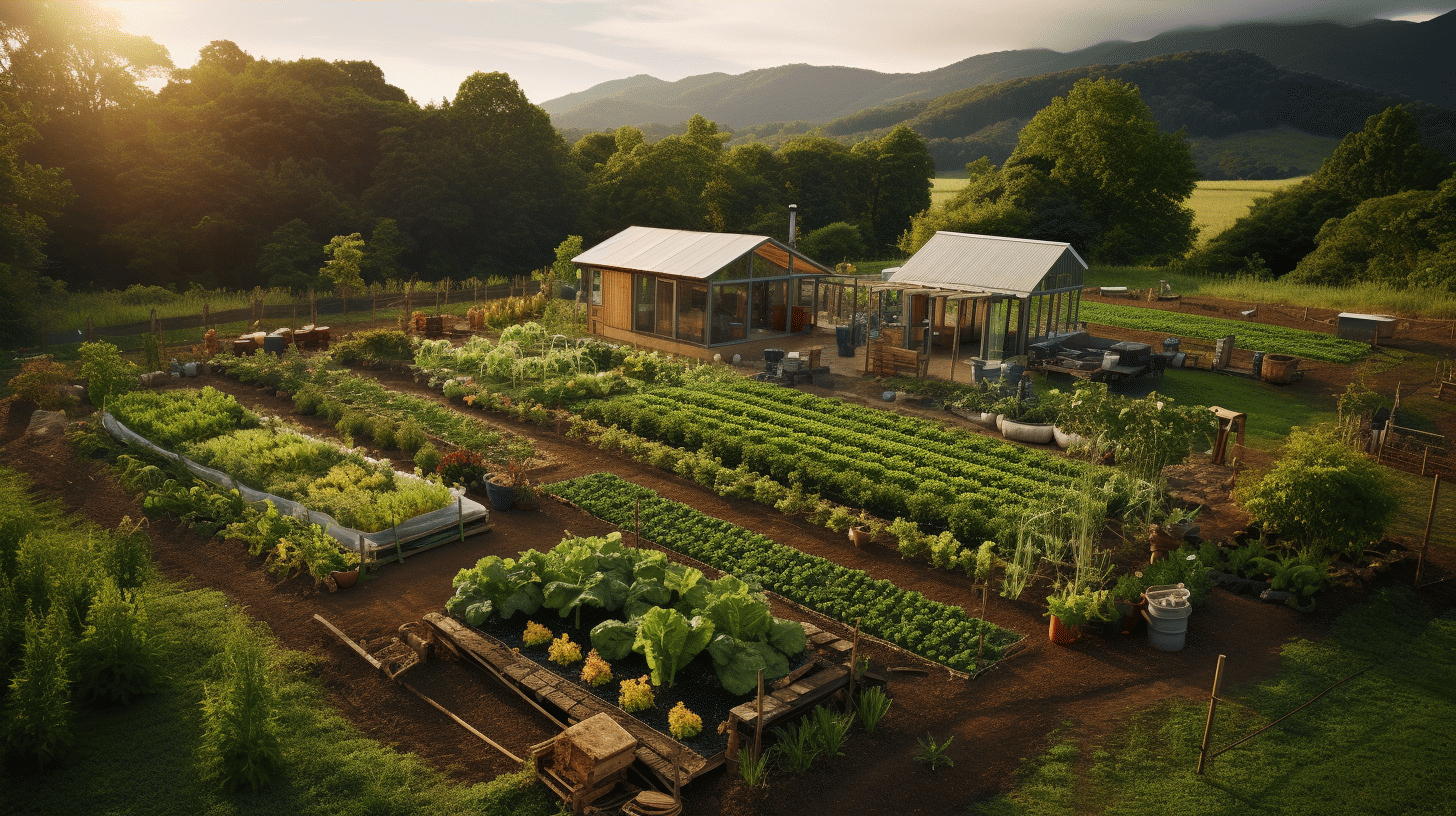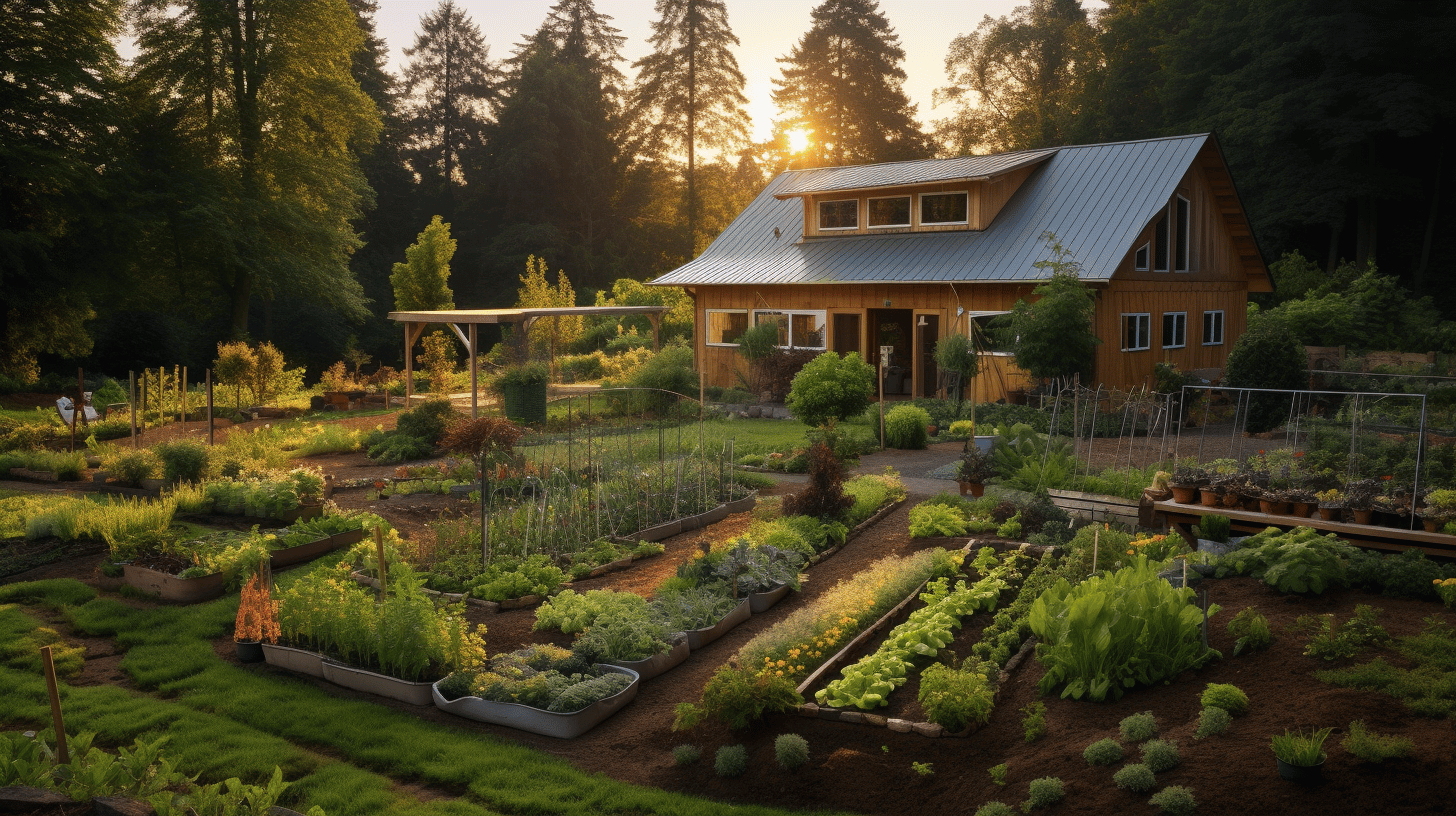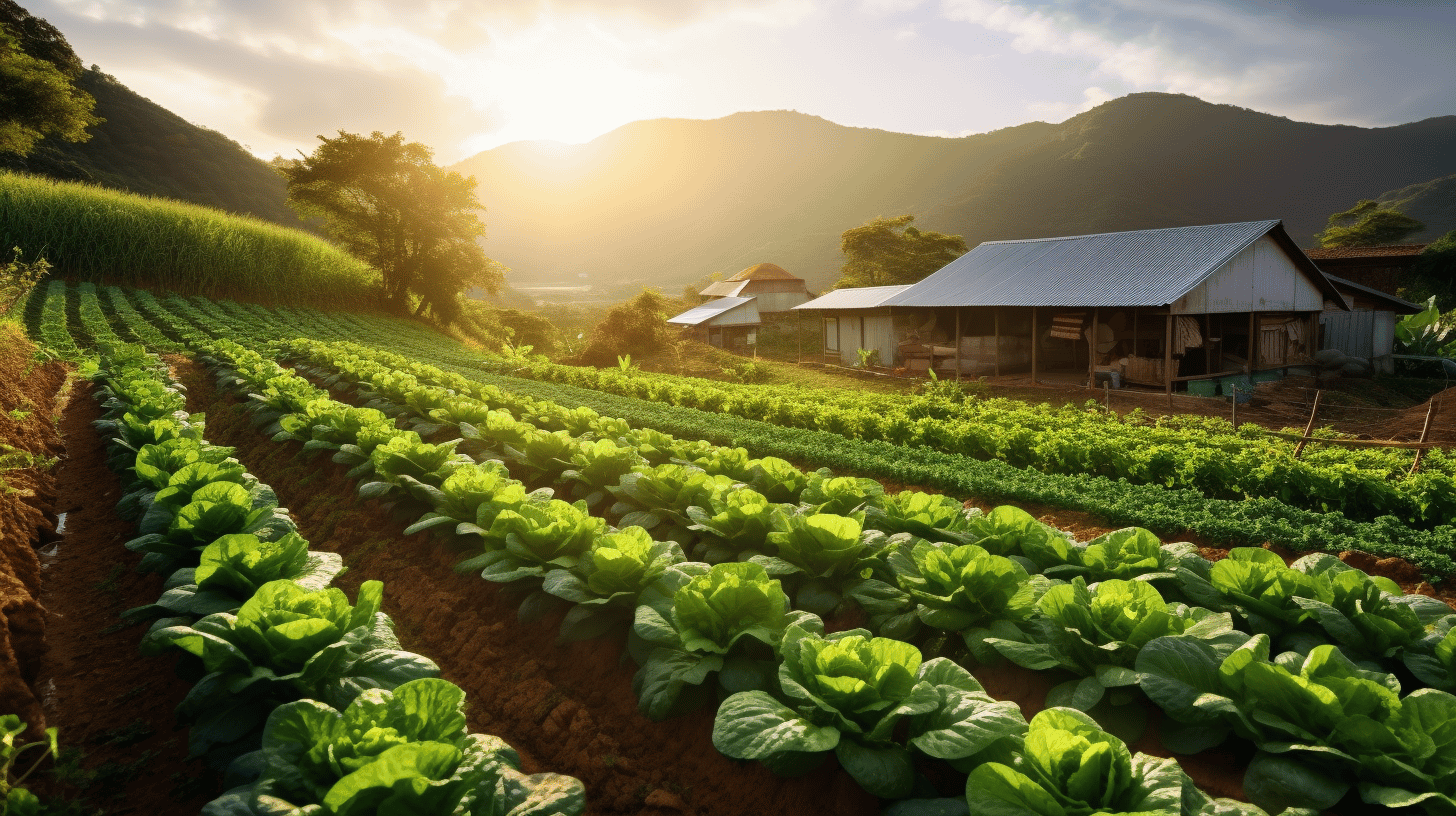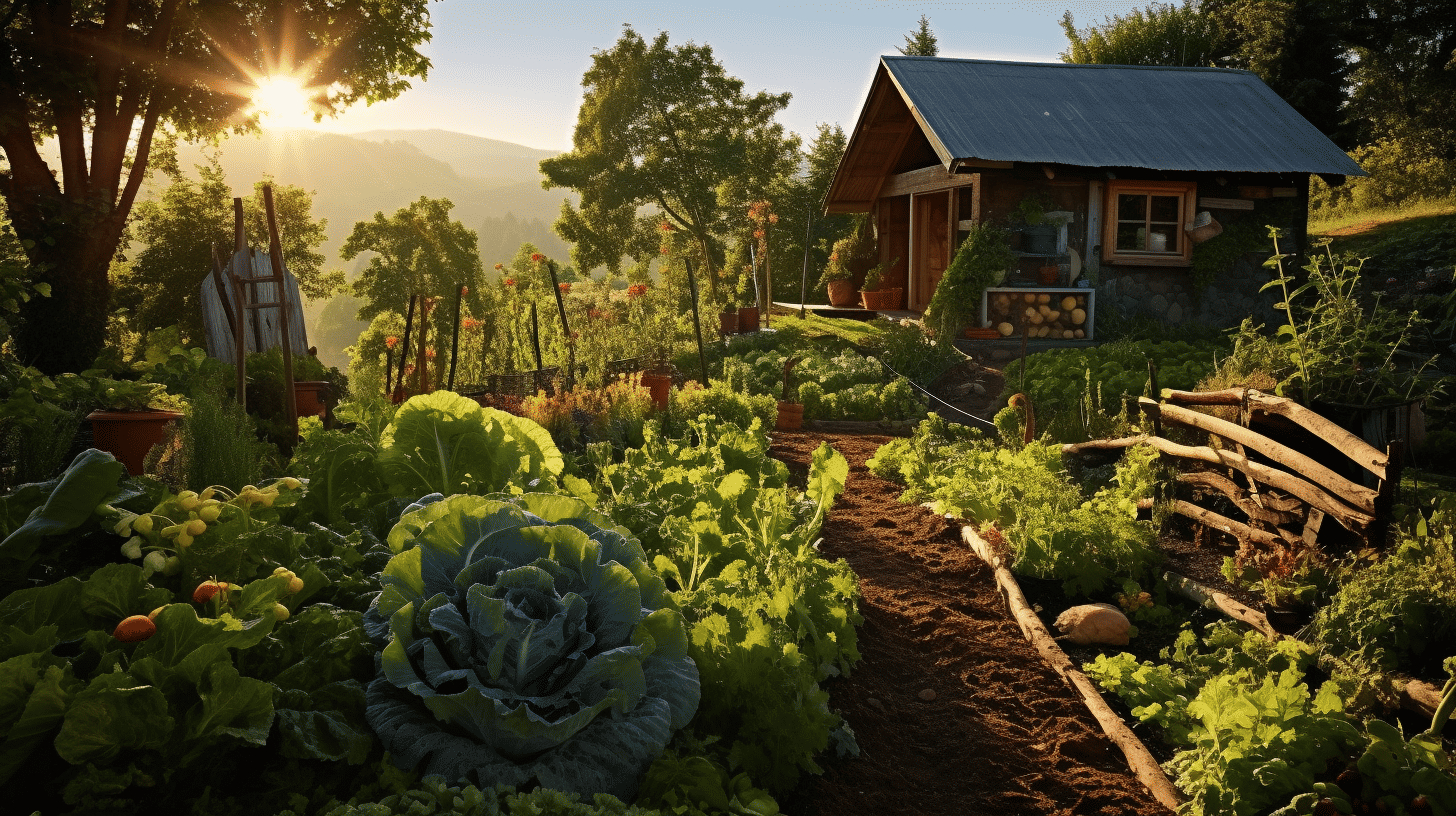
Permaculture farming is revolutionizing the way we approach agriculture. It is a sustainable farming practice that encourages the harmonious coexistence of plants, animals, and the environment. By emulating the natural systems found in ecosystems, permaculture farmers are able to create self-sustaining and resilient agricultural landscapes.
Wondering what makes permaculture farming so powerful? Look no further. In this article, we will explore the myriad benefits of permaculture farming, the global adoption of this practice, and the ways in which it enhances sustainability. We will also delve into the innovative technologies and techniques that are transforming sustainable agriculture.
So, whether you are a farmer looking to transition to more sustainable methods or someone who is simply curious about the fascinating world of permaculture, this article has something for you. Get ready to discover the power of permaculture from a sustainable farmer’s perspective!
Now, let’s dive into the numerous benefits that permaculture farming brings to the table. From improved soil health to cost-effective farming methods, the advantages are truly remarkable. So, grab your shovel and let’s dig deep into the world of permaculture!
Benefits of Permaculture Farming
Permaculture farming has gained popularity in recent years due to its numerous benefits for both the environment and the farmers themselves. By adopting permaculture principles, farmers can create sustainable and resilient ecosystems that mimic nature’s patterns. Let’s explore some of the key benefits of permaculture farming:
Improved Soil Health
One of the primary advantages of permaculture farming is its positive impact on soil health. Permaculture practices prioritize the regeneration of soil through techniques such as composting, mulching, and cover cropping. These methods enhance soil fertility, structure, and nutrient content, creating a thriving ecosystem for plant growth. Healthier soil also helps to prevent erosion, retain water, and sequester carbon, contributing to a more sustainable farming system.
Reduced Water Usage
Permaculture farming promotes water conservation, making it an ideal choice for regions facing water scarcity. By implementing water-efficient techniques like rainwater harvesting, contouring, and using mulch to retain moisture, permaculture farmers can greatly reduce their water consumption. This not only saves precious water resources but also lowers irrigation costs for farmers.
Increased Biodiversity
Permaculture farming encourages biodiversity, recognizing the importance of a balanced ecosystem. Instead of relying on monoculture, permaculture farms embrace a variety of plant species that support a diverse range of beneficial insects, birds, and microorganisms. This diversity helps to control pests naturally, improves pollination, and enhances overall ecosystem resilience.
Resilience to Climate Change
Climate change poses significant challenges to agriculture, but permaculture farming offers a promising solution. By creating resilient ecosystems through diverse plantings, water management strategies, and soil regeneration techniques, permaculture farms are better equipped to withstand extreme weather events, such as droughts and floods. The emphasis on self-sufficiency and sustainable practices also reduces reliance on external resources in times of crisis.
Nutritious Crops and Higher Yields
Permaculture often leads to the production of crops that are not only more nutritious but also yield greater harvests than industrial farming methods. The focus on regenerative agriculture techniques enhances soil fertility, resulting in nutrient-rich crops. Moreover, the incorporation of companion planting and polyculture systems maximizes space utilization and encourages natural symbiotic relationships between plants, promoting overall plant health and productivity.
Cost-Effective Farming
One of the significant advantages of permaculture farming is its cost-effectiveness. By minimizing the reliance on external inputs such as synthetic fertilizers and pesticides, permaculture farmers can reduce production costs significantly. Additionally, the emphasis on sustainable practices eliminates the need for expensive machinery and reduces energy consumption. Over time, this can lead to increased financial stability for farmers.
In summary, permaculture farming offers a holistic and sustainable approach to agriculture. By incorporating principles that enhance soil health, conserve water, promote biodiversity, and increase resilience to climate change, permaculture farmers can achieve nutritious crops, higher yields, and overall cost-effective farming practices. As society continues to face environmental challenges, embracing permaculture principles can play a crucial role in ensuring a more sustainable and resilient food system.
Global Adoption of Permaculture
Permaculture, an ecological design system that emphasizes sustainable agriculture and self-sufficiency, has gained significant momentum in recent years. Its principles, which focus on working with the natural environment to create productive and resilient ecosystems, have resonated with individuals and communities worldwide. Over 1,000,000 people in more than 140 countries are now certified in permaculture, a testament to its growing popularity and widespread adoption.
Benefits of Permaculture
One of the reasons behind the global embrace of permaculture is the array of benefits it offers. Not only does it promote environmental sustainability, but it also provides social and economic advantages. Here are some of the key benefits that permaculture brings:
- Environmental Sustainability: Permaculture’s core principles revolve around caring for the earth and preserving natural resources. By implementing permaculture techniques, individuals and communities can reduce their ecological footprint and foster biodiversity. Key practices include water conservation, soil regeneration, and organic farming methods.
- Social Resilience: Permaculture goes beyond sustainable agriculture; it aims to build resilient and self-reliant communities. By fostering local food production, permaculture reduces dependence on imported goods, strengthens food security, and promotes community engagement. This sense of connection and self-sufficiency enhances community resilience in the face of external shocks and challenges.
- Economic Benefits: In addition to the environmental and social advantages, permaculture can offer economic benefits in the long term. Through its emphasis on natural resource management, permaculture reduces costs associated with irrigation, chemical inputs, and energy consumption. Furthermore, by increasing yields and diversifying crop production, permaculture can enhance productivity and generate income for individuals and communities.
- Climate Change Mitigation: Permaculture practices align with the goal of mitigating climate change. By sequestering carbon in vegetation and soils, permaculture contributes to carbon sequestration efforts and helps combat global warming. Additionally, by promoting agroforestry and regenerative agriculture, permaculture can minimize greenhouse gas emissions from agricultural practices.
Conclusion
The global adoption of permaculture is a testament to its effectiveness and the growing recognition of the need for sustainable and regenerative practices. By prioritizing environmental stewardship, social resilience, and economic benefits, permaculture offers a comprehensive solution for sustainable living and land management. As more individuals and communities embrace permaculture principles, we move closer to a more sustainable and resilient future.
Reference: Global Adoption of Permaculture
Enhancing Sustainability through Permaculture Design
Permaculture design offers a holistic and sustainable approach to agriculture and land management. By mimicking natural ecosystems, permaculture aims to create harmonious and regenerative systems that work with nature rather than against it. This approach not only benefits the environment but also provides long-term economic and social benefits.
Working with Nature
Permaculture design emphasizes the importance of observing and understanding the natural patterns and processes that occur in ecosystems. By closely observing the interactions between plants, animals, and the environment, permaculturists can design systems that mimic the resilience and productivity of natural ecosystems. Here are some key principles of permaculture design:
- Zone and sector planning: Permaculture design involves mapping out different zones and sectors on a farm to optimize resource use and minimize energy input. For example, areas that require frequent attention, such as a vegetable garden, are placed closer to the house (Zone 1), while areas that require less maintenance, such as fruit trees, are placed further away (Zone 2 or beyond).
- Agroforestry: Combining trees with crops and livestock is a common practice in permaculture design. Trees play a crucial role in enhancing soil fertility, providing shade and windbreaks, and creating habitat for beneficial organisms. They also help sequester carbon, mitigate water runoff, and reduce the need for irrigation.
- Water management: Permaculture design prioritizes water conservation and management. Techniques such as rainwater harvesting, swales (contour trenches that capture and redirect water), and the use of ponds or tanks to store water for irrigation help optimize water usage and prevent soil erosion.
Preventing Soil Erosion
Soil erosion is a significant concern in conventional agriculture, leading to the loss of fertile topsoil and the degradation of ecosystems. Permaculture design offers effective strategies for preventing soil erosion and improving soil health. Here’s how:
- Cover cropping: Planting cover crops, such as legumes or grasses, helps protect the soil from erosion by keeping it covered year-round. Cover crops also promote soil fertility, increase organic matter, and enhance soil structure.
- Contour plowing and terracing: By contouring fields and creating terraces, permaculture design mitigates the effects of water runoff, reducing erosion on steep slopes. This technique slows down the flow of water, allowing it to infiltrate the soil and minimize its erosive force.
- Mulching: Applying mulch, such as straw, wood chips, or leaves, to the soil surface protects it from the impact of raindrops and reduces water runoff. Mulch also helps retain moisture, suppresses weeds, and improves overall soil health.
Permaculture design recognizes the interconnectedness of all elements in an ecosystem and seeks to enhance sustainability by working in harmony with nature. By adopting these principles and techniques, farms of all sizes can improve their overall resilience, conserve resources, and promote ecological balance. With permaculture, we have the potential to transform our agricultural systems and create a more sustainable future.
Innovations in Sustainable Agriculture
Sustainable agriculture is essential for ensuring future food security and protecting the environment. With the growing population and increasing pressures on land and resources, farmers are turning to new technologies and innovations to make their practices more sustainable. This article explores the groundbreaking advancements in sustainable agriculture, including precision agriculture, vertical farming, and artificial intelligence.
Precision Agriculture
One of the most significant innovations in sustainable agriculture is precision agriculture. This approach uses technology to optimize agricultural practices, resulting in better crop yields, reduced resource use, and minimized environmental impact. Precision agriculture involves the use of various tools and techniques, such as sensors, satellite imagery, and GPS systems, to enable farmers to monitor and manage their fields more accurately.
Here are some key features of precision agriculture:
- Data-driven decision-making: Precision agriculture relies on collecting and analyzing vast amounts of data, such as soil conditions, weather patterns, and crop growth. By leveraging this data, farmers can make informed decisions about irrigation, fertilization, and pest control, resulting in reduced inputs and increased efficiency.
- Variable rate technology: Precision agriculture enables farmers to adjust inputs, such as water, fertilizers, and pesticides, precisely according to the specific needs of different areas within a field. This targeted approach eliminates wastage and ensures that resources are allocated where they are most needed.
- Remote monitoring and automation: Through the use of sensors and remote monitoring systems, farmers can keep a close eye on their crops’ health and make timely interventions if necessary. Automation tools, such as robotic systems and drones, can assist in tasks like planting, harvesting, and crop scouting, reducing labor requirements and improving productivity.
Precision agriculture is transforming farming practices by providing farmers with real-time insights, optimizing resource use, and minimizing the environmental footprint of agriculture. It not only benefits farmers by increasing yields and reducing costs but also contributes to sustainable agriculture by promoting efficient resource management.
Vertical Farming
Vertical farming is another innovative solution in sustainable agriculture. This method involves growing plants in vertically stacked layers or structures, using artificial lighting and environmental controls. Vertical farming offers several advantages over traditional agriculture, especially in urban areas with limited land availability.
Here are some key benefits of vertical farming:
- Maximized land use: Vertical farming allows for the cultivation of crops in a smaller footprint compared to traditional farms. By utilizing vertical space, farmers can produce higher yields per square meter of land, making it an efficient solution for urban areas where land is scarce.
- Year-round production: Vertical farms can operate indoors, free from the constraints of seasonality and climate variability. By controlling temperature, humidity, and lighting, farmers can create optimal growing conditions, enabling year-round production of fresh produce.
- Reduced resource consumption: Vertical farming requires significantly less water compared to conventional agriculture. The closed-loop hydroponic systems used in vertical farms recirculate water, reducing water waste. Additionally, because vertical farms are shielded from pests and diseases, the use of pesticides is minimized.
Vertical farming is a sustainable agriculture solution that addresses the challenges of urbanization and resource scarcity. By maximizing land use, reducing resource consumption, and enabling year-round production, it has the potential to provide fresh, locally grown food to urban populations while minimizing environmental impact.
Artificial Intelligence
Artificial intelligence (AI) is revolutionizing sustainable agriculture by providing advanced data analytics, predictive modeling, and automation capabilities. AI-powered systems can process and analyze large amounts of agricultural data, enabling farmers to make data-driven decisions, optimize productivity, and reduce waste.
Here are some ways AI is transforming sustainable agriculture:
- Crop and soil monitoring: AI algorithms can analyze satellite imagery, sensor data, and historical data to monitor crop and soil health. This information helps farmers identify and address issues such as nutrient deficiencies, pest infestations, and disease outbreaks more accurately and in a timely manner.
- Predictive modeling: AI models can predict crop yields, disease outbreaks, and weather patterns, allowing farmers to plan their operations more efficiently. By anticipating challenges and adjusting their practices accordingly, farmers can reduce risk and improve productivity.
- Precision farming: AI-driven robotics and automation systems can perform precise tasks, such as seeding, weeding, and harvesting, with minimal human intervention. This not only increases efficiency but also reduces labor requirements and the need for harmful agricultural chemicals.
By harnessing the power of artificial intelligence, farmers can optimize their operations, reduce waste, and make agriculture more sustainable. AI-driven technologies enable farmers to make precise, data-based decisions, ultimately leading to more productive, environmentally friendly farming practices.
In conclusion, technological innovations are driving sustainable agriculture forward. Precision agriculture, vertical farming, and artificial intelligence are transforming the way we produce food. These advancements enable farmers to optimize resource use, increase productivity, and minimize environmental impact. By embracing these innovations, we can create a more sustainable future for agriculture and ensure food security for generations to come.
Conclusion
In conclusion, permaculture farming is a powerful approach that offers numerous benefits for both farmers and the environment. By implementing permaculture principles, farmers can improve soil health, reduce water usage, increase biodiversity, and build resilience to climate change. This not only leads to nutritious crops and higher yields but also ensures cost-effective farming practices.
Through global adoption and implementation of permaculture, we can make significant strides towards enhancing sustainability in agriculture. The regenerative agriculture movement aims to foster a future where agriculture and ecology thrive in harmony, and platforms like Regenerative Agriculture Wiki are here to provide valuable insights and resources for individuals and communities interested in sustainable farming practices.
Discover the immense potential of permaculture and join us in creating a world where we can cultivate the land while nurturing the environment. Together, we can contribute to global food security and create a sustainable future for generations to come.
Join us on Regenerative Agriculture Wiki to learn more about permaculture and explore a wide range of topics related to regenerative agriculture. Let’s embark on this journey towards sustainable living and farming. Visit Regenerative Agriculture Wiki now!
Frequently Asked Questions
- What is permaculture?
Permaculture is a holistic approach to designing sustainable and self-sufficient systems that mimic natural ecosystems. It focuses on principles such as observation, integration, and regenerative practices to create resilient and productive environments.
- How can permaculture benefit farmers?
Permaculture offers numerous benefits to farmers, including improved soil fertility, increased crop yields, reduced water usage, enhanced biodiversity, natural pest control, and the ability to adapt to climate change. It also promotes regenerative agriculture and sustainable farming practices.
- What are some key permaculture design principles for farmers?
Some key permaculture design principles for farmers include zoning, which involves organizing the farm into different activity areas based on intensity of use; using natural patterns and edge effects for efficient land use; and integrating diverse elements to create symbiotic relationships within the farm ecosystem.
- Can permaculture be implemented on a small-scale farm?
Absolutely, permaculture can be implemented on small-scale farms and is often more feasible due to easier management and lower resource requirements. Many successful examples of permaculture practices can be found on small-scale farms and urban gardens.
- Is permaculture applicable to all types of farming?
Yes, permaculture principles can be applied to various types of farming, such as organic farming, regenerative agriculture, agroforestry, and even livestock farming. It provides a framework for designing and managing diverse farming systems that are sustainable and resilient.