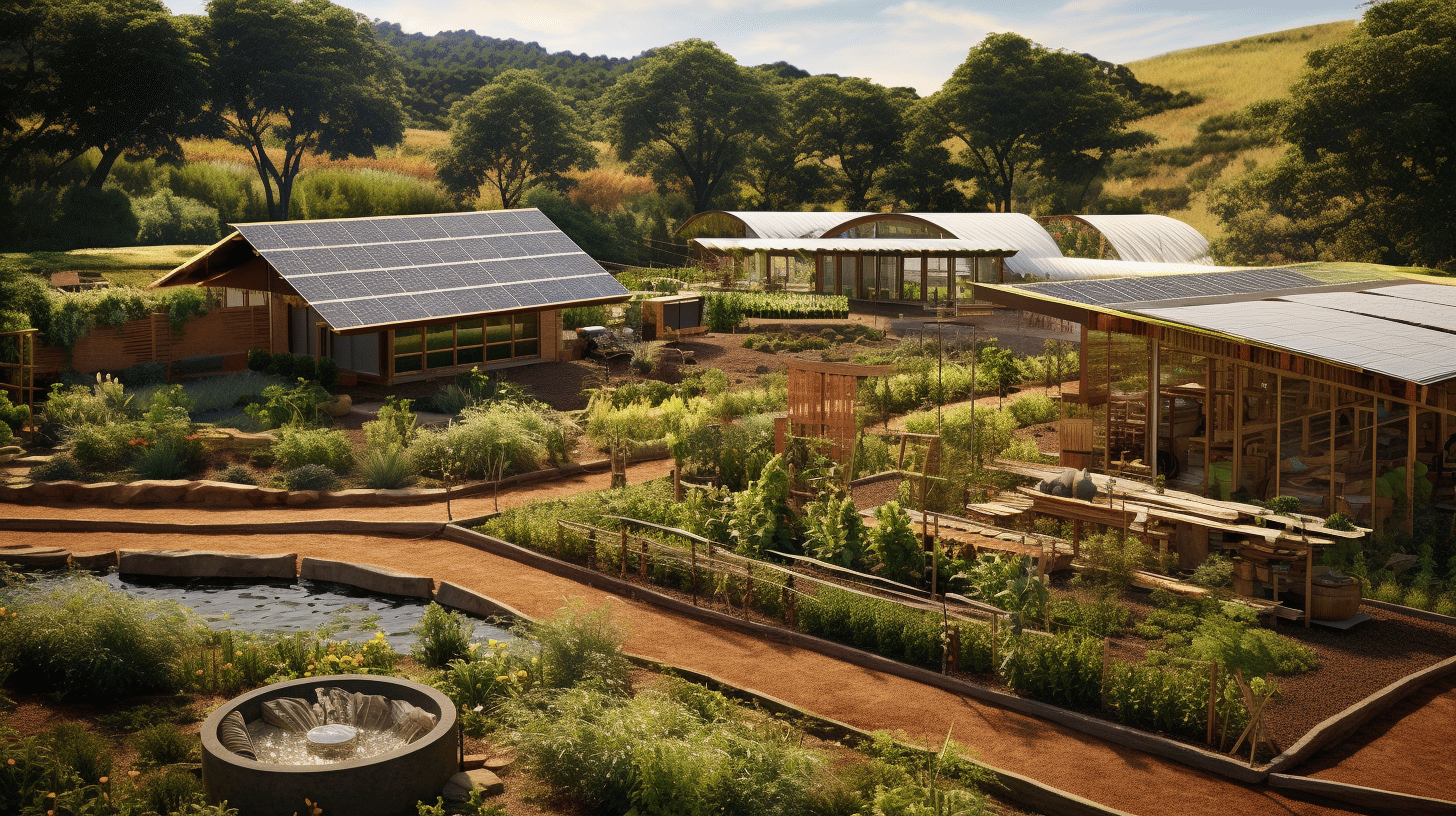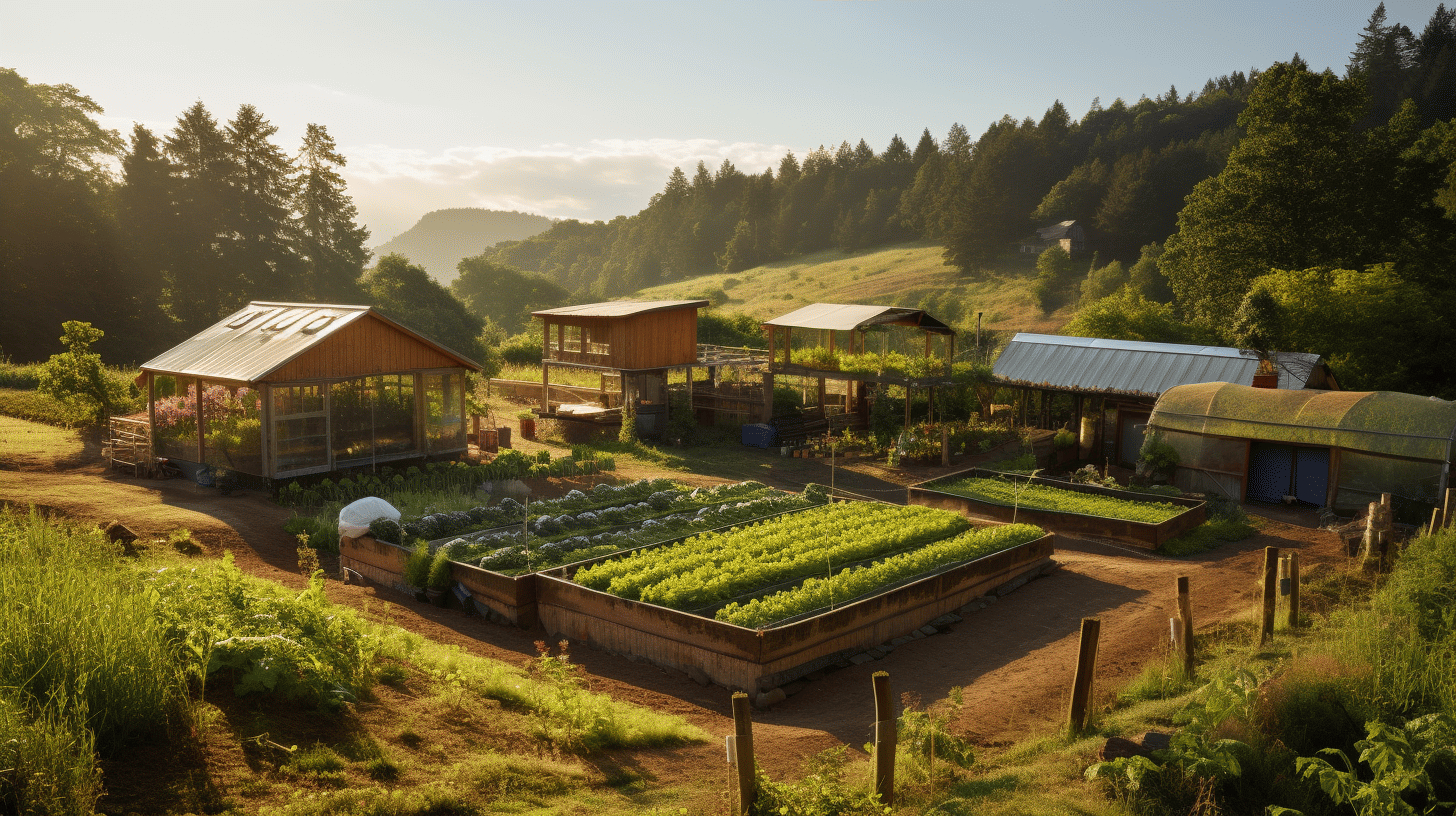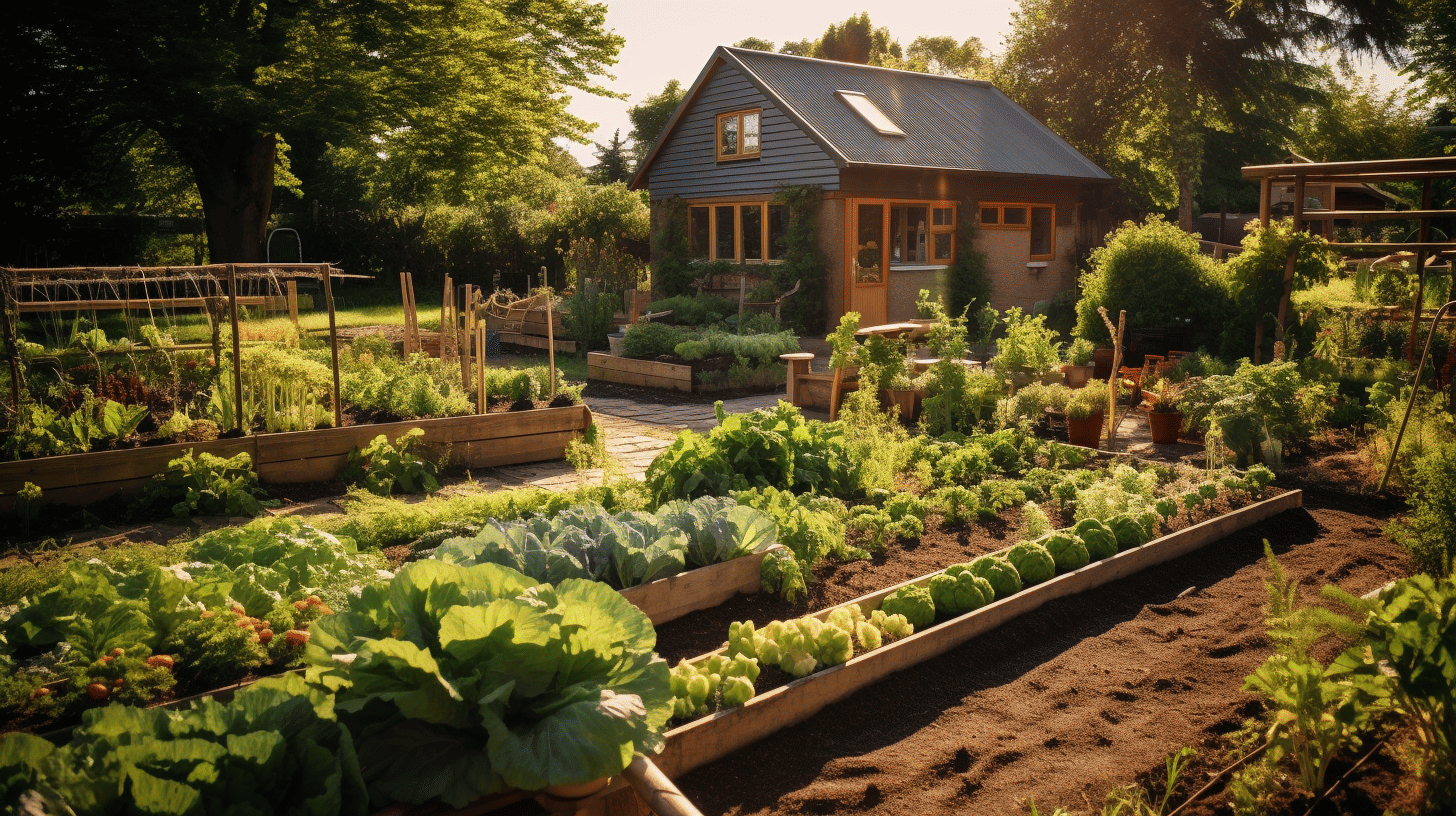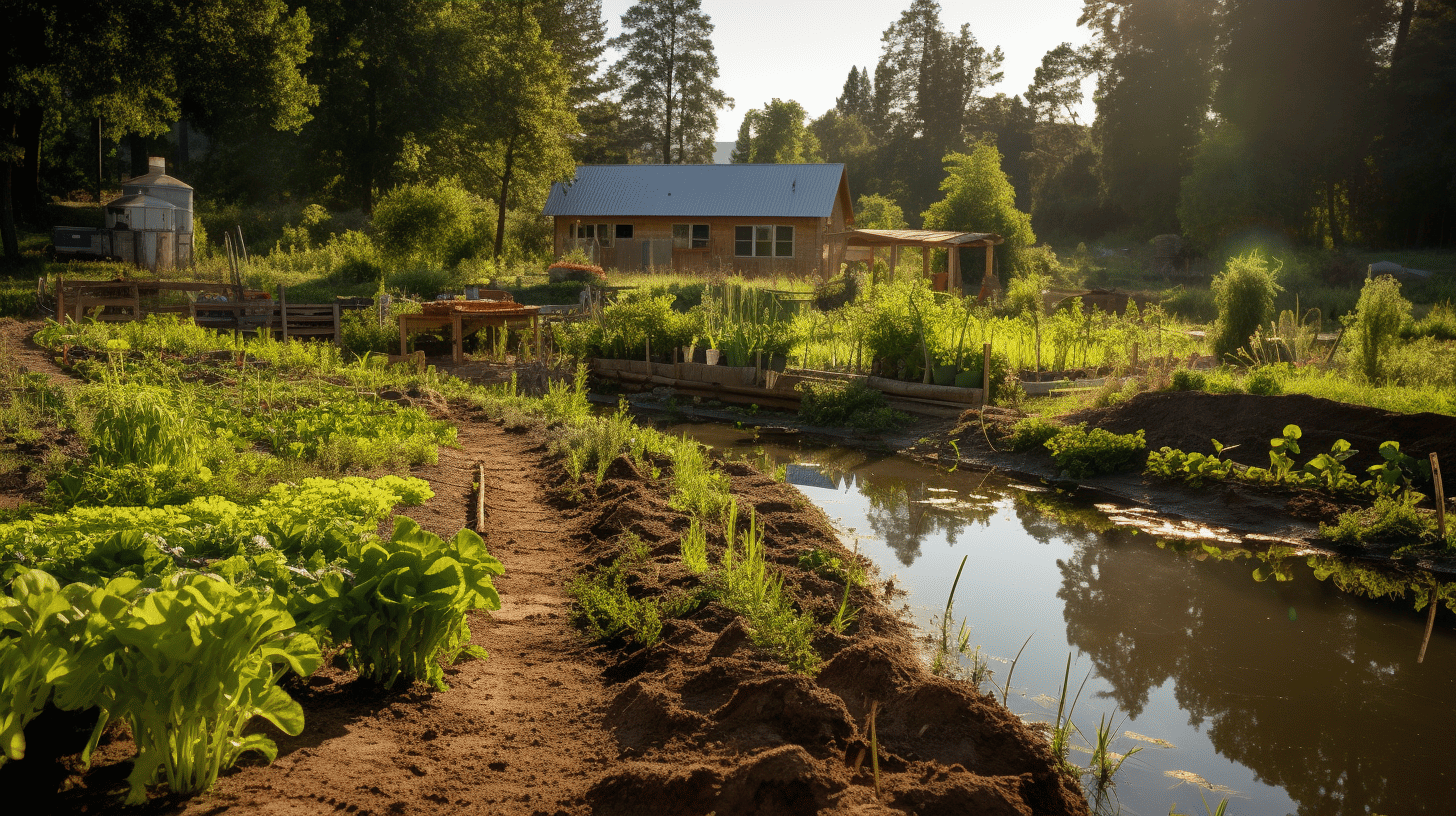
Permaculture farming is a sustainable and holistic approach to agriculture that seeks to create harmonious and regenerative systems. It goes beyond traditional farming practices by integrating principles of ecology, design, and ethics to create a resilient and self-sustaining farming ecosystem. In this introduction, we will explore the fundamentals of permaculture, its origins, and its global impact.
When it comes to sustainable farming, permaculture offers a comprehensive framework that allows farmers to work in harmony with nature instead of against it. By mimicking natural ecosystems, permaculture farmers can create fertile soil, conserve water, support biodiversity, and reduce waste. It’s a philosophy that goes beyond simple agricultural techniques; it’s a way of life centered around ecological awareness and responsible stewardship of the land.
In the upcoming sections, we will delve into the core principles of permaculture, such as its ethical foundation and design principles. We will also explore the various techniques employed by permaculture farmers, including composting, water management, crop rotation, and natural pest control. Additionally, we will discuss the numerous benefits of permaculture farming, including its positive impact on sustainability, biodiversity, soil health, and financial savings.
Furthermore, we will examine how permaculture has gained global recognition and acceptance, both in developed and developing countries. We’ll explore how this eco-friendly approach to farming has influenced agricultural practices around the world. Additionally, we will address the challenges faced by permaculture farmers and discuss strategies for overcoming them, such as culturally relevant implementation, economic constraints, and land use rights.
Lastly, we’ll take a look into the future and explore the role of permaculture in sustainable farming. We’ll discuss the integration of technology with permaculture practices and examine how this combination can shape the future of agriculture. In conclusion, we aim to provide you with a comprehensive overview of permaculture, showcasing its potential to revolutionize the farming industry and pave the way for a more sustainable future. So let’s dive into the world of permaculture and unlock the secrets of this remarkable farming philosophy.
Understanding Permaculture
Permaculture is a holistic and sustainable approach to land use and design. It aims to create resilient and self-sufficient ecosystems that work in harmony with nature. This approach goes beyond just gardening or farming; it encompasses a wide range of disciplines and practices that promote ecological balance, regeneration, and community engagement.
Definition of Permaculture
At its core, permaculture is about designing and creating systems that mimic the patterns and relationships found in nature. It draws inspiration from indigenous knowledge, traditional farming practices, and ecological principles to create productive and regenerative landscapes.
The term “permaculture” was coined by Bill Mollison and David Holmgren in the 1970s. It is a combination of “permanent agriculture” and “permanent culture,” signifying the goal of creating sustainable systems for both the earth and its inhabitants.
History and Evolution of Permaculture
Permaculture emerged as a response to the environmental challenges of the 20th century. It was a way to address the unsustainable practices that had depleted soils, polluted waterways, and threatened biodiversity. The founders of permaculture sought to provide an alternative to conventional agriculture and design practices by integrating principles of ecology, systems thinking, and social dynamics.
Over the years, permaculture has evolved and expanded its scope. It has become a global movement, with practitioners and communities around the world applying its principles and methods to a wide range of contexts. From urban gardens and community farms to large-scale agricultural projects and regenerative landscapes, permaculture offers a blueprint for creating sustainable and resilient systems.
One of the key elements of permaculture is the emphasis on observing and understanding natural patterns and processes. Permaculturists strive to work with, rather than against, nature. By integrating biodiversity, natural cycles, and efficient use of resources, permaculture systems can achieve excellent productivity while minimizing negative impacts on the environment.
In summary, permaculture offers a holistic approach to designing and managing sustainable systems. It combines ecological principles, indigenous knowledge, and modern science to create regenerative landscapes that provide for human needs while enhancing ecosystem health. Whether you’re an avid gardener, a farmer, or simply interested in sustainable living, permaculture has something to offer for everyone.
Core Principles of Permaculture
Permaculture is a sustainable design system that aims to create harmonious relationships between humans and nature. At its core, permaculture is guided by a set of principles that help practitioners create regenerative and resilient systems. These principles, rooted in ethics and design, provide a framework for making decisions and problem-solving.
Ethical Foundation
The ethical foundation of permaculture consists of three main principles:
- Care for the Earth: This principle emphasizes the importance of stewardship and nurturing the natural environment. It encourages us to live in harmony with the Earth by conserving resources, protecting biodiversity, and restoring ecosystems.
- Care for People: Permaculture acknowledges that people are an integral part of the ecosystem. This principle highlights the need for social justice, community building, and equitable access to resources. It directs us to prioritize the well-being of individuals and communities.
- Fair Share: The fair share principle urges us to live within our means and share the surplus. It calls for equitable distribution of resources and promoting a more just and sustainable society. This principle encourages collaboration and cooperation rather than competition and greed.
Design Principles
Permaculture design principles form the backbone of the permaculture system. These principles guide practitioners in creating sustainable and productive systems. Some of the key design principles include:
- Observation and Interaction: Before making any changes, permaculture practitioners spend time observing and studying the natural patterns and processes of the site. This helps them understand the intricacies of the ecosystem and make informed design decisions.
- Catch and Store Energy: Permaculture emphasizes the efficient use of energy and resources. This principle encourages the capture and storage of energy in various forms such as water, sunlight, and biomass. By harnessing and storing energy, permaculturists create resilient systems that can withstand disruptions.
- Use and Value Renewable Resources: Instead of relying on non-renewable resources, permaculture promotes the use of renewable resources such as solar energy, wind power, and locally available materials. This principle fosters self-reliance and reduces dependence on unsustainable practices.
- Integrate Rather Than Segregate: Permaculture advocates for the integration of different elements within a system to create functional relationships. By bringing together plants, animals, and structures in a mutually beneficial way, permaculturists maximize productivity and reduce waste.
- Apply Self-Regulation and Accept Feedback: Permaculture systems are designed to be self-regulating and adaptable. This principle emphasizes the importance of observing and responding to feedback from the environment. By continuously monitoring and adjusting systems, permaculturists ensure long-term sustainability.
In summary, the core principles of permaculture provide a holistic and ethical approach to designing sustainable systems. By caring for the Earth, people, and promoting fairness, permaculture enables us to create harmonious and regenerative environments. The design principles offer practical guidelines for creating productive systems that work in harmony with nature. Adopting permaculture principles can lead to more sustainable and resilient communities.
Techniques of Permaculture Farming
Permaculture farming is gaining popularity as a sustainable and environmentally friendly approach to agriculture. It focuses on creating systems that mimic natural ecosystems, resulting in healthier soil, increased biodiversity, and reduced dependence on external inputs. In this article, we will explore four key techniques of permaculture farming: composting, water management, crop rotation, and natural pest control.
Composting
Composting is an essential practice in permaculture farming, as it helps to nourish the soil and enrich its fertility. By composting organic waste materials such as food scraps, yard trimmings, and animal manure, farmers can produce nutrient-rich compost that can be used as a natural fertilizer. Here are some key points to consider about composting in permaculture farming:
- Composting creates a closed-loop system by utilizing organic waste materials as valuable resources, reducing the need for synthetic fertilizers.
- The composting process helps to break down organic matter, releasing nutrients that can be absorbed by plants and enhancing soil structure.
- Compost contains beneficial microorganisms that promote soil health and suppress harmful pathogens, reducing the need for chemical pesticides.
- By recycling organic waste through composting, permaculture farmers can divert waste from landfills and contribute to a more sustainable waste management system.
Water Management
Water management is another crucial aspect of permaculture farming, especially in regions with limited water resources. Effective water management techniques help conserve water, improve soil moisture retention, and minimize erosion. Here are some important considerations for water management in permaculture farming:
- Catchment and storage systems, such as ponds or rain barrels, can collect and store rainwater for irrigation purposes, reducing reliance on external water sources.
- Mulching techniques, such as using straw or wood chips, help retain soil moisture by reducing evaporation and weed growth.
- Designing contour swales or terraces can help slow down water runoff, allowing it to be absorbed by the soil and preventing erosion.
- Planting drought-tolerant crops and using efficient irrigation methods, such as drip irrigation, can further conserve water in permaculture farming systems.
Crop Rotation
Crop rotation is a farming practice that involves growing different crops in a specific sequence on the same piece of land over time. This technique helps to improve soil health, prevent the buildup of pests and diseases, and optimize nutrient utilization. Here’s why crop rotation is essential in permaculture farming:
- Different crops have different nutrient requirements, and rotating crops can help prevent nutrient depletion and maintain a balanced soil fertility profile.
- Rotating crops can disrupt pest and disease cycles by preventing the buildup of specific pests or pathogens that may be hazardous to particular crops.
- Leguminous crops, such as beans or peas, can be included in the crop rotation to fix nitrogen in the soil naturally, reducing the need for synthetic fertilizers.
- Crop rotation can contribute to biodiversity by providing habitat and food sources for beneficial insects, birds, and other wildlife.
Natural Pest Control
In permaculture farming, promoting natural pest control methods is prioritized over relying on chemical pesticides. By creating a balanced ecosystem and employing techniques aimed at attracting beneficial insects and birds, permaculture farmers can effectively manage pests without harming the environment. Here are key points to consider regarding natural pest control in permaculture farming:
- Introducing diverse plant species, including flowering plants, can attract beneficial insects such as pollinators and predators that help control pests.
- Creating habitats for beneficial insects, such as installing bee hotels or planting hedgerows, can provide them with shelter and food sources.
- Encouraging natural predators, such as ladybugs or praying mantises, by providing suitable habitats and reducing pesticide use can help keep pest populations in check.
- Practicing companion planting, where certain plant combinations repel pests or attract beneficial insects, can enhance natural pest control in permaculture farming.
By adopting these techniques of composting, water management, crop rotation, and natural pest control, permaculture farmers can create sustainable and resilient farming systems that prioritize the health of the environment and the well-being of the crops and livestock. Embracing these practices can pave the way for a more sustainable future in agriculture.
Benefits of Permaculture Farming
Permaculture farming is gaining momentum as a sustainable and environmentally friendly approach to agriculture. By mimicking natural ecosystems, permaculture farms create thriving and resilient systems that benefit not only the farmers but also the environment as a whole. Here are some of the key benefits associated with permaculture farming:
Sustainability
One of the primary advantages of permaculture farming is its emphasis on sustainability. Traditional farming methods often rely heavily on synthetic fertilizers, pesticides, and excessive water usage, which can have detrimental effects on the environment. In contrast, permaculture farming seeks to work with nature rather than against it. By utilizing techniques such as companion planting, soil conservation, and water management, permaculture farmers are able to create self-sustaining ecosystems that require fewer external inputs.
Biodiversity
Permaculture farming promotes biodiversity by creating diverse and interconnected habitats that support a wide range of plant and animal species. Unlike conventional monoculture farming, which relies on growing a single crop, permaculture farms feature a variety of plants and animals, creating a balanced and resilient ecosystem. By encouraging biodiversity, permaculture farms contribute to the preservation of native species and help mitigate the negative impacts of climate change.
Soil Health
Healthy soil is the foundation of a successful farm, and permaculture farming prioritizes soil health above all else. Through methods such as organic composting, cover cropping, and rotational grazing, permaculture farms nourish the soil and enhance its fertility. This, in turn, leads to increased crop yields, improved water retention, and reduced erosion. By practicing sustainable soil management techniques, permaculture farmers are able to maintain the long-term health and productivity of their land.
Reduced Costs
Permaculture farming can also result in reduced costs for farmers. By minimizing the need for external inputs such as synthetic fertilizers and pesticides, permaculture farmers can significantly decrease their expenses. Additionally, the diversity of crops and animals on permaculture farms can provide additional income streams, as different products can be sold directly to consumers or used for value-added products such as honey, cheese, or herbal remedies.
In conclusion, permaculture farming offers numerous benefits for both farmers and the environment. By embracing sustainable practices, promoting biodiversity, improving soil health, and reducing costs, permaculture farms pave the way for a more resilient and regenerative agricultural system. Whether you are a farmer or a consumer, supporting permaculture farming can contribute to building a more sustainable future for all.
Global Influence and Acceptance of Permaculture
Permaculture, a holistic approach to sustainable living and agriculture, has gained significant global influence and acceptance over the years. From developed countries to developing nations, people are embracing permaculture principles to create regenerative systems that work in harmony with nature.
Permaculture in Developed Countries
In developed countries like the United States, Australia, and European nations, permaculture has become a popular movement among environmentally conscious individuals and communities. Here are some reasons behind its growing influence:
- Environmental Awareness: People in developed countries are increasingly aware of the negative impact of industrial agriculture on the environment. They are actively seeking alternatives that prioritize biodiversity, water conservation, and soil health. Permaculture provides a solution by using ecological design principles to create self-sustaining systems that mimic natural ecosystems.
- Resilience and Self-Sufficiency: As concerns about food security and climate change grow, many individuals and communities are looking for ways to become more self-sufficient. Permaculture offers a framework for designing resilient systems that can provide food, water, and energy while reducing dependence on external resources.
- Community Building: Permaculture emphasizes the importance of community and cooperation. In developed countries, permaculture projects often serve as a focal point for community engagement, where people can come together to learn, share resources, and build meaningful connections with others who are passionate about sustainable living.
Permaculture in Developing Countries
Permaculture is not limited to developed countries; it has also made a significant impact in developing nations. Here’s how permaculture is being embraced in these regions:
- Food Security: In many developing countries, small-scale farmers face challenges such as limited access to resources, unpredictable weather patterns, and market fluctuations. Permaculture offers practical solutions to enhance food security by promoting agroecological practices that work with nature, conserve water, and increase crop yield.
- Empowerment and Poverty Alleviation: Permaculture empowers individuals and communities by providing them with the knowledge and skills needed to create sustainable livelihoods. By teaching regenerative farming techniques and promoting local food systems, permaculture projects contribute to poverty alleviation and economic empowerment.
- Climate Change Mitigation: Developing countries are often the most vulnerable to the impacts of climate change. Permaculture’s emphasis on ecological design, carbon sequestration, and sustainable land management can help mitigate the effects of climate change by promoting resilient farming practices and restoring degraded ecosystems.
As permaculture continues to gain global influence and acceptance, its principles and practices are being adapted and applied in diverse contexts. Whether in developed countries or developing nations, permaculture offers a pathway towards a more sustainable and resilient future for all.
Challenges and Ways to Overcome
Culturally Relevant Implementation
Cultural relevance plays a crucial role in the success of any initiative or program. It ensures that the practices and interventions are tailored to the specific needs and values of the target population. However, implementing culturally relevant strategies can be challenging due to various factors. Here are some common hurdles and ways to overcome them:
- Lack of Understanding: Sometimes, there is a lack of understanding or awareness about the cultural norms, beliefs, and practices of the target population. This can hinder the effective implementation of culturally relevant approaches. To overcome this challenge, it is important to invest time and effort in cultural competence training for the professionals involved in the program. This training can help them gain a deeper understanding of the community’s culture and enable them to design and implement interventions that are culturally sensitive.
- Language Barriers: Language barriers can serve as a significant obstacle in implementing culturally relevant practices. Communication plays a vital role in understanding the needs and preferences of the community. To address this challenge, organizations can hire bilingual staff or provide translation services. Investing in language support can help bridge the gap and ensure effective communication between the professionals and the community members.
- Resistance to Change: Change can be difficult, especially when it challenges established cultural norms and traditions. Overcoming resistance to change requires a collaborative approach. Engaging community members in the decision-making process and involving them in program planning and implementation can foster a sense of ownership and increase acceptance of the proposed interventions. It is essential to listen to their concerns, address them appropriately, and adapt strategies to align with the community’s cultural values.
Economic Constraints
Limited financial resources often pose a significant challenge in implementing various programs and initiatives. The availability of funds can impact the feasibility and sustainability of projects. Here are some strategies to overcome economic constraints:
- Grants and Funding Opportunities: Research and identify potential grants and funding opportunities that align with your organization’s goals and initiatives. Apply for grants that specifically support the implementation of programs addressing the challenges you are facing. Diversifying funding sources can help mitigate the risk of relying solely on limited resources.
- Partnerships and Collaborations: Foster partnerships with like-minded organizations, government agencies, and community stakeholders. Collaborative efforts allow for sharing resources, expertise, and costs. By pooling resources, organizations can achieve greater impact and overcome financial barriers.
- Resource Optimization: Conduct a thorough needs assessment to identify areas where resources can be optimized. Focus on investing in high-impact activities while eliminating unnecessary expenses. Prioritize initiatives that have the potential to generate long-term benefits and sustainability.
Land Use Rights
Land use rights are another critical challenge that can impact the successful implementation of projects. Here are some ways to address this challenge:
- Community Engagement and Consultation: Engage with the community and respect their land use rights. Prioritize community consultations to ensure that any proposed initiatives align with their needs and desires. Community involvement can foster a sense of ownership and reduce the likelihood of resistance or legal challenges.
- Legal Framework and Regulations: Familiarize yourself with the local laws and regulations related to land use rights. Ensure that you are in compliance with all legal requirements and obtain the necessary permits and permissions before implementing any project. Working closely with local authorities can help navigate the complex legal landscape and ensure a smooth implementation process.
- Negotiation and Conflict Resolution: In cases where land ownership or use rights are disputed, it may be necessary to engage in negotiation and conflict resolution processes. Seek the support of local mediators or community leaders to facilitate discussions and find mutually agreeable solutions. Open and transparent communication can help address concerns and build consensus among all parties involved.
By understanding the challenges and implementing effective strategies to overcome them, organizations and initiatives can increase their chances of success and make a positive impact on the target population. Culturally relevant implementation, addressing economic constraints, and navigating land use rights are essential aspects of creating sustainable and impactful programs.
Permaculture and the Future of Farming
Introduction:
Permaculture, a sustainable farming practice that combines principles from agriculture, ecology, and design, has gained significant attention in recent years. As we look to the future of farming, it becomes crucial to explore how permaculture and technology can work hand-in-hand to create a more sustainable and efficient food production system.
Technology and Permaculture
Technology has revolutionized various aspects of our lives, and farming is no exception. When it comes to incorporating technology into permaculture practices, there are several exciting possibilities that can enhance the efficiency and productivity of sustainable farming.
- Precision Farming: Precision farming techniques, such as using drones equipped with sensors and cameras, can provide valuable data on crop health, soil conditions, and pest management. This data can help farmers make informed decisions and take necessary actions to optimize their permaculture systems.
- Smart Irrigation Systems: With water being a precious resource, efficient irrigation is critical. Smart irrigation systems, incorporating sensors and weather data, can precisely deliver water when and where it’s needed, reducing waste and maximizing plant health. By integrating these systems into permaculture practices, farmers can further conserve water resources while maintaining vibrant and productive ecosystems.
- Vertical Farming: In urban areas where space is limited, vertical farming offers a promising solution. By utilizing vertical space and advanced technologies like hydroponics and aquaponics, farmers can produce a significant amount of food in a small footprint. Integrating permaculture principles into vertical farming can create closed-loop systems that minimize waste and promote sustainable food production in urban environments.
A Look Ahead: The Role of Permaculture in Sustainable Farming
Permaculture holds immense potential to shape the future of farming in a sustainable and regenerative way. By adopting and integrating permaculture principles into traditional farming practices, we can address pressing environmental challenges and build resilient agricultural systems.
- Regenerative Agriculture: Permaculture’s emphasis on observing and mimicking nature’s patterns and processes aligns seamlessly with regenerative agriculture principles. By working with nature rather than against it, permaculture can help regenerate the health of soil, increase biodiversity, and mitigate climate change impacts.
- Food Security and Independence: Implementing permaculture practices promotes local food production, reducing dependency on external food sources. By designing food forests, integrating agroforestry, and implementing small-scale permaculture gardens, communities can enhance their food security, reduce transportation impacts, and foster self-sufficiency.
- Education and Community Building: Permaculture is not just about farming; it’s a way of life that encourages collaboration, knowledge sharing, and community building. By educating and empowering individuals with permaculture principles, we can create a network of environmentally conscious farmers and communities working towards a more sustainable future.
In conclusion, the future of farming lies in the integration of permaculture principles and technology. By harnessing the power of precision farming, smart irrigation systems, and vertical farming, we can make our agricultural practices more efficient and sustainable. Moreover, permaculture’s focus on regenerative agriculture, food security, and education can pave the way for a resilient and thriving food system. It’s time we embrace permaculture as the key to a sustainable future.
Conclusion
As we conclude this article on the art of permaculture, it becomes evident that this holistic approach to sustainable farming holds immense potential for transforming the agricultural landscape and fostering a harmonious coexistence between humans and nature.
By incorporating the core principles of permaculture, such as ethical foundations and thoughtful design, farmers can create regenerative systems that promote biodiversity, enhance soil health, reduce costs, and contribute to long-term sustainability.
While permaculture faces challenges related to cultural relevance, economic constraints, and land use rights, it continues to gain global acceptance and influence, both in developed and developing countries.
As we look ahead to the future of farming, it is clear that permaculture will play a vital role. Its integration with technology and its emphasis on sustainable practices offer a pathway towards a more resilient and ecologically sensitive agricultural system.
At Regenerative Agriculture Wiki, we are passionate about promoting regenerative farming practices, including permaculture. Our platform offers a wealth of valuable resources, from informative articles to comprehensive guides, tailored to meet the interests of seasoned farmers, environmentalists, food enthusiasts, and anyone curious about sustainable living. Explore our website to discover the potential of regenerative agriculture and join us in fostering a future where agriculture and ecology thrive in harmony. Together, let’s contribute to global food security and nurture the environment.
Visit Regenerative Agriculture Wiki to learn more about permaculture and other sustainable farming practices.
Frequently Asked Questions
- What is permaculture?
Permaculture is a system of agricultural and social design principles based on the patterns and features observed in natural ecosystems. It aims to create sustainable and self-sufficient farming systems that work in harmony with nature.
- What are the key principles of permaculture?
The key principles of permaculture include working with nature, observing and interacting with the environment, using renewable resources, applying creativity and design, valuing diversity, and integrating plants, animals, and structures together.
- How does permaculture benefit sustainable farmers?
Permaculture benefits sustainable farmers by promoting ecological balance, efficient use of resources, reduced waste and environmental impact, increased biodiversity, improved soil fertility, and the creation of self-sustaining agricultural systems.
- Can permaculture practices be applied to any type of farming?
Yes, permaculture practices can be applied to different types of farming, including small-scale organic farming, urban agriculture, homestead gardening, and large-scale agroforestry. The principles are adaptable to various contexts and scales of farming.
- Where can I learn more about permaculture farming?
There are various resources available to learn more about permaculture farming, including books like ‘Permaculture: A Designers’ Manual’ by Bill Mollison, online courses and workshops, permaculture organizations, and local permaculture communities that offer hands-on learning opportunities.