Permaculture, a sustainable farming practice that mimics natural ecosystems, relies heavily on the careful management of resources. One vital resource that plays a central role in permaculture systems is water. Water is not only essential for the survival of plants and animals, but it also helps create a self-sustaining and resilient environment.
In this comprehensive guide, we will explore the significance of water in permaculture and how it can be effectively managed to promote sustainable practices. We will delve into various strategies and techniques for conserving water, intelligent landscape design, and developing a water conservation plan. Additionally, we will highlight the benefits of effective water management in permaculture systems and the importance of conservation hydrology.
By understanding the role of water in permaculture and implementing sustainable water management strategies, individuals can not only create thriving and productive gardens but also contribute to the overall health of the environment.
So, let’s dive into the fascinating world of permaculture and discover how water can be harnessed and utilized in a way that supports the harmony of nature and human needs.
Importance of Water in Sustainable Permaculture
Water is an essential resource for all forms of life on Earth, and its importance in sustainable permaculture cannot be overstated. In permaculture, the goal is to design and create systems that mimic the natural patterns and processes found in ecosystems. Water plays a crucial role in maintaining the health and productivity of these systems, and it is essential to conserve and properly manage this precious resource.
Water Conservation
One of the key principles of permaculture is to work with nature rather than against it. This includes finding ways to conserve and make the most efficient use of water. Here are some effective water conservation practices in permaculture:
- Rainwater harvesting: Capturing and storing rainwater is a sustainable way to ensure a constant supply of water for plants, especially during dry periods. This can be done through simple techniques such as rain barrels or more complex systems like rainwater tanks.
- Greywater recycling: Greywater refers to wastewater from sources such as sinks, showers, and laundry machines. Instead of letting it go to waste, permaculture systems can utilize greywater for irrigation purposes. By diverting and treating greywater, it is possible to reduce the reliance on freshwater sources.
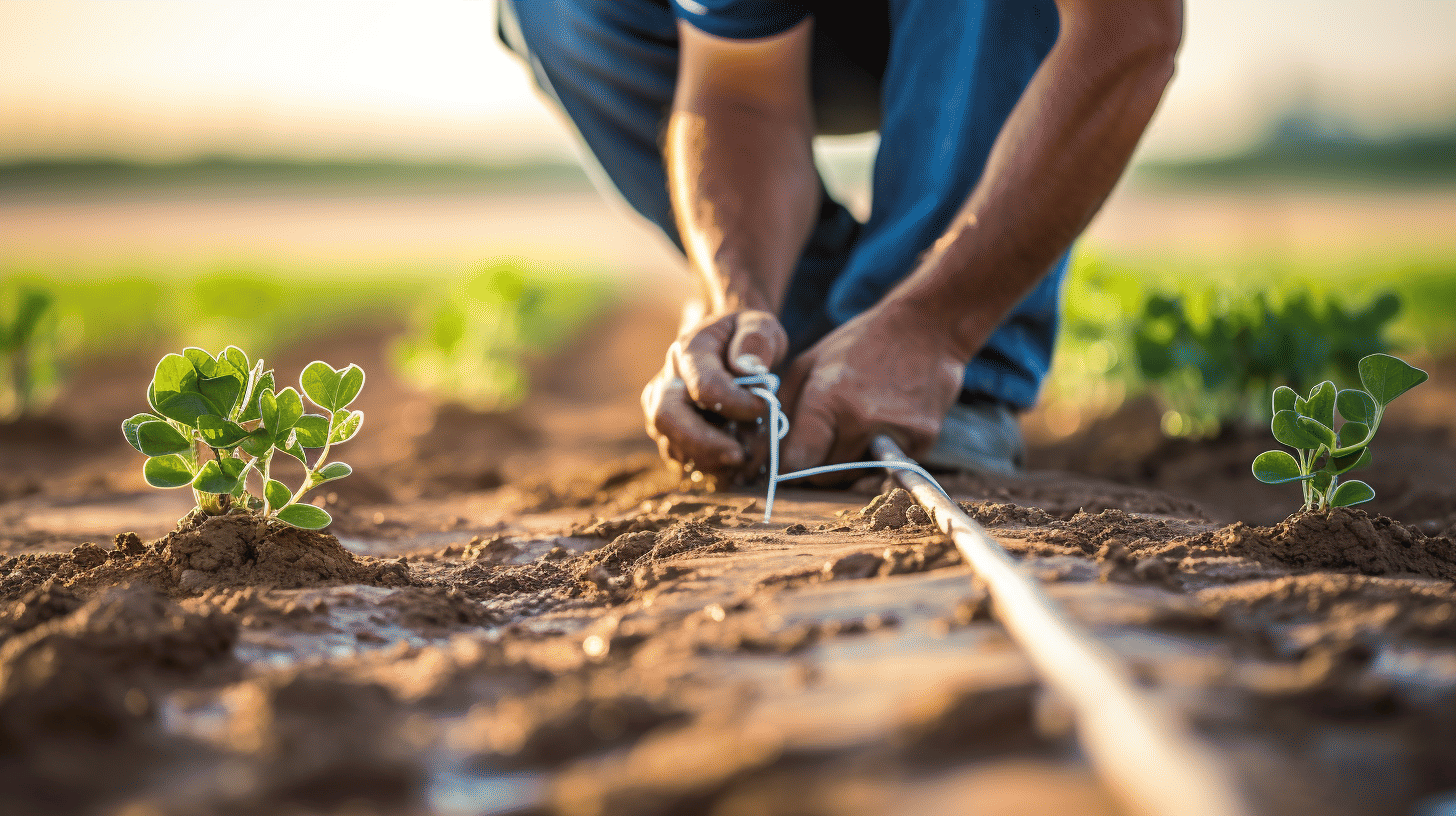
- Drip irrigation: Drip irrigation systems deliver water directly to the root zone of plants, minimizing water loss through evaporation or runoff. This targeted approach not only saves water but also promotes healthier plant growth by providing water exactly where it is needed.
Soil Moisture Retention
In sustainable permaculture, maintaining soil moisture is crucial for the health and vitality of plants. Adequate soil moisture supports proper plant growth, nutrient uptake, and overall ecosystem resilience. Here are a few ways permaculture practices help retain soil moisture:
- Mulching: Applying a layer of organic mulch, such as straw or wood chips, helps to retain soil moisture by reducing evaporation. Mulch acts as a protective layer, shielding the soil from direct sunlight and preventing rapid water loss.
- Cover crops: Planting cover crops, such as legumes or grasses, helps to create a protective cover over the soil. This cover helps to reduce evaporation, prevent erosion, and increases organic matter content, which improves soil structure and water-holding capacity.
- Compost and organic matter: Soil with as little as 2% organic matter significantly contributes to water conservation on a permaculture farm.
Straw mulch permaculture effectively conserves water and improves crop growth through soil moisture maintenance.
As we can see, water conservation and soil moisture retention are essential components of sustainable permaculture practices. By implementing these strategies, we can reduce water waste, increase the efficiency of irrigation, and maintain healthy and productive ecosystems.
Water Management Strategies in Permaculture
Permaculture, a sustainable agricultural system, places great emphasis on water management. By implementing smart strategies, permaculturists aim to conserve water, reduce the reliance on external water sources, and create self-sustaining ecosystems. In this article, we will explore three effective water management strategies commonly used in permaculture: rainwater harvesting, drip irrigation, and planting drought-resistant species.
Rainwater Harvesting
Rainwater harvesting is a fundamental practice in permaculture that utilizes natural precipitation as a valuable resource. By capturing and storing rainwater, permaculturists can ensure a constant supply of water for their plants, even during dry seasons. Some common rainwater harvesting techniques used in permaculture include:
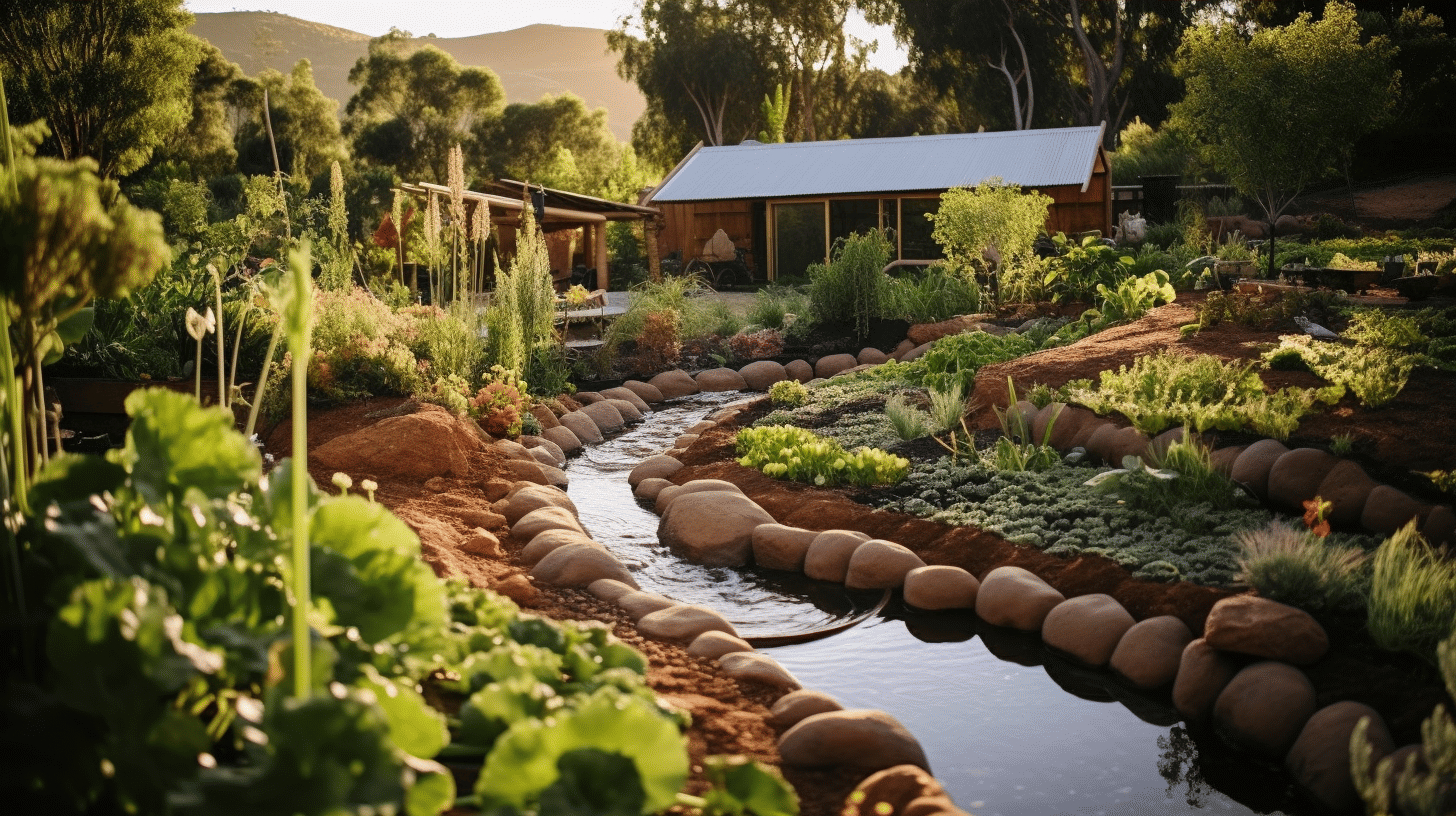
- Swales: These are shallow ditches or trenches designed to slow down and capture rainwater, allowing it to infiltrate into the ground. Swales are typically positioned along the contour lines of a landscape to maximize water retention.
- Ponds: Constructing ponds in permaculture systems not only helps store rainwater but also provides habitat for aquatic plants and animals. Ponds can act as reservoirs and also aid in preventing soil erosion.
- Tanks: Installing water tanks, such as rain barrels or underground cisterns, allows permaculturists to collect and store rainwater for later use. These tanks can be connected to irrigation systems to ensure efficient distribution of water.
Drip Irrigation
Water conservation is a key principle in permaculture, and drip irrigation is an effective method for achieving this goal. This irrigation technique involves delivering water directly to the plant’s root zone through a network of tubes or hoses. Here are some noteworthy advantages of drip irrigation:
- Efficiency: Drip irrigation minimizes water wastage by providing water precisely where it is needed. This targeted approach reduces evaporation, runoff, and weed growth.
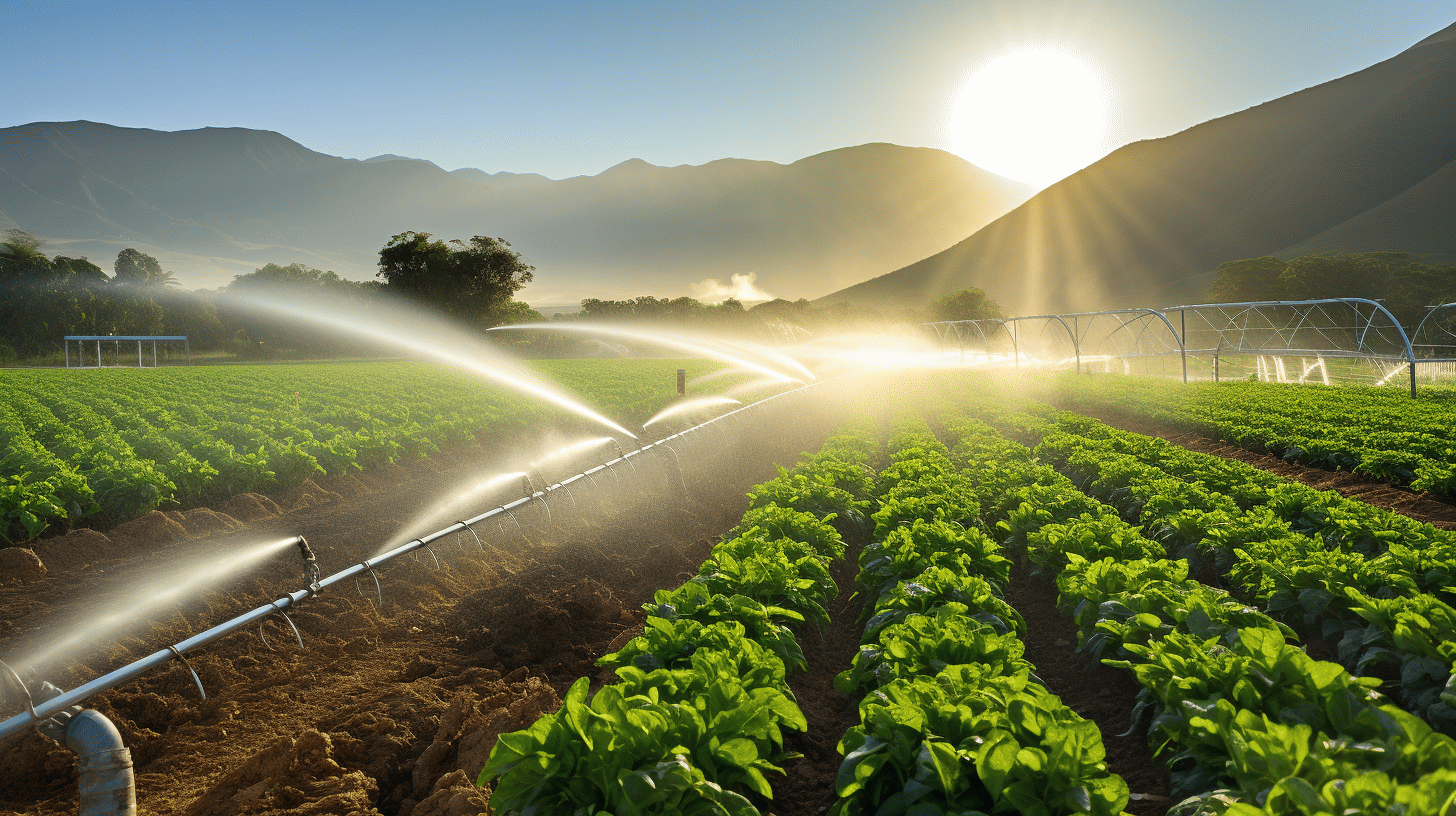
- Economy: As water is delivered directly to the plant’s roots, less water is required compared to traditional sprinkler systems. This can result in significant water savings and lower water bills.
- Healthy Plants: Drip irrigation promotes healthier plants by avoiding excessive water on foliage, which can lead to disease and fungal growth. Additionally, consistent moisture levels encourage deep root growth and enhance plant resilience.
Planting Drought-Resistant Species
In permaculture, the selection of plant species plays a crucial role in achieving water efficiency. By choosing drought-resistant plants, permaculturists can reduce the overall water demand and adapt to arid or semi-arid climates. Here are some characteristics to consider when selecting drought-resistant species:
- Deep Root Systems: Plants with deep root systems can access water from deeper soil layers, increasing their drought tolerance.
- Low Water Requirements: Native plant species or those adapted to the local climate often have lower water requirements, making them suitable for water-conscious gardening.
- Xeriscaping: Xeriscaping is a landscaping technique that focuses on selecting and arranging plants in a way that reduces water needs. It involves grouping plants with similar water requirements and implementing efficient irrigation methods.
By implementing these water management strategies, permaculturists can create resilient and sustainable systems that conserve water resources while nurturing healthy and productive ecosystems. Embracing rainwater harvesting, drip irrigation, and the use of drought-resistant species are integral steps towards a more water-efficient and sustainable future.
Intelligent Landscape Design for Water Utilization
Permaculture design goes beyond water conservation and focuses on maximizing water utilization through intelligent landscape design. By strategically planning and implementing various techniques, permaculturists aim to create self-sustaining ecosystems that make the most efficient use of water resources. Here are some key principles and practices of intelligent landscape design for water utilization:
Rainwater Harvesting
One effective way to make the most of available water resources is through rainwater harvesting. This process involves collecting and storing rainwater runoff from roofs, driveways, and other surfaces, which can then be used for various purposes such as irrigation, flushing toilets, and even drinking water. Rain barrels, underground tanks, and swales are commonly used to capture and store rainwater.
Greywater Recycling
Greywater recycling is another technique that helps maximize water efficiency in landscape design. Greywater refers to wastewater from showers, sinks, and laundry machines, which can be treated and reused for non-potable purposes like watering plants or flushing toilets. By diverting greywater away from the sewer system, homeowners can reduce their reliance on freshwater sources and minimize water waste.
Xeriscaping
Xeriscaping is a landscaping approach that focuses on using plants and vegetation that require minimal irrigation. By selecting native or drought-tolerant plant species and incorporating efficient irrigation systems like drip irrigation, xeriscaping reduces water consumption significantly. It also helps create visually appealing landscapes that require less maintenance and resources.
Permeable Paving
Traditional hardscapes like concrete and asphalt prevent the natural percolation of rainwater into the ground, leading to water runoff and wastage. Permeable paving materials, on the other hand, allow rainwater to infiltrate the soil, replenishing groundwater and minimizing runoff. These materials, such as permeable concrete and porous paving stones, not only help conserve water but also reduce the risk of flooding and erosion.
Mulching
Mulching is a simple yet effective practice in water-efficient landscaping. Applying a layer of organic mulch around plants and trees helps retain moisture in the soil, reducing the need for frequent watering. It also prevents weed growth, regulates soil temperature, and improves overall soil health. Using mulch made from locally available organic materials helps close the loop and promote sustainable water utilization.
By incorporating these intelligent landscape design techniques, homeowners and landscape professionals can create beautiful, water-efficient environments that thrive even in arid climates. Maximizing water utilization through permaculture design principles not only conserves this precious resource but also promotes ecological balance and resilience in our landscapes. So, let’s embrace these practices and create a greener, more sustainable future.
Learn more about how permaculture design principles can contribute to water utilization in landscape design here.
Creating a Water Conservation Plan
Adaptation to Rainfall Patterns
When creating a water conservation plan, it’s crucial to take into account the patterns and variations in rainfall throughout the year. By understanding the annual rainfall statistics and adapting to excessive or unseasonable rainfall, you can optimize your water usage and contribute to a more sustainable future.
Why is adaptation to rainfall patterns important?
Rainfall patterns can have a significant impact on the availability of water resources. Understanding and adapting to these patterns allows you to better manage and conserve water in times of scarcity or abundance. By aligning your water usage with the natural fluctuations in rainfall, you can ensure that you are using water efficiently and responsibly.
How to adapt to rainfall patterns
Here are some key steps to consider when adapting your water conservation plan to rainfall patterns:
- Collect and analyze rainfall data: Begin by gathering annual rainfall statistics for your region. This data can help you identify any trends or patterns in rainfall throughout the year.
- Identify periods of excess rainfall: Look for periods when rainfall is particularly high or when storms are frequent. During these times, focus on implementing strategies that capture and store excess rainwater for future use.
- Implement rainwater harvesting: Consider installing rainwater harvesting systems, such as rain barrels or cisterns, to collect and store rainwater during periods of excess rainfall. This stored water can be used for non-potable purposes like watering plants or cleaning.
- Create a plan for drought periods: On the other hand, identify periods when rainfall is low or droughts are common. During these dry spells, prioritize water conservation measures such as reducing outdoor irrigation or implementing efficient irrigation systems.
- Educate and engage: Creating a successful water conservation plan requires the participation and cooperation of everyone involved. Educate your community or organization about the importance of adapting to rainfall patterns and the steps they can take to conserve water.
By adapting your water conservation plan to rainfall patterns, you can maximize water efficiency, reduce reliance on external water sources, and create a more sustainable water management system.
Remember, water conservation is a collective effort, but every action counts. Together, we can make a significant impact on preserving our precious water resources for future generations.
Permaculture Gardening: Sustainable Farming
Permaculture gardening is a holistic and sustainable farming method that has gained popularity in recent years. Its approach is rooted in the idea of designing ecosystems that mimic the patterns and processes of nature, leading to more productive and resilient gardens. Permaculture gardening not only provides a way to grow your own food but also offers numerous environmental benefits, such as conserving water and promoting biodiversity.
Water Conservation: A Key Aspect of Permaculture Gardening
Water scarcity is a growing concern in many parts of the world. Permaculture gardening offers innovative solutions to overcome this challenge by maximizing the efficiency of water usage. Here’s how it works:
- Rainwater Harvesting: Permaculture gardens often include rainwater harvesting systems that collect and store rainwater for later use. This practice helps reduce reliance on municipal water sources and ensures a sustainable supply of water for the garden.
- Mulching: Applying mulch to the soil surface is another essential technique in permaculture gardening. Mulch acts as a protective layer, preventing water evaporation and soil erosion. It also helps regulate soil temperature and enhances soil fertility by adding organic matter as it breaks down over time.
- Water Retention Landscaping: Permaculture gardens are designed with the landscape in mind. Features such as swales, berms, and ponds are strategically placed to capture and retain water. This not only prevents runoff but also allows the water to slowly infiltrate the soil, replenishing groundwater resources.
Vegetable Production: Maximizing Yields in Permaculture Gardens
Growing your own vegetables is not only rewarding but also a sustainable way to reduce your carbon footprint and ensure food security. Permaculture gardening focuses on maximizing vegetable production while minimizing inputs. Here are some strategies used in permaculture gardens to boost yields:
- Polyculture Planting: Instead of growing single crops in large monocultures, permaculture gardens embrace the concept of polyculture planting. This means growing a diverse range of plants together, benefiting from companion planting, and synergistic relationships between different species.
- Succession Planting: Permaculture gardens are designed to maximize the use of available space throughout the growing season. Succession planting involves planting new crops as soon as previous ones are harvested. This ensures a continuous supply of fresh vegetables and makes the most efficient use of limited garden space.
- Vertical Gardening: Another clever technique employed in permaculture gardening is vertical gardening. By utilizing trellises, arbors, and other vertical structures, gardeners can grow climbing plants such as beans, cucumbers, and tomatoes, making efficient use of space and increasing overall vegetable production.
Incorporating permaculture principles into your gardening practices can have a significant positive impact on the environment and your overall gardening experience. By conserving water and maximizing vegetable yields, permaculture gardening offers a sustainable and rewarding approach to farming. So why not give it a try and create your own thriving permaculture garden?
For more information about the principles and techniques of permaculture gardening, check out this guide.
Natural Ecosystem Services for Water Management
Water is a precious resource that plays a crucial role in sustaining life on Earth. As population growth and industrialization continue to put a strain on our water resources, it becomes essential to explore innovative and sustainable approaches to water management. Employing natural ecosystem services and processes is becoming increasingly recognized as a viable solution to address the challenges of water pollution, waste water management, and water quality maintenance.
Reducing Water Pollution
Water pollution is a significant problem globally, with various sources contributing to its degradation. However, nature has its own mechanisms and processes to mitigate and reduce water pollution. Natural ecosystems play a vital role in filtering out pollutants and contaminants from water bodies, thereby improving water quality. Here are some ways in which natural ecosystem services contribute to reducing water pollution:
- Wetlands as natural filters: Wetlands act as natural sponges, filtering out pollutants such as excess nutrients, sediments, and toxins from water before it enters rivers, lakes, or groundwater systems.
- Riparian vegetation: Vegetation along riverbanks plays a crucial role in absorbing and filtering pollutants from runoff, preventing them from entering water bodies.
- Biofiltration: Natural nanofilters, such as biofilms formed by microorganisms, help break down and remove pollutants from water.
By preserving and restoring these natural ecosystems, we can harness their inherent capabilities to reduce water pollution significantly.
Managing Waste Water
Effective management of wastewater is vital to prevent the contamination of water sources and protect the environment. Instead of relying solely on energy-intensive treatment plants, natural ecosystem services offer sustainable alternatives for wastewater management. Here are some examples:
- Constructed wetlands: Constructed wetlands mimic natural wetlands and utilize various plants and microorganisms to treat wastewater effectively. These wetlands naturally filter out pollutants and nutrients, promoting the purification of water.
- Soil filtration: Soil acts as a natural filter, removing contaminants and harmful substances from wastewater as it percolates through different layers. Utilizing soil as a treatment medium can help purify wastewater and mitigate its negative impacts.
- Phytoremediation: Certain plants have the ability to absorb and break down contaminants, making them a valuable tool in wastewater treatment. By implementing phytoremediation techniques, we can harness the natural abilities of these plants to improve water quality.
Maintaining Water Quality
Ensuring the quality of our water resources is crucial for the well-being of both humans and the ecosystems they support. Natural ecosystem services contribute significantly to maintaining water quality. Here’s how:
- The role of forests: Forests act as natural water filters by intercepting rainfall, reducing erosion, and absorbing excess nutrients and pollutants. They also help regulate water flow, reducing the risks of floods and droughts.
- Aquatic vegetation: Aquatic plants, such as algae and submerged plants, play a vital role in oxygenating water bodies and absorbing excess nutrients, improving overall water quality.
- Natural attenuation: Natural attenuation refers to the ability of ecosystems to self-cleanse and break down pollutants over time. By allowing nature to take its course, we can take advantage of this inherent ability to maintain water quality.
In conclusion, harnessing the power of natural ecosystem services and processes is essential for effective water management. By employing strategies that work with nature, we can reduce water pollution, manage wastewater, and maintain water quality in a sustainable and environmentally friendly manner.
Benefits of Water Management in Permaculture
Water management plays a crucial role in permaculture practices, offering a range of benefits that contribute to the overall success of the system. By implementing effective strategies to capture, store, and utilize water, permaculture enthusiasts can enjoy increased food production, higher groundwater levels, reduced irrigation needs, and enhanced ecosystem resilience.
Increased Food Production
One of the main advantages of water management in permaculture is the potential for increased food production. By making smart use of water resources, permaculturists can create an environment that supports healthy and abundant plant growth. Here’s how water management contributes to higher crop yields:
- Retention of Moisture: Proper water management techniques, such as mulching and creating swales, help to retain moisture in the soil, preventing it from evaporating or being wasted. This ensures that plants have a constant supply of water, reducing the risk of drought stress and promoting healthy growth.
- Watering Efficiency: With efficient water management systems such as drip irrigation or rainwater harvesting, permaculturists can ensure that plants receive the right amount of water at the right time. This targeted approach to irrigation maximizes water usage, reducing waste and increasing plant productivity.
Higher Groundwater Levels
Water management in permaculture doesn’t just benefit the plants on the surface but also contributes to the overall health of the ecosystem. By implementing techniques that increase groundwater levels, permaculture systems have a positive impact on the environment. Here’s how water management helps raise groundwater levels:
- Water Infiltration: Permaculture practices encourage the infiltration of water into the soil, rather than allowing it to run off. This helps replenish groundwater reserves, ensuring a sustainable water supply for plants, animals, and humans alike. Techniques such as building swales or contouring landscapes help slow down the flow of water, giving it more time to infiltrate into the ground.
- Regeneration of Aquifers: By implementing water management strategies that focus on water conservation and recharge, permaculture can contribute to the regeneration of aquifers. These underground water reservoirs are essential for maintaining the health of ecosystems and providing a reliable source of water for communities.
Reduced Irrigation Needs
Effective water management in permaculture can significantly reduce the need for artificial irrigation, benefiting both the environment and the permaculture practitioner. By implementing water-saving techniques, permaculturists can:
- Harvest Rainwater: Capturing and storing rainwater allows permaculturists to utilize this natural resource instead of relying solely on freshwater sources for irrigation. This reduces the strain on municipal water supplies and ensures a more sustainable approach to growing food.
- Direct Water Flow: Through careful land design and the creation of swales, permaculture practitioners can direct the flow of water to where it is needed most. By strategically channeling water runoff, it can be distributed to different areas of the permaculture system, reducing the need for additional irrigation.
Enhanced Ecosystem Resilience
Water management in permaculture contributes to the overall resilience of the ecosystem by creating a balanced and sustainable water cycle. Here’s how water management enhances ecosystem health:
- Preventing Erosion: By implementing water management strategies such as contouring and terracing, permaculture practitioners can prevent soil erosion caused by excessive runoff. This protects the topsoil, which is vital for supporting healthy plant growth and maintaining biodiversity.
- Improved Soil Health: Proper water management helps maintain optimum soil moisture levels, preventing waterlogging or drought conditions. This creates an ideal environment for beneficial soil organisms, such as earthworms and microorganisms, to thrive. Healthy soil contributes to the overall resilience of the ecosystem by supporting plant growth and nutrient cycling.
In conclusion, water management in permaculture is essential for maximizing food production, improving groundwater levels, reducing irrigation needs, and enhancing ecosystem resilience. By implementing effective water conservation strategies, permaculturists can create sustainable and productive systems that benefit both the environment and those who practice them.
Conservation Hydrology in Permaculture
Introduction:
Permaculture is a holistic approach to sustainable living that aims to create self-sufficient ecosystems. One crucial component of permaculture is conservation hydrology, a practice that focuses on the restoration and protection of watersheds through effective water management systems. By implementing conservation hydrology techniques, permaculturists can not only enhance water quality but also mitigate the effects of climate change and contribute to a more resilient environment.
Restoration and Protection of Watersheds
When it comes to conservation hydrology in permaculture, the restoration and protection of watersheds take center stage. Watersheds, also known as catchment areas, are areas of land where rainfall flows into a common water outlet, such as a river, lake, or ocean. These ecosystems play a vital role in providing water to communities and supporting biodiversity. Here’s how conservation hydrology contributes to their restoration and protection:
- Managing Water Flow: Through the implementation of various techniques, permaculturists can manage the flow of water within watersheds. This involves capturing and storing rainwater, preventing erosion, and keeping the water onsite for longer periods.
- Improving Water Quality: Conservation hydrology practices focus on filtering and purifying water before it enters the watershed. By creating natural systems such as wetlands and biofiltration swales, permaculturists can remove pollutants and contaminants, resulting in improved water quality downstream.
- Enhancing Soil Health: A healthy soil ecosystem plays a significant role in water retention and filtration. Permaculturists utilize techniques like cover cropping, mulching, and composting to improve soil structure, increase organic matter content, and enhance infiltration rates. These soil management practices help prevent erosion and protect the watershed.
- Regulating Water Temperature: Restoring riparian zones and creating shade structures along water bodies can help regulate water temperatures. Consistent temperature levels are crucial for maintaining healthy aquatic habitats and supporting the diverse range of species that rely on watersheds.
- Promoting Biodiversity: Watersheds are home to a wide array of plant and animal species. By implementing conservation hydrology practices, permaculturists create habitats that support biodiversity. Wetlands, for example, are an ideal environment for a vast number of plant species, birds, amphibians, and insects.
To fully embrace conservation hydrology in permaculture, it is essential to approach water management in a holistic and interconnected manner. By restoring and protecting watersheds through effective practices, permaculturists can contribute to a sustainable future and play a crucial role in restoring the health of our planet.
“Conservation hydrology in permaculture is not just about managing water; it’s about understanding the interconnectedness of our ecosystems and working towards their restoration and protection.”
Building Sustainable Permaculture Systems
Efficient Use of Local Resources
When it comes to building sustainable permaculture systems, one key principle to keep in mind is the efficient use of local resources. By utilizing what is readily available in your specific area, you not only minimize waste but also create a more resilient and self-sufficient ecosystem. Here’s why focusing on local resources is essential and how you can effectively incorporate them into your permaculture design.
Why Local Resources Matter
- Adaptation to local conditions: Utilizing materials, plants, and resources that are native or well-suited to your region ensures that they are already adapted to the local climate, soil conditions, and pests. This means they are more likely to thrive and require less intervention, such as fertilizers or pesticides.
- Reduced environmental impact: By sourcing resources locally, you can reduce the carbon footprint associated with transportation and minimize the need for energy-intensive processes involved in manufacturing or processing materials.
- Preservation of biodiversity: Working with local resources helps promote biodiversity in your permaculture system. By using native plants and seeds, you are supporting and preserving the natural diversity of your region, which is crucial for ecological balance and resilience.
- Community connection: Emphasizing local resources allows you to forge stronger connections with your community. By collaborating with local farmers, gardeners, and artisans, you can share knowledge, exchange resources, and build a more sustainable and interconnected network within your area.
How to Incorporate Local Resources
Here are some practical ways to efficiently incorporate local resources into your permaculture system:
- Native plants: Choose plant species that are indigenous or well-adapted to your climate and soil type. These plants are more likely to thrive with minimal care and offer support to local wildlife.
- Locally sourced materials: Seek out materials, such as wood, stones, or compost, from within your area. This reduces the environmental impact associated with transporting materials from distant locations.
- Rainwater harvesting: Utilize rain barrels or cisterns to collect and store rainwater, reducing the need for municipal water sources and promoting sustainable water management.
- Composting: Start a compost pile with organic waste generated on-site or from nearby sources. This enriches the soil, reduces the need for synthetic fertilizers, and minimizes waste going to landfills.
- Seed saving: Preserve local plant varieties by saving seeds from your own plants or by participating in community seed exchanges. This helps maintain genetic diversity and ensures the availability of regionally adapted plant varieties.
- Natural pest control: Encourage beneficial insects and birds by providing habitat and food sources. This reduces the need for chemical pesticides and fosters a healthier and more balanced ecosystem.
By incorporating these practices into your permaculture design, you can maximize the efficiency of local resources, minimize waste, and create a sustainable system that thrives in harmony with its surroundings. Remember, building smaller permaculture systems is more sustainable and easier to maintain, so start small and build upon your successes.
Learn more about permaculture principles and design at our permaculture guide.
Conclusion
Water is an essential component of sustainable permaculture practices and plays a crucial role in maintaining the health and productivity of our agricultural systems. By considering the importance of water conservation and implementing effective water management strategies, we can create resilient and productive landscapes that thrive in harmony with nature.
Whether it’s through rainwater harvesting, drip irrigation, or planting drought-resistant species, there are various techniques available to optimize water utilization in permaculture. By intelligently designing our landscapes and creating water conservation plans that adapt to rainfall patterns, we can minimize waste and ensure the efficient use of this precious resource.
Furthermore, by harnessing natural ecosystem services and implementing conservation hydrology practices, we can reduce water pollution, manage wastewater, and maintain water quality. These efforts not only benefit our farming systems but also contribute to the overall health and balance of our ecosystems.
The benefits of effective water management in permaculture are manifold. By increasing food production, raising groundwater levels, and reducing irrigation needs, we can create sustainable and resilient systems that are less reliant on external inputs. Additionally, our efforts contribute to enhanced ecosystem resilience, supporting the long-term health and wellbeing of both our agricultural landscapes and the planet as a whole.
In conclusion, water management is a cornerstone of sustainable permaculture practices. By prioritizing water conservation, implementing efficient strategies, and considering the ecological services provided by nature, we can build thriving and regenerative agricultural systems. Discover more about the potential of permaculture and sustainable agriculture on our platform, Regenerative Agriculture Wiki, where we provide extensive content and resources to inspire and educate individuals and communities on regenerative farming practices. Join us in fostering a future where agriculture and ecology thrive in harmony.
Frequently Asked Questions
- What is permaculture?
Permaculture is an approach to designing sustainable systems that mimic natural ecosystems and aim to provide for human needs while maintaining ecological balance.
- Why is water important in permaculture?
Water plays a crucial role in permaculture as it is essential for the survival and growth of plants, animals, and microorganisms. It is used to irrigate crops, create ponds for fish production, and support the overall health of the ecosystem.
- What are some water conservation techniques used in permaculture?
Some water conservation techniques used in permaculture include rainwater harvesting, mulching, contouring landscapes to slow down water flow, constructing swales and berms to capture water, and designing efficient irrigation systems.
- How can permaculture help in water management?
Permaculture encourages sustainable water management by promoting methods that reduce water wastage, such as using drought-tolerant plants, implementing water-saving irrigation techniques, and managing water runoff effectively to prevent erosion and flooding.
- What are the benefits of incorporating water elements in permaculture design?
Incorporating water elements in permaculture design provides benefits such as improved soil fertility, increased biodiversity, creation of microclimates, enhanced aesthetic value, and the potential for fish and aquatic plants cultivation.