Water is a vital resource that plays a crucial role in farming and agriculture. Whether it’s irrigating crops, sustaining livestock, or maintaining healthy soil, water is a key component of successful farming practices. However, with growing concerns over water scarcity and the impact of climate change, it is more important than ever to adopt sustainable watering strategies.
In this article, we will explore the art of sustainable watering and delve into effective strategies that farmers can implement to ensure optimal water usage while minimizing environmental impact. We will also highlight the role of technology in sustainable watering and discuss the challenges and solutions that farmers face in this endeavor.
By adopting sustainable watering practices, farmers can not only conserve water resources but also improve crop yields and guarantee future water availability for agriculture. So, let’s dive in and discover the world of sustainable watering for farming!
Understanding Sustainable Watering
Watering is a crucial aspect of maintaining healthy plants and gardens. However, it’s important to approach watering practices in a sustainable manner, considering the impact it has on water resources and the environment. In this section, we will delve into the definition and importance of sustainable watering, as well as the key principles to keep in mind.
Definition and Importance
Sustainable watering refers to the practice of using water efficiently and responsibly to meet the needs of plants while minimizing waste and environmental harm. It involves adopting strategies that promote water conservation and prevent water runoff.
The importance of sustainable watering cannot be overstated. Here are a few reasons why it should be a priority for gardeners and plant enthusiasts:
- Water conservation: By practicing sustainable watering, we can reduce water consumption and preserve this precious resource. This is particularly important in regions facing water scarcity or drought conditions.
- Environmental impact: Traditional watering methods, such as overhead sprinklers, can lead to water runoff, which carries pesticides, fertilizers, and other pollutants into natural water bodies. Sustainable watering practices help minimize this pollution, protecting aquatic ecosystems and wildlife.
- Cost savings: Efficient water use means lower water bills. By optimizing watering techniques and reducing wastage, gardeners can save money in the long run.
Principles of Sustainable Watering
When it comes to sustaining watering, there are several key principles to keep in mind. These principles guide us in making conscious choices and implementing effective strategies for water conservation. Here are some principles you should consider:
- Smart irrigation: Utilize technology-based irrigation systems, like drip irrigation or smart sprinklers, that deliver water directly to the root zone of plants. This reduces water waste by minimizing evaporation and runoff.
- Water-efficient plants: Choose plants that are well-suited to your local climate and soil conditions. Native and drought-tolerant plants typically require less water, making them ideal choices for sustainable landscaping.
- Mulching: Apply a layer of organic mulch around plants to improve soil moisture retention. Mulch acts as a protective barrier, preventing evaporation and reducing the frequency of watering.
- Timing and frequency: Water plants during the cooler parts of the day, such as early morning or evening, to reduce evaporation. Additionally, water deeply and less frequently, promoting deeper root growth and overall plant health.
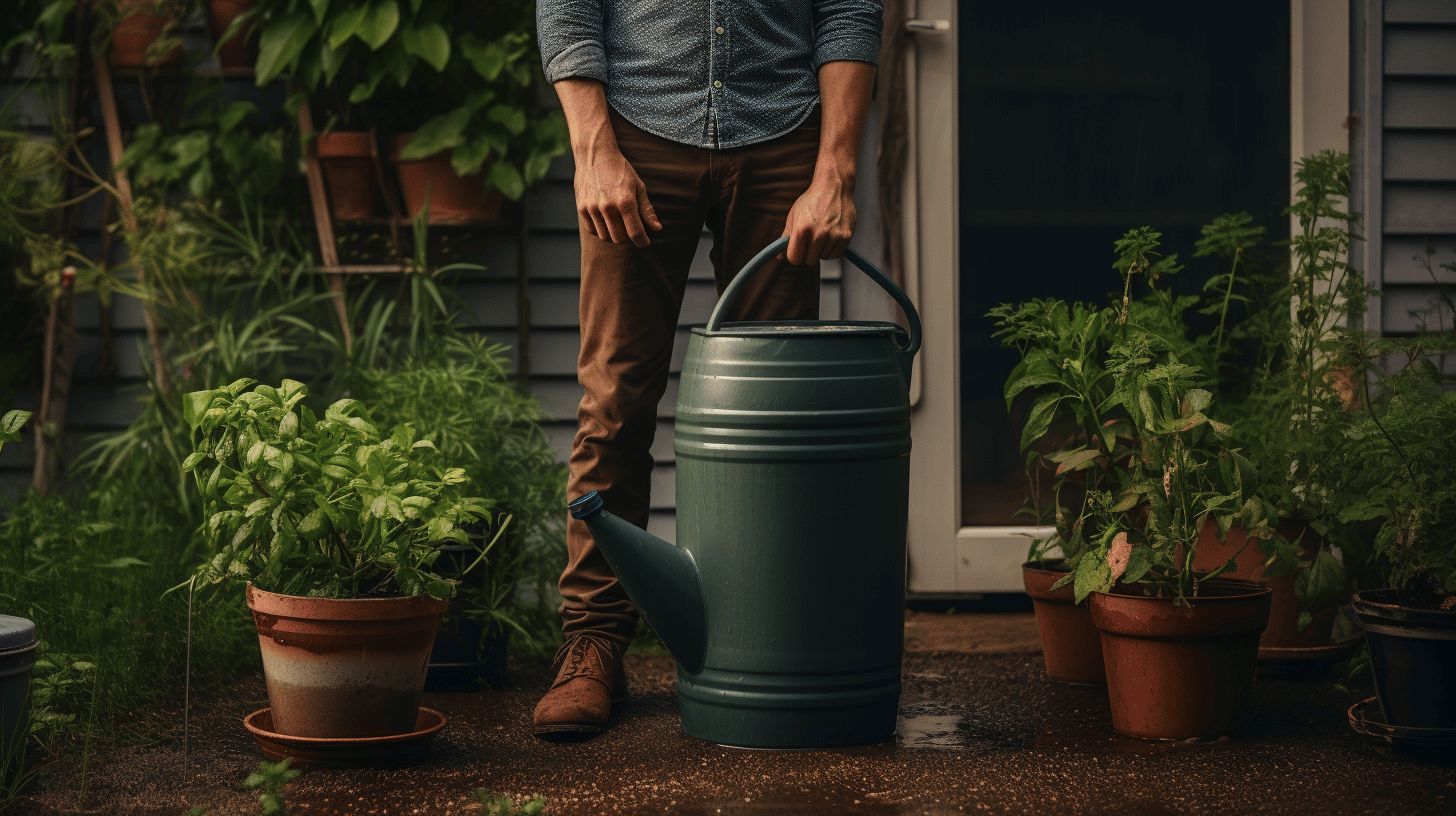
- Rainwater harvesting: Collect rainwater in barrels or rain barrels for later use in watering plants. This helps reduce reliance on municipal water supplies and makes efficient use of natural rainfall.
Remember, sustainable watering practices are not only environmentally friendly but also promote healthier plants and gardens. By adopting these principles and making informed choices, we can create beautiful landscapes while conserving water resources for future generations.
Stay tuned for the next section, where we will explore the techniques and tools that can support sustainable watering practices.
Effective Strategies for Sustainable Watering in Farming
Water is a precious resource, especially in farming. Efficiently managing water usage is not only crucial for the environment but also for the success and sustainability of agricultural operations. In this article, we will explore several effective strategies for sustainable watering in farming that can help farmers optimize their water usage and contribute towards a greener and more resilient agriculture system.
Crop Rotation
One of the key strategies for sustainable watering in farming is crop rotation. By alternating crops in a particular field, farmers can reduce the risk of pest and disease outbreaks, improve soil health, and enhance water retention. Here’s how crop rotation helps:
- Disease and pest management: Different crops have different susceptibility to pests and diseases. By rotating crops, farmers can break the life cycle of pests and reduce the build-up of pathogens in the soil.
- Nutrient management: Different crops have varying nutrient requirements. By rotating crops, farmers can optimize nutrient availability in the soil and minimize the risk of nutrient depletion.
- Water retention: Crop rotation helps improve soil structure and organic matter content, leading to better water infiltration and retention.
Manage Soil to Retain Water
Proper soil management is essential for effective and sustainable watering in farming. Healthy soils with good water-holding capacity can reduce water requirements and improve crop yields. Here are some practices to consider:
- Organic matter: Adding organic matter, such as compost or cover crops, to the soil can enhance its water-holding capacity. Organic matter acts like a sponge, absorbing and retaining water for plants to access.
- Mulching: Applying organic mulch, such as straw or wood chips, around plants can reduce water evaporation from the soil surface, keeping the soil moist for longer periods.
- Contour farming: Implementing contour farming techniques, such as creating terraces or planting along the contour lines, helps prevent water runoff and promotes water infiltration into the soil.
Irrigation Efficiency
Efficient irrigation practices are crucial for minimizing water wastage in farming. By adopting water-efficient technologies and techniques, farmers can optimize water usage and reduce environmental impacts. Here are some strategies to consider:
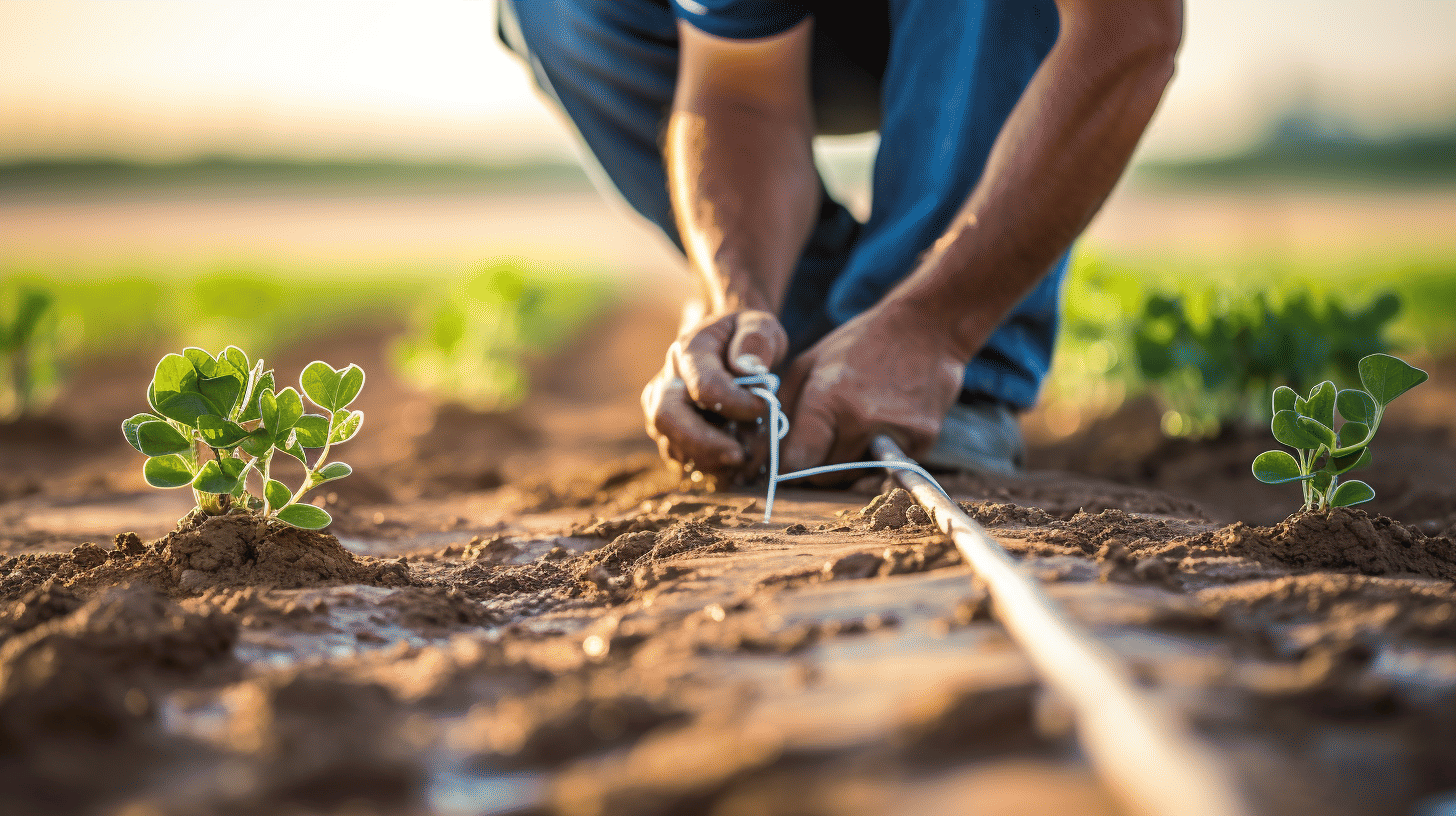
- Drip irrigation: Drip irrigation delivers water directly to the plant roots, minimizing water loss through evaporation and runoff. This method is especially effective for row crops, orchards, and vineyards.
- Smart irrigation scheduling: Using weather-based sensors or moisture probes can help farmers schedule irrigation based on actual plant water needs, preventing over- or under-watering.
- Proper maintenance: Regularly inspecting and maintaining irrigation equipment, such as repairing leaks or replacing worn-out parts, can prevent water wastage and ensure optimal irrigation efficiency.
Rainwater Harvesting
Harnessing rainwater is an excellent strategy for sustainable watering in farming. Instead of solely relying on groundwater or municipal water sources, farmers can collect rainwater and use it for irrigation purposes. Here’s how rainwater harvesting can benefit farmers:
- Reduced reliance on external water sources: Rainwater harvesting provides an additional water source, reducing the need for extensive groundwater pumping or reliance on scarce municipal water supplies.
- Lower cost: Rainwater is free, and by collecting and storing it, farmers can reduce their irrigation expenses and improve their overall profitability.
- Improved water quality: Rainwater is generally free from chemicals and salts, making it an ideal water source for irrigation, as it can help maintain soil health and prevent the buildup of harmful substances.
Precision Agriculture
Precision agriculture utilizes technology to precisely apply water and other inputs, optimizing their usage while maximizing crop productivity. By adopting precision agriculture techniques, farmers can significantly improve water management in their fields. Here are some precision agriculture strategies:
- Variable rate irrigation: This technique adjusts the application of water based on the specific needs of different areas within a field. It ensures that each crop receives the right amount of water, reducing wastage and optimizing plant health.
- Remote sensing: Using satellites or drones equipped with sensors, farmers can monitor crop water stress levels and detect irrigation needs. This allows for targeted and efficient water application, minimizing water waste and enhancing crop performance.
- Data-driven decision-making: Analyzing data collected from various sensors, farmers can make informed decisions about irrigation scheduling, plant health, and water needs. This level of precision helps farmers maximize water efficiency and minimize unnecessary water usage.
By implementing these effective strategies for sustainable watering in farming, farmers can optimize water usage, enhance crop productivity, and contribute towards a more sustainable and resilient agriculture system. Let’s work together to ensure a greener future for our planet and the generations to come.
The Role of Technology in Sustainable Watering
When it comes to sustaining our agricultural practices and ensuring a more resilient future, embracing technology is key. Technology has the potential to revolutionize the way we approach watering our crops, making it more efficient, precise, and environmentally friendly. In this section, we will explore three crucial aspects of how technology is shaping sustainable watering practices.
Smart Irrigation Systems
Gone are the days of manually watering crops and relying on guesswork. Smart irrigation systems are changing the game by using advanced sensors, data analytics, and automation to optimize water usage. These systems monitor various factors, such as soil moisture levels, weather conditions, and crop water requirements, to determine the precise amount of water needed at any given time.
With smart irrigation systems in place, farmers can:
- Reduce water waste: By applying water only when and where needed, smart irrigation systems minimize water loss due to evaporation or runoff.
- Increase crop yield: Properly timed irrigation helps plants get the right amount of water, leading to healthier crops and higher yields.
- Save time and resources: By automating the irrigation process, farmers can focus their time and resources on other critical tasks.
Use of AI and IoT in Farming
The fusion of Artificial Intelligence (AI) and the Internet of Things (IoT) has opened up new possibilities for sustainable watering practices in farming. AI algorithms can analyze vast amounts of data collected by IoT devices, such as soil moisture sensors and weather stations, to make informed decisions about irrigation schedules and quantities. This technology ensures that crops receive precisely what they need for optimal growth while minimizing water waste.
AI and IoT-driven farming brings an array of benefits, including:
- Enhanced precision: By continuously monitoring and analyzing data, AI-powered systems can adapt irrigation strategies in real-time, accounting for changing weather patterns and other environmental factors.
- Improved water management: AI algorithms can optimize water distribution based on crop water needs, leading to reduced water consumption without compromising yield or quality.
- Early detection of issues: IoT devices equipped with sensors can detect anomalies, such as leaks or soil moisture imbalances, alerting farmers to take immediate action, preventing potential crop loss.
Predictive Analytics for Weather Forecasting
Accurate weather forecasting plays a vital role in sustainable watering practices. Leveraging predictive analytics, farmers can make informed decisions about irrigation schedules, taking into account upcoming weather events. By knowing when rain is in the forecast, farmers can adjust their irrigation plans accordingly, reducing unnecessary water usage during periods of natural precipitation.
The benefits of predictive analytics for weather forecasting include:
- Resource optimization: By aligning irrigation schedules with forecasted rainfall, farmers can reduce water consumption, saving both costs and valuable natural resources.
- Adaptability: Predictive analytics allows farmers to dynamically adjust watering schedules based on evolving weather patterns, ensuring crops receive the right amount of water at the right time.
- Mitigating risks: By proactively considering weather forecasts, farmers can minimize the impact of extreme weather events, ensuring crop health and productivity.
In conclusion, technology is transforming the way we approach sustainable watering practices in agriculture. Smart irrigation systems, AI and IoT integration, and predictive analytics for weather forecasting are just a few examples of how technology is revolutionizing water management in farming. By embracing these advancements, farmers can optimize water usage, increase crop yields, and contribute to a more sustainable and resilient future.
Challenges and Solutions in Sustainable Watering
Water scarcity, climate change effects, and inefficient traditional practices pose significant challenges to achieving sustainable watering practices. This section will explore each of these challenges and offer practical solutions to address them.
Water Scarcity
Water scarcity is a pressing issue that affects many regions around the world. As the demand for water continues to rise, it becomes crucial to find innovative ways to conserve and efficiently manage this precious resource. Here are some key points to consider:
- Limited freshwater resources: Freshwater accounts for only about 2.5% of the total water on Earth. With a growing global population, the demand for clean water is increasing rapidly.
- Overuse and wastage: Inefficient irrigation methods, such as flood irrigation or sprinkler systems, lead to excessive water use and wastage. This puts additional strain on already limited water supplies.
- Impact on ecosystems: Excessive withdrawal of water from rivers, lakes, and groundwater sources can have severe ecological consequences, including damage to aquatic habitats and the loss of biodiversity.
Solutions for Water Scarcity
Addressing water scarcity requires a comprehensive approach that involves both individual actions and government policies. Here are some potential solutions:
- Water-efficient irrigation techniques: Switching to modern drip irrigation systems or using precision sprinklers can significantly reduce water consumption while ensuring that plants receive the necessary moisture.
- Rainwater harvesting: Collecting rainwater through the use of rain barrels or cisterns can provide an alternative source of water for plant irrigation, reducing reliance on freshwater supplies.
- Water recycling: Implementing systems to recycle and reuse wastewater can reduce the strain on freshwater sources. This can be particularly effective in agricultural and industrial settings.
- Educating and raising awareness: Promoting water conservation practices through education initiatives and public awareness campaigns can encourage individuals to adopt more sustainable watering habits.
Climate Change Effects
Climate change is altering weather patterns and exacerbating water-related challenges. Rising temperatures, prolonged droughts, and increased frequency of extreme weather events are putting additional stress on water resources. Here are some key points to consider:
- Changes in precipitation patterns: Climate change can lead to shifts in precipitation patterns, resulting in more frequent and severe droughts or intense rainfall events.
- Increased evaporation rates: Higher temperatures increase evaporation rates, leading to faster depletion of water sources.
- Reduced snowpack and glacier melt: Many regions rely on snowpack and glacier melt for their freshwater supply. As these sources diminish due to climate change, water availability becomes increasingly uncertain.
Solutions for Climate Change Effects
Adapting to the effects of climate change is crucial for sustainable watering practices. Here are some potential solutions:
- Drought-tolerant landscaping: Choosing plants that are adapted to local climate conditions and require less water can help mitigate the impact of water scarcity during drought periods.
- Implementing water-saving technologies: Using moisture sensors, weather-based controllers, and smart irrigation systems can optimize watering schedules based on real-time weather data, reducing water waste.
- Enhancing water storage capacity: Building additional reservoirs or investing in underground water storage systems can help buffer against water shortages during dry periods.
- Promoting sustainable land management practices: Practices such as soil conservation, reforestation, and protecting wetlands can help maintain healthy ecosystems and preserve water resources.
Inefficient Traditional Practices
Inefficient traditional watering practices can further strain water resources and contribute to water wastage. Without a shift towards more sustainable approaches, the challenges posed by water scarcity and climate change will only intensify. Here are some key points to consider:
- Outdated irrigation methods: Traditional irrigation methods, such as flood irrigation, are often inefficient and result in water loss through evaporation or runoff.
- Lack of water monitoring: Without proper monitoring and measurement of water usage, it becomes challenging to identify areas of improvement and optimize watering practices.
- Limited knowledge and awareness: Many individuals and communities may not have access to information about sustainable watering practices or the importance of water conservation.
Solutions for Inefficient Traditional Practices
Addressing inefficient traditional watering practices requires a combination of education, technology, and policy changes. Here are some potential solutions:
- Promoting modern irrigation techniques: Encourage the adoption of water-efficient irrigation methods, such as drip irrigation or micro-sprinklers, through education and incentives.
- Investing in water monitoring systems: Installing water meters and sensors can help track water usage, identify inefficiencies, and make informed decisions about irrigation practices.
- Providing training and knowledge sharing: Offering training programs and resources to farmers, landscapers, and individuals can empower them with the knowledge and skills needed to implement sustainable watering practices.
- Enforcing regulations and incentives: Governments can play a crucial role in enforcing regulations that promote water conservation and offering financial incentives for adopting water-saving practices.
In conclusion, addressing the challenges of water scarcity, climate change effects, and inefficient traditional practices is essential for achieving sustainable watering practices. By implementing the solutions discussed above, individuals, communities, and governments can work together to ensure the responsible use of water resources and secure a more sustainable future.
Benefits of Sustainable Watering in Farming
**Introduction**
In the world of agriculture, water plays a crucial role in the growth and development of crops. However, with the increasing challenges posed by climate change and the scarcity of water resources, it has become more important than ever to adopt sustainable watering practices in farming. This article will explore the benefits of sustainable watering methods and how they can contribute to improved crop yields, water conservation, and the guarantee of future water availability for farming.
Improved Crop Yield
Water is an essential factor in maximizing crop productivity. By implementing sustainable watering practices, farmers can significantly enhance their crop yield. Here are some ways sustainable watering can contribute to improved crop productivity:
- Efficient Water Distribution: Sustainable watering practices, such as precision irrigation, allow farmers to deliver water directly to the root zone of plants. This ensures that plants receive the necessary amount of water without wastage. As a result, crops are healthier, more vigorous, and better able to withstand environmental stresses.
- Proper Timing: Sustainable watering helps farmers match the timing of irrigation with the specific growth stages of crops. This enables them to provide water when it is most needed, promoting optimal plant growth and development. By avoiding under or overwatering, farmers can prevent yield loss caused by water stress or waterlogged soil.
- Reduced Disease and Pest Pressure: Sustainable watering practices, such as drip irrigation or furrow irrigation, minimize the wetness of plant foliage. This reduces the favorable conditions for disease-causing pathogens and pests, thus lowering the risk of crop damage. Consequently, farmers can expect healthier crops with higher marketable yields.
Water Conservation
Apart from boosting crop yield, sustainable watering practices also contribute to water conservation. Here’s how:
- Reduced Water Loss: Sustainable watering methods, such as drip irrigation or micro-sprinklers, minimize water loss through evaporation. By delivering water directly to the root zone, these methods decrease the amount of water lost to wind, sun, and surface runoff. Consequently, farmers can optimize water use and minimize wastage.
- Prevention of Water Depletion: Sustainable watering practices help prevent over-extraction of groundwater and depletion of surface water sources. By using water efficiently and responsibly, farmers can maintain a sustainable balance between water supply and demand. This ensures that water resources remain available for agricultural use in the long term.
Guarantee Future Water Availability for Farming
Sustainable watering practices not only benefit farmers in the present but also ensure the availability of water for future generations. Here’s how they contribute to securing future water resources:
- Preservation of Aquatic Ecosystems: By using water responsibly, farmers help preserve aquatic ecosystems. Sustainable watering practices prevent excessive withdrawal of water from rivers, lakes, and streams, thus maintaining the ecological balance in these ecosystems. This ensures that water sources remain healthy and viable for both agricultural and environmental purposes.
- Adaptation to Climate Change: Sustainable watering practices enable farmers to adapt to the challenges posed by climate change. By utilizing water resources efficiently, farmers can mitigate the impacts of droughts, floods, and other extreme weather events. This adaptability ensures the continued viability of agricultural operations in the face of a changing climate.
In conclusion, adopting sustainable watering practices in farming offers a range of benefits, including improved crop yield, water conservation, and the guarantee of future water availability. By implementing these practices, farmers can optimize their productivity, protect water resources, and contribute to a sustainable and resilient agricultural sector.
Conclusion
In conclusion, sustainable watering practices are crucial for the future of farming. By implementing effective strategies such as crop rotation, soil management, efficient irrigation, rainwater harvesting, and precision agriculture, farmers can minimize water usage and improve overall sustainability.
Technology also plays a vital role in sustainable watering, with smart irrigation systems, AI and IoT integration, and predictive analytics helping farmers make informed decisions about water usage and conservation.
While there are challenges such as water scarcity, climate change, and inefficient traditional practices, the benefits of sustainable watering in farming are significant. Improved crop yield, water conservation, and guaranteeing future water availability for farming are just a few of the advantages.
At Regenerative Agriculture Wiki, we are passionate about promoting sustainable farming practices. Join us in discovering the potential of regenerative agriculture and fostering a future where agriculture and ecology thrive in harmony.
To learn more about regenerative agriculture and explore our extensive content, visit Regenerative Agriculture Wiki. Together, let’s nurture the environment and contribute to global food security.
Frequently Asked Questions
- What are some effective strategies for sustainable watering in farming?
Some effective strategies for sustainable watering in farming include using drip irrigation systems, implementing rainwater harvesting techniques, practicing proper soil moisture management, using mulching to reduce evaporation, and promoting water-efficient crop varieties.
- Why is sustainable watering important in farming?
Sustainable watering is important in farming because it helps conserve water resources, reduces water wastage, increases crop yield, improves soil health, reduces erosion, and promotes overall environmental sustainability.
- What is drip irrigation and how does it contribute to sustainable watering?
Drip irrigation is a watering technique that delivers water directly to the plant’s root zone, minimizing water loss through evaporation and runoff. It helps optimize water usage, reduces weed growth, and provides targeted irrigation for better plant health.
- How can rainwater harvesting be implemented for sustainable watering in farming?
Rainwater harvesting involves collecting and storing rainwater for later agricultural use. It can be done through techniques like building rainwater catchment systems, installing rain barrels, and constructing ponds or reservoirs to collect and store rainwater for irrigation purposes.
- What are some water-efficient crop varieties that can be grown for sustainable watering?
There are several water-efficient crop varieties that can be grown for sustainable watering, such as drought-tolerant crops like millets, sorghum, and certain varieties of pulses and vegetables that require less water compared to traditional crops.