Water is a precious resource that is essential for life. It is also a critical component for agriculture, ensuring the growth and productivity of crops. However, with the increasing global demand for food and the growing challenges of climate change and water scarcity, finding innovative solutions for efficient water usage in sustainable farming has become more important than ever.
In this article, we will explore various technologies and practices that can help optimize water consumption in agriculture. From precision irrigation systems to hydroponic farming and advanced irrigation technologies, these solutions aim to minimize water waste while maximizing crop yield. We will also delve into emerging technologies like artificial intelligence and analytics that are revolutionizing water management in farming.
By adopting these innovative methods, farmers can not only conserve water resources but also improve overall sustainability, productivity, and profitability. So let’s dive in and discover how these solutions can pave the way for a more water-efficient and environmentally friendly future for agriculture.
Water Consumption in Agriculture
Agriculture plays a crucial role in our society, providing us with essential food and raw materials. However, it also has a significant impact on water consumption worldwide. In this section, we will explore the global fresh water consumption by agriculture, the water consumption in the United States, and how water use in agriculture affects low-income countries.
Global Fresh Water Consumption
Did you know? Agriculture accounts for a staggering 69% of the planet’s fresh water consumption[1]. This means that the majority of the water we use is dedicated to sustaining crops, livestock, and other agricultural activities.
As the global population continues to grow, the demand for food also increases. This leads to more intensive farming practices, which in turn require more water. Although there have been advancements in irrigation techniques that aim to reduce water usage, the sheer scale of agricultural water consumption remains a concern.
Water Consumption in the United States
Here’s an interesting fact: In the United States, agriculture is responsible for a whopping 85% of water consumption[2]. This highlights the significant impact that the agricultural industry has on water resources within the country.
The United States is a major agricultural powerhouse, producing a wide range of crops and livestock. To sustain this level of production, a substantial amount of water is needed. From irrigation to animal husbandry, each aspect of agriculture requires careful water management to ensure efficiency and sustainability.
Water Use in Low-Income Countries
Water use in agriculture significantly impacts water consumption in low-income countries[3]. These countries often rely heavily on agriculture for food security and economic stability. However, limited access to modern irrigation systems and water-saving technologies can lead to inefficient water usage.
In many low-income countries, traditional farming practices that heavily rely on rainfall can lead to water shortages and reduced crop yields. This not only affects food production but also puts additional strain on already vulnerable communities.
Efforts are underway to improve water management in these countries by promoting sustainable agricultural practices and implementing water-saving techniques. However, there is still much work to be done to ensure equitable access to water resources and reduce the impact of agriculture on water consumption.
In conclusion, agriculture has a significant impact on global water consumption. From the vast amount of fresh water it utilizes to sustain crops and livestock to its influence on water resources in low-income countries, water management in agriculture is a pressing issue. By implementing sustainable practices and investing in water-efficient technologies, we can strive towards a more water-conscious future for agriculture.
[1] Source
[2] Source
[3] Source
Precision Irrigation Technologies
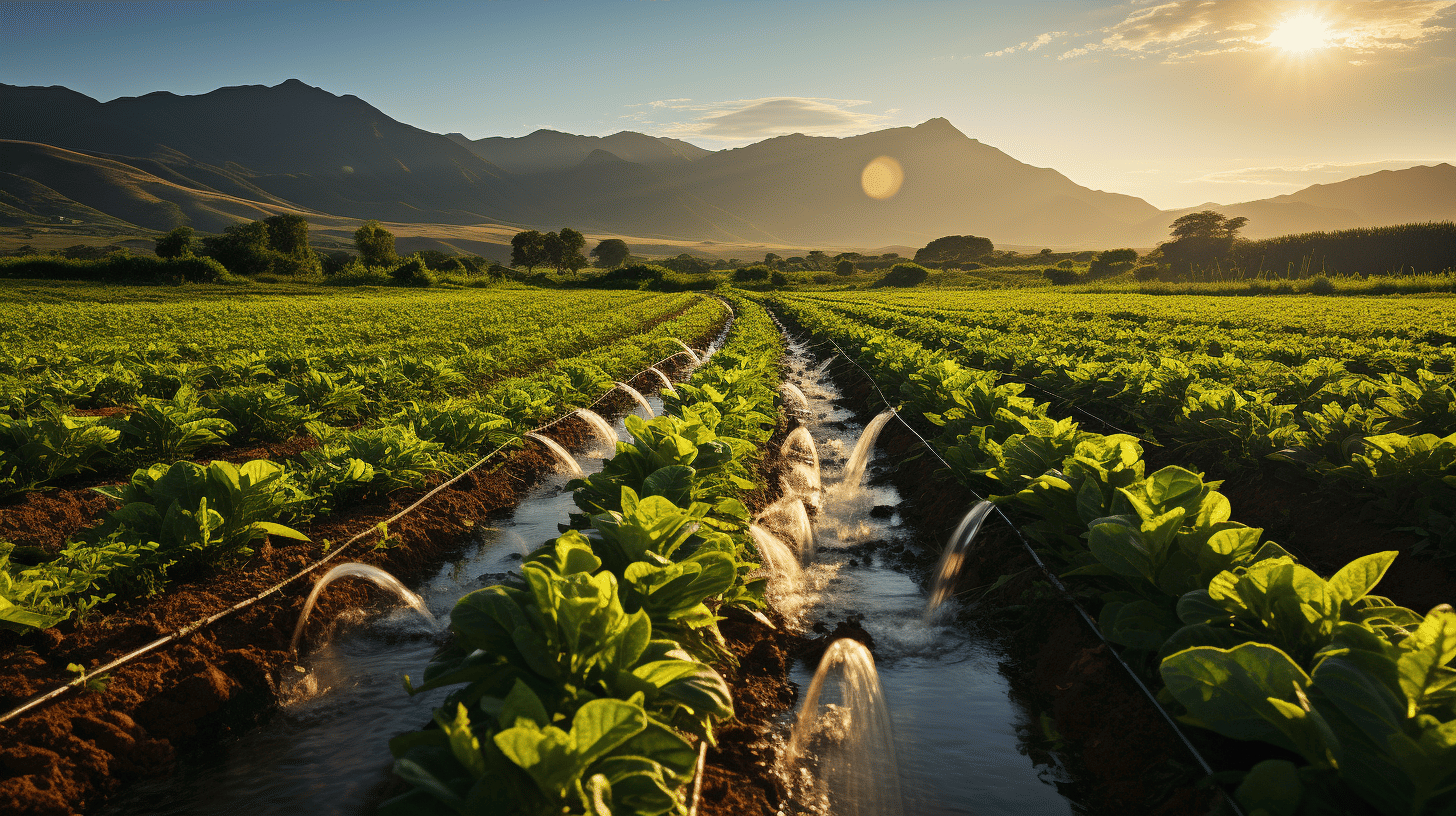
Precision irrigation technologies have revolutionized the way we approach irrigation practices, allowing us to conserve water resources while still meeting the needs of crops. One such technology that has gained popularity in recent years is drip irrigation. This method involves delivering water directly to the plant root zone through a network of tubes and emitters, maximizing water efficiency and minimizing waste.
Drip Irrigation: A Game-Changer in Water Conservation
Drip irrigation systems have proven to be highly effective in reducing water consumption in agricultural settings. This method offers numerous benefits that contribute to its widespread adoption:
- Precise Water Delivery: Drip irrigation ensures that water is delivered directly to the roots of plants, minimizing evaporation and runoff. This precise application method allows for optimal water utilization and eliminates water loss due to wind or surface runoff.
- Uniform Water Distribution: Through the use of emitters spaced at regular intervals, drip irrigation provides uniform water distribution across the entire field, ensuring that each plant receives the necessary amount of water. This consistency promotes healthy plant growth and helps prevent over or under-watering.
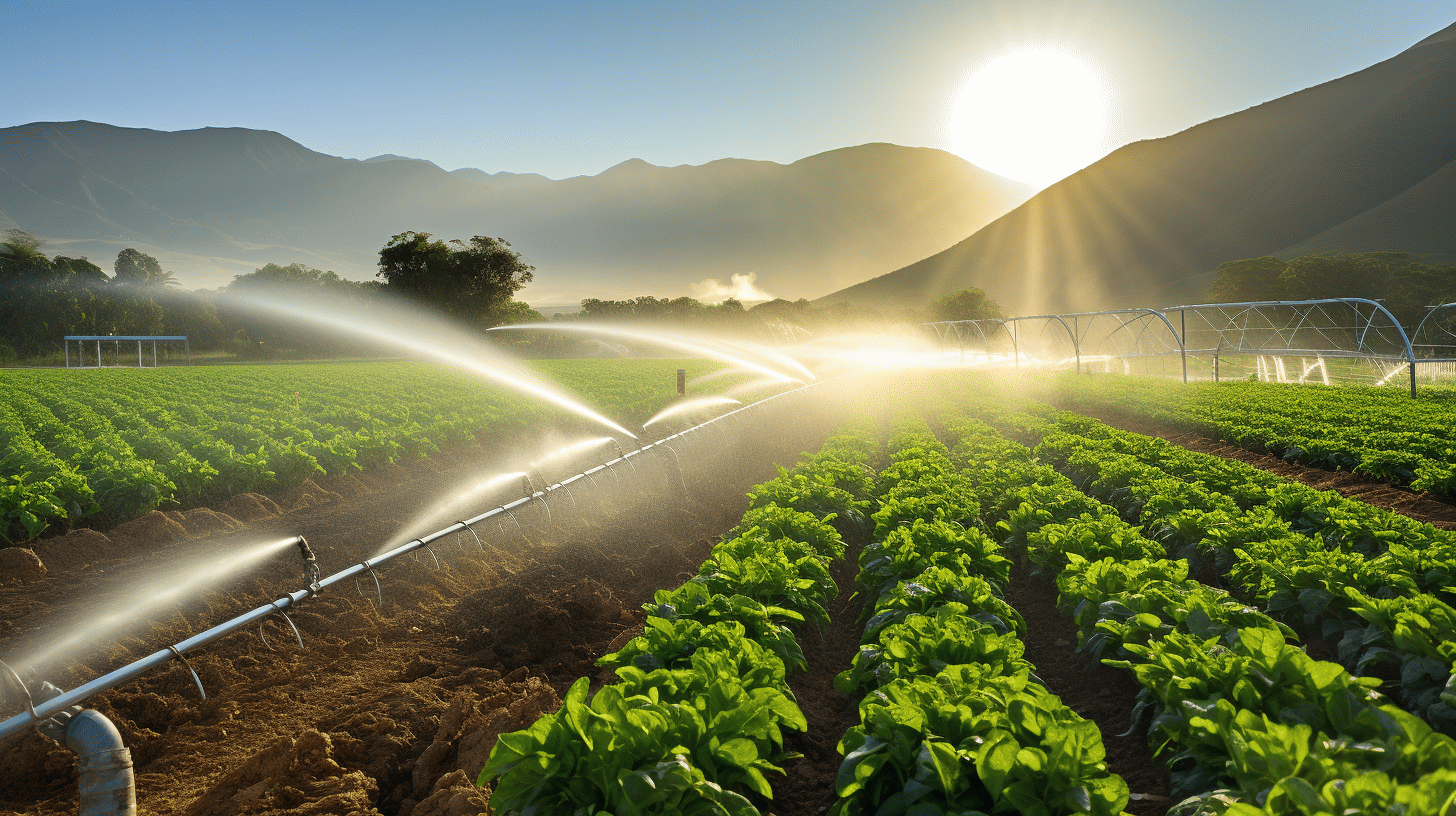
- Water Conservation: With drip irrigation, water is used more efficiently compared to traditional overhead sprinkler systems. Studies have shown that precision irrigation technologies like drip irrigation can reduce water consumption by 20-72% compared to conventional irrigation methods.
The Environmental Impact
In addition to its water-saving benefits, drip irrigation also has a positive impact on the environment. By reducing water usage, this technology helps to:
- Preserve Water Resources: Drip irrigation helps conserve water supplies, which are becoming increasingly scarce in many regions. With global climate change and population growth, it is crucial to adopt sustainable irrigation practices that minimize water waste.
- Reduce Energy Consumption: Traditional irrigation methods often require significant energy inputs, such as pumping water. Since drip irrigation uses less water, it also reduces energy consumption associated with water pumping. This reduction can lead to decreased reliance on fossil fuels and a smaller carbon footprint.
- Protect Soil Health: Over-watering can lead to soil erosion and nutrient leaching. Drip irrigation provides controlled and targeted watering, minimizing soil erosion and nutrient loss. This preservation of soil health contributes to sustainable agriculture practices and the long-term viability of farmland.
Given the numerous benefits of drip irrigation, it’s no wonder that farmers and agricultural professionals worldwide are turning to this technology to maximize water efficiency while maintaining crop productivity. By adopting precision irrigation technologies like drip irrigation, we can work towards a more sustainable and environmentally-friendly future for agriculture.
Learn more about the benefits of drip irrigation and other precision irrigation technologies through our comprehensive guide.
Smart Irrigation and Precision Agriculture
Smart irrigation and precision agriculture are revolutionizing the farming industry by promoting efficient water use. These innovative practices combine technology and data-driven approaches to optimize water consumption and crop health. By utilizing sensors, automation systems, and advanced analytics, farmers can make more informed decisions about irrigation scheduling, leading to reduced water waste and increased crop productivity.
One of the key components of smart irrigation is the use of soil moisture sensors. These sensors are placed in the ground and measure soil moisture levels at different depths. By monitoring the moisture content, farmers can determine the exact amount of water their crops need, avoiding both over- and under-irrigation. This not only conserves water but also prevents waterlogging and nutrient leaching, which can harm plant health.
Automation systems play a crucial role in smart irrigation. These systems use real-time data from weather stations, soil moisture sensors, and even satellite imagery to determine the optimal irrigation schedule. By taking into account factors such as evapotranspiration rates, precipitation forecasts, and plant water requirements, these systems can precisely control the timing and amount of water applied to each field. This helps to prevent water waste and ensures that crops receive the right amount of water at the right time.
The integration of advanced analytics further enhances the efficiency of smart irrigation. By analyzing data from various sources, such as historical weather patterns, crop yield data, and soil characteristics, farmers can gain valuable insights into their irrigation practices. They can identify areas of improvement, adjust irrigation schedules based on crop growth stages, and optimize water allocation across different fields. This data-driven approach empowers farmers to make informed decisions and maximize water efficiency.
Precision agriculture goes beyond smart irrigation and encompasses a range of technologies and practices aimed at optimizing overall farm management. This includes the use of drones, satellite imagery, and remote sensing technologies to monitor crop health, detect pests and diseases, and identify areas of stress within a field. By identifying these issues early on, farmers can take targeted actions to address them, reducing yield losses and minimizing the need for excessive irrigation.
In conclusion, smart irrigation and precision agriculture are game-changers in the farming industry. By harnessing the power of technology and data analysis, farmers can optimize water use, conserve resources, and improve crop productivity. These practices are not only environmentally sustainable but also economically viable, making them a win-win solution for farmers and the planet alike.
Learn more about the benefits of smart irrigation and precision agriculture on our website.
Hydroponic Systems
When it comes to sustainable agriculture, hydroponic systems are gaining popularity as an innovative and efficient solution. This soilless method of cultivation offers numerous benefits, including improved water usage, higher yields, and greater control over plant growth. In fact, hydroponic systems have been shown to reduce water usage in agriculture by up to 90% compared to traditional soil-based farming.
So, how does hydroponics work? Instead of relying on soil, plants in hydroponic systems are grown in a nutrient-rich water solution that is constantly circulating. This allows the plants to receive the necessary nutrients directly through their root systems, resulting in faster growth and healthier plants.
To give you a better understanding of hydroponic systems, let’s take a closer look at some key components and techniques often used in this method of farming:
- Nutrient Solutions
Hydroponic systems require a carefully balanced nutrient solution to provide plants with the essential elements they need for growth. This solution is typically made up of water and a mix of specific nutrients tailored to the needs of different crops. - Growing Mediums
While hydroponic systems don’t rely on soil, they do use various growing mediums to support the plants’ root systems and ensure stability. Some commonly used mediums include coco coir, perlite, rockwool, and vermiculite. - Water Management
One of the key advantages of hydroponic systems is their ability to conserve water. Through the use of recirculating systems and precise irrigation techniques, hydroponics significantly reduces water wastage compared to traditional farming methods. - Controlled Environment
In hydroponics, growers have greater control over environmental factors such as temperature, humidity, and lighting. This allows for optimal growing conditions throughout the year, irrespective of seasonal variations. Growers can even adjust these factors to simulate different climates, creating ideal conditions for specific crops.
Hydroponic systems offer an exciting opportunity to revolutionize the way we grow crops, particularly in urban areas and arid regions where access to arable land and water resources may be limited. By maximizing plant growth and minimizing resource usage, hydroponics has the potential to increase food production sustainably and address future challenges in agriculture.
In conclusion, hydroponic systems provide a promising alternative to traditional farming methods. With their ability to reduce water usage, increase yields, and create optimal growing environments, hydroponics is a viable solution for sustainable and efficient agriculture. As we continue to explore innovative farming techniques, hydroponics is undoubtedly a frontrunner in the quest to feed a growing global population while preserving our precious resources.
To learn more about the benefits of hydroponic systems, check out our comprehensive guide on the advantages of hydroponics.
Advanced Irrigation Technologies
From the ancient practices of flood irrigation to the widespread use of sprinkler systems, the field of irrigation has come a long way. As agricultural methods continue to modernize, advanced irrigation technologies have emerged as game-changers in the quest for sustainable and efficient water management. These technological advancements not only enhance crop yields but also reduce water consumption, aligning with the growing focus on environmental conservation. In this article, we will explore two significant examples of advanced irrigation technologies: subsurface drip irrigation and micro-irrigation.
Subsurface Drip Irrigation
Subsurface drip irrigation (SDI) is a revolutionary approach to water distribution that offers numerous advantages over traditional methods. Instead of spraying water over the surface, SDI systems deliver water directly to the roots of plants, significantly minimizing evaporation and runoff. This targeted delivery not only conserves water but also ensures that it reaches the plants’ root zones, where it is needed most. Let’s take a closer look at the key benefits of subsurface drip irrigation:
- Water Efficiency: SDI systems are designed to deliver precise amounts of water directly to the plants’ root zones. This reduces water wastage, as there is minimal evaporation and runoff. Studies have shown that SDI can achieve water savings of up to 60% compared to traditional irrigation methods.
- Enhanced Crop Yield: By providing water directly to the roots, SDI promotes optimal plant growth and development. This results in higher crop yields and improved quality of produce. Farmers have witnessed significant boosts in productivity after adopting subsurface drip irrigation.
- Weed Control: Unlike surface irrigation methods, where water is sprayed over the entire field, SDI only targets the root zones of plants. This reduces the availability of water for weed growth, thereby minimizing weed-related problems. Farmers can save time, effort, and resources that would otherwise be spent on weed control.
- Reduced Fertilizer Requirements: Subsurface drip irrigation enables precise water delivery, making it easier to control the application of fertilizers. Nutrients can be provided directly to the plants’ roots, leading to efficient uptake and reduced fertilizer requirements. This not only saves costs but also minimizes the potential environmental impact of excess fertilizers.
Micro-Irrigation
Micro-irrigation, as the name suggests, involves the application of small amounts of water directly to the plants’ root zones. This technology offers precise control over water application, resulting in efficient water use and improved crop performance. Let’s dive into the advantages of micro-irrigation systems:
- Water Conservation: Micro-irrigation is highly efficient when it comes to water conservation. The controlled application of water limits evaporation, directly watering the plants’ root zones, resulting in minimal wastage. Studies have shown that micro-irrigation can save up to 80% of water compared to conventional irrigation methods.
- Customizable Water Delivery: Micro-irrigation systems allow for precise control over water application rates and timing. This flexibility enables farmers to tailor their irrigation schedules to the specific needs of different crops and stages of growth. By delivering the right amount of water at the right time, micro-irrigation contributes to healthier plants and higher yields.
- Reduced Soil Erosion and Nutrient Loss: Traditional irrigation methods, such as flood irrigation, can lead to soil erosion and nutrient runoff. Micro-irrigation minimizes these issues by delivering water in a controlled manner, reducing the risk of soil erosion and nutrient loss. This promotes soil health and protects the surrounding ecosystem.
- Versatility: Micro-irrigation systems can be adapted to various types of landscapes, including uneven terrains and areas with limited water availability. Drip emitters and micro-sprinklers can be strategically placed to ensure efficient water distribution, making micro-irrigation suitable for a wide range of cropping systems.
Advanced irrigation technologies like subsurface drip irrigation and micro-irrigation offer promising solutions to the pressing challenges of water scarcity and sustainable agriculture. By optimizing water use and delivering it directly to the plants’ root zones, these technologies contribute to improved crop yields while minimizing water consumption. As more farmers embrace these advanced irrigation methods, we move closer to a future where agriculture and water resources are in harmony.
Emerging Technologies for Water Management
With the increasing demand for water and the growing challenges of managing water resources, emerging technologies have played a crucial role in improving water management efficiency. Two key technologies that have gained significant attention in recent years are artificial intelligence (AI) and analytics. These technologies offer innovative approaches to optimize water usage, increase agricultural yields, and mitigate the impact of water scarcity.
Artificial Intelligence
Artificial intelligence, or AI, has the potential to revolutionize water management by providing real-time monitoring, predictive analysis, and informed decision-making. Through the use of AI-powered systems, water managers can effectively monitor water quality, detect leaks, and optimize water distribution networks. Here’s how AI is making a difference in water management:
- Real-time monitoring: AI algorithms can analyze data from various sensors, such as water meters, weather stations, and satellite imagery, to provide real-time insights on water quantity, quality, and usage patterns. This enables water managers to identify potential issues and take proactive measures.
- Predictive analysis: By analyzing historical data and combining it with real-time inputs, AI can generate accurate predictions and models for water availability, drought conditions, and future demand. These predictions allow for better planning and allocation of water resources, minimizing wastage and ensuring sustainability.
- Decision support systems: AI-powered decision support systems help water managers make informed decisions by providing them with actionable insights. These systems can suggest optimal irrigation schedules, water allocation strategies, and conservation measures based on real-time data, weather forecasts, and crop requirements.
Analytics
Analytics, often used in conjunction with AI, is another powerful tool in water management. By analyzing large datasets, businesses and organizations can gain valuable insights into water consumption patterns, identify inefficiencies, and implement targeted solutions. Here are some ways analytics is driving innovation in water management:
- Water usage analysis: Analytics helps in identifying patterns and trends in water consumption, enabling businesses and households to understand their usage patterns and implement strategies for conservation. This can range from detecting leaks and inefficient water devices to optimizing irrigation practices in agriculture.
- Demand forecasting: By analyzing historical data and market trends, analytics can predict future water demand accurately. This enables water utilities and policymakers to plan for future infrastructure needs, allocate resources effectively, and meet the growing demand in a sustainable manner.
- Optimization and efficiency: Analytics can optimize water usage by evaluating the effectiveness of various water management strategies and identifying areas for improvement. By continuously monitoring and analyzing data, organizations can fine-tune their operations, reduce water waste, and drive efficiency.
Overall, these emerging technologies have the potential to transform water management practices and address the challenges posed by water scarcity. By leveraging the power of artificial intelligence and analytics, we can ensure sustainable water management, increase agricultural productivity, and secure water resources for future generations.
Conclusion
In conclusion, the efficient usage of water in sustainable farming is crucial for the future of agriculture. By adopting innovative solutions and technologies, such as precision irrigation systems, hydroponic systems, and advanced irrigation technologies, farmers can significantly reduce water consumption while maximizing crop yield. The emergence of artificial intelligence and analytics further enhances water management practices, allowing for data-driven decision-making and optimal resource allocation.
At Regenerative Agriculture Wiki, we believe in the power of knowledge and the potential of regenerative agriculture to transform our food systems. With our comprehensive guides and insightful articles, we aim to educate and inspire individuals and communities to embrace sustainable farming practices. Join us in fostering a future where agriculture and ecology thrive in harmony. Visit our website to explore our extensive content and discover the possibilities of regenerative agriculture.
Explore the potential of regenerative agriculture at Regenerative Agriculture Wiki
Frequently Asked Questions
- Why is efficient water usage important in sustainable farming?
Efficient water usage is vital in sustainable farming as it helps conserve water resources, reduce water waste, minimize environmental impact, and improve overall farm productivity and resilience.
- What are some innovative solutions for efficient water usage in sustainable farming?
Some innovative solutions for efficient water usage in sustainable farming include implementing drip irrigation systems, using precision farming techniques, adopting rainwater harvesting methods, utilizing soil moisture sensors, and practicing crop rotation and intercropping.
- How does drip irrigation help in efficient water usage in farming?
Drip irrigation is considered highly efficient as it delivers water directly to the plant roots, reducing evaporation and minimizing water loss. It also enables precise control over water application, matching the water needs of plants, and reducing overall water consumption.
- What are the benefits of using soil moisture sensors in sustainable farming?
Using soil moisture sensors in sustainable farming helps optimize irrigation scheduling by providing real-time data on soil moisture levels. This ensures that water is applied only when necessary, preventing over-irrigation and conserving water resources.
- How can farmers adopt rainwater harvesting methods in sustainable farming practices?
Farmers can adopt rainwater harvesting methods by installing rain barrels, constructing ponds or reservoirs, using rooftop collection systems, and implementing contour farming techniques to capture and store rainwater. This stored water can then be used during dry periods, reducing the reliance on freshwater sources.