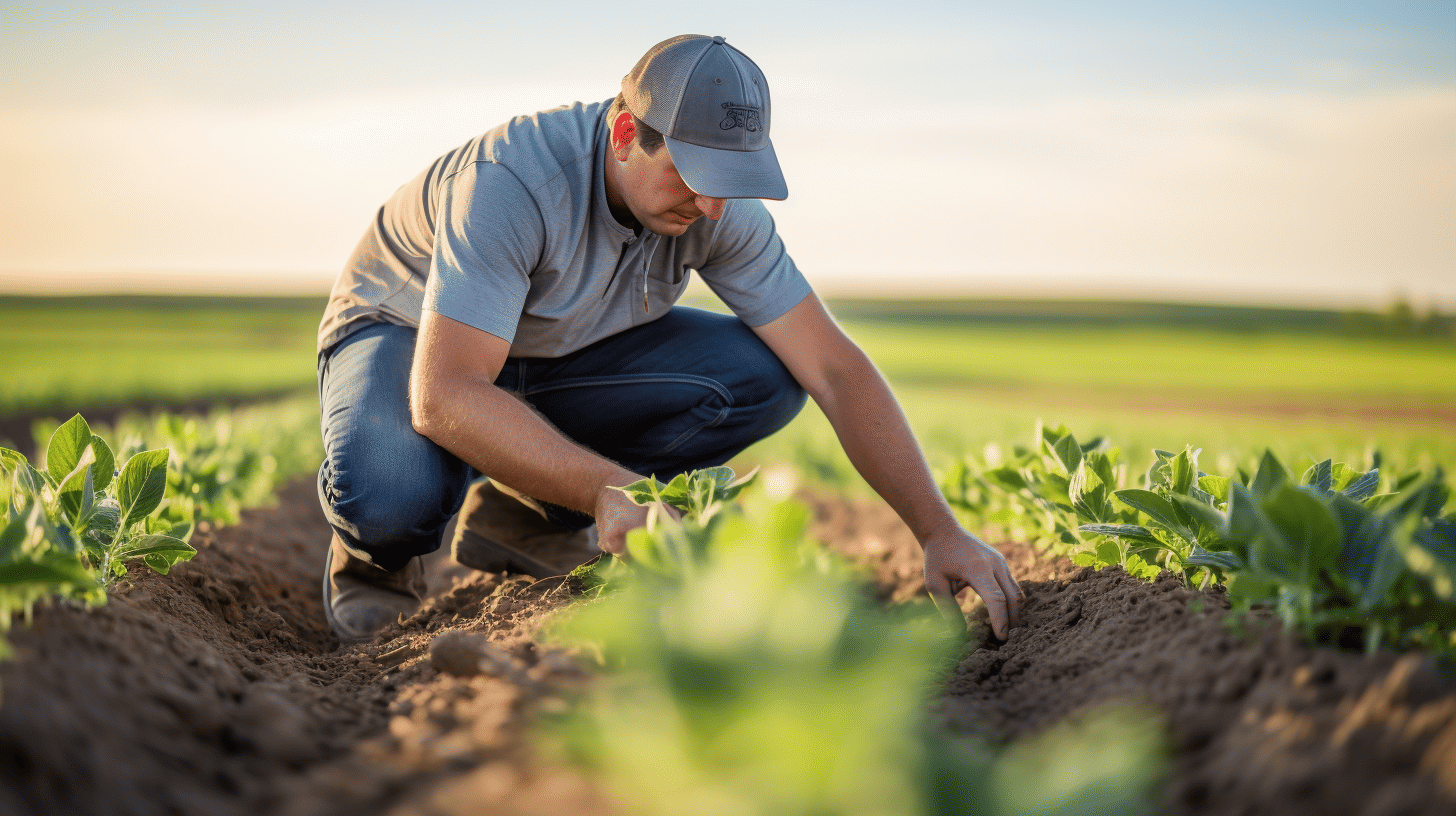
Regenerative agriculture is not just a buzzword in the sustainability movement. It represents a powerful approach to farming and a promising solution to the challenges we face in our food system. By prioritizing the health of the soil, regenerative agriculture offers a path towards environmental restoration and food justice. But what does regenerative agriculture really mean, and how does it empower local communities?
At its core, regenerative agriculture is about adopting practices that work in harmony with nature, rather than depleting its resources. It focuses on building soil health, enhancing biodiversity, and reducing the need for synthetic inputs like pesticides and fertilizers. Through these practices, regenerative agriculture aims to transform our food system into one that is sustainable, resilient, and equitable.
The beauty of regenerative agriculture lies in its holistic approach. It doesn’t just address the environmental challenges we face, but also addresses social and economic issues within our food system. By empowering local communities, regenerative agriculture contributes to food justice by ensuring that everyone has access to nutritious, culturally appropriate, and sustainably produced food.
In this article, we will explore the various practices of regenerative agriculture, the commitment and market projections surrounding its adoption, as well as the environmental and economic benefits it brings. We will also delve into the current adoption of regenerative agriculture and its global impact. Furthermore, we will discuss how regenerative agriculture intersects with food justice, the obstacles to its widespread adoption, and its potential contribution to sustainable development and zero hunger.
Join us as we delve into the world of regenerative agriculture and discover the transformative power it holds for local communities and our planet as a whole.
Regenerative Agriculture Practices
Regenerative agriculture practices have gained popularity among farmers and environmentalists alike. This innovative approach to farming focuses on improving the health of the soil, increasing biodiversity, and reducing the reliance on synthetic inputs. By implementing regenerative practices, farmers can not only increase their yields but also contribute positively to the environment. Let’s take a closer look at some key regenerative agriculture practices.
Crop Rotations
Crop rotations play a crucial role in regenerative agriculture. This practice involves growing different crops in a specific sequence on the same piece of land over a period of time. By rotating crops, farmers can break pest and disease cycles, reduce soil erosion, and improve soil fertility.
Here are some benefits of crop rotations:
- Pest and disease management: Different crops have varying pest and disease susceptibility. By rotating crops, farmers can disrupt the life cycles of pests and reduce their populations.
- Weed control: Crop rotations can help reduce weed pressure. Certain crops can naturally suppress weeds, reducing the need for herbicides.
- Improved soil health: Growing crops with different root structures and nutrient requirements helps to improve soil structure, organic matter content, and nutrient availability.
Crop rotations are tailored to specific regions and crops. Farmers may often include cash crops, cover crops, or legumes in their rotation plans to maximize the benefits.
Cover Crops
Cover crops, also known as green manure, are plants grown primarily to protect and improve the soil. These crops are typically grown between main crops or during periods when the field would otherwise be left fallow.
Here’s why cover crops are an important part of regenerative agriculture:
- Soil erosion control: Cover crops help prevent soil erosion by protecting the soil from wind and water erosion. Their dense foliage acts as a physical barrier, keeping the soil intact.
- Nutrient cycling: Cover crops take up excess nutrients from the soil, preventing them from leaching into groundwater. When these cover crops are terminated and incorporated into the soil, they release those nutrients, making them available for the next crop.
- Improving soil health: Cover crops contribute to soil fertility by adding organic matter, enhancing soil structure, and promoting beneficial microbial activity.
Farmers choose cover crops based on their specific goals and the needs of their main crops. Some commonly used cover crops include legumes like clover and vetch, grasses like rye and oats, and brassicas like radishes and turnips.
Diverse Forage
Growing diverse forage in pastures is another key aspect of regenerative agriculture. By planting a variety of plant species, farmers can improve the health of the soil, provide a balanced diet for grazing animals, and promote biodiversity.
Here are the benefits of growing diverse forage:
- Increased soil fertility: Different plant species have different nutrient requirements. Growing a diverse range of plants helps to ensure that all soil nutrients are efficiently used, reducing nutrient imbalances and enhancing soil fertility.
- Animal nutrition: Diverse forage provides a broader range of nutrients for livestock, promoting their health and productivity.
- Biodiversity conservation: By planting a variety of plant species, farmers create habitats for beneficial insects and wildlife, promoting biodiversity on their farms.
Farmers often utilize mixtures of grasses, legumes, and other plant species to create diverse pastures that provide a balanced diet for animals and improve soil health.
Incorporating these regenerative agriculture practices into farming systems can have numerous benefits for both farmers and the environment. By implementing crop rotations, cover crops, and diverse forage, farmers are taking steps towards building resilient and sustainable agricultural systems.
Commitment and Market Projection
Regenerative agriculture is not just a passing trend; it’s a commitment to the future. With an ambitious goal of advancing regenerative agriculture on 1 million acres of farmland by 2030, the impact of this movement is poised to be significant.
1 Million Acres by 2030
The commitment to regenerative agriculture on such a large scale is a testament to the belief in its transformative power. By working towards implementing regenerative practices on 1 million acres of farmland, we can begin to create a ripple effect across the agricultural industry. Each acre represents an opportunity to improve soil health, increase biodiversity, and sequester carbon.
Imagine the potential impact of transforming 1 million acres into regenerative landscapes. The benefits would extend far beyond the individual farms involved. It would set a precedent and inspire others to adopt regenerative practices, leading to larger-scale adoption and a more sustainable agricultural system.
Projected Market Reach
But it’s not just about the environmental benefits; regenerative agriculture also has tremendous market potential. According to market projections, the regenerative agriculture market is expected to reach a whopping US$ 16.8 billion by 2027. This demonstrates the growing recognition of the economic value of regenerative practices.
As more consumers become conscious of the importance of sustainable and environmentally friendly products, the demand for regenerative agricultural products continues to rise. From organic fruits and vegetables to regeneratively raised meats, consumers are actively seeking out products that align with their values. This presents a significant opportunity for farmers and businesses embracing regenerative practices.
The projected market reach not only highlights the potential economic gains but also underscores the importance of adopting regenerative agriculture as a sustainable and profitable business model. By investing in regenerative practices now, farmers and businesses can position themselves as leaders in a growing market segment.
In conclusion, the commitment to advancing regenerative agriculture on 1 million acres by 2030 is not only an ambitious goal but also a catalyst for change in the agricultural industry. With the projected market reach showcasing the economic potential, adopting regenerative practices is not just the right thing to do from an environmental standpoint but also a smart business decision.
Learn more about the benefits of regenerative agriculture and join the movement towards a more sustainable future.
Environmental and Economic Benefits
Regenerative agriculture is not only beneficial for the environment but also for the economy. By focusing on regenerative practices, farmers can reduce greenhouse gas emissions, increase biodiversity, and boost their profits. Let’s take a closer look at these benefits:
Reduced Greenhouse Gas Emissions
Regenerative agriculture plays a crucial role in mitigating climate change by reducing greenhouse gas emissions. Here’s how it works:
- Carbon sequestration: Regenerative practices such as cover cropping and rotational grazing help capture carbon from the atmosphere and store it in the soil. This can help offset carbon dioxide emissions and contribute to the fight against global warming.
- Reduced synthetic inputs: By minimizing or eliminating the use of synthetic fertilizers and pesticides, regenerative agriculture reduces the carbon footprint associated with their production and application. This leads to lower greenhouse gas emissions compared to conventional farming methods.
Increased Biodiversity
Regenerative agriculture promotes biodiversity on farms, creating a vibrant ecosystem that supports various plant and animal species. Here are some ways regenerative practices enhance biodiversity:
- Habitat restoration: Incorporating diverse crop rotations, hedgerows, and buffer strips helps create habitat corridors for beneficial insects, birds, and other wildlife. This boosts biodiversity and provides natural pest control, reducing the need for chemical interventions.
- Soil health improvement: Regenerative practices like cover cropping and reduced tillage help improve soil health and increase microbial activity. Healthy soils provide a favorable environment for beneficial organisms like earthworms, fungi, and bacteria, contributing to biodiversity.
Boosted Profits
Contrary to the belief that regenerative agriculture comes at a cost to farmers’ profits, research has shown that it is a financially viable approach. In fact, regenerative fields have been found to have lower grain production but significantly higher profits compared to traditional corn production systems. Here’s why regenerative agriculture can boost farmers’ profits:
- Lower input costs: By reducing reliance on synthetic inputs and implementing practices that enhance soil fertility, regenerative farmers can save on costly fertilizers and pesticides.
- Improved resilience: Regenerative agricultural systems have been found to be more resilient to extreme weather events and pest outbreaks. This reduces yield losses and ensures consistent production, leading to more stable incomes for farmers.
- Market demand: With the increasing consumer demand for sustainably produced food, regenerative farmers can tap into premium markets that value environmentally friendly practices. This can result in higher prices and better market access for their products.
The adoption of regenerative agricultural practices has shown benefits beyond just soil health. It has the potential to address environmental challenges, improve resilience, and enhance farmers’ economic viability. Embracing regenerative agriculture can pave the way for a more sustainable and prosperous future for both the environment and the economy.
Current Adoption and Global Impact
Regenerative agriculture practices have been gaining traction among farmers around the world, with a significant increase in adoption rates over the past few years. This environmentally-friendly farming approach has been embraced by farmers who recognize the wide-ranging benefits it offers, not only for their own operations but also for the health of the planet.
Adoption Growth in US
In the United States, the adoption of regenerative agriculture practices has seen a remarkable 70% increase from 2017 to 2021[1]. This surge in interest and implementation demonstrates the growing recognition of the positive impacts this farming method can have on soil health, biodiversity, and the overall sustainability of the agricultural sector.
Farmers in the US have been incorporating regenerative practices such as cover cropping, crop rotation, and reduced tillage into their operations. These techniques help to rebuild soil organic matter, enhance water infiltration and retention, and reduce soil erosion. By integrating these practices into their farming systems, farmers are not only improving the quality of their soils but also mitigating the negative effects of climate change.
Global Farmland Adoption
While the adoption of regenerative practices in the US has been on the rise, the global implementation of these practices still has room for growth. Currently, only 15% of global farmland is cared for using regenerative practices[1]. This indicates that there is a significant opportunity to expand the adoption of regenerative agriculture worldwide.
The benefits of regenerative practices extend beyond individual farmers and have a positive impact on a global scale. By focusing on soil health and ecosystem preservation, regenerative agriculture contributes to mitigating climate change, reducing water pollution, and enhancing biodiversity. Moreover, regenerative practices have the potential to increase the resilience of agricultural systems in the face of challenges such as droughts, floods, and pests.
In order for regenerative agriculture to reach its full potential, it is crucial for farmers, policymakers, and consumers to recognize the value it brings to the table. By investing in research, providing financial incentives, and promoting consumer demand for regenerative products, we can accelerate the adoption of these practices and create a more sustainable future for agriculture.
“Regenerative agriculture practices are not only beneficial for farmers but also contribute to the health of our planet.” – Source
[1] Source
Regenerative Agriculture and Food Justice
Imagine a world where our food system not only sustains us but also promotes environmental regeneration and social equity. This is the vision of regenerative agriculture, a powerful approach that aims to transform the way we grow, distribute, and consume food.
Sustainable and Equitable Food System
Regenerative agriculture holds tremendous potential for building a more sustainable and equitable food system. By prioritizing soil health and biodiversity, this approach improves the long-term productivity of farms while also mitigating climate change and protecting natural resources.
One of the central tenets of regenerative agriculture is soil regeneration. Through practices like cover cropping, crop rotation, and regenerative grazing, farmers can enhance soil fertility, increase water retention, and reduce erosion. This not only leads to higher crop yields but also aids in carbon sequestration, helping to combat climate change.
Furthermore, regenerative agriculture emphasizes the adoption of agroecological principles, which prioritize ecological balance and biodiversity. By nurturing diverse ecosystems on farmland, regenerative farmers can promote biodiversity and support vital ecological functions such as pest control, pollination, and nutrient cycling. This not only benefits the environment but also creates a more resilient and sustainable food system.
Job Creation
Another compelling aspect of regenerative agriculture is its potential to generate employment opportunities. According to research, organic agriculture creates 21% more jobs than conventional agriculture. By shifting towards regenerative practices, we can not only improve the health of our ecosystems but also foster local economic growth and job creation.
In regenerative agriculture, farmers often rely on labor-intensive practices. Activities like cover cropping, manual weeding, and animal husbandry require more hands-on work compared to conventional methods. As a result, adopting regenerative practices can lead to increased demand for agricultural labor, thus providing job opportunities for individuals and communities.
Growth in Adoption
The momentum behind regenerative agriculture is growing rapidly. The number of companies embracing regenerative farming practices has surged by nearly 130% from 2019 to 2022. This shift in mindset undeniably reflects the growing recognition of regenerative agriculture’s immense potential to address the challenges we face in our current food system.
Businesses in various sectors, including farming, food production, and retail, are recognizing the economic benefits and positive environmental impact of regenerative agriculture. They are actively investing in transitioning to regenerative practices and demanding sustainably produced ingredients from their suppliers. This growing demand for regeneratively grown products is driving farmers and producers to adopt these practices to remain competitive in the market.
In conclusion, regenerative agriculture offers a promising pathway towards a more sustainable and equitable food system. By prioritizing soil health, biodiversity, and community well-being, we can cultivate an agricultural system that nourishes both people and the planet. The growing adoption of regenerative practices, along with its potential for job creation, suggests a bright future for the intersection of regenerative agriculture and food justice.
To learn more about the benefits and impact of regenerative agriculture, check out this link.
Obstacles to Adoption and Food Justice
Regenerative agriculture has gained significant traction in recent years due to its potential to address environmental challenges and promote sustainable and resilient food systems. However, despite its benefits, there are several obstacles that hinder the widespread adoption of regenerative practices. In this section, we will explore some of these obstacles, including the financial investment required, the lack of access to technical know-how and tailored advisory services, and the essential need for sound smallholder data.
Financial Investment
Transitioning from conventional agricultural practices to regenerative agriculture requires an upfront financial investment. This can be a significant barrier for many farmers, especially smallholder farmers who may not have access to the necessary capital. The costs involved in purchasing new equipment, implementing new farming techniques, and scaling up operations can be daunting. Without adequate financial support, farmers may find it challenging to adopt regenerative practices on a large scale.
Access to Know-How
Another obstacle to the adoption of regenerative agriculture is the lack of access to technical know-how. While many farmers may recognize the benefits of regenerative practices, they may not have the necessary knowledge or guidance to implement them effectively. This know-how includes understanding soil health, biodiversity conservation, water management, and crop rotation techniques, among other essential aspects. Without proper training and education, farmers may be hesitant to adopt regenerative practices or may struggle to implement them correctly.
Data and Advisory Services
In addition to financial investment and access to know-how, the lack of sound smallholder data and tailored advisory services is a significant obstacle in the widespread adoption of regenerative agriculture. Good data is crucial for decision-making, market access, and resource allocation. However, collecting and analyzing large-scale, accurate data on smallholder farms can be challenging. Without this data, it becomes difficult to provide tailored advice and support to farmers, hindering their ability to adopt regenerative practices effectively.
The food justice movement recognizes that these obstacles not only affect the agricultural sector but also contribute to systemic inequities in our food system. By addressing these barriers, we can work towards creating a more just and sustainable food system for all.
“Structural changes and major policy reform are needed to create a more equitable food system.”
With a deeper understanding of the obstacles to adoption, we can advocate for solutions that address the financial, knowledge, and data gaps within the agricultural sector. By investing in farmer support programs, providing accessible knowledge resources, and developing robust data collection and analysis systems, we can promote the widespread adoption of regenerative agriculture and advance food justice.
Sustainable Development and Zero Hunger
The United Nations Sustainable Development Goal 2, known as “Zero Hunger,” highlights the importance of addressing food systems and environments to eradicate hunger worldwide[1]. Despite the efforts made so far, the food security and nutritional status of the most vulnerable populations remain at risk, and the world is not on track to achieve Zero Hunger by 2030[2].
United Nations Goal
The United Nations has set the ambitious goal of achieving Zero Hunger as part of a comprehensive sustainability agenda. This goal recognizes the critical role that food plays in human development and highlights the need for sustainable practices in agriculture, food production, and distribution. By ensuring that everyone has access to nutritious and sufficient food all year round, the aim is to create a world where hunger is eliminated and all individuals can lead healthy and productive lives.
Vulnerable Populations
Vulnerable populations, such as children, women, and the elderly, are particularly at risk when it comes to food insecurity and malnutrition. These groups often face barriers that prevent them from accessing adequate food, including poverty, conflict, and lack of resources. In order to achieve Zero Hunger, it is crucial to address the specific needs and challenges faced by these populations, ensuring that they are not left behind.
Some key points to consider regarding vulnerable populations and Zero Hunger are:
- The nutritional needs of children are essential for their overall growth and development. Malnutrition during the early years can have lifelong consequences on their health and well-being.
- Women play a critical role in food production and are often disproportionately affected by hunger and malnutrition. Empowering women and supporting their access to resources and opportunities can contribute to achieving Zero Hunger.
- The elderly, especially those living in poverty or isolated communities, face unique challenges in accessing nutritious food. Addressing their specific needs and ensuring their food security is crucial for their well-being.
In conclusion, the goal of achieving Zero Hunger by 2030 is a complex challenge that requires addressing various aspects of food systems, including sustainability, accessibility, and equity. By focusing on vulnerable populations and their specific needs, we can make significant progress towards this goal and create a world where no one goes to bed hungry.
[1]: United Nations Sustainable Development Goal 2
[2]: Zero Hunger by 2030: Are We On Track?
Conclusion
In conclusion, regenerative agriculture is not just a passing trend; it is a transformative approach to farming that holds immense potential for addressing the pressing challenges of food justice and environmental sustainability. By adopting regenerative practices such as crop rotations, cover crops, and diverse forage, farmers can revitalize the health of their soil, increase biodiversity, and reduce greenhouse gas emissions.
The commitment to expanding regenerative agriculture is evident, with a goal of reaching 1 million acres by 2030. This projected market reach is a testament to the growing recognition of the environmental and economic benefits associated with regenerative practices. Not only does regenerative agriculture mitigate climate change and protect ecosystems, but it also boosts profits for farmers through improved soil health and reduced input costs.
The global impact of regenerative agriculture is also notable, with increasing adoption rates in the United States and across the world. This growing movement towards sustainable and regenerative farming practices not only promotes a more equitable and resilient food system, but it also creates job opportunities and supports the livelihoods of farmers and rural communities.
However, there are still obstacles that need to be addressed to achieve widespread adoption of regenerative agriculture and ensure food justice for all. Access to financial investment, know-how, and data and advisory services remain crucial factors in overcoming these challenges. By prioritizing sustainable development and zero hunger, regenerative agriculture aligns with the United Nations’ goal of creating a more equitable and resilient future.
In conclusion, regenerative agriculture holds the key to building a sustainable and equitable food system that can uplift vulnerable populations and contribute to achieving zero hunger. Join us at Regenerative Agriculture Wiki in exploring the potential of regenerative practices and participating in the movement towards a healthier planet and thriving communities.
Explore more about regenerative agriculture on Regenerative Agriculture Wiki and take the first step towards embracing a future where agriculture and ecology thrive in harmony.
Frequently Asked Questions
- What is regenerative agriculture?
Regenerative agriculture is a holistic approach to farming that aims to improve the health of the soil, enhance biodiversity, and mitigate climate change. It focuses on practices such as cover cropping, crop rotation, composting, and minimizing the use of synthetic inputs.
- How does regenerative agriculture empower local communities?
Regenerative agriculture empowers local communities by promoting sustainable farming practices, increasing food security, and supporting local economies. It encourages small-scale farmers to adopt regenerative methods, which can lead to a more resilient and economically viable agricultural system.
- What is the connection between regenerative agriculture and food justice?
Regenerative agriculture and food justice are interconnected concepts. By prioritizing ecological sustainability and social equity, regenerative agriculture seeks to address food injustices such as unequal access to nutritious food, exploitation of farm laborers, and environmental degradation caused by industrial agriculture.
- What are some key benefits of regenerative agriculture?
Some key benefits of regenerative agriculture include improved soil health, increased water retention, enhanced biodiversity, reduced greenhouse gas emissions, and improved farm resilience to extreme weather events. It also promotes healthier food choices and strengthens local food systems.
- How can individuals support regenerative agriculture and food justice?
Individuals can support regenerative agriculture and food justice by buying locally produced, organic, and regeneratively grown food. They can also support local farmers and join community-supported agriculture programs. Additionally, spreading awareness and advocating for policies that prioritize food equity and sustainable farming practices can make a difference.