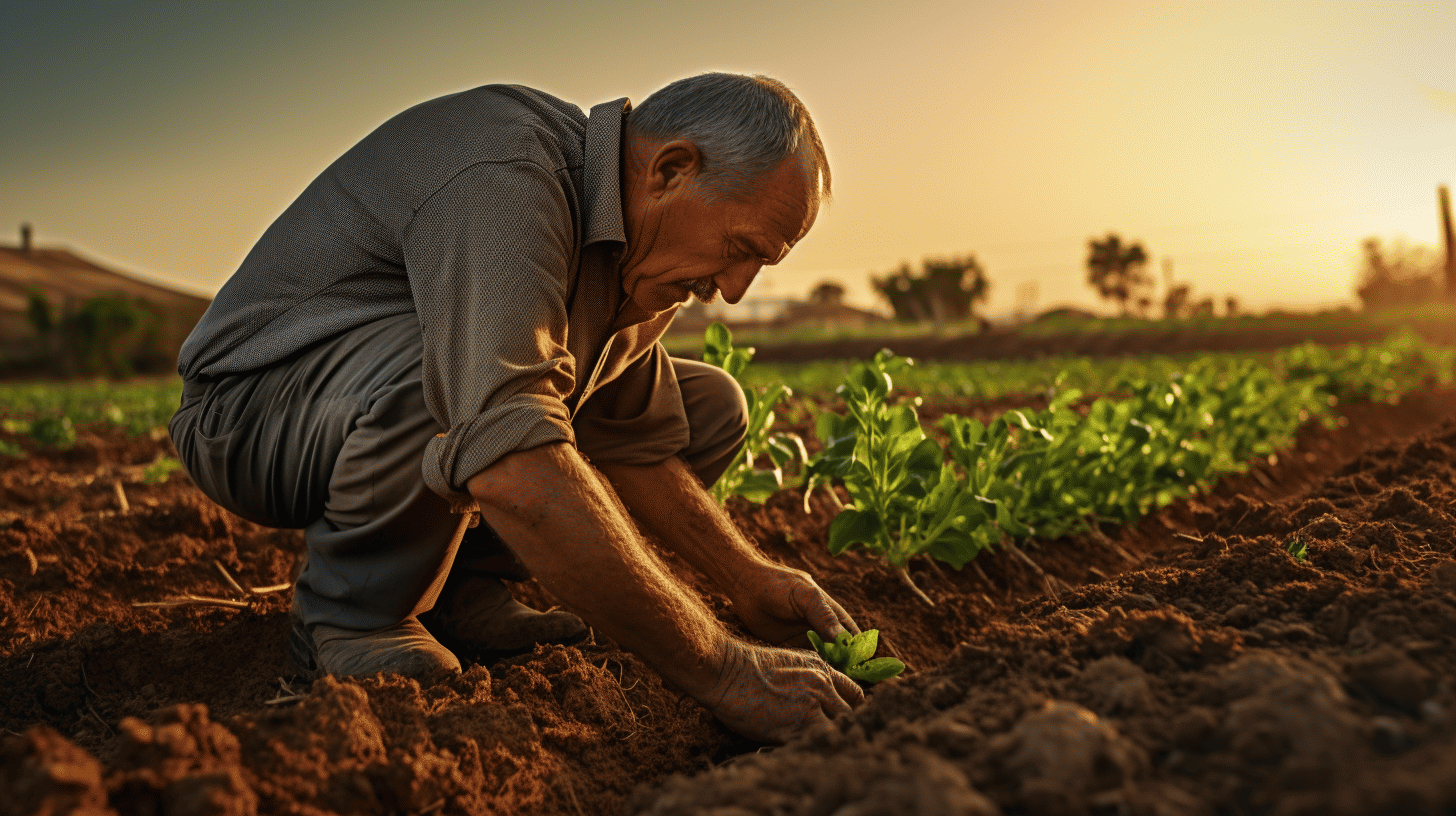
Farmers understand that the foundation of successful agriculture lies in the health and quality of the soil. Healthy soil is not only crucial for crop growth but also essential for long-term environmental sustainability. In this article, we will explore the strategies that sustainable farmers employ to cultivate and maintain healthy soil for their agricultural practices. By implementing these strategies, farmers can enhance microbial diversity, improve crop and livestock nutrition, increase yields, and promote overall soil health.
Soil health is a multifaceted concept that encompasses various factors such as organic matter content, nutrient availability, water-holding capacity, and ecosystem dynamics. Sustainable farmers recognize the importance of nurturing and preserving these vital elements, which ultimately leads to a more resilient and productive agricultural system.
Throughout this article, we will delve into the benefits of healthy soil and discuss specific strategies for improving soil health. We will explore the economic and environmental advantages of cultivating healthy soil and highlight the importance of organic matter. Additionally, we will discuss the no-till and reduced-till methods farmers utilize, as well as the utilization of compost and organic wastes. Lastly, we will touch upon the fascinating processes of soil formation and the ecosystem services provided by earthworms, mycorrhizal fungi, plant roots, and organic matter.
By implementing these strategies and understanding the intricate interplay between soil health and agriculture, farmers can cultivate thriving ecosystems that are not only economically advantageous but also sustainable for future generations. So, let’s dive in and explore the world beneath our feet – the foundation of successful farming practices.
Benefits of Healthy Soil
Healthy soil is the foundation of a thriving ecosystem. It plays a crucial role in supporting plant growth, providing essential nutrients, and contributing to the overall health of our environment. When soil is nurtured and cared for, it offers a range of benefits that have a positive impact on both agricultural practices and the quality of our food. Let’s explore some of the benefits of healthy soil in more detail.
Enhanced Microbial Biomass and Diversity
A key characteristic of healthy soil is its vibrant microbial community. These microorganisms, such as bacteria, fungi, and protozoa, play a vital role in nutrient cycling, decomposition of organic matter, and disease suppression. Research has shown that organically-farmed soils have greater microbial biomass, activity, and diversity compared to conventionally farmed soils[1]. This microbial richness contributes to improved soil structure, better water-holding capacity, and enhanced nutrient availability for plants.
Improved Nutritional Profiles of Crops and Livestock
The health of the soil directly impacts the nutritional quality of the crops and livestock that rely on it for sustenance. Regenerative farming practices, which prioritize the health of the soil, can lead to better nutritional profiles in agricultural products. When soil is rich in organic matter and nutrients, crops can uptake essential minerals and trace elements more effectively. This translates into improved nutrient levels in our food, offering greater health benefits when consumed[2]. Furthermore, livestock raised on nutrient-rich pastures can produce meat, milk, and eggs with higher nutritional value.
Impact on Crop Yield, Quality, and Resilience
Healthy soil is the key to thriving agriculture. Well-nourished soil provides plants with the necessary nutrients and water to grow and develop into robust crops. The soil’s ability to retain moisture and resist erosion is crucial for the sustained health of plants and their resilience in times of drought or other adverse conditions. Additionally, a diverse microbial community supports the natural defenses of plants against pests and diseases, reducing the need for synthetic inputs and promoting sustainable farming practices. Farmers who prioritize soil health often observe increased crop yields, improved crop quality, and increased resistance to environmental stresses[3].
In conclusion, healthy soil offers a multitude of benefits that extend far beyond the surface. By nurturing and conserving this vital resource, we can promote sustainable and resilient agricultural systems, improve the nutritional quality of our food, and protect the health of our environment. Investing in soil health is a win-win for farmers, consumers, and the planet as a whole.
Read more about the importance of healthy soil here
Strategies for Improving Soil Health
Introduction:
Maintaining healthy soil is crucial for the success of any agricultural endeavor. Healthy soil is not only essential for plant growth and productivity, but it also contributes to the overall health of the surrounding ecosystem. In this section, we will explore several strategies that can be employed to improve soil health. By implementing these practices, farmers and gardeners can create a sustainable and thriving environment for their crops.
Maximizing Water Infiltration and Reducing Erosion:
One of the key aspects of improving soil health is maximizing water infiltration and minimizing erosion. By implementing the following practices, you can ensure that water effectively reaches the roots of your plants and prevent soil erosion:
- Contour Plowing: Plow your fields along the contour lines of the land to reduce water runoff. This technique helps slow down the flow of water, giving it more time to infiltrate into the soil.
- Terracing: On sloping areas, create terraces to slow down water flow and prevent erosion. Terracing is particularly beneficial for areas with high rainfall or steep slopes.
- Mulching: Apply organic mulch, such as straw or wood chips, to the surface of the soil. Mulch acts as a protective layer, reducing soil erosion caused by wind and water. Additionally, it helps retain soil moisture, thus improving water infiltration.
Optimizing Nutrient Cycling:
Another vital aspect of soil health is optimizing nutrient cycling. Nutrients are the building blocks of plant growth and play a crucial role in overall crop health. Implementing the following practices will help improve nutrient availability and cycling:
- Crop Rotation: Rotate your crops to diversify the nutrient demands on the soil. Different plants have varying nutrient requirements, and rotating crops helps break pest and disease cycles while replenishing the soil with different nutrients.
- Composting: Create and incorporate compost into your soil. Compost is not only a great source of organic matter but also rich in essential nutrients. It improves soil structure, fertility, and moisture-holding capacity.
- Green Manure: Plant cover crops, such as legumes, in between cash crops. Legumes, such as clover or alfalfa, fix nitrogen from the atmosphere and transfer it to the soil, thus enriching the nutrient content.
Cover Crops, Conservation Tillage, and Crop Rotation:
Incorporating cover crops, conservation tillage, and crop rotation practices into your farming or gardening routine can significantly improve soil health. These practices offer numerous benefits, including:
- Cover Crops: Planting cover crops during fallow periods helps maintain the soil’s structure, prevent erosion, and suppress weed growth. They act as a living mulch, protecting the soil surface from the elements while adding organic matter once they are incorporated.
- Conservation Tillage: Reduce or eliminate tillage to preserve the soil’s structure and organic matter. Excessive tillage can disrupt soil aggregates, leading to erosion and nutrient loss. Conservation tillage methods, such as strip tillage or no-till, provide a protective covering for the soil, minimizing erosion risk.
- Crop Rotation: As mentioned earlier, rotating crops can help break pest and disease cycles. Different crops have varying root depths and nutrient requirements, contributing to the overall health and fertility of the soil.
Composting and Pasture Management:
Composting and pasture management are vital practices that improve soil health in agricultural systems, particularly in livestock production. Consider implementing these practices to enhance soil health:
- Composting: Utilize farm and livestock waste to create nutrient-rich compost. Compost provides a slow-release source of nutrients to the soil, improving fertility and organic matter content. It also enhances soil structure, water-holding capacity, and microbial activity.
- Pasture Management: Employ rotational grazing practices to prevent overgrazing and soil compaction. Rotational grazing allows pastures to rest and regenerate, improving overall pasture health and soil quality. This practice also helps control weed growth and promotes nutrient cycling within the grazing system.
In conclusion, managing soil health is crucial for sustainable agriculture and gardening practices. By implementing strategies such as maximizing water infiltration, optimizing nutrient cycling, utilizing cover crops and conservation tillage, and practicing composting and pasture management, farmers and gardeners can nurture healthy soil that supports thriving crops and a balanced ecosystem.
Economic and Environmental Benefits
Introduction:
Sustainable soil management practices not only contribute to improved soil health, but they also offer significant economic and environmental benefits. These practices can help farmers increase their net income, boost food production, and play a crucial role in carbon sequestration and greenhouse gas reduction.
Increased Net Income for Farmers:
Implementing soil health systems has proven to be financially beneficial for farmers. According to recent studies, a significant majority of farmers practicing sustainable soil management have experienced an increase in their net income. For example, approximately 85% of corn farmers and 88% of soybean farmers saw a positive impact on their bottom line when adopting these practices1. This increase in net income can be attributed to several factors, including reduced input costs, improved yield stability, and improved crop quality.
Potential Increase in Food Production:
One of the remarkable advantages of sustainable soil management is the potential to boost food production. By adopting these practices, farmers can optimize their crop yields and make the most of their available land while preserving soil health. In fact, studies have shown that sustainable soil management has the potential to increase food production by as much as 58%2. This increase in productivity is crucial, especially considering the growing global population and the need for sustainable and resilient agricultural systems.
Carbon Sequestration and Greenhouse Gas Reduction:
Another significant benefit of sustainable soil management is its positive impact on carbon sequestration and greenhouse gas reduction. Healthy soils can effectively capture and store atmospheric carbon dioxide, helping to mitigate climate change. Implementing practices like cover cropping, conservation tillage, and crop rotation can enhance carbon sequestration in agricultural soils. Additionally, these practices can also reduce greenhouse gas emissions from agricultural activities, such as the use of synthetic fertilizers and intensive tillage3. By adopting sustainable soil management techniques, farmers can contribute to global efforts to combat climate change.
In summary, sustainable soil management practices offer a range of economic and environmental benefits. They not only increase farmers’ net income but also have the potential to increase food production and play a significant role in carbon sequestration and greenhouse gas reduction. By implementing these practices, farmers can contribute to a more sustainable and resilient agricultural system while reaping the economic benefits.
Find out more about sustainable soil management practices here.
Dealing with Soil Acidity and Alkalinity
When it comes to soil health, one crucial factor to consider is its pH level. Soil acidity and alkalinity can have a significant impact on plant growth and nutrient availability. In fact, more than 70% of soils suffer from soil acidity or alkalinity, making it a common issue for gardeners and farmers.
Soil pH is measured on a scale from 0 to 14, with 7 being neutral. A pH below 7 indicates acidic soil, while a pH above 7 indicates alkaline soil. Ideally, most plants thrive in slightly acidic to neutral soil, with a pH range between 6 and 7.
How Does Soil Acidity or Alkalinity Impact Plants?
The pH level of soil directly affects the availability of nutrients to plants. Plants require a specific pH level to access and absorb essential nutrients. When the soil becomes too acidic or alkaline, these nutrients may become chemically bound and unavailable to plants, leading to nutrient deficiencies and adversely affecting their growth.
Acidic soil conditions (pH below 6) can lead to the following issues:
- Aluminum and manganese toxicity
- Reduced availability of calcium, phosphorus, and magnesium
- Stunted growth and yellowing of leaves
- Poor root development
- Increased susceptibility to diseases
On the other hand, alkaline soil conditions (pH above 8) can cause:
- Calcium deficiency
- Iron, manganese, and zinc deficiencies
- Restricted availability of phosphorus
- Chlorosis (yellowing of leaves)
- Growth stunting
- Reduced microbial activity
Dealing with Soil Acidity or Alkalinity
When faced with soil acidity or alkalinity issues, it’s crucial to take corrective measures to create an optimal pH level for plant growth. Here are some possible solutions:
1. Soil Testing:
Before taking any corrective measures, it’s essential to determine the soil pH accurately. Conducting a soil test will help you understand the current pH status and provide insight into the necessary amendments for achieving the desired pH range. Soil testing kits are readily available at garden centers or through agricultural extension services.
2. Lime Application for Acidic Soil:
To raise the pH of acidic soil, applying lime is a common practice. Lime is composed of calcium and magnesium carbonates, which neutralize the acidity and raise the pH level. The amount of lime needed depends on the soil type, current pH level, and desired pH range. It’s crucial to follow the recommended rates for your specific soil conditions.
3. Sulfur or Aluminum Sulfate for Alkaline Soil:
To lower the pH of alkaline soil, sulfur or aluminum sulfate can be applied. These amendments work by increasing soil acidity and lowering the pH level. Again, the application rates depend on the soil type, current pH level, and desired pH range. It’s important to follow the recommended rates to avoid over-acidification.
4. Organic Matter Addition:
Adding organic matter, such as compost, well-rotted manure, or peat moss, can help improve soil structure and increase nutrient availability. Organic matter acts as a buffer, helping to maintain a stable pH level and reducing the impact of soil acidity or alkalinity.
5. Selecting Tolerant Plants:
In some cases, it may be more practical to select plant varieties that are naturally tolerant to the existing soil pH conditions. Choosing plants adapted to acidic or alkaline soil can increase their chances of thriving in your garden or farm.
Understanding and addressing soil acidity and alkalinity is essential for cultivating healthy and productive plants. By ensuring the optimal pH range and nutrient availability, you can create an environment where your plants can truly flourish. Remember, a little extra effort in maintaining the right pH can go a long way in achieving gardening success!
Did you know? A comprehensive understanding of soil nutrients can be helpful in addressing soil acidity and alkalinity. Check out this informative guide on essential soil nutrients for more information.
Importance of Organic Matter
When it comes to healthy and productive soil, organic matter plays a crucial role. It provides numerous benefits that directly contribute to the overall health and fertility of the soil. Whether you’re a seasoned gardener or a farmer, understanding the importance of organic matter is essential for achieving optimal results.
Increased Air and Water Holding Capacity
One of the significant advantages of organic matter in the soil is its ability to increase air and water holding capacity. Soils enriched with organic matter have a higher capacity to retain moisture, preventing it from evaporating too quickly. This is especially beneficial in arid regions where water is scarce.
Additionally, organic matter acts as a sponge, absorbing and holding water for longer periods, allowing for a more balanced and consistent water supply to plants. This can be especially valuable during dry spells or in sandy soils that are prone to quick drainage.
But that’s not all – organic matter also improves the soil’s air holding capacity. As organic matter decomposes, it creates microscopic pores and channels within the soil structure. This allows for better air circulation, creating a favorable environment for beneficial soil organisms and root development.
Higher Yields
Another reason why organic matter is essential is its positive impact on crop yields. Soils rich in organic matter not only provide the necessary nutrients for plant growth but also enhance the soil structure, which allows roots to penetrate more easily and access nutrients efficiently. This results in healthier and more vigorous plants, ultimately leading to higher yields.
In addition to nutrient availability, organic matter also enhances the soil’s ability to retain and release nutrients to plants gradually. It acts as a nutrient reservoir, storing essential elements and releasing them as needed by the plants. This reduces the risk of nutrient leaching and ensures a steady supply of nutrients throughout the growing season.
Adding organic matter to the soil improves soil health
The benefits of organic matter in the soil go beyond just increasing air and water holding capacity and improving yields. It plays a vital role in improving overall soil health. Organic matter acts as a source of food and habitat for a diverse population of beneficial soil organisms, such as earthworms, bacteria, fungi, and other microorganisms. These organisms contribute to nutrient recycling, soil structure formation, and natural pest control.
Moreover, organic matter acts as a buffer against pH fluctuations, helping to maintain a neutral to slightly acidic environment that is optimal for most plants. It also aids in suppressing certain soil-borne diseases and mitigating the harmful effects of chemical fertilizers, pesticides, and herbicides.
To reap the benefits of organic matter, incorporating it into the soil through various practices is crucial. This can include adding compost, cover crops, green manures, and crop residues. These organic materials not only increase the organic matter content but also provide a continuous supply of nutrients to support plant growth.
In conclusion, organic matter plays a vital role in soil health and productivity. Its ability to increase air and water holding capacity, enhance nutrient availability, and improve the overall soil structure makes it an invaluable component of any successful gardening or farming endeavor. By prioritizing the addition of organic matter to the soil, growers can create a sustainable and thriving ecosystem that nurtures healthy plants and yields bountiful harvests.
No-Till and Reduced-Till Methods
One of the most significant advancements in sustainable farming practices is the adoption of no-till and reduced-till methods. These techniques have gained popularity among farmers and researchers alike, thanks to their ability to address two critical issues in agriculture: erosion and soil health. By minimizing or eliminating traditional tilling practices, farmers can protect their soils, conserve water, and improve overall sustainability on their farms.
Reduced Erosion and Improved Soil Health
Tilling, or plowing, is a common practice in conventional farming. It involves breaking up the soil to prepare it for planting and weed control. However, traditional tilling methods can be detrimental to the soil structure and health. When the soil is tilled, it becomes more susceptible to erosion caused by wind and water. This erosion can wash away the fertile topsoil, which is rich in essential nutrients, organic matter, and microorganisms that support plant growth.
No-till and reduced-till methods provide a solution to this problem. By minimizing soil disturbance, these practices help prevent erosion and preserve the integrity of the topsoil. The undisturbed soil acts as a natural barrier against wind and water erosion, ensuring that valuable nutrients and organic matter remain in place. As a result, farmers can maintain soil fertility and reduce the risk of nutrient runoff, which can have detrimental effects on water quality.
But erosion control is not the only benefit of adopting no-till and reduced-till methods. These practices also contribute to improved soil health. When the soil is left undisturbed, beneficial organisms, such as earthworms and microorganisms, thrive and contribute to the soil ecosystem. These organisms help break down organic matter, improve soil structure, and enhance nutrient cycling. Additionally, the presence of organic matter in undisturbed soils increases its water-holding capacity and improves its overall fertility.
The table below summarizes the key benefits of no-till and reduced-till methods:
| Benefits of No-Till and Reduced-Till Methods |
|---|
| Reduced erosion and soil loss |
| Improved water infiltration and conservation |
| Increased organic matter content |
| Enhanced soil structure and fertility |
| Improved nutrient cycling and availability |
In conclusion, adopting no-till and reduced-till methods can be a game-changer for farmers looking to improve their sustainability practices. These techniques not only reduce erosion and protect the soil but also contribute to enhanced soil health and fertility. By preserving the natural ecosystem within the soil and minimizing disturbance, farmers can create a thriving environment for crops while minimizing their impact on the environment. It’s a win-win situation for both the farmer and the planet.
Utilizing Compost and Organic Wastes
Alternative to Mineral Fertilizers
When it comes to enhancing soil health and providing essential nutrients to plants, compost and organic wastes can serve as valuable alternatives to traditional mineral fertilizers. By incorporating these organic materials into the soil, gardeners and farmers can improve soil structure, increase water retention, and foster a thriving ecosystem right beneath our feet.
The Benefits of Compost and Organic Wastes
Applying compost or organic wastes as alternatives to mineral fertilizers provides numerous benefits, not only for the plants but also for the overall health of the soil. Let’s delve into some of the advantages:
- Improved Soil Structure: Compost and organic wastes help improve soil structure by enhancing its ability to hold water and nutrients. This results in improved root development, increased soil aeration, and better overall plant growth.
- Nutrient-Rich Soil: Organic materials contain a wide array of essential nutrients, such as nitrogen, phosphorus, and potassium, along with micronutrients like calcium and magnesium. These nutrients are released slowly over time, providing a steady and balanced supply to plants throughout their growth cycle.
- Enhanced Water Retention: Adding compost and organic materials to the soil improves its water-holding capacity, reducing the need for frequent irrigation. This is especially beneficial in dry or arid regions, where water conservation is crucial.
- Promotion of Beneficial Microorganisms: Compost and organic wastes act as a food source for beneficial microorganisms, such as bacteria and fungi. These microorganisms contribute to the breakdown of organic matter, improving nutrient availability and protecting plants against diseases.
- Reduced Chemical Dependency: By utilizing compost and organic wastes, gardeners and farmers can reduce their reliance on synthetic fertilizers and chemicals. This promotes sustainable and environmentally friendly agricultural practices, minimizing the risk of water pollution and soil degradation.
How to Incorporate Compost and Organic Wastes
To make the most of compost and organic wastes, the following practices can be adopted:
- Composting: Create a compost pile using kitchen scraps, yard waste, and other organic materials. Turn the pile regularly to promote decomposition and ensure a balance of carbon and nitrogen for optimal composting.
- Mulching: Spread a layer of compost or organic mulch around plants to protect the soil, conserve moisture, and suppress weeds. This also adds organic matter to the soil as the mulch breaks down over time.
- Cover Cropping: Plant cover crops, such as legumes or grasses, in between growing seasons to enhance soil fertility. Cover crops help reduce erosion, fix nitrogen in the soil, and increase organic matter content.
- Green Manure: Incorporate green manure crops into the soil by tilling them under before they reach maturity. This adds organic matter and nutrients to the soil, acting as a natural fertilizer.
Incorporating compost and organic wastes into soil management practices not only benefits plant growth but also contributes to sustainable agriculture and environmental stewardship. So why not explore the potential of these natural alternatives and unlock the true potential of your garden or farm?
“For more information on composting techniques, check out this informative article.”
Soil Formation and Ecosystem Services
Soil formation is a complex process that takes centuries to develop. It involves the interaction of various elements, including rocks, minerals, organic matter, water, air, and living organisms. As these components come together, they create an ecosystem within the soil that provides essential services for the environment and agriculture.
One of the key players in soil formation are earthworms. These remarkable creatures burrow through the soil, creating channels that improve water infiltration and aeration. In doing so, they enhance nutrient availability and promote the growth of plant roots. Earthworms also contribute to soil fertility by breaking down organic matter and releasing valuable nutrients.
Another crucial contributor to soil formation are mycorrhizal fungi. These beneficial fungi form symbiotic relationships with plant roots, creating a network of underground connections. Through this network, plants and fungi exchange nutrients and water, resulting in improved plant growth and overall ecosystem resilience.
Plant roots themselves play an essential role in soil formation by anchoring the soil and preventing erosion. As roots grow, they release organic compounds that fuel microbial activity and contribute to the formation of aggregates, which enhance soil structure and stability.
Organic matter, such as decaying plants and animals, also plays a significant role in soil formation. It enriches the soil by providing nutrients, improving soil structure, and increasing its water-holding capacity. Additionally, organic matter acts as a carbon sink, sequestering carbon from the atmosphere and mitigating climate change.
In summary, soil formation is a dynamic process that involves the collaboration of earthworms, mycorrhizal fungi, plant roots, and organic matter. These components work together to create a healthy and fertile soil ecosystem. Understanding the importance of these soil-forming processes is essential for sustainable agriculture and environmental stewardship.
Interested in learning more about the crucial role of soil organisms? Check out this link for further information.
Frequently Asked Questions
- What is healthy soil and why is it important for sustainable farming?
Healthy soil refers to soil that is rich in organic matter, has a balanced pH level, good structure, and is teeming with beneficial microorganisms. It is important for sustainable farming as it promotes nutrient absorption by crops, reduces soil erosion, improves water retention, and enhances overall soil fertility.
- What are some strategies for cultivating healthy soil on a sustainable farm?
Some strategies for cultivating healthy soil on a sustainable farm include practicing crop rotation, incorporating cover crops, minimizing tillage, composting organic matter, avoiding chemical fertilizers and pesticides, and using natural soil amendments such as manure or compost tea.
- How does crop rotation contribute to soil health?
Crop rotation helps improve soil health by disrupting pest and disease cycles, balancing nutrient uptake by different crops, reducing nutrient depletion, and enhancing soil structure and nutrient availability. It also reduces weed pressure and increases biodiversity in the soil.
- What are the benefits of using cover crops for soil health?
Using cover crops helps improve soil health by preventing erosion, suppressing weeds, improving soil structure, increasing organic matter content, enhancing nutrient cycling, and attracting beneficial insects. Cover crops also help fix nitrogen in the soil, reducing the need for synthetic fertilizers.
- Is it possible to cultivate healthy soil without the use of chemical fertilizers and pesticides?
Yes, it is possible to cultivate healthy soil without the use of chemical fertilizers and pesticides. Organic farming practices such as using compost, natural amendments, beneficial insects for pest control, and crop rotation can help maintain soil health while minimizing reliance on synthetic inputs.