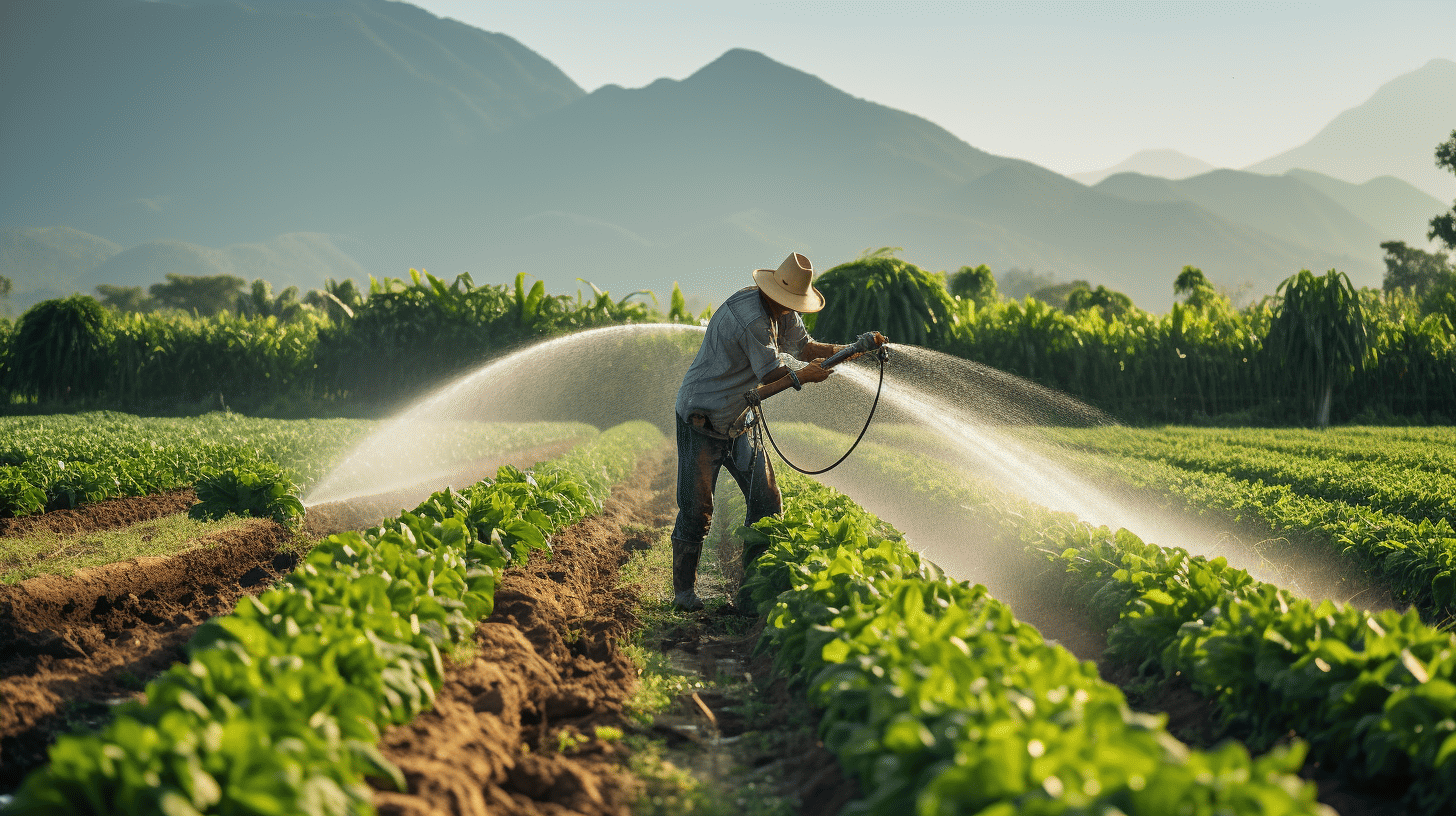
Regenerative agriculture has been gaining attention and momentum in recent years as a sustainable farming practice that prioritizes soil health and ecosystem preservation. This approach takes a holistic view of farming, focusing not only on crop yields but also on the long-term impact on the land. In this article, we will dive into the world of regenerative farming, providing valuable insights and tips from top farmers who have mastered this method.
Regenerative agriculture goes beyond merely sustaining the land; it aims to restore it to its natural state, replenishing soil fertility, enhancing biodiversity, and minimizing the use of synthetic chemicals. By using regenerative practices, farmers aim to create a harmonious relationship between their farming activities and the ecosystem they are a part of.
Through this article, we will explore the key principles of regenerative agriculture, such as reducing greenhouse gas emissions and boosting biodiversity. We will also delve into the economic impact of regenerative farming and how it can increase profitability for farmers. Additionally, we will highlight the benefits of regenerative agriculture, including improved soil health, increased carbon sequestration, reduced use of synthetic agrichemicals, improved water quality, and enhanced ecosystem biodiversity.
Join us as we uncover the secrets of regenerative farming and equip you with the knowledge and tools you need to embrace this sustainable approach. Let’s learn from the experiences and successes of top farmers who have embraced regenerative agriculture and witness the transformative power it can have on our food systems and the environment.
Understanding Regenerative Agriculture
Regenerative agriculture is an innovative approach that goes beyond traditional farming practices. It focuses on rebuilding and restoring soil health, while also promoting environmental sustainability. This article aims to shed light on the concept of regenerative agriculture and explore its potential benefits.
Definition
Regenerative agriculture can be defined as a holistic farming practice that aims to regenerate and revitalize the soil, improve water retention, and increase biodiversity. Unlike conventional agriculture that relies heavily on chemical inputs and mechanization, regenerative agriculture embraces natural processes and principles. By working with nature rather than against it, regenerative farmers create a sustainable and resilient food system.
Potential to Reduce GHG emissions
One of the key advantages of regenerative agriculture is its potential to reduce greenhouse gas (GHG) emissions. Traditional agricultural practices, such as tillage and heavy chemical use, contribute significantly to carbon dioxide and nitrous oxide emissions. In contrast, regenerative approaches focus on enhancing carbon sequestration in the soil, which can help mitigate climate change.
Through practices like cover cropping, crop rotation, and the use of organic amendments, regenerative farmers increase the organic matter content in the soil. This boosts soil fertility and its capacity to capture and store carbon. As a result, regenerative agriculture has the potential to offset a significant portion of agricultural greenhouse gas emissions.
Biodiversity Boost
Another critical aspect of regenerative agriculture is its ability to enhance biodiversity. Traditional farming, with its monoculture crops and heavy use of pesticides, disrupts natural ecosystems and leads to a loss of biodiversity. In contrast, regenerative agriculture promotes biodiversity by creating a more habitat-rich environment for various plant and animal species.
Regenerative farmers often employ practices such as agroforestry, hedgerow planting, and the promotion of beneficial insects. These measures help restore natural habitats, attract pollinators, and provide a haven for wildlife. By fostering biodiversity, regenerative agriculture contributes to the overall health and resilience of ecosystems.
In conclusion, regenerative agriculture holds great potential to transform our food systems and address environmental challenges. By focusing on soil health, carbon sequestration, and biodiversity, regenerative practices can reduce greenhouse gas emissions and create a more sustainable and resilient future for agriculture. Embracing regenerative agriculture is not only beneficial for farmers but also for the planet as a whole.
Additional Info:
– Regenerative agriculture practices can improve water retention, reduce soil erosion, and increase biodiversity.
– Regenerative agriculture can help decarbonize the food system and make farming resilient to climate shocks.
The Economic Impact of Regenerative Farming
Regenerative farming is not only beneficial for the environment but also for the farmers themselves. By implementing regenerative farming practices, farmers can effectively increase their profitability and economic viability. Let’s take a closer look at the economic impact of regenerative farming.
Increased Profitability
Research has shown that regenerative agriculture can significantly enhance crop yields and profits. In fact, studies indicate that adopting regenerative practices can lead to an increase in profits of up to 25%. This is due to several factors that contribute to the economic success of regenerative farming:
- Reduced Input Costs: Regenerative practices such as cover cropping, crop rotation, and soil conservation help farmers reduce their reliance on synthetic fertilizers, pesticides, and herbicides. By minimizing the need for these costly inputs, farmers can cut down on their production expenses, resulting in increased profitability.
- Improved Soil Health: Regenerative farming focuses on building and maintaining healthy soils. Healthy soils have higher fertility, improved water retention, and increased microbial activity. These factors contribute to better nutrient availability for crops, leading to improved yields and ultimately higher profits.
- Disease and Pest Management: Regenerative practices promote biodiversity, which can act as a natural defense mechanism against pests and diseases. By reducing the need for chemical interventions, farmers can save on pest and disease control expenses, further enhancing their profitability.
- Diversification of Income Streams: Regenerative farming often includes diversification of crops and integrated livestock systems. This diversification not only provides farmers with multiple sources of income but also helps mitigate risks associated with fluctuations in commodity prices.
Getting the Benefits of Using Cover Crops
One of the key components of regenerative farming is the use of cover crops. Cover crops are non-commercial crops that are grown specifically to cover and protect the soil between cash crop seasons. These crops offer numerous benefits for farmers, both economically and environmentally:
- Soil Erosion Prevention: Cover crops help prevent soil erosion by protecting the soil from wind and water erosion. This preservation of topsoil is crucial for maintaining soil health and productivity.
- Nutrient Retention: Cover crops capture and retain nutrients in the soil, preventing them from leaching into water bodies or being lost through erosion. This nutrient retention reduces the need for synthetic fertilizers, resulting in cost savings for farmers.
- Weed Suppression: Cover crops compete with weeds for space, sunlight, and nutrients, effectively suppressing weed growth. This natural weed control reduces the need for herbicides, further reducing input costs for farmers.
- Improved Water Management: Cover crops improve water infiltration and retention in the soil, reducing the risk of drought stress. This improved water management can lead to higher crop yields and overall economic benefits for farmers.
By incorporating cover crops into their farming practices, farmers can reap these economic benefits while also promoting soil health and environmental sustainability.
In conclusion, regenerative farming offers significant economic advantages for farmers. By implementing regenerative practices such as cover cropping, farmers can increase their profitability through reduced input costs, improved soil health, disease and pest management, and diversification of income streams. The economic success of regenerative farming goes hand in hand with environmental stewardship, making it a win-win solution for farmers and the planet.
Nutrient Content Improvement in Crops
When it comes to cultivating crops, farmers have always strived to maximize both quantity and quality. While increasing the yield is important for meeting the growing demand for food, it’s equally essential to ensure that the crops have high nutrient content. After all, the goal is not just to produce more food, but also to provide nutrient-rich sustenance for the population.
Regenerative agriculture, with its focus on soil health and biodiversity, offers a promising solution for improving the nutrient content in crops. By employing sustainable farming practices, regenerative agriculture aims to restore and enhance the natural fertility of the soil, ensuring that crops receive the necessary nutrients for optimal growth.
Here are some key ways in which regenerative agriculture can lead to higher nutrient content in crops:
1. Balanced Soil Nutrients
One of the fundamental principles of regenerative agriculture is to maintain a balanced nutrient cycle in the soil. By utilizing organic fertilizers, cover cropping, and crop rotation, farmers can replenish the essential nutrients in the soil, such as nitrogen, phosphorus, and potassium. When the soil is rich in these nutrients, plants can absorb them more effectively, leading to increased nutrient content in the crops.
2. Enhanced Micronutrient Availability
In addition to macronutrients, crops also require various micronutrients for their growth and development. Regenerative agriculture focuses on improving the availability of these micronutrients in the soil. Through practices like composting and natural mineral amendments, farmers can replenish micronutrient levels in the soil, ensuring that the crops have an adequate supply of essential vitamins and minerals.
3. Increased Soil Organic Matter
Regenerative agriculture emphasizes the importance of building and maintaining high levels of soil organic matter. This is achieved by incorporating organic materials, such as crop residues and cover crops, into the soil. Increased soil organic matter not only improves soil structure and water retention but also promotes the activity of beneficial soil organisms. These organisms play a vital role in nutrient cycling and breakdown of organic matter, ultimately leading to better nutrient uptake by the crops.
4. Biodiversity and Nutrient Cycling
Regenerative agriculture encourages biodiversity on farms, both above and below the ground. By planting diverse crops and incorporating natural habitats, farmers can create favorable conditions for beneficial insects, microbes, and other organisms. This biodiversity helps in nutrient cycling, as different organisms contribute to the breakdown and recycling of organic matter, releasing nutrients for plant uptake.
In conclusion, regenerative agriculture holds great potential for improving the nutrient content in crops. By focusing on soil health, balanced nutrient cycles, and biodiversity, farmers can ensure that the crops they grow are not only abundant but also nutrient-rich. This approach not only benefits the health of consumers but also contributes to the long-term sustainability of our agricultural systems.
Learn more about regenerative agriculture
Ecosystem Services and Profitability in Regenerative Farming Systems
Regenerative farming systems have gained significant attention in recent years due to their potential to improve both environmental sustainability and farm profitability. These innovative farming practices aim to restore soil health, increase biodiversity, and reduce the use of synthetic inputs. As a result, regenerative farmers not only contribute to the conservation of natural resources but also experience financial benefits in the long run.
Regenerative farming systems provided greater ecosystem services and profitability for farmers compared to an input-intensive model of corn production.
The Benefits of Ecosystem Services
When it comes to regenerative farming systems, one of the key advantages lies in the provision of ecosystem services. Ecosystem services are the direct and indirect benefits that nature provides to both humans and the environment. By implementing regenerative practices, farmers can enhance the following ecosystem services:
- Soil Health: Regenerative farming focuses on building healthy soils through practices like cover cropping, crop rotation, and reduced tillage. These practices improve soil structure, increase organic matter, and enhance nutrient cycling, leading to healthier and more resilient soils.
- Water Quality: By minimizing the use of synthetic fertilizers and pesticides, regenerative farming reduces the risk of water contamination. Healthier soils also absorb water more efficiently, reducing runoff and the leaching of harmful chemicals into water sources.
- Biodiversity: Regenerative farmers actively promote biodiversity by creating diverse habitats for beneficial insects, birds, and other wildlife. This not only helps to control pests naturally but also contributes to the overall health and resilience of the ecosystem.
The Financial Benefits for Farmers
While the environmental benefits of regenerative farming are clear, it’s crucial to acknowledge the financial advantages that farmers can reap from these practices. Research has shown that regenerative farming systems can lead to increased profitability compared to conventional input-intensive models, such as corn monocultures. Here’s how regenerative farming can improve the financial outlook for farmers:
- Reduced Input Costs: By minimizing the use of synthetic fertilizers, pesticides, and herbicides, regenerative farmers can significantly reduce their input costs. This not only saves money but also reduces the reliance on external inputs, making the farming operation more self-sufficient.
- Improved Crop Resilience: Regenerative practices enhance soil health and fertility, making crops more resilient to environmental stresses. This resilience translates into higher yields, even in challenging conditions, reducing the risk of crop failure and increasing overall profitability.
- Diversification Opportunities: Regenerative farming often involves diversifying crops and incorporating agroforestry or livestock into the system. This diversification can provide additional income streams for farmers, further boosting their financial stability.
In conclusion, regenerative farming systems offer a win-win solution for both the environment and farmers’ financial well-being. By harnessing the power of ecosystem services and adopting sustainable practices, farmers can not only contribute to the conservation of our natural resources but also increase their profitability in the long term. Embracing regenerative farming is an investment in a more sustainable and prosperous future for all.
Benefits of Regenerative Agriculture
Regenerative agriculture practices have been gaining popularity in recent years due to their numerous benefits for both farmers and the environment. This approach to farming focuses on restoring and revitalizing the soil ecosystem, promoting sustainability, and improving overall agricultural productivity.
Improved Soil Health
One of the key advantages of regenerative agriculture is the significant improvement in soil health. Traditional farming methods, such as conventional tillage and excessive use of chemical fertilizers and pesticides, can degrade the soil over time. In contrast, regenerative practices nourish and rejuvenate the soil, resulting in healthier and more productive farmland.
- Regenerative agriculture promotes the use of cover crops, which help prevent soil erosion, retain moisture, and suppress weed growth.
- It encourages crop rotation, which diversifies the plant species grown in a field, promoting nutrient cycling and reducing the risk of pest and disease outbreaks.
- By eliminating or reducing tillage, regenerative farming minimizes soil disturbance, which helps to preserve the soil structure and its ability to store water and nutrients.
Increased Carbon Sequestration
Another significant benefit of regenerative agriculture is its ability to sequester carbon dioxide from the atmosphere and store it in the soil. This plays a crucial role in mitigating climate change by reducing greenhouse gas emissions.
- Regenerative practices, such as the use of cover crops and reduced tillage, promote the accumulation of organic matter in the soil.
- Organic matter acts as a carbon sink, trapping carbon dioxide and preventing it from entering the atmosphere as a greenhouse gas.
- Studies have shown that regenerative agriculture can significantly increase carbon sequestration rates, helping to mitigate climate change while simultaneously improving soil fertility.
Reduced Use of Synthetic Agrichemicals
Regenerative agriculture practices aim to reduce or eliminate the use of synthetic agrichemicals, such as pesticides and fertilizers. This shift away from chemical inputs brings several benefits:
- By minimizing or eliminating pesticide use, regenerative farming reduces the risk of chemical contamination in soil, water, and food.
- It also promotes the development of natural pest control mechanisms, such as beneficial insects and biodiversity, helping to maintain a balanced ecosystem.
- With regards to fertilizers, regenerative practices focus on organic nutrient sources, such as compost and cover crops, which replenish soil fertility naturally.
Improved Water Quality
Regenerative agriculture practices are also known for their positive impact on water quality. By adopting these methods, farmers can help protect water resources and reduce pollution.
- The use of cover crops helps to reduce the runoff of agricultural chemicals into water bodies, preventing contamination and protecting aquatic ecosystems.
- By improving soil health and structure, regenerative agriculture promotes better water infiltration and retention, reducing water runoff and increasing groundwater recharge.
- These practices contribute to the overall improvement of water quality, benefiting both humans and aquatic ecosystems.
Enhanced Ecosystem Biodiversity
Lastly, regenerative agriculture practices play a vital role in enhancing ecosystem biodiversity. By promoting a diverse range of plant species and providing habitat for beneficial insects, birds, and other wildlife, regenerative farming fosters a more balanced and resilient ecosystem.
- The incorporation of hedgerows, field borders, and other natural habitats provides shelter and forage for pollinators and beneficial insects, which in turn help with pest control and crop pollination.
- Diverse plant species in regenerative fields support a wider range of wildlife, including birds and mammals, increasing overall biodiversity.
In conclusion, regenerative agriculture offers numerous benefits to farmers, the environment, and society as a whole. With improved soil health, increased carbon sequestration, reduced use of synthetic agrichemicals, improved water quality, and enhanced ecosystem biodiversity, regenerative practices are paving the way for a sustainable and resilient agricultural future.
Conclusion
In conclusion, regenerative agriculture offers a promising solution for farmers and communities seeking sustainable and environmentally-friendly farming practices. By prioritizing soil health, biodiversity, and holistic management, regenerative farming not only has the potential to reduce greenhouse gas emissions but also to improve profitability and enhance ecosystem services. Through the adoption of regenerative agriculture, farmers can enjoy improved soil health, increased carbon sequestration, reduced use of synthetic agrichemicals, improved water quality, and enhanced biodiversity.
At Regenerative Agriculture Wiki, we are dedicated to providing comprehensive content on regenerative agriculture and empowering individuals and communities to embrace this transformative approach to farming. Explore our platform for insights, tips, and guides that cater to your specific interests and join us in fostering a future where agriculture and ecology thrive in harmony.
Discover the potential of regenerative agriculture today!
Frequently Asked Questions
- What is regenerative farming?
Regenerative farming is an approach to agriculture that focuses on building and restoring healthy soils, promoting biodiversity, and enhancing the overall ecosystem. It aims to improve soil health, water quality, and carbon sequestration while reducing the reliance on synthetic inputs and minimizing negative environmental impact.
- What are the benefits of regenerative farming?
Some of the benefits of regenerative farming include enhanced soil fertility, increased biodiversity, improved water retention and quality, reduced greenhouse gas emissions, improved resilience to climate change, and sustainable food production in the long run.
- How can I implement regenerative farming practices?
Implementing regenerative farming practices involves techniques such as cover cropping, crop rotation, minimal tillage, composting, agroforestry, and integrating livestock. It also involves observation and understanding of the natural ecosystem, adopting holistic management approaches, and continuous learning and adaptation.
- Are there any certification programs for regenerative farming?
While there is no specific certification program solely dedicated to regenerative farming, several organizations offer certifications related to sustainable farming practices, organic farming, and soil health management, which align with the principles of regenerative farming.
- What challenges are associated with transitioning to regenerative farming?
Transitioning to regenerative farming can present challenges such as initial investment costs, knowledge gaps, and the need for a mindset shift. It may take time to build healthy soils and establish ecological balance, and farmers may face resistance from conventional agriculture practices and markets.