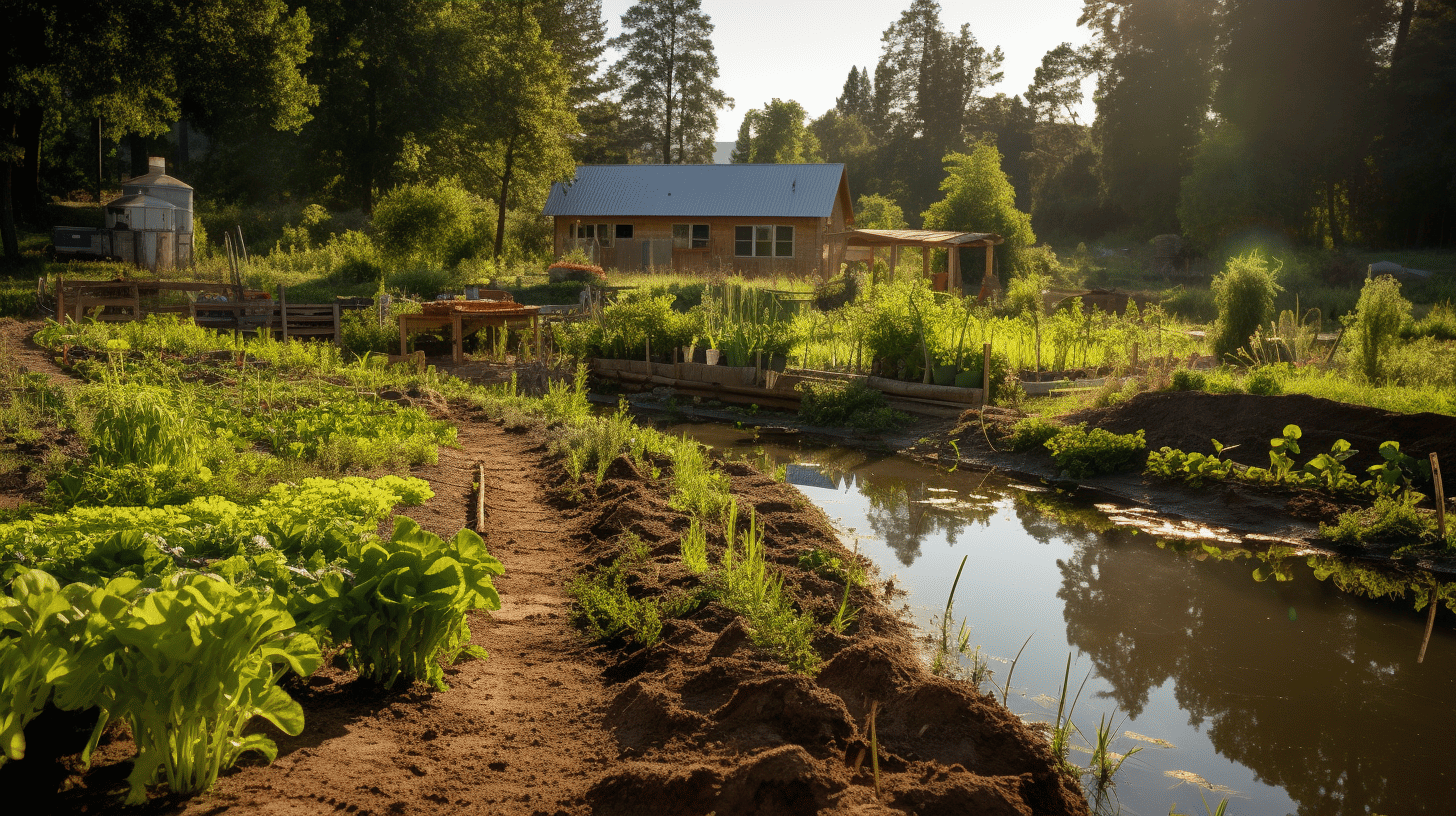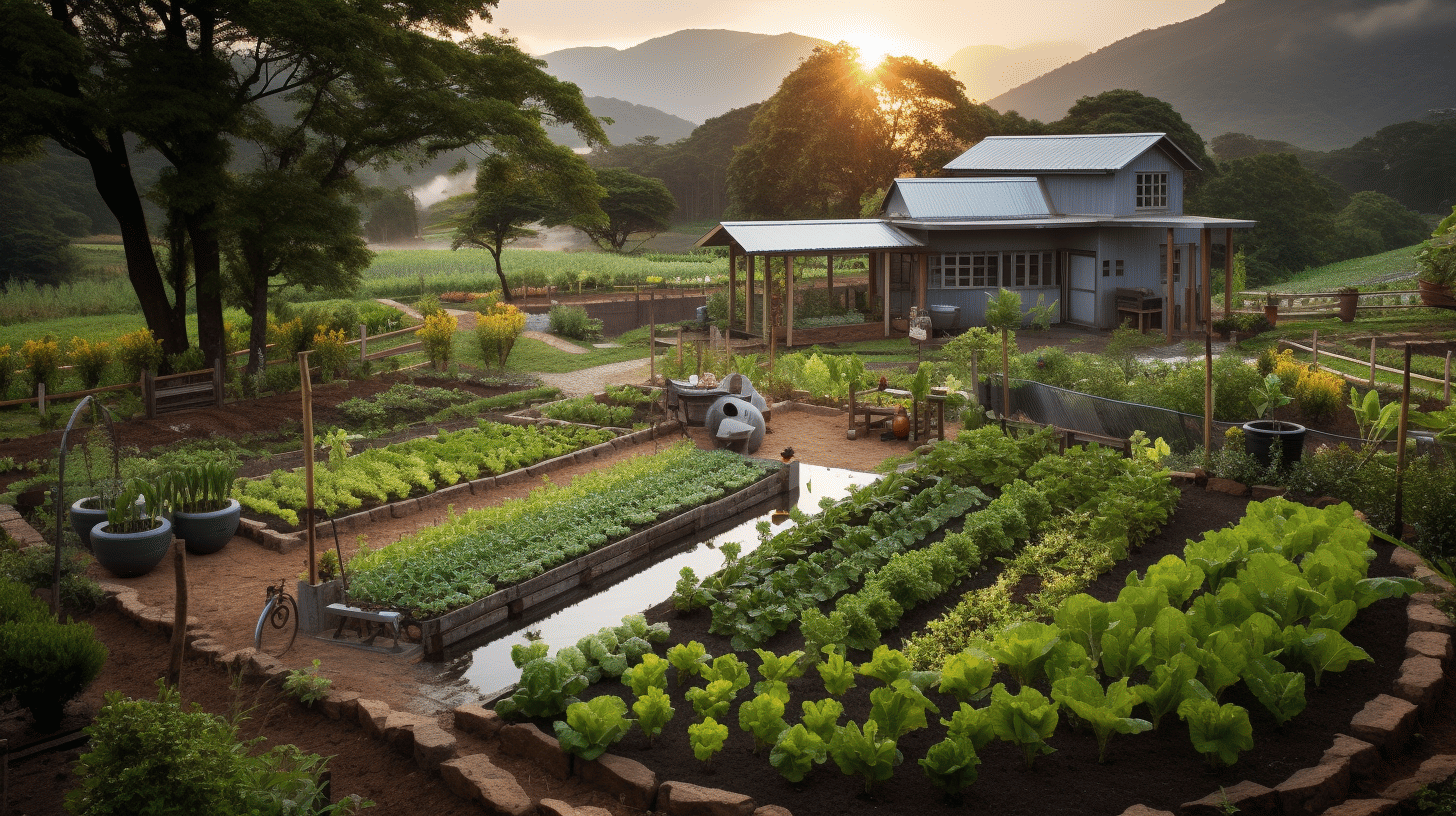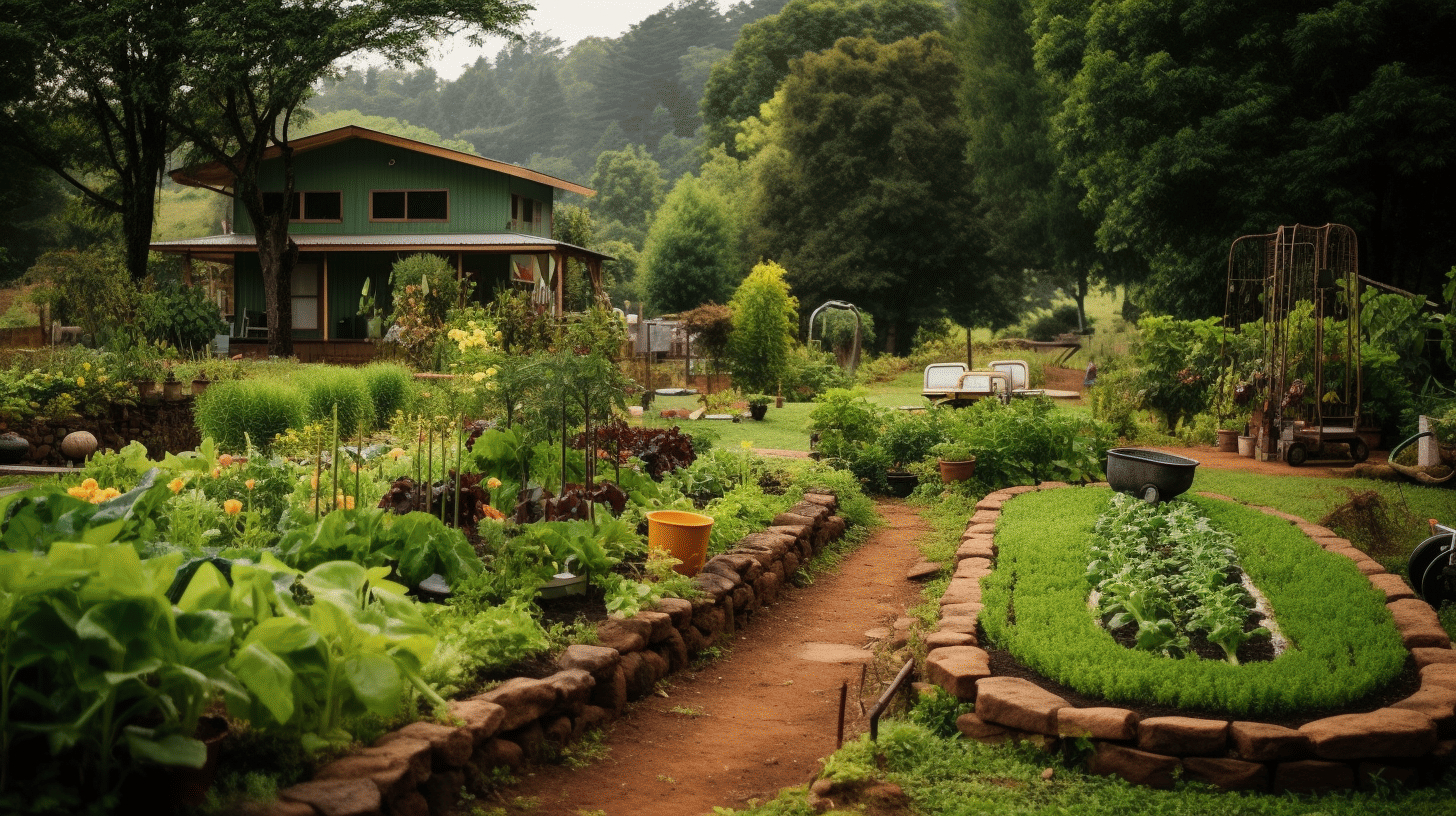
Permaculture, a term combining “permanent” and “agriculture,” is a holistic approach to designing sustainable food systems that mimic natural ecosystems. It goes beyond traditional farming practices by considering the entire ecosystem and its interconnections. In a world grappling with environmental challenges and food insecurity, permaculture offers a ray of hope by providing a framework to create resilient and regenerative food systems.
But what exactly is permaculture, and why is it gaining traction worldwide? This introductory section will explore the basic principles of permaculture and shed light on its significance in the quest for a sustainable future.
- Permaculture is a design system that aims to create sustainable and self-sufficient ecosystems while promoting biodiversity and human well-being.
- It draws inspiration from nature, employing principles like observation, diversity, and interdependence to create harmonious and regenerative systems.
- Permaculture embraces a multi-disciplinary approach, incorporating elements of agriculture, ecology, architecture, and social systems to create thriving communities.
- By mimicking natural patterns and processes, permaculture aims to create food systems that are efficient, resilient, and capable of sustaining themselves over the long term.
- The principles of permaculture can be applied in various settings, from small-scale backyard gardens to large-scale agricultural operations.
With its focus on sustainability, permaculture offers solutions to pressing issues such as soil degradation, climate change, and biodiversity loss. In the following sections, we will delve deeper into the role of permaculture in addressing these challenges and explore its potential for transforming our food systems into models of sustainability and resilience.
Permaculture and Profitability
Permaculture, the practice of designing sustainable and regenerative systems, often conjures up images of lush gardens, vibrant farms, and an ethos that prioritizes environmental stewardship. But did you know that permaculture can also be a source of profitability? In fact, permaculture can offer a range of economic benefits for both individual practitioners and larger communities. Let’s take a closer look at the profitability of permaculture in two specific contexts.
Profitability of Disorganized Spaces
One of the remarkable aspects of permaculture is its ability to transform even disorganized and neglected spaces into productive and profitable landscapes. Traditional agricultural practices often prioritize monoculture and heavy chemical inputs, leading to the depletion of soil fertility and ecosystem degradation. In contrast, permaculture utilizes principles such as diversity, conservation, and resource efficiency to regenerate the land.
By implementing permaculture principles in disorganized spaces, individuals can harness the inherent productivity and resilience of natural ecosystems. Here are some ways in which permaculture can make disorganized spaces profitable:
- Agroforestry: Introducing a combination of fruit and nut trees, shrubs, and herbaceous plants in agroforestry systems can create multiple income streams, such as the sale of fruits, nuts, timber, and medicinal plants.
- Market gardening: Small-scale intensive vegetable production using permaculture principles can yield high-value crops, which can be sold directly to local markets, restaurants, or through Community Supported Agriculture (CSA) initiatives.
- Value-added products: Processing and value-addition of produce can further increase profitability. Examples include making jams, jellies, or herbal teas from fruits and herbs grown on the site.
- Eco-tourism: Transforming disorganized spaces into aesthetically appealing landscapes can attract eco-tourists who are willing to pay for unique experiences, farm stays, or educational workshops on permaculture practices.
With thoughtful planning and implementation, even small-scale permaculture projects in disorganized spaces can generate meaningful income while restoring and enhancing the surrounding ecosystem.
Rehabilitating Impoverished Ecosystems
Permaculture practice extends beyond individual spaces and can address larger-scale ecological challenges. Impoverished ecosystems resulting from deforestation, overgrazing, or other forms of environmental degradation can benefit immensely from permaculture strategies. By rehabilitating these ecosystems, permaculture can have a direct positive impact on the profitability of the surrounding communities. Here’s how:
- Regenerative agriculture: Permaculture principles can be used to transition from conventional agriculture to regenerative practices that rebuild soil health, conserve water, and increase biodiversity. Healthy and fertile land enables farmers to cultivate a variety of cash crops sustainably.
- Carbon sequestration: Permaculture systems actively sequester carbon in the soil, reducing greenhouse gas emissions and contributing to climate change mitigation. This environmental service can also be monetized through carbon offset programs or participating in carbon markets.
- Water management: Implementing water harvesting techniques, such as contour swales or ponds, can mitigate the risk of water scarcity and enable farmers to cultivate high-value, drought-tolerant crops throughout the year.
- Livestock integration: Integrating livestock into permaculture systems can provide additional income streams through the sale of meat, dairy, or fiber products. Managed properly, livestock can also contribute to soil fertility and weed control.
By rehabilitating impoverished ecosystems through permaculture practices, communities can not only restore the health of the land but also improve their economic well-being through increased agricultural productivity and enhanced resilience to environmental challenges.
In conclusion, permaculture has the potential to be a profitable endeavor, both in disorganized spaces and when rehabilitating impoverished ecosystems. By implementing permaculture principles, individuals and communities can tap into the inherent productivity and resilience of natural systems, creating economic opportunities while promoting environmental sustainability. So why not explore the profitability of permaculture and embrace a more regenerative way of living?
Enhancing Soil Quality through Permaculture
Permaculture practices offer a holistic and sustainable approach to farming and gardening, focusing on creating self-sustaining ecosystems that thrive in harmony with nature. One of the significant benefits of permaculture is its ability to enhance soil quality, providing a solid foundation for healthy plant growth and ecosystem resilience. In this section, we will explore two key aspects of how permaculture improves soil quality: soil organic matter storage and modifying soil distribution.
Soil Organic Matter Storage
Soil organic matter (SOM) plays a crucial role in maintaining soil fertility and overall soil health. Permaculture practices excel at enhancing SOM storage by implementing various techniques. Here are some notable methods used in permaculture to improve SOM storage:
- Composting: Composting is a key component of permaculture, allowing organic waste to be recycled and transformed into nutrient-rich compost. By incorporating compost into the soil, permaculturists enhance SOM levels, improving soil structure and nutrient availability.
- Mulching: Mulching involves covering the soil surface with organic materials such as straw, leaves, or wood chips. This protective layer not only conserves soil moisture, but it also provides a gradual release of nutrients as it decomposes, contributing to increased SOM levels.
- Cover cropping: Cover crops, such as legumes or grasses, are grown specifically to protect and enrich the soil. These plants capture atmospheric nitrogen, preventing its loss from the soil, and when incorporated into the soil, they contribute to SOM accumulation.
By incorporating these practices into the permaculture system, farmers and gardeners can significantly enhance SOM storage in the soil. This, in turn, improves soil structure, water-holding capacity, nutrient availability, and overall fertility, creating a thriving environment for plants and beneficial soil organisms.
Modifying Soil Distribution
In addition to enhancing SOM storage, permaculture also focuses on modifying soil distribution to optimize soil quality. Soil distribution refers to the arrangement of soil particles and aggregates, which impacts water infiltration, nutrient availability, and root growth. Here are some ways permaculture modifies soil distribution for better soil quality:
- No-till farming: Unlike conventional agriculture, which involves tilling the soil, permaculture promotes the practice of no-till farming. Tilling disrupts the soil structure and can lead to erosion and nutrient loss. By avoiding tilling, permaculturists maintain soil aggregates and the beneficial microbial communities within them, resulting in improved soil structure and fertility.
- Companion planting: Another technique used in permaculture is companion planting, where different plant species are grown together to create mutually beneficial relationships. Some plants have deep taproots that aerate the soil, while others have a shallow root system that helps prevent erosion. By carefully selecting companion plants, permaculture practitioners can improve soil aggregation and enhance nutrient cycling.
- Keyline design: Keyline design is a permaculture concept that focuses on managing water flow in the landscape. By using contour lines and strategically placed earthworks, permaculturists effectively distribute water across the landscape, preventing erosion and promoting even soil moisture. This practice aids in building healthy soil structure by minimizing waterlogging and soil compaction.
Through these techniques, permaculture enthusiasts modify soil distribution to create an optimal growing environment for plants. These modifications result in improved water infiltration, nutrient availability, and root development, leading to healthier and more productive gardens and farms.
In conclusion, permaculture practices hold great potential for enhancing soil quality by increasing soil organic matter storage and modifying soil distribution. By implementing composting, mulching, cover cropping, and no-till farming techniques, permaculturists create a fertile and resilient soil ecosystem that supports abundant plant life. These sustainable farming methods not only benefit the soil but also contribute to the overall health of the environment.
Addressing Climate Change with Permaculture
Reducing CO2 Emissions from Agriculture
Agriculture plays a significant role in contributing to worldwide CO2 emissions, accounting for approximately 17% of the total. These emissions primarily come from practices such as deforestation, the use of synthetic fertilizers, and the cultivation of methane-producing livestock. However, permaculture and regenerative farming offer promising solutions to mitigate these emissions.
Permaculture, a sustainable and holistic approach to agriculture, aims to mimic natural ecosystems and create self-sustaining food production systems. By implementing regenerative farming techniques, we can reduce CO2 emissions in the following ways:
- Carbon Sequestration: Permaculture promotes the use of regenerative practices such as cover cropping, agroforestry, and rotational grazing. These techniques increase soil organic matter, sequestering carbon from the atmosphere and reducing greenhouse gas emissions.
- Reduced Synthetic Inputs: Permaculture emphasizes a minimal or zero use of synthetic fertilizers and pesticides. By relying on natural systems and ecological relationships, regenerative farming reduces the need for chemical inputs, thus decreasing CO2 emissions associated with their production and application.
- Livestock Management: Traditional livestock farming practices are a significant source of methane emissions, a potent greenhouse gas. Regenerative farming approaches, like integrating livestock into rotational grazing systems, can improve soil health, enhance biodiversity, and reduce methane emissions associated with traditional concentrated animal feeding operations (CAFOs).
- Agroforestry: Permaculture encourages the incorporation of trees and perennial plants into agricultural systems, creating more extensive and diverse habitats. This not only enhances carbon sequestration but also provides additional ecosystem services such as shade, windbreaks, and erosion control.
By adopting permaculture principles and engaging in regenerative farming practices, farmers and landowners have the power to reduce CO2 emissions significantly. Moreover, these techniques have the additional benefits of improving soil health, increasing biodiversity, and enhancing the resilience of agricultural systems in the face of climate change.
Regenerative Farming
Regenerative farming goes beyond sustainable practices by actively restoring and regenerating the health of the soil, water, and ecosystems. This approach recognizes that agriculture can be a part of the solution to climate change and aims to achieve the following goals:
- Soil Regeneration: Regenerative farming focuses on building healthy, fertile soil by increasing organic matter, improving soil structure, and fostering beneficial soil microbial communities. This leads to greater carbon sequestration, efficient water retention, and nutrient availability for plants.
- Biodiversity Conservation: Regenerative farming supports diverse plant and animal species, promoting ecosystem resilience. By fostering biodiversity, farmers can enhance natural pest control, reduce the need for chemical inputs, and create habitats for pollinators and beneficial insects.
- Water Management: Regenerative farming practices such as contour plowing, cover cropping, and the use of rainwater harvesting techniques help in conserving water and preventing soil erosion. By improving water infiltration and reducing runoff, these practices contribute to better water quality and availability.
- Climate Resilience: By enhancing soil health and biodiversity, regenerative farming improves the capacity of agricultural systems to withstand climate-related challenges. Healthy soils and diverse ecosystems can better adapt to extreme weather events, droughts, and floods.
Regenerative farming provides farmers with a holistic and sustainable approach to agriculture that not only reduces CO2 emissions but also enhances the overall health and productivity of their land. By implementing regenerative practices, farmers can play a vital role in addressing climate change while restoring the balance between human activities and the natural environment.
The ‘Edge Effect’ in Permaculture
Permaculture is a holistic design approach that aims to create sustainable and regenerative systems by observing and mimicking natural ecosystems. One of the fundamental principles of permaculture is the concept of the “edge effect,” which plays a crucial role in optimizing ecological relationships and addressing food insecurity.
The edge effect refers to the interaction and increased biodiversity that occurs at the edges between different ecosystems, such as where a forest meets a meadow or a pond meets a grassland. These transition zones are incredibly rich in resources and serve as habitats for a wide variety of plants and animals.
In permaculture, designers intentionally create and maximize edge effects within their systems to enhance productivity and ecological resilience. By incorporating diverse elements and creating a mix of microclimates within a permaculture design, the edge effect can be harnessed to its fullest potential. Here’s how it works:
- Increased biodiversity: The edge effect encourages the growth of different plant species, which in turn attracts a greater number of beneficial insects, birds, and other wildlife. This increased biodiversity creates a balanced ecosystem that promotes natural pest control, pollination, and nutrient cycling.
- Enhanced productivity: The combination of different microclimates at the edges provides a wider array of growing conditions, allowing for the cultivation of a greater variety of crops and plants. For example, the transition zone between a sunny meadow and a shaded forest can be ideal for growing sun-loving crops like tomatoes and peppers, while the forest edge can support shade-tolerant plants like leafy greens.
- Efficient use of resources: By utilizing the edge effect, permaculture systems can make the most of available resources. For instance, planting fruit trees along the edge of a field maximizes sunlight exposure, while using windbreaks or dense vegetation along the edges helps to minimize water loss through evaporation.
- Mitigation of climate extremes: The edge effect can help buffer extreme weather conditions by creating microclimates that are more resilient. For example, planting windbreaks or hedgerows along the edges can protect crops from strong winds and reduce soil erosion, while water bodies at the edges can moderate temperature and provide a water source during dry periods.
Permaculture practitioners understand the potential of the edge effect and actively design their systems to take advantage of this phenomenon. By creating edges with intention and thoughtful design, permaculture systems can enhance biodiversity, increase productivity, conserve resources, and build resilience in the face of environmental challenges.
Next time you’re designing or exploring a permaculture system, remember the power of the edge effect. Harness the potential of these transitional spaces to create productive and resilient ecosystems that benefit both humans and the natural world.
Promoting Biodiversity and Soil Health with Permaculture
Permaculture is not just a gardening method; it’s a way of life that aims to nourish humans while enhancing biodiversity and soil quality. By embracing the principles of permaculture, we can create sustainable systems that benefit both humans and the environment. Let’s explore two key benefits of permaculture: nourishing humans and enhancing biodiversity, as well as healing soils and reducing global warming.
Nourishing Humans and Enhancing Biodiversity
Permaculture revolves around the idea of creating regenerative systems that work in harmony with nature. By practicing permaculture, we can cultivate diverse ecosystems that provide us with nutritious food while supporting the proliferation of wildlife. Here are a few ways permaculture promotes both human nourishment and biodiversity:
- Polyculture: Permaculture encourages the planting of a variety of crops in one area, mimicking the diversity found in natural ecosystems. This not only provides us with a diverse array of foods, but it also creates habitat and food sources for a wide range of beneficial organisms like pollinators and natural pest control agents.
- Food Forests: A staple of permaculture design, food forests mimic the structure and function of a natural forest while incorporating edible plants. By utilizing vertical space and planting a mix of trees, shrubs, and ground cover, food forests can yield a bounty of edible produce, reduce soil erosion, and provide habitat for birds and insects.
- Companion Planting: In permaculture, certain plant combinations are strategically chosen to enhance growth, repel pests, and improve nutrient uptake. Companion planting not only boosts crop productivity, but it also creates microhabitats that attract beneficial insects, birds, and other wildlife.
Healing Soils and Reducing Global Warming
One of the most remarkable aspects of permaculture is its ability to regenerate degraded soils and mitigate climate change. By adopting regenerative practices, we can heal soil ecosystems and contribute to reducing global warming. Here’s how permaculture helps heal soils and combat climate change:
- Mulching: Permaculture emphasizes the use of organic mulch, such as straw or wood chips, to cover the soil surface. This helps retain moisture, suppress weeds, and add organic matter to the soil. As the mulch breaks down, it enriches the soil and improves its structure, making it more conducive to plant growth.
- Composting: Composting is a cornerstone of permaculture, as it allows us to transform organic waste into nutrient-rich soil amendments. By composting organic materials like food scraps, leaves, and yard clippings, we can create a valuable resource that replenishes soil fertility and promotes healthy microbial activity.
- Regenerative Grazing: Permaculture also extends to animal husbandry, with an emphasis on regenerative grazing practices. By carefully managing livestock rotation on pastures, permaculturists can help build organic matter in the soil, increase water infiltration, and sequester carbon in the form of soil organic carbon.
Permaculture offers a holistic approach to agriculture and land stewardship, promoting biodiversity and soil health hand in hand. By embracing these principles, we can create a more sustainable and resilient future for both humans and the natural world. Let’s explore the potential of permaculture as a pathway to a thriving planet!
For more information on permaculture and its principles, click here
Practices in Permaculture Gardens
Companion Planting
Companion planting is a practice commonly used in permaculture gardens, where different plant species are strategically grown together to benefit one another. The concept behind companion planting is to create a harmonious environment where plants can support each other’s growth, deter pests, and improve overall garden health.
One key principle of companion planting is selecting plant combinations that have symbiotic relationships. For example, planting marigolds alongside tomatoes can help repel nematodes, while basil can enhance the flavor of tomatoes when grown together. By carefully choosing plant combinations, gardeners can create a naturally balanced ecosystem that reduces the need for synthetic pesticides and fertilizers.
Here are a few popular companion planting combinations that can be implemented in permaculture gardens:
- Three Sisters: This traditional Native American planting combination involves growing corn, beans, and squash together. The corn provides support for the climbing beans, while the beans fix nitrogen in the soil, benefiting both the corn and squash. The large leaves of the squash help suppress weeds and retain moisture in the soil.
- Herbs and Vegetables: Intercropping herbs and vegetables can help repel pests, attract beneficial insects, and improve flavor. For instance, planting dill near cabbage can deter cabbage worms, while sage can deter carrot flies when planted near carrots.
- Flowers and Vegetables: Certain flowers not only add beauty to the garden but also serve a practical purpose. For example, planting nasturtiums near cucumbers can deter pests like aphids and cucumber beetles. Additionally, sunflowers can provide a trellis for climbing vegetables like beans.
By incorporating companion planting techniques into your permaculture garden, you can maximize productivity, increase biodiversity, and promote a healthier, more sustainable gardening practice. The synergistic relationships between plants create a vibrant and thriving ecosystem that benefits both the gardener and the environment.
To learn more about the benefits of companion planting, check out this comprehensive guide on how to create successful plant partnerships in your permaculture garden.
Rainwater Harvesting
One of the key principles of permaculture gardening is the efficient use of resources, and rainwater harvesting is an integral part of this practice. Collecting rainwater ensures that precious water is utilized efficiently, especially during dry spells or in regions with limited water access. Plus, it reduces dependence on municipal water supplies and lowers the overall environmental impact.
Rainwater harvesting can be easily incorporated into a permaculture garden through the use of various techniques and systems:
- Rain Barrels: Installing rain barrels is a simple and cost-effective way to collect rainwater from the rooftop. These barrels are connected to the downspouts of buildings, allowing rainwater to be captured and stored for later use in the garden. The collected water can be used to irrigate plants, reducing the need for treated water.
- Rain Gardens: A rain garden is a shallow depression in the landscape designed to capture and absorb rainwater runoff. By strategically placing plants with deep root systems in these low-lying areas, the water can be naturally filtered and recharged into the ground. This not only reduces erosion but also helps replenish groundwater levels.
- Swales: Swales are sunken trenches or ditches designed to capture and redirect water across the landscape. They can be used to direct rainwater from higher elevations to lower areas where it can be absorbed by the soil. Swales also help prevent water runoff, allowing plants to access the water for a longer period.
Implementing rainwater harvesting techniques in your permaculture garden not only conserves water but also helps create a self-sustaining ecosystem. By utilizing this readily available resource, you can reduce your environmental footprint and promote the resilience and health of your garden.
If you want to learn more about rainwater harvesting and how to implement it in your permaculture garden, refer to this informative guide.
Recycling
In permaculture gardens, recycling plays a vital role in the sustainable management of resources. Recycling not only minimizes waste but also provides valuable inputs for the garden, closing the loop of resource consumption and promoting a circular economy.
Here are some recycling practices commonly used in permaculture gardens:
- Composting: Composting is the process of breaking down organic materials, such as kitchen scraps, yard waste, and plant material, into nutrient-rich compost. Compost can be added to garden beds to improve soil structure, retain moisture, and provide essential nutrients for plant growth. By composting organic waste, gardeners reduce the amount of waste sent to landfills and create a valuable resource for their gardens.
- Mulching: Mulching involves spreading a layer of organic material, such as straw, wood chips, or leaves, on the surface of the soil around plants. Mulch helps suppress weeds, retain moisture, regulate soil temperature, and improve overall soil health. Using organic materials as mulch not only helps recycle yard waste but also reduces the evaporation of water from the soil, conserving valuable moisture.
- Upcycling: Upcycling is the process of repurposing or transforming discarded materials into useful and valuable items. In permaculture gardens, upcycling can take various forms, such as using old pallets to create raised beds, turning wine bottles into garden borders, or repurposing tires as planters. By upcycling materials, gardeners reduce waste and create unique and functional elements for their gardens.
By incorporating recycling practices into your permaculture garden, you can reduce waste, conserve resources, and create a more sustainable and resilient garden ecosystem.
To learn more about recycling techniques in permaculture gardens, refer to this comprehensive guide for practical tips and ideas.
Addressing Food Insecurity and Increasing Production
Food insecurity is a pressing issue that affects millions of people around the world. The lack of consistent access to nutritious and affordable food can have severe consequences on individuals and communities. However, there is hope in finding solutions to this problem, and permaculture offers a promising approach.
Permaculture is a design system that seeks to create sustainable and resilient ecosystems that provide for human needs while preserving the environment. It can be applied to address food insecurity at the household level and increase food production. By implementing permaculture principles and techniques, individuals and communities can create self-sustaining food systems that are not only productive but also regenerative and ecologically sound.
What sets permaculture apart is its holistic approach to food production. Instead of relying on monocultures and unsustainable farming practices, permaculture focuses on creating diverse and interconnected systems. This approach mimics the natural patterns and processes found in ecosystems, creating a more resilient and productive environment. Here are some key benefits of using permaculture to address food insecurity and increase production:
- Resilient Systems: Permaculture principles emphasize the importance of diversity, both in terms of plant species and ecosystem components. By creating diverse food systems, individuals and communities can better withstand external shocks such as climate change, pests, and diseases. A variety of crops and plants not only provides a safety net in case one crop fails but also enhances overall system health and productivity.
- Regenerative Agriculture: Permaculture encourages sustainable agricultural practices that focus on building soil health and preserving natural resources. Techniques such as composting, mulching, and regenerative grazing help replenish the soil, increase its moisture-holding capacity, and reduce the need for synthetic inputs. This approach not only improves long-term soil fertility but also mitigates the negative impacts of conventional agriculture on the environment.
- Local Food Production: By implementing permaculture principles, individuals and communities can become more self-reliant in food production. Growing food locally reduces the dependence on long-distance transportation and the carbon emissions associated with it. It also strengthens local economies and fosters community resilience by promoting local food systems and supporting small-scale farmers.
- Cultivating Food Justice: Permaculture is a tool for promoting food justice and equity. By empowering individuals with the knowledge and skills to grow their own food, permaculture helps address the inequities inherent in the current food system. It provides marginalized communities with the means to access nutritious food and take control of their food security.
In conclusion, permaculture offers a sustainable and holistic approach to address food insecurity and increase food production. By implementing permaculture principles and techniques, individuals and communities can create resilient, regenerative, and locally-based food systems that promote food justice. Through permaculture, we can cultivate a future where everyone has access to nutritious and affordable food. Visit Community Gardens to learn more about how permaculture can transform food production and address food insecurity.
Creating Sustainable Ecosystems with Permaculture
Permaculture is a holistic approach to sustainable living that aims to create harmonious ecosystems that support people and other creatures. By designing systems that work with nature rather than against it, permaculture promotes resilience, biodiversity, and regenerative practices. Let’s explore how permaculture can help us create sustainable ecosystems:
1. Designing with Nature
Permaculture encourages us to observe and learn from natural patterns and processes to inform our designs. By understanding ecosystems and the relationships between different elements, we can create integrated systems that mimic nature’s efficiency. This allows us to optimize resource use, reduce waste, and promote biodiversity.
2. Regenerating the Soil
Healthy soil forms the foundation of any sustainable ecosystem. Permaculture practices focus on regenerating soil health through techniques such as composting, mulching, and cover cropping. These methods help improve soil structure, fertility, and water-holding capacity, leading to healthier plants and a more resilient ecosystem.
3. Water Management
Water is a precious resource, and permaculture emphasizes the importance of efficient water management. Techniques such as rainwater harvesting, swales, and contouring allow us to capture and store water effectively. By maximizing water availability, we can support plant growth, reduce the need for irrigation, and minimize water wastage.
4. Maximizing Biodiversity
Biodiversity is essential for the health and resilience of ecosystems. Permaculture encourages the planting of diverse plant species, including native plants, to attract beneficial insects, birds, and other organisms. By creating diverse habitats, we can promote natural pest control, improve pollination rates, and enhance overall ecosystem health.
5. Energy Efficiency
Permaculture principles promote energy efficiency by minimizing the use of nonrenewable resources and maximizing renewable energy sources. By designing systems that reduce energy inputs and utilize renewable energy technologies like solar panels and wind turbines, we can create more sustainable and self-sufficient ecosystems.
Incorporating permaculture principles into our lives and communities can help us create sustainable ecosystems that support not only our needs but also the needs of other living beings. By designing with nature, regenerating the soil, managing water wisely, maximizing biodiversity, and prioritizing energy efficiency, we can contribute to a more sustainable and resilient future.
Remember, permaculture is a journey of continuous learning and adaptation. By embracing its principles and applying them in our everyday lives, we can play a vital role in creating a more sustainable world for generations to come.
Economic and Social Sustainability in Permaculture
Permaculture goes beyond just environmental sustainability; it also emphasizes economic and social sustainability. By incorporating these two pillars into its principles, permaculture seeks to create a holistic and balanced approach to living and thriving.
Supporting Local Communities
One of the fundamental aspects of permaculture is the focus on supporting local communities. Rather than relying on global supply chains and distant markets, permaculture encourages the development of local economies. Here are some ways in which permaculture promotes economic sustainability at the local level:
- Local Food Production: Permaculture emphasizes the importance of growing food locally, reducing the reliance on imported goods. By growing food in their communities, people can support local farmers, reduce carbon emissions from transportation, and strengthen local food security.
- Exchange Systems: Permaculture encourages the implementation of alternative exchange systems, such as bartering and community currencies. These systems promote economic interactions within the local community and reduce dependency on traditional monetary systems.
- Small-scale Businesses: Permaculture principles also support the growth of small-scale businesses within communities. By creating opportunities for local entrepreneurship, permaculture fosters economic resilience and self-reliance.
Resilient Food Systems
Another key aspect of permaculture is the creation of resilient food systems. By focusing on sustainable agricultural practices, permaculture aims to build food systems that can withstand challenges such as climate change, resource scarcity, and economic shocks. Here’s how permaculture achieves this:
- Regenerative Agriculture: Permaculture promotes regenerative agricultural practices like agroforestry, no-till farming, and companion planting. These techniques not only enhance soil health and fertility but also contribute to biodiversity conservation.
- Local Seed Saving: Permaculture emphasizes the importance of preserving and sharing local seed varieties. By saving and exchanging seeds, communities can maintain a diverse seed bank and reduce reliance on commercially produced seeds.
- Food Preservation and Storage: Permaculture encourages the use of sustainable food storage and preservation methods like canning, fermenting, and drying. These techniques help communities store excess produce for times of scarcity and reduce food waste.
In conclusion, permaculture embraces economic and social sustainability, supporting local communities and creating resilient food systems. By prioritizing local economies and fostering self-sufficiency, permaculture contributes to long-term ecological, economic, and social well-being.
Advantages of Permaculture over Industrial Agriculture
Permaculture offers a range of benefits that make it a compelling alternative to industrial agriculture. By focusing on ecological principles and sustainable practices, permaculture systems have the potential to revolutionize our food systems. Here are some key advantages of permaculture over industrial agriculture:
1. Environmental Sustainability
- Permaculture promotes biodiversity, preserving and enhancing ecosystem health.
- It minimizes the use of synthetic chemicals and pesticides, reducing harm to the environment.
- Permaculture systems work with nature rather than against it, creating sustainable ecosystems that are better equipped to withstand climate change.
2. Soil Health and Fertility
- One of the primary goals of permaculture is to improve soil quality and fertility.
- It focuses on building organic matter in the soil, which promotes nutrient cycling and improves water infiltration.
- By utilizing techniques like cover cropping and composting, permaculture restores degraded soil, making it more resilient and productive over time.
3. Resilience and Adaptability
- Permaculture systems are designed to mimic natural ecosystems, which are inherently resilient and adaptable.
- By incorporating diverse plant species and interconnections between elements, permaculture gardens can withstand pests, diseases, and extreme weather events.
- The emphasis on diversity and redundancy in permaculture increases the stability and resilience of the overall system.
4. Resource Efficiency
- Permaculture maximizes the use of available resources, minimizing waste and inefficiency.
- Techniques like rainwater harvesting, graywater recycling, and companion planting help conserve water and optimize nutrient cycling.
- By integrating livestock and incorporating renewable energy sources, permaculture reduces reliance on external inputs and fossil fuels.
5. Economic and Social Benefits
- Permaculture supports local economies by promoting small-scale, community-based agriculture.
- It encourages collaboration, knowledge sharing, and skill development within communities.
- By focusing on local food production, permaculture systems reduce dependence on imported food, enhancing food security and resilience.
6. Human Health and Well-being
- Permaculture emphasizes the production of diverse, nutrient-dense crops, leading to healthier diets.
- It minimizes exposure to harmful chemicals found in conventional agriculture, benefiting both farmers and consumers.
- By reconnecting people with nature and fostering a deeper connection to the food they eat, permaculture promotes overall well-being.
In summary, permaculture offers numerous advantages over industrial agriculture, ranging from environmental sustainability and soil health to resilience, resource efficiency, economic benefits, and improved human health. By adopting permaculture practices, we have the opportunity to cultivate a more sustainable and resilient food system for future generations.
Frequently Asked Questions
- What is permaculture?
Permaculture is a holistic design system that aims to create sustainable and self-sufficient ecosystems by mimicking patterns and relationships found in nature.
- How does permaculture promote sustainable food systems?
Permaculture promotes sustainable food systems by emphasizing the use of organic and regenerative practices, minimizing waste, preserving biodiversity, and maximizing resource efficiency. It focuses on growing food in harmony with nature, without depleting the soil or harming the environment.
- What are the key principles of permaculture in relation to food systems?
The key principles of permaculture in relation to food systems include observing and imitating natural ecosystems, using renewable resources, designing for efficiency and resilience, promoting diversity, and integrating different elements within the system to create a harmonious whole.
- What are some examples of permaculture techniques used in sustainable food systems?
Examples of permaculture techniques used in sustainable food systems include polyculture planting, agroforestry, crop rotation, use of perennial crops, companion planting, water harvesting and conservation, composting, and natural pest control methods.
- Can permaculture be implemented in urban areas?
Yes, permaculture can be implemented in urban areas through techniques like vertical gardening, rooftop gardens, community gardens, and urban orchards. It allows individuals and communities to grow their own food, reduce food miles, and create green spaces in cities.