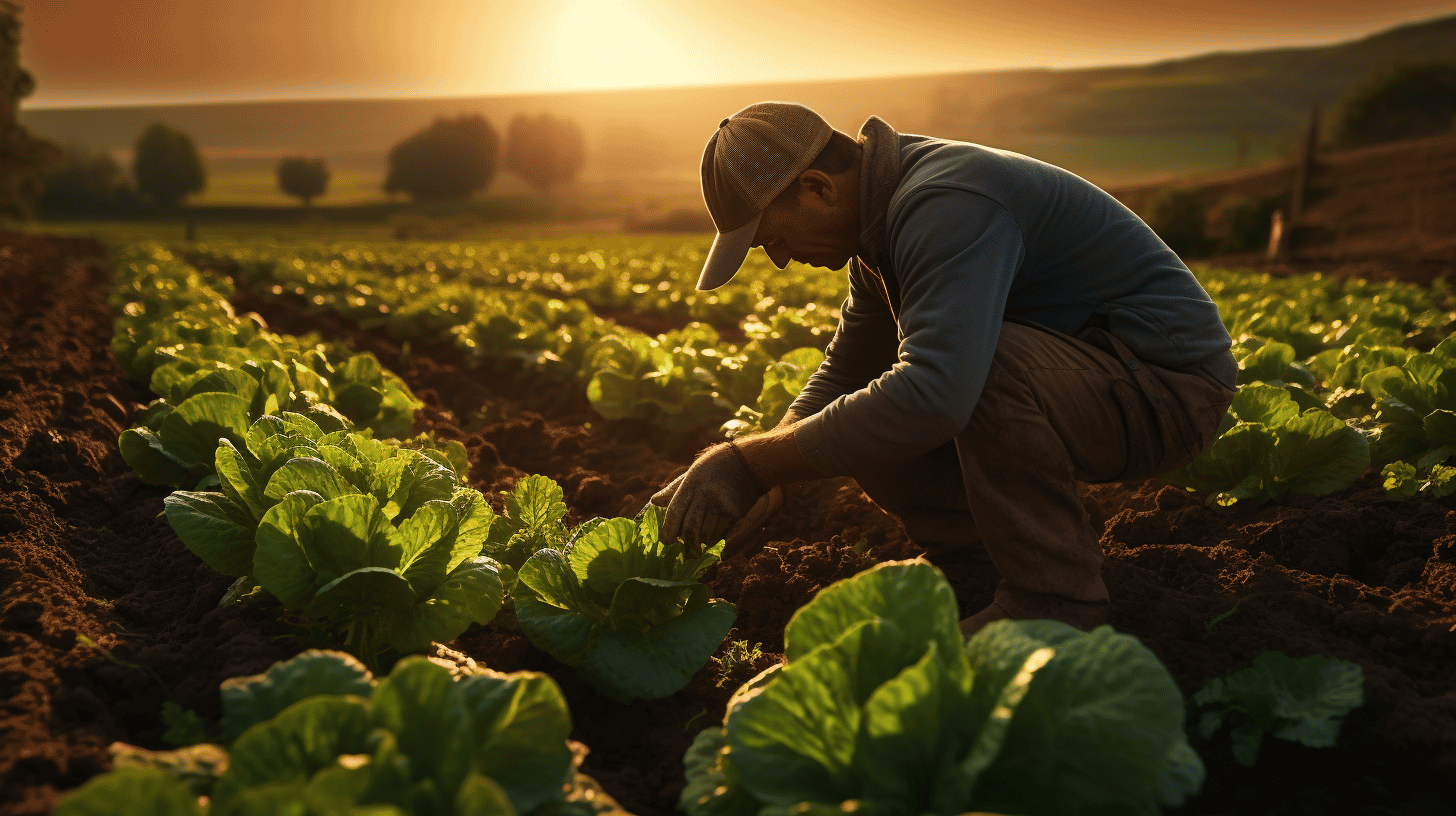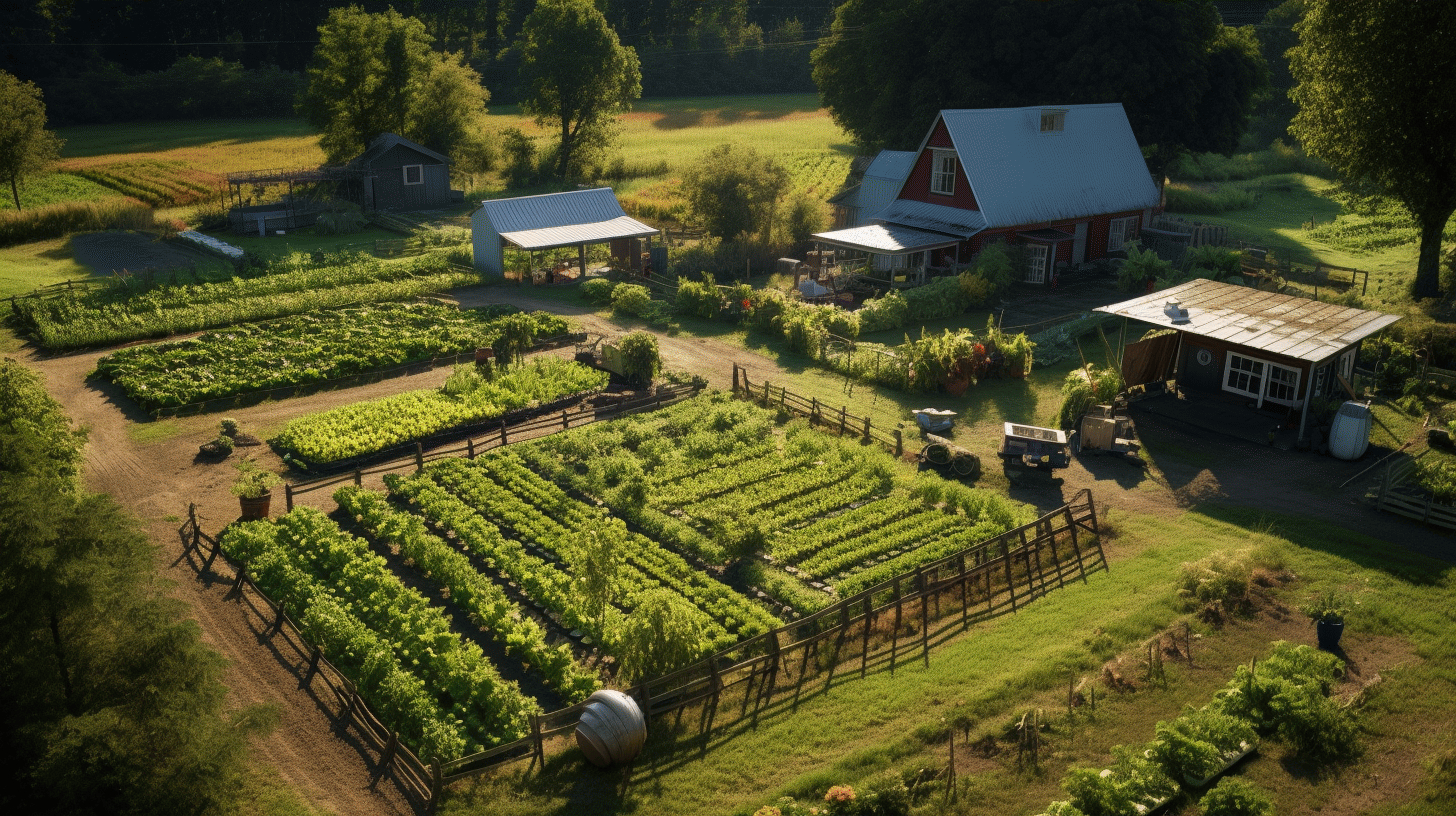
Permaculture, often described as a sustainable and holistic approach to farming, has gained significant attention in recent years. This innovative methodology combines principles from ecology, agriculture, and design to create productive and resilient systems that mimic natural ecosystems. By following permaculture practices, farmers and landowners can enhance biodiversity, conserve resources, and cultivate a thriving environment while improving their own livelihoods.
But what exactly is permaculture, and why has it become such a vital tool for sustainable living on farms? In this article, we will explore the fascinating success stories of real-life permaculture farms and examine the key techniques that make these systems so effective. We will delve into the ethical principles and goals of permaculture and discuss the benefits of its holistic design and seamless integration of complex systems. Furthermore, we will explore how permaculture has helped address the unique challenges presented by the COVID-19 pandemic.
As we delve into the world of permaculture, we will unveil the profitable business opportunities it offers and explore its application in urban agriculture, including how it can support local food production and farmers’ livelihoods. We will unravel the fundamental principles applied in permaculture and highlight how they can be seamlessly integrated into farming practices such as crop production, livestock management, and soil fertility enhancement.
Furthermore, we will shed light on the unifying power of community and collaboration in permaculture, demonstrating how it fosters shared knowledge and resources for the betterment of all. We will also explore how permaculture contributes to the restoration of health in agricultural systems and supports local resources and food production. Lastly, we will discuss the importance of creating balanced and sustainable landscapes and how aspiring permaculturists can get started with small-scale projects.
So, whether you’re a farmer looking for ways to enhance your land’s productivity, an urban dweller interested in local food production, or simply curious about sustainable living, join us on this enlightening journey as we uncover the incredible world of permaculture and its potential to transform our agricultural systems.
Permaculture Farms: Real-Life Examples of Success
If you’re interested in permaculture and organic farming practices, you’ll be pleased to know that there are numerous real-life success stories of permaculture farms around the world. These farms demonstrate the effectiveness and viability of permaculture techniques in creating sustainable and thriving agricultural systems. In this article, we will explore some inspiring examples of permaculture farms that prioritize organic practices and have achieved remarkable success.
Parc Carreg
One notable example of a successful permaculture farm is Parc Carreg, located in Wales, United Kingdom. This farm showcases a holistic approach to permaculture, integrating principles of regenerative agriculture, agroforestry, and community engagement. Some key features and achievements of Parc Carreg include:
- Food Forest: With the aim of maximizing biodiversity and self-sufficiency, Parc Carreg has established a diverse food forest, featuring a wide variety of fruit trees, perennial vegetables, and medicinal plants. This abundant ecosystem provides a sustainable source of food and contributes to the overall resilience of the farm.
- Regenerative Practices: Parc Carreg follows regenerative farming practices, such as no-till agriculture, cover cropping, and rotational grazing. These practices help to build soil health, increase carbon sequestration, and reduce the farm’s environmental footprint.
- Community Involvement: The farm actively engages with the local community, hosting events, workshops, and educational programs to raise awareness about permaculture and sustainable living. This community-centered approach fosters a sense of shared responsibility and empowers individuals to make positive changes in their own lives.
Melliodora Farms
Another inspiring example of a successful permaculture farm is Melliodora Farms, situated in Hepburn, Victoria, Australia. Melliodora Farms, established by permaculture pioneers David Holmgren and Su Dennett, showcases a resilient and productive permaculture system. Here are some highlights of Melliodora Farms:
- Design Excellence: The design of Melliodora Farms is based on permaculture principles, including zoning, water management, and energy efficiency. The farm’s design maximizes productivity while minimizing waste and inputs, creating a self-sustaining and regenerative system.
- Natural Building: Melliodora Farms is renowned for its demonstration of sustainable and natural building techniques. Structures on the farm, such as the mud-brick house and straw-bale studio, exemplify how buildings can be constructed using locally-sourced, low-impact materials.
- Permaculture Education: The farm plays a vital role in permaculture education, offering workshops, tours, and internships to aspiring permaculturists. Through these educational initiatives, Melliodora Farms helps to build a network of knowledgeable and skilled individuals who can spread the principles of permaculture far and wide.
Yarnauwi Farm
Yarnauwi Farm, located in the Fleurieu Peninsula, South Australia, is a prime example of regenerative agriculture and permaculture in action. This family-run farm demonstrates the power of regenerating degraded land and creating a productive and resilient ecosystem. Here are some notable aspects of Yarnauwi Farm:
- Land Restoration: Yarnauwi Farm was originally a severely degraded landscape, but through thoughtful land management practices, the owners have transformed it into a thriving regenerative farm. By implementing key permaculture techniques such as swales, tree planting, and rotational grazing, the farm has seen significant improvements in soil health, water retention, and biodiversity.
- Local Economy: Yarnauwi Farm prioritizes supporting the local economy and building community resilience. They sell their ethically-raised produce directly to the local community through farmers’ markets and community-supported agriculture (CSA) schemes, reducing the farm’s reliance on distant markets and fostering a sense of connection between consumers and producers.
- Wildlife Habitat: The owners of Yarnauwi Farm place a strong emphasis on creating wildlife-friendly habitats within their permaculture system. They have dedicated areas of the farm to native vegetation restoration, providing shelter and food for a diverse range of wildlife species. This harmonious integration of agriculture and wildlife conservation is a core principle of permaculture.
Stonecroft Farms
In the United States, Stonecroft Farms in Oregon stands as a testament to the success of permaculture practices in challenging environments. The farm’s focus on regenerative agriculture and sustainable food production has yielded impressive results. Here’s what makes Stonecroft Farms stand out:
- Water Management: Stonecroft Farms has implemented innovative water management strategies, including rainwater harvesting and efficient irrigation techniques. These approaches allow the farm to minimize water usage while maximizing the health and productivity of their crops.
- Diversified Production Systems: The farm employs diverse cultivation methods, such as polycultures, companion planting, and agroforestry, to create resilient and productive farming systems. By utilizing the natural synergies between different plant species, Stonecroft Farms increases overall productivity and reduces the risk of pests and diseases.
- Education and Outreach: Stonecroft Farms is committed to sharing their knowledge and passion for permaculture with others. They offer educational programs, workshops, and farm tours to inspire and empower individuals to adopt more sustainable and regenerative approaches to food production.
Limestone Permaculture
Located in New South Wales, Australia, Limestone Permaculture is a shining example of permaculture in a rural setting. With a focus on self-sufficiency and regenerative practices, this farm demonstrates the potential of permaculture to create abundant and resilient food systems. Some notable features of Limestone Permaculture include:
- Regenerative Livestock: Limestone Permaculture utilizes regenerative grazing practices to raise livestock in a way that regenerates the land and respects the animals’ welfare. By rotating their animals through pasture systems, the farm builds soil fertility, reduces erosion, and supports vibrant grassland ecosystems.
- Food Production: The farm employs a variety of permaculture techniques, such as polycultures, guild planting, and organic pest control, to grow a diverse range of fruits, vegetables, and herbs. This approach not only provides an abundance of nutritious food but also enhances the farm’s resilience to pests, diseases, and climate variability.
- Sustainable Infrastructure: Limestone Permaculture prioritizes sustainable infrastructure, including off-grid energy systems, water-efficient irrigation, and passive solar design principles. These features minimize the farm’s environmental impact and reduce its reliance on external resources.
By studying these real-life examples of successful permaculture farms, we can learn valuable lessons and gain inspiration for implementing permaculture principles in our own lives and communities. These farms demonstrate that permaculture offers a holistic and sustainable approach to food production, land stewardship, and community resilience. With its emphasis on regenerative practices, biodiversity, and local engagement, permaculture has the potential to transform our agricultural systems and create a more sustainable and resilient future.
Key Permaculture Techniques for Sustainable Farming
Permaculture farms are at the forefront of sustainable farming practices, employing a range of techniques to optimize crop production while minimizing environmental impact. Among these techniques, composting, mulching, and crop rotation stand out as pillars of permaculture farming. Let’s delve into each of these techniques and understand how they contribute to the overall sustainability of farming practices.
Composting
Composting is a natural process where organic materials, such as kitchen scraps, yard waste, and animal manure, decompose and transform into nutrient-rich compost. This rich compost acts as a natural fertilizer, enhancing soil health and providing essential nutrients for plant growth.
Here are some key benefits of composting in permaculture farming:
- Improves soil structure: Compost helps improve soil structure by enhancing its water-holding capacity and promoting better aeration.
- Boosts plant health: The nutrients present in compost promote healthy plant growth, making them more resistant to pests and diseases.
- Reduces waste: Composting provides an effective solution for managing organic waste, diverting it from landfills and reducing greenhouse gas emissions.
By incorporating composting into their farming practices, permaculture farmers can create a closed-loop system, minimizing the need for external fertilizers and reducing their ecological footprint.
Mulching
Another crucial technique employed in permaculture farming is mulching. Mulch refers to a layer of organic material, such as straw, leaves, or wood chips, spread over the soil surface around plants. It provides a range of benefits that contribute to sustainable farming:
- Conserves moisture: Mulch acts as a natural barrier, reducing evaporation and conserving soil moisture. This is particularly important in water-scarce regions.
- Weed suppression: A thick layer of mulch inhibits weed growth by blocking sunlight and preventing weed seeds from germinating.
- Regulates soil temperature: Mulch helps moderate soil temperature, protecting plant roots from extreme heat or cold.
In permaculture farming, mulching not only serves as a protective layer but also adds organic matter to the soil as it breaks down, enriching it with nutrients and improving its fertility.
Crop Rotation
Crop rotation is an age-old technique that involves systematically changing the type of crops grown in a particular area over time. This practice offers several benefits to permaculture farmers:
- Pest and disease management: Different crops have varying susceptibility to pests and diseases. By rotating crops, the buildup of pests and diseases specific to a particular crop can be minimized, reducing the need for chemical interventions.
- Nutrient management: Certain crops, such as legumes, have the ability to fix nitrogen in the soil, increasing its fertility. By rotating between nitrogen-fixing and nutrient-demanding crops, permaculture farmers can maintain soil health and reduce the reliance on synthetic fertilizers.
- Improved soil structure: Growing a diverse range of crops helps promote a balanced soil ecosystem, enhancing soil structure and reducing the risk of soil degradation.
By implementing crop rotation, permaculture farmers maintain a healthy balance in their farming systems, ensuring long-term sustainability and minimizing the negative impacts on the environment.
In conclusion, composting, mulching, and crop rotation are three key techniques used in permaculture farming to promote sustainable crop production. By prioritizing soil health, reducing waste, and minimizing the use of external inputs, permaculture farmers are able to create a harmonious and regenerative farming ecosystem. These techniques not only enhance crop productivity but also contribute to the overall well-being of our planet.
Ethical Principles and Goals of Permaculture
Permaculture, at its core, is guided by a set of ethical principles that prioritize the well-being of the environment, people, and the equitable sharing of resources. These principles serve as a compass, helping practitioners make decisions that align with a more sustainable and ethical lifestyle.
Care for the Earth
The first ethical principle of permaculture is to care for the Earth. This means recognizing that the health and vitality of the planet are paramount. Practitioners of permaculture strive to work in harmony with nature rather than against it. They aim to create regenerative systems that protect and improve the land, water, and air.
Caring for the Earth involves various practices, such as:
- Regenerative agriculture: Permaculture emphasizes sustainable farming practices that focus on building healthy soil, conserving water, and minimizing the use of synthetic chemicals. It promotes the use of organic techniques, companion planting, and crop rotation to maintain soil fertility and biodiversity.
- Water conservation: Permaculture encourages the capture and efficient use of water resources. Techniques like rainwater harvesting, swales, and natural water filtration systems help reduce water waste and ensure its availability for both humans and nature.
- Ecosystem restoration: Permaculture recognizes the importance of restoring and preserving natural ecosystems. By reintroducing native plants, creating wildlife habitats, and implementing conservation measures, practitioners contribute to the recovery of biodiversity and the preservation of fragile ecosystems.
Care for People
The second ethical principle of permaculture is to care for people. Permaculturists believe that sustainable living should prioritize the well-being and empowerment of individuals, families, and communities. It promotes social justice, equal access to resources, and a sense of connectedness.
Caring for people includes:
- Local community development: Permaculture encourages the development of strong and resilient communities. This involves fostering connections, sharing knowledge and resources, and supporting local economies. By working together, people can create self-reliant and sustainable communities that meet their needs.
- Food security and access: Permaculture seeks to ensure that everyone has access to healthy and nutritious food. It promotes the establishment of community gardens, urban farming initiatives, and the sharing of surplus produce. By growing food locally and sustainably, permaculture contributes to food security and reduces dependence on industrial agriculture.
- Education and empowerment: Permaculture values education as a means to empower individuals and communities. It promotes the sharing of knowledge and skills related to sustainable living, regenerative agriculture, and ecological design. Through education, people can actively participate in creating positive change towards a more sustainable future.
Fair Sharing
The third ethical principle of permaculture is fair sharing. It emphasizes the equitable distribution of resources and the recognition of everyone’s right to a fair livelihood. Permaculturists strive to create systems that promote social and economic justice.
Fair sharing encompasses:
- Resource stewardship: Permaculture encourages responsible resource management, ensuring that resources are used wisely and shared equitably. It considers the long-term consequences of consumption and promotes practices that minimize waste and prioritize the needs of future generations.
- Collaboration and cooperation: Permaculture values cooperation over competition. It emphasizes the importance of working together to address common challenges and find shared solutions. Collaboration and cooperative initiatives enable the fair sharing of resources, knowledge, and skills.
- Ethical business practices: Permaculture extends its principles to business and economic practices. It promotes fair trade, local economies, and ethical consumerism. By supporting businesses that align with permaculture ethics, individuals contribute to a more equitable and sustainable global economy.
In summary, the ethical principles and goals of permaculture guide practitioners towards sustainable design and responsible stewardship of the Earth. By emphasizing care for the Earth, care for people, and fair sharing, permaculture aims to create a more ethical and regenerative way of life for both current and future generations.
Holistic Design and Integration of Complex Systems
In the realm of sustainable development, holistic design and integration play a crucial role in creating resilient and regenerative systems. This approach extends beyond sustainable agriculture to encompass various aspects of complex systems, such as agroforestry systems and regenerative farming methods.
Agroforestry Systems
Agroforestry systems are innovative approaches that combine the benefits of trees, crops, and livestock. By integrating these elements, farmers can create multifunctional landscapes that enhance biodiversity, improve soil health, and increase yields. Here are some key features of agroforestry systems:
- Diversification: Agroforestry systems promote biodiversity by incorporating various tree species, crops, and animals into the same landscape. This diversity increases resilience and reduces the risk of crop failure or disease outbreaks.
- Ecosystem services: Trees in agroforestry systems provide numerous ecosystem services, such as shade, windbreaks, erosion control, and water uptake. These services benefit not only the agricultural production but also the overall ecosystem health.
- Nutrient cycling: Agroforestry systems promote efficient nutrient cycling by harnessing the natural processes occurring in the ecosystem. Trees capture nutrients from deeper soil layers and bring them to the surface through leaf litter and root systems, benefiting the crops growing in proximity.
Regenerative Farming Methods
Regenerative farming methods aim to restore and enhance soil health, biodiversity, and ecosystem functionality. These methods focus on regenerating degraded soils, reducing the use of external inputs, and increasing the natural fertility of the land. Here are some key principles of regenerative farming methods:
- Soil health: Regenerative farming practices prioritize enhancing soil health through techniques such as cover cropping, soil erosion control, and reduced tillage. These practices increase organic matter content, improve soil structure, and enhance nutrient cycling.
- Biodiversity conservation: Regenerative farming methods support biodiversity conservation by creating habitats for beneficial insects, birds, and other wildlife. This biodiversity contributes to pest control, pollination, and overall ecosystem resilience.
- Water management: Regenerative farming practices focus on maximizing water infiltration and retention in the soil, reducing water runoff and erosion. Techniques such as contour plowing, terracing, and the use of cover crops help to conserve water resources and mitigate the impacts of drought.
By adopting holistic design and integrating agroforestry systems and regenerative farming methods, farmers can create sustainable and productive agricultural systems. These practices not only contribute to the long-term health and viability of farming operations but also have positive environmental impacts by enhancing biodiversity and soil health.
As per a report by the Food and Agriculture Organization (FAO), agroforestry systems have been shown to improve soil fertility, reduce soil erosion, and support climate change adaptation and mitigation. Additionally, regenerative farming methods have been proven effective in improving soil health, increasing carbon sequestration, and reducing the dependency on synthetic inputs.
Addressing the Impacts of COVID-19 with Permaculture
Permaculture practices have emerged as a valuable tool in addressing the devastating impacts of the COVID-19 pandemic on food production. With disrupted supply chains and increased food insecurity, many individuals and communities are turning to permaculture as a sustainable solution. By integrating ecological principles with thoughtful design, permaculture offers a holistic approach to cultivating food, restoring ecosystems, and building resilient communities.
Food Production Challenges
The COVID-19 pandemic has exposed the vulnerabilities of our global food system. From crop failures to labor shortages, the pandemic has disrupted agricultural practices, resulting in significant challenges for food production. Here’s how permaculture can help tackle these issues:
- Diverse and Resilient Food Systems: Permaculture emphasizes the importance of diversity in food production. By planting a wide variety of crops, permaculturists minimize the risk of crop failure due to pests, diseases, or extreme weather events. This approach ensures a continuous supply of nutritious food, reducing the reliance on a single crop or food source.
- Localized Food Production: With supply chain disruptions and transportation challenges, local food production becomes crucial. Permaculture promotes the creation of small-scale, decentralized food systems that focus on producing food locally. This not only reduces the carbon footprint associated with long-distance transportation but also strengthens local food security.
- Regenerative Farming Practices: Permaculture encourages regenerative farming practices that restore soil health and fertility. By using techniques such as composting, crop rotation, and agroforestry, permaculturists improve soil structure, increase water retention, and enhance nutrient cycling. These practices not only benefit food production but also contribute to climate change mitigation and biodiversity conservation.
Sustainable Landscaping and Water Conservation
Apart from food production challenges, the COVID-19 pandemic has also highlighted the importance of sustainable landscaping and water conservation. Here’s how permaculture addresses these issues:
- Water-Efficient Design: Permaculture design principles include strategies for water conservation and efficient use. Techniques like rainwater harvesting, swales, and contouring help capture and store water, reducing the reliance on external water sources. This is particularly crucial in areas facing water scarcity or drought conditions.
- Ecological Land Management: Permaculture advocates for the creation of landscapes that mimic natural ecosystems. By carefully observing and understanding local ecological patterns, permaculturists can design landscapes that are self-sustaining, require less maintenance, and promote biodiversity.
- Holistic Approaches to Landscaping: Permaculture goes beyond the conventional notion of landscaping by integrating functional elements with aesthetic appeal. This means that every aspect of the landscape serves a purpose, whether it’s providing food, shading, windbreaks, or attracting pollinators. This holistic approach transforms outdoor spaces into productive ecosystems that support both people and wildlife.
In conclusion, permaculture offers a sustainable and resilient approach to address the impacts of COVID-19 on food production and beyond. By embracing diverse food systems, regenerative farming practices, sustainable landscaping, and water conservation, individuals and communities can build a more resilient future. Through permaculture, we can not only mitigate the immediate challenges posed by the pandemic but also contribute to long-term sustainability and resilience.
Profitable Business Opportunities in Permaculture
Permaculture farms provide profitable business opportunities through sustainable design and practice. With the growing interest in sustainable living and regenerative agriculture, the demand for permaculture products and services is on the rise. Whether you already own a farm or are looking to start a new venture, here are some lucrative business ideas within the permaculture sector.
1. Organic Produce Farming
One of the most popular and financially rewarding opportunities in permaculture is organic produce farming. By growing a wide range of fruits, vegetables, and herbs using permaculture principles, you can tap into the demand for fresh, pesticide-free, and locally grown produce. Selling your organic harvest directly to consumers through farmers markets, community-supported agriculture (CSAs), or online platforms can generate a substantial income.
2. Herbal Medicine and Natural Remedies
The increasing interest in natural health and wellness has created a market for herbal medicine and natural remedies. You can grow a variety of medicinal plants and herbs on your permaculture farm and create products such as herbal teas, tinctures, salves, and essential oils. These products can be sold online or through local health food stores, providing a profitable niche within the permaculture industry.
3. Permaculture Design and Consulting
As more people recognize the benefits of incorporating permaculture principles into their gardens, landscapes, and even urban environments, there is a demand for permaculture design and consulting services. If you have a deep understanding of permaculture practices and design principles, you can offer your expertise to clients who want to create sustainable, regenerative spaces. This can include designing productive gardens, implementing water conservation systems, and creating wildlife habitats.
4. Permaculture Education and Workshops
Sharing your knowledge and passion for permaculture through education and workshops can be a profitable business opportunity. Offer courses, workshops, and hands-on experiences on your farm or as a guest speaker at events and conferences. You can also venture into online education platforms and create digital courses on permaculture design, regenerative agriculture, or sustainable living.
5. Eco-Tourism and Farm Stays
Many people are interested in experiencing permaculture firsthand and immersing themselves in sustainable living practices. By offering farm stays or eco-tourism experiences on your permaculture farm, you can generate income from visitors who want to learn, work, and live in a regenerative environment. This can include guided farm tours, workshops, and accommodation options such as eco-cabins or camping facilities.
In conclusion, permaculture offers a plethora of profitable business opportunities that align with sustainable practices and the increasing demand for organic and regenerative products. Whether you choose to focus on organic farming, herbal medicine, design consulting, education, or eco-tourism, there are many avenues to explore within the permaculture industry. With commitment, creativity, and a solid business plan, you can turn your passion for permaculture into a successful and rewarding enterprise.
Permaculture in Urban Agriculture
Permaculture principles can be applied in urban agriculture, promoting local food production and supporting farmers’ livelihoods. The concept of permaculture, a combination of the words “permanent” and “agriculture,” is centered around designing sustainable and self-sufficient systems that mimic natural ecosystems. When applied to urban agriculture, permaculture methods offer numerous benefits, both for individuals and communities at large.
Local Food Production
One of the key advantages of permaculture in urban agriculture is the emphasis on local food production. In a world where many communities rely heavily on imported food, cultivating crops locally can have a significant positive impact. Here are some reasons why supporting local food production through permaculture is beneficial:
- Enhancing Food Security: By growing food within urban areas, communities become less dependent on distant sources of food. This helps to mitigate the risk of disruptions in the global food supply chain, ensuring that residents have access to fresh, nutritious, and locally grown produce.
- Reducing Food Miles: Producing food closer to where it is consumed reduces the distance that the food needs to travel. This reduction in food miles not only reduces greenhouse gas emissions associated with transportation but also ensures that the produce is fresher and has a smaller carbon footprint.
- Promoting Diversity in Diets: Urban agriculture, guided by permaculture principles, encourages the cultivation of a wide variety of crops. This diversification of local food systems ensures that communities have access to a broad range of fruits, vegetables, and herbs, promoting healthier and more varied diets.
Supporting Farmers’ Livelihoods
In addition to the benefits of local food production, permaculture in urban agriculture also has a positive impact on farmers’ livelihoods. Here’s how permaculture supports farmers in urban areas:
- Creating Economic Opportunities: Urban agriculture, when practiced using permaculture methods, provides opportunities for farmers to grow and sell their products locally. This allows farmers to earn a fair income while contributing to the local economy and strengthening community ties.
- Improving Land Utilization: Permaculture encourages the efficient use of urban spaces, including unused land or even rooftops. By utilizing these spaces for agricultural purposes, farmers have the chance to maximize their land resources and increase their yields, ultimately boosting their income potential.
- Fostering Knowledge Exchange: Permaculture in urban agriculture promotes the sharing of knowledge and skills among farmers. By collaborating and exchanging ideas, farmers can learn from one another, improve their techniques, and collectively work towards the sustainability and resilience of urban food systems.
In conclusion, permaculture principles hold great potential in transforming urban agriculture into a sustainable and regenerative practice. By focusing on local food production and supporting farmers’ livelihoods, permaculture can play a crucial role in building resilient communities that prioritize self-sufficiency, food security, and environmental stewardship.
Principles Applied in Permaculture
Permaculture, a term coined by Bill Mollison and David Holmgren in the 1970s, is a holistic approach to designing sustainable and self-sufficient agricultural systems. It is based on the principle of mimicking natural ecosystems and utilizing biological resources to create resilient and regenerative systems. By incorporating permaculture principles into our farming practices, we can achieve the following:
- Mimicking Natural Ecosystems: Permaculture aims to mimic the natural patterns and processes found in ecosystems to create more sustainable agricultural systems. By observing and understanding how ecosystems function, we can design our farms to work in harmony with nature rather than against it. This involves considering factors such as diversity, interconnections, and ecological succession in our designs.
- Utilizing Biological Resources: Permaculture emphasizes the use of biological resources, such as plants, animals, and microorganisms, to fulfill the various functions within a system. By harnessing the power of these biological resources, we can create efficient and self-sustaining systems. For example, instead of relying on synthetic fertilizers, permaculturists often use techniques like composting, green manure, and nitrogen-fixing plants to nourish the soil naturally.
Permaculture principles are rooted in sustainability and resilience. By applying these principles, we can create agricultural systems that not only provide for our needs but also regenerate the earth’s ecosystems. Through thoughtful observation and design, permaculture offers a path towards a more sustainable and harmonious relationship with the natural world.
Additional Information
Permaculture is not only limited to agriculture but also extends to other aspects of life, such as sustainable building design, renewable energy, water management, and community development. It is a comprehensive approach that seeks to address the larger environmental and social challenges we face today.
Applying Permaculture to Farming Practices
Permaculture principles are applicable to various aspects of farming, including crop production, livestock management, and soil fertility. By incorporating these principles into their practices, farmers can create sustainable and resilient farming systems that benefit both the environment and their bottom line.
Crop Production
When it comes to crop production, permaculture techniques focus on working with nature rather than against it. Farmers who embrace permaculture principles understand the importance of biodiversity and seek to mimic natural ecosystems on their land. Some key practices include:
- Crop rotation: By rotating crops, farmers can prevent the buildup of pests and diseases in the soil, promote soil health, and maintain the overall productivity of their fields.
- Polyculture: Rather than planting a single crop in a field, permaculture encourages the cultivation of a diverse range of plants. This not only enhances biodiversity but also helps to naturally control pests and improve soil fertility.
- Agroforestry: Integrating trees into agricultural systems can have numerous benefits. Trees can provide shade, windbreaks, and habitat for beneficial wildlife. They can also fix nitrogen in the soil, improve water retention, and produce additional crops like fruits or nuts.
Livestock Management
Permaculture principles extend to the management of livestock as well. By implementing regenerative practices, farmers can ensure the well-being of their animals while also regenerating the land. Here are some key strategies used in permaculture-based livestock management:
- Rotational grazing: Allowing livestock to graze in one area for a limited time before moving them to fresh pasture prevents overgrazing and promotes healthy grass growth. It also allows time for the land to recover, leading to improved soil health and carbon sequestration.
- Silvopasture: Integrating livestock with trees and pastureland can create a harmonious system. Trees provide shade for animals, reduce heat stress, and contribute to soil fertility through leaf litter and root systems.
- Animal integration: Combining different types of livestock, such as cows, pigs, and chickens, on the same piece of land can help mimic natural ecosystems. This enables nutrient cycling, pest control, and efficient land use.
Soil Fertility
Maintaining healthy soil is a cornerstone of permaculture farming. By nurturing the soil ecosystem, farmers can improve fertility, increase water-holding capacity, and reduce the need for synthetic inputs. Here are some common practices used in permaculture-based soil fertility management:
- Cover cropping: Planting cover crops between cash crops helps prevent erosion, suppress weeds, and add organic matter to the soil. Cover crops also provide habitat for beneficial insects and improve nutrient cycling.
- Composting: Recycling organic waste through composting creates nutrient-rich soil amendments. Compost can be used to improve soil structure, increase microbial activity, and enhance plant nutrient availability.
- Mulching: Applying organic mulch, such as straw or wood chips, on the soil surface helps retain moisture, regulate soil temperature, suppress weeds, and promote the decomposition of organic matter.
By integrating permaculture principles into their farming practices, farmers can cultivate sustainable and resilient systems that prioritize environmental health and long-term productivity. These practices not only benefit the land and its inhabitants but also contribute to a more sustainable and regenerative food system.
Community and Collaboration in Permaculture
Permaculture is not only about sustainable farming practices and ecological design; it also emphasizes the importance of community and collaboration. In fact, community and collaboration are integral aspects of the permaculture movement. By working together, farmers and gardeners can create thriving ecosystems that benefit everyone involved.
Why is community and collaboration essential in permaculture?
- Shared Resources: Permaculture encourages the sharing of resources among community members. This can include tools, seeds, knowledge, and even surplus produce. By sharing resources, farmers and gardeners can reduce waste, save money, and create a sense of abundance within the community.
- Knowledge Exchange: Permaculture is built on a foundation of knowledge sharing. Through collaboration, farmers and gardeners can learn from each other’s experiences, experiment with different techniques, and discover new solutions to common challenges. By pooling their collective knowledge, community members can continuously improve their permaculture practices.
- Support Network: In permaculture communities, individuals support and uplift each other. They offer help and guidance when needed, whether it’s assisting with a big planting project or providing emotional support during challenging times. This sense of community creates a strong support network that fosters resilience and growth.
- Collective Decision-Making: Collaboration in permaculture extends beyond the practical aspects of farming. Community members often come together to make collective decisions about the direction and future of their permaculture projects. This ensures that everyone’s voices are heard and that decisions are made with the best interests of the community in mind.
Quotes:
“Permaculture is not just about gardening; it’s about building strong and resilient communities.” – John, a permaculture farmer.
“When we collaborate, we can achieve so much more than we could on our own.” – Sarah, a permaculture gardener.
Table:
Here’s an example of how community and collaboration can benefit permaculture practitioners:
| Benefits of Community and Collaboration |
|---|
| Shared resources |
| Knowledge exchange |
| Support network |
| Collective decision-making |
By fostering a sense of community and promoting collaboration, permaculture practitioners can create sustainable, regenerative systems that not only benefit themselves but also contribute to a healthier planet. The power of working together is at the heart of permaculture, making it a truly transformative practice.
Restoring Health to Agricultural Systems
When it comes to the health of our agricultural systems, one approach that has gained significant attention is the implementation of agroforestry and land restoration projects. These initiatives play a crucial role in revitalizing and improving the overall well-being of agricultural landscapes. Permaculture farms, in particular, have become champions in this movement. Let’s take a closer look at how agroforestry and land restoration contribute to restoring and improving the health of agricultural systems.
Agroforestry is a sustainable land management system that combines trees, crops, and livestock in a mutually beneficial way. By incorporating trees into agricultural landscapes, farmers can reap numerous benefits, such as:
- Enhanced soil health: Trees provide organic matter through fallen leaves and branches, improving soil structure and nutrient levels.
- Biodiversity support: Agroforestry systems create habitats for a wide range of plant and animal species, promoting ecological diversity and resilience.
- Climate change mitigation: Trees sequester carbon dioxide from the atmosphere, helping to reduce greenhouse gases and combat climate change.
- Improvement of water quality: Tree roots help to hold soil particles together, preventing soil erosion and reducing the risk of water pollution.
- Crop diversification: Agroforestry allows farmers to grow a variety of crops and products within the same area, reducing the dependence on monoculture and enhancing food security.
In addition to agroforestry, land restoration projects focus on reversing the degradation of agricultural land and bringing it back to its natural state. These projects often involve:
- Revegetation: Planting native vegetation in degraded areas to restore biodiversity and create healthier ecosystems.
- Soil conservation: Implementing erosion control measures, such as contour plowing and terracing, to prevent further soil degradation.
- Water management: Restoring natural water systems, such as wetlands and ponds, to improve water availability and quality for both humans and wildlife.
- Ecological rehabilitation: Rehabilitating degraded habitats through activities like reforestation, reintroduction of native species, and the removal of invasive plants.
With these strategies in place, permaculture farms are playing a vital role in restoring the health of agricultural systems. By interweaving trees, crops, and animals, they create dynamic and sustainable ecosystems that are resilient to changes, both environmental and economic. Through thoughtful land management practices, permaculture farms contribute to improving soil health, preserving biodiversity, and mitigating the impacts of climate change.
Overall, the integration of agroforestry and land restoration techniques is a powerful tool in restoring the health of agricultural systems. By adopting these practices, farmers and land managers can create sustainable and regenerative landscapes that not only support food production but also uphold the health and well-being of the environment and surrounding communities.
Supporting Local Resources and Food Production
When it comes to supporting local resources and food production, permaculture is a powerful tool. This holistic approach to gardening and farming emphasizes the use of local resources and aims to create sustainable food systems. By implementing permaculture principles, individuals and communities can contribute to the vitality and resilience of their local ecosystems while promoting food security and supporting local farmers.
The Importance of Local Resources
Permaculture recognizes the value of local resources in building resilient and self-sustaining food systems. By sourcing materials and inputs from the immediate surroundings, permaculturists reduce their dependence on external resources and minimize their carbon footprint. Utilizing local resources offers several advantages:
- Lower environmental impact: By reducing transportation distances, the use of local resources can significantly decrease greenhouse gas emissions associated with food production and distribution.
- Support for local economy: When individuals prioritize local resources, they contribute to the economic growth of their community. Supporting local farmers and businesses helps create a thriving local food network and strengthens the local economy.
- Preservation of biodiversity: Utilizing local resources promotes the preservation of native plant species and wildlife habitats, contributing to the overall biodiversity of the region.
Supporting Local Farms and Food Production
In addition to utilizing local resources, permaculture also encourages individuals to support local farms and food production. This can be achieved in various ways:
- Buying local: By purchasing locally grown produce, individuals can directly support local farmers and help them thrive. Shopping at farmers’ markets, joining community-supported agriculture (CSA) programs, or participating in farm-to-table initiatives are excellent ways to connect with local producers and enjoy fresh, seasonal food.
- Growing your own food: Permaculture encourages individuals to grow their own food whenever possible. By cultivating a backyard garden or joining a community garden, people can directly contribute to local food production and reduce their dependence on commercial agriculture.
- Sharing surplus produce: Surpluses from home gardens or local farms can be shared with neighbors, friends, or local food banks. This form of decentralized sharing helps build resilient and supportive communities while reducing food waste.
As permaculturists, we have the power to contribute positively to our local communities and food systems. By embracing the principles of permaculture and supporting local resources and food production, we can create a sustainable future that benefits both ourselves and the environment.
“Permaculture is not just the design of gardens but the design of a more sustainable and community-oriented way of life.” – Permaculture Institute
Creating Balanced and Sustainable Landscapes
Do you ever wonder how you can create a beautiful landscape that doesn’t just look good but also promotes a healthy and sustainable environment? Well, the answer lies in applying the principles of permaculture. Permaculture is a design methodology that aims to create balanced and sustainable landscapes. By incorporating permaculture principles into your landscaping practices, you can create a space that not only enhances the beauty of your surroundings but also supports ecosystem health and resilience.
So, what exactly is permaculture? Simply put, it is a holistic approach to designing and managing landscapes that mimics the natural patterns and processes found in ecosystems. By observing and understanding these patterns, permaculture enthusiasts can create landscapes that are productive, diverse, and sustainable in the long term. Let’s take a closer look at some of the key principles of permaculture and how they can be applied to create balanced and sustainable landscapes.
Designing with Purpose and Intention
One of the fundamental principles of permaculture is designing with purpose and intention. Instead of randomly placing plants and features in your landscape, take the time to think about the functions and interactions they will have. Consider factors such as sun exposure, water requirements, and how different elements can complement each other. By carefully planning your landscape design, you can create a space that is not only aesthetically pleasing but also functional and productive.
Maximizing Resource Efficiency
Permaculture emphasizes the efficient use of resources and minimizing waste. This principle is particularly relevant in landscaping, where water usage and energy consumption can have a significant impact on the environment. By implementing water-efficient irrigation systems, including rainwater harvesting techniques, and using native and drought-tolerant plants, you can reduce water consumption and create a more resilient landscape. Similarly, using renewable energy sources for outdoor lighting and considering the energy requirements of landscape features can help minimize your ecological footprint.
Enhancing Biodiversity
Biodiversity is essential for creating balanced and sustainable ecosystems. By incorporating a variety of plant species in your landscape, you can support the diversity of pollinators, beneficial insects, and other wildlife. Native plants, in particular, are great additions to any permaculture-inspired landscape, as they are adapted to the local climate and provide essential habitat for native species. Consider creating wildlife-friendly features such as bird feeders, bat houses, or butterfly gardens to encourage biodiversity in your outdoor space.
Building Soil Fertility
Healthy soil is the foundation of any successful landscape. Permaculture focuses on improving and maintaining soil fertility through practices such as composting, mulching, and cover cropping. These techniques help build organic matter, retain moisture, and provide essential nutrients for plant growth. By nurturing your soil, you can create a resilient and productive landscape that requires less synthetic fertilizers and pesticides, reducing the negative impact on the environment.
Conclusion
By applying the principles of permaculture to your landscape design, you can create a balanced and sustainable outdoor space that not only enhances the beauty of your surroundings but also promotes ecosystem health. Designing with purpose and intention, maximizing resource efficiency, enhancing biodiversity, and building soil fertility are all key elements of a permaculture-inspired landscape. So, why not embrace the principles of permaculture and create a landscape that not only looks great but also contributes to a more sustainable future?
permaculture
Starting Small: Small-Scale Permaculture Projects
Permaculture, with its focus on sustainability and regenerative design, has gained popularity among individuals seeking a more environmentally friendly lifestyle. While tackling a large-scale permaculture project can be daunting, it’s important to remember that permaculture can also be implemented through small-scale projects. In fact, starting small is often a beneficial practice for beginners, allowing them to learn the principles and techniques of permaculture without feeling overwhelmed.
Benefits of Starting Small
Starting small with a permaculture project offers several advantages:
- Manageability: By starting with a small-scale project, individuals can more easily manage and maintain their permaculture systems. This allows for a deeper understanding of the concepts and principles of permaculture before scaling up to larger projects.
- Cost-effectiveness: Small-scale permaculture projects typically require fewer resources and materials compared to larger projects. This can be beneficial for individuals on a budget or those who want to minimize their environmental impact by using fewer resources.
- Learning opportunities: Starting small allows beginners to experiment and learn from their mistakes without significant consequences. It provides an opportunity to fine-tune techniques and observe the results before applying them on a larger scale.
- Quick results: Small-scale permaculture projects often yield quicker results, which can be encouraging and motivating for beginners. Seeing the positive impact of their efforts reinforces the principles and benefits of permaculture, encouraging individuals to continue their journey.
Ideas for Small-Scale Permaculture Projects
Looking to start your own small-scale permaculture project? Here are a few ideas to get you started:
- Container Gardening: Utilize containers such as pots, hanging baskets, or raised beds to grow vegetables, herbs, or even flowers in your backyard or on a balcony.
- Vertical Gardening: Make use of vertical space by growing plants vertically, either on trellises or in vertical towers.
- Composting: Start a small composting system using kitchen scraps and yard waste. Compost can be used to enrich your garden soil and reduce waste.
- Rainwater Collection: Install rain barrels or tanks to collect rainwater, which can then be used to irrigate your plants, reducing your reliance on municipal water sources.
- Pollinator Gardens: Create a small garden designed to attract pollinators such as bees and butterflies, using native plants and flowers that provide food and habitat for these beneficial creatures.
Remember, the key to starting a small-scale permaculture project is to start with something that aligns with your interests and available space. Start small, learn as you go, and gradually expand your project as your knowledge and confidence grow.
As permaculture expert name, “Starting small allows individuals to build a solid foundation in permaculture principles and techniques. It’s about taking small steps towards a sustainable and regenerative future.”
Conclusion
In conclusion, permaculture practices have proven to be incredibly successful in promoting sustainable living on farms. Through real-life examples such as Parc Carreg, Melliodora Farms, Yarnauwi Farm, Stonecroft Farms, and Limestone Permaculture, we can see the positive impact that permaculture has had on the environment, soil health, and overall farm productivity.
By implementing key permaculture techniques such as composting, mulching, and crop rotation, farmers can create a regenerative system that nurtures the earth while ensuring long-term agricultural sustainability. The ethical principles of permaculture, including care for the earth, care for people, and fair sharing, guide farmers in their approach to sustainable farming practices.
Furthermore, the holistic design and integration of complex systems, such as agroforestry and regenerative farming methods, help restore balance and resilience to agricultural landscapes. By addressing the impacts of COVID-19, permaculture offers solutions to food production challenges, sustainable landscaping, and water conservation.
Permaculture also presents profitable business opportunities in farm management and urban agriculture. It supports local food production, strengthens farmers’ livelihoods, and promotes collaboration within the community. By mimicking natural ecosystems and utilizing biological resources, permaculture showcases the potential for harmonious coexistence between agriculture and ecology.
In summary, permaculture is a holistic approach to sustainable farming that fosters the restoration of health to agricultural systems, supports local resources and food production, and creates balanced and sustainable landscapes. By starting small with small-scale permaculture projects, individuals can contribute to the broader movement towards regenerative agriculture and play a part in creating a future where agriculture and ecology thrive in harmony.
To learn more about permaculture practices and explore in-depth content on regenerative agriculture, visit the Regenerative Agriculture Wiki. Discover how you can join us in nurturing the environment, promoting sustainable living, and contributing to global food security.
Visit Regenerative Agriculture Wiki
Frequently Asked Questions
- What is permaculture?
Permaculture is an approach to designing and managing agricultural systems that mimic the patterns and relationships found in nature. It aims to create sustainable and self-sufficient ecosystems by integrating different elements, such as plants, animals, and natural resources.
- How can permaculture practices benefit a farm?
Permaculture practices can benefit a farm in multiple ways. They increase biodiversity, improve soil health, conserve water, reduce reliance on external inputs, promote natural pest control, and enhance the overall resilience and productivity of the farming system.
- What are some common permaculture techniques used on farms?
Some common permaculture techniques used on farms include agroforestry, water harvesting and conservation, composting, companion planting, crop rotation, mulching, natural pest control methods, and creating wildlife habitats.
- Is permaculture applicable only to large-scale farms?
No, permaculture principles can be applied to farms of all sizes, from small backyard gardens to large-scale agricultural operations. The key is to adapt the principles and techniques to the specific needs and resources of the farm.
- Are there any success stories of farms implementing permaculture practices?
Yes, there are numerous success stories of farms that have implemented permaculture practices. These farms have reported increased yields, improved soil fertility, reduced input costs, enhanced biodiversity, and a more resilient and sustainable farming system.