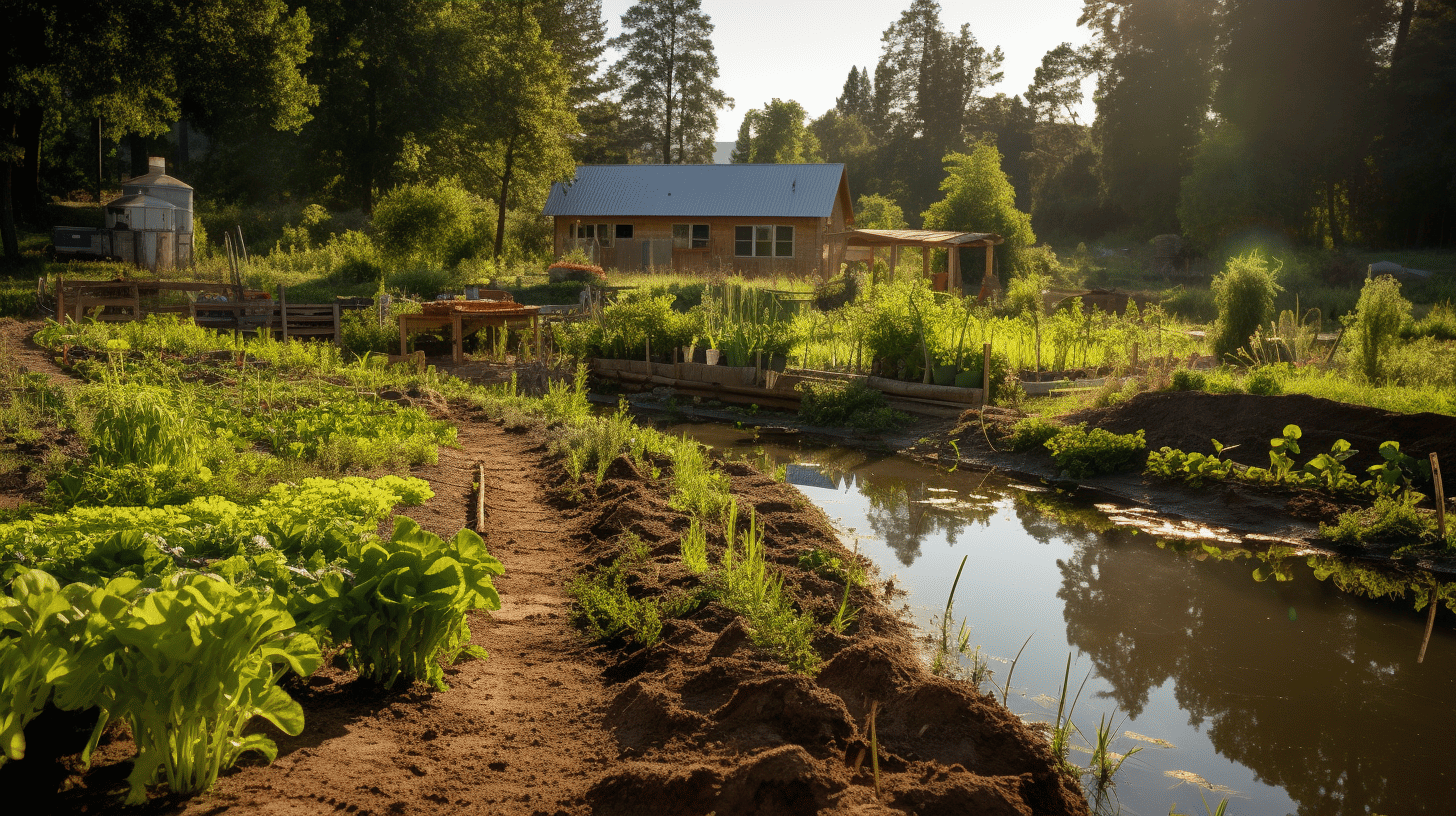
When it comes to cultivating a thriving garden or a bountiful farm, one cannot underestimate the importance of soil health. Healthy soil forms the foundation for robust plant growth, nutrient uptake, and overall ecosystem resilience. However, conventional agricultural practices often degrade the soil over time, leading to nutrient depletion, erosion, and reduced fertility. In recent years, there has been a growing interest in alternative farming approaches that prioritize soil health and sustainability. One such approach gaining popularity is permaculture.
Permaculture, coined from the words “permanent” and “agriculture,” is a holistic design system that aims to create regenerative and self-sustaining ecosystems. By adopting permaculture principles, farmers and gardeners can improve soil health, increase biodiversity, and minimize their environmental footprint. This article explores the importance of soil health, the role of permaculture in improving it, and various permaculture techniques that can be implemented for optimal soil health. So, let’s dig deeper into the fascinating world of permaculture and its impact on the soil beneath our feet.
Importance of Soil Health
Soil is the foundation of our agricultural systems and plays a vital role in food production. But did you know that the health of the soil directly impacts not only the quality and yield of crops but also the overall ecosystem? Healthy soil is crucial for sustainable agriculture and the well-being of our planet. In this section, we will explore the importance of soil health and why it should be a top priority for farmers and policymakers alike.
Increased Food Security
Healthy soil is the key to growing nutritious crops that can feed our growing global population. When soil is rich in organic matter and essential nutrients, plants thrive, yield more abundant harvests, and have higher nutritional value. This means that investments in promoting soil health can contribute to addressing global hunger and improving food security.
Environmental Resilience
Healthy soil acts as a natural filter, retaining water and preventing runoff. This helps mitigate the effects of heavy rainfall and reduces the risk of soil erosion, which can lead to land degradation and loss of fertile topsoil. In addition, healthy soil promotes the growth of beneficial microorganisms that enhance soil structure, carbon sequestration, and nutrient cycling. All of these functions contribute to the overall resilience of the ecosystem and its ability to cope with environmental challenges such as droughts and floods.
Climate Change Mitigation
Soil health is closely linked to climate change mitigation. Healthy soils are a significant carbon sink, meaning they can help absorb and store carbon dioxide from the atmosphere. By implementing sustainable agricultural practices that promote soil health, we can increase carbon sequestration in the soil, reducing greenhouse gas emissions and mitigating climate change. This makes soil health a valuable tool in the fight against global warming.
Economic Benefits
Investing in soil health can have significant economic benefits. By maintaining soil fertility and structure, farmers can reduce the need for external inputs like fertilizers and pesticides, leading to cost savings. Healthy soils also support diverse and resilient crop rotations, minimizing the risk of crop failure and increasing farm profitability. Moreover, sustainable land management practices that prioritize soil health contribute to long-term agricultural productivity, ensuring economic stability in the face of changing environmental conditions.
In summary, soil health is critical for sustainable agriculture and ecosystem resilience. By prioritizing soil health, we can enhance food security, promote environmental sustainability, mitigate climate change, and boost economic prosperity. It is crucial for governments, farmers, and consumers to recognize the value of investing in soil health and work together to protect and improve this precious natural resource.
Role of Permaculture in Improving Soil Health
Permaculture, a sustainable agriculture practice, recognizes the critical role that soil health plays in the overall ecosystem. By implementing permaculture principles, farmers and gardeners can enhance soil fertility, structure, and moisture retention, creating a thriving environment for plants to flourish. Let’s explore the different ways in which permaculture contributes to soil health:
1. Mulching
Permaculture encourages the use of organic mulch to cover the soil surface. Mulch acts as a protective layer, regulating soil temperature, preventing moisture evaporation, and suppressing weed growth. As the mulch breaks down over time, it enriches the soil with organic matter, improving its structure and fertility.
2. Composting
Composting is a fundamental practice in permaculture. By composting organic matter such as kitchen scraps, yard waste, and livestock manure, permaculturists create nutrient-rich compost that can be added to the soil. The addition of compost improves soil structure, increases microbial activity, and enhances nutrient availability.
3. Crop Rotation
In permaculture, crop rotation is employed to break pest and disease cycles and maintain soil fertility. By rotating different types of plants within a growing area, permaculturists prevent the buildup of specific pests and diseases while supplying the soil with a variety of nutrients. This sustainable approach helps to maintain a balanced and healthy soil ecosystem.
4. Cover Cropping
Cover cropping involves planting specific plants to cover the soil during periods when the main crop is not growing. These cover crops, such as legumes and grasses, contribute to soil health in multiple ways. They prevent soil erosion, add organic matter when incorporated into the soil, fix nitrogen, and provide habitat for beneficial insects.
5. No-Till Farming
Permaculture promotes the use of no-till or minimum tillage techniques. Tilling disrupts the soil structure, damages beneficial soil organisms, and increases soil erosion. By avoiding or minimizing tillage, permaculturists preserve the soil’s natural structure, improve water infiltration, and promote the formation of stable aggregates, leading to healthier soil.
In summary, permaculture practices prioritize soil health as a foundation for sustainable agriculture. Through mulching, composting, crop rotation, cover cropping, and no-till farming, permaculturists nurture the soil, creating an optimal environment for plant growth and ensuring the long-term viability of the ecosystem. By adopting these principles, we can cultivate healthier soils and promote a more sustainable future.
Various Permaculture Techniques for Soil Health
Permaculture, a holistic approach to sustainable farming, recognizes the profound importance of healthy soil in promoting plant growth and ecosystem resilience. By implementing various permaculture techniques, farmers and gardeners can optimize soil health and productivity. In this article, we will explore three effective techniques for improving soil health: using friendly soil bacteria, composting, and regenerative soil management. Let’s dive in!
Friendly Soil Bacteria for Mood-Boosting
Did you know that exposure to friendly soil bacteria can actually improve your mood? It’s true! Research has shown that certain bacteria commonly found in healthy soils can have a positive effect on our mental well-being. How does this work?
When we come into contact with these beneficial bacteria, they stimulate our immune system’s response, similar to the way antidepressant drugs work. This triggers the release of serotonin, a neurotransmitter that regulates mood, contributing to feelings of happiness and well-being.
Incorporating friendly soil bacteria into our gardens and farms not only benefits the plants but also promotes a healthier environment for ourselves. So, let’s roll up our sleeves and start nurturing those happy bacteria!
Composting to Enrich Soil
Composting is a tried-and-true method of enriching soil with organic matter, beneficial bacteria, and essential nutrients. It’s like nature’s recycling system, where kitchen scraps, yard waste, and other organic materials are transformed into nutrient-rich compost.
Here’s how composting works its magic:
- Collect organic waste: Gather fruit and vegetable scraps, coffee grounds, tea leaves, eggshells, and yard trimmings. Avoid adding meat, dairy, or oily foods, as they can attract pests.
- Create a compost pile or bin: Choose a location for your compost pile or use a compost bin. Layer your organic materials with dry materials, such as leaves or straw, to maintain proper moisture and aeration.
- Turn and monitor: Regularly turn your compost pile to ensure proper decomposition and oxygen flow. Keep it moist, but not waterlogged, to support the growth of beneficial bacteria.
- Wait patiently: Depending on the composting method and environmental factors, it may take several months to a year for the compost to fully mature. Patience is key!
Once your compost is ready, incorporate it into your soil to enhance its structure, fertility, and water-holding capacity. Your plants will thank you for the nutrient-packed feast!
Regenerative Soil Management
Regenerative soil management takes a proactive approach to cultivating and maintaining healthy soil. It goes beyond conventional soil practices by focusing on the overall health and vitality of the soil ecosystem. This approach involves:
- Cover cropping: Sow cover crops during fallow periods to protect and nourish the soil. These crops help prevent erosion, suppress weeds, and add organic matter when tilled or cycled back into the soil.
- Crop rotation: Rotate your crops annually to disrupt pest and disease cycles and optimize nutrient uptake. This practice reduces the risk of soil depletion and maintains balance in the ecosystem.
- Minimal tillage: Minimize or eliminate tilling to preserve soil structure and prevent erosion. Instead, use techniques like mulching or no-till gardening to maintain a healthy soil environment.
- Integrating livestock: Incorporating livestock into your farming system can contribute to soil health. Grazing animals help naturally fertilize the soil with their manure, while their hoof action helps aerate and distribute nutrients.
By adopting regenerative soil management practices, farmers and gardeners can promote long-term soil health, enhance biodiversity, and increase resilience to environmental challenges. It’s a win-win for both the land and the communities it sustains.
Incorporating friendly soil bacteria, composting, and regenerative soil management techniques into our farming and gardening practices can have a profound impact on soil health and productivity. So, let’s embrace these techniques and embark on a journey towards a more sustainable and thriving ecosystem. Happy gardening!
Impact of Plant Diversity on Soil Health
When it comes to cultivating healthy soil, the impact of plant diversity cannot be overstated. Plants grown in diverse mixtures of perennial and annual plants have been shown to greatly enhance soil health. Here’s why:
- Increased Nutrient Cycling: Different plant species have unique nutrient requirements. When a variety of plants are grown together, the diverse root systems can reach different depths in the soil, accessing nutrients that would otherwise be out of reach. This promotes better nutrient cycling and availability in the soil.
- Improved Soil Structure: Plant diversity plays a crucial role in improving soil structure. Plants with deep root systems, such as perennials, help to break up compacted soil and create channels for water and air movement. This helps prevent soil erosion and improves overall soil structure, allowing for better water infiltration and retention.
- Enhanced Soil Microbial Activity: Soil microbes are vital for nutrient cycling and overall soil health. The root exudates released by different plant species attract a diverse array of beneficial soil microbes. Multiple plant species contribute to a more diverse microbial community, which enhances nutrient availability and disease suppression in the soil.
- Increased Organic Matter: Plant diversity contributes to the accumulation of organic matter in the soil. Perennial plants, with their deep root systems and above-ground biomass, can contribute more organic matter compared to annual crops. This organic matter improves soil fertility, water-holding capacity, and microbial activity.
In summary, planting diverse mixtures of both perennial and annual plants leads to a myriad of benefits for soil health. Nutrient cycling is improved, soil structure is enhanced, microbial activity is increased, and organic matter is added to the soil. It’s clear that the impact of plant diversity on soil health cannot be underestimated.
To learn more about the importance of soil health and its impact on plant growth, check out this link.
Conclusion
In conclusion, improving soil health through permaculture techniques is a valuable approach for farmers and gardeners alike. By prioritizing soil health, we can enhance plant growth, sequester carbon, and promote biodiversity. Through the implementation of permaculture techniques such as incorporating friendly soil bacteria, composting, and regenerative soil management, we can nurture our soil and create a sustainable and resilient ecosystem.
At Regenerative Agriculture Wiki, we are committed to providing comprehensive guides, tips, and insights on regenerative agriculture practices. We believe that by adopting regenerative farming practices, we can contribute to global food security, protect the environment, and create a more sustainable future for generations to come.
Join us in embracing the potential of regenerative agriculture and learn how you can make a positive impact on the planet. Explore our platform and discover the amazing possibilities of regenerative agriculture. Together, we can create a world where agriculture and ecology thrive in harmony.
Product Description: Enhance your soil health and promote regenerative agriculture practices with our all-natural soil amendment. This product is specifically formulated to boost microbial activity, improve nutrient cycling, and enhance plant vitality. Make a sustainable choice for your garden or farm by incorporating this product into your soil management routine. Visit our product page to learn more and start nurturing your soil today.
Frequently Asked Questions
- What is permaculture?
Permaculture is a design philosophy and set of practices that aim to create sustainable and self-sufficient systems by mimicking natural ecosystems. It involves using regenerative agriculture techniques, designing productive landscapes, and promoting biodiversity.
- How can permaculture techniques improve soil health?
Permaculture techniques can improve soil health by promoting soil fertility, preventing erosion, retaining moisture, enhancing nutrient cycling, and increasing microbial activity. These techniques include mulching, composting, cover cropping, agroforestry, and no-till farming.
- What are some permaculture techniques to enhance soil fertility?
To enhance soil fertility, permaculture techniques include using organic matter as mulch, practicing composting, implementing crop rotation, incorporating green manure crops, and utilizing natural fertilizers like compost tea and worm castings.
- Do permaculture techniques require a lot of space?
Permaculture techniques can be applied to any scale, from small urban gardens to large farms. While some techniques like agroforestry may require more space, others like composting and cover cropping can be implemented in small spaces or even containers.
- Can permaculture techniques be used in urban settings?
Yes, permaculture techniques can be adapted and applied in urban settings. Techniques like vertical gardening, container gardening, rooftop gardens, and community gardens can contribute to improving soil health and promoting sustainable living.