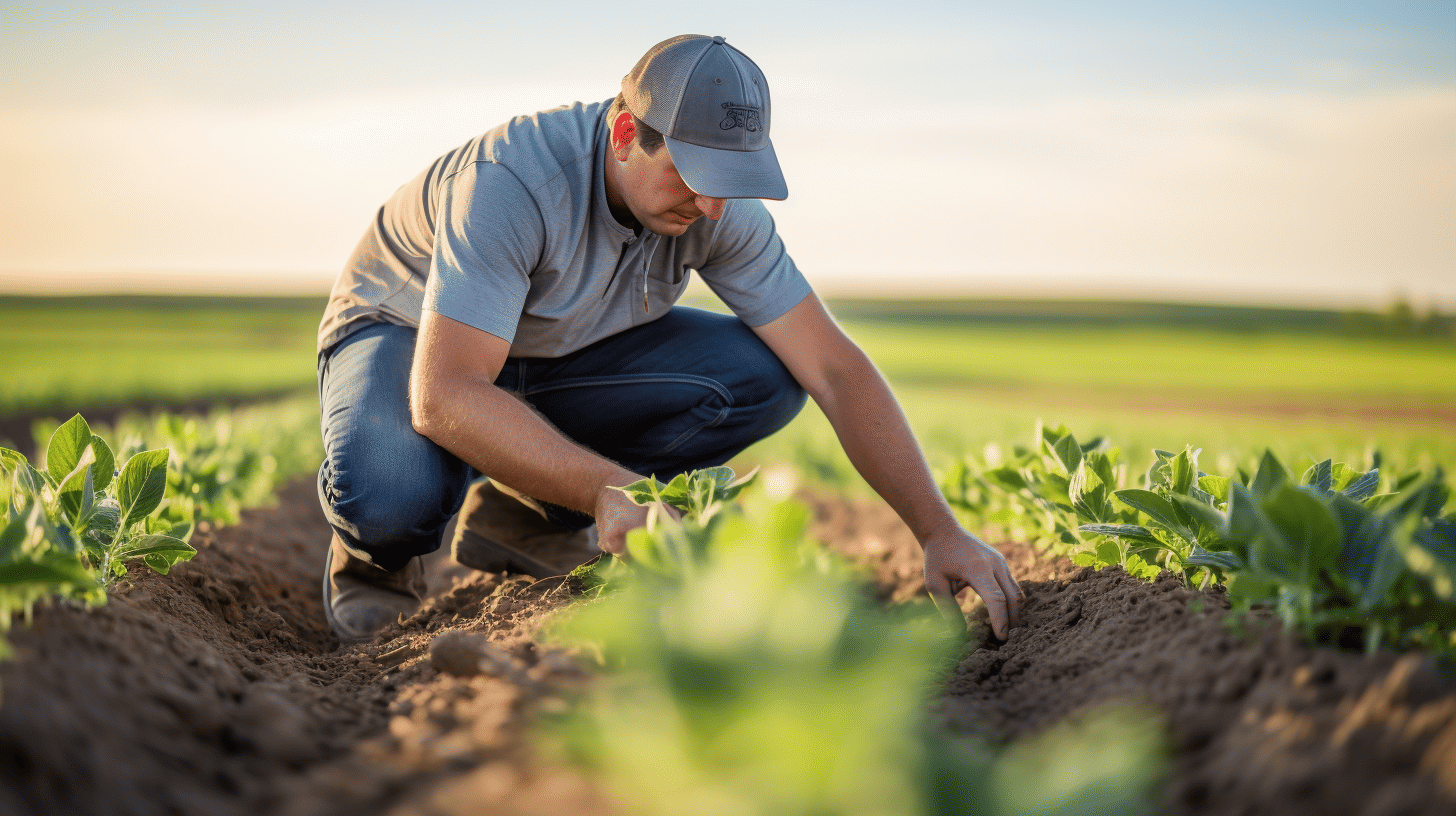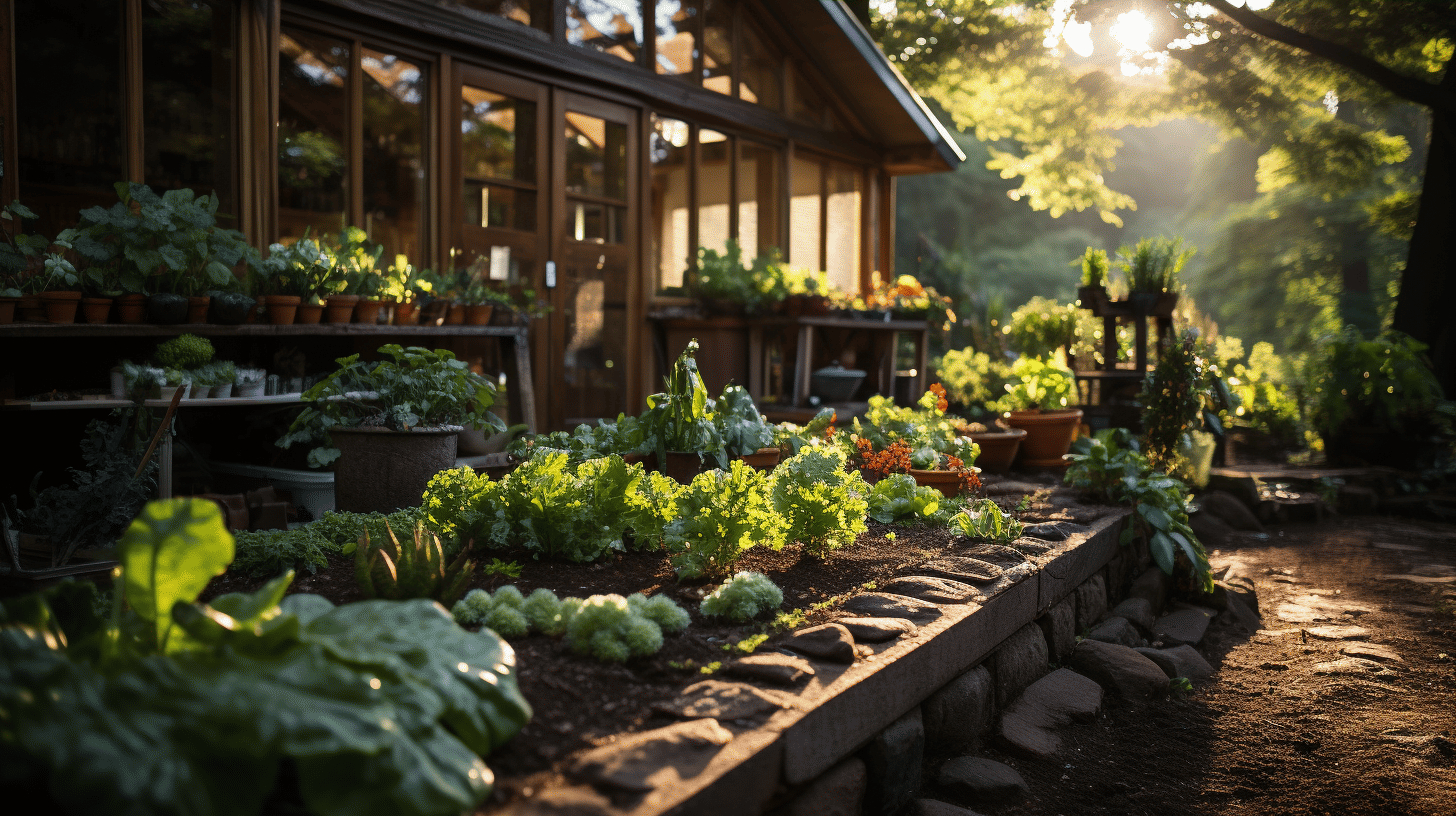
When it comes to sustainable soil management, permaculture principles offer a comprehensive and holistic approach. With an emphasis on regenerative practices and ecological harmony, permaculture provides a framework for nurturing and revitalizing our soil, while creating resilient and self-sustaining agricultural systems.
Permaculture goes beyond traditional farming methods by adopting a whole-system design approach that mimics the patterns and resilience of natural ecosystems. The aim is to create a harmonious and symbiotic relationship between humans and the environment, where the health of the soil is prioritized as the foundation for thriving agricultural systems.
In this article, we will explore the key principles of permaculture for sustainable soil management. From organic mulching and crop rotation to minimizing soil disturbance and enhancing soil organic matter, we’ll delve into the practical strategies and techniques that can be implemented to improve soil health and foster long-term sustainability. So, let’s dig in and discover the power of permaculture in cultivating healthy soils that support thriving plant life and contribute to a more sustainable future.
Organic Mulching for Soil Health
Introduction:
Organic mulching is a well-established practice in permaculture that plays a crucial role in soil management. It involves covering the soil with various organic materials to enhance its health and fertility. By implementing organic mulching techniques, gardeners and farmers can improve soil structure, moisture retention, and nutrient availability, leading to healthier plants and higher yields. In this section, we will explore the benefits of organic mulching and the different materials commonly used in this practice.
Benefits of Organic Mulching:
Organic mulching offers several significant benefits for soil health and plant growth. Here are some key advantages:
- Moisture Retention: Mulch acts as a protective layer on the soil surface, reducing evaporation and helping to retain moisture. This is especially crucial in hot and arid climates where water conservation is a priority. By preserving soil moisture, organic mulch helps prevent drought stress in plants and reduces the need for frequent irrigation.
- Weed Suppression: Another advantage of organic mulch is its ability to suppress weeds. By blocking sunlight from reaching weed seeds, mulch inhibits their germination and growth. This natural weed control method reduces the competition for nutrients and water, allowing crops and desired plants to thrive without interference.
- Temperature Regulation: Organic mulch acts as an insulating layer, helping to regulate soil temperature throughout the year. In the summer, the mulch protects the soil from excessive heat, keeping it cooler and preventing heat stress in plant roots. In the winter, mulch acts as a barrier against cold temperatures, providing insulation and protecting plants from frost damage.
- Improved Soil Structure: Continuous organic mulching can significantly improve soil structure over time. As the organic materials break down, they contribute to the formation of stable soil aggregates. These aggregates enhance soil porosity, allowing better airflow and water infiltration. Improved soil structure also promotes root development and encourages beneficial soil microorganisms.
Common Organic Mulching Materials:
Various organic materials can be used for mulching, depending on availability, purpose, and specific requirements. Here are some commonly used organic mulching materials:
- Straw: Straw is a popular choice for mulching since it is readily available, affordable, and breaks down relatively slowly. It works well for suppressing weeds and conserving soil moisture.
- Wood Chips: Wood chips are a versatile mulching material that decomposes gradually, making them suitable for long-term use. They help retain moisture, regulate temperature, and create a favorable environment for soil organisms.
- Compost: Compost is an excellent organic mulch that not only enriches the soil with nutrients but also provides a beneficial environment for beneficial bacteria and fungi. It helps improve soil structure, moisture retention, and nutrient availability.
- Crop Residues: Leftover crop residues, such as wheat straw or corn stalks, can be recycled and used as mulch. They provide good weed suppression and contribute to soil organic matter, enhancing soil health over time.
Incorporating organic mulching into your gardening or farming practices can help promote healthy soil and build a sustainable ecosystem. By utilizing the natural benefits of organic mulch, you can create optimal conditions for plant growth while minimizing the use of synthetic chemicals and fertilizers.
Building Organic Matter and Nutrient Cycling
Permaculture practices prioritize building up organic matter in the soil to enhance soil health and fertility. One of the key principles of permaculture is to work in harmony with nature, and this includes nurturing the soil ecosystem. By focusing on organic matter and nutrient cycling, permaculture enthusiasts can create a sustainable and thriving gardening system.
There are several ways to build organic matter in the soil:
- Compost: Composting is the process of breaking down organic materials, such as kitchen scraps, yard waste, and animal manure, into nutrient-rich humus. Adding compost to the soil helps improve its structure, moisture retention, and nutrient content. It also encourages the growth of beneficial microorganisms.
- Cover Crops: Another effective method to increase organic matter and improve soil fertility is by growing cover crops. These are fast-growing plants that are sown between harvests or during fallow periods. Cover crops, like legumes or grasses, help prevent erosion, fix nitrogen in the soil, and provide organic matter when they are turned back into the soil.
- Organic Mulch: Using organic mulch, such as straw, wood chips, or shredded leaves, is a practical way to retain moisture in the soil and promote decomposition. Mulch helps regulate soil temperature, suppresses weed growth, and provides a slow and steady release of nutrients as it breaks down.
By adopting these practices, permaculturists can reap numerous benefits, such as:
- Increased soil fertility: The addition of organic matter improves soil structure and nutrient availability, creating a fertile environment for plants to thrive.
- Enhanced water retention: Organic matter acts as a sponge, absorbing and holding water in the soil. This reduces water runoff and helps to prevent erosion.
- Improved nutrient cycling: Organic matter supports the growth of beneficial microorganisms, which break down nutrients and make them available to plants.
- Reduced reliance on synthetic fertilizers: Building organic matter in the soil reduces the need for chemical fertilizers, making gardening more sustainable and environmentally friendly.
To sum it up, permaculture practices emphasize the importance of building organic matter in the soil and promoting efficient nutrient cycling. Adding compost, turning in cover crops, and using organic mulch are effective strategies to achieve this, resulting in improved soil fertility and a vibrant and thriving garden ecosystem.
Crop Rotation for Soil Health
Have you ever wondered how farmers maintain healthy soil year after year? One essential technique they use is crop rotation. This tried-and-true method involves alternating the types of crops grown in a particular field from one season to the next. But what exactly does crop rotation do, and why is it so beneficial for soil health?
Why Crop Rotation Matters
Crop rotation is a key principle in permaculture for soil management. By rotating crops, farmers mimic natural diversity and reduce soil-borne diseases and pests. This practice has been used for centuries, and for good reason. Here are some of the key reasons why crop rotation is crucial for soil health:
- Breaks Disease and Pest Cycles: Different crops have varying nutrient requirements, growth habits, and susceptibility to pests and diseases. By rotating crops, farmers disrupt the life cycles of harmful pathogens and pests, reducing their impact on the soil and subsequent crop yields.
- Improves Soil Fertility: Different crops have different nutrient demands. For example, legumes, such as beans and peas, have the unique ability to fix nitrogen from the atmosphere into the soil. When legumes are included in the crop rotation, they enrich the soil with nitrogen, benefiting subsequent crops that require this essential nutrient. By diversifying the crops grown and their nutrient needs, crop rotation helps mitigate nutrient depletion and maintain soil fertility.
- Reduces Soil Erosion: Certain crops, such as deep-rooted plants like corn or cover crops like rye, help anchor the soil and prevent erosion. By including these crops in the rotation, farmers can protect the topsoil from being washed away by rainfall or wind, preserving its structure and nutrient content.
Practical Crop Rotation Strategies
Implementing a successful crop rotation plan requires careful consideration of factors such as climate, soil type, and crop compatibility. Here are a few popular crop rotation strategies that can be adapted to different farming systems:
1. Traditional Crop Rotation: This classic method involves dividing the field into categories, such as legumes, vegetables, cereals, and fallow periods. Each year, the crops are rotated within these categories to avoid planting the same type of crop in the same spot consecutively.
2. Three-Field Crop Rotation: A variation of the traditional method, this strategy divides the field into three sections. Each year, the crops are rotated between the sections, with one section lying fallow or planted with a cover crop. This rotation allows for better nutrient management, pest control, and soil improvement.
3. Intercropping: Intercropping involves growing two or more crops simultaneously on the same piece of land. This practice maximizes land usage efficiency, enhances biodiversity, and reduces the risk of crop failure.
Harness the Power of Crop Rotation
As farmers strive to maintain healthy and productive soil, crop rotation remains a valuable tool in their arsenal. By diversifying crops, reducing disease and pest pressure, improving soil fertility, and preventing erosion, crop rotation nurtures the foundation of agricultural success – healthy soil.
So the next time you spot a beautifully diverse field of crops, remember that it’s not just for aesthetic appeal. It’s a strategic move to ensure the longevity and productivity of the soil beneath our feet.
Minimizing Soil Disturbance
Soil is the foundation of our agricultural systems, providing essential nutrients and support for plant growth. It is crucial to prioritize the health and preservation of our soil to ensure sustainable and productive farming practices. One way to achieve this is by minimizing soil disturbance.
Why is minimizing soil disturbance important?
1. Preserving Soil Structure
When we disturb the soil through activities such as tilling, digging, or intensive plowing, we disrupt the delicate structure of the soil. Soil structure refers to the arrangement of individual soil particles and the spaces between them. Maintaining a good soil structure is vital for several reasons:
- It facilitates water infiltration and drainage, preventing waterlogging and soil erosion.
- It allows for proper air circulation, ensuring the survival of beneficial soil organisms.
- It provides a stable foundation for plant root growth, enabling plants to access nutrients effectively.
2. Reducing Erosion
Soil erosion is a significant challenge faced by many farmers worldwide. The repeated movement of soil particles due to erosion can lead to the loss of topsoil, which contains the majority of nutrients required for plant growth. By minimizing soil disturbance, we can greatly reduce the risk of erosion. Keeping the soil intact helps to maintain soil structure and prevent erosion caused by wind or water.
3. Promoting Soil Health
Intensive soil disturbance can disrupt the delicate balance of soil microorganisms and other beneficial organisms that contribute to soil health. By minimizing disturbances, we provide a stable environment for these organisms to thrive, leading to healthier soil overall. Healthy soil is essential for nutrient cycling, water retention, and disease suppression, enhancing plant productivity and resilience.
How can we minimize soil disturbance?
Permaculture emphasizes the importance of not disturbing the soil. Here are some practices to consider for minimizing soil disturbance:
- No-till farming: Instead of traditional plowing or tilling, no-till farming involves leaving the soil undisturbed and planting crops directly into the previous year’s residue or cover crops. This practice helps to preserve soil structure, reduce erosion, and retain moisture.
- Mulching: Applying organic mulch, such as straw, wood chips, or compost, on the soil surface helps to protect it from erosion, conserve moisture, and regulate soil temperature, all while providing organic matter to improve soil fertility.
- Cover cropping: Planting cover crops during fallow periods or between cash crops helps to keep the soil covered and protected, preventing erosion and providing additional organic material when incorporated into the soil.
- Crop rotation: Rotating crops each season can help break pest and disease cycles while improving soil health. It can minimize the need for chemical inputs and reduce the risk of nutrient depletion in the soil.
By adopting these practices, farmers can minimize soil disturbance and contribute to the long-term health and productivity of their agricultural systems. Let’s protect our soil, the precious resource that sustains us all.
Perennial Crops and Native Species
Permaculture practices prioritize the use of perennial crops and native species to ensure long-term sustainability and ecological balance. By incorporating these essential elements into our agricultural practices, we can maintain the health of our soil and promote biodiversity.
Perennial Crops:
Perennial crops are plants that have a lifespan of more than two years. Unlike annual crops that need to be replanted every year, perennial crops offer a range of benefits that make them a valuable addition to any sustainable farming system:
- Sustainable Use of Resources: Perennial crops require less input in terms of water, fertilizers, and pesticides compared to annual crops. Their deep root systems make them more resilient to drought and allow them to access nutrients from deeper soil layers.
- Soil Health: Perennial crops play a crucial role in improving soil health. Their root systems help to increase organic matter, enhance soil structure, and prevent erosion. This leads to the improved capacity of the soil to retain water and nutrients, making it more productive in the long run.
- Carbon Sequestration: Perennial crops have the ability to sequester carbon from the atmosphere and store it in the soil. This helps mitigate the effects of climate change by reducing greenhouse gas emissions.
Native Species:
In addition to perennial crops, permaculture practices emphasize the use of native species in food production and landscaping. Native species refer to the plants that naturally occur in a particular region and have adapted to the local climate, soil conditions, and wildlife interactions. Here are some reasons why native species are crucial for sustainable farming:
- Biodiversity Conservation: Native species provide habitat for local wildlife, including pollinators and beneficial insects. By incorporating native plants into our farms and gardens, we create a more diverse and resilient ecosystem that supports a range of species.
- Water Conservation: Native species are well adapted to local rainfall patterns and soil conditions, reducing the need for excessive irrigation. Their deep root systems can also help prevent water runoff and erosion, improving water quality and availability.
- Pest and Disease Resistance: Native species have evolved alongside local pests and diseases, making them more resilient to attacks. By growing native plants, we can reduce the reliance on synthetic pesticides and promote a healthier and more balanced ecosystem.
By integrating perennial crops and native species into our agricultural practices, we can not only ensure our food production is sustainable but also contribute to the preservation of our environment and the well-being of our communities. It is a holistic approach that takes into consideration the long-term effects of our actions on the land and strives to create a harmonious relationship between humans and nature.
Enhancing Soil Organic Matter
When it comes to cultivating a thriving garden or farm, building and maintaining healthy soil is crucial. One way to achieve this is by enhancing soil organic matter. Soil organic matter is the organic material derived from plants, animals, and microorganisms that has decomposed and become incorporated into the soil. It plays a vital role in soil fertility, structure, water-holding capacity, and overall ecosystem health.
Permaculture techniques offer valuable strategies for enhancing soil organic matter. Let’s take a closer look at one such technique: biointensive micro-gardening. This method focuses on maximizing productivity in small spaces while minimizing resource inputs. As a result, it not only produces an abundance of food but also nurtures the soil.
Benefits of Biointensive Micro-Gardening in Enhancing Soil Organic Matter
Biointensive micro-gardening employs several practices that contribute to the accumulation and modification of organic matter in the soil. Some of the benefits of this technique include:
- Composting: In biointensive micro-gardening, composting plays a pivotal role. By recycling organic waste and turning it into nutrient-rich compost, gardeners can replenish organic matter in the soil. As compost decomposes, it releases essential nutrients, increases microbial activity, and improves soil structure.
- Cover cropping: Another practice used in biointensive micro-gardening is cover cropping. Cover crops, such as legumes or grasses, are grown specifically to protect and enrich the soil. These crops add organic matter to the soil when they’re turned or mulched into the top layer, helping to build soil structure and promote nutrient cycling.
- Mulching: Mulching involves covering the soil surface with organic materials, such as straw or wood chips. This practice helps retain moisture, regulates soil temperature, suppresses weed growth, and prevents erosion. Over time, the mulch decomposes and contributes to the organic matter content of the soil.
- Crop rotation: To prevent soil depletion and minimize disease and pest issues, biointensive micro-gardeners often rotate their crops. This practice involves alternating different plant families in specific locations over time. Crop rotation helps maintain soil fertility and balance nutrient levels, resulting in improved soil health and increased organic matter content.
By implementing biointensive micro-gardening techniques, gardeners can enhance soil organic matter storage and modify the distribution of organic matter in soil aggregate fractions. This leads to more productive and sustainable gardens while promoting a healthier environment. So why not give it a try and watch your soil come alive? Your plants will thank you for it!
“Building soil organic matter is like a savings account – you have to make deposits to build the balance.” – Elaine Ingham
Regenerative Agriculture and Permaculture
Regenerative agriculture and permaculture are two holistic systems that have gained significant popularity in recent years. These practices aim to reduce dependence on external inputs and improve soil health, leading to more sustainable and resilient agricultural systems. By working with nature, regenerative agriculture and permaculture offer a range of benefits that can positively impact both the environment and farming communities.
Sustainable Water Conservation
One of the core principles of regenerative agriculture and permaculture is the conservation of water resources. These practices emphasize the importance of capturing and efficiently using rainfall and irrigation water. By implementing strategies such as rainwater harvesting, swales, and contouring, farmers can maximize water retention in the soil and minimize water runoff. This not only helps to mitigate water scarcity challenges but also contributes to the overall health and vitality of the ecosystem.
Organic Fertilizers
Another key aspect of regenerative agriculture and permaculture is the use of organic fertilizers. Unlike conventional farming methods that rely on synthetic chemicals, regenerative practices focus on natural inputs such as compost, manure, and cover crops. These organic fertilizers enrich the soil with essential nutrients, improve its structure, and promote the growth of beneficial microorganisms. As a result, farmers can reduce their reliance on chemical fertilizers, which often contribute to water pollution and soil degradation.
Soil Management
Healthy soil is at the heart of regenerative agriculture and permaculture. These practices prioritize soil conservation and enhancement techniques to build and maintain fertile soils. By adopting methods like cover cropping, crop rotation, and minimum tillage, farmers can improve soil structure, prevent erosion, and promote the retention of organic matter. This not only leads to increased agricultural productivity but also enhances the resilience of the ecosystem by providing habitat for beneficial organisms and sequestering carbon.
Incorporating regenerative agriculture and permaculture principles into farming systems offers numerous benefits, including increased biodiversity, improved water quality, reduced greenhouse gas emissions, and enhanced ecosystem services. Moreover, these practices can also help farmers adapt to the challenges posed by climate change and achieve long-term sustainability. By working in harmony with nature and adopting regenerative practices, we can pave the way for a more resilient and environmentally friendly future.
Feeding the Soil with Permaculture Methods
When it comes to gardening or farming, one of the most critical factors for success is the health of the soil. Healthy soil not only provides essential nutrients for plants but also supports a thriving ecosystem of beneficial microorganisms. Permaculture methods offer a holistic approach to soil management, utilizing techniques such as composting, no-till farming, and companion planting. These practices not only nourish the soil but also contribute to its long-term fertility and sustainability.
Composting: Feeding the Soil Naturally
Composting is a cornerstone of permaculture methods, and for good reason. It is a natural way to recycle organic matter and create nutrient-rich soil amendments. By collecting kitchen scraps, yard waste, and other organic materials, gardeners can create their own compost pile or bin. As the organic matter breaks down, beneficial microorganisms, such as bacteria and fungi, break it down into nutrient-rich humus.
Compost can be added to garden beds, used as a top dressing for existing plants, or incorporated into potting mixes for containers. Not only does compost provide essential nutrients for plants, but it also improves the soil structure, enhances moisture retention, and encourages the growth of beneficial soil organisms. It’s a win-win situation for both the plants and the environment.
No-Till Farming: Preserving Soil Structure
Traditional farming often involves plowing and tilling the soil, which can disrupt its structure and lead to erosion. In contrast, no-till farming is a permaculture method that aims to minimize soil disturbance. Instead of plowing, farmers use techniques such as direct seeding or planting cover crops. By leaving the soil undisturbed, it allows the natural ecosystem within the soil to flourish.
The benefits of no-till farming extend beyond soil health. It also helps to reduce water runoff, conserve moisture, and minimize weed growth. Moreover, by preserving the soil structure, no-till farming promotes long-term soil fertility and reduces the need for chemical fertilizers. It’s a sustainable approach that benefits both the farmer and the environment.
Companion Planting: Building Healthy Plant Communities
Companion planting is a practice where different plants are grown together to maximize benefits and minimize the drawbacks. In permaculture, companion planting is strategically used to create a healthy plant community that supports one another’s growth and well-being. Some plants can improve the soil by fixing nitrogen, while others repel pests or attract beneficial insects.
For example, planting nitrogen-fixing legumes, such as beans or peas, alongside heavy feeders like tomatoes or cucumbers, can provide a natural source of nitrogen for the other plants. Additionally, marigolds are known to repel pests like nematodes and attract pollinators. By carefully selecting plant combinations, gardeners can create a thriving ecosystem that fosters soil health and plant resilience.
In conclusion, permaculture methods like composting, no-till farming, and companion planting are valuable tools in feeding the soil and maintaining its health. These practices not only enrich the soil with essential nutrients but also promote the growth of beneficial microorganisms and improve soil fertility. By adopting these techniques, both gardeners and farmers can create sustainable and thriving ecosystems in their gardens and fields.
Organic Practices for Resilient Farms
Permaculture farms have gained significant attention in recent years for their sustainable and regenerative practices. These farms prioritize organic methods and place a strong emphasis on soil health. By implementing a variety of organic practices, permaculturists create resilient and self-sustaining agricultural systems that contribute to the overall health of the environment.
When it comes to organic farming, there are several key practices that permaculture farms employ. Let’s take a closer look at some of these methods:
- Companion Planting: One popular technique used in permaculture farming is companion planting. This involves strategically planting different crops together to enhance growth and repel pests. For example, planting marigolds alongside tomatoes helps deter nematodes, while growing basil near cucumbers can prevent aphids from infesting the crop. By utilizing companion planting, permaculturists create a balanced and diverse ecosystem within their farms.
- Cover Crops: Another important practice is the use of cover crops. Cover crops are typically planted during the off-season to cover and protect the soil. These crops help prevent weed growth, reduce erosion, and add nutrients back into the soil when they are later incorporated. For instance, legumes like clover or vetch are often used as cover crops because they fix nitrogen in the soil, benefiting future crops. By incorporating cover crops into their farming system, permaculturists improve soil fertility and prevent nutrient depletion.
- Organic Fertilizers: Permaculture farms also rely on organic fertilizers to nourish the soil and provide essential nutrients to their crops. Instead of using synthetic chemical fertilizers, organic farmers focus on utilizing natural sources such as compost, manure, and plant-based materials. These organic fertilizers enrich the soil microbiome, improve soil structure, and promote healthy plant growth. By avoiding harmful chemicals, permaculturists maintain a balanced ecosystem that supports biodiversity and minimizes environmental impact.
In summary, permaculture farms embrace organic practices to cultivate resilient and sustainable agricultural systems. Companion planting, cover crops, and the use of organic fertilizers are just a few examples of the methods employed to enhance soil health and promote ecological balance. By adopting these organic practices, permaculturists showcase the positive impact of agriculture on both the environment and community.
Preventing Soil Erosion
Soil erosion is a significant challenge that farmers and gardeners face, as it can deplete the fertility of the land and negatively impact the environment. However, implementing effective prevention techniques can help mitigate this problem, restoring and preserving healthy soil for sustainable farming practices. In permaculture, there are several methods that can be employed to prevent soil erosion and optimize water infiltration. Let’s take a closer look at two of these techniques: terracing and contour farming.
Terracing
Terracing involves creating level platforms on sloping land by constructing raised beds or retaining walls. This technique is particularly effective in areas with steep slopes, where water runoff can easily cause erosion. By implementing terraces, farmers create multiple flat surfaces that help slow down the flow of water, preventing excessive erosion. Here are some benefits of terracing:
- Reduced erosion: The stepped structure of terraces minimizes the velocity of water runoff, reducing the potential for erosion to occur. This is especially important in areas prone to heavy rainfall or strong winds.
- Improved water retention: Terraces create small dams that retain water, allowing it to infiltrate the soil gradually. This helps recharge the groundwater level and ensures that plants have access to moisture for extended periods, even during dry spells.
Contour Farming
Contour farming is another effective method for preventing soil erosion. It involves planting crops across the slope rather than up and down. By following the contours of the land, farmers create ridges and furrows that act as barriers, slowing down the movement of runoff water. Here are some advantages of contour farming:
- Reduced runoff: When crops are planted across the slope, the ridges and furrows intercept and hold the water, preventing it from flowing downhill and carrying away valuable topsoil. This significantly decreases the risk of erosion.
- Enhanced water infiltration: By creating furrows, contour farming facilitates better water infiltration into the soil. The ridges help break the flow of water, allowing it to be absorbed by the earth, replenishing groundwater levels and nourishing plant roots.
Both terracing and contour farming are valuable tools in preventing soil erosion and improving water infiltration in permaculture practices. By implementing these techniques, farmers can safeguard their land, preserve soil fertility, and create a sustainable environment for future cultivation.
Learn more about permaculture techniques and its impact on soil erosion prevention.
Sustainable Agriculture and Biodiversity
Biodiversity is essential for maintaining the health and productivity of ecosystems. It refers to the variety of plants, animals, and microorganisms that coexist in a particular habitat. Sustainable agriculture aims to preserve and enhance biodiversity while ensuring long-term food production. By adopting sustainable agricultural practices, farmers can minimize their impact on the environment and promote biodiversity conservation.
One approach that integrates sustainable agricultural practices with biodiversity conservation is permaculture. Permaculture is a design system that mimics the patterns and relationships found in natural ecosystems. It emphasizes the use of diverse plant species, the promotion of beneficial insects and wildlife, and the implementation of organic farming techniques.
Permaculture has numerous benefits for both the environment and farmers. Here are some key points to consider:
- Promoting Biodiversity: Permaculture encourages the cultivation of a wide variety of crops, including heirloom and indigenous species. This diversity contributes to the preservation of plant genetic resources and enhances ecosystem resilience. By creating habitats that attract beneficial insects and wildlife, permaculture also helps to maintain a balanced ecosystem.
- Soil Health and Fertility: Permaculture focuses on building healthy soils by using sustainable practices such as composting, mulching, and cover cropping. These techniques improve soil structure, retain moisture, and enhance nutrient cycling. Healthy soils not only support plant growth but also provide habitat for beneficial organisms such as earthworms and beneficial bacteria.
- Natural Pest Control: Permaculture employs various strategies to manage pests without relying on synthetic chemical inputs. By promoting biodiversity, natural pest control mechanisms are encouraged. For example, companion planting can attract beneficial insects that prey on pests, reducing the need for chemical pesticides.
- Water Conservation: Permaculture design incorporates water harvesting techniques such as rainwater collection, contour swales, and mulching. These practices help to conserve water and minimize soil erosion. By ensuring the efficient use of water resources, permaculture contributes to sustainable agriculture and reduces the strain on freshwater ecosystems.
- Resilient Farming Systems: Permaculture systems are designed to be resilient and adaptable to changing environmental conditions. The diversity of crops and techniques used enhances the farm’s ability to withstand pests, diseases, and extreme weather events. This resilience is crucial for ensuring food security in the face of climate change and other challenges.
By implementing permaculture principles and other sustainable agricultural practices, farmers can contribute to the conservation of biodiversity while maintaining productivity and profitability. As consumers, we can support sustainable agriculture by choosing organic and locally grown produce, supporting farmers who adopt sustainable practices, and advocating for policies that promote biodiversity conservation. Together, we can work towards a more sustainable and biodiverse agricultural future.
Internal Link: To learn more about the benefits of organic farming, check out this article on the advantages of organic agriculture.
Conclusion
In conclusion, incorporating permaculture principles into soil management practices can bring about significant benefits for sustainable agriculture. By implementing organic mulching techniques, building organic matter, practicing crop rotation, minimizing soil disturbance, and utilizing perennial crops and native species, farmers can enhance soil health and resiliency. Additionally, regenerative agriculture and permaculture methods offer promising solutions for feeding the soil and promoting biodiversity on farms.
At Regenerative Agriculture Wiki, we are passionate about promoting sustainable farming practices and providing resources for individuals seeking to learn more about regenerative agriculture. Our platform offers a wealth of information on topics such as soil health, holistic management, permaculture, and agroecology. Join us on our journey towards a future where agriculture and ecology thrive in harmony. Explore our comprehensive guides, tips, and insights to discover the potential of regenerative agriculture and make a positive impact on the environment.
Visit Regenerative Agriculture Wiki to dive deeper into the world of regenerative agriculture and be part of a community committed to nurturing the planet and ensuring food security for future generations. Together, let’s create a sustainable and regenerative future.
Frequently Asked Questions
- What is permaculture?
Permaculture is a holistic design approach that aims to create sustainable and self-sufficient systems by mimicking patterns and relationships found in nature.
- What are the principles of permaculture?
The principles of permaculture include observing and interacting, catching and storing energy, obtaining a yield, applying self-regulation and accepting feedback, using and valuing renewable resources, producing no waste, designing from patterns to details, integrating and using diversity, using edges and valuing the marginal, and creatively using and responding to change.
- How can permaculture principles be applied to soil management?
Permaculture principles can be applied to soil management by practicing techniques such as composting, mulching, cover cropping, companion planting, and rotational grazing. These methods help improve soil fertility, water retention, and biodiversity.
- What are the benefits of using permaculture principles for sustainable soil management?
Using permaculture principles for sustainable soil management helps build healthy and fertile soil, reduces erosion and nutrient runoff, increases water infiltration and retention, promotes beneficial soil microorganisms, and reduces the need for chemical inputs.
- Can permaculture principles be applied to any type of soil?
Yes, permaculture principles can be applied to any type of soil. The techniques used in permaculture are adaptable and can be modified to suit different soil types and conditions, allowing for sustainable soil management in various environments.