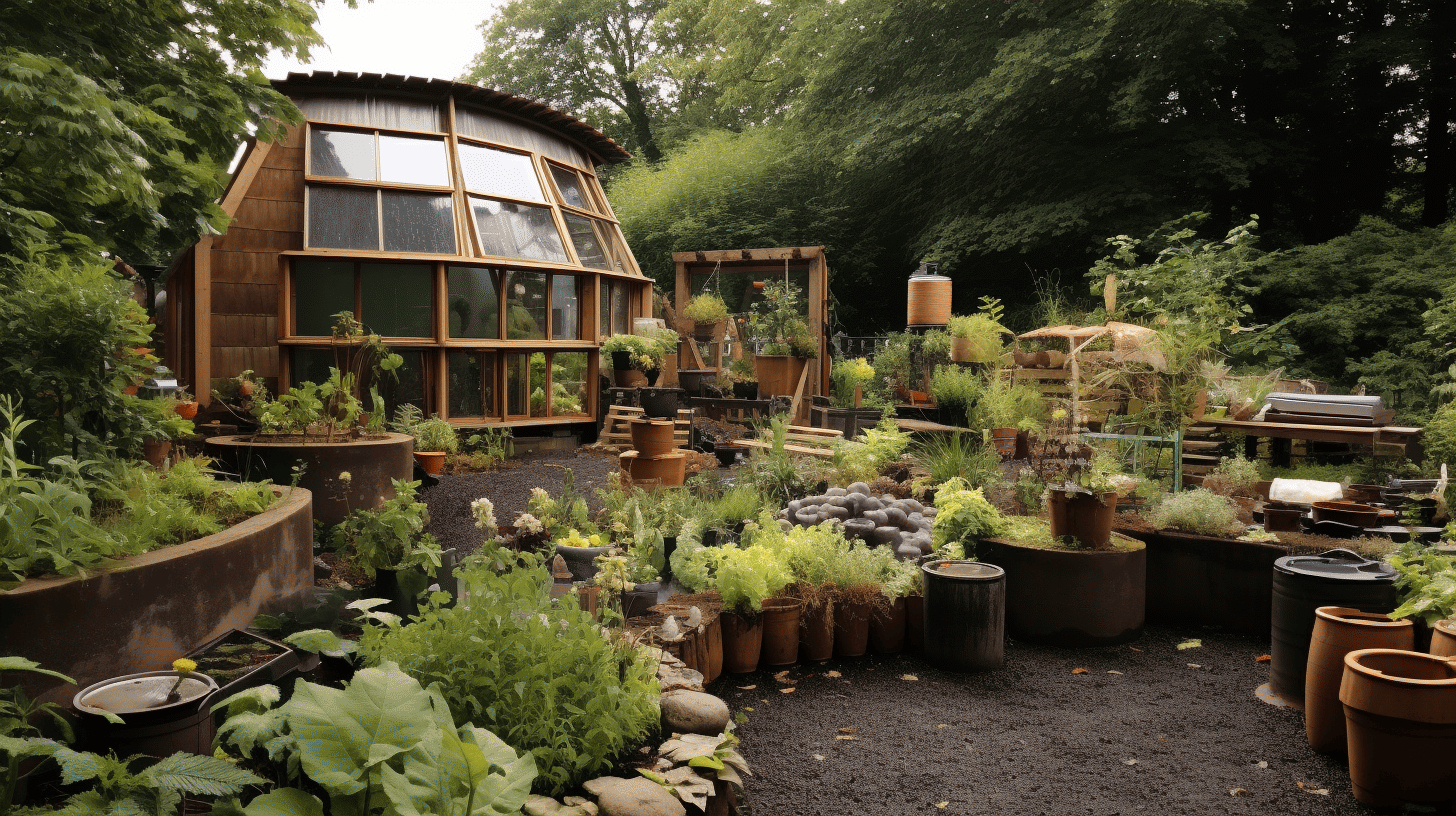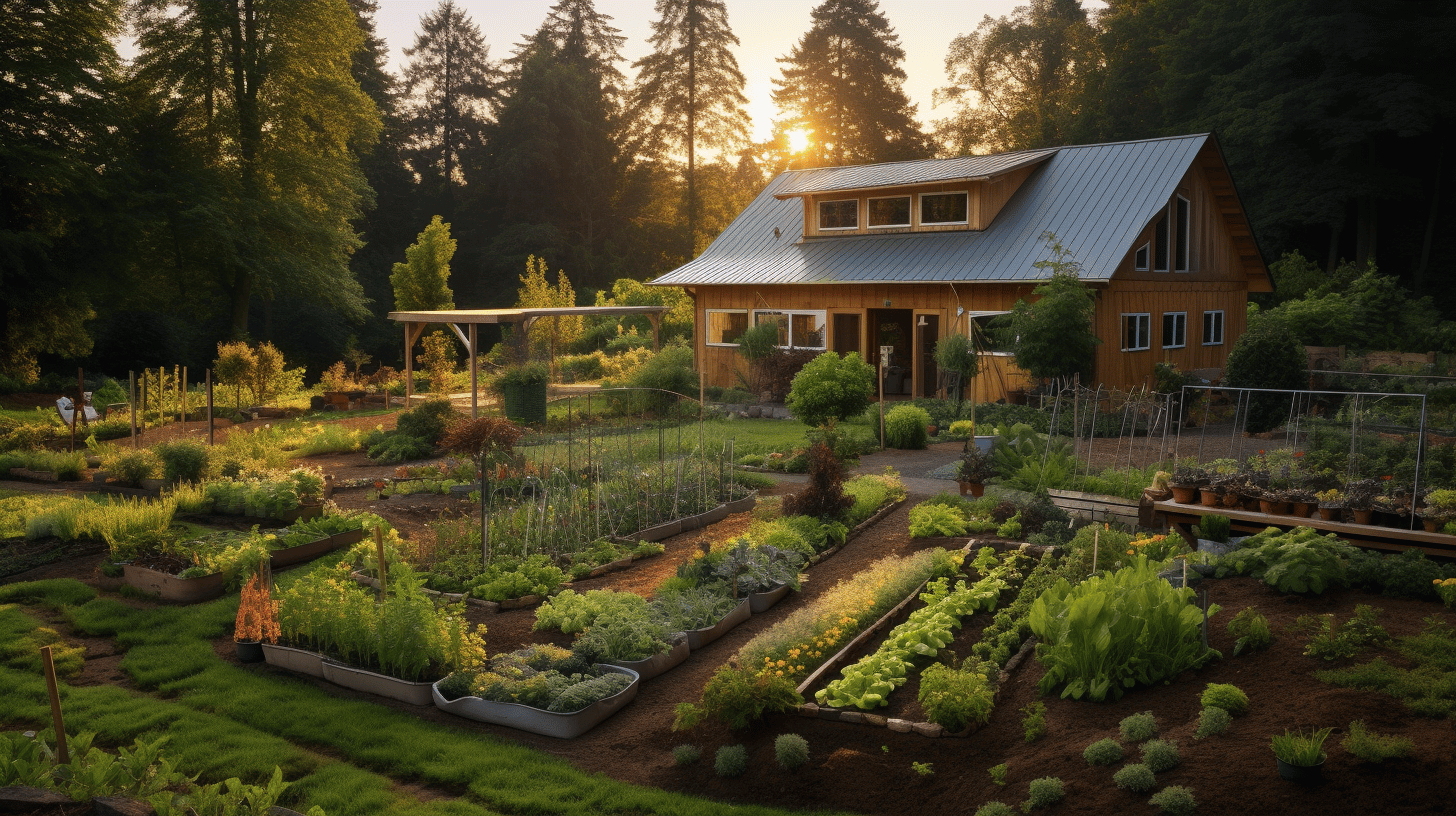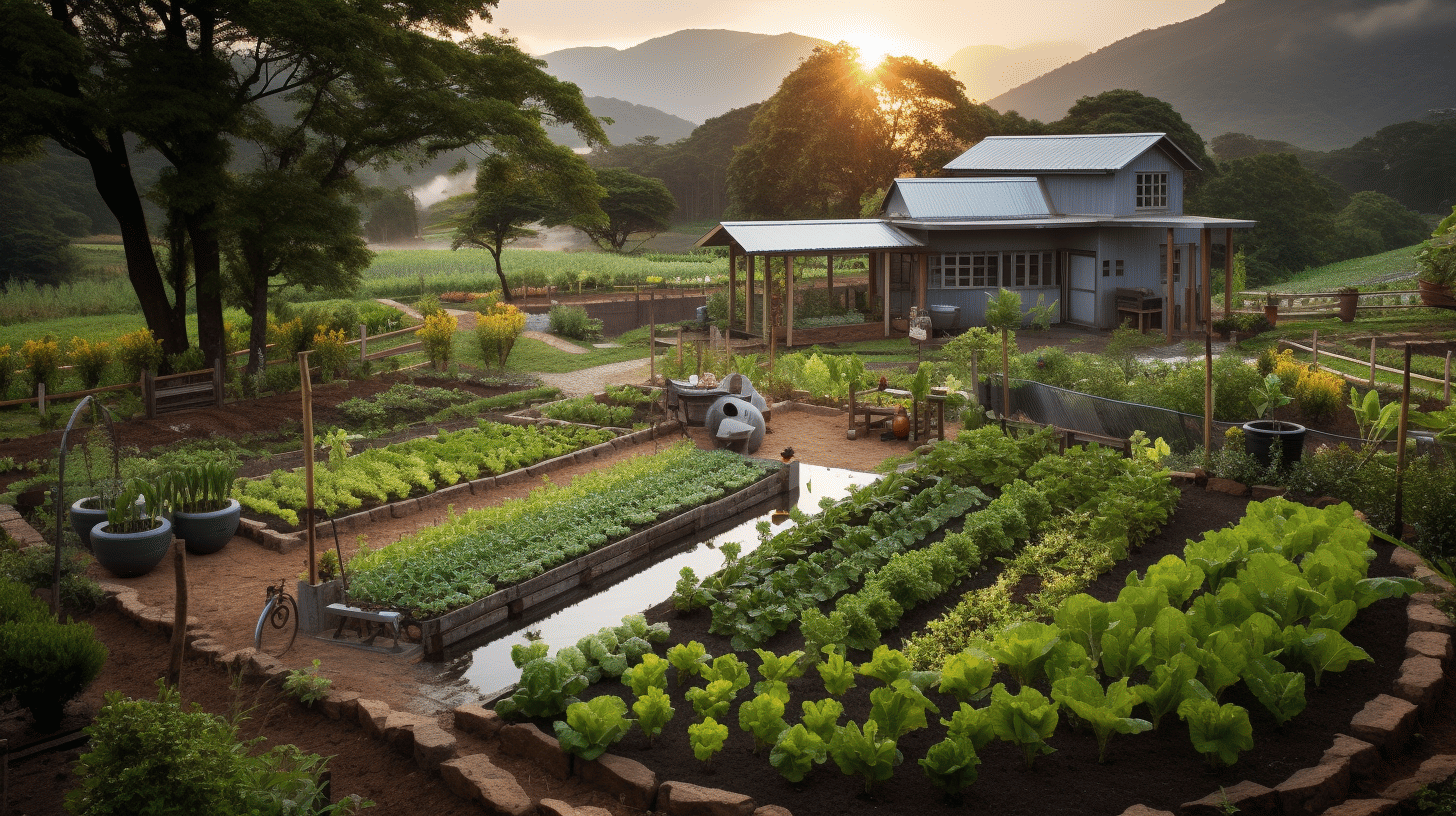
In an era marked by growing concerns about climate change and environmental degradation, the adoption of sustainable farming practices has become a pressing priority for agricultural industries worldwide. Traditional farming methods, often reliant on chemicals and intensive land use, have been shown to have detrimental effects on soil health, biodiversity, and water resources. As a result, the search for alternative approaches that prioritize long-term ecological balance has intensified.
One such approach gaining recognition is permaculture. Permaculture offers a holistic and regenerative system that seeks to maximize sustainability by mimicking natural ecosystems. By designing farming systems that work in harmony with nature, permaculture holds the potential to transform the way we approach food production.
In this article, we will delve into the world of permaculture and explore its relationship with sustainable farming practices. We will delve into the definition and principles of permaculture, investigate the impact of permaculture on farm sustainability, and examine its benefits and challenges within the agricultural context. Additionally, we will showcase several successful permaculture farms to demonstrate its potential in real-world applications.
Join us on this enlightening journey as we uncover the transformative power of permaculture in maximizing sustainability and reshaping the future of farming.
Understanding Permaculture
Permaculture is more than just a buzzword in the world of sustainable living. It’s a holistic approach to designing and cultivating systems that mimic nature’s patterns and functions. With a focus on harmonious relationships among people, the environment, and resources, permaculture embodies principles that can guide us towards a regenerative future.
Definition of Permaculture
At its core, permaculture is a combination of two words: permanent and agriculture. However, it encompasses much more than just sustainable farming practices. Permaculture applies the principles of ecology and natural systems to create resilient and self-sustaining environments, whether they are gardens, farms, or entire communities.
Permaculture is all about working with nature rather than against it. By observing and imitating natural ecosystems, permaculturists aim to create spaces that are abundant, productive, and in balance with the surrounding environment. It’s about finding ways to meet our needs while regenerating and preserving the Earth’s resources for future generations.
Principles of Permaculture
Permaculture is guided by a set of principles that serve as a framework for sustainable decision-making and design. These principles are flexible and can be applied to various contexts, from individual gardens to larger-scale projects. Let’s take a look at some of the key principles:
- Observe and interact: Before taking any action, it’s crucial to spend time observing and understanding the natural environment, climate, and patterns of the land. By doing so, we can make more informed decisions about how to interact and intervene in a way that aligns with nature’s processes.
- Catch and store energy: Permaculture seeks to harness and utilize energy from different sources, such as the sun, wind, and water. By capturing and effectively storing energy, we can reduce our reliance on non-renewable resources and promote sustainable energy practices.
- Obtain a yield: In permaculture, productivity is essential. Designing systems that generate a surplus of food, water, and other resources helps ensure long-term sustainability and self-sufficiency.
- Apply self-regulation and accept feedback: Just as ecosystems have self-regulating mechanisms, permaculturalists strive to create systems that can adapt and respond to changes. Feedback loops, monitoring, and adjustments are integral to maintaining balance and resilience.
- Use and value renewable resources and services: Permaculture emphasizes the use of renewable resources, such as solar power, wind energy, and natural fertilizers. By valuing these resources, we can minimize waste, reduce pollution, and create more sustainable systems.
- Produce no waste: In permaculture, waste is seen as a resource out of place. By rethinking waste as a valuable input for other processes, we can create closed-loop systems that minimize waste and maximize efficiency.
These are just a few examples of the principles that guide permaculture design. Each principle intertwines with the others to create a comprehensive approach to sustainability and regenerative living.
As we delve deeper into the world of permaculture, we’ll explore specific techniques, strategies, and success stories that showcase the power of this ecological philosophy. So, if you’re curious about how to live in harmony with nature while meeting your needs, get ready to embark on a journey of sustainability and abundance.
Permaculture and Sustainable Farming
Connection between Permaculture and Sustainability
Permaculture and sustainable farming practices go hand in hand, as they both focus on creating a harmonious and regenerative system that benefits both the environment and the people. Permaculture, short for “permanent agriculture,” is a holistic approach to designing and managing systems that mimic natural ecosystems. It incorporates principles and ethics that promote sustainability, self-sufficiency, and ecological balance.
Sustainability, on the other hand, is the practice of meeting our present needs without compromising the ability of future generations to meet their own needs. It encompasses social, economic, and environmental considerations in order to maintain a balanced and healthy ecosystem. Sustainable farming is an approach that aims to minimize the negative environmental impacts of conventional agriculture while maximizing the benefits to the land, water, and biodiversity.
The principles of permaculture that align with sustainable farming include:
- Care for the Earth: Permaculture recognizes that the health of the earth is essential for the well-being of all living beings. By practicing sustainable farming techniques such as organic farming, soil conservation, and biodiversity promotion, permaculture ensures that the earth can sustain life for generations to come.
- Care for People: Permaculture puts human well-being at the center of its design. Sustainable farming practices prioritize the health and quality of life of farmers, workers, and local communities. By focusing on local food production and supporting fair trade practices, permaculture promotes social sustainability and food security.
- Fair Share: Permaculture encourages the sharing of resources and surplus with others. Sustainable farming practices aim to distribute the benefits of agriculture more equitably, ensuring that everyone has access to nutritious food and resources. This principle also emphasizes the need to reduce waste and consume responsibly.
Impact of Permaculture on Sustainable Farming Practices
Permaculture has made a significant impact on sustainable farming practices by introducing innovative approaches that minimize environmental degradation and enhance ecosystem resilience. Here are some key areas where permaculture has influenced sustainable farming:
- Organic Farming: Permaculture practices prioritize organic farming methods, which eliminate the use of synthetic chemicals and pesticides. By focusing on soil health and natural pest management, permaculture farmers promote biodiversity and reduce chemical pollution in the environment.
- Agroforestry: Permaculture integrates trees and shrubs into farming systems, creating agroforestry systems that mimic natural forests. These systems provide multiple benefits such as shade, organic matter, and habitat for beneficial insects and wildlife. Agroforestry also helps in carbon sequestration, mitigating climate change.
- Water Management: Permaculture emphasizes water conservation and efficient use in farming systems. Techniques such as rainwater harvesting, contour swales, and greywater recycling are employed to minimize water waste and enhance water availability for crops.
- Polyculture and Companion Planting: Permaculture promotes the planting of diverse crops and encourages companion planting. This approach mimics natural ecosystems, which balances pest control, enhances soil fertility, and reduces the risk of crop failure.
In conclusion, permaculture and sustainable farming practices are closely linked and share the common goal of creating a regenerative and balanced system that respects the earth and supports human well-being. Through the integration of permaculture principles, sustainable farming practices have become more innovative, efficient, and environmentally friendly, ensuring a sustainable future for generations to come.
Benefits of Permaculture in Farming
Permaculture, an ecological design system that mimics natural ecosystems, has gained considerable popularity in sustainable farming practices. Its principles emphasize the importance of working with nature to create thriving and resilient agricultural systems. In addition to its environmental advantages, permaculture offers several benefits that make it an attractive choice for farmers. Let’s explore some of the key benefits:
Improvement of Soil Health
In conventional farming methods, soil degradation is a pressing issue due to the extensive use of synthetic fertilizers and pesticides. Permaculture takes a different approach by prioritizing soil health and fertility. By implementing practices such as composting, cover cropping, and mulching, permaculture farmers are able to build organic matter, increase soil biodiversity, and enhance the overall health of their soil. This leads to improved nutrient availability, water retention, and soil structure, resulting in healthier and more productive crops.
Enhancement of Biodiversity
One of the core principles of permaculture is diversity. By creating diverse and interconnected habitats, permaculture farms foster a rich and vibrant ecosystem. This diverse environment attracts beneficial insects, birds, and other wildlife, which play a crucial role in pollination, pest control, and nutrient cycling. By nurturing biodiversity, permaculture farmers create a balanced and self-sustaining ecosystem that reduces the need for harmful chemical inputs and promotes overall ecological resilience.
Water Conservation
Water scarcity is a significant challenge in many agricultural regions. Permaculture offers effective strategies for conserving water and optimizing its use. Techniques like rainwater harvesting, swales, and contouring help capture and store water on the farm, reducing reliance on external water sources. By designing landscapes that efficiently manage water flow, permaculture farmers can minimize the risk of erosion and increase water availability for their crops, even in arid climates.
Reduction in Energy Consumption
Traditional farming practices often require high energy inputs for irrigation, machinery, and transportation. In contrast, permaculture aims to minimize energy consumption by maximizing resource efficiency and utilizing renewable energy sources. By integrating livestock, crops, and trees in a synergistic manner, permaculture systems reduce the need for external inputs and machinery. Additionally, by adopting passive solar design and harnessing renewable energy, permaculture farms can further reduce their reliance on fossil fuels and contribute to a more sustainable agricultural model.
Food Security
Given the increasing challenges posed by climate change, achieving food security is of paramount importance. Permaculture offers a resilient and decentralized approach to food production that enhances self-sufficiency and local food systems. By employing methods such as agroforestry, companion planting, and polyculture, permaculture farms diversify their food production and reduce the risk associated with mono-cropping. This not only ensures a more stable and varied food supply but also promotes food sovereignty and community resilience.
In conclusion, the benefits of permaculture in farming extend far beyond its environmental impact. By prioritizing soil health, enhancing biodiversity, conserving water, reducing energy consumption, and promoting food security, permaculture offers a holistic approach to sustainable agriculture. As more farmers embrace these principles and practices, we move closer to creating a regenerative and resilient food system that nourishes both people and the planet.
Challenges in Implementing Permaculture
Permaculture offers a promising approach to sustainable and regenerative agriculture, but it is not without its challenges. Implementing permaculture requires careful planning, commitment, and overcoming various obstacles. Understanding these challenges is crucial to ensure successful implementation and maximize the benefits of this ecological design system.
Issues in Design and Planning
Designing and planning a permaculture system can be a complex and time-consuming process. It requires a deep understanding of ecological principles, land assessment, and careful consideration of various elements such as water management, soil fertility, and plant selection. Here are some common challenges that may arise during the design and planning phase:
- Site-specific considerations: Each site has its unique characteristics, including climate, topography, and soil composition. Designing a permaculture system that is well-suited to these specific conditions can be a significant challenge.
- Integrating diverse elements: Permaculture aims to create a harmonious and interconnected system by integrating different plants, animals, structures, and functions. However, ensuring the compatibility of these elements and finding the right balance can be a complex task.
- Long-term vision: Permaculture is based on the idea of designing for the long term, taking into account future generations. Developing a clear and holistic vision that considers the evolving needs of the system over time can be challenging.
Difficulties in Adoption and Acceptance
While permaculture has gained popularity among sustainability enthusiasts, it still faces challenges in terms of widespread adoption and acceptance. Overcoming these hurdles is essential to promote the widespread implementation of permaculture practices. Here are a few obstacles that may hinder the adoption of permaculture:
- Lack of awareness: Many people, including farmers and policymakers, may be unfamiliar with permaculture and its benefits. Raising awareness about the principles and potential of permaculture can go a long way in encouraging its adoption.
- Resistance to change: Implementing permaculture often requires a shift in mindset and a departure from conventional agricultural practices. Resistance to change, whether due to skepticism or fear of the unknown, can pose a significant barrier.
- Limited access to resources: Access to resources such as land, funding, and training can be challenging for individuals or communities interested in implementing permaculture. Overcoming these barriers and providing support can facilitate adoption.
Potential Drawbacks of Solely Using Permaculture
While permaculture offers numerous benefits, solely relying on this design system can have potential drawbacks. Acknowledging these drawbacks is crucial to ensure a balanced approach to sustainable agriculture. Here are a few considerations:
- Lack of scalability: Permaculture systems are often designed for smaller-scale applications, such as personal gardens or small farms. Scaling up these systems to meet larger food production demands may present challenges.
- Time and labor-intensive: Designing and implementing a permaculture system requires significant time and effort, especially during the initial stages. Maintaining and managing such systems may also require a higher level of ongoing labor compared to conventional agriculture practices.
- Market limitations: Permaculture may not always align with current market demands or mainstream agricultural practices. Finding a market for permaculture-produced goods and overcoming marketing and distribution challenges can be a potential drawback.
In conclusion, while permaculture holds immense potential for creating sustainable and regenerative agricultural systems, there are challenges to overcome. From design and planning complexities to adoption barriers and potential drawbacks, addressing these challenges and finding innovative solutions will pave the way for successful implementation of permaculture practices.
Case Studies: Successful Permaculture Farms
Permaculture farming has gained significant popularity due to its sustainable and eco-friendly practices. In this section, we will explore three successful permaculture farms as case studies. These farms exemplify the principles of permaculture and demonstrate how they can be applied in different contexts. From small-scale urban gardens to large rural homesteads, these farms showcase the versatility and effectiveness of permaculture design.
Farm 1: Urban Oasis in the Concrete Jungle
Farm 1 is an urban oasis nestled in the heart of a bustling city. Despite limited space and concrete surroundings, this permaculture farm has successfully transformed a barren rooftop into a thriving food forest. By maximizing vertical space and utilizing creative container gardening techniques, the farm has managed to grow a diverse range of fruits, vegetables, and herbs. Lush greenery, colorful flowers, and the sound of buzzing pollinators greet visitors, offering respite from the urban chaos below. This farm serves as a shining example of how permaculture principles can be adapted to suit urban environments, allowing individuals to grow their own food and reconnect with nature even in the concrete jungle.
Farm 2: Harmony with Nature on the Countryside
Farm 2 is a sprawling permaculture homestead located in the peaceful countryside. Here, the farm has integrated livestock, fruit trees, and vegetable gardens, creating a self-sustaining ecosystem that works in harmony with nature. The design incorporates key permaculture principles such as stacked functions and closed-loop systems, minimizing waste and maximizing efficiency. For instance, the farm’s animals provide both meat and manure, while the manure fertilizes the crops. The farm also employs natural pest control methods, reducing the need for harmful chemicals. This holistic approach to farming has resulted in abundant yields, healthy livestock, and a thriving environment that exemplify the regenerative potential of permaculture in a rural setting.
Farm 3: Agroforestry Paradise in the Tropics
Farm 3 is a vibrant permaculture farm situated in a tropical paradise. Here, the farm showcases the power of agroforestry – a farming practice that combines trees, crops, and livestock. The farm’s diverse array of trees provides shade, fixes nitrogen into the soil, and produces valuable fruits, nuts, and timber. The crops thrive beneath the canopy, benefiting from the protective shade and nutrient-rich soil. Livestock freely roam the farm, playing a crucial role in weed control and land regeneration through their grazing patterns. This farm demonstrates the incredible biodiversity and resilience that can be achieved through agroforestry, making it a sustainable and profitable choice for tropical regions.
Through these case studies, we can see that permaculture offers practical solutions to address environmental challenges and create sustainable, productive, and biodiverse systems. Whether in an urban landscape or a rural countryside, permaculture farms are paving the way towards a more sustainable future. By applying permaculture principles, individuals and communities can cultivate food, regenerate the land, and foster stronger connections with nature. Implementing permaculture is not just a farming practice but a philosophy that promotes balance, resilience, and harmony between humans and the natural world.
Conclusion: The Future of Permaculture in Farming
In conclusion, the future of permaculture in farming is looking promising. As more farmers and agricultural enthusiasts recognize the importance of sustainable and regenerative practices, permaculture is gaining traction as a viable solution for maximizing sustainability in farming.
Permaculture offers a holistic approach to farming, integrating ecological principles, efficient resource utilization, and community engagement. By mimicking natural systems and utilizing diverse farming techniques, permaculture can help restore soil health, enhance biodiversity, conserve water, reduce energy consumption, and ensure long-term food security.
While there may be challenges in implementing permaculture, such as the need for careful design and planning, as well as difficulties in adoption and acceptance, the potential benefits far outweigh the obstacles. Successful case studies of permaculture farms showcase the effectiveness of this approach in creating thriving, resilient ecosystems that produce abundant and nutritious food.
As we move towards a more sustainable and regenerative future, permaculture will continue to play a crucial role in transforming farming practices. By embracing permaculture principles, farmers can contribute to the health of the environment, support local communities, and build a resilient food system.
To learn more about permaculture and its potential in regenerative agriculture, visit the Regenerative Agriculture Wiki. Explore our comprehensive content on permaculture, soil health, holistic management, and more, and join us in fostering a future where agriculture and ecology thrive in harmony.
Frequently Asked Questions
- What is permaculture?
Permaculture is a design system that focuses on creating sustainable and self-sufficient ecosystems. It incorporates principles from agriculture, ecology, and social systems to create regenerative and resilient landscapes.
- How does permaculture transform farming practices?
Permaculture transforms farming practices by promoting organic and sustainable methods. It encourages the use of natural resources efficiently, minimizes waste, builds healthy soil, and promotes biodiversity. It also prioritizes long-term sustainability rather than short-term profit.
- What are the benefits of implementing permaculture in farming?
Implementing permaculture in farming offers several benefits, such as increased soil fertility, reduced reliance on synthetic inputs, improved water management, enhanced biodiversity, and the ability to adapt to climate change. It also promotes community engagement and social resilience.
- Is permaculture suitable for all types of farming?
Permaculture principles can be applied to various types of farming, including small-scale homesteads, community gardens, and large commercial farms. The principles are adaptable and can be tailored to the specific needs and context of each farm.
- Are there any challenges in implementing permaculture in farming?
Yes, there can be challenges in implementing permaculture in farming, such as the initial investment of time and resources, the need for knowledge and skill-building, and potential resistance to change. However, the long-term benefits and sustainability outweigh these challenges.