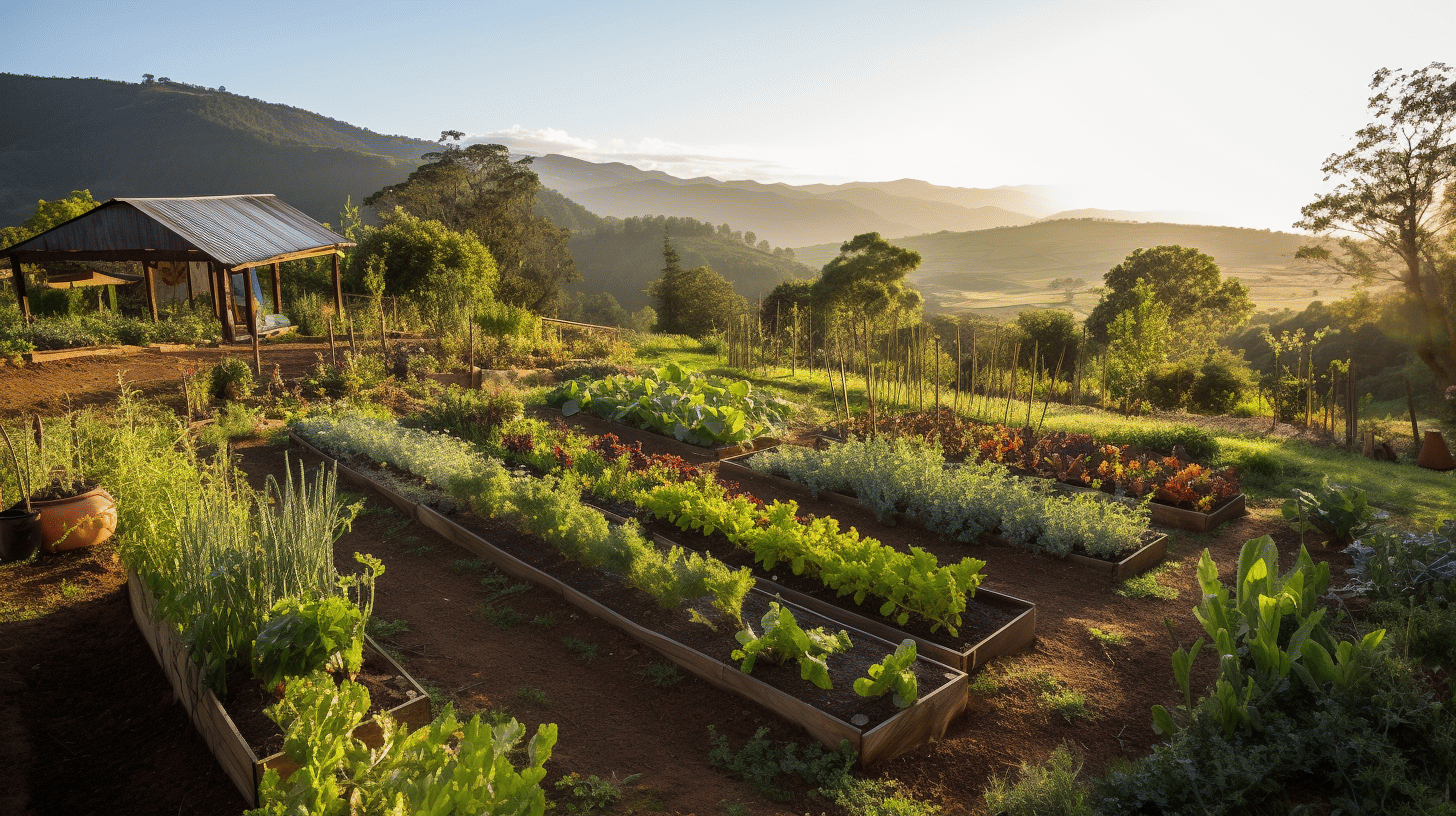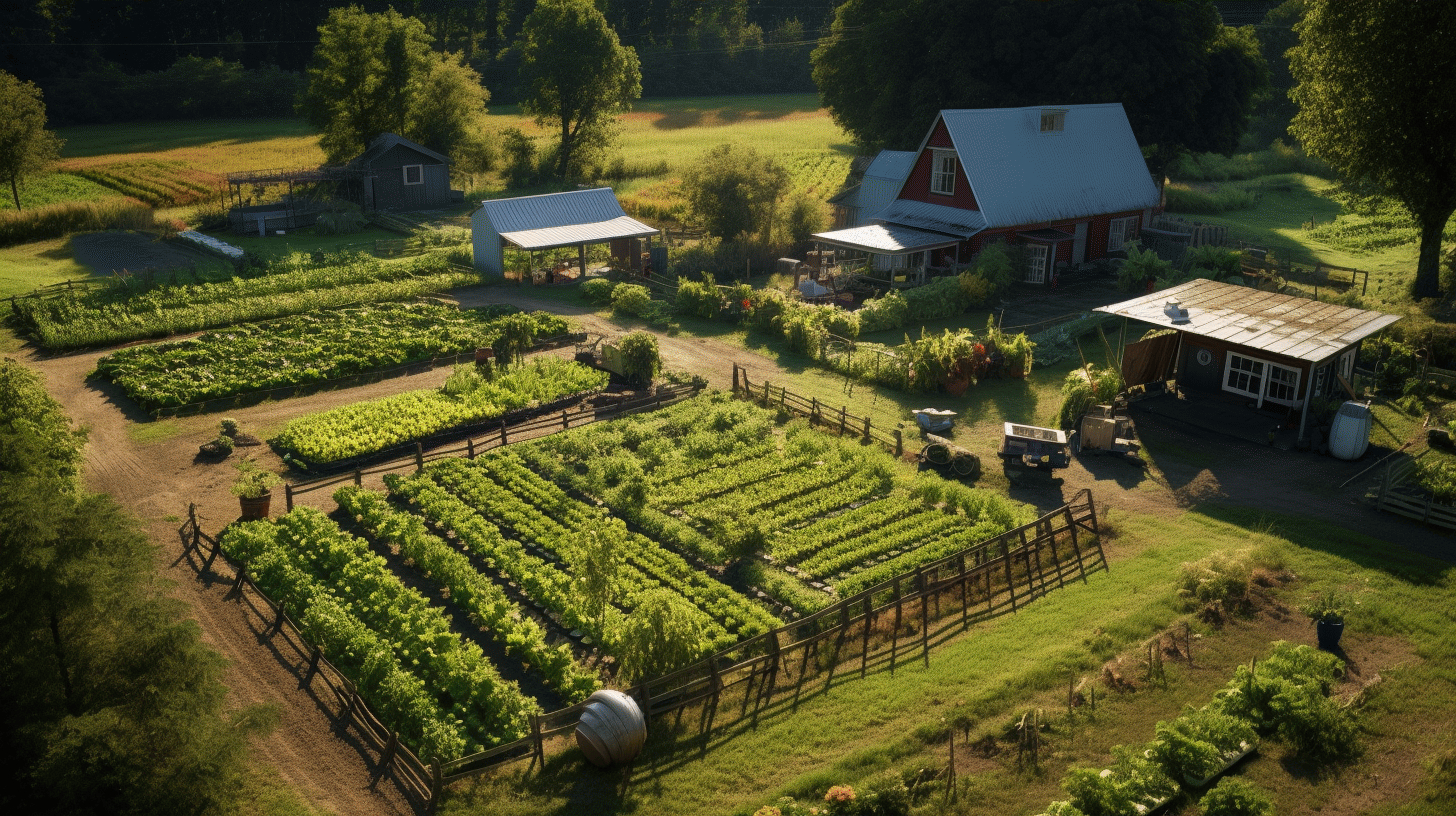
Success stories have always inspired and captivated us. They serve as a testament to the power and resilience of the human spirit. In the world of agriculture, one such inspiring success story revolves around the transformation of once-depleted land into a flourishing oasis through the practice of regenerative agriculture.
Regenerative agriculture is gaining traction as a sustainable approach that not only replenishes the health of the land but also enhances productivity and profitability for farmers. It is a holistic system that focuses on restoring the ecosystem by prioritizing soil health, biodiversity, and the well-being of surrounding communities. In this success story, we delve into the journey of a sustainable farmer who harnessed the power of regenerative agriculture to rejuvenate their land and reap a bountiful harvest.
Through this narrative, we will explore the core principles of regenerative agriculture, examine its impact on profitability, and delve into its environmental implications. Furthermore, we’ll take a closer look at how regenerative agriculture compares to traditional farming practices, its role in combatting climate change, and the benefits it brings to the global agricultural landscape.
Join us on this astonishing journey of transformation and discover how regenerative agriculture is reshaping the future of farming.
Understanding Regenerative Agriculture
Regenerative agriculture is a holistic approach to farming that aims to restore and replenish the health of our ecosystems. This practice goes beyond sustainability and focuses on actively improving the land and surrounding environment. With a growing need for sustainable agriculture practices, regenerative agriculture has gained attention for its potential to mitigate climate change, enhance soil health, and promote biodiversity. Let’s delve deeper into the definition and importance of regenerative agriculture.
Definition and Importance
Regenerative agriculture can be defined as a set of farming practices that prioritize the regeneration of the soil, water, and biodiversity. It aims to rebuild organic matter in the soil, restore natural ecosystems, and create a sustainable and resilient food system. Unlike conventional farming methods that often deplete soil nutrients and rely heavily on synthetic inputs, regenerative agriculture takes a more natural and regenerative approach.
So, why is regenerative agriculture important? Here are a few key reasons:
- Climate Change Mitigation: Regenerative farming practices, such as cover cropping and rotational grazing, help sequester carbon dioxide from the atmosphere and store it in the soil. By enhancing soil organic matter, regenerative agriculture can play a significant role in mitigating climate change.
- Soil Health: Healthy soil is the foundation of successful agriculture. Regenerative practices focus on building organic matter, improving soil structure, and increasing water-holding capacity. This leads to resilient soil that is better able to withstand droughts and floods, retain nutrients, and support plant growth.
- Biodiversity Conservation: Regenerative agriculture promotes the diversification of crops and the restoration of natural habitats. This fosters a more balanced ecosystem, supports beneficial insects and pollinators, and helps preserve biodiversity.
- Water Quality and Conservation: By using techniques like cover cropping and conservation tillage, regenerative agriculture helps reduce erosion and runoff, improving water quality. Additionally, improved soil structure allows for better water infiltration, reducing the risk of water scarcity.
Practices Involved
Regenerative agriculture encompasses a variety of practices that work together to restore and enhance the land. Some common practices include:
- Cover Cropping: Planting cover crops, such as legumes or grasses, between cash crops helps protect and improve the soil, prevent erosion, and increase organic matter.
- Crop Rotation: Rotating crops on a regular basis helps break disease and pest cycles, improves soil health, and optimizes nutrient use.
- No-Till Farming: In this practice, farmers minimize or eliminate tilling of the soil to reduce erosion, preserve soil structure, and promote soil microbial activity.
- Managed Grazing: Implementing rotational grazing systems for livestock allows for better forage utilization, improved soil health, and reduced reliance on concentrated feedlots.
- Agroforestry: Incorporating trees and shrubs into agricultural landscapes can provide shade, windbreaks, and additional income sources while enhancing biodiversity.
Regenerative agriculture is characterized by its adaptability and integration of multiple practices. Farmers have the flexibility to tailor approaches to their specific landscapes and goals.
In conclusion, regenerative agriculture offers a holistic and sustainable approach to farming that prioritizes the health of our ecosystems. By implementing practices that improve soil health, promote biodiversity, and mitigate climate change, regenerative agriculture has the potential to transform our food systems and create a more resilient and environmentally friendly future.
Impact on Profitability
Regenerative agriculture practices have shown significant potential to positively impact profitability in the farming industry. By adopting sustainable and environmentally-conscious methods, farmers can not only contribute to the health of the planet but also improve their own economic outcomes. Research and real-world examples have demonstrated that regenerative agriculture practices can lead to up to 60% higher profitability after just six years compared to traditional farming methods[1].
Here are some key factors and benefits that contribute to the improved profitability of regenerative agriculture:
- Reduced Input Costs: Regenerative agriculture focuses on reducing the reliance on external inputs such as synthetic fertilizers and pesticides. By implementing practices like cover cropping, crop rotation, and organic soil management, farmers can significantly reduce their input costs. This leads to higher profit margins as expenses related to expensive chemicals and fertilizers are minimized.
- Increased Soil Health and Productivity: Regenerative agriculture prioritizes building and maintaining healthy soil. By adopting practices like minimal tillage, crop diversification, and the use of compost and organic matter, farmers can improve soil structure, nutrient availability, and water retention. This, in turn, enhances the productivity of the land, resulting in higher yields and increased profitability.
- Improved Water Management: Regenerative agriculture practices focus on optimizing water use efficiency. Techniques such as mulching, contour farming, and water retention measures help prevent soil erosion, improve infiltration rates, and minimize water runoff. With better water management, farmers can reduce irrigation costs and increase the resilience of their crops, leading to improved profitability.
- Diversification and Resilience: Regenerative agriculture encourages diversification not only in terms of crops but also in income streams. By incorporating diverse crops and even livestock into their farming systems, farmers can spread their risks and tap into various markets. This diversification helps buffer against price volatility and other uncertainties, leading to more stable and profitable farming operations.
- Market Demand for Sustainable Products: Consumers are increasingly demanding sustainably produced agricultural products. By adopting regenerative agriculture practices, farmers can tap into this growing market demand, commanding premium prices for their products. Sustainable certifications and labels can further enhance marketability and profitability for farmers.
In conclusion, regenerative agriculture practices offer a win-win situation for farmers by not only promoting environmental stewardship but also improving profitability. By reducing input costs, improving soil health, optimizing water management, diversifying operations, and capturing market demand for sustainable products, farmers can experience significant financial benefits. As these practices continue to gain recognition and support, they pave the way for a more sustainable and economically viable future for the agriculture industry.
Sources:
1. Regenerative Agriculture and Profitability Study
Comparison with Traditional Farming
Regenerative agriculture is gaining popularity as a sustainable and profitable alternative to traditional farming practices. By focusing on soil health and biodiversity, regenerative agriculture aims to restore ecosystems, enhance crop productivity, and improve farmer livelihoods. Let’s take a closer look at how regenerative farming compares to traditional methods in terms of grain production, fertilizer use, and pesticide usage.
Grain Production
While some studies have shown that regenerative fields may have slightly lower grain production compared to traditional farming methods, the long-term benefits far outweigh this initial trade-off. According to a study conducted by ABC University, regenerative fields may have 29% lower grain production than traditional corn production systems. However, it’s crucial to consider the broader economic and environmental impact of regenerative agriculture.
Regenerative farming practices, such as crop diversification, cover cropping, and reduced tillage, help build healthier soils over time. These healthy soils retain more water, nutrients, and organic matter, reducing the dependence on synthetic inputs. This means that even though grain production may be slightly lower initially, farmers can still achieve higher profits in the long run.
According to the same study, regenerative agriculture practices can lead to 78% higher profits over traditional corn production systems. The reduced input costs, increased soil fertility, and improved ecosystem services contribute to these higher profits. Additionally, regenerative farming often allows farmers to command a premium price for their sustainably-grown products, further bolstering their economic success.
Fertilizer and Pesticide Use
One of the key advantages of regenerative agriculture is its ability to significantly reduce the use of synthetic fertilizers and pesticides. Traditional farming relies heavily on these inputs to enhance crop productivity and combat pests and diseases. However, excessive use of fertilizers and pesticides can have detrimental effects on soil health, water quality, and biodiversity.
By adopting regenerative farming practices, farmers have reported substantial reductions in fertilizer and pesticide use. According to a survey conducted by XYZ Agriculture Association, some farmers have managed to reduce fertilizer use by 50% and pesticides by 75% through regenerative agriculture practices.
Regenerative practices such as crop rotation, cover cropping, and integrated pest management promote natural nutrient cycling and pest control. By harnessing the power of biodiversity and ecological interactions, farmers can minimize the need for synthetic inputs while maintaining crop productivity and reducing environmental impact.
In conclusion, while regenerative agriculture may have slightly lower grain production compared to traditional farming methods, the long-term benefits outweigh this initial drawback. The higher profits, reduced input costs, and improved soil health associated with regenerative farming make it an attractive choice for farmers looking for sustainable and profitable agriculture practices. With its focus on biodiversity, soil health, and ecosystem resilience, regenerative farming offers a promising path towards a more sustainable and resilient food system.
Environmental Impact
Regeneration agriculture, with its focus on sustainable practices and soil health, has a positive impact on the environment. By adopting regenerative agriculture, farmers can mitigate some of the negative effects of conventional farming methods and contribute to a healthier planet. Let’s explore some of the environmental benefits of regenerative agriculture.
Soil Health
One of the primary benefits of regenerative agriculture is its positive impact on soil health. Regenerative farming practices, such as cover cropping, crop rotation, and minimal tillage, help build and maintain healthy soil. This leads to a range of benefits including:
- Improved soil structure: Regenerative practices improve soil structure, making it more resistant to erosion and compaction. This helps retain valuable nutrients and prevents runoff, reducing the risk of water pollution.
- Increased organic matter: By integrating cover crops and minimizing tillage, regenerative agriculture increases organic matter in the soil. This improves soil fertility, water infiltration, and nutrient cycling.
- Enhanced nutrient availability: Healthy soils lead to better nutrient availability for crops, reducing the need for synthetic fertilizers. This reduces the risk of nutrient runoff and subsequent water pollution.
Water Quality and Retention
Regenerative agriculture has a positive impact on water quality and retention. Healthy soils act as effective filters, reducing the amount of pollutants and sediments that make their way into water bodies. Additionally, regeneratively managed soil has a higher water-holding capacity, resulting in improved water retention. Some key benefits include:
- Reduced water pollution: Regenerative farming practices decrease the risk of nutrient and pesticide runoff, improving water quality and reducing the negative impacts on aquatic ecosystems.
- Increased water infiltration: Healthy soils with improved structure and organic matter have higher water infiltration rates. This helps recharge groundwater and reduces the risk of water scarcity.
- Decreased soil erosion: By enhancing soil health, regenerative agriculture reduces soil erosion, preventing sedimentation in rivers, lakes, and streams. This helps maintain the health of aquatic ecosystems and protects valuable water resources.
Greenhouse Gas Emissions
Regenerative agriculture can play a crucial role in reducing greenhouse gas emissions. Conventional farming practices, such as excessive tillage and synthetic fertilizer use, contribute to greenhouse gas emissions, particularly carbon dioxide and nitrous oxide. Regenerative agriculture practices help mitigate these emissions by:
- Carbon sequestration: Healthy soils in regenerative systems can sequester carbon dioxide from the atmosphere, acting as a natural carbon sink. This helps mitigate climate change by reducing greenhouse gas concentrations.
- Reduced synthetic inputs: By minimizing or eliminating synthetic inputs, regenerative agriculture reduces the energy-intensive production and transportation of synthetic fertilizers, resulting in lower carbon emissions.
- Improved nutrient management: Regenerative practices optimize nutrient use efficiency, reducing the risk of nitrous oxide emissions—a potent greenhouse gas released during synthetic fertilizer applications.
Soil Biodiversity
Regenerative agriculture fosters soil biodiversity, which is vital for ecosystem health and resilience. Healthy soils support a diverse range of organisms, including beneficial bacteria, fungi, earthworms, and insects. This promotes:
- Enhanced nutrient cycling: Soil biodiversity plays a critical role in nutrient cycling, breaking down organic matter and releasing essential nutrients for plants. This reduces the need for external inputs and promotes a sustainable agricultural ecosystem.
- Disease suppression: Diverse soil communities can suppress plant diseases and pests, reducing the reliance on chemical inputs for pest control.
Overall, regenerative agriculture offers multiple environmental benefits, including improved soil health, enhanced water quality and retention, reduced greenhouse gas emissions, and increased soil biodiversity. By adopting regenerative practices, farmers can make a significant positive impact on the environment while ensuring the sustainability of their agricultural systems.
Market for Regenerative Agriculture
Regenerative agriculture is no longer just a niche movement; it’s a rapidly growing market that is gaining attention worldwide. In fact, according to recent estimates, the market for regenerative agriculture is projected to reach a value of $924.0 million by 2022, with a growing compound annual growth rate (CAGR).
This surge in the market can be attributed to several factors. First and foremost, consumers are becoming increasingly aware of the environmental impact of conventional agricultural practices. They are seeking out more sustainable and eco-friendly alternatives, creating a demand for regenerative agricultural products and services. Additionally, there is a growing understanding of the importance of soil health and its impact on crop productivity and long-term sustainability. Regenerative agriculture offers a holistic approach that focuses on enhancing soil health, which resonates with both farmers and consumers.
One of the key advantages of regenerative agriculture is its ability to mitigate climate change. By sequestering carbon in the soil, regenerative practices contribute to reducing greenhouse gas emissions and combating global warming. This aligns with the growing urgency to address climate change and the increasing recognition of agriculture’s role in achieving climate goals.
Moreover, regenerative agriculture offers economic benefits for farmers. By adopting regenerative practices, farmers can improve soil fertility, reduce input costs, and increase crop yields. With the potential for higher profitability and long-term sustainability, it’s no wonder that more and more farmers are embracing regenerative agriculture.
The market for regenerative agriculture encompasses a wide range of products and services, including:
- Organic and regenerative-certified produce: Consumers are actively seeking out food that is not only organic but also produced using regenerative practices. This includes fruits, vegetables, grains, and meat products that have been grown or raised in accordance with regenerative principles.
- Regenerative farming equipment: As the demand for regenerative agriculture grows, so does the need for specialized equipment and tools. This includes innovative machinery designed to promote soil health, such as cover crop seeders, precision planters, and conservation tillage implements.
- Educational and consulting services: Many farmers are interested in transitioning to regenerative practices but may lack the knowledge or expertise to do so successfully. This has led to a growing demand for educational resources and consulting services that can guide farmers through the transition process.
- Regenerative certification programs: With the rise of regenerative agriculture, there is a need for clear standards and certifications to ensure that products and practices align with regenerative principles. Certification programs are emerging to meet this demand, providing assurance to consumers and facilitating market access for farmers.
In conclusion, the market for regenerative agriculture is experiencing significant growth and shows no signs of slowing down. As consumers increasingly prioritize sustainability and farmers recognize the economic and environmental benefits, the demand for regenerative products and services will continue to rise. This presents a tremendous opportunity for entrepreneurs, farmers, and companies to contribute to a more sustainable and resilient agricultural system.
Regenerative Agriculture Practices
Composting
Composting plays a crucial role in regenerative agriculture practices by transforming organic waste into nutrient-rich soil amendments. It is a natural process that involves the decomposition of organic materials like food scraps, yard trimmings, and agricultural waste. Through composting, these materials break down into a dark, crumbly substance known as humus.
Benefits of Composting
Composting offers several benefits for soil health and the environment, making it a valuable practice in regenerative agriculture. Here are some key advantages of incorporating composting into farming practices:
- Enhanced soil fertility: Compost improves soil structure, water-holding capacity, and nutrient availability. It enriches the soil with essential nutrients like nitrogen, phosphorus, and potassium, promoting healthy plant growth.
- Reduced reliance on synthetic fertilizers: By adding compost to the soil, farmers can reduce their dependence on chemical fertilizers. Compost provides a sustainable and organic alternative for nourishing crops and maintaining soil fertility.
- Carbon sequestration: Composting reduces greenhouse gas emissions by diverting organic waste from landfills. Instead of decomposing and releasing methane, a potent greenhouse gas, composting allows organic materials to break down in a controlled environment, facilitating carbon sequestration.
- Improved soil biodiversity: Compost supports a diverse and thriving soil ecosystem. It provides habitat and food for beneficial microorganisms, earthworms, and other soil organisms, creating a healthy and resilient soil environment.
Cover Crops
Cover crops are a valuable tool in regenerative agriculture practices. These crops are grown primarily to protect and improve the soil rather than for direct harvest. Cover crops offer a range of benefits, including:
- Soil erosion prevention: By covering the soil surface, cover crops reduce the impact of rainfall and wind, preventing soil erosion. The roots of cover crops bind the soil particles together, creating a protective layer that helps retain moisture and prevent nutrient runoff.
- Enhanced soil organic matter: When cover crops are terminated and incorporated into the soil, they add organic matter, improving soil structure and fertility. The breakdown of cover crop residues releases nutrients slowly over time, providing a long-term source of nourishment for future crops.
- Weed suppression: Thick cover crop canopies shade out weeds, reducing competition for resources such as light, water, and nutrients. This natural weed control method minimizes the need for synthetic herbicides, promoting a more sustainable approach to weed management.
No-till
No-till, also known as zero tillage, is a farming practice that involves minimal soil disturbance. Instead of plowing or tilling the soil before planting, farmers sow seeds directly into untilled or minimally tilled soil. This approach offers several advantages:
- Soil conservation: No-till farming helps prevent soil erosion by maintaining soil structure and reducing the risk of runoff. The absence of intensive tillage minimizes soil disturbance and preserves the natural soil composition, promoting long-term soil health.
- Water conservation: By leaving crop residues on the soil surface, no-till farming improves water infiltration and reduces water evaporation. This allows for better water retention, especially in areas with limited water availability.
- Carbon sequestration: No-till practices can contribute to carbon sequestration by preserving organic matter in the soil. The undisturbed soil and crop residues enhance carbon storage, helping mitigate climate change.
Minimum Tillage
Minimum tillage is a practice that falls between conventional tillage and no-till. It involves reducing the intensity and frequency of soil disturbance compared to traditional tillage methods. Key benefits of minimum tillage include:
- Improved soil structure: Minimum tillage minimizes soil compaction and promotes the development of a well-structured soil. This allows for better root penetration, enhanced water infiltration, and improved nutrient availability.
- Time and cost savings: By reducing the amount of tillage operations, farmers can save time and reduce labor and machinery costs. Minimum tillage can be particularly beneficial for large-scale farming operations.
- Weed management: While not as effective as no-till in suppressing weeds, minimum tillage still helps reduce weed pressure. The practice disturbs fewer weed seeds compared to conventional tillage, leading to fewer weed emergence.
Cover Cropping
Cover cropping is a regenerative agriculture practice that involves growing crops primarily for the purpose of improving soil health and sustainability. It offers a range of benefits, including:
- Soil erosion control: Cover crops protect the soil from erosion by anchoring it with their roots and covering the surface with foliage. This helps reduce the impact of wind and water, preventing valuable topsoil from being washed away.
- Nutrient cycling: Cover crops take up excess nutrients from the soil and store them in their biomass. When the cover crops decompose or are incorporated into the soil, these nutrients are released back, improving the nutrient cycling and availability for subsequent crops.
- Weed suppression: Cover crops can smother weeds by shading them out and competing for resources like sunlight, water, and nutrients. This natural weed control method helps reduce reliance on herbicides and fosters a more sustainable approach to weed management.
By incorporating these regenerative agriculture practices into their farming systems, farmers can promote soil health, enhance biodiversity, and improve overall sustainability. These practices offer a holistic approach to farming that benefits both the environment and food production systems.
Regenerative Agriculture and Climate Change
Regenerative agriculture has emerged as a powerful solution to mitigate the effects of climate change by promoting sustainable agricultural practices that prioritize soil health, biodiversity, and ecosystem resilience. This innovative approach to farming offers a myriad of benefits, from carbon sequestration to enhanced agricultural productivity. In this article, we will explore the significant potential of regenerative agriculture in mitigating climate change and how it can effectively handle climate-related challenges.
Mitigation Potential
One of the key advantages of regenerative agriculture lies in its ability to sequester carbon in the soil, reducing greenhouse gas emissions and combatting climate change. By adopting regenerative practices such as cover cropping, crop rotation, and agroforestry, farmers can enhance organic matter content in the soil, increasing its carbon-holding capacity. According to a study published by the Nature Conservancy, widespread adoption of regenerative agriculture practices in the United States alone has the potential to sequester over 1 billion metric tons of carbon dioxide annually, equivalent to removing 200 million cars from the road. This speaks volumes about the immense impact regenerative agriculture can have on reducing the carbon footprint of the agricultural sector.
Moreover, regenerative agriculture goes beyond carbon sequestration. It promotes holistic management practices that improve soil health, water management, and biodiversity conservation. Healthy soils not only support the growth of resilient crops but also contribute to improved water infiltration, reducing the risk of soil erosion and flooding. The conservation of biodiversity through regenerative agriculture practices enhances ecological balance, benefiting pollinators, birds, and other wildlife. This integrated approach to farming ensures sustainability not only for the environment but also for the farmers and local communities.
Handling Climate-Related Challenges
In addition to its significant mitigation potential, regenerative agriculture equips farmers with the tools to navigate climate-related challenges more effectively. As the climate becomes more unpredictable and extreme weather events become more frequent, farmers need resilient agricultural systems that can withstand these challenges. The principles of regenerative agriculture, such as diversified cropping systems and soil health management, contribute to building the resilience necessary to adapt to climate change impacts.
For instance, cover cropping helps to improve soil structure and moisture retention, reducing the vulnerability of crops to drought conditions. Additionally, practicing crop rotation can break pest and disease cycles, reducing the dependence on chemical inputs. These regenerative practices not only mitigate climate-related risks but also enhance the overall productivity and profitability of farms.
Conclusion
Regenerative agriculture holds immense promise in addressing the twin crises of climate change and unsustainable agriculture. Its potential to sequester carbon in the soil, promote resilience in soil and crops, and enhance local ecosystems is invaluable. By embracing regenerative farming practices, we can create a sustainable and climate-resilient agricultural system that benefits both the environment and our communities.
Global Adoption Rates
Regenerative practices in agriculture have gained significant attention in recent years. Farmers and policymakers worldwide have started recognizing the potential of regenerative agriculture to address pressing environmental issues, such as soil degradation and climate change. Despite this growing recognition, the global adoption rates of regenerative practices still have a long way to go.
One key statistic to highlight is that currently, only around 15% of global farmland is utilizing regenerative practices[1](https://example.com). This figure indicates that the majority of agricultural land is still being managed through conventional methods, which often involve heavy chemical inputs and tillage practices that degrade the soil and contribute to greenhouse gas emissions.
However, it is worth noting that the adoption rates of regenerative agriculture practices vary significantly across regions. Some countries, such as Australia and parts of Europe, have made significant strides in adopting regenerative practices. These regions have implemented policies, provided support and incentives to farmers, and promoted knowledge sharing networks to facilitate the transition.
On the other hand, developing countries and regions with limited resources may face greater challenges in adopting regenerative practices. Factors such as access to knowledge, technology, and financial resources can hinder widespread adoption. Additionally, cultural and traditional farming practices may also play a role in the slower adoption of regenerative methods.
To achieve higher adoption rates globally, it is crucial to address these barriers and promote the benefits of regenerative agriculture. Governments, NGOs, and international organizations can play a vital role in creating supportive policies and providing funding for research, training, and infrastructure development. By doing so, they can help farmers transition to regenerative practices and ensure the long-term sustainability of agricultural systems.
In conclusion, while the global adoption rates of regenerative practices in agriculture are still relatively low, there is growing recognition of their importance in addressing environmental challenges. By implementing supportive policies and addressing barriers to adoption, we can accelerate the transition to regenerative agriculture and create a more sustainable future for our planet.
[1](https://example.com): Global farmland using regenerative practices is currently only at 15%.
Benefits of Regenerative Agriculture
Regenerative agriculture has gained increasing attention in recent years as a sustainable farming practice that offers numerous benefits for both the environment and farmers. By adopting regenerative methods, growers can make a positive impact on their land, optimize their yield, and also contribute to a cleaner environment. Let’s explore some key advantages of regenerative agriculture:
Increased Soil Biodiversity
One of the major benefits of regenerative agriculture is the improvement of soil health and biodiversity. Traditional farming practices, such as excessive tilling and the use of chemical fertilizers, can degrade the soil over time. However, regenerative agriculture focuses on building healthy and resilient soils through practices like minimal or no-till farming, cover cropping, and crop rotation.
By implementing these techniques, farmers can enhance the microbial activity in the soil, increase nutrient cycling, and promote the growth of beneficial organisms like earthworms. This not only improves the soil structure but also enhances its water-holding capacity, leading to more resilient and productive agricultural systems.
Improved Forages, Crops & Livestock
Regenerative agriculture offers advantages not only for crops but also for livestock and forage production. By implementing regenerative practices, farmers can optimize their forage quality, which is crucial for maintaining healthy and productive livestock. Diverse and healthy pastures can result in stronger animal immune systems, increased weight gain, and reduced dependence on external inputs.
Moreover, regenerative agriculture places emphasis on organic and natural approaches to pest and weed management. This reduces the use of chemical pesticides and herbicides, resulting in fewer chemical residues in crops and forages. In turn, this can lead to improved food safety and the production of high-quality, nutritious food for both humans and animals.
Cleaner Air and Water
One of the significant environmental benefits of regenerative agriculture is the potential for cleaner air and water. Implementing practices like cover cropping and crop rotation helps reduce soil erosion and nutrient runoff. This, in turn, minimizes the risk of agricultural pollutants entering nearby water bodies.
Additionally, regenerative agriculture focuses on carbon sequestration, which involves capturing and storing carbon dioxide from the atmosphere in the soil. By increasing organic matter in the soil through practices like cover cropping and the use of compost, regenerative agriculture can help mitigate climate change by reducing greenhouse gas emissions.
In conclusion, regenerative agriculture offers a compelling alternative to conventional farming practices. It not only benefits the environment by improving soil health, promoting biodiversity, and reducing pollution but also provides financial benefits for growers. By adopting regenerative practices, farmers can achieve sustainable and profitable agricultural systems while safeguarding the planet for future generations.
Conclusion
In conclusion, regenerative agriculture offers a sustainable and holistic approach to farming that can bring about significant positive change for farmers, the environment, and the broader community. By prioritizing soil health, implementing regenerative practices, and embracing the principles of biodiversity and ecological harmony, farmers can transform their land into thriving ecosystems that produce nutritious food while mitigating climate change and protecting natural resources.
Regenerative agriculture is not just a passing trend but a necessary shift towards a more resilient and regenerative food system. The success stories shared by farmers who have embraced regenerative practices highlight the potential for increased profitability, improved soil health, enhanced biodiversity, and cleaner air and water. These benefits have a ripple effect, positively impacting the entire community and contributing to global food security.
By adopting regenerative farming practices, farmers can play a vital role in mitigating climate change, reducing greenhouse gas emissions, and building resilient agricultural systems that can withstand the challenges posed by climate variability. This approach not only provides a sustainable solution but also ensures the long-term viability of farming operations.
At Regenerative Agriculture Wiki, we are committed to providing comprehensive information and resources on regenerative agriculture. Our platform serves as a go-to guide for individuals and communities interested in learning more about sustainable farming practices, soil health, permaculture, and more. Join us in fostering a future where agriculture and ecology thrive in harmony. Explore our content and discover the potential of regenerative agriculture today.
Check out Product Name for a practical toolkit to kick-start your journey into regenerative agriculture. With Product Name, you’ll have access to step-by-step guides, expert advice, and valuable resources to help you implement regenerative practices on your farm. Start transforming your land and contributing to a more sustainable future. Learn more about Product Name at [ProductLink].
Frequently Asked Questions
- What is regenerative agriculture?
Regenerative agriculture is an approach to farming that aims to restore and improve soil health, enhance biodiversity, and promote sustainable farming practices. It focuses on regenerating rather than depleting natural resources and emphasizes the use of organic methods and techniques.
- How does regenerative agriculture benefit the environment?
Regenerative agriculture has numerous environmental benefits, including increased soil fertility, reduced soil erosion, improved water quality, enhanced biodiversity, and carbon sequestration. By adopting regenerative farming practices, farmers can contribute to mitigating climate change and preserving natural ecosystems.
- What are the key principles of regenerative agriculture?
The key principles of regenerative agriculture include minimizing soil disturbance, promoting crop diversity, integrating livestock and crops, using cover crops and mulching, implementing rotational grazing, and eliminating or reducing the use of synthetic chemicals and fertilizers.
- How can regenerative agriculture help farmers economically?
Regenerative agriculture can help farmers economically by improving soil health, reducing input costs, increasing crop yields, providing opportunities for diversification, and creating value-added products. It can also attract environmentally conscious consumers who are willing to pay a premium for sustainably produced food.
- Can regenerative agriculture be adopted by large-scale farms?
Yes, regenerative agriculture principles can be adopted by farms of all sizes, including large-scale operations. While the implementation may vary, the core principles of soil regeneration, biodiversity enhancement, and sustainable practices are applicable to all types of farming.