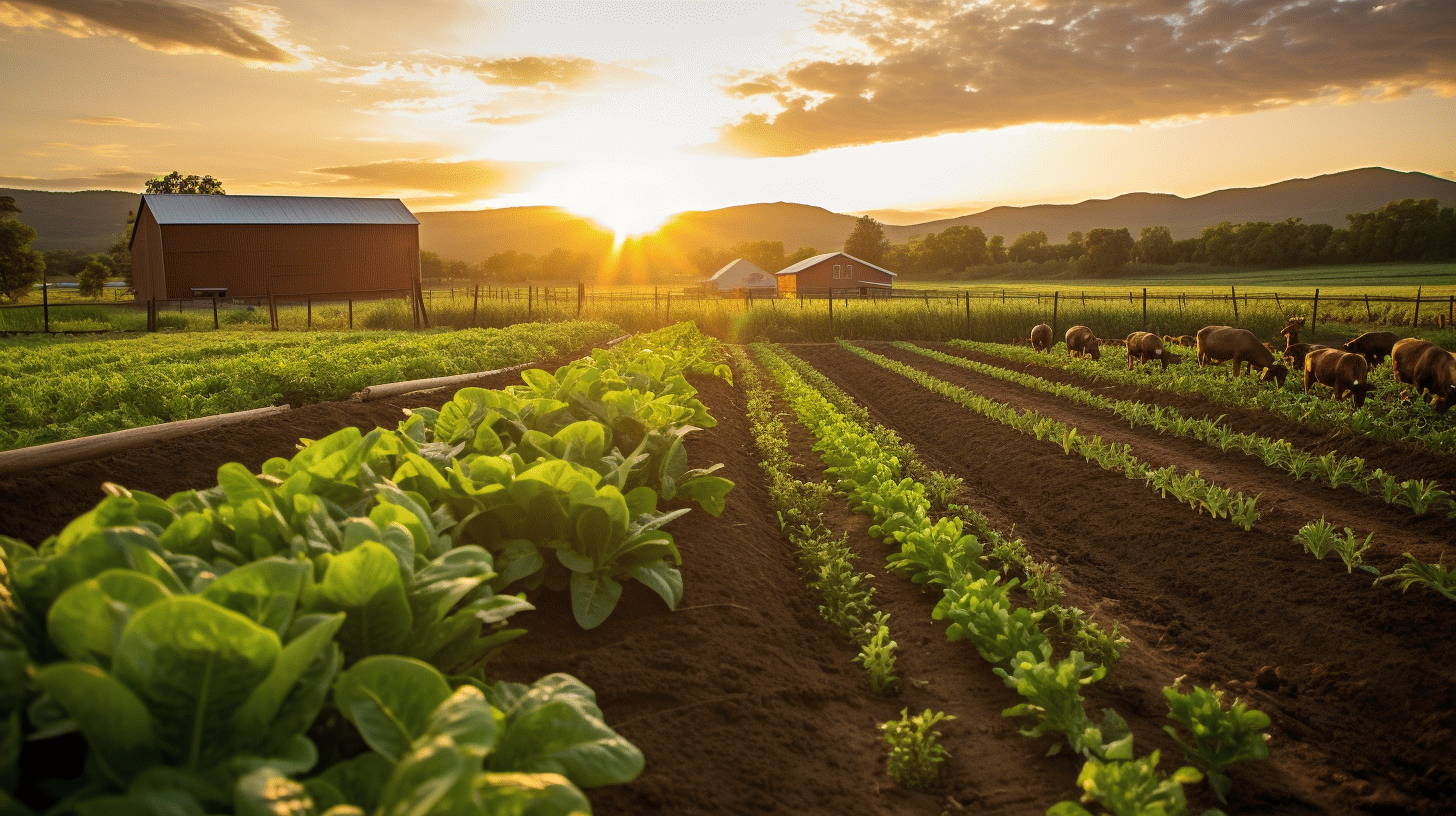
Permaculture, a holistic approach to sustainable agriculture and design, has revolutionized the way farmers and landowners think about their land and its potential. By working with nature rather than against it, permaculturists have managed to create self-sustaining ecosystems that benefit both people and the planet. In this article, we will explore the principles of permaculture, its applications in various fields, and the success stories that have emerged as a result of this innovative approach to farming.
Whether you’re a farmer looking to improve the productivity of your land or simply someone interested in learning more about sustainable agriculture, permaculture is a concept that can’t be ignored. With its focus on ecological harmony and resourcefulness, it offers a promising path towards a more sustainable and resilient future. So let’s dive in and discover how permaculture is transforming the agricultural landscape.
Understanding Permaculture
Permaculture is a holistic and sustainable approach to design and agriculture that focuses on creating harmonious and regenerative systems. It is rooted in the principles of observing natural ecosystems and mimicking their patterns and processes to create productive and resilient human habitats.
Permaculture Design Considerations
When implementing permaculture principles, several key considerations come into play:
- Site Analysis: Before starting any permaculture project, a thorough analysis of the site is essential. This analysis includes factors such as climate, topography, soil composition, water availability, and existing flora and fauna. Understanding the unique characteristics of the site allows designers to make informed decisions and tailor their designs accordingly.
- Zone and Sector Planning: Permaculture practitioners often divide their sites into different zones based on the frequency of human interaction and the characteristics of each area. For example, Zone 1 is usually the most intensively managed area, located close to the home, while Zone 5 is left undisturbed to allow for wildlife habitat. Additionally, sector planning involves identifying external elements that influence the site, such as prevailing wind patterns, sunlight exposure, and noise pollution.
- Water Management: Permaculture emphasizes the efficient use and conservation of water. Techniques like rainwater harvesting, swales, and ponds are commonly used to capture and store rainfall, preventing runoff and allowing for irrigation during dry periods. Implementing proper water management strategies not only reduces dependence on external water sources but also helps to prevent erosion and support the growth of food forests and gardens.
- Soil Building: Healthy soil is the foundation of successful permaculture systems. Building and maintaining healthy soil involves techniques like composting, vermicomposting, cover cropping, and the use of green manures. These practices enhance soil fertility, structure, and water-holding capacity, creating an environment that supports the growth of diverse and resilient plant species.
Permaculture’s principles and practices are increasingly being integrated into educational settings, serving as a valuable tool for teaching sustainability, environmental awareness, and practical skills. Here are a few reasons why permaculture is gaining popularity in educational institutions:
- Hands-on Learning: Permaculture provides a hands-on, experiential learning experience for students, allowing them to actively engage with natural systems and learn through practice. From designing and implementing permaculture gardens on school grounds to participating in workshops and field trips, students gain valuable knowledge and skills that extend well beyond the classroom.
- Holistic Learning: Permaculture transcends traditional subject boundaries and fosters an interdisciplinary approach to education. Students learn about ecology, botany, mathematics, social systems, and more, as they see how different elements of the ecosystem interact and influence each other. This holistic approach inspires critical thinking, problem-solving, and creativity.
- Environmental Stewardship: Permaculture education cultivates a sense of responsibility and stewardship for the environment. By observing and participating in sustainable practices, students develop a deep understanding of the interconnectedness of all living beings and the impact of their actions on the planet. This awareness empowers them to become active agents of change in their communities and advocate for a more sustainable future.
In conclusion, permaculture offers a comprehensive and innovative approach to design and agriculture, promoting sustainable living and resilience. Its principles, including site analysis, zone and sector planning, water management, and soil building, guide practitioners in creating harmonious and productive systems. Furthermore, permaculture’s integration into educational settings provides students with valuable hands-on learning experiences, holistic education, and a deep understanding of environmental stewardship.
Permaculture and Sustainable Agriculture
Permaculture, a holistic approach to agriculture, combines technology and tradition to create sustainable and regenerative landscape designs. The goal is to mimic natural ecosystems, working in harmony with nature to produce food, fiber, and energy while fostering biodiversity and regenerating the soil. By implementing permaculture principles, farmers and gardeners can minimize inputs, reduce waste, and create self-sustaining systems that benefit both people and the planet.
Combining Technology and Tradition
In permaculture systems, technology and traditional agricultural practices work hand in hand to create efficient and productive ecosystems. Here are a few examples:
- Silvopastures: Agricultural ecosystems that integrate trees, forages, and livestock. Silvopastures provide shade, shelter, and food for livestock while sequestering carbon, improving soil fertility, and reducing erosion. This practice combines traditional grazing techniques with modern knowledge of agroforestry.
Permaculture as a Climate Solution
Permaculture offers innovative strategies for mitigating and adapting to climate change. It recognizes the crucial role that agriculture plays in both contributing to greenhouse gas emissions and providing climate solutions. Here’s one example:
- Biochar: A form of charcoal produced by heating organic materials in a low-oxygen environment. Biochar has proven benefits for soil fertility, carbon sequestration, and water retention. It also has the potential to reduce methane emissions from livestock and improve nutrient cycling.
Circular Economy Approaches
Permaculture embraces circular economy approaches, where resources are utilized efficiently and waste is minimized. Here’s an example:
- Vertical farming: A method of growing crops in vertically stacked layers, utilizing artificial lighting and controlled environments. Vertical farming maximizes land use, reduces water consumption, and eliminates the need for pesticides. This approach aligns with permaculture principles by efficiently using resources and reducing waste.
Permaculture and sustainable agriculture offer promising solutions to the challenges facing our food systems and the environment. By combining technology with traditional wisdom and embracing circular economy approaches, we can create regenerative systems that nourish both people and the planet. Let’s explore these approaches further and work towards a more sustainable and resilient future.
Additional Information:
- Agricultural ecosystems like silvopastures merge technology and tradition.
- Permaculture is used as a climate solution, including the use of biochar.
- Circular economy approaches such as vertical farming are recognized in permaculture.
Permaculture Benefits and Applications
Permaculture, a design philosophy inspired by nature, offers a sustainable and holistic approach to agriculture and land use. With its focus on ecological principles and regenerative practices, permaculture has gained popularity in recent years. But what are the specific benefits and applications of permaculture? Let’s explore some key areas where permaculture shines.
University Campus Community Gardens
One exciting application of permaculture principles can be found in university campus community gardens. These gardens serve as living laboratories, providing opportunities for interdisciplinary research and experiential learning. By integrating permaculture techniques and practices into these gardens, students and faculty can explore the following benefits:
- Education and Awareness: University gardens provide a hands-on learning experience, enabling students to deepen their understanding of sustainable agriculture and permaculture principles.
- Interdisciplinary Collaboration: These gardens bring together students and researchers from various fields, fostering collaboration and the exchange of ideas.
- Food Production: Campus gardens can contribute to the local food system by growing fresh produce that can be utilized in campus dining facilities or donated to local food banks.
- Community Engagement: University gardens often serve as community hubs, hosting workshops, events, and volunteer opportunities that invite the wider community to learn about permaculture and sustainable living practices.
Soil Organic Matter Storage
Another noteworthy benefit of permaculture practices is the enhancement of soil organic matter storage. Healthy soils contribute to improved plant growth, nutrient cycling, and water retention. By implementing permaculture techniques, such as composting, cover cropping, and mulching, we can:
- Increase Soil Fertility: Emphasizing organic matter inputs helps to build nutrient-rich soils, reducing the need for synthetic fertilizers.
- Improve Soil Structure: Increased organic matter content enhances the soil’s ability to hold water and nutrients, improving plant health and resilience.
- Mitigate Climate Change: Healthy soils store carbon, mitigating greenhouse gas emissions and contributing to climate change adaptation.
Poverty Alleviation and Food Security
Permaculture training and implementation have the potential to contribute significantly to poverty alleviation and food security. Here’s how permaculture plays a role:
- Sustainable Livelihoods: Permaculture practices enable small-scale farmers and communities to adopt sustainable agricultural techniques that increase yields, reduce input costs, and improve land productivity.
- Diverse Food Production: By promoting agroecological practices, permaculture supports the cultivation of diverse crops, reducing dependency on a single crop and enhancing food security.
- Resilience to Climate Change: Permaculture systems are designed to be resilient to climatic variations, providing a buffer against extreme weather events and reducing vulnerability to food shortages.
Successful Permaculture Projects
Permaculture principles have been implemented in various projects around the world, showcasing the efficacy and versatility of these practices. Some notable success stories include:
- Zaytuna Farm, Australia: Zaytuna Farm, founded by permaculture pioneers Geoff and Nadia Lawton, is a thriving demonstration site that showcases permaculture techniques and hosts educational programs.
- Finca Luna Nueva, Costa Rica: This agroforestry farm combines permaculture, biodynamic farming, and ecotourism, demonstrating the integration of sustainable practices with economic viability.
- Sahaja Samrudha, India: Sahaja Samrudha, an organic farming network, has been promoting permaculture and biodiversity conservation in rural communities, empowering farmers and preserving traditional knowledge.
As these examples show, permaculture’s practical applications have brought about positive change across the globe, from university campuses to rural communities. The benefits of permaculture extend beyond sustainable agriculture and offer solutions to environmental, social, and economic challenges.
Successful Examples of Permaculture
Permaculture, a holistic approach to sustainable living, has gained popularity worldwide for its ability to regenerate ecosystems, promote self-sufficiency, and create harmonious relationships between humans and nature. Let’s explore two successful examples of permaculture in action: global success stories and permaculture as a profitable business.
Global Success Stories
One cannot talk about successful permaculture without mentioning Australia and New Zealand. These countries have embraced permaculture principles and achieved remarkable results in transforming barren landscapes into flourishing oases. Here are some notable success stories:
- Zaytuna Farm, Australia: One of the most celebrated permaculture projects in the world, Zaytuna Farm serves as a living example of regenerative agriculture. Operated by renowned permaculture experts, Geoff Lawton and Nadia Lawton, the farm showcases innovative techniques such as water management systems, food forests, and natural building practices. Zaytuna Farm has become a hub for permaculture education and has inspired countless individuals to adopt sustainable practices.
- Koanga Institute, New Zealand: The Koanga Institute is dedicated to reviving New Zealand’s heirloom seeds and promoting sustainable farming practices through permaculture. By preserving traditional seed varieties, the institute aims to enhance food sovereignty and promote biodiversity. They offer workshops and educational programs that empower individuals to become active participants in regenerative agriculture.
These success stories demonstrate the potential of permaculture to transform landscapes, regenerate ecosystems, and create sustainable communities.
Permaculture as a Profitable Business
Permaculture not only benefits the environment but can also be a profitable venture. It has the potential to create rich livelihoods while promoting sustainable practices. Here’s how permaculture can be a profitable business:
- Organic Market Gardening: With the increasing demand for organic produce, market gardening using permaculture principles presents a lucrative opportunity. By cultivating a variety of fruits, vegetables, and herbs using regenerative practices, farmers can tap into the growing organic market and command premium prices for their produce.
- Ecotourism and Education: Many permaculture sites have successfully capitalized on ecotourism and education. By opening their doors to visitors, these sites generate revenue through guided tours, workshops, and accommodation. This not only provides an income stream but also spreads awareness about permaculture and inspires others to adopt sustainable practices.
- Sustainable Design and Consultancy: Permaculture practitioners with expertise in sustainable design can offer their services as consultants for residential, commercial, and community projects. By designing regenerative landscapes and providing guidance on sustainable practices, permaculture consultants can create a profitable niche for themselves.
Permaculture offers a wide range of opportunities for entrepreneurs and individuals seeking to make a living while contributing to a sustainable future.
In conclusion, successful examples of permaculture can be found across the globe, with Australia and New Zealand leading the way in demonstrating the transformative potential of permaculture. Additionally, permaculture can be a profitable business, offering opportunities in organic market gardening, ecotourism, education, and sustainable design consultancy. Embracing permaculture principles can not only regenerate landscapes but also create thriving livelihoods that are in harmony with the environment.
Natural Methods in Permaculture
Permaculture, a sustainable and regenerative design system, seeks to create harmonious relationships between humans and the environment. One of the core principles of permaculture is the use of natural methods to nurture and maintain ecosystems. By incorporating practices such as composting and biological pest control, permaculturists can create thriving and resilient gardens. In this article, we will explore these two natural methods and their benefits in the world of permaculture.
Composting
Composting is the process of transforming organic waste into nutrient-rich soil known as compost. This natural method has been used for centuries and is widely recognized for its numerous benefits in improving soil health and fertility. Here are some reasons why composting is highly valued in permaculture:
- Enhancing soil structure: Compost improves the structure of soil, making it more crumbly and friable. This allows for better water retention and infiltration, as well as improved nutrient delivery to plants.
- Boosting soil fertility: Compost is a powerhouse of nutrients, containing essential elements like nitrogen, phosphorus, and potassium. These nutrients are slowly released into the soil, providing a continuous supply for plants.
- Increasing microbial activity: Compost harbors a diverse community of beneficial microorganisms such as bacteria, fungi, and earthworms. These organisms contribute to the breakdown of organic matter and help create a healthy soil ecosystem.
- Reducing waste: Composting diverts organic waste from landfills, reducing methane emissions and contributing to the overall sustainability of our communities.
By incorporating composting into permaculture practices, gardeners can create healthier soil, reduce the need for synthetic fertilizers, and support the long-term sustainability of their gardens.
Biological Pest Control
In permaculture, the goal is not to eradicate pests but to create a balanced ecosystem where pests are controlled naturally. Biological pest control takes advantage of the natural predators and other ecological interactions to manage pest populations. Here’s why this method is favored in permaculture:
- Sustainability: Biological pest control methods are environmentally friendly, as they avoid the use of harmful chemical pesticides. They work with nature rather than against it, maintaining biodiversity and minimizing the negative impacts on beneficial organisms.
- Long-term effectiveness: While chemical pesticides may provide temporary relief from pests, they often create imbalances in the ecosystem and can lead to resistant pest populations. Biological pest control methods, on the other hand, focus on long-term solutions by establishing predator-prey relationships that keep pests in check.
- Preserving beneficial insects: Many insects, such as ladybugs, lacewings, and parasitic wasps, are natural predators of garden pests. By encouraging the presence of these beneficial insects through diverse plantings, permaculturists create a natural defense system that helps manage pest populations without harmful chemicals.
By embracing biological pest control methods, permaculture practitioners foster biodiversity, reduce the reliance on synthetic pesticides, and maintain a healthier and more resilient garden ecosystem.
In permaculture, composting and biological pest control are among the natural methods that cultivate a sustainable and self-regulating system. By harnessing the power of natural processes, permaculturists create thriving gardens while minimizing the negative impacts on the environment. So why not give these natural methods a try in your own permaculture journey?
“Composting and biological pest control are among the natural methods used in permaculture.” – Source
Supporting Sustainable Agriculture
Supporting sustainable agriculture is crucial for ensuring the long-term health and well-being of our planet. It not only benefits the environment but also promotes the resilience of farming communities and helps meet the increasing demand for food in a sustainable manner. In this section, we will explore two key initiatives that are making a significant impact in the world of sustainable agriculture.
Sustainable Farms and Fields Grant Program
The Sustainable Farms and Fields grant program is an exceptional initiative that aims to provide support to farmers in implementing climate-smart practices. It recognizes the importance of agriculture in combating climate change and helps farmers adopt sustainable practices that reduce greenhouse gas emissions, increase carbon sequestration, and enhance overall farm resilience.
Through this grant program, farmers have the opportunity to implement innovative techniques such as precision agriculture, cover cropping, rotational grazing, and integrated pest management. These practices not only help reduce the environmental footprint of farming but also improve soil health, water quality, and biodiversity. The grant program provides financial assistance to farmers, making it easier for them to adopt these sustainable practices and improve their overall productivity.
Investment in Sustainable Agriculture
Many countries around the world recognize the importance of sustainable agriculture and are making significant investments in this sector. These investments aim to promote the adoption of sustainable farming practices, facilitate research and development, and provide support and resources to farmers transitioning to more sustainable methods.
Investing in sustainable agriculture has numerous benefits, not only for farmers but also for consumers and the environment. Some of the key advantages include:
- Environmental Benefits: Sustainable agriculture practices help preserve natural resources, reduce the use of chemicals, and promote biodiversity. This leads to healthier ecosystems and improved water and air quality.
- Economic Benefits: By investing in sustainable agriculture, countries can enhance the economic viability of farming communities. This includes generating employment opportunities, improving rural livelihoods, and fostering agricultural resilience in the face of climate change and other challenges.
- Food Security: Sustainable agriculture practices promote food security by improving the long-term productivity and sustainability of agricultural systems. By ensuring that farming practices are both environmentally and economically sustainable, countries can effectively meet the growing demand for food without compromising future generations’ ability to produce food.
The collective efforts of sustainable farms and fields grant programs and investments in sustainable agriculture are paving the way for a more sustainable and resilient agricultural sector. By providing the necessary support and resources, we can encourage farmers worldwide to transition to more sustainable practices, contribute to climate change mitigation, and ensure a healthier and more sustainable future for all.
Conclusion
In conclusion, permaculture principles have revolutionized the way farmers approach agriculture, offering sustainable and regenerative solutions to some of the most pressing challenges in the industry. With a focus on holistic management, regenerative practices, and ecosystem design, permaculture has the potential to transform agricultural landscapes and contribute to a more sustainable and resilient future.
By incorporating permaculture into educational settings, farmers and individuals can gain a deeper understanding of the interconnectedness of natural systems and learn to work harmoniously with the environment. Additionally, the combination of technology and tradition allows for innovative approaches that maximize productivity while minimizing negative environmental impacts.
Permaculture also plays a crucial role in addressing climate change, as it promotes practices that sequester carbon, enhance biodiversity, and mitigate the effects of extreme weather events. Moreover, it embraces circular economy approaches by minimizing waste and utilizing resources efficiently.
The benefits and applications of permaculture are diverse and wide-ranging, from the establishment of university campus community gardens to the storage of soil organic matter and the alleviation of poverty through increased food security. Numerous successful permaculture projects around the world serve as inspiring examples of the potential of regenerative agriculture.
Furthermore, permaculture can be a profitable business venture, demonstrating that sustainable practices are not only environmentally beneficial but also economically viable. By embracing natural methods such as composting and biological pest control, farmers can reduce their reliance on synthetic inputs and promote a healthy and balanced ecosystem.
Supporting sustainable agriculture, such as through financial grants and investments, is crucial for the widespread adoption of permaculture principles. Initiatives like the Sustainable Farms and Fields Grant Program provide much-needed support for farmers looking to transition to regenerative practices.
In conclusion, permaculture is a game-changer in the field of agriculture, offering holistic and sustainable approaches that prioritize the health of the environment and the well-being of communities. The potential for permaculture to transform our food systems and create a more regenerative future is immense. Explore more about permaculture and regenerative agriculture at Regenerative Agriculture Wiki and join us in fostering a future where agriculture and ecology thrive in harmony.
Frequently Asked Questions
- What are permaculture principles?
Permaculture principles are a set of design principles that mimic natural ecosystems and aim to create sustainable and regenerative agricultural systems. These principles focus on working with nature rather than against it, promoting diversity, and minimizing waste.
- How did permaculture principles revolutionize a farmer’s approach to agriculture?
Permaculture principles revolutionized a farmer’s approach to agriculture by shifting their focus from conventional and monoculture practices to more holistic and sustainable methods. It encourages farmers to observe and understand ecosystems, use organic and regenerative farming techniques, and create self-sustaining and resilient agricultural systems.
- What are some examples of permaculture principles in practice?
Some examples of permaculture principles in practice include building healthy soil through composting and mulching, utilizing companion planting and polycultures to enhance biodiversity, capturing and storing rainwater for irrigation, and using natural pest control methods instead of chemical pesticides.
- Can permaculture principles be applied to large-scale modern agriculture?
Yes, permaculture principles can be applied to large-scale modern agriculture. While it may require adjustments and adaptations, incorporating permaculture practices can help improve soil health, reduce chemical inputs, manage water resources more efficiently, and promote a more sustainable and resilient farming system.
- How can someone get started with permaculture principles in agriculture?
To get started with permaculture principles in agriculture, individuals can study permaculture design courses, seek guidance from experienced permaculturists, and start implementing small-scale techniques on their farm. It is essential to understand the local environment, observe natural patterns, and gradually implement changes towards a more sustainable farming approach.