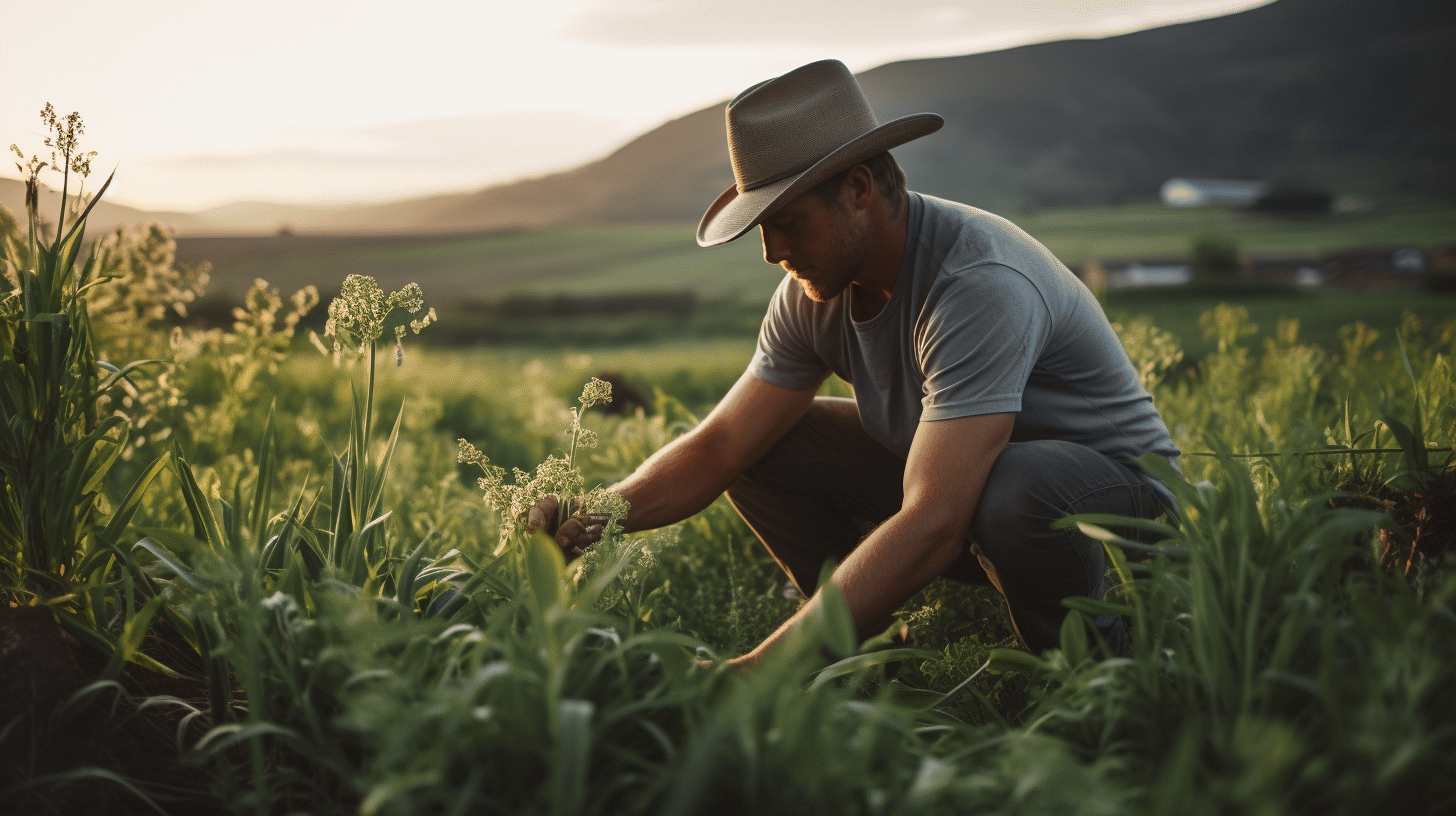
Soil health is a critical component of sustainable farming practices, playing a significant role in food production and environmental conservation. While often overlooked, the quality of soil directly impacts the success and sustainability of agricultural systems. By focusing on soil health management, farmers can enhance productivity, increase the resilience of their crops to changing climates, and promote ecosystem services.
In this article, we will explore the importance of soil health in sustainable farming. We will delve into the role of soil in food production, the current state of soil health worldwide, the benefits of soil health management, the impact of organic farming on soil health, and the connection between soil health and climate change. By understanding these connections, we can better appreciate the significance of soil health in our agricultural systems and its implications for both farmers and consumers.
So let’s get started and uncover the key elements of this fascinating topic!
The Role of Soil in Food Production
Soil is often overlooked as a vital component in the process of food production. Many of us may not give much thought to the ground beneath our feet when we sit down to enjoy a meal, but the truth is that soil plays a crucial role in ensuring an abundant and sustainable food supply. In fact, an astonishing 95% of our food relies on soil in some way or another. Let’s take a closer look at the importance of soil in food production.
Soil Health and Organic Matter
Maintaining healthy soil is essential for the growth of crops and the production of nutritious food. One key factor in soil health is the presence of organic matter. Organic matter refers to the decomposed remains of plants and animals, such as leaves or manure, that enrich the soil with nutrients and improve its structure.
Did you know that just 1% of organic matter in the top six inches of soil can significantly enhance soil health? This small percentage can make a big difference in the fertility and productivity of the land. Organic matter acts as a sponge, holding onto moisture and preventing erosion. It also serves as a source of nutrients for plants, supporting their growth and development.
Biodiversity in Soil
When we think of biodiversity, we often picture lush forests or vibrant coral reefs. However, biodiversity exists in many forms, including within the soil beneath our feet. In fact, an estimated 25% of the world’s biodiversity lives in soil.
Soil is home to a multitude of organisms, from earthworms and insects to fungi and bacteria. These microscopic creatures may be small, but they have a big impact on the health of soil ecosystems. They help decompose organic matter, break down nutrients, and control pests and diseases.
Maintaining a healthy balance of biodiversity in the soil is crucial for sustainable food production. The presence of diverse soil organisms not only promotes nutrient cycling and soil fertility but also helps to suppress plant diseases and pests naturally. It’s like having an underground army working to support the growth of crops and the production of healthy food.
In conclusion, soil plays a vital role in food production, and its health and biodiversity are integral to sustainable agriculture. By recognizing the importance of soil and implementing practices that enhance soil health, we can ensure a future where food production is abundant, nutritious, and environmentally sustainable.
Learn more about the fascinating world of soil in our article on The Importance of Soil Health.
The Current State of Soil Health Worldwide
Degraded Soils
Soil health is a critical topic that affects not only farmers and agricultural practices but also the overall well-being of our planet. Unfortunately, the current state of soil health worldwide is cause for concern. According to recent studies, approximately one-third of the world’s soils are already degraded, with this number expected to rise in the coming years.
What does it mean for soil to be degraded?
When we talk about degraded soils, we are referring to soils that have lost their organic matter, nutrients, and overall fertility. There are several factors that contribute to soil degradation, including deforestation, unsustainable farming practices, pollution, and climate change. These factors strip the soil of its natural ability to support plant growth and essential ecosystem functions.
Impacts on Productivity and Food Security
The degradation of soils has significant implications for global productivity and food security. Here are a few key points to consider:
- Reduced crop yields: Degraded soils are less able to retain water and nutrients, resulting in lower crop yields. This puts additional pressure on farmers to produce more food to meet the demands of a growing population.
- Increased vulnerability to extreme weather events: Healthy soils act as a buffer against extreme weather events such as droughts and floods. However, degraded soils are more susceptible to these events, making agriculture more vulnerable to climate change impacts.
- Threat to biodiversity: Soil degradation not only affects crop production but also threatens the diversity of plants and animals that rely on healthy soils for their survival. This can have cascading effects on entire ecosystems.
- Water quality and erosion: Degraded soils are more prone to erosion, leading to the loss of valuable topsoil and contamination of water sources. This can have detrimental effects on water quality and aquatic ecosystems.
It is crucial to address soil degradation urgently to ensure a sustainable future for agriculture and the environment. Implementing sustainable land management practices, such as conservation agriculture and soil conservation techniques, can help restore soil health and mitigate its impacts.
As awareness grows about the importance of soil health, governments, farmers, and organizations around the world are taking steps to protect and restore soils. By working together, we can strive towards a healthier and more resilient future for our soils and the ecosystems they support.
Want to learn more about the importance of soil health and sustainable land management practices? Check out this comprehensive guide on soil conservation for more information.
The Benefits of Soil Health Management
Soil health management is a practice that focuses on improving and preserving the quality of soil. By implementing various techniques and strategies, farmers can reap numerous benefits that positively impact their crops, the environment, and overall agricultural sustainability. Let’s explore some of the key advantages of soil health management:
Increased Yield
One of the primary benefits reported by farmers who have adopted soil health management systems is increased crop yield. According to a survey conducted by the USDA, approximately 67% of farmers observed higher yields after implementing these practices. Healthy soil supports robust root development, nutrient absorption, and water retention, all of which contribute to healthier and more productive plants.
Resilience to Climate Change
In the face of climate change and its associated challenges, such as extreme weather events, soil health management plays a crucial role in ensuring the resilience of crops. Healthy soils have the ability to store water efficiently, meaning that plants have a greater access to moisture during dry periods. Additionally, healthy soils also have higher fertility levels, providing plants with the necessary nutrients to withstand stress and recover more quickly.
Biodiversity and Ecosystem Services
Maintaining healthy soils goes beyond benefiting crops; it also supports diverse ecosystems and biodiversity. Healthy soils provide habitat and nourishment for a wide range of beneficial organisms, such as earthworms, insects, and microorganisms. This biodiversity contributes to the overall health of the ecosystem and can enhance natural pest control, nutrient cycling, and soil structure. Moreover, healthy soils promote the provision of various ecosystem services, such as improved water quality, carbon sequestration, and reduced erosion.
In conclusion, implementing soil health management practices can bring about a multitude of benefits for farmers and the environment alike. Increased crop yield, resilience to climate change, and the preservation of biodiversity and ecosystem services are just some of the advantages that make soil health management a crucial aspect of sustainable agriculture.
The Impact of Organic Farming on Soil Health
Organic farming practices have gained increased attention in recent years due to their potential environmental benefits and their impact on soil health. In contrast to conventional farming methods, which often rely on synthetic pesticides and fertilizers, organic farming prioritizes the use of natural and sustainable techniques to promote soil health. These practices can have significant positive effects on the quality and fertility of the soil, leading to improved agricultural productivity and long-term sustainability.
One of the key ways in which organic farming benefits soil health is through the promotion of organic matter content. Organic farmers prioritize the use of organic materials such as compost and animal manure, which contribute to the build-up of organic matter in the soil. This organic matter acts as a food source for beneficial soil microorganisms, which play a crucial role in nutrient cycling and soil structure formation.
According to research, organic farming practices tend to result in higher soil health metrics compared to conventional farming. Here are some notable ways in which organic farming positively impacts soil health:
- Increased soil organic matter: Organic farming methods promote the accumulation of organic matter in the soil. This helps improve soil structure, water infiltration, and nutrient-holding capacity.
- Enhanced soil biodiversity: Organic farms provide a more favorable environment for soil organisms such as earthworms, beneficial bacteria, fungi, and other microorganisms. This biodiversity helps in nutrient cycling, decomposition of organic matter, and overall soil fertility.
- Reduced soil erosion: Increasing organic matter in the soil from 1% to 3% can reduce erosion by 20 to 33% and increase water-holding capacity. This is due to the improved soil structure and increased soil aggregation resulting from organic farming practices.
- Minimization of chemical inputs: Organic farming relies on natural methods of pest and disease control, reducing the need for synthetic pesticides and herbicides. This helps prevent the accumulation of harmful chemicals in the soil, ensuring a healthier soil ecosystem.
- Improved nutrient availability: Organic matter, such as compost and manure, releases nutrients slowly over time, providing a steady supply of nutrients for plant uptake. This reduces the risk of nutrient leaching and ensures more efficient use of nutrients.
In conclusion, organic farming practices have a profound impact on soil health. By promoting the accumulation of organic matter, enhancing soil biodiversity, reducing erosion, minimizing chemical inputs, and improving nutrient availability, organic farming contributes to the development and maintenance of healthy and sustainable soils. This, in turn, leads to increased agricultural productivity and the preservation of our precious natural resources.
The Role of Soil Health in Climate Change
Soil health plays a crucial role in the ongoing battle against climate change. While we often think about reducing emissions from industries and transitioning to renewable energy sources, the health of our soil is often overlooked. However, degraded soils can contribute to the loss of carbon in terrestrial ecosystems and exacerbate climate change. Understanding the connection between soil health and climate change is vital in implementing effective strategies to mitigate global warming. Let’s dive deeper into this relationship and explore the impact of soil on our environment.
The Carbon Cycle and Soil
To comprehend the significance of soil health in climate change, we need to understand the carbon cycle. The carbon cycle is the natural process in which carbon is continuously exchanged between the atmosphere, oceans, and land. It involves the uptake of carbon dioxide (CO2) by plants through photosynthesis, the release of CO2 by plant respiration and decay, and the transfer of carbon through the food chain. Soil acts as a vast reservoir for carbon, storing more carbon than the atmosphere and plant biomass combined.
Soil Degradation and Carbon Loss
Soil degradation, resulting from practices such as deforestation, intensive agriculture, and overgrazing, disrupts the delicate balance of the carbon cycle. When soil is degraded, it loses its ability to store carbon effectively. This leads to the release of carbon dioxide into the atmosphere, contributing to the greenhouse effect and global warming.
According to a study published in Nature, it is estimated that degraded soils release between 20 and 70 billion metric tons of carbon into the atmosphere each year. This staggering amount is equivalent to the annual emissions from burning fossil fuels. Hence, the degradation of soil not only compromises its fertility and agricultural productivity but also acts as a significant driver of climate change.
The Importance of Healthy Soil
Maintaining healthy soil is essential for combating climate change. Healthy soils can not only retain large amounts of carbon but also support biodiversity, enhance water retention, and improve nutrient cycling. Here are some key benefits of healthy soil:
- Carbon Sequestration: Healthy soils can act as a carbon sink, absorbing and storing significant amounts of carbon from the atmosphere. By enhancing soil organic matter through practices like cover cropping, crop rotation, and minimizing tillage, we can increase carbon sequestration and help mitigate climate change.
- Water Management: Healthy soils have good water-holding capacity, reducing the risk of erosion and water pollution. This is crucial for adapting to the effects of climate change, such as increased droughts and heavy rainfall events.
- Biodiversity Support: Healthy soils provide a habitat for a diverse range of organisms, including beneficial bacteria, fungi, and insects. This biodiversity has a positive impact on plant growth and ecosystem resilience.
Implementing Sustainable Soil Management Practices
To preserve and enhance soil health, it is essential to adopt sustainable soil management practices. These practices can help restore degraded soils, increase carbon sequestration, and support climate change mitigation efforts. Some effective strategies include:
- Conservation Agriculture: Employing conservation practices like minimal tillage, crop diversification, and cover cropping can improve soil structure, reduce erosion, and promote carbon sequestration.
- Agroforestry: Integrating trees with agricultural crops can improve soil fertility, reduce erosion, and provide additional sources of income.
- Composting and Organic Farming: Utilizing organic fertilizers, such as compost, and avoiding synthetic chemicals can improve soil health, enhance nutrient cycling, and reduce greenhouse gas emissions.
By adopting these sustainable practices on a large scale, we can not only protect the health of our soils but also make significant strides in addressing climate change.
In conclusion, soil health plays a critical role in climate change mitigation. Degraded soils not only contribute to carbon loss but also exacerbate global warming. By understanding the connection between soil health and climate change, we can implement effective strategies to restore and maintain healthy soils. Promoting sustainable soil management practices, such as conservation agriculture and agroforestry, is vital in our journey towards a more sustainable and climate-resilient future.
Conclusion
In conclusion, soil health plays a crucial role in sustainable farming practices. By focusing on soil management and taking steps to improve soil health, farmers can enhance food production, increase resilience to climate change, and promote biodiversity and ecosystem services.
Regenerative agriculture wiki is dedicated to providing comprehensive resources and insights on regenerative farming practices, including topics such as soil health, holistic management, and permaculture. Whether you are a seasoned farmer, an environmentalist, or someone curious about sustainable living, our blog offers valuable information to help you adopt regenerative practices and contribute to a future where agriculture and ecology thrive in harmony.
Visit our website to explore our extensive content and discover the potential of regenerative agriculture. Together, let’s nurture the environment, promote global food security, and create a sustainable future for generations to come.
Frequently Asked Questions
- Why is soil health important in sustainable farming?
Soil health is crucial in sustainable farming because healthy soils promote nutrient-rich crops, increase water infiltration and retention, prevent erosion, enhance biodiversity, sequester carbon, and reduce the need for synthetic fertilizers and pesticides.
- How can soil health be improved in sustainable farming practices?
Soil health can be improved in sustainable farming through practices like crop rotation, cover cropping, organic farming methods, reduced tillage, composting, maintaining proper soil pH and nutrient levels, and avoiding overuse of chemical inputs.
- What are the indicators of healthy soil in sustainable farming?
Indicators of healthy soil in sustainable farming include a dark and crumbly texture, good water drainage, presence of earthworms and beneficial soil organisms, high organic matter content, balanced nutrient levels, and good soil structure.
- How does soil health affect crop productivity and resilience?
Healthy soils support better root development, nutrient availability, and water holding capacity, ultimately leading to improved crop productivity and resilience. Healthy soil also enhances the plants’ ability to withstand pests, diseases, and extreme weather conditions.
- What are the long-term benefits of focusing on soil health in sustainable farming?
Focusing on soil health in sustainable farming leads to long-term benefits such as increased soil fertility and productivity, reduced reliance on external inputs, improved farm profitability, better water quality, enhanced ecosystem services, and a more sustainable and resilient agriculture system.