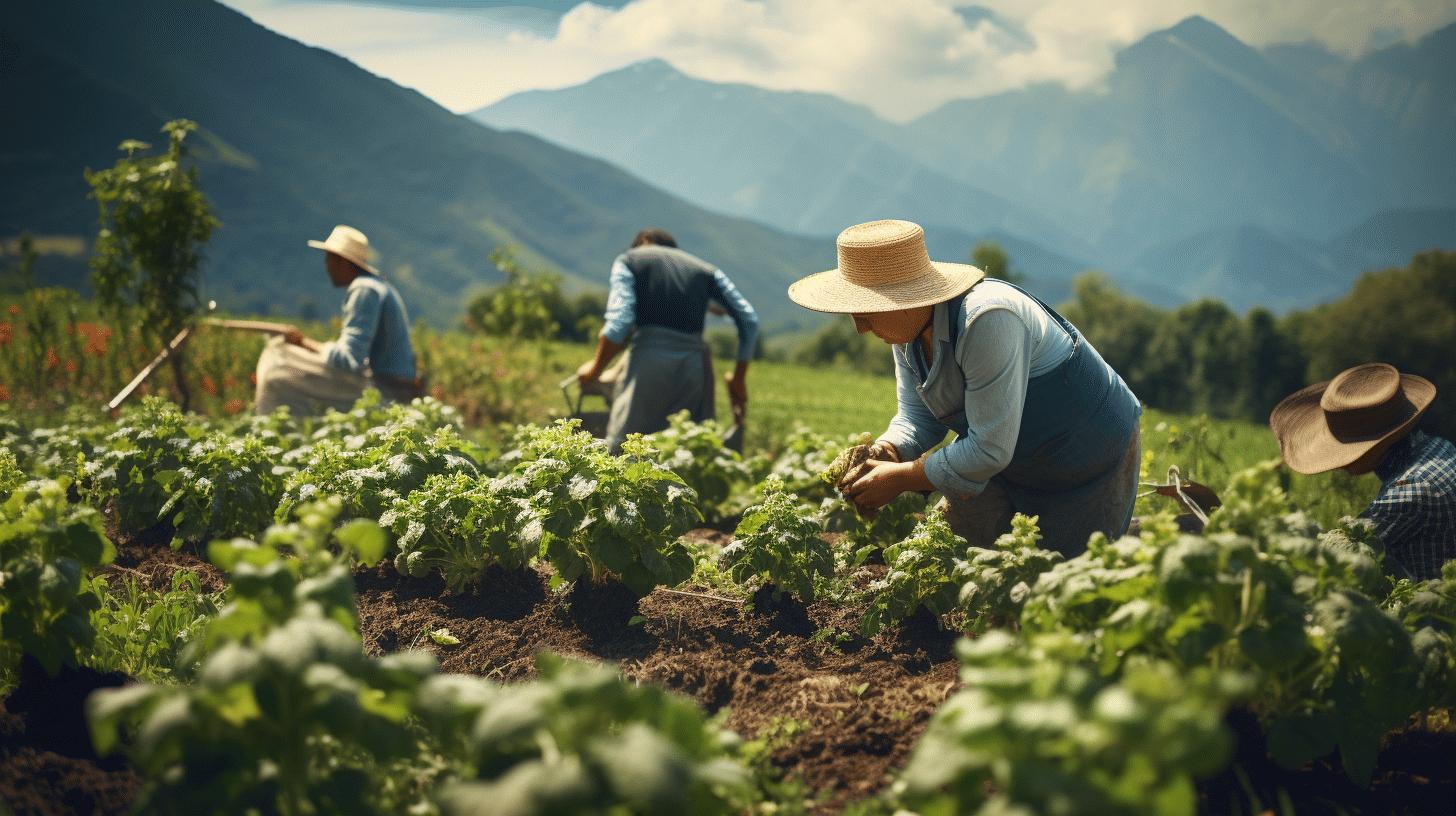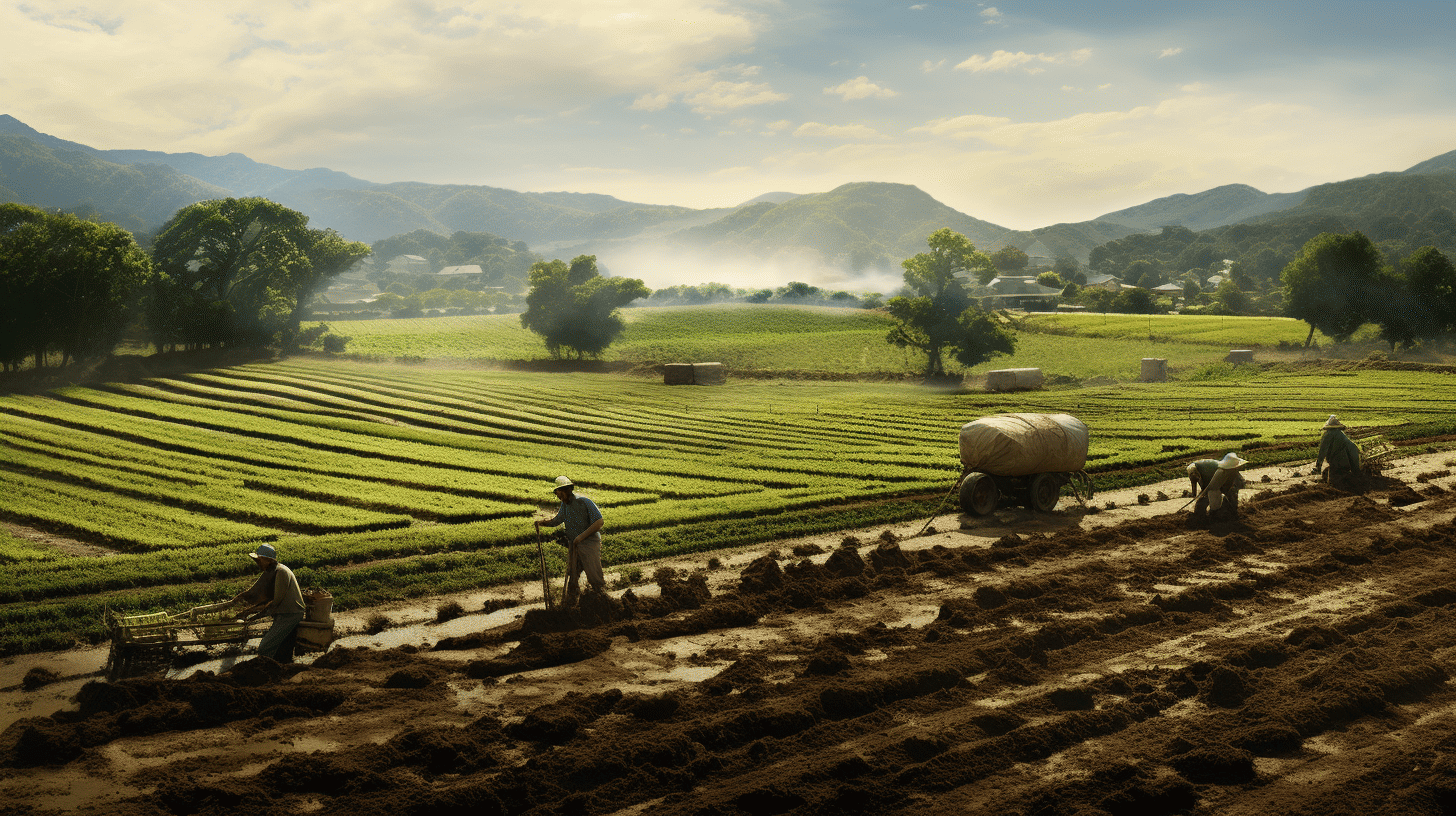
Welcome to the world of permaculture design for sustainable farmers! Are you ready to explore a holistic and regenerative approach to farming that promotes resilience, biodiversity, and long-term sustainability? If so, you’ve come to the right place.
Permaculture design principles and techniques offer a practical framework for farmers who want to work in harmony with nature while producing healthy and abundant crops. By incorporating permaculture into their farming practices, farmers can not only increase their yields but also mitigate environmental impact and improve the overall health of their land.
In this article, we will delve into the world of permaculture and its various applications for farmers. We’ll explore the ethical foundations and principles of permaculture, discuss techniques to enhance organic crop production, promote soil health and biodiversity, and even look at the interconnections between agroecology, agroforestry, and holistic management.
But it doesn’t stop there! We’ll also discuss the role of technology in sustainable farming and how farmers can transition towards more sustainable forms of agriculture. By the end of this article, you’ll have a solid understanding of permaculture and how it can revolutionize the way we approach farming.
So, whether you’re a seasoned farmer looking to integrate permaculture into your existing practices or someone interested in starting a sustainable farm from scratch, let’s embark on this journey together and discover the incredible potential of permaculture design!
Understanding Permaculture
Permaculture is a holistic design process that considers the interconnectedness of all ecological systems. It is an approach that aims to create sustainable and resilient systems by mimicking the relationships found in the natural world. In this section, we will explore the ethical principles and key principles of permaculture that guide its implementation.
Three Ethical Principles of Permaculture
Permaculture is built upon three ethical principles that form the foundation of its philosophy. These principles guide practitioners in making decisions and taking actions that align with sustainable and ethical practices. Let’s take a closer look at each of these principles:
- Earth Care: The first ethical principle of permaculture is to care for the Earth. It emphasizes the importance of respecting and nurturing the natural environment. This principle encourages individuals to design and implement systems that promote biodiversity, regenerate ecosystems, and minimize harm to the Earth.
- People Care: The second ethical principle of permaculture focuses on caring for people. It recognizes the significance of meeting the needs of individuals and communities in a fair and equitable manner. This principle emphasizes the importance of providing access to resources, promoting social justice, and fostering strong and resilient communities.
- Fair Share: The third ethical principle of permaculture is fair share. It highlights the importance of resource redistribution and ensuring that everyone has access to their basic needs. This principle encourages individuals to share resources, knowledge, and surplus produce with others. It promotes collaboration and cooperation within communities.
12 Principles of Permaculture
In addition to the ethical principles, permaculture follows a set of 12 principles that provide practical guidance for designing and implementing sustainable systems. These principles serve as a toolbox for permaculture practitioners to create harmonious and regenerative environments. Let’s explore the 12 principles:
| Principle | Description |
|---|---|
| 1. Observe and Interact | Carefully observe and understand the patterns and functions of nature before making any changes. |
| 2. Catch and Store Energy | Harvest and store energy from natural sources to meet the needs of the system. |
| 3. Obtain a Yield | Design systems to produce a surplus of resources and benefits. |
| 4. Apply Self-Regulation and Accept Feedback | Continuously monitor and adjust systems based on feedback to maintain balance and resilience. |
| 5. Use and Value Renewable Resources and Services | Prioritize the use of sustainable and renewable resources and services over non-renewable ones. |
| 6. Produce No Waste | Minimize waste generation and maximize resource efficiency. |
| 7. Design from Patterns to Details | Start with broad patterns and gradually work towards the specifics of design and implementation. |
| 8. Integrate Rather Than Segregate | Create interconnected systems that maximize the beneficial relationships between elements. |
| 9. Use Small and Slow Solutions | Prefer smaller and slower-paced interventions over large-scale and rapid ones. |
| 10. Use and Value Diversity | Recognize and embrace the value of diverse elements within a system. |
| 11. Use Edges and Value the Marginal | Maximize the productivity and diversity of systems by utilizing the edges and marginal spaces. |
| 12. Creatively Use and Respond to Change | Adapt and innovate in response to changes in the environment and circumstances. |
By following these principles, permaculture practitioners can create regenerative and sustainable systems that support both the natural environment and human communities.
Remember, permaculture is not a one-size-fits-all approach. It is a flexible and adaptable design process that can be applied to various contexts and scales, from backyard gardens to large-scale agricultural systems. So, whether you are a gardener, farmer, or simply interested in sustainable living, permaculture offers a valuable framework for creating harmony and resilience within our ecosystems.
Permaculture Techniques for Farmers
Permaculture, a holistic approach to agriculture, offers farmers a range of techniques to enhance organic crop production, promote soil health, and preserve biodiversity. By implementing permaculture principles, farmers can create sustainable and resilient farming systems that benefit both the environment and their livelihoods.
Enhancing Organic Crop Production
One of the key advantages of permaculture techniques for farmers is their ability to enhance organic crop production. By incorporating these practices into their farming systems, farmers can improve the overall health and productivity of their crops while reducing reliance on synthetic fertilizers and pesticides. Here are some permaculture techniques that can help farmers achieve this:
- Polyculture: Rather than growing a single crop in large, mono-culture fields, permaculture encourages farmers to embrace the concept of polyculture. This involves interplanting different crops that complement each other, providing natural pest control, and enhancing soil fertility.
- Companion Planting: Another way to improve organic crop production is through companion planting. By strategically planting crops that have mutually beneficial relationships, farmers can enhance nutrient uptake, reduce pest pressure, and maximize yield.
- Crop Rotation: Implementing crop rotation practices can help farmers break pest and disease cycles, prevent nutrient depletion, and maintain a healthy soil microbiome. By rotating crops with different nutrient requirements, farmers can optimize soil fertility and minimize the need for external inputs.
Promotion of Soil Health and Biodiversity
One of the core principles of permaculture is the promotion of soil health and biodiversity. Healthy soil is the cornerstone of sustainable agriculture, as it provides essential nutrients to plants, retains water, and supports beneficial soil organisms. Here’s how permaculture techniques can contribute to soil health and biodiversity:
- Mulching: The application of organic mulch, such as straw or wood chips, helps to suppress weed growth, retain moisture in the soil, and improve soil structure. As the mulch breaks down, it enriches the soil with organic matter, promoting nutrient cycling and enhancing microbial activity.
- Agroforestry: Integrating trees or shrubs into farming systems can have numerous benefits. Trees provide shade, reduce soil erosion, and offer habitat for beneficial insects and birds. Agroforestry systems also contribute to carbon sequestration, mitigating climate change impacts.
- Habitat Creation: By allowing areas of their farms to become natural habitats, farmers can attract diverse wildlife and beneficial insects. This natural pest control reduces the need for chemical interventions while promoting biodiversity.
By adopting permaculture techniques, farmers can tap into nature’s wisdom and work with, rather than against, natural processes. These practices not only improve crop productivity but also build resilient farming systems that are better equipped to withstand environmental challenges. Through the promotion of soil health and biodiversity, permaculture offers farmers a sustainable and regenerative path towards a more resilient and food-secure future.
Additional Information:
- Permaculture techniques can improve farmers’ abilities to grow organic crops and meet food requirements. [1]
- Organic farming promotes soil health and biodiversity. [2]
[2] Rodale Institute
Interconnection Between Agroecology, Agroforestry, and Holistic Management
Agroecology, agroforestry, and holistic management are three interrelated approaches that form the foundation of regenerative agriculture. While each approach has its unique characteristics and focuses, they share a common goal of promoting sustainable and harmonious relationships between agricultural practices and the environment.
Agroecology: Cultivating Harmony with Nature
At its core, agroecology emphasizes the application of ecological principles to agricultural systems. It seeks to create sustainable food production methods that work in harmony with nature while minimizing negative impacts on the environment.
Key elements of agroecology include:
- Biodiversity: Agroecological systems prioritize the preservation and enhancement of biodiversity. This is achieved through crop diversification, integrating livestock into farming systems, and creating habitats for beneficial organisms.
- Soil Health: Agroecology recognizes the critical role of healthy soil in supporting plant growth and overall ecosystem function. Practices such as cover cropping, crop rotation, and organic fertilization are promoted to nourish and protect the soil.
- Resilience: Agroecological systems are designed to be resilient to environmental changes and disturbances. By diversifying crops and employing agroforestry techniques, farmers can mitigate the risks associated with climate variability and ensure long-term productivity.
Agroforestry: Harnessing the Power of Trees
Agroforestry is an agricultural practice that integrates trees and crops or livestock on the same piece of land. By intentionally combining trees with other agricultural components, agroforestry offers a range of environmental, economic, and social benefits.
Key features of agroforestry include:
- Multifunctionality: Agroforestry systems maximize land productivity by simultaneously providing food, fuel, fiber, and timber. Trees play a crucial role in diversifying the farm’s output while enhancing ecological functions such as shade provision and windbreaks.
- Ecosystem Services: Agroforestry practices contribute to the provision of ecosystem services such as carbon sequestration, water filtration, and wildlife habitat creation. These services have a positive impact on the surrounding environment and can mitigate the effects of climate change.
- Sustainability: Agroforestry promotes sustainable land management by reducing soil erosion, improving water retention, and enhancing nutrient cycling. These practices contribute to the overall health and fertility of the agroecosystem.
Holistic Management: Balancing Ecological and Economic Goals
Holistic management focuses on the integration of social, economic, and ecological considerations in decision-making processes. It recognizes that successful agricultural practices must take into account the needs and goals of all stakeholders, including farmers, consumers, and the environment.
Key principles of holistic management include:
- Goal Setting: Holistic management encourages farmers to define clear goals that reflect the values and aspirations of their communities. These goals encompass not only economic objectives but also environmental and social outcomes.
- Decision Making: Holistic management relies on a holistic decision-making process that considers the long-term impacts of various management options. It takes into account the potential ecological, economic, and social consequences of each decision.
- Monitoring and Adaptation: Holistic management emphasizes the importance of continuous monitoring and learning. By regularly evaluating the outcomes of management decisions, farmers can adapt their practices to achieve their desired goals effectively.
As we can see, agroecology, agroforestry, and holistic management are interconnected and complementary approaches within the realm of regenerative agriculture. They promote sustainable farming practices, enhance ecosystem health, and contribute to the development of resilient and thriving agricultural systems. By adopting these approaches, farmers can work towards a more sustainable and prosperous future for agriculture and the environment.
The Role of Technology in Sustainable Farming
Technology plays a crucial role in promoting sustainable farming practices. It has revolutionized the way farmers approach agriculture, enabling them to increase efficiency, reduce waste, and minimize environmental impact. With the advent of regenerative agriculture, permaculture design, and smart technology, sustainable farming has become more accessible and practical than ever before.
Regenerative Agriculture: A Game-Changer for Sustainable Farming
Regenerative agriculture is a holistic approach to farming that focuses on restoring and enhancing the health of the soil, ecosystems, and communities. It goes beyond traditional farming practices by actively improving the soil’s fertility, promoting biodiversity, and minimizing the use of agrochemicals. Here’s how technology has contributed to the success of regenerative agriculture:
- Soil Monitoring: Advanced sensors and monitoring systems allow farmers to track soil health indicators such as moisture levels, nutrient content, and microbial activity. By collecting real-time data, farmers can make informed decisions about irrigation, fertilization, and soil management practices, leading to healthier and more productive soils.
- Precision Farming: Precision farming technologies, such as GPS-guided tractors and drones, enable farmers to optimize the use of resources. They can precisely apply fertilizers, pesticides, and water only where and when needed, reducing wastage and minimizing environmental impact.
Permaculture Design: Blending Tradition with Technology
Permaculture design is a farming approach that draws inspiration from natural ecosystems, aiming to create sustainable and self-sufficient agricultural systems. It emphasizes the importance of biodiversity, natural resource conservation, and ecological balance. Technology has enhanced the implementation of permaculture principles in the following ways:
- Agroforestry: Agroforestry combines tree crops with other agricultural practices to create diverse and sustainable farming systems. Technology aids in identifying suitable tree species, designing optimal layouts, and assessing the environmental benefits of agroforestry systems, such as carbon sequestration and habitat creation.
- Water Management: Efficient water management is a cornerstone of permaculture design. Sensor-based irrigation systems, rainwater harvesting techniques, and water-efficient irrigation methods help farmers conserve water resources while ensuring optimal plant hydration. High-tech weather monitoring devices enable precise forecasting, helping farmers plan irrigation schedules and avoid water shortages.
Smart Technology: Paving the Way for Sustainable Farming
Smart technology encompasses various digital tools and applications specifically designed for the agricultural sector. These technologies integrate data collection, analysis, and automation to improve farm productivity and sustainability:
- Internet of Things (IoT): IoT devices and sensors provide real-time data on various farm parameters, such as temperature, humidity, and pest activity. This data helps farmers make informed decisions, optimize resource allocation, and reduce waste.
- Data Analytics: Advanced data analytics platforms enable farmers to analyze large datasets and gain valuable insights. By leveraging machine learning algorithms, farmers can predict crop yields, detect diseases, and optimize production methods, leading to better resource management and increased farm productivity.
- Robotics and Automation: Robots and automated machinery have revolutionized labor-intensive farming processes. They can perform tasks like harvesting, weeding, and pest control with precision, reducing the need for manual labor and the use of chemical inputs.
As technology continues to advance, its role in sustainable farming will only become more vital. By harnessing the power of regenerative agriculture, permaculture design, and smart technology, farmers can cultivate a more sustainable future for our planet, ensuring food security while preserving the environment.
Transitioning Towards More Sustainable Forms of Agriculture
Transitioning to more sustainable forms of agriculture is essential for the long-term health of our environment. As the global population continues to grow, the demand for food and resources increases, putting strain on our natural ecosystems. Sustainable agriculture offers a solution by promoting practices that minimize environmental impact, conserve resources, and support biodiversity.
Benefits of Sustainable Agriculture
There are numerous benefits associated with transitioning towards more sustainable agricultural practices:
- Environmental Conservation: Sustainable agriculture emphasizes the protection and restoration of natural resources such as soil, water, and air quality. By reducing chemical inputs, managing waste responsibly, and promoting biodiversity, sustainable farming practices help mitigate climate change and preserve ecosystems for future generations.
- Long-Term Food Security: Sustainable agriculture focuses on maintaining the productive capacity of land while ensuring its long-term viability. By prioritizing soil health, crop rotation, and integrated pest management, sustainable farmers can continue to produce high-quality food without degrading or depleting their resources.
- Economic Resilience: Adopting sustainable agriculture practices can contribute to economic resilience for farmers. By diversifying their crops, implementing efficient irrigation systems, and practicing water conservation, farmers can lower their production costs and increase their overall profitability.
Key Principles of Sustainable Agriculture
To transition towards more sustainable forms of agriculture, several key principles should be considered:
- Crop Rotation: Planting different crops in rotation helps to break pest and disease cycles, reduces the need for chemical inputs, and improves soil structure and fertility. Crop rotation also helps to maintain a balanced ecosystem, benefiting beneficial insect populations and reducing the reliance on synthetic pesticides.
- Conservation Tillage: Conservation tillage practices, such as no-till or reduced tillage, help to minimize soil erosion, improve soil structure, and retain moisture in the soil. This reduces the need for excessive irrigation and helps to conserve water resources.
- Integrated Pest Management: Integrated pest management (IPM) is a holistic approach that emphasizes the use of natural pest control methods rather than relying on chemical pesticides. IPM involves monitoring pests, using biological controls, crop rotation, and implementing other preventative measures to minimize the use of chemicals.
- Agroforestry: Agroforestry is a system that combines the cultivation of trees with agricultural crops or livestock. By integrating trees on farms, multiple benefits can be achieved, including soil conservation, biodiversity enhancement, carbon sequestration, and additional income streams through the sale of tree products.
By embracing these principles and adopting sustainable practices, farmers can support the transition towards more sustainable forms of agriculture, contributing to the health of our environment and the well-being of future generations.
Sustainable agriculture offers a holistic approach to farming that promotes environmental conservation, long-term food security, and economic resilience. By implementing practices like crop rotation, conservation tillage, integrated pest management, and agroforestry, farmers can contribute to a more sustainable future for agriculture.
Conclusion
After exploring the diverse aspects of permaculture design for sustainable farmers, it is clear that this approach offers numerous benefits for creating resilient farming systems. By integrating ecological principles, permaculture empowers farmers to work in harmony with nature, promoting long-term sustainability and productivity.
Throughout this article, we have learned about the three ethical principles of permaculture: Earth Care, People Care, and Fair Share. These principles provide a strong foundation for sustainable practices and guide farmers in making environmentally conscious decisions.
Additionally, we have delved into the twelve principles of permaculture, which serve as a framework for designing regenerative systems. These principles emphasize concepts such as observation, diversity, and integration, enabling farmers to create ecologically sound and productive landscapes.
When it comes to permaculture techniques for farmers, we discovered how they can enhance organic crop production. By implementing techniques like companion planting, crop rotation, and natural pest control methods, farmers can reduce the use of external inputs while fostering healthy and resilient crops.
Furthermore, permaculture promotes soil health and biodiversity, which are crucial for long-term agricultural sustainability. Techniques such as cover cropping, mulching, and agroforestry systems can improve soil fertility, conserve water, and enhance habitat for beneficial organisms.
We have also explored the interconnection between permaculture, agroecology, agroforestry, and holistic management. These practices share common goals of promoting ecological balance, regenerative agriculture, and resilience in farming systems. By integrating these approaches, farmers can create holistic and interconnected landscapes that benefit both the environment and the community.
Technology also plays a significant role in sustainable farming. From precision agriculture tools to remote monitoring systems, farmers can leverage technology to optimize resource use, reduce waste, and make data-driven decisions for increased productivity.
As we consider the future of agriculture, transitioning towards more sustainable forms becomes imperative. Permaculture offers a visionary approach that reconciles productivity with environmental stewardship, making it an excellent choice for farmers looking to create regenerative and resilient food systems.
In conclusion, permaculture design provides a holistic and sustainable approach for farmers to create resilient and thriving agricultural systems. By incorporating permaculture principles and techniques, farmers can minimize their environmental impact while maximizing productivity and long-term sustainability. Embracing permaculture can pave the way for a more sustainable future in farming, benefiting both the Earth and the people who depend on it.
Frequently Asked Questions
- What is permaculture design?
Permaculture design is an approach to sustainable farming that focuses on creating resilient systems by mimicking natural ecosystems. It involves designing landscapes, farms, and gardens that maximize productivity, minimize waste, and promote biodiversity.
- Why is permaculture design important for sustainable farmers?
Permaculture design is important for sustainable farmers because it offers a holistic approach to farming that considers ecological principles, social factors, and economic viability. It helps farmers create self-sustaining systems that are resilient to climatic changes, enhance soil fertility, and promote biodiversity.
- What are some key principles of permaculture design for sustainable farmers?
Some key principles of permaculture design for sustainable farmers include observing and interacting with the natural environment, utilizing renewable resources, minimizing waste and energy consumption, integrating biodiversity, using efficient water management techniques, and promoting self-regulating systems.
- How can permaculture design benefit small-scale farmers?
Permaculture design can benefit small-scale farmers by providing them with strategies to increase productivity, improve soil health, reduce reliance on external inputs, diversify income streams, strengthen community connections, and enhance food security.
- Are there any specific permaculture design techniques for farmers to consider?
Yes, there are several permaculture design techniques suitable for farmers, such as agroforestry, companion planting, crop rotation, water catchment and storage systems, swales, keyline design, and integrated livestock management. These techniques help optimize resource utilization and promote sustainable farming practices.