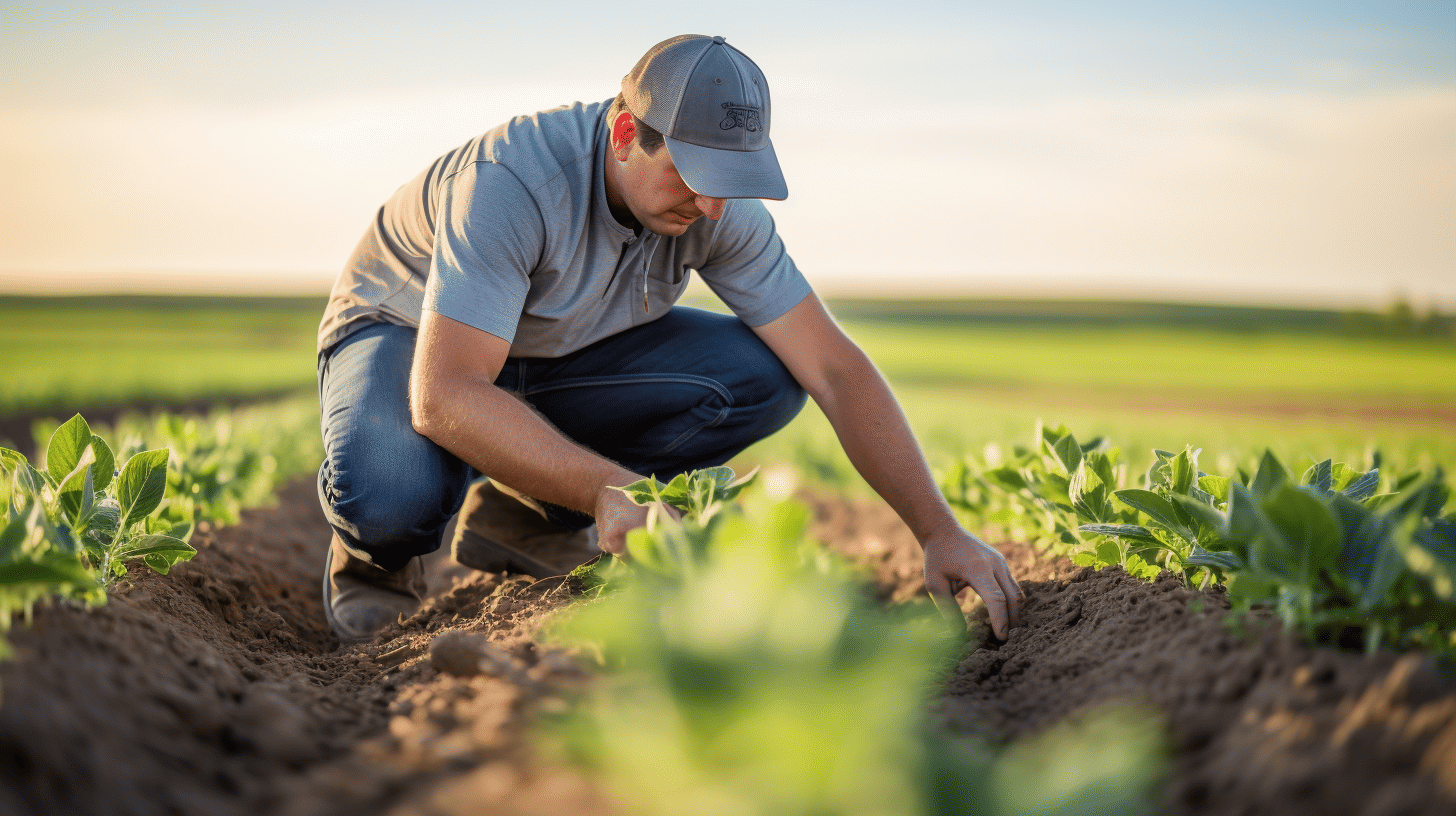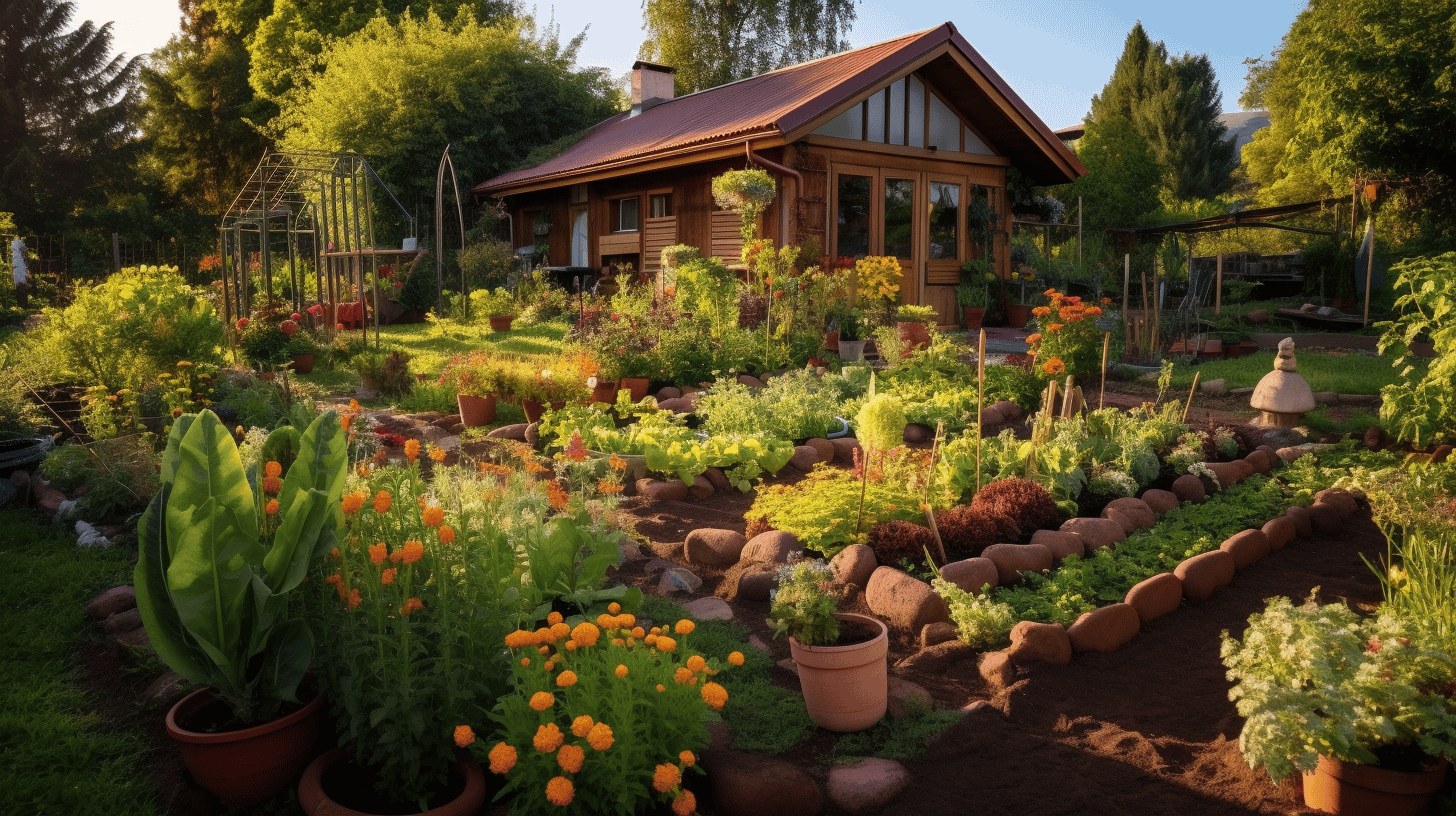
Permaculture has gained significant attention in recent years as a holistic approach to sustainable living. Its principles and practices focus on designing systems that mimic natural ecosystems while providing for human needs. At the heart of permaculture is soil management, which plays a crucial role in creating resilient ecosystems and food production.
In this article, we will explore the concept of permaculture and how it offers a pathway to sustainable soil management. We will delve into the science of design and soil-building practices that form the foundation of permaculture. Additionally, we will examine the role of water management, enhancing soil fertility and structure through agroforestry and companion planting, as well as the economic benefits of implementing permaculture practices.
Furthermore, we will discuss the relationship between climate, soil health, and permaculture, highlighting how permaculture can contribute to mitigating climate change and restoring degraded soils. We will also touch on the International Permaculture Research Project and its efforts to expand the knowledge and applicability of permaculture principles worldwide.
Finally, we will explore the role of pioneer species in permaculture and their contribution to the establishment and enhancement of ecological systems. By understanding these various aspects of permaculture, readers will gain valuable insights into how this approach can reverse soil degradation, create sustainable landscapes, and contribute to a more resilient future.
Join us on this journey as we unveil the intricacies of permaculture and its potential to transform soil management and promote sustainability.
Defining Permaculture
Permaculture, often referred to as a design science, is a concept that encompasses a holistic approach to sustainable living. It aims to create permanent, regenerative systems that work in harmony with nature. It offers a framework for designing and implementing practices that are not only environmentally friendly but also socially and economically beneficial.
Science of Design
At its core, permaculture is about understanding the patterns and principles found in nature and applying them to our own lives and landscapes. By observing and mimicking natural ecosystems, permaculture seeks to create self-sustaining systems that reduce waste, enhance biodiversity, and promote resilience.
One of the key principles of permaculture is the idea that everything is connected. It emphasizes the importance of considering the interrelationships between different elements within a system and finding ways to create mutually beneficial connections. This approach encourages a shift away from linear thinking and towards a more holistic and integrated mindset.
Soil-Building Practices
A fundamental aspect of permaculture is the focus on building and maintaining healthy soil. Permaculturists understand that soil is the foundation for a thriving ecosystem, and therefore, prioritize the cultivation of rich, living soil. Here are some soil-building practices commonly used in permaculture:
- Composting: Composting is the process of decomposing organic matter, such as kitchen scraps and yard waste, to create nutrient-rich compost. This compost can then be used to improve soil fertility and structure.
- Mulching: Mulching involves covering the soil with a layer of organic material, such as straw or wood chips. This helps to retain moisture, regulate soil temperature, suppress weeds, and add organic matter to the soil as it breaks down.
- Cover Cropping: Cover cropping involves planting fast-growing plants, such as legumes or grasses, to cover the soil between main crops. These cover crops help to prevent soil erosion, fix nitrogen in the soil, and add organic matter when they decompose.
- Crop Rotation: Crop rotation is the practice of systematically changing the type of crops grown in a specific area over time. This helps to prevent the buildup of pests and diseases, improves soil fertility, and reduces the need for synthetic fertilizers and pesticides.
Incorporating these practices into gardening and farming not only improves soil health but also leads to increased productivity, reduced reliance on external inputs, and a more resilient and sustainable food system.
In conclusion, permaculture is a comprehensive approach to sustainable living that embraces the principles found in nature. By understanding and working with the intricate connections between various elements within a system, and by implementing soil-building practices, permaculture offers a way to create resilient and regenerative systems that benefit both people and the planet.
Water Management in Permaculture
Water management is a critical aspect of permaculture, as it significantly impacts soil health and conservation. Permaculture is a sustainable approach to agriculture that aims to create self-sufficient and regenerative systems. In this section, we will explore the importance of water management in permaculture and how it can help maximize plant growth and minimize water waste.
Benefits of Efficient Water Management in Permaculture
Efficient water management in permaculture brings numerous benefits that contribute to the overall success of a permaculture system. Here are some key advantages:
- Conservation of Water Resources: Permaculture systems emphasize the conservation of water resources by using techniques such as water harvesting, rainwater collection, and smart irrigation methods. By capturing and storing rainwater, permaculturists can reduce reliance on external water sources, especially in drought-prone areas.
- Enhanced Soil Health: Proper water management in permaculture ensures that the soil remains well-hydrated, promoting nutrient availability and microbial activity. Well-hydrated soil allows plants to establish strong root systems, leading to healthier and more resilient crops.
- Minimization of Water Waste: In traditional agriculture, a significant amount of water is often wasted through inefficient irrigation systems. Permaculture, on the other hand, encourages the use of drip irrigation, mulching, and other water-conservation techniques that minimize water waste. This not only saves water but also reduces energy costs associated with pumping and transporting water.
- Increased Biodiversity: Efficient water management in permaculture systems can create diverse microclimates that support a wide range of plant and animal species. By providing water in different areas of the landscape, permaculturists can attract beneficial insects, birds, and other wildlife that contribute to natural pest control and pollination.
Strategies for Effective Water Management
To optimize water use and conservation in permaculture, it is essential to implement effective water management strategies. Here are some strategies commonly used in permaculture systems:
| Strategy | Description |
|---|---|
| Swales | Swales are shallow ditches or channels constructed on contour to capture and retain rainwater. They slow down the flow of water, allowing it to infiltrate the soil and recharge groundwater aquifers. |
| Keyline Design | Keyline design is a technique that uses contour plowing and subsoiling to manage water flow. It helps distribute water evenly across the landscape, maximizing its infiltration and minimizing erosion. |
| Rainwater Harvesting | Rainwater harvesting involves collecting and storing rainwater for later use. This can be done through rooftop catchment systems, rain barrels, or large-scale storage tanks. |
| Greywater Recycling | Greywater recycling involves reusing wastewater from household activities such as laundry and dishwashing. It can be redirected to irrigate non-edible plants, reducing the demand for freshwater. |
| Mulching | Mulching involves covering the soil with organic material such as straw or wood chips. It helps retain soil moisture, reduces evaporation, and suppresses weed growth. |
| Drip Irrigation | Drip irrigation systems deliver water directly to the base of plants, minimizing water loss due to evaporation and reducing weed competition. |
By implementing these strategies and combining them with appropriate plant selection and design principles, permaculturists can achieve efficient water management and create resilient, productive landscapes.
In conclusion, water management plays a vital role in permaculture by conserving water resources, enhancing soil health, minimizing waste, and increasing biodiversity. By implementing effective water management strategies, permaculturists can create self-sufficient and regenerative systems that support healthy plant growth while minimizing environmental impact.
Learn more about permaculture and water management and discover how these practices can contribute to a more sustainable future.
Enhancing Soil Fertility and Structure
When it comes to cultivating a successful garden or farm, one of the key factors to consider is the health of the soil. Healthy soil provides essential nutrients to plants, improves water retention, and promotes strong root growth. In the pursuit of enhancing soil fertility and structure, permaculture incorporates various practices that have proven to be effective. Two such practices are agroforestry and companion planting.
Agroforestry
Agroforestry is a farming technique that combines agriculture and forestry by integrating trees, crops, and livestock on the same land. This approach creates a diverse and interconnected ecosystem that has numerous benefits for soil fertility. Here’s how agroforestry can help enhance the health of the soil:
- Nutrient cycling: In an agroforestry system, trees act as nutrient pumps, absorbing nutrients from deep in the soil and cycling them back to the surface through leaf fall and organic matter decomposition. This process enriches the topsoil and provides essential nutrients to adjacent crops.
- Water retention: The presence of trees in an agroforestry system helps regulate water levels in the soil. Their deep root systems increase water infiltration and reduce runoff, preventing soil erosion and allowing plants to access water during dry periods.
- Erosion control: The canopy provided by the trees in an agroforestry system acts as a natural barrier against wind and water erosion. This protection helps retain the topsoil and prevents nutrient loss.
- Habitat for beneficial organisms: The diverse habitat created by agroforestry systems attracts a wide range of beneficial organisms such as earthworms, insects, and microorganisms. These organisms contribute to soil fertility by breaking down organic matter, improving nutrient availability, and suppressing pests and diseases.
Companion Planting
Companion planting is a gardening technique that involves planting different species of plants together to benefit each other by providing natural pest control, enhancing nutrient uptake, and optimizing garden space. The practice of companion planting offers several advantages for soil fertility:
- Nitrogen fixation: Some plants, known as nitrogen-fixing plants, have the ability to convert atmospheric nitrogen into a form that is usable by other plants. By strategically incorporating nitrogen-fixing plants, such as legumes, into your garden, you can boost the nitrogen levels in the soil naturally.
- Pest control: Certain combinations of plants can repel pests or attract beneficial insects that help control pests. This reduces the need for chemical pesticides that can harm the soil and the environment.
- Enhanced nutrient uptake: Companion planting allows for the efficient use of nutrients in the soil. Some plants have deep root systems that can access nutrients from deeper layers, while others have shallow roots that benefit from the nutrients released by the deep-rooted plants.
- Weed suppression: By planting certain species together, you can create a dense canopy that shades the soil, preventing weed growth and reducing the need for herbicides.
Permaculture recognizes the importance of soil fertility and structure in sustainable agriculture. Practices like agroforestry and companion planting provide practical and effective strategies to enhance soil health and promote a thriving ecosystem. By incorporating these techniques into your gardening or farming endeavors, you can create a productive and resilient system that benefits both plants and the environment.
The Economic Benefit of Permaculture
Permaculture, a sustainable approach to land management and agriculture, not only benefits the environment but also has significant economic advantages. By implementing permaculture practices, individuals and communities can enjoy long-term financial benefits while creating a healthier and more sustainable future.
Here are some key economic benefits of permaculture:
- Reduced Costs: Permaculture focuses on working with nature rather than against it, resulting in reduced input costs. By using natural resources efficiently and minimizing the need for external inputs, such as synthetic fertilizers and pesticides, permaculture practitioners can save money on purchasing these expensive products.
- Increased Yield: Through careful observation and design, permaculture systems can increase agricultural productivity. By creating diverse and interconnected ecosystems, permaculturists can optimize the use of available resources, improve soil fertility, and utilize companion planting techniques. This ultimately leads to higher yields of crops, fruits, and vegetables, providing a greater abundance of food for consumption or sale.
- Value-Added Products: Permaculture encourages the production of value-added products, such as processed foods, herbal remedies, and artisan crafts. By utilizing the abundance of resources available within a permaculture system, individuals can create unique and marketable products that fetch higher prices. This diversification of income streams helps to enhance economic resilience and provides additional revenue opportunities.
- Job Creation: Permaculture practices have the potential to create employment opportunities, particularly in rural areas. As permaculture systems require ongoing maintenance and management, there is a demand for skilled permaculturists, gardeners, educators, and consultants. These jobs not only contribute to local economies but also support the development of self-sustaining communities.
- Environmental Cost Savings: By implementing permaculture practices, individuals and communities can reduce their reliance on non-renewable resources and minimize the negative impact on the environment. This, in turn, leads to cost savings by avoiding expenses associated with pollution control, waste management, and the repair of environmental damages caused by conventional agriculture.
For more information on permaculture techniques to increase yield, check out this resource.
To learn more about job opportunities in permaculture, visit this website.
Explore the environmental benefits of permaculture here.
Permaculture not only helps us live in harmony with nature but also offers tangible economic benefits. By adopting permaculture principles and techniques, individuals and communities can enjoy reduced costs, increased yield, the production of value-added products, job creation, and environmental cost savings. It’s clear that permaculture is not only a sustainable solution but also an economically viable one.
Climate, Soil and Permaculture
Climate plays a crucial role in determining the success and effectiveness of permaculture systems. Understanding the climate of a specific region helps permaculturists make informed decisions about suitable plants, water management, and soil conservation. Let’s delve into the interconnections between climate, soil, and permaculture to gain a deeper appreciation for their relationship.
The Influence of Climate on Permaculture Systems
Permaculture systems can significantly affect moisture retention in soils, especially under extreme climate conditions[1]. By strategically planting trees and utilizing various water management techniques such as swales and contouring, permaculturists can create microclimates within their landscapes.
- In arid regions, where water is scarce, permaculture design aims to maximize water infiltration and minimize evaporation. Mulching, using drought-tolerant plants, and implementing efficient irrigation systems all contribute to conserving precious water resources.
- In regions with heavy rainfall, permaculture techniques focus on preventing erosion and effectively capturing and directing the excess water. The use of well-designed swales and water catchment systems helps to slow down the water flow and allows it to percolate into the soil, replenishing groundwater reserves.
The Role of Soil in Permaculture
Soil is a fundamental component of any permaculture system. It not only serves as a medium for plant growth but also plays an essential role in nutrient cycling, water filtration, and carbon sequestration. Here are some key considerations regarding soil in permaculture:
- Soil composition: Permaculturists closely analyze soil composition, including its texture, structure, and nutrient content. By understanding the soil’s characteristics, they can make informed decisions regarding appropriate plant selection, organic matter addition, and soil improvement techniques such as composting and mulching.
- Soil conservation: Permaculture emphasizes erosion control and soil conservation practices. Techniques like contouring, terracing, and the establishment of windbreaks minimize soil erosion, improve water infiltration, and protect the soil from nutrient loss.
- Soil health promotion: A healthy soil ecosystem is vital for the success of any permaculture system. Permaculturists focus on enhancing soil fertility through organic practices like cover cropping, companion planting, and the use of natural fertilizers. These practices support beneficial microbial activity in the soil and promote a balanced soil food web.
The Synergy Between Climate, Soil, and Permaculture
Permaculture is rooted in observing and working with nature’s patterns and processes. By understanding the relationship between climate, soil, and permaculture techniques, practitioners can create resilient and sustainable systems. Some notable points encompassing this synergy include:
- Adaptation to climate change: Permaculture offers adaptable solutions in the face of climate change. By utilizing thoughtful design and innovative techniques, permaculturists can mitigate the impact of rising temperatures, changing rainfall patterns, and other climate-related challenges.
- Carbon sequestration: Healthy soils play a vital role in sequestering carbon from the atmosphere, mitigating climate change. Permaculture practices promote soil health and increased organic matter content, which enhances the soil’s capacity to store carbon.
- Biodiversity conservation: By fostering diverse and resilient ecosystems, permaculture systems contribute to biodiversity conservation. These systems provide habitat for beneficial insects, birds, and other wildlife, enhancing overall ecological balance.
In conclusion, a deep understanding of climate and soil dynamics is essential in permaculture design. By considering the unique climatic conditions and the properties of the soil, permaculturists can create regenerative systems that are highly productive, environmentally sustainable, and adaptable to changing conditions.
[1]: Permaculture Research Institute
Reversing Soil Degradation with Permaculture
Soil degradation has become a significant concern in modern agriculture. Years of intensive farming practices, including the use of synthetic fertilizers, heavy machinery, and monocropping, have taken a toll on the health and fertility of our soils. As a result, many farmers and environmentalists are turning to permaculture as a solution to reverse this trend and restore the health of our soils.
What is permaculture?
Permaculture, short for “permanent agriculture” or “permanent culture,” is a holistic approach to farming and land management. It aims to mimic the natural ecosystems and patterns found in nature to create regenerative, sustainable, and resilient systems.
Key principles of permaculture
Permaculture is guided by a set of principles that help practitioners design and implement sustainable systems. Some of the key permaculture principles include:
- Observe and interact: Before making any changes to the land, it is crucial to observe and understand the existing natural patterns, climate, and ecological processes. This observation allows farmers to work with, rather than against, nature.
- Use and value renewable resources and services: Permaculture emphasizes the use of renewable resources, such as solar energy and water catchment systems, to reduce reliance on non-renewable resources and external inputs.
- Apply self-regulation and accept feedback: By continuously monitoring and evaluating the system, farmers can make adjustments and improvements based on the feedback they receive from the land and the ecosystem.
- Diversity: Permaculture encourages the cultivation of diverse crops, both in terms of species and varieties. This diversity helps create more resilient systems and reduces the risk of pests and diseases.
- Integrate rather than segregate: Permaculture seeks to create functional relationships between different elements of the system. For example, planting nitrogen-fixing plants alongside crops that need nitrogen can reduce the need for synthetic fertilizers.
Benefits of permaculture in reversing soil degradation
Permaculture offers several benefits in reversing soil degradation and promoting soil health. Here are some key reasons why permaculture is gaining popularity among environmentally-conscious farmers:
- Regenerative practices: Permaculture focuses on regenerative practices such as cover cropping, crop rotation, and composting. These practices help build and maintain healthy soil structures, increase organic matter content, and improve soil fertility.
- Reduced chemical inputs: By minimizing the use of synthetic chemicals like fertilizers and pesticides, permaculture reduces the risk of chemical runoff, which can contaminate water sources and harm beneficial soil microorganisms.
- Enhanced biodiversity: Permaculture systems promote the growth of diverse plant species, which supports a wide range of beneficial insects, birds, and wildlife. These organisms play a crucial role in maintaining soil health through their interactions with plants and the soil ecosystem.
- Water management: Permaculture utilizes techniques such as rainwater harvesting, swales, and contouring to effectively manage water resources. These methods help to prevent soil erosion and replenish groundwater reserves.
In conclusion
Permaculture provides a sustainable and holistic approach to reversing soil degradation. By following the principles and practices of permaculture, farmers can restore the health and fertility of soils, reduce reliance on external inputs, and create resilient and regenerative farming systems. It is a positive step towards a more sustainable and environmentally-friendly future.
The International Permaculture Research Project
Have you ever wondered how researchers in the field of permaculture come together to share their knowledge and work collaboratively? Look no further than The International Permaculture Research Project (IPRP). This dynamic initiative brings together researchers from around the world with a shared passion for permaculture.
Connecting Researchers and Fostering Collaboration
The IPRP aims to connect researchers in the field of permaculture, providing a platform for collaboration, knowledge sharing, and the advancement of permaculture practices. Whether you’re a seasoned researcher or just starting your journey in permaculture, the IPRP offers a supportive and collaborative environment to share your work and contribute to the growing body of knowledge in this field.
A Global Network of Permaculture Researchers
One of the key strengths of the IPRP is its global reach. Researchers from all corners of the world can join this vibrant network, making it a truly diverse and inclusive community. By bringing together researchers from different geographic locations, the IPRP promotes the exchange of ideas, techniques, and best practices from various climates, landscapes, and cultural contexts.
Benefits of Joining the IPRP
Becoming a part of the IPRP community comes with numerous benefits. By joining this network, researchers can:
- Access a Wealth of Research: Gain access to a vast repository of research articles, studies, and resources related to permaculture. Stay up-to-date with the latest findings in the field and explore new avenues for research.
- Connect with Like-Minded Researchers: Forge connections and build relationships with fellow researchers who share your passion for permaculture. Collaborate on projects, develop new research initiatives, and foster a supportive community of like-minded individuals.
- Contribute to the Advancement of Permaculture: Share your own research findings, innovations, and insights with the global permaculture community. By contributing your work to the IPRP, you can contribute to the advancement of permaculture practices worldwide.
Join the Movement
Ready to join the movement and become a part of the dynamic world of permaculture research? Visit the International Permaculture Research Project website today to learn more about how you can get involved, access valuable resources, and connect with researchers from around the globe.
Embrace the opportunity to be part of a community committed to sustainable and regenerative practices for a healthier planet. Together, we can shape the future of permaculture research and make a positive impact on our environment.
Role of Pioneer Species in Permaculture
Permaculture, a sustainable agricultural practice, places great value on the use of pioneer species to create thriving ecosystems. Pioneer species are the first plants to colonize disturbed or barren land, and they play a pivotal role in kickstarting the process of ecological succession. Let’s explore how these resilient and adaptable plants contribute to the success of permaculture systems.
The Importance of Pioneer Species
Pioneer species serve as nature’s pioneers, paving the way for the establishment of more diverse and complex plant communities. They bring numerous benefits to the permaculture landscape:
- Soil Stabilization: Pioneer plants have robust root systems that penetrate and bind the soil, preventing erosion and increasing its stability. This is especially crucial in areas where the topsoil has been degraded or depleted. As pioneer species grow, their roots help hold the soil in place, minimizing the loss of nutrients and organic matter.
- Nutrient Accumulation: Many pioneer species have the ability to accumulate and store nutrients in their tissues. As they grow and eventually die back, they release these nutrients into the soil, enriching it and making it more fertile. This bioremediation effect is particularly valuable in permaculture, as it reduces the need for synthetic fertilizers and promotes natural nutrient cycling.
- Habitat Creation: Pioneer species provide habitat and food sources for a variety of organisms, including beneficial insects and animals. Their presence attracts pollinators, predators of plant pests, and other fauna critical for maintaining a healthy ecosystem. By creating a diverse habitat, pioneer species play a crucial role in supporting the overall biodiversity of a permaculture site.
Selecting Pioneer Species in Permaculture
Choosing the right pioneer species is essential for achieving long-term success in permaculture. Here are some factors to consider when selecting pioneer species:
- Adaptability: Pioneer species should be adaptable to a wide range of growing conditions, including poor soil quality, drought, and temperature fluctuations. They should have the ability to thrive in harsh environments and help improve conditions for other, more delicate plants to establish themselves.
- Nitrogen Fixation: Plants that have the ability to fix nitrogen from the atmosphere and convert it into a usable form for other plants are highly desirable as pioneer species. By doing so, they enhance soil fertility and reduce the need for synthetic nitrogen inputs.
- Fast Growth: Pioneer species should have a rapid growth rate to expedite the process of ecological succession. Their ability to quickly establish themselves and shade out competitors helps create favorable conditions for subsequent plant species.
By selecting pioneer species strategically, permaculturists can create a solid foundation for the development of diverse and resilient ecosystems. It’s important to note that the choice of pioneer species may vary depending on the specific climate, soil conditions, and goals of the permaculture project.
In summary, pioneer species play a crucial role in permaculture by stabilizing soil, enriching it with nutrients, and creating habitats for diverse wildlife. Their ability to adapt to harsh conditions and kickstart ecological succession make them valuable assets in sustainable agriculture systems. By harnessing the power of pioneer species, permaculturists can make significant strides towards achieving a more resilient and thriving environment.
Conclusions
In conclusion, permaculture is a powerful approach to sustainable soil management that encompasses not only the science of design but also a range of soil-building practices. Through permaculture, individuals and communities can implement holistic strategies that promote water management, enhance soil fertility and structure, and even reverse soil degradation. The economic benefits of permaculture are also worth considering, as it offers opportunities for sustainable livelihoods and local economic growth.
The role of pioneer species in permaculture cannot be underestimated, as they play a vital role in the establishment and development of a regenerative ecosystem. By understanding and harnessing the power of these early-stage plants, permaculturists can kickstart the regeneration process and create a thriving and resilient environment.
As we delve deeper into the field of permaculture, it becomes clear that this approach has the potential to address some of the most pressing challenges facing agriculture today, including climate change and soil degradation. By working in harmony with nature, permaculture offers a pathway to sustainable and regenerative farming practices.
At Regenerative Agriculture Wiki, we are committed to providing comprehensive resources and insights on permaculture and other regenerative agricultural practices. We invite you to explore our platform and join us in fostering a future where agriculture and ecology thrive in harmony. Together, we can make a positive impact on the environment, support local communities, and contribute to global food security.
To learn more about permaculture and other regenerative agricultural practices, visit Regenerative Agriculture Wiki.
Frequently Asked Questions
- What is permaculture?
Permaculture is a holistic approach to sustainable land use and design that aims to create regenerative ecosystems that are self-sufficient, productive, and resilient.
- How does permaculture support sustainable soil management?
Permaculture employs various practices such as composting, mulching, agroforestry, cover cropping, and no-till farming to enhance soil fertility, structure, moisture retention, and biodiversity.
- What are the benefits of practicing permaculture for soil health?
Practicing permaculture improves soil health by reducing erosion, increasing organic matter content, promoting beneficial microbial activity, enhancing nutrient cycling, and minimizing the need for chemical inputs.
- Can permaculture be implemented in urban areas?
Yes, permaculture principles can be applied in urban areas through techniques like vertical gardening, rooftop gardens, container gardening, community gardens, and rainwater harvesting.
- Are there any permaculture certification courses available?
Yes, there are various organizations that offer permaculture design certification courses globally. These courses provide in-depth knowledge and practical skills to implement permaculture principles in various contexts.