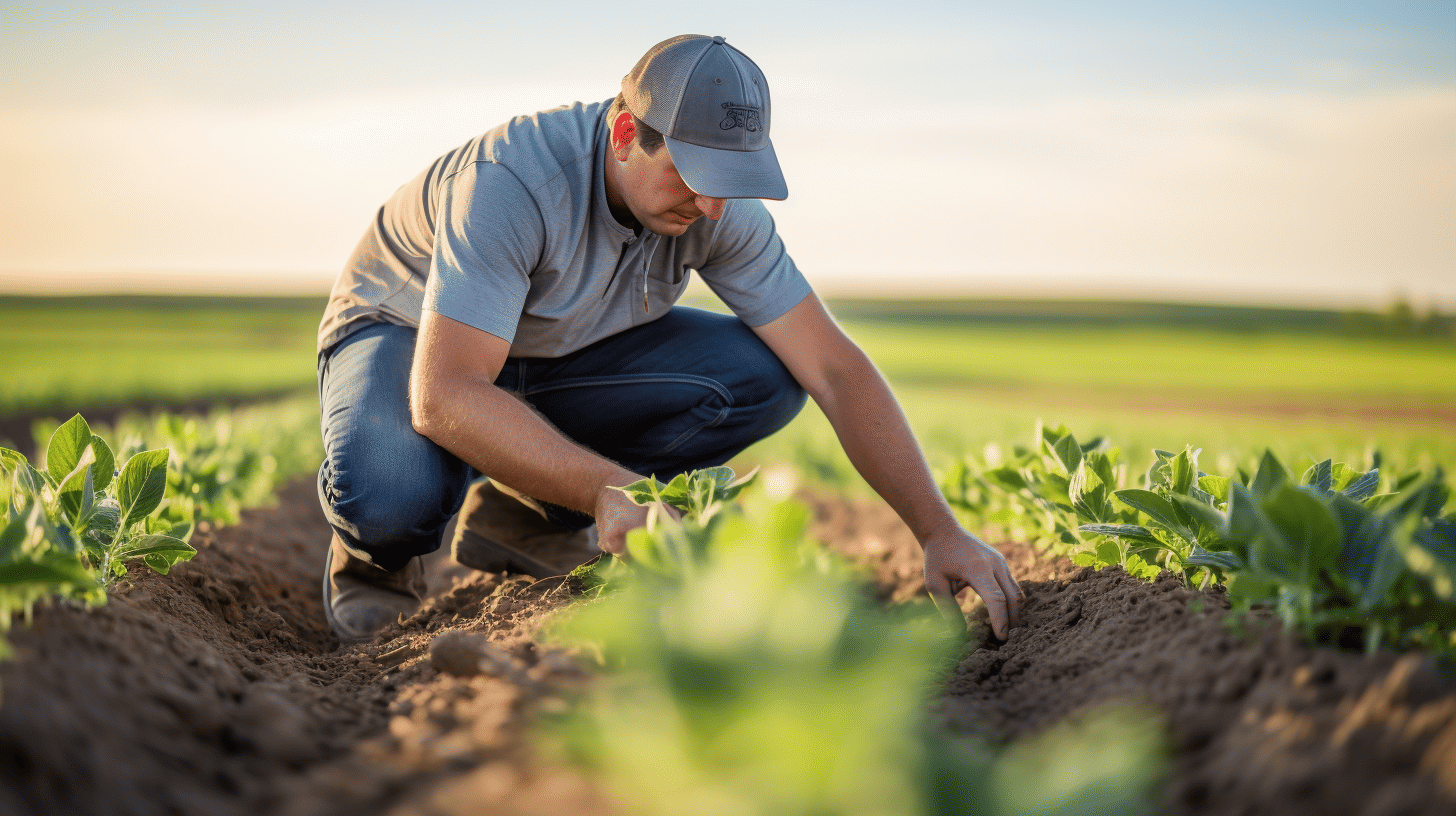
Integrated Pest Management (IPM) is a comprehensive approach to pest control that aims to minimize the use of chemical pesticides while effectively managing pest populations. In the context of sustainable soil management, IPM plays a crucial role in maintaining soil health, promoting biodiversity, and ensuring long-term fertility. By combining various techniques and practices, IPM offers a sustainable solution that protects both crops and the environment.
IPM is based on the idea that prevention is better than cure. Rather than waiting for pests to become a problem, IPM focuses on proactive measures that reduce the likelihood of infestations. This approach not only minimizes the use of harmful chemicals but also promotes the overall health of the soil ecosystem. Farmers who implement IPM strategies find themselves better equipped to deal with pests while fostering a sustainable environment for their crops to thrive.
In this article, we will explore the underlying principles of IPM and its role in sustainable soil management. We will also delve into the benefits of implementing IPM practices for soil sustainability. Additionally, we will discuss some of the key techniques used in IPM, along with the challenges and strategies for success in adopting this approach. Let’s dive deeper into the world of integrated pest management and how it contributes to sustainable soil management.
Underlying Principles of Integrated Pest Management
Integrated Pest Management (IPM) is a holistic approach to pest control that aims to minimize pest damage while reducing reliance on chemical pesticides. By combining various techniques, IPM seeks to control pests effectively while minimizing harm to the environment and human health. Let’s explore some of the underlying principles of IPM and how they contribute to its success.
Economic Thresholds
One fundamental principle of IPM is the establishment of economic thresholds. Instead of blindly treating for pests at the first sign of infestation, IPM takes into account the potential damage that pests can cause and the cost-effectiveness of control measures. By setting economic thresholds, farmers and pest control professionals can determine when pest populations have reached a level that justifies intervention.
Monitored Pest Population
Effective pest management begins with monitoring pest populations. By regularly assessing the pest population, IPM practitioners can determine the severity of the infestation and implement appropriate control measures. Monitoring can involve visual inspection, trapping, or the use of pheromone traps to attract and capture specific pests.
Combination of Techniques
A key principle of IPM is the use of multiple pest control techniques in combination. Instead of relying solely on chemical pesticides, IPM integrates biological, cultural, physical, and chemical control methods. This comprehensive approach ensures that pest control measures are diverse and effective, targeting pests at various stages of their life cycle. Here are some examples of integrated techniques used in IPM:
- Biological Control: The use of beneficial organisms, such as predatory insects or parasites, to control pest populations.
- Cultural Control: Practices that modify the environment to make it less favorable for pests. Examples include crop rotation, planting resistant varieties, and removing pest habitats.
- Physical Control: Physical methods, such as trapping, pruning, or using barriers, to physically remove or deter pests.
- Chemical Control: The judicious use of pesticides when other control measures are insufficient. IPM emphasizes the use of low-toxicity, selective pesticides, and the consideration of environmental impacts.
Risk and Damage Prevention
IPM aims to prevent pest infestations by assessing and managing the risks associated with pests. This proactive approach involves implementing preventive measures, such as maintaining proper sanitation, practicing good crop hygiene, and implementing early monitoring systems. By addressing potential pest problems before they occur, IPM reduces the need for reactive and potentially harmful pest control measures.
In summary, Integrated Pest Management is a comprehensive and sustainable approach to pest control. By setting economic thresholds, monitoring pest populations, combining various control techniques, and focusing on prevention, IPM minimizes the use of chemical pesticides and promotes ecological balance. By embracing these underlying principles, farmers and pest control professionals can effectively manage pests while protecting the environment and human health.
Learn more about the benefits of IPM and its applications here.
Role of Integrated Pest Management in Sustainable Soil Management
Introduction: Soil is a precious resource that plays a crucial role in sustaining life on Earth. It provides essential nutrients and a foundation for healthy plant growth. However, the health of our soil is constantly under threat from pests and diseases that can impact crop productivity and quality. That’s where Integrated Pest Management (IPM) comes in. IPM is a holistic approach to pest management that focuses on reducing reliance on chemical pesticides and promotes sustainable soil management practices.
Maintaining soil biodiversity
A key aspect of practicing IPM for sustainable soil management is maintaining soil biodiversity. Soil is teeming with millions of organisms, including bacteria, fungi, nematodes, and earthworms, which play vital roles in regulating the soil ecosystem. These organisms help in nutrient cycling, soil structure formation, and biological control of pests. By promoting soil biodiversity, IPM practices ensure a healthy and resilient soil environment for plant growth.
To maintain soil biodiversity, farmers can employ the following IPM strategies:
- Crop rotation: Rotating crops helps break pest life cycles, reduces pest populations, and promotes diverse microbial communities in the soil.
- Cover cropping: Planting cover crops between main crops can improve soil organic matter, attract beneficial insects, and suppress weed growth.
- Conservation tillage: Minimizing soil disturbance through reduced tillage or no-till farming helps preserve soil structure, enhances microbial activity, and prevents erosion.
By incorporating these practices, farmers can create a balanced ecosystem that supports beneficial organisms while minimizing the impact of pests.
Limiting chemical use
Another significant aspect of IPM in sustainable soil management is reducing the reliance on chemical pesticides. While pesticides can effectively control pests, their excessive and indiscriminate use can have adverse effects on soils and the environment. IPM encourages the use of biological control methods and alternative pest management techniques to minimize chemical inputs.
Here are some IPM strategies that help limit chemical use:
- Biological control: Encouraging natural enemies of pests, such as beneficial insects, birds, and spiders, helps keep pest populations in check without relying solely on pesticides.
- Cultural control: Implementing cultural practices like proper irrigation, crop spacing, and sanitation can create unfavorable conditions for pests, reducing the need for chemical interventions.
- Mechanical control: Physical methods like handpicking pests or using traps and barriers can effectively manage pests without resorting to chemicals.
By adopting these strategies, farmers can strike a balance between pest management and environmental conservation, ensuring the long-term sustainability of their soils.
Soil health enhancement
IPM also contributes to improving soil health, which is essential for sustainable agriculture. Healthy soils support vigorous plant growth, increase water holding capacity, and enhance nutrient availability. IPM practices promote soil health by creating conditions conducive to soil organism activity and reducing the toxic effects of chemicals on beneficial soil organisms.
Here are some IPM practices that enhance soil health:
- Compost and organic amendments: Applying compost and organic matter enriches soil fertility, improves soil structure, and promotes beneficial microbial activity.
- Soil testing and nutrient management: Regular soil testing helps farmers understand the nutrient needs of their crops, allowing them to adjust fertilizer application to prevent nutrient imbalances and minimize nutrient runoff.
- Water management: Proper irrigation practices prevent waterlogging and promote optimal soil moisture levels for plant growth.
Adopting these practices, as part of an IPM approach, can lead to healthier soils that support sustainable agriculture and reduce the need for chemical inputs.
In conclusion, Integrated Pest Management (IPM) plays a crucial role in sustainable soil management. By maintaining soil biodiversity, limiting chemical use, and enhancing soil health, IPM practices help create a harmonious ecosystem that supports healthy plants, reduces the impact of pests, and ensures the long-term fertility and productivity of our soils. With IPM, we can safeguard our soils and promote sustainable agriculture for future generations.
Note: No external links or references have been added to this section.
Benefits of Integrated Pest Management in Soil Sustainability
As agriculture plays a crucial role in feeding the world’s growing population, it is essential to adopt sustainable practices to ensure long-term soil health and productivity. Integrated Pest Management (IPM) is one such approach that offers multiple benefits for soil sustainability. By combining various pest control strategies, IPM minimizes the use of harmful pesticides while preserving soil quality. Let’s explore some of the key advantages of implementing IPM in soil management:
Reduction in soil contamination
Traditional pest control methods often rely heavily on chemical pesticides, which can have detrimental effects on soil health. These pesticides can persist in the soil for extended periods, leading to contamination and potentially harming beneficial organisms. However, IPM takes a different approach by promoting the use of alternative pest control methods, such as biological control and cultural practices. This significantly reduces the reliance on synthetic chemicals, which in turn minimizes the risk of soil contamination.
Protection of non-target organisms
In conventional pest management, chemical pesticides are indiscriminate, affecting not only the targeted pests but also non-target organisms, including beneficial insects, earthworms, and soil microorganisms. These organisms play essential roles in maintaining soil fertility and ecosystem balance. IPM strategies, on the other hand, are designed to minimize harm to non-target organisms. By adopting IPM practices, farmers can protect these beneficial organisms, allowing the soil to thrive and maintain its natural biodiversity.
Long-term soil fertility
Healthy soil is the foundation of any productive agricultural system. Traditional pest control practices that rely on pesticides can negatively impact soil fertility over time. The excessive use of chemicals can lead to imbalances in the microbial communities, disrupt nutrient cycling processes, and reduce organic matter content in the soil. IPM, by emphasizing the use of non-chemical pest control methods and promoting sustainable farming practices, helps maintain the overall health and fertility of the soil. This allows for the long-term productivity and sustainability of agricultural systems.
Implementing Integrated Pest Management in soil management not only benefits farmers by reducing costs and risks associated with pesticide use but also contributes to the preservation of soil health and sustainability. By minimizing soil contamination, protecting non-target organisms, and maintaining long-term soil fertility, IPM plays a crucial role in ensuring a sustainable future for agriculture.
Reference:
– To learn more about the benefits of Integrated Pest Management, visit this resource.
Techniques of Integrated Pest Management in Soil Sustainability
One of the key pillars of sustainable agriculture is the implementation of Integrated Pest Management (IPM) techniques. By adopting a holistic approach to pest control, farmers can effectively manage pests while minimizing the negative impact on soil health and the environment. In this article, we will explore four essential techniques of IPM in soil sustainability: crop rotation, biological pest control, habitat manipulation, and modification of cultural practices.
Crop Rotation
Crop rotation is a widely-used practice in IPM that involves planting different crops in a specific sequence over several seasons. This technique disrupts the life cycles of pests, helping to reduce their population naturally. Here’s how crop rotation contributes to soil sustainability:
- Breaks pest cycles: Pests typically have specific crop preferences. By rotating crops, farmers can break pest cycles and minimize the buildup of pests that target particular crops.
- Enhances soil fertility: Different crops have varying nutrient requirements. By rotating crops, farmers can prevent the depletion of specific nutrients from the soil. For example, leguminous crops like beans and peas enrich the soil with nitrogen through a symbiotic relationship with nitrogen-fixing bacteria.
- Improves soil structure: Different crops have different root structures, which can help improve soil structure and reduce compaction. For instance, deep-rooted crops like carrots can break up compacted soil layers, improving water infiltration and nutrient availability.
Biological Pest Control
Biological pest control involves the use of natural enemies to suppress pest populations. Instead of relying solely on synthetic pesticides, farmers can harness the power of beneficial organisms to keep pests in check. Here’s why biological pest control is important for soil sustainability:
- Targeted pest control: Biological control agents, such as predatory insects or nematodes, specifically target pest species without harming beneficial organisms or pollinators. This targeted approach minimizes the disruption of the soil ecosystem.
- Reduced chemical inputs: With biological pest control, farmers can reduce their reliance on synthetic pesticides, which can have detrimental effects on soil biodiversity and long-term soil health.
- Promotes biodiversity: By encouraging the presence of natural enemies, farmers can increase biodiversity in their fields, creating a balanced ecosystem that supports soil health.
Habitat Manipulation
Habitat manipulation involves creating an environment that is less favorable for pests and more favorable for beneficial organisms. By modifying the habitat, farmers can promote natural pest control mechanisms. Here’s how habitat manipulation contributes to soil sustainability:
- Planting companion crops: Companion planting involves growing different plant species together to deter pests. For example, planting aromatic herbs like basil or marigold flowers alongside vegetables can repel pests and attract beneficial insects that prey on pests.
- Creating refuge areas: By incorporating refuge areas, such as hedgerows or wildflower strips, farmers can provide shelter and food sources for beneficial organisms. These refuge areas act as sanctuaries, helping to maintain populations of natural enemies, which can then migrate into the main crop area to control pests naturally.
- Preserving natural habitats: By preserving natural habitats, such as wetlands or woodlands, farmers can create a diverse landscape that supports a wide range of beneficial organisms. These natural habitats act as reservoirs of beneficial insects and microorganisms that contribute to pest suppression.
Modification of Cultural Practices
Modifying cultural practices involves making changes to farming techniques and operations to reduce pest pressure. By adopting practices that discourage pests, farmers can mitigate the need for chemical interventions. Here are a few examples of cultural practices that contribute to soil sustainability:
- Sanitation measures: Proper sanitation, such as removing crop residues or eliminating weed hosts, can disrupt pest life cycles and reduce pest populations.
- Optimal irrigation: Overwatering can create favorable conditions for soil-borne pests. Implementing efficient irrigation practices helps to maintain proper soil moisture levels, reducing pest risks.
- Crop diversity: Planting a diverse range of crops within a field creates an environment that is less attractive to pests. This diversity disrupts pest life cycles and reduces the risk of pest outbreaks.
By incorporating these four techniques of Integrated Pest Management into their farming practices, farmers can promote soil sustainability while effectively managing pest populations. Whether it’s through crop rotation, biological pest control, habitat manipulation, or modification of cultural practices, these strategies offer sustainable alternatives to conventional pest control methods. With a focus on long-term soil health, farmers can create resilient ecosystems that thrive while minimizing the impact on the environment.
Challenges and Strategies for Success in Integrated Pest Management
Integrated Pest Management (IPM) is a comprehensive approach to pest control that focuses on using a combination of biological, cultural, physical, and chemical techniques to manage pest populations. It aims to minimize the negative impacts of pests while promoting a sustainable and environmentally friendly approach to pest management. However, like any agricultural practice, there are challenges and obstacles that farmers face when implementing IPM strategies. In this section, we will explore some of the key challenges and strategies for success in Integrated Pest Management.
Adoption by farmers
One of the biggest challenges in implementing IPM practices is the adoption by farmers. While IPM has been proven to be effective in reducing pest damage and pesticide use, many farmers still rely on conventional pest control methods. This can be due to various reasons, including:
- Lack of awareness: Some farmers may not be aware of the benefits and potential of IPM practices. They may be more familiar and comfortable with traditional pest control methods and may not see the need to switch to IPM.
- Resistance to change: Change can be challenging for anyone, and farmers are no exception. Switching to IPM may require farmers to learn new techniques, invest in new equipment, and change their farming practices. It can be difficult for some farmers to embrace these changes.
To overcome these challenges and encourage farmer adoption of IPM, the following strategies can be employed:
- Education and training: Providing farmers with information about the benefits of IPM, its economic viability, and the specific techniques and practices involved can help raise awareness and increase farmer interest in adopting IPM. Workshops, training programs, and field demonstrations can be organized to educate farmers about IPM practices.
- Incentives and support: Governments and agricultural institutions can provide financial incentives or subsidies to farmers who adopt IPM practices. This can help offset the initial costs involved in transitioning to IPM and provide farmers with the support they need to make the switch.
Policy and regulatory challenges
Another challenge in implementing IPM is the policy and regulatory environment. The following challenges can hinder the widespread adoption of IPM:
- Lack of supportive policies: Some countries or regions may not have policies in place that prioritize or support the adoption of IPM practices. This can create a barrier for farmers who want to embrace IPM but face obstacles such as limited access to IPM inputs and resources.
- Pesticide regulations: Pesticide regulations can sometimes be rigid and favor conventional pesticide use over IPM practices. This can discourage farmers from adopting IPM as they may face restrictions in accessing certain pest control products or face regulatory hurdles in implementing IPM techniques.
To address these policy and regulatory challenges, the following strategies can be implemented:
- Policy advocacy: Engaging with policymakers and advocating for policies that promote and support IPM can help create an enabling environment for its adoption. Providing evidence-based research and case studies that highlight the benefits of IPM can be influential in shaping policy decisions.
- Regulatory flexibility: Collaborating with regulatory authorities to develop flexible regulations that accommodate different IPM practices can help overcome regulatory barriers. This can include revisiting pesticide registration processes, streamlining certification procedures, and promoting the use of low-risk pest control products.
Research and development needs
Continuous research and development are crucial for the success of IPM. There are several research and development gaps that need to be addressed to further enhance IPM strategies:
- Pest monitoring and forecasting: Improving the accuracy and efficiency of pest monitoring and forecasting systems can help farmers make timely decisions regarding pest control interventions. Developing advanced technologies and integrated pest management tools can assist in this area.
- Biological control agents: Research focusing on the development and commercialization of effective biological control agents can help reduce reliance on chemical pesticides. Identifying and studying beneficial insects and microorganisms that can control pests can lead to more sustainable and environmentally friendly pest management solutions.
To bridge these research and development gaps, the following strategies can be implemented:
- Funding support: Governments, agricultural research institutions, and private sector entities can allocate more funds to support IPM research and development. This can include providing grants, scholarships, and research fellowships to scientists and researchers working in the field of IPM.
- Collaboration and knowledge exchange: Fostering collaboration and knowledge exchange among researchers, academia, and stakeholders can help accelerate progress in IPM research. Encouraging interdisciplinary research and establishing networks and platforms for sharing information and best practices can drive innovation in IPM.
In conclusion, while Integrated Pest Management offers numerous benefits in terms of sustainable pest control, its successful implementation requires addressing various challenges. By focusing on farmer adoption, policy and regulatory frameworks, and research and development needs, we can overcome these challenges and pave the way for the widespread adoption of IPM practices.
Conclusion
In conclusion, integrated pest management plays a crucial role in sustainable soil management. By implementing a combination of techniques, such as economic thresholds, monitored pest populations, and risk prevention, farmers can effectively manage pests while minimizing the use of harmful chemicals.
Integrated pest management also contributes to soil sustainability by maintaining soil biodiversity, limiting chemical use, and enhancing soil health. These practices result in a reduction in soil contamination, protection of non-target organisms, and long-term soil fertility.
However, adopting integrated pest management practices can be challenging. It requires the active participation of farmers, as well as supportive policies and regulations. Additionally, ongoing research and development are needed to refine and improve integrated pest management strategies.
At Regenerative Agriculture Wiki, we are committed to promoting sustainable farming practices, including integrated pest management. Visit our website to learn more about regenerative agriculture and discover comprehensive guides and insights to help you embark on your sustainable farming journey.
Stay informed, inspired, and join us in fostering a future where agriculture and ecology thrive in harmony.
Explore Regenerative Agriculture Wiki and become a part of the regenerative farming movement today!
Frequently Asked Questions
- What is Integrated Pest Management (IPM)?
Integrated Pest Management (IPM) is an approach to pest control that focuses on minimizing the use of chemical pesticides and instead emphasizes the use of multiple techniques such as biological controls, crop rotation, habitat manipulation, and pest-resistant varieties.
- How does Integrated Pest Management contribute to sustainable soil management?
Integrated Pest Management practices help maintain the health and fertility of soil in sustainable agriculture. By reducing the use of chemical pesticides, IPM prevents the negative impact of these chemicals on soil microorganisms and promotes long-term soil health and biodiversity.
- What are some examples of Integrated Pest Management techniques?
Some examples of Integrated Pest Management techniques include the use of beneficial insects that prey on pests, trap crops to divert pests away from main crops, cultural practices like crop rotation and mulching, and the use of resistant plant varieties.
- Are there any disadvantages to implementing Integrated Pest Management?
While Integrated Pest Management is generally considered beneficial, there can be some challenges. It requires a good understanding of pests and their life cycles, monitoring techniques, and adaptation to different pests and crop conditions. Additionally, the transition period to IPM practices can be time-consuming and costly for some farmers.
- Is Integrated Pest Management suitable for all types of farming?
Yes, Integrated Pest Management is suitable for various types of farming, including conventional, organic, and sustainable agriculture. The techniques can be tailored to suit the specific needs and goals of different farming systems while minimizing the environmental impact.