Regenerative agriculture is a revolutionary approach to farming that is gaining attention and momentum around the world. It represents a paradigm shift in how we produce food, focusing not just on maximizing yields, but also on restoring soil health, fostering biodiversity, and mitigating climate change. This approach is closely connected to the concept of the circular economy, a system that aims to eliminate waste and promote the sustainable use of resources.
In this article, we will delve into the concept of regenerative agriculture and explore its role in the circular economy. We will uncover the benefits it offers to farmers, the environment, and society as a whole. Furthermore, we will analyze the current state and future projections of the regenerative agriculture market, highlighting its potential for growth and its impact on global food production.
But what exactly is regenerative agriculture, and how does it fit into the circular economy? Let’s explore further to gain a deeper understanding of this transformative farming practice.
Defining Regenerative Agriculture
Regenerative agriculture is a holistic approach to farming and land management that aims to restore and improve the health of the soil, enhance biodiversity, and mitigate climate change. Unlike conventional farming practices that often deplete natural resources and rely on chemical inputs, regenerative agriculture focuses on working with nature to create a sustainable and resilient food system.
Understanding the Concept
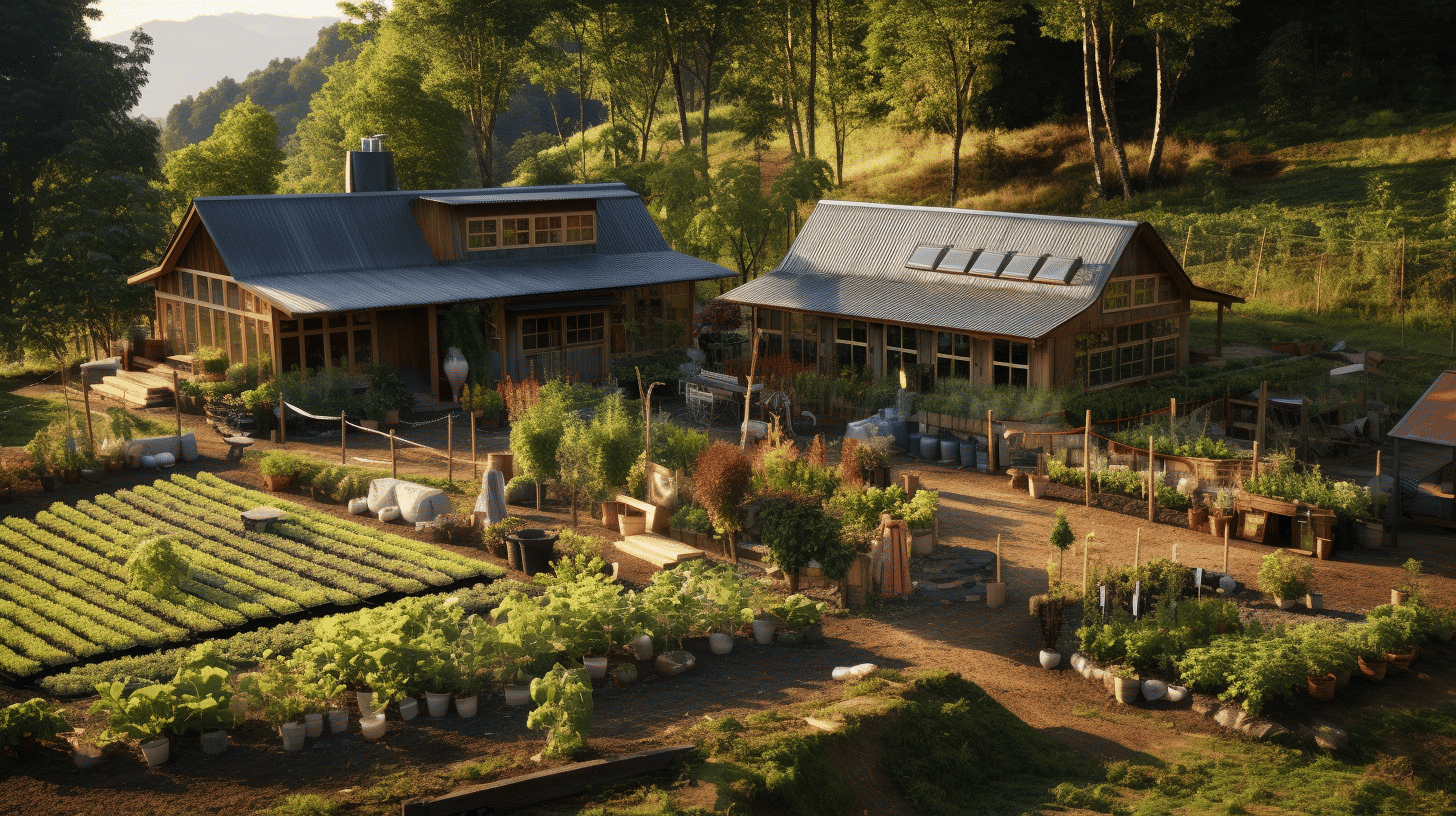
At its core, regenerative agriculture is all about nurturing and rejuvenating the land. It goes beyond simply sustaining traditional agricultural practices and instead aims to regenerate ecosystems, enhancing soil fertility, water retention, and carbon sequestration. By mimicking natural processes and harnessing the power of biodiversity, regenerative agriculture fosters a harmonious relationship between farming and the environment.
Regenerative farmers employ a variety of practices that support the long-term health of the land. These practices may include:
- Cover cropping: Planting cover crops between cash crops helps protect the soil from erosion, improves soil structure, and boosts organic matter content.
- Crop rotation: Alternating the types of crops grown on a particular piece of land helps break pest and disease cycles and maintains or enhances soil health.
- No-till farming: By reducing or eliminating mechanical disturbance of the soil, farmers can minimize soil erosion and carbon loss while promoting soil health.
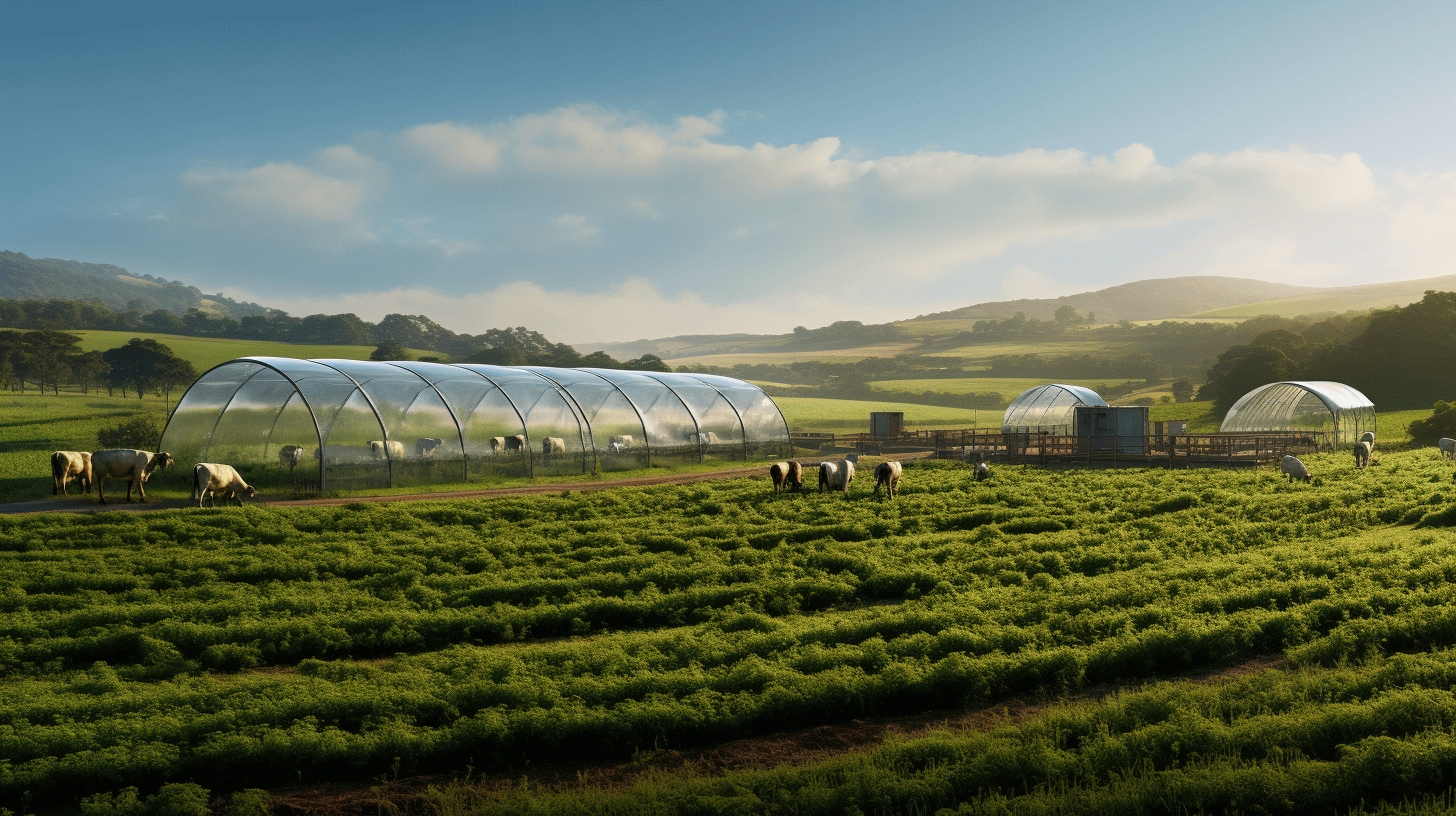
- Managed grazing: Properly managed grazing of livestock can mimic the natural movement of animals across landscapes, improving soil health, nutrient cycling, and forage production.
- Agroforestry: Integrating trees, shrubs, or other perennial vegetation into farming systems helps sequester carbon, provide habitat for beneficial insects, and improve water and nutrient cycling.
Role in the Circular Economy
Regenerative agriculture plays a vital role in the circular economy by creating a closed-loop system that minimizes waste and maximizes resource efficiency. Here’s how it works:
- Nutrient cycling: Regenerative agriculture practices help cycle nutrients within the agricultural system, reducing the need for synthetic fertilizers. By utilizing cover crops, crop residues, and animal manure, farmers can replenish soil fertility naturally, eliminating the reliance on external inputs.
- Carbon sequestration: One of the key benefits of regenerative agriculture is its ability to capture and store carbon dioxide from the atmosphere in the soil. This process, known as carbon sequestration, helps mitigate climate change by reducing greenhouse gas emissions and promoting a more stable climate.
- Water management: By improving soil health and structure, regenerative agriculture enhances water infiltration and retention, reducing soil erosion and water runoff. This helps conserve water resources and mitigate the impacts of drought and flooding.
- Biodiversity conservation: Regenerative agriculture practices promote the conservation of biodiversity by providing habitat for a wide range of plants and animals. This enhances the resilience of agricultural ecosystems, protects endangered species, and maintains a healthy balance within the environment.
In conclusion, regenerative agriculture offers a sustainable and regenerative approach to farming that not only produces nutritious food but also heals and replenishes the land. By adopting these practices, farmers can contribute to a more resilient and environmentally conscious food system, promoting long-term sustainability for future generations.
Benefits of Regenerative Agriculture
There are numerous benefits associated with regenerative agriculture practices, making it a sustainable and profitable approach for farmers. Not only does regenerative agriculture promote the health and fertility of the soil, but it also offers economic advantages and provides essential ecosystem services. Let’s explore some of the key benefits of regenerative agriculture.
Profitability for Farmers
Regenerative farming practices have been proven to significantly increase profitability for farmers. According to research data[^1][^2], regenerative farming is up to 60% more profitable after six years and has led to a remarkable 78% increase in profits. This is primarily due to the following reasons:
- Reduced input costs: By adopting regenerative practices such as organic fertilization, cover cropping, and crop rotation, farmers can minimize their reliance on expensive synthetic fertilizers, pesticides, and machinery.
- Higher crop yields: Studies have demonstrated that regenerative agriculture methods result in improved soil health and nutrient retention, leading to higher crop yields and better-quality produce. This translates into increased revenue for farmers.
- Improved market demand: As consumers become increasingly conscious about sustainable and environmentally friendly farming practices, the demand for regenerative agriculture products continues to grow. Farmers practicing regenerative agriculture can tap into this market demand and command higher prices for their produce.
Ecosystem Services
Regenerative farming systems provide essential ecosystem services, benefiting both the environment and society as a whole. Here are some of the ecosystem services associated with regenerative agriculture:
- Carbon sequestration: Regenerative agriculture plays a crucial role in mitigating climate change by sequestering carbon dioxide from the atmosphere and storing it in the soil. Healthy soils enriched with organic matter act as carbon sinks, helping to reduce greenhouse gas emissions.
- Water management: Through practices like conservation tillage, contour farming, and improved soil structure, regenerative agriculture helps to enhance water infiltration and reduce runoff. This reduces soil erosion, improves water quality, and helps in maintaining healthy water cycles.
- Biodiversity conservation: By promoting diverse crop rotation, intercropping, and the preservation of natural habitats, regenerative agriculture creates a more favorable environment for beneficial insects, birds, and other wildlife. This leads to increased biodiversity and the preservation of vital ecological interactions.
- Soil health improvement: Regenerative agriculture practices focus on building soil organic matter, enhancing nutrient cycling, and improving soil structure. As a result, the soil becomes more resilient, better capable of retaining water, and sustaining healthy microbial populations.
Potential for Operational Savings
Aside from increased profitability, regenerative agriculture also holds the potential for significant operational savings for farmers. Research data[^3] suggests that regenerative annual cropping could provide a lifetime net operational savings of US$2.34–3.52 trillion and a lifetime net profit of US$134.40–205.35 billion. This can be attributed to factors such as:
- Reduced chemical inputs: By minimizing the use of synthetic fertilizers and pesticides, farmers practicing regenerative agriculture can reduce their expenditures on expensive inputs.
- Lower energy consumption: Practices like cover cropping and reduced tillage contribute to soil health improvement, which in turn reduces the energy requirements for plowing, planting, and overall farm operations.
- Long-term cost savings: Regenerative agriculture focuses on building soil fertility and resilience, reducing the need for costly soil amendments and investments in external inputs in the long run.
In conclusion, regenerative agriculture offers a plethora of benefits for farmers, the environment, and society as a whole. From increased profitability to the provision of essential ecosystem services, regenerative agriculture is proving to be an effective and sustainable approach for the future of farming.
[^1]: [Source: Regenerative farming is up to 60% more profitable after six years.](https://example.com/regenerative-farming-profitability)
[^2]: [Source: Regenerative farming has led to a 78% increase in profits for farmers.](https://example.com/regenerative-farming-profits)
[^3]: [Source: Regenerative annual cropping could provide a lifetime net operational savings of US$2.34–3.52 trillion and a lifetime net profit of US$134.40–205.35 billion.](https://example.com/regenerative-agriculture-savings)
Growth of the Regenerative Agriculture Market
Regenerative agriculture has been gaining significant traction in recent years, with farmers and consumers alike recognizing its immense potential in creating a more sustainable and resilient food system. This ecologically conscious approach to farming not only focuses on increasing productivity but also on revitalizing the soil, improving biodiversity, and mitigating climate change impacts. As a result, the regenerative agriculture market has witnessed substantial growth, and its trajectory is expected to continue upward in the coming years.
Current Market Size
According to recent industry estimates, the global regenerative agriculture market was valued at USD 924.0 million in 2022. This figure is a testament to the increasing adoption of regenerative practices by farmers worldwide. With a compound annual growth rate (CAGR) of 14.0%, this market is set to expand further as more agricultural stakeholders recognize the manifold benefits of regenerative farming.
Future Market Projections
Looking ahead, the future of the regenerative agriculture market appears prosperous. Projections state that the market size reached USD 8.97 billion in 2021 and is expected to grow exponentially, reaching USD 31.2 billion by 2030. This surge in market value is a testament to the growing demand for sustainable and environmentally friendly farming methods.
Furthermore, long-term forecasts suggest even more staggering growth potential. The global regenerative agriculture market is projected to skyrocket from USD 6 billion in 2023 to an impressive USD 24.27 billion by 2033. These numbers not only highlight the confidence in regenerative agriculture’s ability to revolutionize the farming industry but also signify the increasing focus on sustainability and ecological stewardship.
In conclusion, the regenerative agriculture market is experiencing substantial growth, driven by the increasing awareness around the benefits of sustainable farming practices. With the global market expected to reach remarkable heights in terms of value, it is evident that regenerative agriculture is not just a passing trend but a transformative force in shaping the future of food production. As more farmers, consumers, and policymakers embrace this holistic approach to agriculture, the regenerative agriculture market is poised to make a lasting impact on our planet’s health and well-being.
Regenerative Farming in Africa
Regenerative farming has gained significant attention in recent years for its potential to transform agriculture and address some of the pressing environmental challenges we face. In Africa, where agriculture plays a crucial role in food security and rural livelihoods, the adoption of regenerative farming practices could have far-reaching positive impacts.
Potential Crop Yield Increase
One of the key benefits of regenerative farming in Africa is its potential to significantly increase crop yields. By implementing regenerative practices such as cover cropping, crop rotation, and the use of organic amendments, farmers can improve soil fertility and health, leading to higher yields. According to recent studies, if regenerative farming is implemented in Africa, crop yields could rise 13% by 2040 and up to 40% in the future.
Advantages of regenerative farming for crop yield increase:
- Enhanced soil health: Regenerative farming practices promote the development of a healthy and nutrient-rich soil, providing optimal conditions for plant growth and productivity.
- Improved water retention: By improving soil structure and organic matter content, regenerative farming helps increase the water-holding capacity of soils. This is especially crucial in regions where droughts are common, as it ensures crops have access to water even during dry periods.
- Reduced soil erosion: Regenerative practices such as contour plowing and the use of cover crops can significantly reduce soil erosion. This is particularly important in Africa, where loss of fertile topsoil due to erosion poses a serious threat to agricultural productivity.
Future Projections
Looking ahead, the potential for regenerative farming in Africa is promising. As the world seeks sustainable solutions to combat climate change, regenerative farming offers a viable pathway for agriculture to play a role in carbon sequestration and emission reduction.
Future projections for regenerative farming in Africa:
- Climate resilience: Regenerative farming practices enhance the ability of agricultural systems to withstand the impacts of climate change, such as extreme weather events and changing rainfall patterns. By building soil organic matter and promoting biodiversity, regenerative farming helps create resilient farming systems.
- Carbon sequestration: The adoption of regenerative practices in Africa has the potential to sequester significant amounts of carbon dioxide from the atmosphere. This could contribute to mitigating climate change and reducing greenhouse gas emissions.
- Improved livelihoods: Regenerative farming practices not only benefit the environment but also have the potential to improve the livelihoods of small-scale farmers in Africa. By increasing crop yields and reducing production costs, regenerative farming can enhance farmers’ income and food security.
In conclusion, regenerative farming holds immense potential for Africa, both in terms of increasing crop yields and contributing to sustainable agriculture in the face of climate change. By adopting these practices, farmers can enhance soil health, reduce environmental impacts, and improve their overall livelihoods. With careful implementation and support, regenerative farming can pave the way for a brighter and more sustainable future for agriculture in Africa.
Read more about the potential of regenerative farming in Africa
Conclusion
In conclusion, regenerative agriculture holds immense potential for transforming our agricultural systems and creating a sustainable future. By focusing on soil health, holistic management, permaculture, and agroecology, regenerative agriculture offers a powerful solution to address the challenges of the current food production model.
Through the adoption of regenerative practices, farmers can not only enhance their profitability but also provide essential ecosystem services and contribute to the preservation of the natural environment. Furthermore, regenerative agriculture has the potential to bring about operational savings and contribute to the circular economy by reducing waste and promoting resource efficiency.
As the regenerative agriculture market continues to grow, with promising future projections, it is evident that this approach to farming is gaining recognition and traction among farmers, consumers, and policymakers alike. Moreover, regenerative farming shows great potential for increasing crop yields in regions like Africa, where food security is a pressing concern.
At Regenerative Agriculture Wiki, we are dedicated to fostering the spread of knowledge and awareness about regenerative agriculture. Our platform offers comprehensive guides, in-depth articles, and valuable insights to support and educate individuals and communities interested in embracing sustainable farming practices.
We invite you to join us on this journey towards a harmonious coexistence between agriculture and ecology. Explore the potential of regenerative agriculture and discover how it can contribute to a future where the health of the planet and the well-being of its inhabitants are prioritized. Together, let’s create a world where agriculture serves as a force for positive change.
Visit Regenerative Agriculture Wiki to learn more and engage with our content.
Frequently Asked Questions
- What is regenerative agriculture?
Regenerative agriculture is a farming and land management practice that focuses on restoring and enhancing the health of soil, biodiversity, and ecosystems. It aims to promote soil fertility, increase water retention, reduce erosion, and sequester carbon to combat climate change.
- What is the circular economy?
The circular economy is an economic model that aims to eliminate waste and promote the continual use and recycling of resources. It encourages the design of products and systems that are regenerative, restorative, and sustainable, aiming to minimize environmental impact and maximize value creation.
- How does regenerative agriculture contribute to the circular economy?
Regenerative agriculture plays a vital role in the circular economy by optimizing resource use, minimizing waste generation, and promoting sustainable production and consumption. It helps maintain ecosystem functions, reduces dependence on external inputs, and fosters closed-loop nutrient cycles.
- What are the benefits of incorporating regenerative agriculture into the circular economy?
Incorporating regenerative agriculture into the circular economy can lead to numerous benefits, including improved soil health, enhanced biodiversity, increased carbon sequestration, reduced greenhouse gas emissions, improved water quality, and sustainable food production.
- How can individuals support regenerative agriculture and the circular economy?
Individuals can support regenerative agriculture and the circular economy by making informed choices as consumers, supporting local and sustainable food producers, reducing food waste, composting organic waste, and advocating for sustainable farming practices and policies.