Soil erosion is a pressing issue that affects agricultural lands across the globe. As farmers strive to feed a growing population, it is crucial to address the impact of soil erosion and implement sustainable solutions. Soil erosion not only leads to a loss in crop yield but also has significant economic costs.
In this article, we will explore the impact of soil erosion on crop yield and the economy, current erosion limits and conservation practices, as well as the economic implications of soil erosion. Finally, we will delve into effective soil conservation methods and agronomic measures that farmers can adopt for sustainable farming practices.
By understanding the challenges posed by soil erosion and implementing conservation techniques, farmers can ensure the long-term health and productivity of their lands while contributing to a more sustainable future. So let’s dive in and explore the fascinating world of soil erosion and conservation!
The Impact of Soil Erosion
Soil erosion is a widespread issue that affects agricultural productivity and has significant economic implications. The loss of fertile topsoil due to erosion can lead to a decline in crop yields, resulting in food insecurity and economic losses for farmers and communities. In this section, we will explore two key aspects of the impact of soil erosion: crop yield loss and the economic cost associated with it.
Crop Yield Loss
Soil erosion can have a devastating impact on crop production. As the top layer of soil is eroded, it takes away essential nutrients and organic matter that are crucial for plant growth. This loss of fertile topsoil directly translates into lower crop yields. The severity of yield loss depends on the extent of erosion and the type of crops being cultivated.
Here are a few key insights related to crop yield loss caused by soil erosion:
- Soil erosion can lead to a loss of up to 50% in crop yields[1].
- Annual loss of crops in India due to soil erosion is estimated to be 7.2 million tons, which is 4-6.3% of annual agricultural production[2].
- Tilling farmland has caused the loss of billions of tons of soil in the U.S. Midwest[4].
Clearly, soil erosion poses a significant threat to food production and agricultural sustainability. Implementing strategies to mitigate erosion and conserve soil health becomes crucial to ensure food security for present and future generations.
Economic Cost
Apart from the impact on crop yields, soil erosion also carries substantial economic costs. The degradation of soil quality and loss of productive topsoil can have far-reaching consequences on the economy, particularly in agricultural regions.
Here are a couple of important points highlighting the economic cost of soil erosion:
- The economic cost of soil degradation in the European Union is estimated to be in the tens of billions[2].
- Losses in crop yields due to soil erosion result in reduced income for farmers and higher food prices for consumers, which can strain local economies.
The financial burden of soil erosion extends beyond the agricultural sector. It affects various related industries, such as food processing, logistics, and transportation, which rely on a stable and abundant supply of crops. Additionally, the environmental impact of erosion, such as sedimentation in waterways and increased flooding, further adds to the economic cost.
Given the substantial economic and agricultural consequences, addressing soil erosion through sustainable land management practices becomes imperative. By adopting erosion control measures and promoting soil conservation techniques, we can mitigate the negative impact of erosion and safeguard our food production systems and economies.
[1]: Source
[2]: Source
[4]: Source
Current Erosion Limits and Conservation Practices
Soil erosion is a serious concern that affects agricultural productivity and poses a threat to the environment. To address this issue, the United States Department of Agriculture (USDA) has set erosion limits and promoted various conservation practices. Let’s take a closer look at these current erosion limits and the impact of conservation practices.
USDA’s Erosion Limit
The USDA has established a specific erosion limit as a benchmark for managing soil erosion. Currently, the maximum acceptable rate of soil erosion set by the USDA is 1 millimeter per year. This erosion limit serves as a guide for farmers and landowners, helping them gauge the extent of erosion on their land and take necessary measures to mitigate its effects.
Soil Erosion Rates
To gain a better understanding of soil erosion rates, recent studies have been conducted to quantify the average erosion levels across different regions. Surprisingly, the results show that the USDA’s erosion limit of 1 millimeter per year is twenty-five times greater than the average rate of soil erosion found in these studies.
So, what does this mean? Despite the existing erosion limits, soil erosion continues to occur at a higher rate than what is considered acceptable. This highlights the need for effective conservation practices that can further reduce erosion rates and ensure the long-term sustainability of our soil.
Soil Degradation
Soil erosion is a significant contributor to soil degradation, a form of land degradation that diminishes the quality and fertility of soil. In fact, soil erosion accounts for about 70-90% of soil degradation globally. The loss of productive topsoil due to erosion has far-reaching consequences for agriculture, food security, and ecosystem stability.
Conservation practices play a vital role in combating soil degradation by preventing erosion and preserving soil health. By implementing measures such as contour plowing, terracing, and cover cropping, farmers and land managers can effectively minimize erosion, retain moisture, and improve soil structure.
Impact on Crop Yields
The consequences of soil erosion extend beyond just degradation. It also has a direct impact on crop yields. Studies indicate that soil erosion may reduce crop yields by up to 10% by the year 2050. This is equivalent to removing millions of acres of productive land from cultivation.
By adhering to erosion limits and adopting conservation practices, farmers can help safeguard their crops and maintain higher yields. These practices not only protect the soil from erosion but also enhance its nutrient content, water-holding capacity, and overall productivity, leading to more sustainable and prosperous agricultural systems.
In conclusion, while the USDA’s current erosion limit serves as a guiding benchmark, the average rates of soil erosion found in recent studies indicate a greater need for effective conservation practices. By addressing soil erosion and promoting sustainable land management, we can protect our soil, preserve its fertility, and ensure a more promising future for agriculture.
The Economic Impact of Soil Erosion
Soil erosion is a pressing issue that not only affects the environment but also has significant economic consequences. The loss of fertile soil due to erosion can lead to reduced crop yields, increased water usage, and ultimately, billions of dollars in economic losses. In this article, we will examine the global economic impact of soil erosion, as well as the long-term survival of our precious soil.
Global Economic Losses
A recent study estimates that soil erosion causes approximately $8 billion in global economic losses. This staggering figure highlights the severity of the problem and underscores the need for effective soil conservation measures. The economic impact of soil erosion can be attributed to several key factors:
- Reduced Crop Yields: When soil erodes, it loses its ability to retain water and nutrients, crucial for plant growth. As a result, crop yields are significantly reduced, leading to lower agricultural productivity and potential food shortages. This, in turn, can drive up food prices and hinder economic development.
- Increased Water Usage: Soil erosion can disrupt natural water cycles, leading to increased water usage for irrigation purposes. Farmers may need to irrigate more frequently and in higher quantities to compensate for the loss of moisture-retaining topsoil. This increase in water usage can strain water resources, resulting in additional costs and potential conflicts over water rights.
- Environmental Remediation: Soil erosion not only impacts agricultural productivity but also causes environmental damage. Sediments carried by eroded soil can contaminate water bodies, impairing water quality and necessitating costly remediation efforts. The economic burden of cleaning up polluted water sources further contributes to the overall economic losses caused by soil erosion.
Long-term Soil Survival
In addition to the immediate economic impact, it is crucial to consider the long-term survival of our soil. If soil erosion continues at the current rate, 16% of global soils may not survive another 100 years. This alarming statistic highlights the need for sustainable land management practices to protect and preserve our soil resources.
By implementing soil conservation techniques such as contour plowing, terracing, and cover cropping, we can mitigate the economic and environmental consequences of soil erosion. These practices help to reduce soil erosion, improve water infiltration, and promote soil fertility, ultimately increasing crop yields and preserving our valuable soil for future generations.
In conclusion, soil erosion poses a significant economic threat, causing billions of dollars in global economic losses, reducing crop yields, and increasing water usage. The long-term survival of our soil is also at stake, with a substantial portion of global soils at risk of irreparable damage. It is imperative that we prioritize sustainable land management practices to safeguard our soil resources and ensure a prosperous and sustainable future.
Effective Soil Conservation Methods
Imagine a world without healthy soil – it’s difficult, isn’t it? Our ability to grow food, support ecosystems, and combat climate change depends on the health and vitality of our soil. That’s why soil conservation methods are crucial in maintaining and improving soil health. In this article, we will explore some effective soil conservation methods and their benefits.
No-till Farming
No-till farming is an innovative agricultural practice that enables farmers to cultivate crops without disturbing the soil through excessive tilling. Instead of plowing and overturning the soil, farmers leave the plant residue from the previous crop on the fields, reducing soil erosion and preserving soil structure.
Benefits of No-till Farming:
- Reduced Soil Erosion: By leaving crop residues on the surface, no-till farming minimizes erosion caused by wind and water. This helps to preserve valuable topsoil and prevent sedimentation in nearby water bodies.
- Improved Soil Fertility: Continuous tillage can deplete the soil of essential nutrients. No-till farming promotes nutrient retention and increases organic matter content, leading to improved soil fertility over time.
- Water Conservation: No-till farming helps to conserve water by reducing water runoff and improving the soil’s ability to retain moisture. This is especially important in regions prone to drought.
Contour Plowing
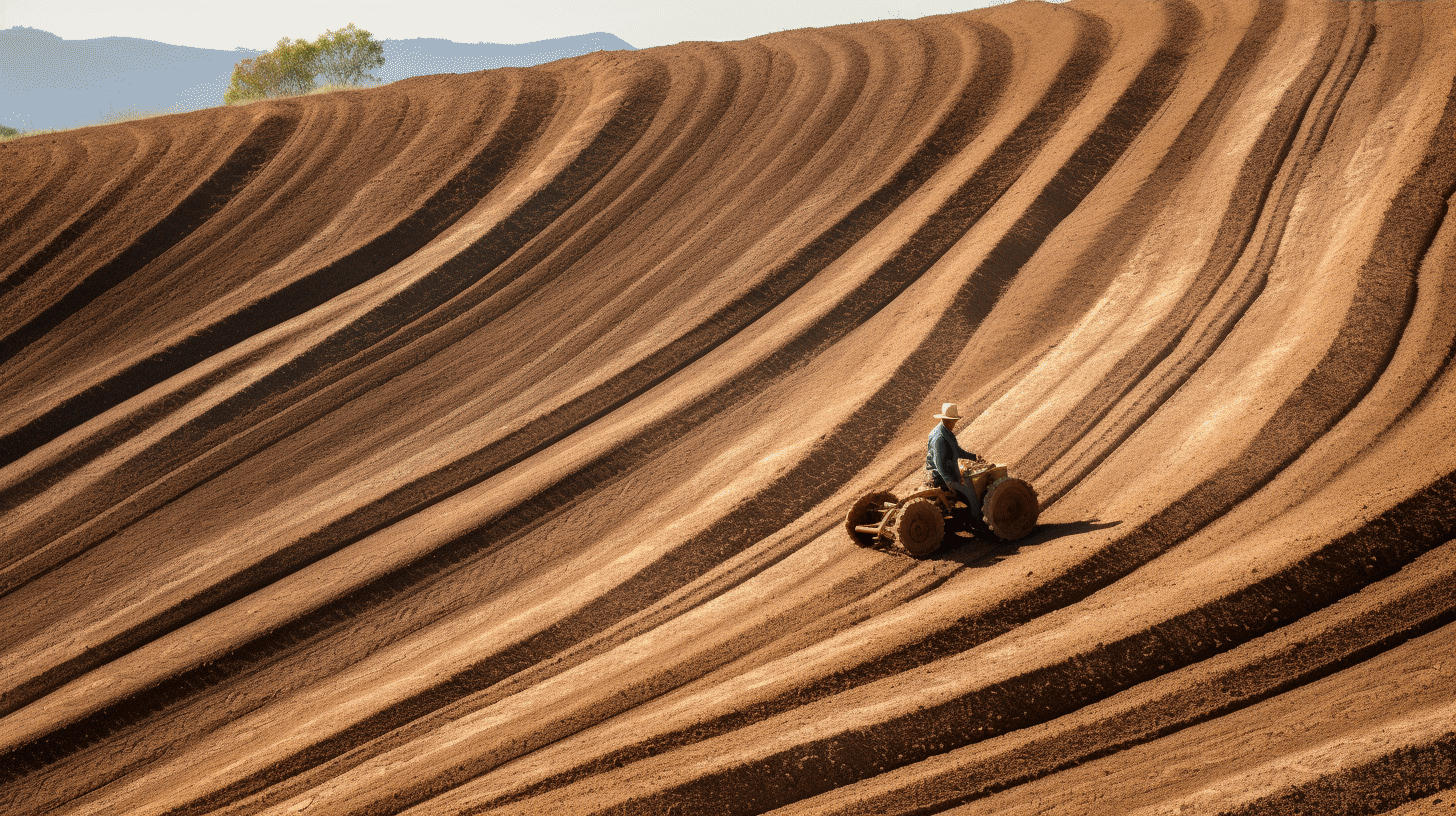
Contour plowing is a simple yet effective soil conservation technique that involves plowing across the slope contour lines. By plowing in this manner, farmers create ridges and furrows that help to slow the flow of water downhill, thereby reducing soil erosion.
Benefits of Contour Plowing:
- Erosion Control: Contour plowing reduces the speed at which water flows downhill, preventing soil erosion by helping the water infiltrate into the soil. This method is particularly useful on hilly or sloping fields.
- Water Conservation: By reducing erosion, contour plowing promotes better water infiltration and retention in the soil. This helps to mitigate the impacts of both drought and heavy rainfall.
Terracing
Terracing is a soil conservation technique widely used in hilly or mountainous regions. It involves cutting broad and flat steps into the slope to create level surfaces for agriculture. These terraces act like giant steps that slow the flow of water downhill, preventing soil erosion.
Benefits of Terracing:
- Soil Stabilization: Terraces help to stabilize the soil on steep slopes, preventing erosion caused by heavy rainfall and runoff. They effectively reduce the speed of the water flow and redirect it along the contour lines, minimizing erosion and keeping the soil in place.
- Increased Arable Land: By creating leveled surfaces, terracing expands the amount of arable land available for cultivation on slopes. This allows farmers to grow crops without the risk of soil loss.
Windbreaks
Windbreaks, also known as shelterbelts, are rows of trees or shrubs planted strategically to create a barrier against strong winds. They are typically planted around fields or along field borders to protect crops and soil from the damaging effects of wind erosion.
Benefits of Windbreaks:
- Wind Erosion Control: Windbreaks help to slow down the speed of wind near cultivated fields, reducing the erosion of topsoil caused by wind action. They also provide a physical barrier, preventing the displacement of soil particles.
- Microclimate Modification: Windbreaks create a microclimate within the field, reducing wind damage to crops and providing shade, which can help reduce water evaporation from the soil.
Cover Cropping
Cover cropping, also known as green manuring, involves planting specific crops during fallow periods to cover and protect the soil. These cover crops, usually grasses or legumes, help to prevent erosion, improve soil structure, and add organic matter to the soil when they are later incorporated.
Benefits of Cover Cropping:
- Soil Erosion Control: Cover crops provide ground cover, protecting the soil from erosion caused by wind and water. They also help to reduce raindrop impact and surface runoff.
- Nutrient Cycling: Cover crops capture and store nutrients that would otherwise be lost from the soil during fallow periods. When the cover crops are incorporated into the soil, they release these nutrients, enhancing soil fertility.
Crop Rotation
Crop rotation is a practice where different crops are grown in a sequence on the same piece of land over several years. It helps to break pest and disease cycles and maintain soil health by preventing nutrient depletion and reducing the build-up of pests and pathogens.
Benefits of Crop Rotation:
- Pest and Disease Management: Crop rotation disrupts the life cycles of pests and pathogens, reducing their buildup in the soil. This decreases the reliance on chemical pesticides and promotes natural pest control.
- Improved Soil Health: Different crops have different nutrient requirements, and rotating crops helps to prevent nutrient imbalances and depletion. This promotes healthier soils with improved fertility and structure.
By implementing these soil conservation practices, we can protect and enhance soil health for the benefit of both current and future generations. The combination of these methods, tailored to specific soil conditions and land types, can help us conserve the soil’s precious resources while maintaining sustainable agricultural practices.
Agronomic and Vegetative Measures for Soil Conservation
In the quest for sustainable farming practices, agronomic and vegetative measures for soil conservation play a crucial role. These practices involve implementing various techniques that focus on maintaining the health of the soil and preventing erosion. By utilizing plant and soil cover, implementing conservation farming methods, practicing contour farming, and using planting barriers, farmers can protect their soil from erosion and promote long-term sustainability.
Plant and Soil Cover
One of the primary ways to prevent soil erosion is by ensuring a continuous cover of vegetation on the soil surface. This can be achieved through the following methods:
- Cover Cropping: Planting cover crops, such as legumes or grasses, between cash crop seasons helps to protect the soil from erosion. These crops not only provide ground cover but also improve soil fertility by fixing nitrogen and adding organic matter.
- Crop Rotation: Rotating crops year after year can help break the cycle of pests and diseases, increase soil organic matter, and improve soil structure. By diversifying the crops grown, farmers can maintain a higher level of vegetation cover throughout the year and reduce erosion risks.
Conservation Farming
Conservation farming is an approach that combines different practices to protect the soil and enhance its productivity. Some key elements of conservation farming include:
- No-till Farming: By avoiding plowing or tilling the soil, farmers can minimize soil disturbance and maintain its structure. This practice helps to retain moisture, reduce erosion, and promote the growth of beneficial soil organisms.
- Contour Farming: Cultivating crops along the contour lines of slopes helps to slow down water runoff and reduce erosion. By creating ridges and furrows that follow the natural contours of the land, farmers can effectively trap water and prevent it from washing away valuable topsoil.
Planting Barriers
To further mitigate the risk of soil erosion, farmers can employ planting barriers in strategic locations. These barriers act as physical barriers that interrupt the flow of wind or water and stabilize the soil. Examples of planting barriers include:
- Windbreaks: Planting rows of trees or shrubs perpendicular to the prevailing wind direction helps to reduce wind velocity and prevent soil erosion. These windbreaks act as buffers, protecting crops from the damaging effects of strong winds.
- Terracing: Constructing terraces, which are level or gently sloping platforms on hilly terrains, can help prevent water erosion. Terraces effectively divert water along gently sloping channels, reducing its erosive force and allowing it to infiltrate into the soil.
Implementing these agronomic and vegetative measures for soil conservation can significantly contribute to sustainable farming practices. By protecting the soil from erosion, farmers can ensure the long-term survival of their soil and maintain the productivity of their land for future generations.
Frequently Asked Questions
- What is soil erosion?
Soil erosion refers to the process of detachment and movement of soil particles by factors such as wind, water, and human activities, leading to the loss of fertile topsoil.
- Why is soil erosion a concern for sustainable farmers?
Soil erosion is a concern for sustainable farmers because it leads to the loss of valuable topsoil, which contains essential nutrients for crop growth. It can also result in reduced soil fertility, decreased water holding capacity, and increased runoff, affecting overall agricultural productivity.
- What are some common causes of soil erosion on agricultural lands?
Common causes of soil erosion on agricultural lands include improper land management practices, intensive tillage, inadequate soil cover, deforestation, and inappropriate irrigation methods.
- What are some solutions for soil erosion control on farms?
Some solutions for soil erosion control on farms include adopting conservation tillage practices, such as no-till or reduced tillage, contour plowing, planting cover crops, constructing terraces or bunds, implementing proper drainage systems, and managing grazing practices.
- What is the role of organic matter in soil erosion prevention?
Organic matter in the soil plays a crucial role in soil erosion prevention as it helps improve soil structure, water infiltration, and water-holding capacity. It also increases the stability of soil aggregates, reducing the likelihood of erosion.