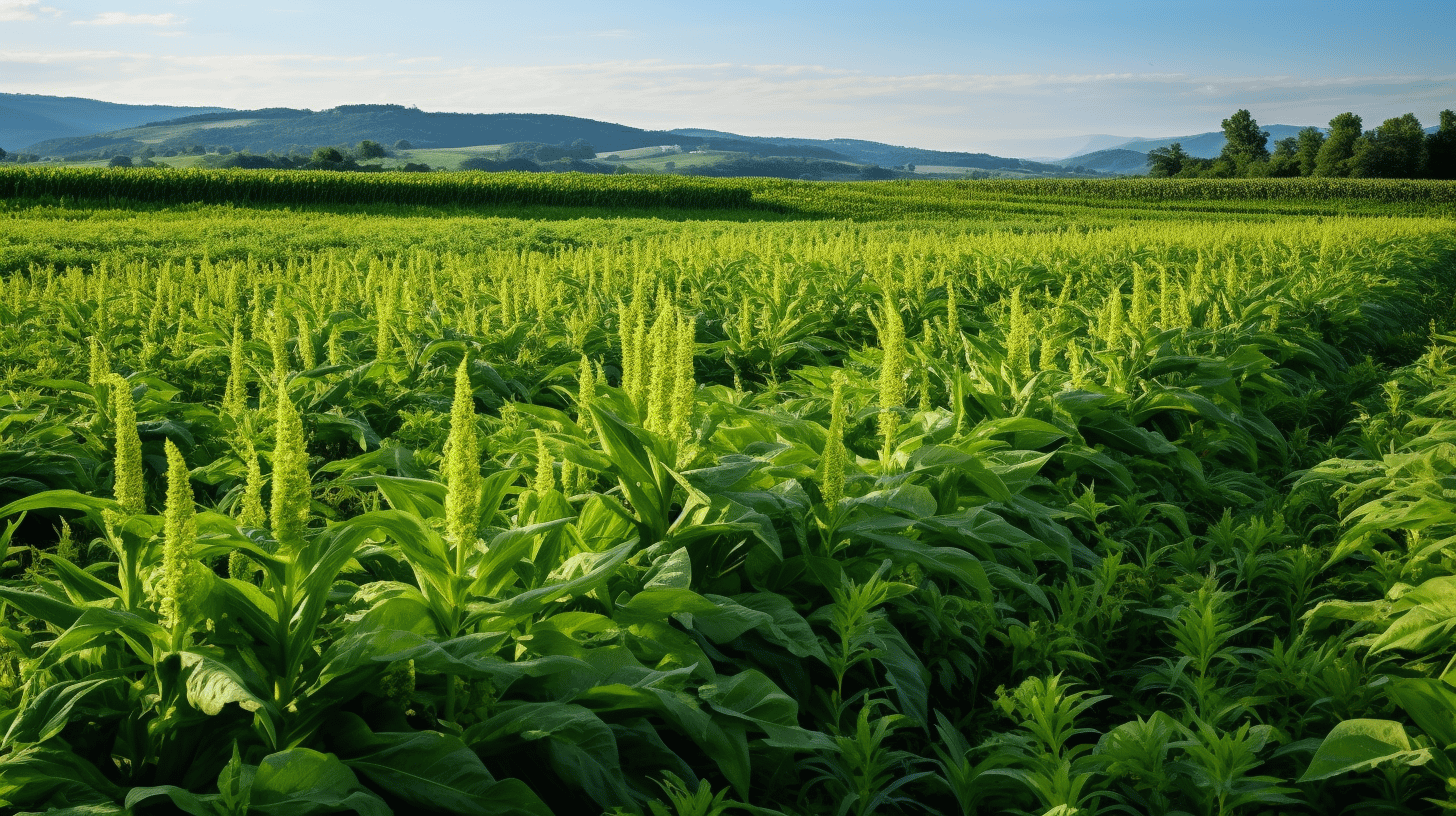
Sustainable farming practices have gained significant attention in recent years as the world grapples with the challenges of environmental degradation and food security. One such practice that has been gaining traction is the use of polycultures in agriculture.
In the traditional agricultural system, monocultures, where a single crop is grown on a large scale, have dominated. However, polycultures present a more diverse and resilient approach to farming, by planting multiple crops together in the same field. This article explores the advantages of polycultures in sustainable farming and highlights their potential to address some of the pressing issues faced by modern agriculture.
By embracing polycultures, farmers can create a vibrant and flourishing ecosystem that goes beyond mere crop production. The benefits of polycultures extend to boosting biodiversity, improving soil fertility, enhancing pest resistance, increasing crop yield, and conservation of water resources. These advantages not only contribute to the long-term sustainability of agricultural systems but also have positive effects on the environment and surrounding communities.
As we delve deeper into the world of polycultures, we will also explore the stark differences between polycultures and monocultures, examining their impact on local ecosystems, productivity comparisons, and resource utilization. It is crucial to understand how monocultures have shaped our agriculture industry so that we can comprehend the transformative power and benefits of polycultures.
In the subsequent sections, we will uncover fundamental techniques for implementing polycultures, such as crop rotation, planting complementary plants, utilizing natural fertilizers, and incorporating livestock. These techniques offer practical and sustainable solutions for farmers looking to transition to more resilient and environmentally friendly farming methods.
Looking ahead, we will also discuss the future of polycultures in sustainable agriculture, including their role in combatting climate change and contribution to food security. By embracing the potential of polycultures and integrating them into our farming practices, we can foster a more diverse and sustainable food system for generations to come.
Join us as we dive into the world of polycultures and discover the remarkable advantages they offer to both farmers and the planet. Together, we can transform our agricultural practices and thrive in a more sustainable and resilient future.
Understanding Polycultures
Polycultures have gained significant attention in recent years as an innovative and sustainable approach to agricultural practices. But what exactly are polycultures, and how do they differ from monocultures? In this section, we will dive into the definition of polycultures and explore their origins and historical significance.
Definition of Polycultures
Polycultures can be defined as agricultural systems where multiple crops or species are cultivated together in the same space. Unlike monocultures, which focus on growing a single crop on a large scale, polycultures promote biodiversity and mimic natural ecosystems. By combining different plants, polycultures create a balanced and mutually beneficial environment, where crops can support each other’s growth and contribute to overall ecosystem health.
In a polyculture system, the selection of plant species is usually based on their complementary characteristics. Some plants may have deep roots that help improve soil structure, while others may attract beneficial insects for natural pest control. This diversity allows for better resource utilization, reduced reliance on chemical inputs, and enhanced resilience to pests, diseases, and climate variability. Additionally, polycultures can also provide a variety of yields, such as food, fiber, and medicinal plants, leading to a more sustainable and multifunctional agricultural landscape.
Origins and History of Polycultures
While the concept of polycultures may seem like a modern agricultural innovation, its roots can be traced back thousands of years. Many traditional farming practices across different cultures and regions have incorporated polycultures as a way to optimize productivity and reduce risk. Here are a few notable examples:
- Native American Three Sisters: The Native American agricultural system known as the Three Sisters comprised the simultaneous cultivation of maize, beans, and squash. Maize provided a sturdy structure for the climbing beans, while the squash acted as a natural ground cover, suppressing weeds and conserving soil moisture. This synergistic combination allowed for efficient land use and increased crop yields.
- Chinese Rice-Fish Farming: Dating back to ancient times, Chinese farmers combined rice cultivation with fish farming in rice paddies. The fish helped control pests and improved nutrient cycling by consuming insects and organic matter, while their excrement provided natural fertilizer for the rice plants. This integrated system not only increased food production but also contributed to a sustainable water management strategy.
- Permaculture Design: Permaculture, a design philosophy and practice of sustainable landscapes, emphasizes the use of polycultures to create self-sustaining ecosystems. Through careful design and observation of natural patterns, permaculturists create diverse food forests, where different plants and animals work harmoniously together to support ecological balance, nutrient cycling, and food production.
Polycultures have a rich historical background, demonstrating that this approach to agriculture is deeply rooted in traditional wisdom and knowledge. By understanding the origins and principles of polycultures, we can appreciate their value in building sustainable, resilient, and productive agricultural systems for the future.
“Polycultures promote biodiversity and mimic natural ecosystems, creating a balanced and mutually beneficial environment for crops.”
Benefits of Polycultures in Sustainable Farming
Polycultures, a farming practice that involves growing multiple crops together in close proximity, offer a wide range of benefits for sustainable agriculture. Not only do they promote biodiversity, but they also enhance soil fertility, improve pest resistance, increase crop yield, and conserve water. Let’s delve deeper into these advantages and understand why polycultures are gaining popularity among farmers around the world.
Boosting Biodiversity
One of the main advantages of polycultures is their ability to boost biodiversity on the farm. By planting a variety of crops, farmers create a diverse ecosystem that attracts different species of beneficial organisms such as pollinators, birds, and insects. These organisms play a vital role in maintaining a balanced ecosystem and contribute to the overall health of the farm. Furthermore, a diverse crop system reduces the risk of crop failure due to pests or diseases, as different crops have varying levels of susceptibility.
Improving Soil Fertility
Polycultures also have a positive impact on soil fertility. By planting a mixture of crops with different root structures and nutrient requirements, farmers can prevent the depletion of specific nutrients from the soil. Each crop contributes different nutrients to the soil through its root exudates, which are organic compounds released by the roots. Moreover, the diversity of crops helps in breaking pest and disease lifecycles, reducing the need for synthetic fertilizers and pesticides.
Enhancing Pest Resistance
One of the most significant advantages of polycultures is their ability to enhance pest resistance. When different crops are interplanted, pests that target a specific crop are less likely to spread and cause widespread damage. This is because pests have a harder time finding their preferred crops among the diversity of plants. Additionally, some crops emit natural chemicals that repel pests, providing a natural form of pest control.
Increasing Crop Yield
Contrary to popular belief, polycultures can actually lead to increased crop yields. When crops are grown together, they can benefit from complementary interactions. For example, taller plants can provide shade and wind protection to shorter ones, reducing water evaporation and preventing soil erosion. Furthermore, by planting a mix of crops with different growth patterns, farmers can effectively use available space and sunlight, maximizing the overall productivity of their fields.
Conserving Water
Water scarcity is a pressing concern in many farming regions. Polycultures can help maximize water use efficiency and conserve this precious resource. By intercropping plants with varying water requirements, farmers can optimize water usage and minimize waste. Additionally, the dense canopy created by polycultures helps to reduce evaporation from the soil, thereby retaining moisture for longer periods.
In conclusion, polycultures offer numerous benefits for sustainable farming. By boosting biodiversity, improving soil fertility, enhancing pest resistance, increasing crop yield, and conserving water, polycultures provide a holistic approach to agriculture that supports both the environment and the farmers’ livelihoods. As more farmers recognize these benefits, the adoption of polycultures is expected to continue to grow, leading to a more sustainable and resilient food production system.
Polycultures versus Monocultures
Impact on Local Ecosystems
When it comes to the impact on local ecosystems, the differences between polycultures and monocultures are quite pronounced. Polycultures, with their diverse mix of plant species, tend to have a more positive and beneficial effect on the environment compared to monocultures.
Here are some key points to consider:
Biodiversity
Polycultures are known to promote biodiversity in local ecosystems. By growing a variety of plants together, they create a habitat that is rich in different species. This increased biodiversity attracts a wider range of beneficial insects, birds, and other wildlife, which in turn helps to maintain a balanced ecosystem. In contrast, monocultures, with their vast expanses of a single crop, can be detrimental to biodiversity as they provide limited resources and habitat for other species.
Pest and Disease Management
A diverse mix of plants in polycultures helps to naturally control pests and diseases. The presence of different plant species disrupts the life cycles of pests, making it harder for them to establish and spread. Additionally, some plants in polycultures act as natural repellents or attractants for specific pests, offering a more sustainable approach to pest management. Monocultures, on the other hand, are more susceptible to pest outbreaks, as pests can easily find an abundant food source and spread quickly throughout the entire crop.
Soil Health
Polycultures contribute to better soil health by reducing soil erosion, promoting water infiltration, and enhancing nutrient cycling. The varied root systems of different plant species in polycultures help to improve soil structure, prevent erosion, and enhance the soil’s ability to retain water. Furthermore, the diverse range of plants in polycultures provides a greater diversity of nutrients, reducing the likelihood of nutrient depletion. In contrast, monocultures often rely heavily on synthetic fertilizers and can result in increased soil erosion and nutrient runoff.
Climate Resilience
Polycultures have been found to be more resilient to climate fluctuations compared to monocultures. Due to their diverse composition, with plants having different growth requirements, polycultures are better equipped to withstand extreme weather conditions, such as drought or heavy rainfall. This resilience helps to ensure a more stable and consistent yield, reducing the risks associated with climate change impacts.
In summary, when it comes to impact on local ecosystems, polycultures offer many advantages over monocultures. The increased biodiversity, improved pest and disease management, better soil health, and climate resilience make polycultures a more sustainable and environmentally friendly option.
References:
- The Benefits of Polyculture Farming
- Polycultures versus Monocultures: Which is Better for Crop Production?
Implementing Polycultures: Fundamental Techniques
Polyculture farming is gaining popularity due to its numerous benefits, such as increased biodiversity, improved soil health, and reduced pest and disease pressure. Implementing polycultures may seem complex at first, but it can be simplified by focusing on a few fundamental techniques. By incorporating crop rotation, planting complementary plants, utilizing natural fertilizers, and incorporating livestock, farmers can successfully harness the power of polycultures.
Crop Rotation
Crop rotation is a tried and true technique that has been used for centuries in agriculture. It involves systematically changing the crops planted in a particular area over time. By rotating crops, farmers can reduce the risk of pests and diseases that are specific to certain crops. It also helps in maintaining soil fertility and structure, as different crops have different nutrient requirements and root structures.
Here are some key points about crop rotation in polyculture farming:
- Diverse crop selection: Choose a variety of crops that have different growth habits, nutrient requirements, and susceptibility to pests and diseases. This diversity will help in breaking the cycle of pests and diseases and improve overall plant health.
- Planning ahead: Determine the sequence of crops to be planted in each field or bed, keeping in mind crop compatibility, nutrient needs, and pest resistance. This planning will help in optimizing yields and reducing the risk of crop failure.
Planting Complementary Plants
Planting complementary plants in polycultures is all about strategically selecting plants that can benefit each other when grown together. These plants can have complementary root structures, nutrient requirements, or pest-repellent properties. When grown together, they create mutually beneficial relationships, boosting overall plant health and productivity.
Consider the following tips when planting complementary plants in your polycultures:
- Mixing root depths: Select plants with different root depths to maximize nutrient uptake and reduce competition. For example, deep-rooted plants like tomatoes can be paired with shallow-rooted plants like lettuce.
- Nitrogen-fixing plants: Include nitrogen-fixing plants, such as legumes, in your polycultures. These plants have the ability to convert atmospheric nitrogen into a form that is available to other plants, enriching the soil with this vital nutrient.
Utilizing Natural Fertilizers
In polyculture farming, natural fertilizers play a crucial role in nourishing the soil and supporting plant growth. By avoiding synthetic fertilizers and opting for organic alternatives, farmers can enhance soil fertility and improve the overall sustainability of their operations.
Here are some important points to consider regarding the use of natural fertilizers in polycultures:
- Compost: Compost is an excellent source of organic matter and nutrients for your plants. It helps improve soil structure, moisture retention, and nutrient availability. Incorporate compost into your polycultures to provide long-lasting nourishment.
- Cover crops: Planting cover crops in between main crop cycles is an effective way to prevent soil erosion, suppress weeds, and improve soil fertility. Cover crops like clover or rye can be used as green manure, providing valuable nutrients when turned into the soil.
Incorporating Livestock
Incorporating livestock into polycultures adds another dimension to the farming system. Livestock can contribute to soil fertility through their manure and help control weeds and pest populations. Their presence can also mimic natural grazing patterns, reducing the need for mowing or mechanical weed control.
Consider these points when incorporating livestock into your polycultures:
- Rotational grazing: Move livestock between different sections of your polyculture system to distribute their grazing impact evenly. This prevents overgrazing and allows plants to regenerate.
- Manure management: Use livestock manure as a natural fertilizer by applying it to your polycultures. Manure provides essential nutrients and helps improve soil structure and microbial activity.
By implementing these fundamental techniques of crop rotation, planting complementary plants, utilizing natural fertilizers, and incorporating livestock, farmers can establish successful polyculture systems that promote biodiversity, improve soil health, and increase overall farm productivity. Embracing the power of polycultures is a step towards sustainable and regenerative agriculture.
The Future of Polycultures in Sustainable Agriculture
Prediction and Trends
As the world continues to grapple with the challenges of climate change and food security, the future of sustainable agriculture is of paramount importance. One practice that holds immense promise in addressing these issues is polycultures. These diverse, multi-species cropping systems have garnered considerable attention in recent years due to their numerous environmental and economic benefits. Let’s take a closer look at the predicted trends for the future of polycultures in sustainable agriculture.
1. Enhancing Biodiversity
Polycultures are known for their ability to promote biodiversity by creating a balanced ecosystem. Unlike monocultures, which rely on a single crop, polycultures incorporate a multitude of plant species in a single field. This diversity not only attracts a wide range of beneficial insects and pollinators but also reduces the risk of disease and pests. As environmental consciousness grows, it is expected that the demand for polycultures will surge in the coming years.
2. Regenerative Agriculture Movement
The global agricultural community is witnessing a paradigm shift towards regenerative agriculture practices. This approach focuses on replenishing soil health, conserving water, and reducing the reliance on synthetic inputs like pesticides and fertilizers. Polycultures fit perfectly into the regenerative model, as they naturally restore soil fertility, minimize soil erosion, and improve water infiltration. With the regenerative agriculture movement gaining momentum, polycultures are poised to become an integral part of the sustainable farming landscape.
Role in Combatting Climate Change
Climate change poses a significant threat to agricultural productivity, making it imperative to identify sustainable strategies that can mitigate its impact. Polycultures have a vital role to play in combatting climate change and ensuring the resilience of our food systems for generations to come.
1. Carbon Sequestration
Polycultures play a crucial role in sequestering carbon dioxide from the atmosphere, thus mitigating greenhouse gas emissions. The diverse range of crops in a polyculture system helps capture and store more carbon in the soil compared to monocultures. This carbon sequestration not only helps reduce the concentration of greenhouse gases but also improves soil health and fertility.
2. Resilience to Extreme Weather Events
Climate change is causing more frequent and intense extreme weather events, such as droughts, floods, and heatwaves. Polycultures, with their diverse plant species, possess a higher resilience to these climatic disturbances. The mixture of crops provides an insurance mechanism, as some plants may thrive in adverse conditions while others suffer. By diversifying crops, farmers can better adapt to changing climates and reduce the risks associated with extreme weather events.
Contribution to Food Security
With the global population projected to reach 9.7 billion by 2050, ensuring food security is a pressing concern. Polycultures offer a unique solution to this challenge by boosting agricultural productivity, reducing vulnerability, and increasing nutrient availability.
1. Enhanced Yields and Nutrient Cycling
Polycultures have shown promising results in terms of enhanced yields compared to monocultures. The complementary growth patterns and nutrient cycling between different crops in a polyculture system promote optimal resource utilization, thus maximizing production. Additionally, polycultures reduce reliance on external inputs like synthetic fertilizers, making it a cost-effective and sustainable practice.
2. Risk Diversification
Monocultures are highly susceptible to crop failure due to pests, diseases, and unfavorable weather conditions. Polycultures, on the other hand, provide a safety net by diversifying the risk. Even if one crop faces challenges, others can compensate for the loss, ensuring a more reliable and secure food supply.
In conclusion, the future of polycultures in sustainable agriculture looks promising. As we strive to combat climate change and ensure food security, polyculture systems offer a holistic and resilient approach. Their ability to enhance biodiversity, combat climate change, and contribute to food security makes them a compelling choice for farmers and policymakers alike. By embracing polycultures, we can cultivate a more sustainable and resilient future for agriculture.
Conclusion
In conclusion, the advantages of polycultures in sustainable farming cannot be overstated. By diversifying crop varieties, promoting biodiversity, improving soil health, and increasing resilience to pests and climate change, polycultures offer a holistic and sustainable approach to agriculture.
Regenerative Agriculture Wiki is committed to promoting the principles and practices of regenerative agriculture, including the implementation of polycultures. Our extensive content provides valuable insights, tips, and comprehensive guides to help farmers and enthusiasts adopt sustainable farming practices.
Join us in fostering a future where agriculture and ecology thrive in harmony. Visit Regenerative Agriculture Wiki to explore the potential of regenerative agriculture and contribute to global food security.
Come discover the potential of regenerative agriculture with us! Regenerative Agriculture Wiki
Frequently Asked Questions
- What is a polyculture in sustainable farming?
A polyculture in sustainable farming refers to the practice of growing multiple crops or raising different types of livestock together in the same area. It promotes biodiversity, reduces pests and diseases, and enhances soil health.
- What are the advantages of using polycultures in sustainable farming?
There are several advantages of using polycultures in sustainable farming, including: 1. Pest and disease control, 2. Improved soil fertility, 3. Efficient use of resources, 4. Increased biodiversity, and 5. Financial stability through hedging against market fluctuations.
- How does polyculture help with pest and disease control?
Polycultures help control pests and diseases as different plant varieties or animal species act as natural repellants or decoys for pests. This reduces the reliance on chemical pesticides or antibiotics, leading to a more sustainable and eco-friendly farming approach.
- Does polyculture improve soil fertility?
Yes, polyculture improves soil fertility as diverse plant species contribute different nutrients to the soil. Additionally, the varied root structures of different plant types enhance soil structure and increase organic matter content, leading to improved water retention and nutrient availability.
- How does polyculture help in efficient resource use?
Polyculture maximizes the use of available resources by utilizing different niches and reducing competition for resources like sunlight, water, and nutrients. This results in better resource efficiency and reduces the need for artificial fertilizers or excessive irrigation.