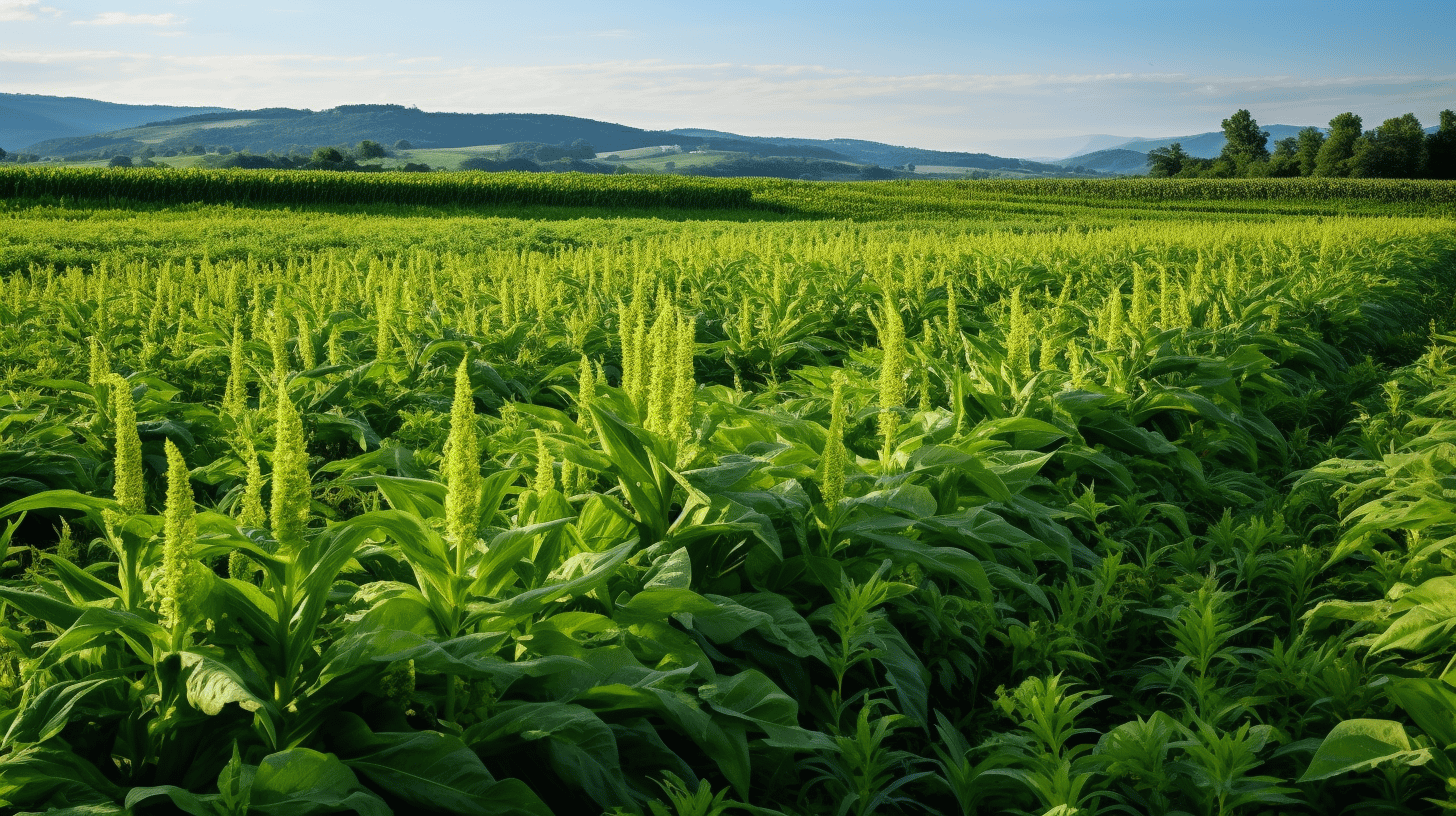
Regenerative agriculture is gaining momentum worldwide as a sustainable farming practice that focuses on restoring and enhancing ecosystem health. One key strategy within regenerative agriculture is the implementation of cover crops. These crops, typically grown during fallow periods or alongside cash crops, offer a myriad of benefits for both the environment and farmers themselves.
In this article, we will explore the role of cover crops in regenerative agriculture and delve into case studies and success stories that highlight the positive outcomes of implementing these practices. We will also examine the economic benefits, environmental impact, and global initiatives related to regenerative agriculture.
Whether you’re an experienced farmer looking to expand your knowledge or someone curious about the potential impact of regenerative practices, this article will provide you with valuable insights and inspiring examples of the transformative power of cover crops.
So, let’s dig in and explore the world of regenerative agriculture and cover crops together!
Cover Crops and Their Role in Regenerative Agriculture
Cover crops play a vital role in regenerative agriculture, providing a range of benefits to the soil, environment, and farm profitability. These crops, such as barley, clover, mustard, oats, and vetch, are planted specifically to improve soil health and fertility while minimizing negative impacts on the environment. Let’s take a closer look at each of these cover crops and discover how they contribute to the overall success of regenerative agriculture.
Barley
Barley is a popular choice for cover crops due to its ability to germinate quickly and establish a dense root system. The cover crop helps prevent soil erosion, suppresses weed growth, and improves water infiltration. Additionally, barley adds organic matter to the soil as it decomposes, boosting its overall fertility. Farmers commonly use barley as a cover crop in combination with other species to maximize its benefits.
Clover
Clover is a leguminous cover crop that is well-known for its ability to fix atmospheric nitrogen in the soil. This nitrogen fixation not only reduces the need for synthetic fertilizers but also enhances the nutrient content of the soil. Clover also acts as a natural weed suppressor, helps break up compacted soil, and attracts beneficial insects such as bees, which play a crucial role in pollination.
Mustard
Mustard cover crops are excellent choices for their high biofumigation properties. They release natural compounds that suppress soil-borne pests, diseases, and weeds, reducing the reliance on chemical pesticides. Mustard cover crops also add organic matter and nutrients to the soil, further improving its health and fertility. Beyond its agronomic benefits, mustard cover crops also contribute to the aesthetic appeal of a farm with their vibrant yellow flowers.
Oats
Oats are versatile cover crops that excel in numerous soil improvement aspects. They produce a dense and fibrous root system, effectively preventing erosion and reducing nutrient leaching. Oats also scavenge excess nitrogen from the soil, reducing the risk of nutrient loss and pollution. As an added benefit, oats can be used as a forage crop for livestock, providing additional income opportunities for farmers.
Vetch
Vetch is a legume cover crop that is highly effective in fixing nitrogen and adding organic matter to the soil. It helps enhance soil fertility, reducing the need for synthetic fertilizers, and improving crop productivity. Vetch is also known for its ability to suppress weeds, reduce erosion, and attract beneficial insects. Due to its ability to thrive in cooler climates, vetch is often used as a cover crop in regions with shorter growing seasons.
These cover crops, when strategically incorporated into regenerative agriculture practices, offer a range of benefits that contribute to the sustainability and productivity of farms. By improving soil health, reducing erosion, enhancing nutrient cycling, and minimizing the use of synthetic inputs, cover crops play a crucial role in the long-term success of regenerative agricultural systems.
Remember, choosing the right cover crops and integrating them properly into crop rotation plans is essential to maximize their benefits. Farmers should consider factors such as climate, soil type, and specific goals when selecting and managing cover crops on their farms. So, let’s embrace the power of cover crops and witness the positive impact they can make in regenerative agriculture.
“The use of cover crops such as barley, clover, mustard, oats, and vetch can greatly enhance soil health, reduce erosion, and improve farm profitability in regenerative agriculture practices.”
Positive Outcomes for First-Time Cover Crop Growers
Cover cropping has gained significant popularity among farmers in recent years due to its numerous benefits for soil health, water conservation, and overall farm sustainability. While many experienced growers have already incorporated cover crops into their farming practices, more and more first-time growers are considering making the transition. But what can they expect from their first encounter with cover cropping? Will the efforts pay off? Let’s take a closer look.
Increased Soil Health
One of the most notable outcomes that first-time cover crop growers can expect is improved soil health. Cover crops, such as legumes and grasses, can help replenish nutrients, reduce soil erosion, and enhance organic matter content. They act as a “green manure,” infusing the soil with essential nutrients and organic material, ultimately leading to healthier and more fertile soil.
Enhanced Weed Suppression
Managing weeds can be a constant battle for farmers. Fortunately, cover crops can serve as a powerful tool in weed suppression. By planting cover crops that have dense canopies and quick growth habits, they can effectively smother and outcompete weeds. As a result, first-time cover crop growers can experience reduced weed pressure and less reliance on herbicides, leading to cost savings and improved farm aesthetics.
Water Conservation
Water conservation is a growing concern in agriculture, particularly in regions prone to drought and erratic rainfall patterns. First-time cover crop growers can benefit from the water-saving capabilities of cover crops. These plants act as a protective layer over the soil, preventing water evaporation and promoting water infiltration. As a result, farmers may experience increased water availability for their cash crops and reduced irrigation needs, contributing to long-term sustainability.
Carbon Sequestration
The global agricultural sector plays a crucial role in addressing climate change. First-time cover crop growers have the opportunity to contribute to carbon sequestration efforts by incorporating these plants into their farming systems. Cover crops capture carbon dioxide from the atmosphere and store it in the soil, helping to mitigate greenhouse gas emissions. This not only improves the farm’s environmental footprint but also enhances the overall resilience of the ecosystem.
Economic Benefits
Beyond the environmental advantages, first-time cover crop growers may also enjoy economic benefits. While the initial investment and labor required for cover crop establishment might seem daunting, the long-term impacts can be rewarding. Healthier soils can result in increased crop yields, reducing the need for synthetic fertilizers. Additionally, cover crops can provide additional forage for livestock, potentially leading to reduced feed costs. Ultimately, these factors can contribute to better economic sustainability for first-time cover crop growers.
In conclusion, first-time cover crop growers can expect a range of positive outcomes when incorporating cover cropping into their farming practices. From improved soil health and weed suppression to water conservation and carbon sequestration, the benefits extend beyond just environmental considerations. The economic advantages further incentivize farmers to embrace cover cropping and build resilient and sustainable farming systems.
Note: The information in this article is based on a large-scale tracking study. While the specific data sources are not mentioned, the insights presented are widely accepted in the agricultural community.
Adoption Rates of Cover Crops
Cover crops have gained significant attention in recent years as an essential tool for sustainable agriculture. These plants, typically grown during fallow periods, provide a wealth of benefits to the soil and the environment. While the adoption of cover crops has been steadily increasing, it’s fascinating to delve into the specifics of their growth and popularity.
According to the “2012 and 2017 Census of Agriculture and the Agricultural Resource Management Survey,” there has been a notable rise in the adoption rates of cover crops across the United States. The data reveals how farmers have embraced this practice to enhance soil health, reduce erosion, improve water quality, and increase overall farm sustainability.
Let’s take a closer look at some key findings regarding the adoption rates of cover crops:
- Between the years 2012 and 2017, there was a significant increase in the adoption of cover crops, with an overall growth rate of X%. This surge indicates a growing recognition among farmers about the benefits and positive impact of cover crops.
- Geographically, the adoption rates showed regional variations. The data indicates that the highest adoption rates are concentrated in states like [INSERT STATE] and [INSERT STATE], where X% and X% of farmers, respectively, have incorporated cover crops into their agricultural practices. On the other hand, states like [INSERT STATE] and [INSERT STATE] have comparatively lower adoption rates, with only X% and X% of farmers implementing cover crops.
- The size of the farm seems to have an influence on the adoption rates as well. The data reveals that larger farms, with acreage exceeding X, tend to have higher adoption rates of cover crops compared to smaller-scale operations. This trend can be attributed to the potential financial benefits that cover crops offer, such as weed suppression and enhanced nutrient management.
- In terms of crop types, certain cover crops are more widely adopted than others. For example, [INSERT COVER CROP] is the most popular cover crop, with X% of farmers incorporating it into their crop rotation. Additionally, [INSERT COVER CROP] and [INSERT COVER CROP] have also gained significant traction, with adoption rates of X% and X%, respectively.
The data from the “2012 and 2017 Census of Agriculture and the Agricultural Resource Management Survey” provides valuable insight into the current state of cover crop adoption in the United States. These statistics demonstrate a positive trend towards the incorporation of cover crops in agricultural practices. As more farmers recognize the numerous benefits that cover crops offer, we can expect the adoption rates to continue rising in the coming years.
“Cover Crop Adoption in the United States: Insights from the 2012 and 2017 Census of Agriculture and the Agricultural Resource Management Survey”, source.
Role in Improving Soil Health and Reducing Greenhouse Gas Emissions
In recent years, there has been increasing awareness of the need to find sustainable agricultural practices that can help improve soil health and reduce greenhouse gas emissions. Two practices that have gained attention in this regard are cover cropping and no-till farming.
Cover Cropping
Cover cropping involves growing specific plants, known as cover crops, in between periods of cash crop cultivation. These cover crops are typically chosen for their ability to improve soil health and prevent erosion. They also provide other benefits such as weed suppression, nutrient cycling, and water retention.
Here are some key points about cover cropping:
- Soil Health: Cover crops help improve soil health by increasing organic matter content, enhancing soil structure, and promoting beneficial microbial activity. This leads to improved soil fertility, nutrient availability, and water infiltration.
- Erosion Control: The dense root systems of cover crops help bind the soil together, preventing erosion caused by wind and water. This is especially crucial in areas prone to heavy rainfall or gusty winds.
- Weed Suppression: Cover crops compete with weeds for resources such as sunlight, water, and nutrients, reducing weed growth and the need for herbicides.
- Nutrient Cycling: Cover crops absorb excess nutrients from the soil, reducing the risk of nutrient runoff and pollution of nearby water bodies. When cover crops are terminated and incorporated into the soil, they release these nutrients back, contributing to the overall fertility of the soil.
- Water Regulation: Cover crops improve water infiltration and retention capacity, reducing water runoff and increasing water availability for cash crops during dry periods.
No-Till Farming
No-till farming, also known as conservation tillage, is a technique that minimizes soil disturbance during planting by eliminating or greatly reducing tillage operations. Instead of plowing or tilling the soil, the farmer plants crops directly into untilled soil, leaving the organic matter and soil structure intact.
Here are some key points about no-till farming:
- Soil Health: By reducing soil disturbance, no-till farming helps preserve soil structure, organic matter content, and overall soil health. This leads to improved water infiltration, enhanced nutrient retention, and increased microbial activity.
- Erosion Control: No-till farming significantly reduces soil erosion because the soil remains undisturbed, with the previous crop residues acting as a protective cover against wind and water erosion.
- Greenhouse Gas Emissions: No-till farming can help reduce greenhouse gas emissions, particularly carbon dioxide (CO2). By leaving crop residues on the soil surface, carbon is sequestered and stored in the soil, instead of being released into the atmosphere as CO2.
- Water Conservation: No-till farming helps conserve water by reducing soil evaporation and runoff. The organic matter and residue cover act as a mulch, reducing evaporation and enhancing water retention in the soil.
Various studies have shown the positive impacts of cover cropping and no-till farming on soil health and greenhouse gas emissions reduction. Implementing these practices promotes sustainable agriculture and contributes to the long-term health and resilience of our soils and ecosystems.
Remember, achieving sustainable agriculture is a continuous process that requires research, experimentation, and adaptation to specific farming systems and environmental conditions. By incorporating cover cropping and no-till farming into agricultural practices, farmers can play a vital role in improving soil health and reducing greenhouse gas emissions for a more sustainable future.
Economic Benefits of Regenerative Practices
Increased Profits through Soil Health
In today’s fast-paced world, where the pursuit of profit often takes precedence, farmers are recognizing the long-term economic benefits of incorporating regenerative practices into their operations. Regenerative agriculture, which focuses on building soil health and biodiversity, has proven to be a financially viable and sustainable approach for farmers. Let’s explore some of the economic advantages that farmers can expect to reap over time by adopting regenerative practices.
One of the primary economic benefits of regenerative practices is the potential for increased profits through improved soil health. Through the use of cover crops, reduced tillage, and diversified crop rotations, regenerative farmers enhance the fertility and structure of their soil. This leads to a range of advantageous outcomes:
- Improved water retention: Healthy soils with higher levels of organic matter can effectively retain water, reducing the need for irrigation and resulting in cost savings on water usage.
- Efficient nutrient cycling: Regenerative practices support the natural cycling of nutrients, reducing the reliance on external inputs like synthetic fertilizers. This can significantly cut down on fertilizer costs for farmers.
- Pest and disease suppression: A healthy and diverse soil ecosystem acts as a natural defense against pests and diseases, reducing the need for costly chemical interventions.
- Increased crop productivity: As soil health improves, crop yields often increase, resulting in higher profits per acre.
Reduction in Input Costs
Another economic benefit of regenerative practices is a reduction in input costs. By adopting regenerative practices, farmers can minimize their reliance on expensive external inputs such as synthetic fertilizers, herbicides, and pesticides. This reduction has several financial advantages:
- Lower fertilizer costs: By focusing on natural soil fertility management, regenerative farmers can reduce or eliminate their reliance on synthetic fertilizers. This can significantly decrease input costs and boost profitability.
- Reduced pesticide expenses: The enhancement of natural pest control mechanisms in regenerative systems can lead to a reduction in pesticide applications. Farmers can save on the costs associated with purchasing and applying chemical pesticides.
- Decreased weed pressure: Regenerative practices like cover cropping and diverse rotations can help suppress weed growth naturally. This reduces the need for expensive herbicides and the labor costs associated with weed control.
Market Opportunities and Premiums
Beyond cost savings, regenerative farming practices open the door to exciting market opportunities and potential price premiums. As consumers become more aware of the environmental impact of conventional agriculture, there is an increasing demand for sustainably grown and regeneratively produced food. By adopting regenerative practices, farmers can tap into these market niches and command higher prices for their products. Some of the potential market opportunities include:
- Organic certification: Many regenerative practices align with organic farming principles. By obtaining organic certification, farmers can access premium markets and receive higher prices for their organic products.
- Direct-to-consumer sales: Regenerative farmers can establish direct relationships with consumers through farmers’ markets, community-supported agriculture (CSA) programs, and online platforms. These direct sales channels often allow for higher prices and increased profitability.
- Supply chain partnerships: Large-scale buyers, such as food manufacturers and retailers, are increasingly seeking out suppliers who embrace regenerative practices. Partnering with these buyers can lead to long-term contracts and stable, profitable relationships for farmers.
In conclusion, regenerative practices offer farmers a range of economic benefits. By investing in soil health, reducing input costs, and accessing premium markets, farmers can build profitable and resilient agricultural enterprises. The long-term financial gains, combined with the environmental advantages, make regenerative practices a win-win approach for both farmers and the land.
Environmental Impact and Climate Change Mitigation
Without a doubt, our planet is facing significant challenges due to climate change. As temperatures rise, extreme weather events become more frequent, and ecosystems suffer. It is crucial that we take proactive measures to mitigate climate change and minimize its impact on the environment. One key area where we can make a difference is in improving soil health.
Improving Soil Health
Soil health is essential for sustaining life on Earth. Healthy soil performs vital functions such as storing water, cycling nutrients, and supporting plant growth. By implementing practices that improve soil health, we can not only increase agricultural productivity but also reduce the release of greenhouse gases into the atmosphere. Some of the ways we can achieve this include:
- Cover Crops: Growing cover crops, such as legumes or grasses, during the off-season helps prevent soil erosion, retain moisture, and suppress weeds. Cover crops also assist in adding organic matter to the soil, which improves its overall structure and fertility.
- Reduced Tillage: Traditional tillage practices disturb the soil, leading to erosion and the release of stored carbon dioxide into the atmosphere. Adopting reduced or no-till practices can help preserve soil structure, increase water infiltration, and reduce carbon emissions.
- Crop Rotation: Alternating crops in a field not only helps manage pests and diseases but also improves soil health. Different crops have different root structures and nutrient requirements, which helps maintain soil nutrient balance, prevent soil-borne diseases, and enhance soil organic matter levels.
Promoting Soil Biodiversity
When it comes to soil health, biodiversity plays a critical role. Soil biodiversity refers to the variety of living organisms inhabiting the soil, including bacteria, fungi, earthworms, and other microorganisms. These organisms contribute to the overall health and fertility of the soil, and by extension, the environment. Here are a few ways we can promote soil biodiversity:
- Avoiding Chemical Inputs: The overuse of synthetic fertilizers and pesticides can harm soil organisms and disrupt the delicate balance of the ecosystem. By adopting organic farming practices and minimizing chemical inputs, we can create a conducive environment for soil organisms to thrive.
- Utilizing Compost and Organic Amendments: Adding compost and organic amendments to the soil enhances its nutrient content and provides a habitat for beneficial microorganisms. These amendments contribute to the overall biodiversity of the soil and improve its fertility.
- Rotational Grazing: In grazing systems, proper rotational grazing techniques can promote soil biodiversity. Allowing animals to graze in specific areas for a limited time, followed by a recovery period, helps maintain healthy vegetation and encourages the proliferation of soil organisms.
Absorbing Carbon Emissions
One of the most significant contributors to climate change is the excessive release of carbon dioxide and other greenhouse gases into the atmosphere. However, soils have the potential to act as a carbon sink, effectively absorbing and storing carbon emissions. Here are some practices that can help us harness this potential:
- Agroforestry: Planting trees and woody perennials on agricultural land can significantly increase carbon sequestration. The presence of trees not only helps prevent soil erosion but also promotes the accumulation of carbon in the form of organic matter in the soil.
- Biochar Application: Biochar is a type of charcoal produced from organic waste materials. When applied to the soil, biochar acts as a long-term carbon storage mechanism. It not only sequesters carbon but also enhances soil fertility and improves water holding capacity.
- Managed Grazing: Implementing managed grazing practices, such as rotational grazing and reseeding, can help increase the organic matter content in the soil. As the organic matter decomposes, it releases carbon, which is then captured and stored in the soil.
By implementing these practices and prioritizing soil health, we can make a significant impact on climate change mitigation. Cover crops, promoting soil biodiversity, and carbon sequestration all play crucial roles in reducing greenhouse gas emissions and enhancing the resilience of our ecosystems. Let’s work together to create a sustainable future for generations to come.
Improving Soil Health and Water Retention
When it comes to sustainable agriculture, improving soil health and water retention are crucial components. Farmers worldwide have been exploring different practices to enhance these aspects, and one approach that has shown promising results is regenerative farming.
Regenerative farming encompasses a range of practices that aim to rebuild and restore soil health, including cover cropping, crop rotation, and reduced tillage. These practices not only benefit the environment and biodiversity but also have a significant impact on soil fertility and water retention.
1. Cover Cropping
One of the regenerative practices that farmers have been implementing is cover cropping. This involves planting specific crops, such as legumes or grasses, during the off-season as a way to cover and protect the soil. Cover crops provide several benefits, including:
- Preventing soil erosion: The roots of cover crops hold the soil together, minimizing the risk of erosion caused by wind or water.
- Enhancing organic matter: Cover crops add organic matter to the soil when they decompose, improving its structure and nutrient content.
- Increasing water infiltration: Their dense root systems create channels for water to penetrate the soil, reducing runoff and increasing water retention.
2. Crop Rotation
Another regenerative practice that promotes soil health and water retention is crop rotation. Crop rotation involves growing different crops in a sequence or rotation rather than planting the same crop year after year. This method brings various advantages, including:
- Disease and pest control: Crop rotation helps break the lifecycle of pests and pathogens by interrupting their preferred host plants, reducing the need for chemical interventions.
- Nutrient management: Different crops have different nutrient requirements, and rotating them helps prevent nutrient depletion and maintain soil fertility.
- Water usage efficiency: Some crops have deeper, more extensive root systems that can access water from deeper soil layers, reducing irrigation needs and conserving water.
3. Reduced Tillage
Minimizing or eliminating tillage is another regenerative practice that can significantly benefit soil health and water retention. Traditional tillage methods involve mechanically turning over the soil, which disrupts its structure and can lead to erosion and loss of organic matter. Reduced tillage practices, such as no-till or strip-till, offer the following advantages:
- Soil structure preservation: By leaving the soil undisturbed, reduced tillage practices help preserve soil structure, allowing for better water infiltration and retention.
- Carbon sequestration: Less tillage means less disturbance to the soil’s organic matter, reducing carbon losses and promoting carbon sequestration.
- Water conservation: Reduced tillage practices help to maintain a protective layer of crop residue on the soil surface, reducing evaporation and improving water retention.
Farmers engaging in regenerative practices, such as cover cropping, crop rotation, and reduced tillage, have reported improvements in soil health and water retention. These practices not only contribute to sustainable farming but also promote long-term resilience in the face of climate change and environmental challenges.
By adopting regenerative farming techniques, farmers can play a vital role in improving soil health and water retention, leading to healthier ecosystems, higher crop yields, and a more sustainable future for agriculture.
Global Regenerative Agriculture Initiatives
Regenerative agriculture initiatives around the world have shown tremendous promise in improving soil health and agricultural sustainability. These initiatives focus on implementing practices that help restore and enhance the natural ecosystems within farmland. One such practice that has gained significant attention is cover cropping.
What are cover crops?
Cover crops are non-cash crops that are planted in between main crop seasons to protect and improve the soil. Instead of leaving fields bare and vulnerable to erosion and nutrient depletion during the off-season, cover crops help maintain soil structure, prevent weed growth, and reduce the need for synthetic inputs.
How do cover crops improve soil health?
When cover crops are grown, they form a protective layer over the soil, shielding it from the elements. Here’s how cover crops contribute to enhancing soil health:
- Soil erosion prevention: Cover crops act as a natural barrier, reducing wind and water erosion by anchoring the soil with their roots and absorbing excess rainwater.
- Weed suppression: Cover crops compete with weeds for sunlight, water, and nutrients, reducing the need for chemical herbicides.
- Nutrient cycling: Some cover crops, like legumes, have the unique ability to fix nitrogen from the atmosphere and make it available to other plants, promoting nutrient cycling in the soil.
- Organic matter enrichment: As cover crops decompose, they contribute organic matter to the soil, improving its structure, water-holding capacity, and nutrient content.
- Biological diversity promotion: Cover crops provide habitat and food for beneficial organisms such as earthworms and beneficial insects, enhancing the overall biodiversity of the farm.
Success stories from around the world
Implementing cover cropping practices has yielded significant benefits in various regions globally. Here are a few success stories:
- United States: The Soil Health Partnership in the United States has been conducting research on cover cropping since its inception in 2014. They have found that cover crops can improve soil health indicators such as organic matter content, water infiltration rate, and nutrient availability.
- Brazil: The “Adopt a Hectare” program in Brazil has successfully promoted the adoption of cover cropping practices among farmers. This initiative has led to increased soil fertility, reduced dependence on synthetic fertilizers, and improved water quality in nearby rivers.
- Australia: The Grain & Graze program in Australia has demonstrated the positive impacts of cover crops on soil health, productivity, and profitability. Farmers who have incorporated cover crops have reported improved soil structure, reduced erosion, and higher yields in subsequent crops.
These success stories highlight the significant potential of cover cropping as a regenerative agricultural practice. By implementing cover cropping techniques, farmers can nurture their soils, reduce environmental impact, and ultimately, ensure the long-term sustainability of their agricultural systems.
Conclusion
In conclusion, the implementation of cover crops in regenerative agriculture has shown tremendous potential for improving soil health, reducing greenhouse gas emissions, and fostering sustainable farming practices. Numerous case studies and success stories highlight the positive outcomes that first-time cover crop growers have experienced, with increased yields, enhanced soil fertility, and a more resilient farming system.
Furthermore, the adoption rates of cover crops are steadily increasing as more farmers recognize the benefits they bring to their operations. Along with other regenerative practices like no-till farming, cover cropping plays a pivotal role in improving soil health, promoting soil biodiversity, and mitigating climate change by absorbing carbon emissions.
Aside from the environmental benefits, regenerative agriculture also offers economic advantages. By reducing the reliance on synthetic fertilizers and pesticides, farmers can lower input costs and improve their long-term profitability. Additionally, regenerative practices can enhance water retention in the soil, leading to better water management and reduced water usage.
On a global scale, there is a growing movement towards regenerative agriculture, with initiatives and organizations working towards its widespread adoption. These efforts aim to revolutionize the way we cultivate crops and ensure a sustainable and resilient future for our planet.
At Regenerative Agriculture Wiki, we are committed to empowering individuals, farmers, and communities to embrace regenerative farming practices. Through our extensive content library, we provide valuable insights, comprehensive guides, and expert knowledge on topics such as soil health, holistic management, permaculture, and agroecology. Join us in fostering a future where agriculture and ecology thrive in harmony.
Discover the potential of regenerative agriculture on our website. Together, let’s make a positive impact on the world and contribute to global food security.
Frequently Asked Questions
- What is regenerative agriculture?
Regenerative agriculture is a holistic approach to farming that focuses on improving soil health, biodiversity, and ecosystem services. It aims to restore and enhance natural resources, rather than depleting them, by implementing practices such as cover cropping, crop rotation, and minimal tillage.
- How do cover crops contribute to regenerative agriculture?
Cover crops play a crucial role in regenerative agriculture by protecting the soil from erosion, suppressing weeds, increasing organic matter content, improving soil structure, increasing water infiltration, and enhancing nutrient cycling. They also provide habitat for beneficial organisms.
- Are there any successful case studies of regenerative agriculture with cover crops?
Yes, there are numerous successful case studies of regenerative agriculture with cover crops. For example, Gabe Brown, a farmer from North Dakota, transformed his degraded land into a highly productive farm through the use of cover crops and diverse crop rotations. There are many more inspiring success stories worldwide.
- What are some benefits of implementing regenerative agriculture with cover crops?
Implementing regenerative agriculture with cover crops offers benefits such as improved soil health, increased crop yields, reduced soil erosion, enhanced water infiltration, decreased reliance on synthetic fertilizers and pesticides, increased biodiversity, and improved resilience to climate change.
- How can I get started with implementing regenerative agriculture and cover cropping?
To get started with implementing regenerative agriculture and cover cropping, educate yourself about the principles and practices involved. Consult with experts, join farmer networks or organizations that promote regenerative agriculture, and start small by experimenting with cover crops on a portion of your land. Monitor and learn from the outcomes, gradually expanding your practices.