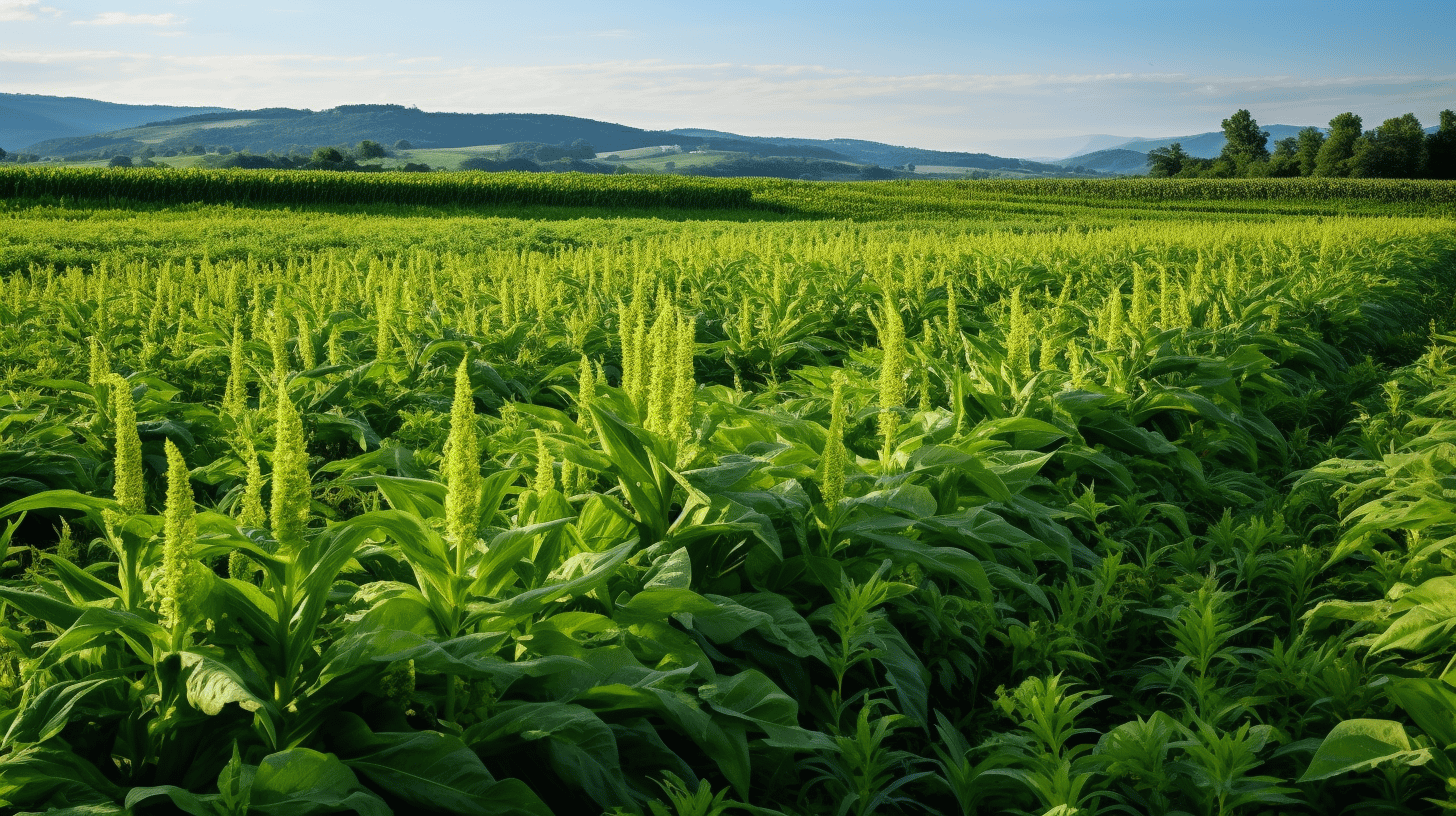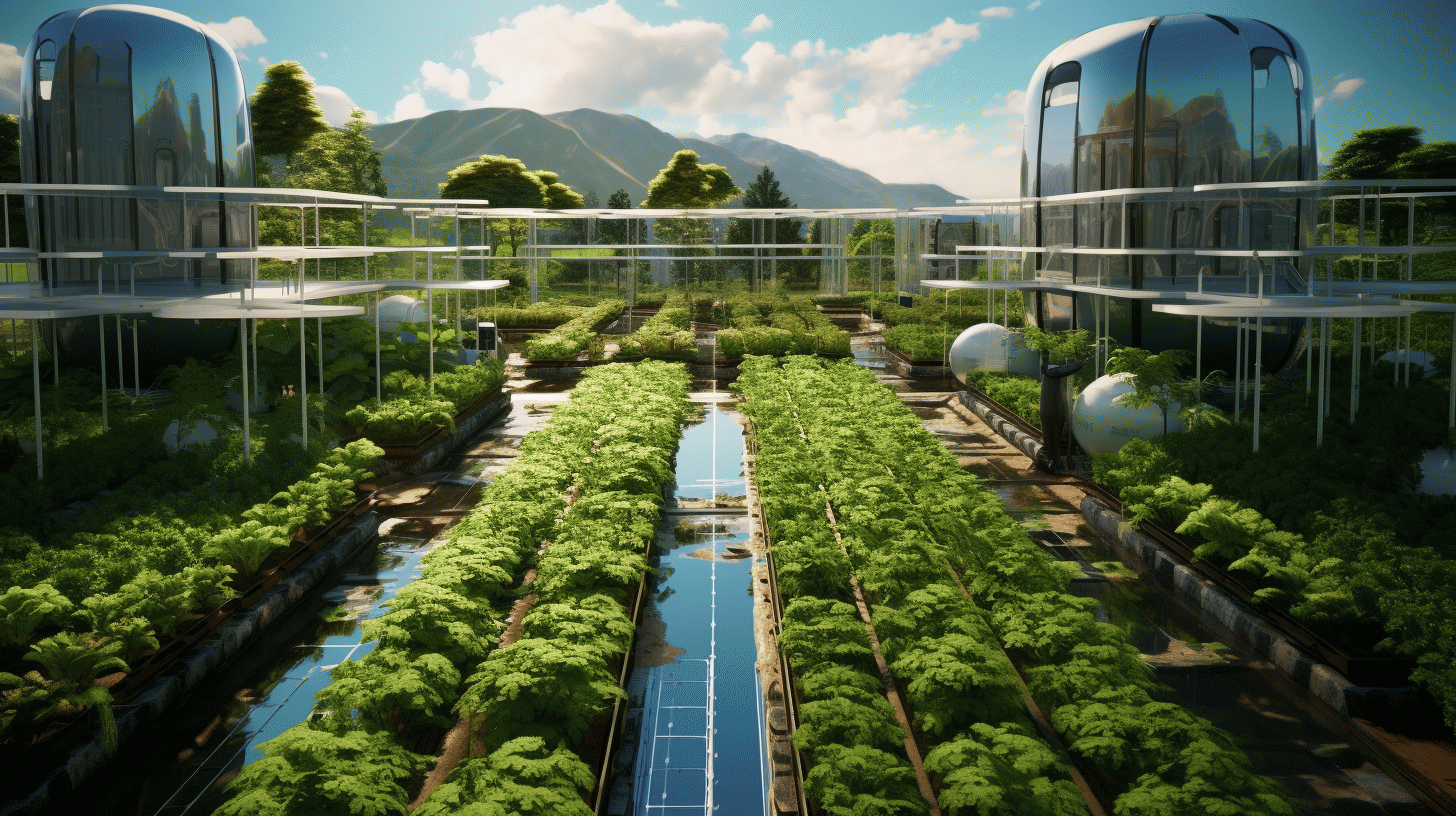
Sustainable farming is not just a trendy buzzword; it’s a crucial approach to cultivating food that is both environmentally friendly and economically viable. As the world grapples with the challenges of climate change and diminishing natural resources, finding innovative solutions for agriculture becomes increasingly important.
In this article, we dive into the future of sustainable farming and explore two key areas of innovation: cover crops and polycultures. These practices are gaining momentum as farmers recognize their potential to enhance soil health, promote biodiversity, and reduce the need for synthetic inputs.
By implementing cover crops and adopting polyculture systems, farmers have an opportunity to revolutionize the way we grow our food. But what exactly are cover crops, and why are they essential for sustainable farming? How does polyculture farming differ from traditional monoculture practices? And what innovative techniques are emerging within these areas?
Join us as we explore these exciting developments and discuss the challenges and solutions in sustainable farming. We’ll also delve into the economic impact of adopting sustainable practices and examine the potential return on investment for farmers.
It’s time to reimagine the way we farm for a greener, more sustainable future. Let’s dive in and discover the exciting innovations that lie ahead!
Understanding Sustainable Farming
Sustainable farming is a concept that has gained significant attention in recent years. With concerns about climate change, soil degradation, and the need to feed a growing population, sustainable farming practices have become crucial for the future of agriculture. In this section, we will explore the concept and importance of sustainable farming, as well as current methods being implemented.
Concept and Importance
Sustainable farming refers to practices that prioritize the long-term health and productivity of the land, while minimizing negative environmental impacts. Unlike conventional farming methods that rely heavily on synthetic fertilizers, pesticides, and intensive land use, sustainable farming takes a holistic approach to ensure the sustainability of agricultural systems. Here are some key points to understand about sustainable farming:
- Environmental Preservation: Sustainable farming aims to minimize soil erosion, conserve water resources, and protect biodiversity. By using techniques like crop rotation, cover cropping, and agroforestry, farmers can maintain healthy ecosystems and reduce the need for chemical inputs.
- Climate Change Mitigation: Sustainable farming practices often contribute to mitigating climate change by reducing greenhouse gas emissions. For instance, practices like conservation tillage and organic farming can enhance carbon sequestration in the soil, helping to offset carbon dioxide levels in the atmosphere.
- Resource Efficiency: Sustainable farming emphasizes resource efficiency by promoting water conservation, optimizing nutrient use, and minimizing waste. This not only leads to cost savings for farmers but also reduces the environmental footprint of agriculture.
- Community and Social Well-being: Sustainable farming involves engaging with the local community and promoting social well-being. Practices like community-supported agriculture (CSA) and farmer’s markets help build connections between farmers and consumers, fostering a sense of community and supporting local economies.
The importance of sustainable farming cannot be overstated. By adopting sustainable farming practices, we can:
- Ensure a stable and secure food supply for future generations.
- Protect and enhance the environment, including soil health and water quality.
- Reduce reliance on synthetic inputs and costly external inputs.
- Enhance the resilience and adaptability of agricultural systems in the face of climate change.
Current Methods of Sustainable Farming
Various methods and techniques are being used to implement sustainable farming practices worldwide. These methods include:
- Organic Farming: Organic farming relies on natural inputs instead of synthetic chemicals to promote soil fertility and pest control. It relies on practices like crop rotation, composting, and biological pest management to maintain healthy and productive farms.
- Agroforestry: Agroforestry integrates trees, crops, and livestock on the same land, creating a productive and diverse system. The trees provide shade, windbreaks, and organic matter, while the crops and livestock provide economic benefits.
- Conservation Agriculture: Conservation agriculture focuses on minimizing soil disturbance, maintaining crop residue cover, and diversifying crop rotations. By practicing minimal tillage and leaving crop residues on the soil surface, farmers can enhance soil health, reduce erosion, and conserve water.
- Permaculture: Permaculture is a design approach that aims to create self-sustaining systems that mimic natural ecosystems. It emphasizes sustainable and regenerative practices, such as using perennial crops, integrating diverse species, and maximizing resource efficiency.
These are just a few examples of the many sustainable farming methods being used globally. Each method has its unique benefits and challenges, but all contribute to the overall goal of sustainable agriculture.
In conclusion, sustainable farming is not just a passing trend; it is a necessity for the future of agriculture. By adopting sustainable practices, farmers can protect the environment, ensure food security, and build resilient agricultural systems. The current methods being implemented demonstrate that sustainable farming is not only possible but also essential for a sustainable future.
Cover Crops: A Step Towards Sustainability
Cover crops are becoming increasingly popular among farmers and gardeners as a sustainable farming practice. These crops serve multiple purposes beyond just being regular crops. They are grown primarily to benefit the soil and the environment. In this section, we will delve into the concept of cover crops, explore their benefits, and highlight some of the innovative practices in this field.
Concept of Cover Crops
Cover crops, also known as green manure or living mulch, are crops that are planted to cover and protect the soil between primary crop seasons. Unlike cash crops that are grown for harvest, cover crops are grown specifically to improve soil health and provide other environmental benefits. Examples of cover crops include legumes like clover, vetch, and peas, as well as grasses such as rye, oats, and wheat.
The main objective of cover crops is to enrich the soil by adding organic matter, increasing nitrogen levels, improving soil structure, suppressing weeds, reducing erosion, and promoting beneficial soil microorganisms. They work hand in hand with nature, providing an array of benefits that contribute to the sustainability of agricultural practices.
Benefits of Cover Crops
The use of cover crops offers a wide range of benefits for both the environment and farmers. Let’s take a look at some of the key advantages:
- Soil Health: Cover crops help improve soil health by increasing organic matter content, enhancing soil structure, and promoting soil biodiversity. They protect the soil from erosion, compaction, and nutrient loss, resulting in a more fertile and resilient soil ecosystem.
- Nutrient Management: Certain cover crops, particularly legumes, have the ability to fix nitrogen from the atmosphere and convert it into a form that is readily available to other crops. This reduces the need for synthetic fertilizers and promotes natural nutrient cycling.
- Weed Suppression: Cover crops act as living mulch, shading the soil and inhibiting the growth of weeds. This reduces the reliance on herbicides, making cover crops an eco-friendly weed management strategy.
- Water Management: Cover crops improve water infiltration, reduce runoff, and help retain soil moisture. They contribute to better water management and can mitigate the risks of drought and excessive erosion.
- Pest and Disease Control: Some cover crops, such as mustard or marigold, release chemical compounds that deter pests and suppress certain soil-borne diseases. This natural pest control mechanism reduces the need for chemical pesticides.
Innovations in Cover Crops
As the importance of cover crops becomes more recognized, innovative practices are being developed to maximize their benefits. Here are a few noteworthy innovations in the field of cover crops:
- Precision Cover Cropping: Precision agriculture techniques, such as GPS and remote sensing, are being used to precisely determine the optimal locations for cover crop planting. This helps target areas with specific soil needs, leading to more efficient and effective cover cropping.
- Cover Crop Mixtures: Planting different cover crop species together, known as cover crop mixtures or cocktails, has gained popularity. These mixtures provide diverse benefits, such as improved nutrient retention, enhanced weed suppression, and increased biodiversity.
- No-Till Cover Cropping: No-till farming involves planting cover crops without disturbing the soil through mechanical tillage. This practice helps retain soil structure, prevent erosion, and promote carbon sequestration, making it an essential tool in sustainable agriculture.
In conclusion, cover crops offer significant benefits for soil health, nutrient management, weed suppression, water management, and pest control. With ongoing innovations, the use of cover crops is expanding, paving the way for more sustainable and environmentally conscious farming practices. Farmers and gardeners who embrace cover crops are taking a positive step towards ensuring the long-term sustainability of our agricultural systems.
Polycultures: The Future of Farming?
What is Polyculture?
When you think of a traditional farm, rows upon rows of a single crop may come to mind. However, there is a growing movement in agriculture that challenges this approach. Enter polyculture – a farming technique that embraces diversity and intercropping.
Polyculture is the practice of growing multiple crops together in the same field, simultaneously or in rotation. It promotes biodiversity by mimicking the natural ecosystems and harnessing their resilience. In a polyculture system, crops are carefully selected based on their compatibility, nutritional requirements, and ability to enhance soil health. This method allows for a symbiotic relationship between plants, with each one providing unique benefits to the overall system.
Advantages of Polyculture
So, why is polyculture gaining attention as the future of farming? Let’s explore some of its key advantages:
- Enhanced Resilience: In a polyculture system, the risk of crop failure due to pests, diseases, or extreme weather conditions is mitigated. Diverse plant species naturally provide a buffer against these challenges, as one problem is unlikely to affect all crops simultaneously.
- Improved Soil Health: Monoculture farming relies heavily on chemical inputs to maintain productivity. In contrast, polyculture systems promote natural methods of soil fertility and pest control. By diversifying plant species, polyculture helps create a balanced ecosystem where pests are less likely to thrive, and beneficial organisms, such as pest predators and soil microorganisms, can flourish.
- Sustainable Resource Management: Polyculture reduces the need for external inputs such as synthetic fertilizers and pesticides. By incorporating nitrogen-fixing legumes and companion planting, polyculture farmers can harness natural resources more efficiently, reducing the environmental impact of agriculture.
- Increased Crop Yield: Contrary to popular belief, polyculture systems can achieve comparable or even higher yields than monoculture. This is because intercropping allows for better utilization of available resources, such as sunlight, water, and nutrients. Additionally, polyculture systems are less prone to pest and weed pressure, leading to healthier and more productive crops.
- Economic Viability: Polyculture farming can be economically beneficial for farmers. With a diverse range of crops, farmers have the flexibility to adapt to market demands and mitigate the risk of price fluctuations. Furthermore, the reduced need for external inputs can lower production costs in the long run.
Innovative Polyculture Methods
As the interest in polyculture grows, agricultural innovators are constantly finding new ways to optimize and expand this farming technique. Here are a few innovative methods being explored:
| Method | Description |
|---|---|
| Agroforestry | Integrating trees and shrubs with agricultural crops, providing additional benefits such as shade, windbreaks, and increased biodiversity. |
| Aquaponics | Combining aquaculture (fish farming) with hydroponics (growing plants in water), creating a closed-loop system where fish waste provides nutrients for plants, and water is recirculated. |
| Permaculture | Designing agricultural systems that mimic natural ecosystems, utilizing diverse plantings and integrating animals to create self-sustaining and regenerative systems. |
Polyculture is not a one-size-fits-all approach, and its implementation may vary depending on the local climate, soil conditions, and the farmer’s goals. However, its potential to address some of the pressing challenges in modern agriculture is undeniable.
With its ability to enhance resilience, promote sustainable resource management, and boost crop yields, polyculture represents a promising path towards a more sustainable and productive future of farming. By embracing diversity and harnessing the power of nature, farmers can cultivate healthier ecosystems while feeding the world.
Challenges and Solutions in Sustainable Farming
Existing Challenges
Sustainable farming is an essential practice that aims to minimize the environmental impact of agriculture while ensuring long-term food security. However, like any other industry, it faces its fair share of challenges. Here are some of the existing challenges that sustainable farming practitioners encounter:
- Climate Change: One of the dominant challenges for sustainable farming is climate change. Erratic weather patterns, increased frequency of extreme events like droughts and floods, and rising temperatures can have adverse effects on crop yields and livestock productivity. Farmers must adapt their practices to mitigate the impacts of climate change.
- Limited Resources: Sustainable farming relies on the efficient use of resources such as water, energy, and land. However, these resources are often limited and need to be managed carefully. Water scarcity, soil degradation, and competition for land use pose significant challenges to sustainable farming practices.
- Pest and Disease Management: Ensuring the health and well-being of crops and livestock is crucial in sustainable farming. However, pests and diseases can cause significant damage and economic losses. Implementing effective and eco-friendly pest and disease management strategies is a constant challenge faced by sustainable farmers.
- Economic Viability: While sustainable farming practices have environmental and social benefits, they must also be economically viable for farmers to adopt them on a large scale. Balancing the costs of implementing sustainable practices with the financial returns from agricultural production can be a challenge.
Potential Solutions
Despite the challenges, sustainable farming has made significant progress, thanks to innovative solutions and practices that address these issues. Here are some potential solutions:
- Adaptive Farming Techniques: Sustainable farmers are adapting their practices to mitigate the impacts of climate change. This includes utilizing climate-resilient crop varieties, implementing precision agriculture techniques, and adopting water-efficient irrigation systems.
- Agroecology and Biodiversity Conservation: By embracing agroecological principles, farmers can enhance biodiversity and reduce the reliance on synthetic inputs. Practices such as crop rotation, intercropping, and the integration of livestock help create a balanced and resilient ecosystem.
- Integrated Pest Management: Sustainable farmers employ integrated pest management strategies to minimize the use of chemical pesticides. This approach emphasizes natural pest control methods, such as biological control using beneficial insects, crop rotation, and the use of resistant crop varieties.
- Economic Incentives and Support: Governments and organizations can play a crucial role in promoting sustainable farming by offering financial incentives, grants, and subsidies for adopting environmentally friendly practices. This can help overcome the financial challenges faced by farmers and encourage wider adoption of sustainable farming techniques.
“Sustainable farming practitioners face various challenges, including climate change, limited resources, pest and disease management, and economic viability. However, innovative solutions such as adaptive farming techniques, agroecology, integrated pest management, and economic incentives are paving the way for a more sustainable and resilient agricultural sector.”
The Economic Impact of Sustainable Farming
Investment in Sustainable Farming
Investing in sustainable farming practices not only benefits the environment but also has a significant economic impact. Sustainable farming methods focus on reducing the use of synthetic fertilizers and pesticides, conserving water resources, and promoting biodiversity. With these practices in place, farmers can achieve long-term sustainability while also reaping financial rewards. Here’s how investing in sustainable farming can lead to a positive economic outcome:
Increased Productivity
- Sustainable farming techniques prioritize soil health, which is crucial for maximizing crop yields. By improving soil fertility and structure through organic practices such as crop rotation and the use of compost, farmers can increase productivity without relying on harmful chemicals.
- Healthy soil can retain water more efficiently, reducing the need for excessive irrigation. This not only saves water but also lowers energy costs associated with pumping water.
- Sustainable farming also emphasizes the use of native and adapted plants, which are more resilient to pests and diseases. This reduces the need for expensive chemical inputs, resulting in cost savings for farmers.
Cost Savings
- Sustainable farming practices aim to minimize reliance on external inputs, such as synthetic fertilizers and pesticides, which can be costly. Instead, farmers focus on natural alternatives and integrated pest management strategies, which are often more affordable and sustainable in the long run.
- By adopting conservation practices like cover cropping and conservation tillage, farmers can reduce erosion, conserve soil moisture, and decrease the need for costly soil amendments.
- Sustainable farms often implement energy-saving technologies, such as solar-powered irrigation systems or energy-efficient machinery, to reduce energy costs and decrease reliance on non-renewable resources.
Market Demand and Premium Pricing
- Consumers are increasingly aware of the environmental impact of agriculture and are demanding sustainably produced food products. By adopting sustainable farming practices, farmers can tap into this growing market and differentiate themselves from conventional producers.
- Organic and sustainably produced food products often command a premium price in the market. According to a study by the Organic Trade Association, organic food sales in the United States reached $56.4 billion in 2020, reflecting a significant demand for sustainable agriculture.
- Moreover, sustainable farming practices often lead to improved product quality, taste, and nutritional value, which can further enhance marketability and increase consumer willingness to pay a premium.
In summary, investing in sustainable farming practices not only benefits the environment but also offers significant economic advantages. Increased productivity, cost savings, and access to premium markets contribute to the financial sustainability of farmers engaged in sustainable agriculture. By prioritizing sustainable practices, farmers can build a resilient and profitable business while preserving natural resources for future generations.
Conclusion
In conclusion, sustainable farming practices such as cover cropping and polycultures are key to shaping the future of agriculture. With their numerous benefits, including improved soil health, enhanced biodiversity, and increased resilience to pests and climate change, these innovative methods offer a sustainable and regenerative approach to farming.
By incorporating cover crops into their rotation, farmers can protect the soil, prevent erosion, and boost nutrient availability. Additionally, advancements in cover crop innovations, such as the use of diverse species and species mixtures, contribute to even greater ecological benefits.
Polycultures, on the other hand, embrace the power of diversity by interplanting multiple crops and species in the same field. This approach promotes natural pest control, reduces the need for synthetic inputs, and maximizes yield potential. Innovative polyculture methods, such as agroforestry and companion planting, further optimize the benefits of diverse plant communities.
However, sustainable farming does come with its challenges. From transitioning conventional farming systems to overcoming economic barriers, these obstacles need to be addressed for widespread adoption. Fortunately, there are potential solutions, such as government support, incentivized programs, and knowledge sharing platforms like the Regenerative Agriculture Wiki, where farmers and enthusiasts can access comprehensive resources and expert guidance.
Investing in sustainable farming not only benefits the environment but also has a positive economic impact. As more consumers demand sustainably produced food, markets for organic and regenerative products continue to grow. This creates opportunities for farmers to generate a return on their investment while improving the long-term sustainability of their operations.
In this ever-evolving field, it is essential to stay informed and educated about the latest innovations and practices in sustainable agriculture. The Regenerative Agriculture Wiki is a valuable resource, providing a wealth of content to support farmers, environmentalists, and food enthusiasts in their journey towards a more sustainable and regenerative future.
Take the first step towards sustainable farming and explore the potential of regenerative agriculture with the Regenerative Agriculture Wiki. Together, let’s create a future where agriculture and ecology thrive in harmony.
Visit the Regenerative Agriculture Wiki
Frequently Asked Questions
- What are cover crops and polycultures?
Cover crops are plants, typically non-commercial crops, that are grown to improve soil health, prevent erosion, suppress weeds, and enhance overall sustainability in farming. Polycultures refer to the practice of growing multiple plant species together in the same field, which can increase biodiversity, enhance pest management, and improve soil fertility.
- What are the benefits of using cover crops in farming?
Cover crops offer several benefits in farming, including improved soil structure and fertility, reduced soil erosion, increased water infiltration and retention, enhanced pest and weed control, carbon sequestration, and overall environmental sustainability.
- How do polycultures contribute to sustainable farming?
Polycultures are advantageous for sustainable farming as they promote biodiversity, reduce the risk of crop failure due to pests or disease, optimize resource utilization, enhance soil health and fertility, and improve ecological resilience within the agricultural ecosystem.
- What are some innovative practices related to cover crops and polycultures in sustainable farming?
Innovations in cover crops and polycultures include using diverse cover crop mixtures tailored to specific ecological niches, integrating livestock grazing in cover cropping systems, experimenting with cash crops and cover crop intercropping, and using advanced precision agriculture techniques for efficient management.
- How can farmers incorporate cover crops and polycultures into their existing farming practices?
Farmers can incorporate cover crops and polycultures by conducting soil tests to determine appropriate cover crop options, implementing crop rotation plans, using no-till or reduced tillage methods, ensuring proper cover crop termination before planting cash crops, and seeking guidance from agricultural extension services or local experts.