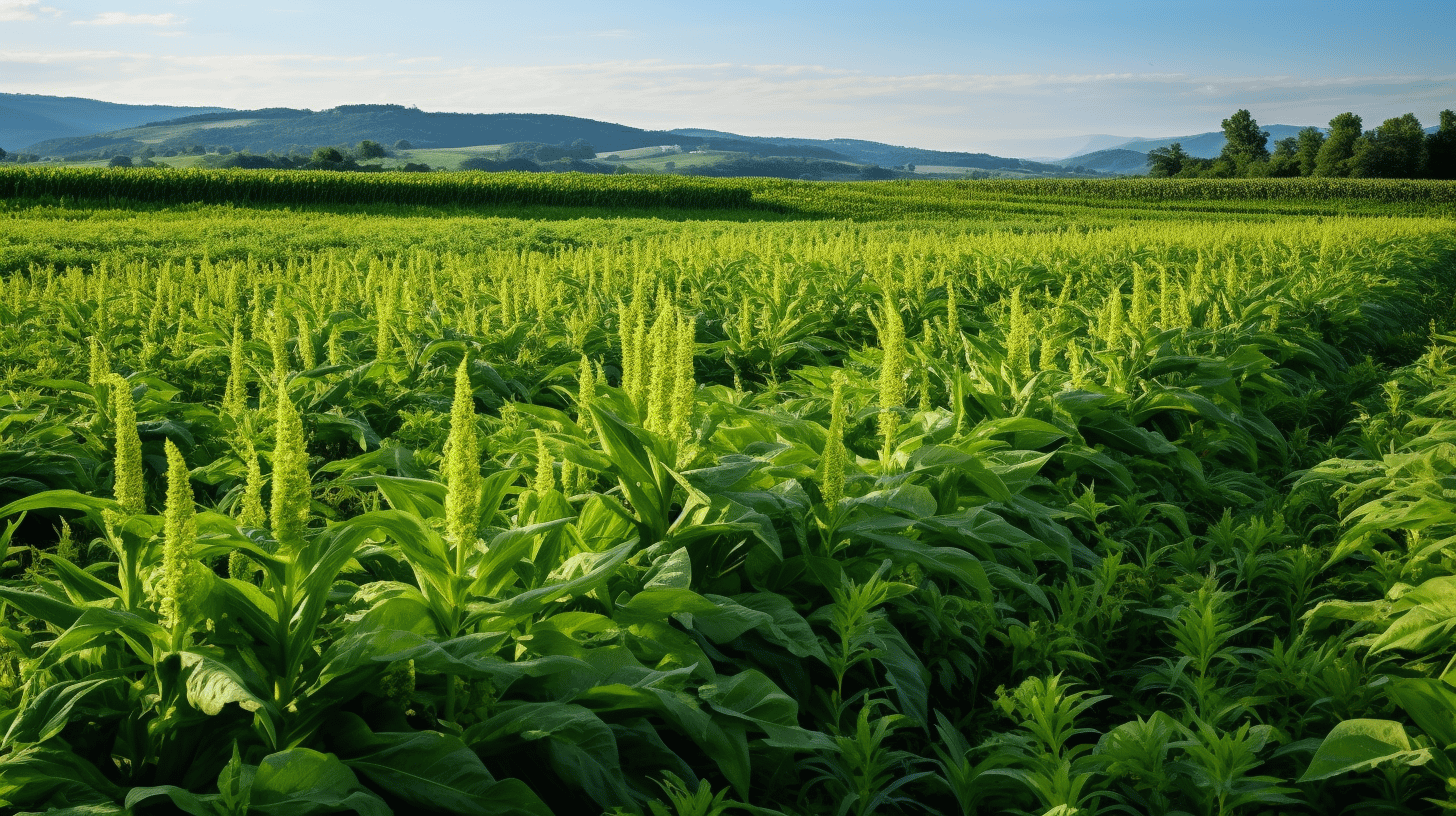
Cover crops have become increasingly popular among sustainable farmers as an effective and natural solution for pest management. These crops serve as a protective shield against pests while providing an array of additional benefits to agricultural ecosystems. By integrating cover crops into their practices, farmers can reduce the reliance on chemical pesticides and foster healthier and more resilient farming systems.
In this article, we will explore the role of cover crops in pest management and delve into the various benefits they offer beyond just controlling pests. We will also examine the impact of cover crops on different insect populations and discuss the challenges and opportunities associated with using them for integrated pest management. By the end, you’ll have a comprehensive understanding of how cover crops can be harnessed to create sustainable and pest-resistant farming systems.
So, whether you’re a farmer looking to optimize your pest control measures or simply interested in the fascinating world of agricultural practices, this article will provide you with valuable insights into the power of cover crops in managing pests naturally and sustainably. Let’s dive in!
The Role of Cover Crops in Pest Management
Cover crops have gained popularity in recent years for their numerous benefits in agriculture. One area where they have proven to be particularly effective is in pest management. By implementing cover crops, farmers and gardeners can take advantage of natural pest control methods, reducing the need for harmful chemicals and promoting a healthier ecosystem overall.
Increasing Predator Abundance
One of the primary ways that cover crops contribute to pest management is by increasing the abundance of natural predators. These predators, such as ladybugs, lacewings, and spiders, play a crucial role in keeping pest populations in check. By providing a diverse and sheltered habitat, cover crops create an environment that is attractive to these beneficial insects.
Enhancing Natural Enemies
In addition to increasing predator abundance, cover crops also enhance the populations of other natural enemies of pests. These include parasitic wasps, nematodes, and ground beetles, among others. These natural enemies help control pests by feeding on their eggs, larvae, and adults, helping to maintain a balanced ecosystem and reducing the need for chemical interventions.
Attracting Predator Insects Away from Cash Crops
Cover crops act as a magnet for predator insects, attracting them away from cash crops. This diversionary tactic helps protect the main crop from pest infestations, as the predators focus their attention on the cover crop instead. This tactic not only reduces the damage caused by pests but also reduces the reliance on pesticides.
Supporting Beneficial Insects and Arthropods
Cover crops serve as a source of food and shelter for beneficial insects and arthropods. These organisms help control pest populations by directly preying on them or by providing other ecosystem services. For example, bees are vital pollinators, and their presence can increase crop yields. By providing a suitable habitat for these beneficial organisms, cover crops contribute to overall pest management efforts.
Hosting Soil-Borne Pathogens
While cover crops offer many benefits, it’s essential to be mindful of potential downsides. Some cover crops can act as hosts for soil-borne pathogens, which can affect the health of subsequent cash crops. Therefore, it’s crucial to select cover crops carefully, considering their suitability for the specific farming or gardening situation to minimize the risk of disease transmission.
Reducing Infestations of Weeds and Pests
One of the most significant advantages of cover crops in pest management is their ability to reduce infestations of weeds and pests. Cover crops compete with weeds for nutrients, sunlight, and space, suppressing their growth and preventing them from establishing a foothold. Additionally, cover crops can disrupt the life cycles of pests by providing an alternative host for them to feed on, reducing their impact on cash crops.
In conclusion, cover crops play a vital role in pest management by increasing predator abundance, enhancing natural enemies, attracting predators away from cash crops, supporting beneficial insects and arthropods, reducing infestations of weeds and pests, and providing other ecosystem services. By incorporating cover crops into their farming or gardening practices, individuals can leverage natural pest control methods, reducing the reliance on harmful chemicals and promoting a more sustainable and environmentally friendly approach to agriculture.
Benefits of Cover Crops Beyond Pest Management
Cover crops are often associated with their ability to manage pests and improve overall crop health. However, their benefits extend far beyond just pest management. These versatile plants offer a range of advantages that can enhance soil health, increase crop yields, and even reduce costs. Let’s take a closer look at some of the key benefits of cover crops beyond pest management:
1. Reducing Erosion and Nutrient Loss
One of the primary benefits of cover crops is their ability to reduce soil erosion and nutrient loss. By growing cover crops during the off-season, farmers can prevent soil erosion caused by wind and water. The extensive root systems of cover crops help bind the soil together, effectively preventing it from washing away. Additionally, these deep roots help to absorb excess nutrients, reducing leaching and nutrient runoff into nearby water bodies. This not only protects the environment but also helps improve the long-term productivity of the soil.
2. Enhancing Soil Health
Cover crops play a crucial role in enhancing soil health. They act as a living mulch, providing a protective cover for the soil surface. This cover helps reduce soil compaction caused by rainfall and reduces moisture loss due to evaporation. As cover crops decompose, they add organic matter to the soil, improving its structure and increasing its water-holding capacity. The enhanced soil structure allows better root penetration and nutrient uptake by subsequent cash crops, ultimately leading to improved overall soil health.
3. Improving Crop and Watershed Health
Another significant benefit of cover crops is their ability to improve the health of both the primary crop and the surrounding watershed. The presence of cover crops helps to suppress weed growth, reducing competition for water, light, and nutrients between the cover crops and cash crops. Additionally, cover crops can break disease and pest cycles by acting as a barrier, preventing pathogens and pests from reaching the primary crop. By reducing the need for chemical inputs, cover crops contribute to a healthier crop and a more sustainable agricultural system.
4. Increasing Crop Yields
Cover crops have been shown to increase crop yields in subsequent growing seasons. The improved soil structure and increased nutrient availability provided by cover crops promote healthier root development and improve nutrient uptake by the primary crop. Additionally, the weed-suppressing nature of cover crops reduces competition and allows the cash crop to thrive. These combined factors contribute to higher yields and improved overall productivity on the farm.
5. Reducing Machinery Costs
Maintaining healthy soil is essential, but it can come at a cost. However, cover crops can help reduce machinery costs in the long run. By protecting the soil from erosion and compaction, cover crops minimize the need for expensive and time-consuming soil conservation practices, such as tillage and leveling. Moreover, the use of cover crops can also reduce the reliance on synthetic fertilizers and pesticides, further reducing input costs for farmers.
6. Hosting Beneficial Microbes
Cover crops act as hosts for beneficial soil microbes, such as mycorrhizal fungi and nitrogen-fixing bacteria. These microorganisms form symbiotic relationships with plants, aiding in nutrient uptake and fixing atmospheric nitrogen into a plant-available form. By incorporating cover crops into the rotation, farmers can harness the power of these beneficial microbes, leading to improved nutrient cycling and reduced fertilizer requirements.
In conclusion, cover crops offer a wide range of benefits beyond just pest management. From reducing erosion and nutrient loss to enhancing soil health, improving crop yields, and reducing costs, cover crops have become an essential tool for sustainable and profitable farming practices. By incorporating cover crops into their rotation, farmers can reap the rewards of a healthier soil and increased productivity in the long term.
The Impact of Cover Crops on Different Insect Populations
Cover crops have become increasingly popular in agriculture due to their numerous benefits, including soil health improvement, erosion prevention, and weed suppression. However, their impact on insect populations is a topic of interest among researchers and farmers alike. Do cover crops attract beneficial insects or inadvertently provide shelter for pesky pests? Let’s explore how cover crops affect different insect populations.
Impact on Arthropods
Arthropods, a diverse group that includes insects, spiders, and mites, play crucial roles in agricultural ecosystems. They can act as pollinators, decomposers, and natural enemies of pests. When cover crops are introduced into an agricultural system, they create an alternative habitat for arthropods, potentially altering their abundance and diversity.
Research has shown that the presence of cover crops can lead to an increase in arthropod populations. These extra resources, such as nectar-rich flowers or prey, attract a variety of insects and spiders. As a result, farmers may observe a higher diversity of arthropods in fields with cover crops compared to those without.
Beneficial and Pest Insects
While cover crops can attract a wide range of insects, it’s essential to understand the distinction between beneficial insects and pest insects. Beneficial insects, like ladybugs and lacewings, help control pest populations by preying on them or parasitizing their eggs. On the other hand, pest insects, such as aphids or caterpillars, cause damage to crops and decrease yields.
The influence of cover crops on both beneficial and pest insects can vary depending on factors such as cover crop plant species, flowering patterns, and timing of planting and termination. Some studies have shown that cover crops can enhance populations of beneficial insects, providing them with food and shelter. By increasing their numbers, these beneficial insects can play a more significant role in managing pest populations naturally.
However, cover crops can also create favorable conditions for pests. For example, certain cover crop species may harbor pests or attract them by providing a suitable environment. This situation can be problematic when the pests on the cover crop move onto the main cash crop, potentially causing economic losses.
Influence on Pest Activity in Crops
In addition to attracting beneficial and pest insects, cover crops can have a direct impact on the density and activity of pests within crops. Some studies have observed a reduction in pest populations in fields with cover crops. The presence of cover crops can disrupt the habitat and feeding patterns of pests, making it more challenging for them to locate and attack the main cash crop.
One study focused on cotton crops found that cover crops had a significant effect on pest and predator insects. The researchers observed decreased pest activity and increased predator abundance in fields with cover crops compared to those without. This suggests that cover crops have the potential to not only reduce pest populations but also promote a more balanced ecosystem within agricultural systems.
In conclusion, cover crops have the ability to impact insect populations, including arthropods, in agricultural settings. While they can attract beneficial insects and enhance their populations, they may also create conditions favorable for pests. Nevertheless, the overall effect of cover crops on pest activity in crops appears to be positive, with the potential to reduce pest populations and promote natural pest control. Farmers should consider these factors when incorporating cover crops into their agricultural practices to maximize the benefits while minimizing any potential drawbacks.
Challenges and Opportunities in Using Cover Crops for Integrated Pest Management
Integrated pest management (IPM) is a holistic approach to managing pests that aims to minimize the use of chemical pesticides while promoting natural pest control methods. One strategy gaining traction in the field of IPM is the use of cover crops. These crops, typically planted between cash crop rotations, offer a range of benefits, including reducing reliance on pesticides and creating a favorable environment for beneficial insects. While cover crops present significant opportunities for sustainable pest management, they also pose their own set of challenges. In this section, we will explore the challenges associated with using cover crops for IPM and highlight the overarching benefits they provide.
Reducing Reliance on Pesticides
One of the primary goals of IPM is to reduce the dependence on chemical pesticides, which can have adverse effects on human health, the environment, and non-target organisms. Cover crops offer an alternative approach that can help growers achieve this goal. By providing a natural barrier and habitat for beneficial insects, cover crops can help control pests without the need for synthetic insecticides.
Research suggests that cover crops can be more effective than insecticides in managing pests. They not only suppress weed growth and reduce soil erosion but also enhance biodiversity on farms. This increased diversity attracts beneficial insects, such as predators and parasitoids, which can keep pest populations in check.
Challenges in Using Cover Crops
While cover crops offer many advantages, their implementation comes with its own set of challenges. Some of the key challenges in using cover crops for IPM include:
- Competition with cash crops: Cover crops, if not managed properly, can compete with cash crops for resources such as water, nutrients, and sunlight. This can result in reduced yields and economic losses.
- Timing and integration: Timing the establishment and termination of cover crops can be crucial for maximizing their benefits. It requires careful planning and coordination with cash crop rotations.
- Species selection: Choosing the right cover crop species that can effectively suppress pests, provide weed control, and improve soil health is essential. Different cover crops have varying abilities to attract beneficial insects and suppress pests, so selecting the right mix is critical.
- Seed cost and availability: Availability and cost of cover crop seeds can vary, depending on the region and demand. Procuring high-quality seeds at an affordable price can be a challenge for some growers.
Cover Crops vs. Insecticides
While the challenges associated with using cover crops for IPM are significant, the benefits they offer make them an attractive alternative to synthetic insecticides. Cover crops provide numerous advantages, such as:
- Reduced need for insecticides: By creating a more diverse and environmentally friendly farm ecosystem, cover crops can help reduce the reliance on chemical insecticides.
- Protection of the environment: Cover crops contribute to soil health by preventing erosion, improving water infiltration, and reducing nutrient runoff. This protects waterways from pesticide contamination and promotes sustainable agricultural practices.
- Early-season pest management: Promoting early-season plant cover with cover crops reduces pest density and crop damage. This can be particularly beneficial for crops that are prone to damage during the early stages of development.
In conclusion, while using cover crops for IPM presents its own set of challenges, the opportunities and benefits they provide make them a valuable tool in sustainable pest management. By reducing reliance on pesticides, protecting the environment, and promoting natural pest control, cover crops can play a pivotal role in integrated pest management strategies. With careful planning and proper management, cover crops can be effectively integrated into agricultural systems, contributing to more resilient and eco-friendly farming practices.
Conclusion
In conclusion, cover crops are powerful allies in the realm of pest management for sustainable farmers. By harnessing the natural properties of these crops, farmers can not only reduce the reliance on harmful pesticides but also promote a thriving ecosystem that supports beneficial insects and arthropods. This holistic approach to agriculture has a multitude of benefits beyond pest management, including improved soil health, reduced erosion, and increased crop yields.
At Regenerative Agriculture Wiki, we are passionate about spreading the knowledge and practices of regenerative agriculture. Our platform provides extensive content on topics like cover crops, soil health, permaculture, and more. Whether you are a seasoned farmer, an environmentalist, or simply curious about sustainable living, our blog offers insightful articles, tips, and comprehensive guides to fuel your passion for a more sustainable future.
Join us on the journey towards a thriving agriculture and ecology, where sustainability and productivity go hand in hand. Visit our website here to discover the potential of regenerative agriculture and learn how you can make a positive impact on the environment while contributing to global food security.
Remember, embracing regenerative practices is not just a choice; it’s a responsibility we all share in building a better world for future generations. Let’s sow the seeds of change together!
Frequently Asked Questions
- What are cover crops?
Cover crops are crops that are planted in between regular crop rotations or as a temporary cover to protect and nourish the soil. They help improve soil health, prevent erosion, suppress weeds, and enhance pest management.
- How do cover crops help with pest management?
Cover crops can help with pest management by attracting beneficial insects and predators that prey on pest insects, disrupting pest life cycles, and enhancing the overall biodiversity of the farm ecosystem. Some cover crops also release chemical compounds that repel pests.
- Which cover crops are effective for pest management?
Certain cover crops are more effective for pest management than others. Examples include marigold, clover, buckwheat, mustard, and radishes. These crops can either repel pests or act as trap crops, diverting pests away from cash crops.
- When should cover crops be planted for pest management?
Cover crops should be planted during the off-season or in between cash crop rotations. The timing may vary depending on the specific climate and region, but generally, cover crops are planted in late summer or early fall.
- Are there any disadvantages to using cover crops for pest management?
While cover crops offer numerous benefits for pest management, they may also require additional management practices, such as termination and incorporation into the soil before planting cash crops. Additionally, the choice of cover crops should be carefully made to ensure compatibility with the pest management goals.