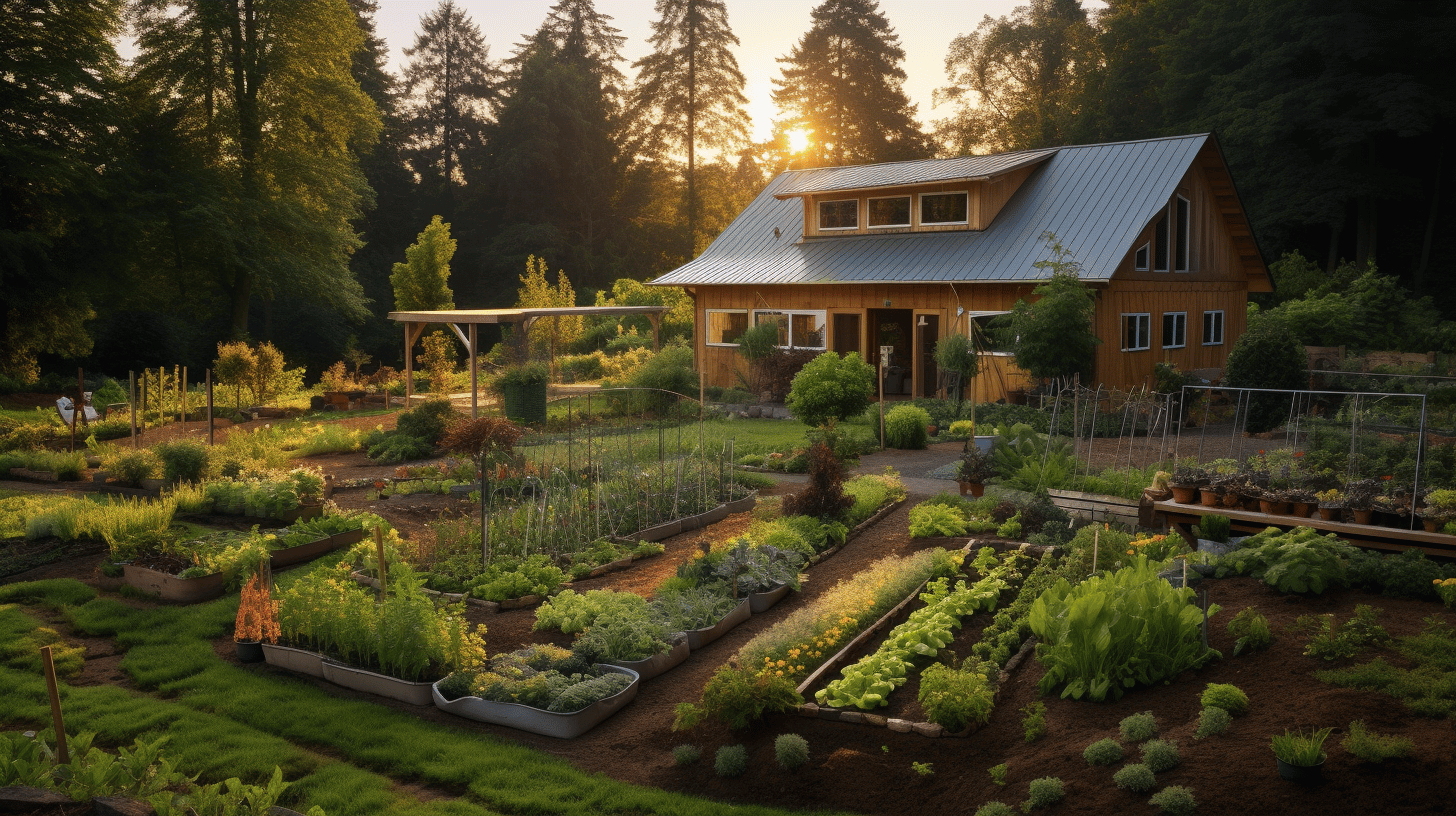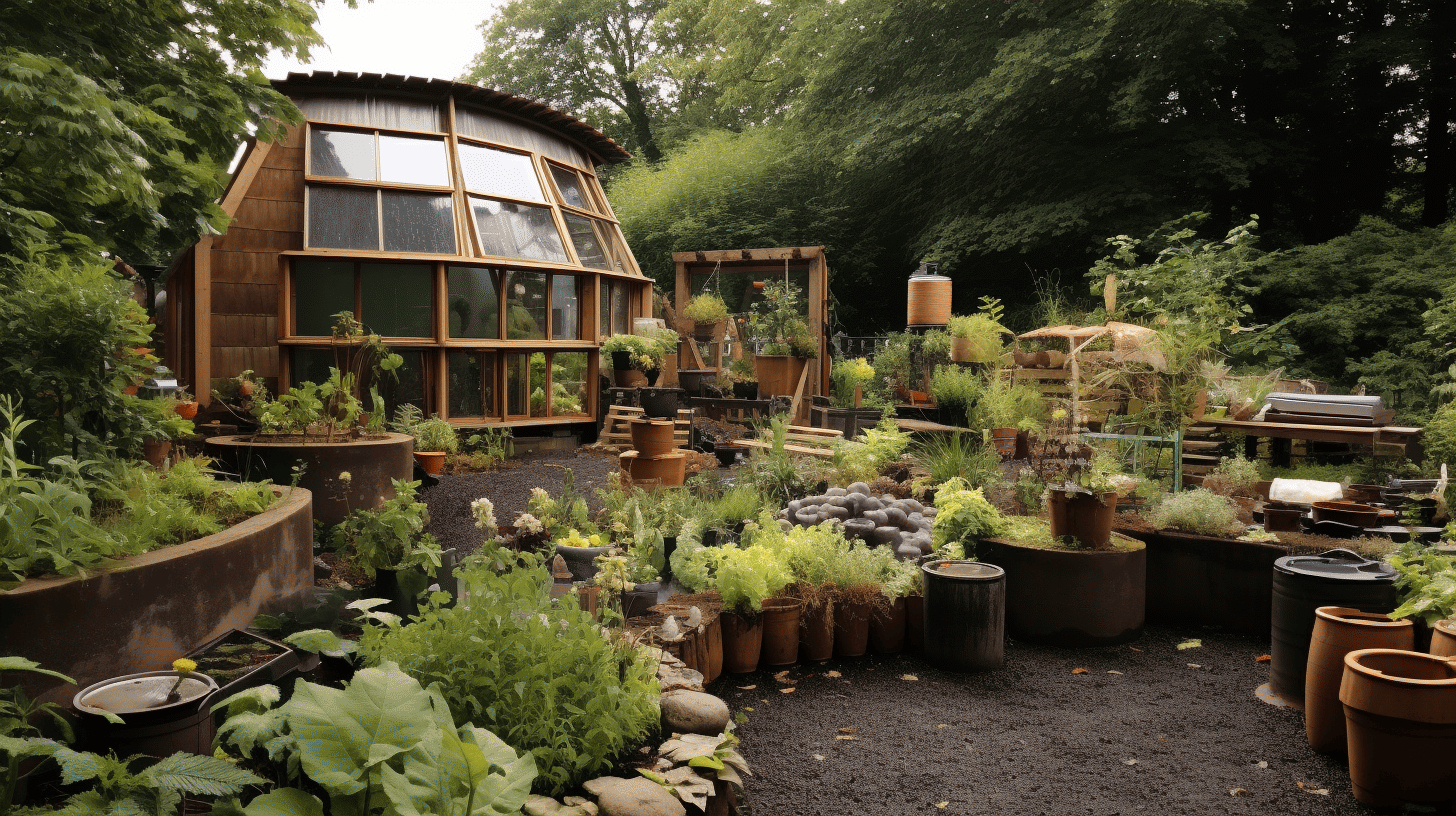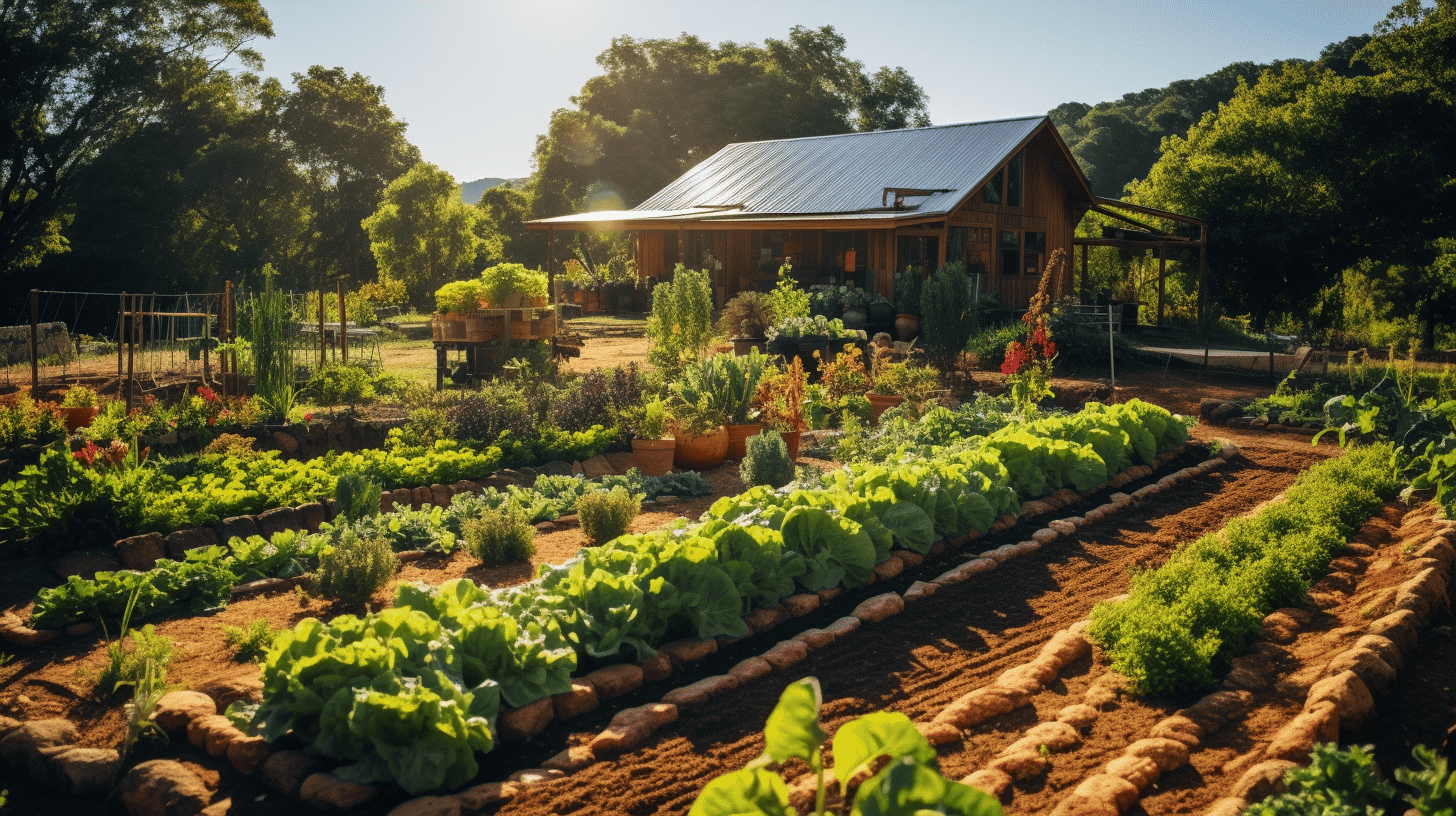
Permaculture, a term coined by Bill Mollison and David Holmgren in the 1970s, has gained significant recognition in the realm of sustainable agriculture. This holistic approach to farming and land management aims to create resilient and self-sufficient systems that work in harmony with nature.
Permaculture offers a refreshing perspective on how we can cultivate food and resources while minimizing our ecological footprint. By incorporating principles of ecological design, environmental stewardship, and community collaboration, permaculture provides numerous benefits that go beyond conventional farming practices.
In this article, we will delve into the world of permaculture and explore how it contributes to sustainable agriculture. From improving soil health and promoting biodiversity to reducing dependency on synthetic inputs and enhancing resilience to climate change, permaculture offers a range of strategies that can revolutionize the way we approach food production. We will also examine case studies that showcase the successful implementation of permaculture systems in different environments, from dryland areas to urban settings and tropical regions.
Whether you’re a seasoned farmer looking to adopt more sustainable practices or an aspiring gardener interested in discovering new ways to grow food, this article will provide valuable insights into the world of permaculture and how you can get started on your own permaculture journey. So let’s dive in and explore the exciting world of permaculture in sustainable agriculture!
Understanding Permaculture
Permaculture is a holistic approach to sustainable living that aims to create harmonious and resilient ecosystems. It is not just a gardening technique or a design method; it is a complete way of life. Permaculture principles can be applied to various aspects of our lives, from agriculture and urban planning to social systems and economics. By understanding permaculture, we can learn how to work with nature rather than against it, creating a more sustainable and regenerative world.
Definition of Permaculture
At its core, permaculture is about designing and creating systems that mimic nature’s patterns and processes. It was coined by Bill Mollison and David Holmgren in the 1970s and is a combination of the words “permanent” and “agriculture” or “culture.” However, permaculture goes beyond sustainable agriculture and encompasses a broader range of practices to create sustainable human habitats. Here are a few key aspects of permaculture:
- Ethics: Permaculture is guided by three key ethical principles: Earth Care, People Care, and Fair Share. These principles remind us to consider the well-being of the planet, communities, and future generations in all our actions.
- Design Principles: Permaculture is based on a set of design principles that are derived from observing natural patterns and processes. These principles can be used to guide the design of landscapes, buildings, and social systems. Some common permaculture design principles include observation, diversity, and integration.
- Closed-Loop Systems: Permaculture seeks to create closed-loop systems where waste from one element becomes a resource for another. For example, the waste from a kitchen can be composted to create fertile soil for a garden, creating a symbiotic relationship.
- Regenerative Agriculture: Permaculture emphasizes regenerative agricultural practices, such as agroforestry, polyculture, and natural pest control. These practices aim to replenish soil fertility, conserve water, and promote biodiversity.
- Community and Social Connection: Permaculture also emphasizes building strong and resilient communities. It encourages cooperation, sharing, and learning from each other’s experiences. Permaculture principles can be applied not only to physical landscapes but also to social systems and relationships.
Key Principles of Permaculture
Permaculture is guided by a set of principles that can be universally applied to diverse landscapes and contexts. These principles provide a framework for designing and managing systems that are both productive and sustainable. While there are many different interpretations and variations of permaculture principles, here are some key principles that are commonly recognized:
| Principle | Description |
|---|---|
| Observation | Take the time to observe and understand the patterns and processes of your environment. |
| Start Small, Scale Up | Begin with small projects and gradually expand as you learn and gain confidence. |
| Use Renewable Resources | Use resources that are abundant, renewable, and locally available whenever possible. |
| Use Edge Effect | Design landscapes with edges and diversity to maximize productivity and connections. |
| Integrate Diversity | Cultivate a wide range of species and elements to create a resilient and balanced ecosystem. |
| Apply Self-Regulation | Create systems that can self-regulate and adapt to changing conditions. |
| Design for Multiple Functions | Maximize the productivity of each element by designing it to fulfill multiple functions. |
| Embrace Change | Recognize that change is inevitable and embrace it as an opportunity for growth and adaptation. |
Understanding permaculture can deepen our appreciation for the interconnectedness of all living things and empower us to create a more sustainable and regenerative world. Whether you are a gardener, a designer, or simply interested in living more harmoniously with nature, permaculture principles can provide valuable guidance and inspiration. So let’s dive in and explore the world of permaculture together!
How Permaculture Contributes to Sustainable Agriculture
Permaculture, a design system that aims to create sustainable and regenerative ecosystems, is proving to be a valuable approach in the field of agriculture. By incorporating permaculture principles and practices, farmers and growers can enhance the health and productivity of their land while minimizing their environmental impact. In this section, we will explore three key ways in which permaculture contributes to sustainable agriculture: improving soil health, promoting biodiversity, and reducing dependency on synthetic inputs.
Improving Soil Health
At the heart of sustainable agriculture lies healthy soil. Permaculture recognizes the crucial role of soil in supporting plant growth and ecosystem functions. By adopting permaculture techniques, farmers can improve soil health in various ways:
- Building organic matter: Permaculture emphasizes the use of compost, cover crops, and mulching to enrich the soil with organic matter. These practices enhance soil structure, increase water retention, and promote nutrient cycling.
- Minimizing soil erosion: Through thoughtful design and implementation, permaculture systems help prevent soil erosion by contouring the land, using windbreaks and buffer zones, and promoting the growth of deep-rooted plants that anchor the soil.
- Encouraging beneficial soil organisms: Permaculture encourages the presence of beneficial soil organisms such as earthworms, mycorrhizal fungi, and bacteria. These organisms play a crucial role in improving soil fertility and nutrient availability.
Promoting Biodiversity
Permaculture recognizes the importance of biodiversity in creating resilient and productive ecosystems. By promoting biodiversity on agricultural lands, permaculture contributes to sustainable agriculture in the following ways:
- Planting diverse crops: Permaculture encourages the cultivation of a wide range of crops, including traditional and indigenous varieties. This not only provides a diverse and nutritious food source but also helps to prevent the spread of pests and diseases.
- Creating habitat for beneficial organisms: Permaculture design incorporates elements such as hedgerows, ponds, and insectary plants to attract beneficial insects, birds, and other wildlife. These organisms contribute to pest control, pollination, and overall ecosystem balance.
- Preserving genetic diversity: Permaculture methods prioritize the conservation and propagation of heirloom and rare plant varieties. This helps to safeguard genetic diversity and prevent the loss of valuable agricultural resources.
Reducing Dependency on Synthetic Inputs
One of the cornerstones of sustainable agriculture is reducing reliance on chemical inputs. Permaculture offers strategies to minimize the use of synthetic inputs and move towards more self-sufficient farming systems:
- Natural pest and weed control: Permaculture employs a range of natural pest and weed management techniques, including companion planting, crop rotation, and biological controls. By relying on these methods, farmers can reduce the need for chemical pesticides and herbicides.
- Closed-loop nutrient cycles: Permaculture emphasizes the use of nutrient cycling within the system. This involves recycling organic waste, utilizing animal manure, and implementing strategies like composting toilets and vermiculture. By closing the nutrient loop, farmers can reduce their dependence on synthetic fertilizers.
- Water conservation: Permaculture design principles also prioritize water conservation through practices such as rainwater harvesting, contouring the land to retain water, and implementing efficient irrigation systems. By optimizing water use, farmers can minimize the need for energy-intensive pumping and reduce dependence on external water sources.
With its focus on improving soil health, promoting biodiversity, and reducing dependency on synthetic inputs, permaculture offers a holistic and regenerative approach to sustainable agriculture. By adopting permaculture principles and practices, farmers can cultivate resilient ecosystems that support long-term food production while preserving the health of the planet.
The Economics of Permaculture
Permaculture is not only about sustainable farming practices and ecological design principles; it also has economic benefits that make it a viable option for individuals and communities. In this section, we will explore the cost-effectiveness of permaculture practices and how it can generate sustainable income.
Cost-effectiveness of Permaculture Practices
Permaculture focuses on sustainable and regenerative practices that promote the efficient use of resources. By working with nature rather than against it, permaculture minimizes the need for expensive inputs and reduces reliance on external resources. Here are some ways in which permaculture practices can be cost-effective:
- Low Input Costs: Permaculture emphasizes the use of natural resources and clever design techniques to create self-sustaining systems. With minimal reliance on external inputs like pesticides and synthetic fertilizers, the cost of inputs is significantly reduced.
- Long-term Savings: While conventional practices may require ongoing investments in chemicals, machinery, and maintenance, permaculture systems aim for long-term sustainability. Once established, these systems require less intervention and capital expenditure, leading to significant savings in the long run.
- Resource Efficiency: Permaculture principles prioritize efficient use of resources such as water, energy, and nutrients. By optimizing water catchment systems, implementing renewable energy solutions, and cycling nutrients within the system, permaculture reduces waste and maximizes resource efficiency.
- Diversification and Resilience: Permaculture promotes diversity, both in terms of plant and animal species and income streams. By creating diverse ecosystems and income-generating activities, permaculture systems become more resilient to market fluctuations and economic uncertainties.
Sustainable Income Generation
Permaculture not only offers cost savings but also provides opportunities for sustainable income generation. Here are some ways in which permaculture can be a financially rewarding endeavor:
- Direct Sales of Produce: By growing a variety of fruits, vegetables, herbs, and other agricultural products, permaculture practitioners can sell their produce directly to local markets, restaurants, or through community-supported agriculture (CSA) programs. This direct-to-consumer approach eliminates intermediaries and allows for higher profit margins.
- Value-added Products: Permaculture offers opportunities for value addition to agricultural products. For example, surplus produce can be processed into jams, pickles, dried herbs, herbal teas, or even natural skincare products. These value-added products can command higher prices and increase income potential.
- Eco-tourism and Education: Permaculture farms can serve as educational centers and eco-tourism destinations. By offering workshops, farm tours, and hands-on learning experiences, permaculture practitioners can generate income through visitor fees, accommodations, and educational programs.
- Consulting and Design Services: Experienced permaculture practitioners can offer consulting and design services to individuals, communities, and businesses interested in implementing permaculture principles. This consultancy work can generate a steady source of income while promoting the widespread adoption of sustainable practices.
As we can see, permaculture is not just a way to create a resilient and sustainable ecosystem; it is also a viable economic model. By minimizing costs, optimizing resource use, and diversifying income streams, permaculture offers a path towards economic stability and a greener future. Incorporate these principles into your planning and operations, and you’ll not only be nurturing the land but also your financial well-being.
To learn more about the economic benefits of permaculture, check out this comprehensive guide that explores the various ways permaculture can be financially rewarding.
Case Studies: Permaculture Systems in Action
In the world of sustainable agriculture, permaculture has gained recognition for its innovative and holistic approach to farming. By designing systems that mimic the natural ecosystem, permaculture aims to create sustainable and self-sufficient food production while minimizing negative environmental impacts. Let’s explore some exciting case studies where permaculture systems have been successfully implemented in various settings.
Permaculture Systems in Dryland Areas
In arid regions where water scarcity is a significant challenge, permaculture offers promising solutions for sustainable food production. One notable example is the Greening the Desert project in Jordan, led by permaculture expert Geoff Lawton. In this project, Lawton transformed a desert landscape into a productive oasis using permaculture principles. Key features of this system included:
- Water harvesting techniques: Lawton employed strategies such as swales, bunds, and contouring to capture and store rainwater, preventing runoff and promoting infiltration into the soil. This helped to create pockets of fertile and moisture-retentive soil for growing crops.
- Agroforestry: By planting a diverse range of trees and shrubs, Lawton created shade, reduced evaporation, and increased the organic matter content of the soil. This improved soil fertility, allowing for the cultivation of various crops even in a challenging environment.
Permaculture Systems in Urban Areas
Permaculture is not limited to rural settings; it can also be applied in urban areas to create sustainable and resilient food systems. The Beacon Food Forest in Seattle, Washington, serves as an excellent example of urban permaculture in action. Here’s what makes this project remarkable:
- Community involvement: The Beacon Food Forest was established through a collaborative effort involving local residents, volunteers, and organizations. This shared vision of creating an accessible and abundant food forest in an urban setting highlights the power of community engagement in permaculture projects.
- Multi-usage design: The food forest was designed to fulfill multiple functions beyond food production. It includes areas for recreation, education, and community events, fostering a sense of connection and providing valuable learning opportunities for people of all ages.
Permaculture Systems in Tropical Regions
Tropical regions present unique challenges and opportunities for permaculture. The Zaytuna Farm in Australia’s subtropical climate is a case study that demonstrates the potential of permaculture principles in such environments. Some noteworthy elements of this system include:
- Food forests: The farm incorporates multi-layered food forests, consisting of fruit trees, shrubs, herbs, and ground covers that mimic the structure and diversity of natural forest ecosystems. This approach maximizes the use of vertical space and creates a resilient and productive system.
- Water management: Recognizing the heavy rainfall in tropical areas, the farm implements efficient water management techniques such as swales, dams, and ponds. These features help capture and store rainwater, preventing soil erosion and providing irrigation during drier periods.
Permaculture systems offer immense potential for sustainable agriculture in various settings, from dryland areas to urban environments and tropical regions. These case studies highlight the adaptability and effectiveness of permaculture principles in creating regenerative food systems. By taking inspiration from these success stories, we can work towards a more sustainable and resilient future.
How to Get Started with Permaculture
Permaculture, a term coined by Bill Mollison and David Holmgren in the 1970s, is more than just a gardening technique. It is a design system that helps create holistic, sustainable, and regenerative ecosystems. By mimicking patterns found in nature, permaculture aims to create abundance while minimizing waste and negative environmental impact.
If you’re interested in getting started with permaculture, here are a few key steps to help you embark on your journey:
First Steps in Permaculture
- Educate Yourself: One of the first things you can do is educate yourself about permaculture principles and practices. There are several books, online resources, and courses available that can help you understand the fundamentals of permaculture design. Some highly recommended books include “Introduction to Permaculture” by Bill Mollison and “Gaia’s Garden” by Toby Hemenway.
- Observe and Analyze: Take the time to observe and analyze the natural systems and patterns in your surroundings. By understanding how nature functions in your specific location, you can better design your permaculture systems to work harmoniously with the existing ecosystem. Pay attention to factors such as sunlight, wind patterns, water flow, and soil composition.
- Start Small: Beginning your permaculture journey with a small project is a practical approach. Start with a small garden bed or even a few container plants. This allows you to experiment and learn as you go while minimizing the risk of overwhelming yourself. Remember, permaculture is a lifelong journey of learning and adaptation.
- Implement the Principles: As you gain more knowledge and experience, start putting permaculture principles into practice. These principles include observing and interacting, catching and storing energy, obtaining a yield, and using and valuing renewable resources. Look for opportunities to apply these principles in your garden, home, and community.
Courses and Resources for Learning Permaculture
- Permaculture Design Courses: Taking a permaculture design course is a great way to gain comprehensive knowledge and hands-on experience in permaculture. These courses are usually offered by permaculture institutes and organizations worldwide. Search online for courses in your area and choose one that fits your schedule and budget.
- Online Resources: There are numerous websites, forums, and online communities dedicated to permaculture. These platforms offer a wealth of information, discussion forums, and even virtual courses. Some popular online resources include Permaculture Research Institute, Permaculture Principles, and Permies.com.
- Local Workshops and Meetups: Check for local permaculture workshops and meetups in your area. These events provide an excellent opportunity to connect with like-minded individuals, learn from experienced practitioners, and get hands-on experience in real-world permaculture projects.
Remember, permaculture is a lifelong journey of observation, learning, and adaptation. The more you explore and experiment, the deeper your understanding of permaculture will become. So, take those first steps, immerse yourself in the world of permaculture, and watch as nature’s patterns and principles guide you towards a more sustainable and regenerative future.
Learn more about permaculture and get inspired to start your own journey by checking out our article on The Benefits of Permaculture.
Conclusion
In conclusion, permaculture is a powerful tool that contributes to the sustainability of agriculture in numerous ways. Its focus on ecosystem design, soil health, and biodiversity promotes regenerative farming practices that regenerate the land and foster a resilient and thriving environment. By reducing dependency on synthetic inputs and enhancing climate resilience, permaculture systems create a more sustainable and resilient food production system.
As showcased in case studies, permaculture systems can be successfully implemented in various contexts, including dryland areas, urban spaces, and tropical regions. These examples demonstrate the adaptability and effectiveness of permaculture principles in diverse settings.
If you’re interested in getting started with permaculture, there are plenty of resources available to help you learn and apply its principles. Whether you’re taking your first steps in permaculture or seeking more advanced courses, there are educational programs and organizations that can guide you on your journey.
Incorporating permaculture practices into agricultural systems not only benefits the environment but also has economic advantages. It can improve cost-effectiveness by reducing input expenses and create opportunities for sustainable income generation through diverse and resilient agricultural production.
At Regenerative Agriculture Wiki, we are dedicated to empowering individuals and communities with the knowledge and guidance they need to embrace regenerative practices. Join us in fostering a future where agriculture and ecology thrive in harmony.
Frequently Asked Questions
- What is permaculture?
Permaculture is a holistic approach to designing and managing sustainable agriculture systems that mimic natural ecosystems. It involves utilizing a set of ethical principles to create regenerative and self-sufficient food production systems.
- What are the benefits of implementing permaculture in agriculture?
Implementing permaculture in agriculture brings several benefits, including improved soil health, increased biodiversity, reduced water usage, decreased reliance on chemicals and pesticides, enhanced resilience to climate change, and the creation of sustainable and abundant food systems.
- How does permaculture improve soil health?
Permaculture improves soil health by implementing techniques like mulching, composting, cover cropping, and crop rotation. These practices enhance soil fertility, structure, and moisture retention, supporting the growth of healthy plants and minimizing soil erosion.
- How can permaculture contribute to biodiversity?
Permaculture promotes biodiversity by creating diverse and interconnected ecosystems. By planting a variety of crops, trees, and shrubs, and incorporating natural elements such as ponds and hedgerows, permaculture systems provide habitat for a wide range of plants, animals, and beneficial insects.
- Can permaculture be applied in large-scale agriculture?
Yes, permaculture principles can be applied in large-scale agriculture. While some techniques may need to be adapted, the core principles of ecological design, resource conservation, and community involvement can be scaled up to create more sustainable and resilient farming systems on a larger scale.