Water is an invaluable resource, essential for life and sustaining agriculture. As the world faces increasing water scarcity and environmental challenges, it is crucial for sustainable farmers to prioritize water conservation. By implementing effective water management strategies, farmers can not only protect the environment but also improve crop yields and reduce costs.
In this article, we will explore the current state of water consumption in agriculture, the impact of farming on water pollution, the role of technology in sustainable water management, and strategies that farmers can adopt to conserve water. By shedding light on these critical topics, we hope to inspire farmers to take proactive measures in preserving one of our most precious resources.
So, let’s dive in and explore how sustainable farmers can make a difference in water conservation!
Current Water Consumption in Agriculture
Water consumption in agriculture is a critical issue that affects not only farmers and food production but also the global water supply. As the world’s population continues to grow, the demand for food production is increasing, placing additional strain on our water resources. In this section, we will explore the current statistics on planetary water use in agriculture and make predictions about future water shortages.
Statistics on Planetary Water Use
According to recent data, the agricultural sector is responsible for consuming approximately 69% of the planet’s fresh water. This staggering statistic highlights the significant impact that agriculture has on our water resources. With such a substantial portion of water being used in farming, it is crucial to find sustainable and efficient ways to irrigate crops and minimize water waste.
Moreover, at least 40 states in the United States alone anticipate water shortages by 2024. This anticipation of water scarcity is not limited to the United States but is a global concern. The increasing population, changing climate patterns, and inefficient water management practices contribute to the looming water crisis that we face. It’s essential to address these challenges promptly and take action to conserve water in agriculture.
Prediction of Future Water Shortages
Looking ahead, the future of water availability for agriculture is concerning. With a rapidly expanding global population and the effects of climate change becoming more pronounced, it is predicted that water shortages in agriculture will become even more prevalent in the coming years. It is estimated that by the year 2050, the demand for water in agriculture will increase by 55% to meet the food demands of a growing population.
To put it into perspective, agriculture irrigation alone already accounts for 70% of water use worldwide. With such high demand and limited supply, it is crucial to adopt innovative and sustainable farming practices that reduce water consumption while maintaining or even increasing crop yields.
In Summary
The current water consumption in agriculture is substantial, with the agricultural sector consuming around 69% of the planet’s fresh water. The anticipation of water shortages is a global concern, with at least 40 states in the US expecting water scarcity by 2024. Looking ahead, the future of water availability for agriculture is worrisome, with predictions of increasing water shortages due to population growth and climate change. It is essential for farmers, policymakers, and society as a whole to take proactive measures to conserve water in agriculture and ensure sustainable food production for future generations.
Water Management Solutions in Agriculture
Drip Irrigation Systems
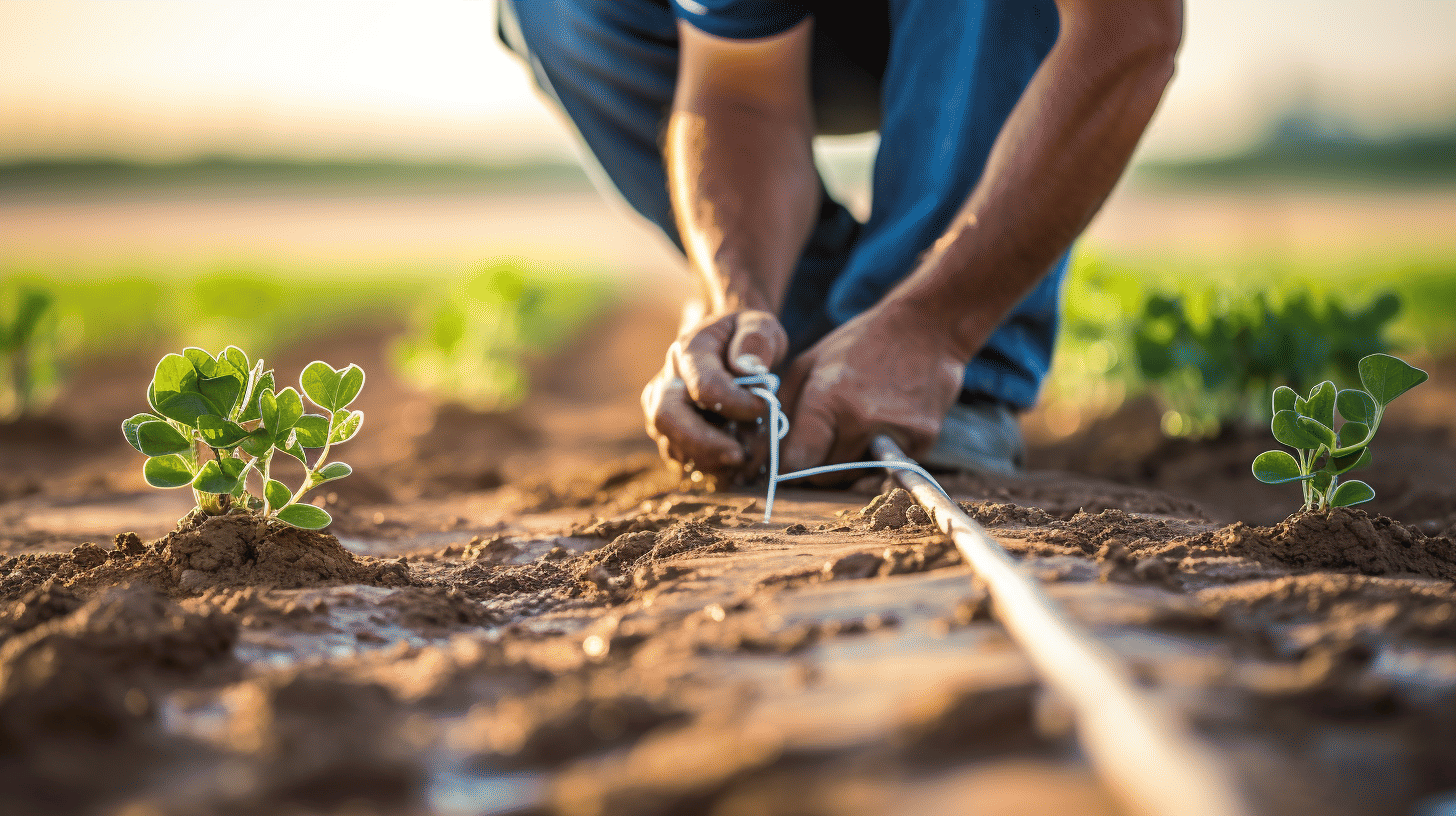
One effective solution for water management in agriculture is the use of drip irrigation systems. These systems work by delivering water directly to the roots of plants, resulting in minimal water waste. Instead of flooding the entire field, water is applied only where it is needed, ensuring that plants receive the right amount of moisture without any excess.
Drip irrigation works by using a network of pipes or tubes with emitters or drippers placed at regular intervals. These emitters release water slowly and evenly, allowing it to seep into the soil gradually. This not only conserves water but also helps prevent soil erosion and nutrient leaching.
Here are some key benefits of using drip irrigation systems in agriculture:
- Efficient Water Usage: Drip irrigation systems can help decrease water waste by up to 50% compared to traditional flood irrigation methods. This makes them an ideal choice for areas facing water scarcity or regions where water resources need to be conserved.
- Improved Crop Health: By delivering water directly to the plant roots, drip irrigation ensures that plants receive a steady supply of moisture, reducing the risk of overwatering and underwatering. This promotes healthier root development, leading to better crop yields and overall plant health.
- Weed and Disease Control: Drip irrigation systems deliver water directly to the plant base, minimizing wetting of the surrounding soil. This reduces weed growth and helps prevent the spread of soil-borne diseases, as the foliage remains dry.
- Flexibility and Precision: Drip irrigation systems can be easily customized to suit different crop types, soil conditions, and field layouts. With adjustable emitters or drippers, farmers have precise control over water application, allowing for efficient water usage and optimal plant growth.
Incorporating drip irrigation systems into agricultural practices can significantly contribute to sustainable farming and water conservation efforts. The adoption of these systems can help farmers optimize water usage, enhance crop productivity, and mitigate the impacts of water scarcity.
Remember, conservation is key, and drip irrigation is a valuable tool that plays a crucial role in sustainable water management in agriculture.
Learn more about drip irrigation systems and their benefits in this helpful guide.
The Impact of Farming on Water Pollution
Farming is an essential industry that feeds our growing population, but it also plays a significant role in water pollution. The excessive use of chemicals, such as fertilizers and pesticides, and the release of nutrients into water bodies can have dire consequences for the environment. Understanding the impact of farming on water pollution is crucial for developing sustainable practices that minimize harm while ensuring a stable food supply.
One of the primary contributors to water pollution from farming is the excessive use of nutrients. Farmers utilize fertilizers to enrich the soil and promote plant growth. However, when these fertilizers are overapplied or not properly managed, they can make their way into rivers, lakes, and streams through runoff. The excess nutrients, particularly nitrogen and phosphorus, fuel the growth of harmful algae and aquatic plants, leading to a phenomenon called eutrophication. This excessive plant growth depletes oxygen levels in the water, creating dead zones where aquatic life struggles to survive.
Pesticide use in agriculture is another major factor contributing to water pollution. These chemical substances are designed to control pests and weeds, but when not used responsibly, they can contaminate water sources. Rainfall and irrigation can wash pesticides off fields and into nearby water bodies, posing risks to aquatic ecosystems and potentially entering drinking water supplies. Studies have linked pesticide exposure to adverse effects on aquatic organisms, including fish kills, reduced biodiversity, and reproductive impairments.
Evidence suggests that livestock farming also plays a role in water pollution. Intensive animal agriculture generates large amounts of manure, which, if not properly managed, can contaminate water with nutrients and harmful bacteria. When manure runoff enters water bodies, it contributes to the degradation of water quality and poses health risks to humans and wildlife. Additionally, the excessive use of antibiotics in livestock farming can lead to the presence of antibiotic-resistant bacteria in water sources, further exacerbating the problem.
To address the issue of water pollution from farming, sustainable practices and regulations are essential. Here are a few approaches that can help mitigate the impact:
- Implementing precision agriculture techniques to reduce the use of fertilizers and pesticides by targeting specific areas that require treatment.
- Encouraging the adoption of organic farming methods that minimize the use of synthetic chemicals and promote natural pest control.
- Promoting soil conservation practices such as cover cropping and crop rotation, which help prevent erosion and nutrient runoff.
- Implementing buffer zones and riparian vegetation along water bodies to filter pollutants and enhance water quality.
- Enforcing regulations on manure management, including proper storage and application techniques to prevent runoff and contamination.
By implementing these sustainable practices and raising awareness about the impact of farming on water pollution, we can work towards a more environmentally-friendly agriculture industry.
The Role of Technology in Sustainable Water Management
Water is a precious resource that is indispensable for all living beings on our planet. In recent years, the need for sustainable water management has become increasingly crucial due to factors such as population growth, urbanization, and climate change. To address these challenges, technology has emerged as a valuable ally in the quest for sustainable water management practices. With innovative solutions and smart applications, technology can not only conserve water but also contribute to the protection of water quality in various sectors, including agriculture.
The agricultural sector is one of the major consumers of water globally. It is responsible for providing food and other essential resources necessary for human survival. However, conventional agricultural practices often face issues such as excessive water consumption, nutrient runoff, and soil erosion, which can result in water pollution and ecological degradation. Technology advancements provide opportunities to tackle these challenges effectively.
Precision Irrigation Techniques
One of the significant advancements in sustainable water management is the development of precision irrigation techniques. Precision irrigation refers to the precise application of water to crops, ensuring that the right amount of water is delivered at the right time and in the right place. This technique utilizes sensors, data analysis, and automation to optimize irrigation practices, resulting in significant water savings.
By implementing precision irrigation techniques, farmers can ensure that their crops receive water based on their specific needs, avoiding over-irrigation and water wastage. This not only conserves water but also minimizes nutrient leaching and excessive runoff, subsequently protecting the quality of nearby water sources.
Water Quality Monitoring Systems
In sustainable agriculture, maintaining water quality is paramount. Contamination of water sources can have severe environmental and health impacts. To mitigate this risk, technology has introduced water quality monitoring systems that continuously monitor the quality of water in agricultural settings. These systems employ various sensors and instruments to measure parameters such as pH levels, dissolved oxygen, and the presence of harmful chemicals.
Through advanced data analytics and real-time monitoring, farmers can detect any changes in water quality promptly. This allows them to take immediate action to prevent further contamination and protect water resources. By monitoring water quality effectively, technology enhances sustainable water management by preventing pollution and supporting the ecosystem around agricultural areas.
Decision Support Tools and Smart Applications
To facilitate sustainable water management practices, technology offers various decision support tools and smart applications. These digital tools provide farmers and water managers with valuable insights and recommendations regarding water usage, conservation methods, and efficient agricultural practices. By harnessing the power of data analysis and predictive modeling, these tools enable informed decision-making and optimized resource allocation.
For instance, smart applications can analyze weather patterns, crop water requirements, and soil moisture levels to determine the optimal irrigation schedules for specific crops. By maximizing water efficiency and minimizing waste, these tools play a crucial role in sustainable water management in agriculture. Furthermore, they can integrate real-time data from multiple sources to provide comprehensive and accurate recommendations that align with environmental sustainability goals.
In conclusion, technology plays a significant role in sustainable water management, particularly in the agricultural sector. Precision irrigation techniques, water quality monitoring systems, and decision support tools empower farmers to optimize water usage, reduce water waste, and protect water quality. By embracing these technological advancements, we can ensure the long-term availability of clean and sufficient water for future generations while supporting sustainable agricultural practices.
Strategies for Farmers to Conserve Water
Improvements in Irrigation Systems
When it comes to water conservation in agriculture, one of the most effective strategies is making improvements to irrigation systems. By utilizing advanced irrigation techniques and technologies, farmers can significantly reduce water waste and optimize their water usage. Here are some key improvements that farmers can make to their irrigation systems:
- Drip Irrigation: Drip irrigation systems deliver water directly to the roots of plants, minimizing water loss through evaporation or runoff. This method not only ensures that plants receive water exactly where they need it, but also reduces the overall amount of water required.
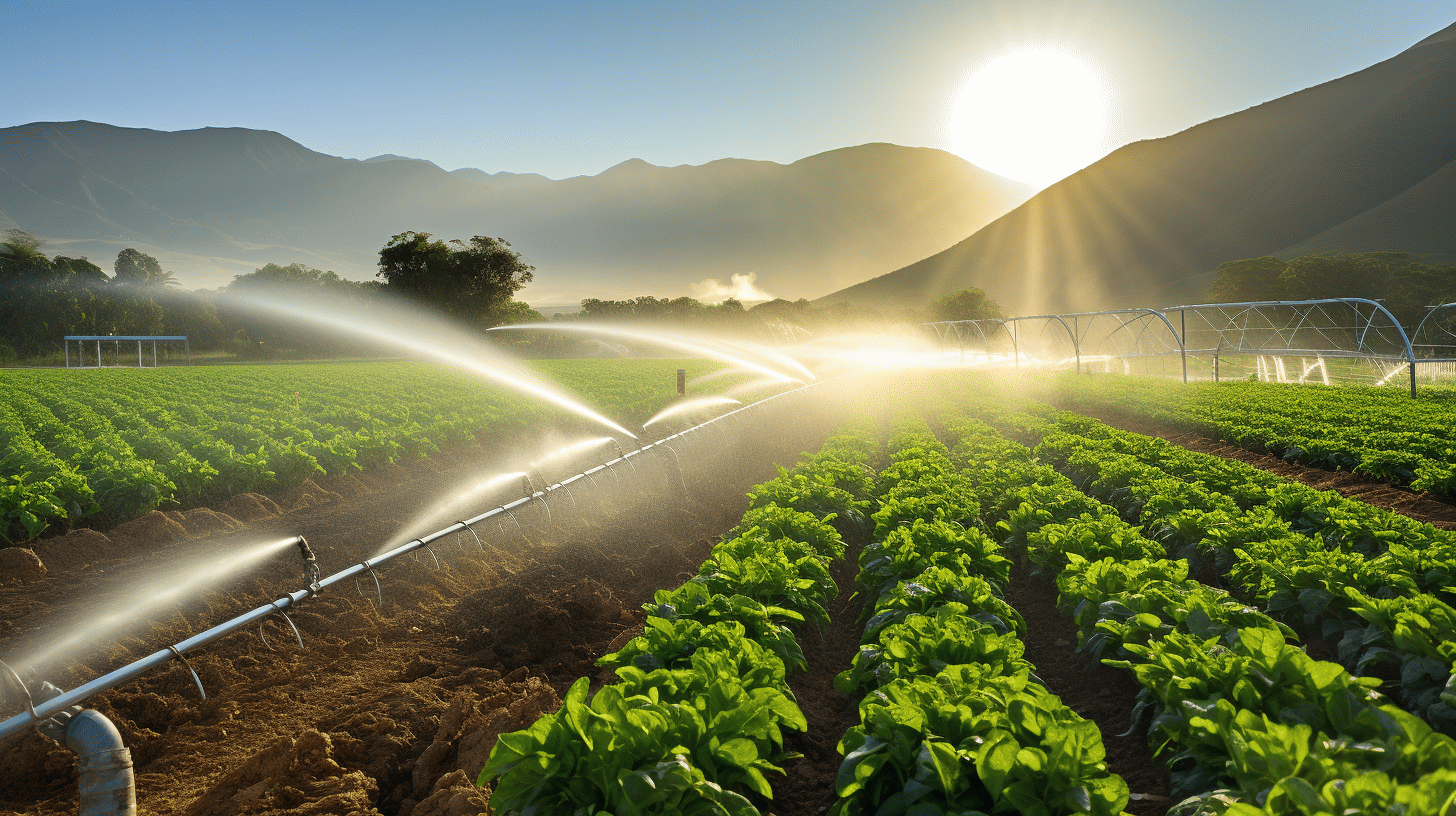
- Precision Sprinklers: Upgrading to precision sprinklers can provide farmers with better control over the distribution of water. These sprinklers use sensors and timers to precisely deliver water to specific areas, avoiding overwatering and reducing water wastage.
- Variable Rate Irrigation: Implementing variable rate irrigation involves customizing the water application rate based on soil moisture content and crop water requirements. By utilizing moisture sensors and advanced technology, farmers can adjust the amount of water applied in real-time, resulting in more efficient water usage.
- Cover Crops and Mulching: Planting cover crops and implementing mulching practices can help retain soil moisture and minimize evaporation. Cover crops act as a protective layer, reducing water loss from the soil surface, while mulching helps regulate soil temperature and retain moisture.
- Smart Irrigation Controllers: Investing in smart irrigation controllers can revolutionize the way farmers manage their irrigation systems. These controllers use weather data, soil moisture sensors, and historical information to determine the optimal irrigation schedule, ensuring that water is used only when necessary.
It’s important for farmers to assess the specific needs of their crops and the conditions of their fields before implementing any changes to their irrigation systems. Consulting with agricultural experts or irrigation specialists can provide valuable insights and guidance in selecting the most suitable improvements for their operations.
By adopting these improvements in irrigation systems, farmers can play a crucial role in conserving water resources, reducing water waste, and promoting sustainable agriculture practices. Not only will this contribute to water conservation efforts, but it can also lead to increased productivity and profitability in the long run.
Conclusion
In conclusion, water conservation plays a crucial role in sustainable agriculture. By implementing water management solutions and adopting efficient irrigation systems, farmers can mitigate the negative impact of farming on water resources. The use of technology further enhances sustainable water management practices, allowing farmers to monitor and optimize their water usage.
At Regenerative Agriculture Wiki, we are passionate about fostering a future where agriculture and ecology thrive in harmony. We encourage farmers and enthusiasts to explore our extensive content on regenerative agriculture, including comprehensive guides on water conservation and other sustainable farming practices. Together, let’s work towards a more sustainable and resilient agricultural system that not only ensures food security but also nurtures the environment. Join us on our mission and discover the potential of regenerative agriculture.
Click here to visit our website and delve deeper into the world of regenerative agriculture.
Frequently Asked Questions
- Why is water conservation important for sustainable farmers?
Water conservation is crucial for sustainable farmers because it helps preserve limited water resources, reduces the impact on local ecosystems, minimizes water pollution, and ensures the long-term viability of agricultural practices.
- What are some water conservation practices that sustainable farmers can implement?
Sustainable farmers can implement various water conservation practices such as drip irrigation, mulching, rainwater harvesting, using cover crops, optimizing irrigation scheduling, and adopting efficient irrigation technologies.
- How does water conservation benefit the environment?
Water conservation benefits the environment by reducing the strain on aquatic ecosystems, preserving natural habitats, promoting biodiversity, and minimizing the energy required for water pumping and treatment.
- What are the economic benefits of water conservation for sustainable farmers?
Implementing water conservation practices can result in economic benefits for sustainable farmers, such as reduced water bills, increased productivity, improved crop quality, and enhanced reputation and marketability.
- Are there any regulations or incentives related to water conservation for sustainable farmers?
Depending on the location, there may be regulations on water usage and incentives for sustainable farmers who implement water conservation practices. It is advisable to check with local authorities or agricultural organizations for specific information.