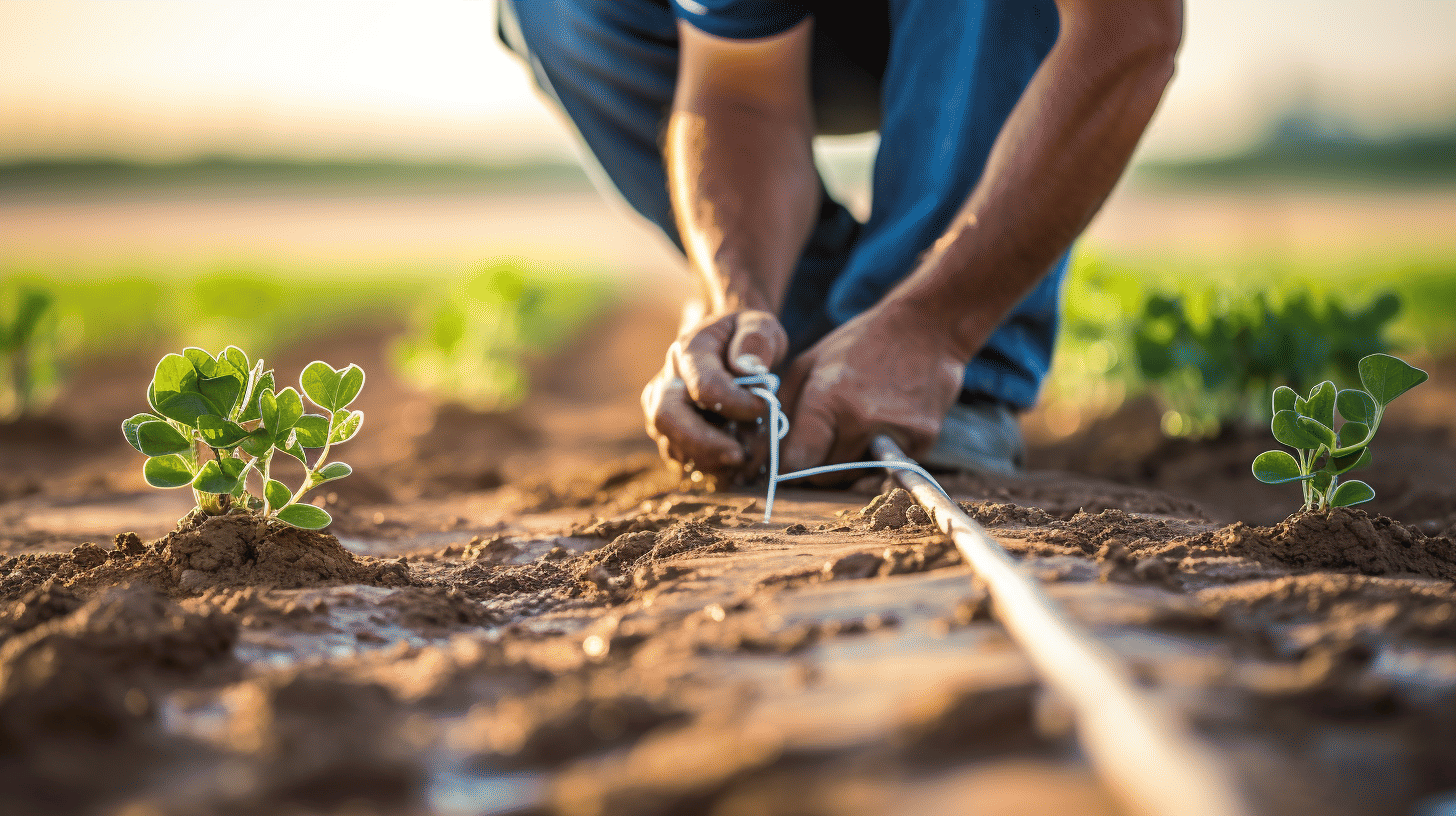
Soil health is the backbone of regenerative farming, a practice that focuses on creating sustainable and resilient agricultural systems. This approach recognizes the vital role that healthy soil plays in the overall health of plants, animals, and the environment. By understanding and prioritizing soil health, farmers can not only improve their crop yields but also contribute to the long-term sustainability of our planet.
In this article, we will explore the current state of global soil health, the definition and importance of soil health, and how regenerative farming systems can enhance soil health. We will delve into the profitability and sustainability of regenerative farming, as well as its role in promoting soil biodiversity. By the end, you will have a comprehensive understanding of the significance of soil health and the transformative potential of regenerative farming.
So let’s get started and dig deep into the foundation of regenerative farming – soil health.
Current State of Global Soil Health
Healthy soil is the foundation of a thriving ecosystem. It not only provides a nourishing environment for plants to grow but also plays a crucial role in maintaining the overall well-being of our planet. However, the current state of global soil health is a cause for concern. Let’s take a closer look at the alarming degradation of soil, the impact of soil erosion on crop production, and the health of EU soils.
The Degradation of Soil
Soil degradation refers to the deterioration of soil quality, often resulting from the misuse or mismanagement of land. According to recent studies, approximately one-third of the soil worldwide is already degraded[1]. Factors such as deforestation, improper agricultural practices, pollution, and urbanization contribute to this alarming trend. As a result, the fertility of soil diminishes over time, leading to reduced crop yields and increased vulnerability to pests and diseases.
Impact of Soil Erosion on Crop Production
Soil erosion is one of the most visible forms of soil degradation. It occurs when the top layer of soil is removed by wind, water, or human activities. The consequences of soil erosion are far-reaching and have a significant impact on crop production. In India alone, it is estimated that the annual loss of crops due to soil erosion amounts to a staggering 7.2 million tons[2]. This not only puts pressure on food production but also threatens the livelihoods of farmers and the food security of entire nations.
Health of EU Soils
In Europe, the state of soil health is a growing concern. According to a recent report, 61% of EU soils are in an unhealthy state[3]. Factors such as intensive agriculture, pollution, and climate change contribute to the degradation of European soils. The consequences include reduced agricultural productivity, loss of biodiversity, and increased vulnerability to drought and flooding. Urgent action is needed to restore and protect the health of EU soils to sustainably support food production and preserve the environment.
In conclusion, the current state of global soil health is a looming crisis that demands immediate attention. Soil degradation and erosion pose serious threats to crop production, food security, and the overall health of our planet. It is imperative that we adopt sustainable agricultural practices, promote soil conservation and restoration efforts, and raise awareness about the critical importance of healthy soil. Only by taking concerted action can we ensure a resilient and sustainable future for our soils and the generations to come.
[1] One-third of the soil worldwide is already degraded
[2] The annual loss of crops due to soil erosion in India is estimated to be 7.2 million tons
[3] 61% of EU soils are in an unhealthy state
Definition and Importance of Soil Health
Soil health is defined as the continued capacity of soil to function as a vital living ecosystem that sustains plants, animals, and humans. It refers to the overall well-being and quality of the soil, including its physical, chemical, and biological properties. A healthy soil ecosystem is crucial for numerous reasons, playing a foundational role in sustaining life on Earth.
The Role of a Healthy Soil Ecosystem
A healthy soil ecosystem has several key functions that highlight its importance:
- Nutrient Cycling: Healthy soil acts as a natural nutrient bank, storing and cycling essential elements like nitrogen, phosphorus, and potassium. This cycling ensures that these nutrients are readily available to plants, promoting their growth and productivity.
- Water Regulation: Healthy soil has the ability to retain and regulate water effectively. It acts as a sponge, absorbing water during rainfall and releasing it slowly over time. This helps to prevent both droughts and floods by maintaining a consistent water supply for plants and minimizing runoff.
- Carbon Storage: Healthy soil plays a vital role in mitigating climate change by acting as a carbon sink. It stores large amounts of carbon in the form of organic matter, thereby reducing the amount of carbon dioxide in the atmosphere. This helps to combat global warming and promote environmental sustainability.
- Biodiversity Support: A healthy soil ecosystem is home to a diverse range of organisms, such as worms, bacteria, fungi, and insects. These organisms help to break down organic matter, enhance nutrient cycling, and control pests and diseases. They also contribute to the overall resilience and stability of the ecosystem.
- Crop Productivity: Healthy soil directly impacts agricultural productivity. It provides a fertile and nutrient-rich environment for plant roots, allowing them to access the necessary nutrients for growth and development. This leads to higher crop yields and improved food security.
Given its fundamental role in sustaining life, ensuring soil health is of utmost importance. However, soil degradation due to factors such as erosion, pollution, and overuse of chemical inputs poses a significant challenge. It is necessary to prioritize soil conservation practices, such as crop rotation, cover cropping, and organic farming, to maintain and improve soil health for future generations to come.
“Soil health is the cornerstone of sustainable agriculture, supporting food production, water quality, and biodiversity.”
Regenerative Farming Systems and Soil Health
Regenerative farming systems have gained significant attention in recent years due to their ability to enhance soil health and provide numerous benefits to both farmers and the environment. By focusing on sustainable practices that work in harmony with nature, regenerative agriculture offers a promising solution to the challenges faced by conventional farming methods. In this section, we will delve into the key advantages of regenerative farming systems for soil health and explore how they contribute to ecosystem services and profitability.
Ecosystem Services and Profitability
Regenerative farming systems go beyond the traditional approach of maximizing yields through heavy reliance on synthetic inputs. Instead, they emphasize the importance of building healthy and resilient soil ecosystems that support a wide range of ecosystem services. These services benefit not only the farmer but also the surrounding environment.
One of the fundamental ways regenerative farming systems enhance ecosystem services is by promoting biodiversity. By implementing practices such as crop rotation, cover cropping, and agroforestry, regenerative farmers create diverse habitats that attract beneficial insects, birds, and other wildlife. This leads to natural pest control, improved pollination, and enhanced nutrient cycling, reducing the need for chemical inputs and increasing overall farm productivity.
Moreover, regenerative practices help to conserve water and prevent soil erosion. By using techniques such as contour plowing and strip cropping, farmers can minimize runoff and retain moisture in the soil, reducing irrigation requirements. This not only saves water but also reduces the energy and costs associated with irrigation.
Increasing Soil Carbon Stocks
One of the most significant benefits of regenerative farming systems is their ability to increase soil carbon stocks. Carbon sequestration in the soil plays a crucial role in mitigating climate change by removing carbon dioxide from the atmosphere and storing it underground.
Through practices like cover cropping and the incorporation of organic matter into the soil, regenerative farmers enhance the soil’s ability to retain carbon. In fact, studies have shown that regenerative agriculture can significantly increase soil carbon stocks, potentially turning soil into a valuable ally in the fight against climate change.
Improving Soil Health Through Organic Matter
Another way regenerative farming systems boost soil health is by prioritizing the addition of organic matter to the soil. Organic matter serves as a source of nutrients for plants, helps retain moisture in the soil, and improves its structure, allowing for better water infiltration and root development.
By incorporating practices such as composting, mulching, and the use of cover crops, regenerative farmers ensure a steady supply of organic matter to their soils. This leads to improved soil fertility, reduced nutrient leaching, and increased microbial activity, contributing to a healthier and more productive farming ecosystem.
In conclusion, regenerative farming systems offer a holistic approach to soil health that goes beyond the conventional practices of modern agriculture. By prioritizing ecosystem services, carbon sequestration, and organic matter addition, regenerative farmers can create thriving and sustainable farming ecosystems that benefit both the farmer and the environment.
The Profitability and Sustainability of Regenerative Farming
Regenerative farming is not only beneficial for the environment and soil health, but it can also have a significant impact on the profitability of farmers. By using regenerative techniques, farmers can achieve higher profit margins while ensuring the long-term sustainability of their operations. This section will explore the profit margins of regenerative farmers and highlight the energy efficiency of regenerative techniques.
Profit Margins of Regenerative Farmers
Regenerative farming practices have been shown to boost the profitability of farmers when compared to conventional practices. In fact, studies have found that regenerative farmers can be up to 78% more profitable than those utilizing conventional methods[1]. Here are some key reasons why regenerative farming can lead to higher profit margins:
- Improved soil health: By focusing on building healthy soils through practices like cover cropping and rotational grazing, regenerative farmers can enhance nutrient availability and water-holding capacity. This can result in increased crop yields and reduced input costs, ultimately leading to higher profits.
- Reduced reliance on inputs: Regenerative farming emphasizes natural processes and reduces the need for synthetic fertilizers, pesticides, and herbicides. This not only reduces input costs but also minimizes the potential risks associated with chemical usage, such as crop damage and environmental pollution.
- Diversification of income streams: Many regenerative farmers adopt a diversified approach by integrating multiple enterprises on their farms. For example, they may combine crop production with livestock grazing or agroforestry. This diversification can provide additional sources of income and reduce the dependence on a single commodity.
Energy Efficiency of Regenerative Techniques
Apart from its profitability, regenerative farming is also known for its energy efficiency. Compared to conventional farming practices, regenerative techniques demand up to 45% less energy overall[2]. Here’s why regenerative farming is considered more energy-efficient:
- Minimal use of machinery: Regenerative farmers often rely on low-impact equipment and practices that minimize soil disturbance. This reduces the need for heavy machinery and fossil fuel consumption, leading to lower energy requirements.
- Enhanced nutrient cycling: Regenerative farming methods, such as composting and cover cropping, promote nutrient cycling within the farm ecosystem. This reduces the need for synthetic fertilizers, which are energy-intensive to produce.
- Utilization of natural processes: Regenerative farmers prioritize working with nature rather than against it. They harness natural processes like biological pest control and nitrogen fixation to reduce the need for chemical inputs and energy-intensive interventions.
In conclusion, regenerative farming offers a win-win situation for both farmers and the environment. It not only improves the profitability of farming operations but also reduces energy consumption and promotes long-term sustainability. By adopting regenerative techniques, farmers can secure a more prosperous and sustainable future for themselves and the planet.
Internal links:
Role of Regenerative Systems in Soil Biodiversity
Combating the Biodiversity Crisis
As the world faces the ongoing biodiversity crisis, it has become increasingly crucial to implement strategies that promote and support soil biodiversity. One such strategy is the adoption of regenerative systems in farming practices. By choosing farming practices that create regenerative systems, farmers can play a significant role in increasing soil biodiversity and mitigating the negative impacts of the biodiversity crisis.
Regenerative systems focus on restoring and enhancing soil health by promoting the natural processes that create and sustain biodiversity. They aim to regenerate degraded soils, rebuild their organic matter content, and improve their overall quality. These systems prioritize the health of the soil ecosystem and work in harmony with nature, rather than against it.
The key principles of regenerative systems in farming include:
- Minimizing soil disturbance: By reducing tilling and ploughing, farmers can protect the delicate soil structure and minimize erosion. This helps preserve the habitat for a wide range of soil organisms and promotes biodiversity.
- Keeping the soil covered: Implementing cover crops or mulches can effectively prevent soil erosion, retain moisture, and provide a habitat for beneficial organisms. This helps maintain a favorable environment for soil biodiversity to thrive.
- Diversifying crop rotations: By rotating crops, farmers can break pest and disease cycles and promote a diverse range of soil organisms. Different crops have varying root structures and nutrient requirements, which encourages a diverse microbial community in the soil.
- Incorporating organic matter: Adding organic matter, such as compost or manure, to the soil helps increase its nutrient content and provides a food source for soil organisms. This fosters a thriving soil food web and supports the growth of diverse plant species.
- Using integrated pest management: Instead of relying solely on chemical pesticides, regenerative systems focus on using natural and sustainable methods to manage pests. This approach promotes a balanced ecosystem and prevents the negative impacts of synthetic pesticides on soil biodiversity.
By implementing these principles of regenerative farming, farmers can create an environment that enhances soil biodiversity. This, in turn, has several benefits:
- Improved nutrient cycling: Soil organisms play a crucial role in breaking down organic matter and recycling nutrients, making them available for plants to uptake. A diverse soil food web ensures efficient nutrient cycling, leading to healthier, more productive crops.
- Enhanced soil structure: Soil biodiversity helps create a well-structured soil with better water-holding capacity. This reduces the risk of erosion, improves water infiltration, and enhances overall soil health.
- Increased resilience: A diverse soil ecosystem is more resilient to disturbances, such as extreme weather events or disease outbreaks. This reduces the need for external inputs and promotes sustainable farming practices.
- Promotion of ecosystem services: Soil biodiversity contributes to a range of ecosystem services, including carbon sequestration, water filtration, and pest and disease regulation. By fostering soil biodiversity, farmers can tap into these services to enhance the overall productivity and sustainability of their farms.
Choosing farming practices that create regenerative systems not only benefits soil biodiversity but also has a positive impact on the environment as a whole. By adopting these practices, farmers can contribute to mitigating the biodiversity crisis and creating a more sustainable future for our planet. So, let’s embrace regenerative systems and work towards a biodiverse and resilient soil ecosystem.
Conclusion
In conclusion, understanding soil health is crucial for implementing regenerative farming practices effectively. By prioritizing soil health, farmers can improve crop productivity, increase profitability, and contribute to the overall sustainability of our agricultural systems. Regenerative agriculture offers a holistic approach that focuses on restoring and enhancing the soil ecosystem, leading to improved soil structure, nutrient availability, and water retention.
By adopting regenerative farming techniques, such as cover cropping, crop rotation, and composting, farmers can increase soil carbon stocks, enhance soil biodiversity, and combat the negative effects of soil degradation and erosion. These practices not only benefit the environment but also offer financial advantages, with regenerative farmers reporting higher profit margins and energy efficiency compared to conventional farming methods.
At Regenerative Agriculture Wiki, we are committed to providing a wealth of knowledge and resources on regenerative agriculture. Our platform offers comprehensive guides, informative articles, and practical tips to help individuals and communities embrace sustainable farming practices and contribute to the thriving of agriculture and ecology. Join us in exploring the potential of regenerative agriculture and together, let’s create a future where farming and the environment coexist harmoniously.
To delve deeper into the world of regenerative agriculture and access valuable resources, visit our website here.
Frequently Asked Questions
- What is soil health and why is it important for regenerative farming?
Soil health refers to the capacity of soil to function as a living ecosystem, sustaining plants, animals, and humans. It is important for regenerative farming because healthy soil retains nutrients, filters water, sequesters carbon, supports beneficial microbes, and promotes plant growth, ultimately leading to sustainable and productive farming practices.
- How can I improve soil health on my farm?
To improve soil health, you can incorporate regenerative farming practices such as minimizing tillage, using cover crops, diversifying plant species, reducing chemical inputs, managing organic matter, and practicing crop rotation. These practices support soil biodiversity, improve soil structure, and enhance nutrient cycling.
- What are the benefits of regenerative farming?
Regenerative farming offers numerous benefits such as improved soil fertility, increased crop yields, reduced erosion, enhanced water infiltration and retention, increased carbon sequestration, improved biodiversity, and reduced reliance on synthetic inputs. It also contributes to sustainable and resilient agricultural systems.
- Can regenerative farming practices be implemented on a small scale or backyard garden?
Yes, regenerative farming practices can be implemented on a small scale or even in backyard gardens. Actions like composting, using organic mulch, incorporating crop rotation, using companion planting, and avoiding chemical pesticides can significantly improve soil health and productivity on a smaller scale.
- Are there any certifications for regenerative farming?
Currently, there is no specific certification exclusively dedicated to regenerative farming. However, there are various certifications and labels that focus on organic and sustainable farming practices, which often overlap with some principles of regenerative farming. Examples include USDA Organic, Demeter Biodynamic, and Regenerative Organic Certification (ROC).