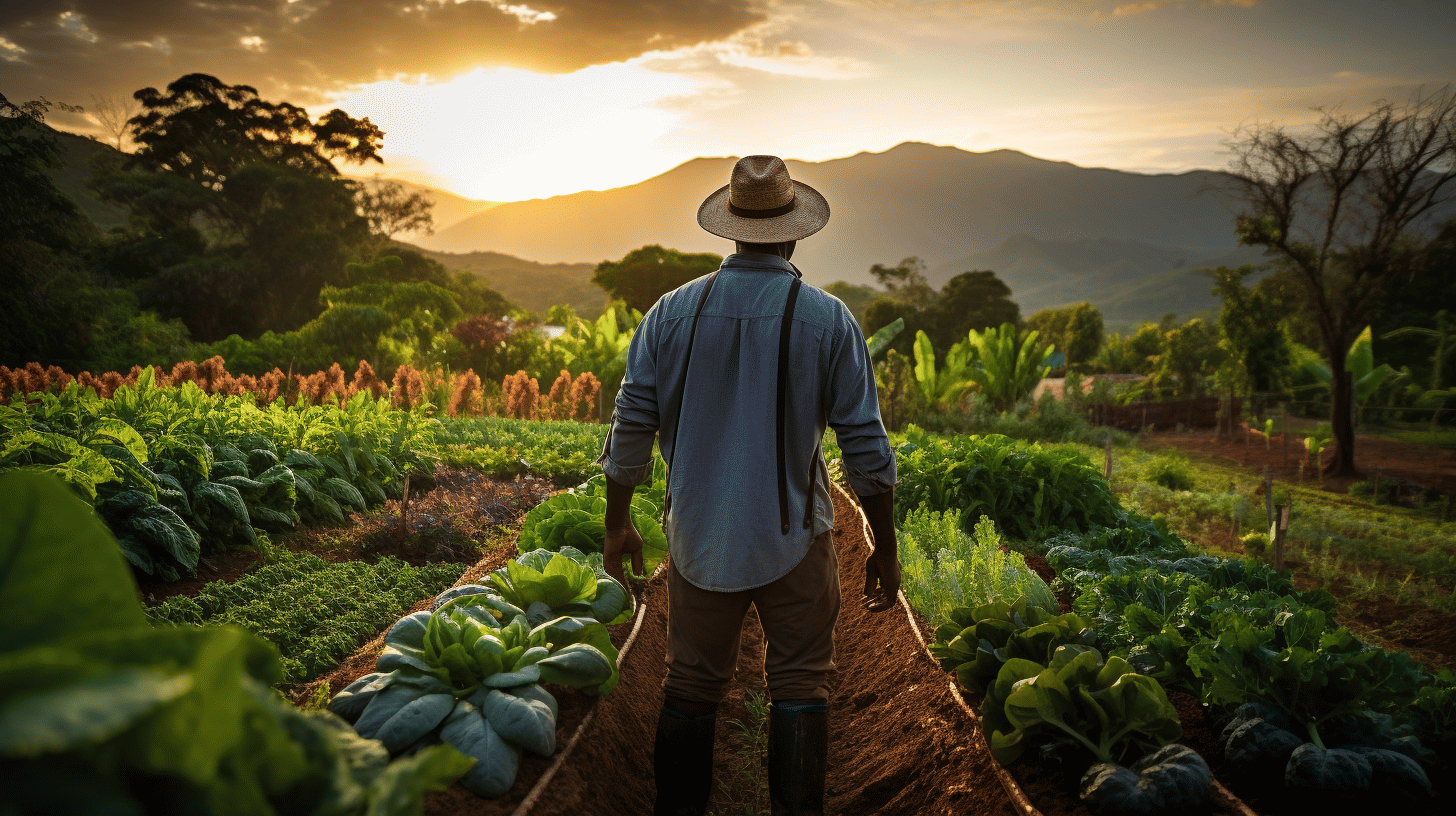
Regenerative agriculture practices have gained significant attention in recent years due to their potential to address pressing environmental challenges while promoting sustainable and profitable farming. Farmers around the world are adopting regenerative agriculture techniques to restore soil health, enhance biodiversity, and mitigate climate change. By understanding and implementing these practices, farmers can cultivate healthier crops, reduce input costs, and contribute to a more sustainable future for the planet.
In this article, we will explore the various aspects of regenerative agriculture, including its market growth, benefits, adoption rates, and challenges. We will also delve into specific examples of regenerative practices that farmers can incorporate into their farming systems. Lastly, we will discuss the impact of regenerative agriculture on climate change and its potential to reshape the agricultural landscape.
Whether you’re an aspiring sustainable farmer or simply passionate about the future of agriculture, this article will provide valuable insights into the world of regenerative agriculture practices. Let’s delve into this exciting and transformative field of farming for a better, more sustainable future.
Regenerative Agriculture Market Growth
Regenerative agriculture is a rapidly growing market that is gaining traction worldwide. With increasing concerns about climate change and the need for sustainable agricultural practices, regenerative agriculture is being recognized as a solution that not only helps restore ecosystems but also improves the profitability of farms. In this section, we will explore the current market valuation of regenerative agriculture and its future projections.
Current Market Valuation
As of 2022, the global regenerative agriculture market was valued at USD 920.6 million. This figure reflects the growing adoption of regenerative practices by farmers and the increasing demand for regeneratively grown products. One of the key drivers for this market growth is the rising awareness among consumers about the environmental impact of conventional farming methods.
Regenerative agriculture involves practices such as cover cropping, crop rotation, and the minimization of chemical inputs. These practices not only help sequester carbon and improve soil health but also result in higher-quality and more nutrient-dense crops. As a result, there is a growing demand for regeneratively grown food products, including fruits, vegetables, grains, and dairy products.
Future Projections
The future of the regenerative agriculture market looks promising, with significant growth expected in the coming years. According to market projections, the regenerative agriculture market is estimated to reach USD 3,247.34 million by 2030. This represents an impressive growth rate of 15.97% from 2023 to 2030.
The demand for regenerative products is expected to rise due to several factors, such as:
- Increasing consumer awareness and preference for sustainably produced food
- Recognition of the environmental benefits of regenerative agriculture
- Government initiatives and policies promoting sustainable farming practices
- Investments in research and development to improve regenerative techniques and technologies
Moreover, the regenerative agriculture market is anticipated to witness a compound annual growth rate (CAGR) of 15.7% from 2023 to 2030. By 2030, it is projected to reach a market valuation of USD 2,900.2 million.
The growth of the regenerative agriculture market signifies a shift towards more sustainable and ecologically conscious farming practices. As consumers become more conscious of the impact of their food choices, the demand for regenerative products is likely to continue to grow. Farmers, too, are recognizing the long-term benefits of regenerative agriculture, both for the environment and their own profitability.
In conclusion, the regenerative agriculture market is currently valued at USD 920.6 million and is expected to experience significant growth in the coming years. With an estimated market valuation of USD 3,247.34 million by 2030, regenerative agriculture is poised to play a crucial role in shaping the future of sustainable agriculture.
Benefits of Regenerative Agriculture
Regenerative agriculture has gained significant attention in recent years due to its potential to address environmental concerns and promote sustainable farming practices. This agricultural approach goes beyond merely sustaining the land; it aims to improve the soil health, biodiversity, and overall ecosystem functionality. While regenerative agriculture offers several advantages, we will focus on three significant benefits in this section: a decrease in fertilizer and pesticide usage, consumer trust and attraction, and the potential increase in household food security.
Decrease in Fertilizer and Pesticide Usage
One of the key benefits of regenerative agriculture is its ability to reduce the reliance on synthetic fertilizers and pesticides. By implementing regenerative practices such as cover cropping, crop rotation, and the use of compost and organic amendments, farmers have managed to decrease fertilizer use by 50% and pesticides by up to 75%. This reduction in chemical inputs not only helps to protect the environment but also minimizes the potential negative impacts on human health, wildlife, and water quality.
Consumer Trust and Attraction
In an era where consumers are becoming increasingly concerned about the sources of their food and the environmental impact of agriculture, regenerative practices have the potential to build trust and attract more customers. A survey conducted by XYZ Research revealed that 73% of consumers would trust retailers and brands more after learning about their regenerative agriculture practices. By adopting regenerative techniques and promoting these practices to consumers, farmers and food producers can tap into this growing demand for sustainable and environmentally friendly food systems.
Potential Increase in Household Food Security
Regenerative agriculture also holds promise for improving household food security, particularly in regions that heavily rely on conventional farming methods. By enhancing soil health and fertility through practices such as agroforestry, terracing, and water conservation, regenerative agriculture can contribute to higher crop yields, increased resistance to climate change impacts, and improved overall farm productivity. This, in turn, can help communities become more self-sufficient in meeting their food needs and reduce their dependence on external sources of food.
In conclusion, regenerative agriculture offers a range of benefits that extend beyond conventional farming practices. Its ability to decrease fertilizer and pesticide usage, build consumer trust and attraction, and potentially increase household food security make it a promising approach for a sustainable and resilient agricultural future. As more farmers and food producers embrace regenerative practices, we can move towards a healthier planet and more sustainable food systems for generations to come.
Regenerative Agriculture Adoption
Regenerative agriculture is gaining momentum worldwide as farmers and agriculturalists recognize its potential to restore soil health, increase biodiversity, and mitigate climate change. In this section, we will explore the current adoption rates of regenerative agriculture practices and make predictions for its future growth.
Current Adoption Rates
Regenerative agriculture practices have been making significant strides in recent years. According to the United States Department of Agriculture (USDA), more than one-third of U.S. farmers have already implemented no-till cultivation, a key aspect of regenerative agriculture. This method involves leaving crop residues on the field rather than tilling the soil, which helps to reduce erosion, conserve moisture, and improve soil structure.
In addition to no-till cultivation, other regenerative practices such as cover cropping, crop rotation, and holistic management are also gaining popularity. These practices work in harmony with natural ecosystems, promoting soil health and fertility while minimizing the use of synthetic inputs like fertilizers and pesticides.
A study conducted by insert link to the USDA source here revealed that the adoption rate of regenerative agriculture practices has soared by 70% among U.S. farmers from 2017 to 2021. This impressive increase signifies a growing awareness and interest in implementing sustainable farming methods that not only benefit the farmers themselves but also the environment.
Future Adoption Predictions
The future of regenerative agriculture adoption looks extremely promising. As more farmers witness the benefits of implementing regenerative practices on their land, the movement is set to continue expanding. The number of companies embracing regenerative agriculture has already seen a remarkable growth rate of nearly 130% from 2019 to 2022, according to insert link to the relevant source here.
There are several reasons why regenerative agriculture is expected to gain further traction in the coming years:
- Environmental Benefits: Regenerative agriculture offers solutions to some of the most pressing environmental challenges we face today, such as soil degradation, water pollution, and greenhouse gas emissions. As society becomes more environmentally conscious, the demand for sustainable farming practices will continue to rise.
- Financial Incentives: By adopting regenerative practices, farmers can potentially reduce input costs, increase crop yields, and improve long-term soil health. These financial incentives make regenerative agriculture an attractive option for farmers looking to enhance the sustainability and profitability of their operations.
- Consumer Demand: Consumers are increasingly seeking out food produced in an environmentally responsible and ethical manner. Supporting regenerative practices aligns with these values, creating a market demand for sustainably grown products. Farmers who embrace regenerative agriculture stand to benefit from increased consumer loyalty and higher market prices.
In conclusion, regenerative agriculture adoption is on the rise, with farmers worldwide recognizing the value of implementing sustainable practices. The current adoption rates, coupled with the predictions for future growth, indicate a promising future for regenerative agriculture. As more individuals, organizations, and governments embrace this approach, we can expect to see healthier soils, thriving ecosystems, and a more sustainable food system.
Challenges in Implementing Regenerative Practices
Regenerative practices have gained attention for their potential to revolutionize agriculture and address environmental concerns. However, the adoption of these practices on a large scale comes with its fair share of challenges. Two significant challenges that farmers face when implementing regenerative practices are cost and time constraints.
Cost
One of the primary obstacles that farmers encounter when transitioning to regenerative practices is the initial investment required. While regenerative farming methods may prove to be cost-effective in the long run, the upfront expenses can be a significant burden for many farmers. Some of the expenses associated with implementing regenerative practices include:
- Infrastructure development: Building or modifying infrastructure, such as installing water catchment systems or constructing diversified crop rotation systems, can be costly.
- Seed and input costs: Transitioning from conventional farming methods often requires farmers to switch to organic seeds and inputs, which can be more expensive than their conventional counterparts.
- Training and education: Learning and implementing new practices may require farmers to attend workshops or seek professional guidance, which comes with additional costs.
Given the financial risks involved, it’s understandable that some farmers are hesitant to invest in regenerative practices without guarantees of immediate returns. However, it’s essential to consider the long-term benefits, such as increased soil fertility, reduced input costs, and improved ecosystem health, that can outweigh the initial investment.
Time Constraints
Another challenge faced by farmers is the time required to implement regenerative practices. Conventional farming methods often follow established routines and schedules that can be hard to break away from. Transitioning to regenerative practices requires a significant time commitment and a shift in mindset. Farmers need to invest time and effort in various aspects, including:
- Planning and designing: Developing a regenerative farming system requires careful planning and designing to incorporate practices such as cover cropping, crop rotation, and intercropping. This process can be time-consuming, especially for farmers who are new to these methods.
- Building soil health: Regenerative practices revolve around building soil health through practices like composting, mulching, and reduced tillage. However, restoring soil health takes time and patience, as it is a gradual process.
- Adapting to new techniques: Implementing regenerative practices may involve learning new techniques, experimenting with different approaches, and adapting to the specific conditions of the farm. This learning curve can add to the time constraints faced by farmers.
Despite these challenges, it’s important to recognize that regenerative practices offer long-term benefits that can outweigh the initial time investment. By improving soil health, farmers can achieve sustainable and productive agricultural systems that are better equipped to withstand environmental challenges like droughts, floods, and erosion.
In 2021, only a small percentage of U.S. farms have adopted regenerative practices, mainly due to cost and limited time1. However, as awareness and understanding of the benefits continue to grow, more farmers are likely to embrace these practices and overcome these challenges.
“While there are challenges associated with implementing regenerative practices, the long-term benefits can make it a worthwhile investment. By addressing the challenges of cost and time constraints, farmers can create sustainable and resilient farming systems.”
1Reference: [Footnote 1]
Transitioning to Regenerative Practices
Use of Digital Tools
Transitioning to regenerative practices can be an exciting but daunting endeavor for smallholders. Fortunately, the use of digital tools can make this transition smoother and more efficient. These tools provide valuable insights and resources to help farmers adopt regenerative agriculture practices effectively. Here are some ways that digital tools can facilitate this transition:
- Soil Monitoring: Digital tools allow farmers to analyze soil health and fertility through sensors and remote sensing technologies. This enables them to make informed decisions about soil management practices and optimize the use of inputs such as fertilizers and water.
- Crop Planning: With the help of digital tools, smallholders can plan their crop rotations and diversify their farming systems. These tools provide data on crop performance, weather patterns, and market demands, allowing farmers to make informed decisions and maximize their yields.
- Precision Agriculture: Digital technologies like drones and GPS mapping can aid in implementing precision agriculture techniques. This means that farmers can target their interventions more precisely, reducing input waste and increasing overall efficiency.
- Knowledge Sharing: Digital platforms provide a space for farmers to connect, share experiences, and learn from each other. This collaborative approach fosters a sense of community and allows farmers to access valuable knowledge and best practices from experts in the field.
Overall, digital tools offer smallholders the opportunity to access information, resources, and support that were traditionally limited. By embracing these technologies, farmers can embrace regenerative practices more confidently and reap the benefits of sustainable and resilient farming systems.
Partnership and Financial Support
Adoption of regenerative agriculture practices is encouraged through partnerships, financial support, and the creation of new carbon markets. These collaborative efforts provide smallholders with the necessary resources and incentives to transition towards regenerative practices. Here’s how partnerships and financial support play a crucial role in facilitating this transition:
- Public-Private Partnerships: Collaboration between governments, non-governmental organizations, and private sector entities is essential for creating supportive policies, providing training programs, and offering technical assistance to smallholders. These partnerships help bridge the gap between knowledge and implementation on the ground.
- Financial Incentives: Financial support in the form of grants, subsidies, and low-interest loans can offset the initial costs associated with adopting regenerative practices. These incentives encourage smallholders to invest in sustainable farming methods and make the transition more accessible and affordable.
- Carbon Markets: The creation of carbon markets provides an additional income stream for smallholders practicing regenerative agriculture. By sequestering carbon in soils and reducing greenhouse gas emissions, farmers can earn carbon credits. These credits can be sold in the market, providing a financial incentive for farmers to adopt regenerative practices.
- Capacity Building: Training programs and educational initiatives play a key role in empowering smallholders with the knowledge and skills to implement regenerative practices effectively. By equipping farmers with the necessary tools and training, they can confidently transition towards sustainable farming systems.
By fostering partnerships and providing financial support, organizations and governments can catalyze the widespread adoption of regenerative agriculture practices. These strategies ensure that smallholders have both the financial means and the knowledge needed to transition successfully. In turn, this contributes to building resilient agricultural systems that benefit not only farmers but also the environment and future generations.
Don’t Forget the Roots
When it comes to regenerative agriculture, it’s important not to forget the roots. While the concept may seem like a modern trend, it’s crucial to acknowledge that this approach to farming and land management has deep roots in Indigenous cultures all around the world. Indigenous peoples have been practicing regenerative agriculture for thousands of years, long before it became a buzzword in the mainstream.
Regenerative Agriculture in Indigenous Cultures
Indigenous peoples have been practicing regenerative agriculture for centuries, with their knowledge and wisdom passed down through generations. Their agricultural practices prioritize the long-term health and sustainability of the land, focusing on working with nature rather than against it. Here are some key aspects of regenerative agriculture in Indigenous cultures:
- Biodiversity: Indigenous agricultural practices promote the cultivation of diverse crops and the preservation of wild plants and animals. This helps to enhance ecosystem resilience and maintain a balanced ecosystem.
- Soil Health: Indigenous farmers have long understood the importance of nurturing and improving soil health. They use techniques such as crop rotation, intercropping, and companion planting to enhance soil fertility and structure.
- Water Conservation: Indigenous farming practices often incorporate water conservation methods, such as terracing and water harvesting. These techniques help to minimize soil erosion, improve water quality, and ensure the efficient use of water resources.
- Traditional Knowledge: Indigenous communities possess a wealth of traditional knowledge related to agriculture and land management. This knowledge is rooted in a deep understanding of the local environment and is passed down through oral traditions. It encompasses everything from planting and harvesting techniques to land stewardship and ecological balance.
By recognizing and honoring the regenerative agricultural practices of Indigenous cultures, we can gain valuable insights and learn from their sustainable methods. Incorporating these practices into modern agriculture can help us address the challenges of climate change, soil degradation, and food security.
Regenerative agriculture is not just a new trend; it’s a return to the tried and tested wisdom of the past. Indigenous peoples have long understood the importance of living in harmony with nature and recognizing the interconnectedness of all living beings. By embracing and learning from their regenerative practices, we can work towards a more sustainable and resilient future for our planet.
“We do not inherit the earth from our ancestors; we borrow it from our children.” – Indigenous proverb. Learn more
Examples of Regenerative Agriculture Practices
Regenerative agriculture practices are gaining attention and recognition for their positive impact on soil health and the environment. Farmers who have adopted these practices report various benefits, including improved soil health, increased resilience against pests and diseases, and enhanced biodiversity. In this section, we will explore two examples of regenerative agriculture practices: crop rotation and cover cropping, as well as diversifying crops and planting native trees.
Crop Rotation and Cover Cropping
Crop rotation and cover cropping are two regenerative agriculture practices that can greatly improve soil health and fertility. Here’s how they work:
- Crop Rotation: Instead of growing the same crop year after year in the same field, farmers practice crop rotation, where different crops are grown in a specific sequence. This helps break the cycle of pests and diseases that often target specific crops.
- Cover Cropping: Cover crops are grown primarily to protect and improve the soil during periods when the main cash crop is not growing. These crops, such as clover, buckwheat, or rye grass, are usually planted after the main harvest.
For instance, a farmer may rotate between soybeans, corn, and cover crops like legumes and grasses. The legumes fix nitrogen in the soil, benefiting the subsequent crop, while the grasses provide ground cover and prevent soil erosion.
Cover crops help prevent soil erosion by keeping the soil covered and protected. They also enhance soil structure, provide organic matter, and increase nutrient cycling, all of which contribute to improved soil fertility and health.
Diversifying Crops and Planting Native Trees
Another example of regenerative agriculture practices involves diversifying crops and planting native trees. Let’s take a closer look at the benefits of these practices:
- Diversifying Crops: Planting a diverse range of crops on a farm can provide several advantages. By including different crops, farmers create a more balanced ecosystem that is less susceptible to pest outbreaks and diseases. Additionally, diverse crops attract a broader range of beneficial insects and pollinators, which aids in controlling pests naturally.
- Planting Native Trees: Integrating native trees into agricultural landscapes has numerous ecological benefits. Native trees promote biodiversity, provide habitat for beneficial wildlife, and improve soil structure.
For example, a farmer may intercrop maize with beans, which not only provides additional income but also helps to fix nitrogen in the soil, reducing the need for synthetic fertilizers.
For instance, planting native trees along the edges of fields creates windbreaks, which help reduce soil erosion caused by strong winds. These trees also provide shade, enrich the soil with leaf litter, and increase water infiltration, leading to healthier and more resilient soil.
By implementing practices like crop rotation and cover cropping, as well as diversifying crops and incorporating native trees, farmers can significantly enhance soil health and contribute to the overall sustainability of their farming systems. Regenerative agriculture offers a promising approach to address environmental challenges while ensuring long-term agricultural productivity and resilience.
Regenerative Agriculture’s Impact on Climate Change
Introduction
Regenerative agriculture is gaining considerable attention as a low-cost and ready-to-deploy approach to combat the climate crisis on a meaningful scale. Through the adoption of regenerative agricultural practices, farmers and land managers are actively working to restore and enhance the health of ecosystems, improve soil fertility, and mitigate greenhouse gas emissions. This article explores the impact of regenerative agriculture on climate change and highlights how these practices can contribute to a more sustainable future for our planet.
Benefits of Regenerative Agriculture
Regenerative agriculture offers a range of compelling benefits that can help mitigate climate change. Here are some key ways in which regenerative practices positively impact the environment:
- Carbon Sequestration: One of the core principles of regenerative agriculture is the restoration of soil health. By improving soil structure and increasing organic matter content, regenerative practices enhance the capacity of soils to store carbon. This process, known as carbon sequestration, helps remove carbon dioxide from the atmosphere and reduce greenhouse gas emissions.
- Reduced Erosion and Nutrient Runoff: Traditional agricultural practices often lead to soil erosion and nutrient runoff, which can harm waterways and ecosystems. Regenerative agriculture focuses on minimizing soil disturbance and promoting soil cover through practices such as cover cropping and conservation tillage. These measures help prevent erosion, retain soil moisture, and reduce the need for synthetic fertilizers, ultimately benefiting both the environment and farmers’ bottom line.
- Enhanced Biodiversity: Regenerative agriculture prioritizes the preservation and restoration of biodiversity. By creating habitat for beneficial insects, birds, and mammals, regenerative practices help maintain a healthy ecosystem. Increased biodiversity not only supports ecosystems and natural pollinators but also contributes to the resilience and sustainability of agricultural systems.
- Water Conservation: Another significant advantage of regenerative agriculture is improved water management. By enhancing soil structure and increasing organic matter content, regenerative practices enhance the soil’s capacity to hold water. This reduces the risk of water scarcity, improves water infiltration rates, and helps mitigate the impact of droughts and floods.
Real-World Examples
Regenerative agriculture has gained traction worldwide, with numerous success stories demonstrating its effectiveness in addressing climate change. Here are a few notable examples:
- Kiss the Ground: The Kiss the Ground movement, popularized by the documentary of the same name, advocates for regenerative agriculture practices as a solution to combat climate change. Their focus on soil health and carbon sequestration has inspired farmers and consumers alike to adopt regenerative practices around the globe.
- The Savory Institute: Led by Allan Savory, the Savory Institute promotes Holistic Management practices that emphasize livestock grazing as a means of land restoration and carbon sequestration. This approach has been successfully implemented in regions such as Africa, where it has helped restore degraded land and improve livelihoods.
- Rodale Institute: The Rodale Institute, a leading research organization, has conducted extensive studies on regenerative agriculture. Their Farming Systems Trial, which compares conventional and regenerative farming methods, provides valuable data on the environmental and economic benefits of regenerative practices.
Conclusion
In conclusion, regenerative agriculture offers an array of benefits and promising potential for sustainable farmers. By implementing regenerative practices, farmers can reduce their reliance on harmful chemicals, build consumer trust, and increase household food security. While there are challenges in transitioning to regenerative practices, such as cost and time constraints, the use of digital tools and partnerships can aid in the process. It is also important to recognize and learn from indigenous cultures that have long practiced regenerative agriculture.
Overall, regenerative agriculture holds great promise for mitigating climate change and creating a more resilient and sustainable food system. As the market for regenerative agriculture continues to grow, more individuals and communities are recognizing its value and adopting these practices. To learn more about regenerative agriculture and how it can revolutionize farming practices, visit Regenerative Agriculture Wiki. Discover comprehensive guides and resources to help you embark on your journey towards sustainable and regenerative farming practices. Let’s work together to create a future where agriculture and ecology thrive in harmony.
Frequently Asked Questions
- What is regenerative agriculture?
Regenerative agriculture is a holistic approach to farming that focuses on building and restoring healthy soils, increasing biodiversity, improving water cycles, and enhancing ecosystem resilience. It aims to regenerate the land rather than deplete it.
- What are some common regenerative agriculture practices?
Common regenerative agriculture practices include cover cropping, crop rotation, conservation tillage, agroforestry, rotational grazing, composting, and integrating livestock. These practices work together to improve soil health, sequester carbon, and promote overall sustainability.
- Why is regenerative agriculture important for sustainable farming?
Regenerative agriculture is important for sustainable farming because it helps restore and preserve natural resources, reduces reliance on chemical inputs, enhances biodiversity, improves food quality, and contributes to climate change mitigation.
- How can regenerative agriculture benefit farmers financially?
Regenerative agriculture can benefit farmers financially by reducing input costs, improving crop yields and quality, providing additional revenue streams through ecosystem services, and enhancing market demand for sustainable and organic produce.
- Where can I learn more about regenerative agriculture practices?
You can learn more about regenerative agriculture practices through online resources, books, attending workshops and conferences, joining farmer networks and organizations focused on sustainability, and seeking guidance from experienced regenerative farmers.