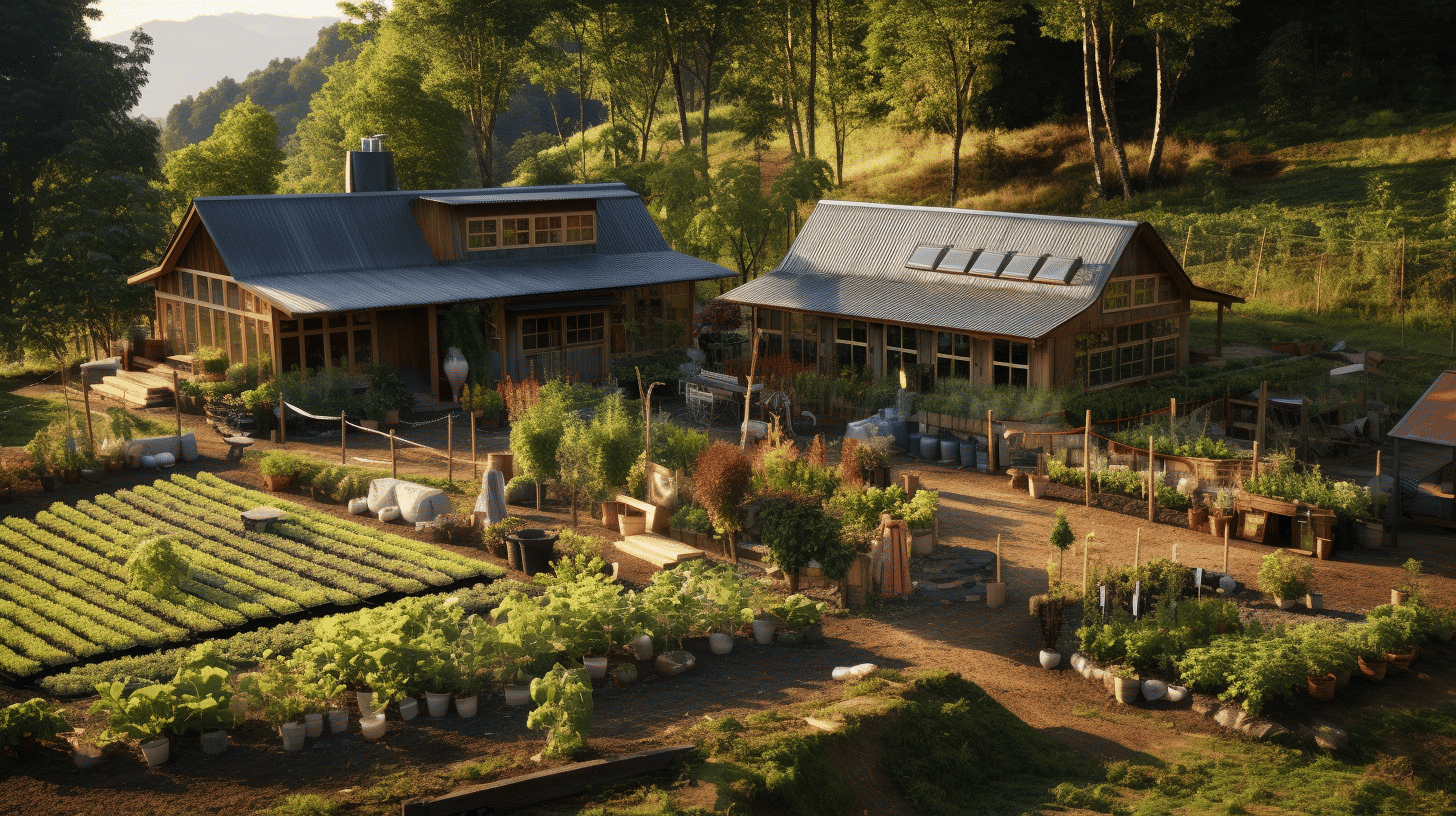
Regenerative agriculture is an increasingly popular and innovative approach to farming that aims to restore and enhance the health of ecosystems and communities. This holistic farming practice goes beyond sustainable agriculture by actively working to regenerate the land, rather than simply minimizing harm.
In recent years, regenerative agriculture has gained significant attention and support from farmers, scientists, and consumers alike. Its potential to address pressing issues such as climate change, soil degradation, and the decline of rural communities makes it a powerful tool for transforming the agricultural industry.
By implementing regenerative practices and techniques, farmers can create resilient and productive agricultural systems while also promoting environmental stewardship. This article will explore the concept of regenerative agriculture, delve into its practices, and examine its historical roots.
Let’s dive into the fascinating world of regenerative agriculture and discover why it is becoming a game-changer for farming communities.
Understanding Regenerative Agriculture
Regenerative agriculture is a farming approach that goes beyond simply sustaining the land; it aims to restore and improve the health of our ecosystems. Unlike conventional farming methods that can deplete soil health over time, regenerative agriculture focuses on building soil health, increasing biodiversity, and enhancing ecosystem services. By implementing various practices and techniques, regenerative agriculture offers a holistic solution to address the challenges faced by modern agriculture.
Concept & Importance
In regenerative agriculture, the core principle is to mimic nature’s processes and harness its potential for farming. This approach recognizes the interconnectedness of all elements within an ecosystem and seeks to foster harmony between agriculture and the environment. By adopting regenerative practices, farmers can:
- Improve soil health: Regenerative agriculture promotes practices like crop rotations, multiple species of cover crops, diverse forage in pastures, and permanent vegetation. These practices enhance soil fertility, structure, and carbon sequestration, supporting sustainable and resilient agricultural systems.
- Enhance biodiversity: The use of diversified crops and cover crops encourages beneficial insects, birds, and other wildlife to thrive on farms. This, in turn, supports natural pest control and pollination, reducing the need for synthetic pesticides and fertilizers.
- Mitigate climate change: Regenerative practices such as no-till or reduced tillage minimize soil disturbance, which helps to retain carbon in the soil. This carbon sequestration not only helps combat climate change but also contributes to overall soil health and fertility.
- Preserve water resources: The use of cover crops and perennial vegetation helps in preventing soil erosion and promoting water filtration. By reducing runoff and enhancing water infiltration, regenerative agriculture practices help preserve water quality and quantity.
- Improve farm resiliency: By diversifying crop and livestock systems, regenerative agriculture increases farm resilience to pests, diseases, and extreme weather events. This approach reduces the dependence on external inputs and enhances the farm’s ability to withstand and recover from various challenges.
Practices & Techniques
Regenerative agriculture incorporates a variety of practices and techniques that work in harmony with nature. Some key practices include:
- No-till or reduced tillage: This minimizes soil disturbance, preserves soil structure, and improves water infiltration, leading to increased soil organic matter and microbial activity.
- Cover crops and crop rotations: Planting cover crops before, after, or alongside cash crops helps protect and enrich the soil, suppress weeds, manage pests, and provide additional sources of income.
- Rotational grazing and mob grazing: These techniques involve strategic movement of livestock across pastures, promoting healthy soil and vegetation growth while minimizing overgrazing.
- Agroforestry and windbreaks: Introducing trees, shrubs, or hedges into farming systems provides numerous benefits, including improved soil health, wildlife habitats, and microclimate regulation.
- Nutrient management and composting: Proper management of nutrients and organic waste helps maximize their potential while minimizing environmental impact. Composting can convert organic waste into valuable soil amendments.
History and Indigenous Folks
Regenerative agriculture is not a new concept; in fact, it has deep roots in indigenous farming practices. Indigenous peoples have been practicing regenerative agriculture for thousands of years, utilizing traditional knowledge and sustainable techniques to cultivate the land. These practices have fostered long-term food security, biodiversity conservation, and cultural preservation.
By recognizing and learning from the wisdom of indigenous farming communities, modern agriculture can not only restore the health of our ecosystems but also honor the resilience and stewardship that sustained generations before us.
Incorporating regenerative agriculture into mainstream farming systems is a crucial step towards building a sustainable and resilient future for agriculture and the environment. By implementing regenerative practices and techniques, we can nourish the land, promote biodiversity, mitigate climate change, and ensure a more prosperous future for generations to come.
Benefits of Regenerative Agriculture
Regenerative agriculture is gaining considerable attention and recognition for its potential to address pressing environmental and agricultural challenges. This innovative approach is focused on restoring and revitalizing the health of our soil while promoting sustainable farming practices. The benefits of regenerative agriculture extend far beyond just the farming community, as they have significant positive implications for the environment and our overall well-being.
Reducing Greenhouse Gas Emissions
One of the most compelling advantages of regenerative agriculture is its ability to reduce greenhouse gas emissions. Currently, agriculture accounts for one-quarter of all emissions from the agricultural system[1]. Through techniques like cover cropping, reduced tillage, and rotational grazing, regenerative farming practices can significantly lower the carbon footprint of traditional farming methods. By sequestering carbon in the soil instead of releasing it into the atmosphere, regenerative agriculture has the potential to play a crucial role in mitigating climate change.
Increasing Biodiversity
Another remarkable aspect of regenerative agriculture is its positive impact on biodiversity. A 2013 study revealed that regenerative farms tend to have more biodiversity compared to conventional farms[2]. By adopting practices that promote diverse plant species, such as intercropping and agroforestry, regenerative farmers create habitats that support a wide array of beneficial organisms. This biodiversity not only contributes to the health and resilience of agricultural ecosystems but also helps in the conservation of native species and the restoration of natural habitats.
Boosting Farmers’ Profits
Contrary to the common belief that sustainable farming practices come at a financial cost, regenerative agriculture has actually been found to be 60% more profitable after six years[3]. By minimizing the use of chemical inputs and optimizing resource utilization, regenerative farmers can reduce their production costs while maintaining or even increasing their crop yields. Moreover, the adoption of regenerative practices often leads to improved soil health and reduced reliance on expensive external inputs, ultimately translating into higher profit margins for farmers.
Improvement in Soil Health
Regenerative agriculture prioritizes the well-being of the soil, recognizing it as a crucial foundation for successful farming. By implementing practices like cover cropping, crop rotation, and compost application, regenerative farmers nourish the soil with organic matter, increase its water-holding capacity, and enhance its fertility. As a result, the soil becomes more resilient to erosion, drought, and nutrient depletion, leading to improved crop productivity and long-term sustainability[4].
Improved Nutrition
In addition to its positive impact on the environment, regenerative agriculture also has the potential to enhance the nutritional content of our food. Studies have shown that regeneratively grown crops tend to have higher nutrient density compared to conventionally grown crops[5]. By focusing on soil health and nutrient cycling, regenerative farming practices create optimal conditions for plants to absorb and accumulate essential vitamins, minerals, and antioxidants. This means that consumers can enjoy more nutritious and flavorful produce while simultaneously supporting sustainable farming methods.
Enhancement in Carbon Storage
A growing consensus among scientists suggests that regenerative agriculture can play a vital role in carbon sequestration[7]. Through the adoption of practices that build organic soil carbon and nitrogen stocks, regenerative farmers are able to enhance carbon storage while reducing nitrogen losses. This has the potential to not only mitigate climate change but also improve the overall health and structure of the soil. By effectively removing carbon from the atmosphere and sequestering it back into the soil, regenerative agriculture offers a promising solution for mitigating the impacts of greenhouse gas emissions.
Overall, regenerative agriculture offers a multitude of benefits that extend beyond the farm gates. From reducing greenhouse gas emissions and increasing biodiversity to boosting farmers’ profitability and improving the nutritional quality of our food, regenerative agriculture represents a sustainable and environmentally friendly approach to farming. By implementing these practices on a larger scale, we have the opportunity to create a more resilient and healthier agricultural system that can support both current and future generations.
Impact of Regenerative Agriculture on Economy and Environment
Regenerative agriculture is gaining momentum as a sustainable farming approach that not only benefits the environment but also has a positive impact on the economy. By implementing regenerative practices, farmers are able to improve soil health, increase profitability, and reduce the production impact on the land. This article will explore the various ways in which regenerative agriculture is making a significant impact on both the economy and the environment.
Growing Market Value
The global regenerative agriculture market is experiencing rapid growth, indicating the increasing demand for sustainable farming practices. According to a report, the market is estimated to be worth $8.7 billion in 2022 and is projected to reach $16.8 billion by 2027. This surge in market value highlights the growing recognition and adoption of regenerative agriculture worldwide.
Profitability Aspect
Contrary to the common notion that sustainable practices might hinder profitability, regenerative farming has shown that it can lead to higher profits. Despite lower grain production, regenerative agriculture practices have been found to result in a remarkable 78% increase in profits compared to conventional farming. This is due to various factors such as reduced input costs, improved soil health, and increased resilience to climate change.
Reduction in Production Impact
Regenerative agriculture focuses on reducing the negative impact of production on the land. By implementing practices like cover cropping, crop rotation, and conservation tillage, farmers can improve soil health, retain water, and minimize erosion. Scaling the use of cover crops across 85% of annually planted US cropland alone has the potential to bring significant benefits. These practices not only mitigate the environmental impact but also contribute to the long-term sustainability of farming operations.
Potential Reduction in Greenhouse Gas Emissions
One of the pressing challenges the world faces today is reducing greenhouse gas emissions. The agricultural sector is a significant contributor to these emissions. However, regenerative agriculture has the potential to play a crucial role in combatting this issue. According to studies, regenerative farming practices can significantly reduce greenhouse gas emissions by sequestering carbon in the soil. This makes regenerative agriculture an effective solution for mitigating climate change and reducing the carbon footprint of agricultural activities.
In conclusion, regenerative agriculture is making a profound impact on both the economy and the environment. The growing market value, increased profitability, reduced production impact, and potential reduction in greenhouse gas emissions are all compelling reasons for farmers to adopt regenerative practices. As the global demand for sustainable farming continues to rise, regenerative agriculture is poised to become an integral part of the solution for a more sustainable and resilient agricultural future.
Want to learn more about the potential of regenerative agriculture? Check out this article for additional information.
Additional Information:
- The global regenerative agriculture market estimated to be worth $8.7 billion in 2022 is projected to reach $16.8 billion by 2027.
- Regenerative farming can lead to 78% higher profits than conventional farming despite lower grain production.
- Regenerative agriculture focuses on reducing the impact of production on the land.
- Scaling the use of cover crops across 85% of annually planted US cropland could have significant benefits.
- Although half of global agri-food firms fail to establish targets for addressing climate and biodiversity issues, the adoption of regenerative practices has increased by 70% from 2017 to 2021 in the US.
Sources:
Promotion and Development of Regenerative Agriculture
Regenerative agriculture is gaining momentum as a sustainable and environmentally friendly approach to farming. The Illinois Regenerative Agriculture Initiative (IRAI) plays a crucial role in promoting research, education, and outreach efforts in this field [1].
Research and Education Initiatives
The IRAI supports various research and education initiatives aimed at advancing regenerative agriculture practices. By partnering with researchers, farmers, and industry experts, the initiative aims to explore innovative methods and techniques that can enhance soil health, biodiversity, and ecosystem resilience.
Some of the key research areas being investigated include:
- Soil health management and carbon sequestration
- Conservation practices and integrated pest management
- Crop rotation and cover cropping strategies
- Livestock integration and rotational grazing systems
Through collaborative efforts, the IRAI strives to generate valuable insights and practical solutions that can empower farmers to adopt regenerative agricultural practices and improve sustainable food production systems.
National Adoption
The adoption of regenerative agriculture practices has been rapidly increasing across the United States. In fact, national adoption rates have grown by an impressive 70% from 2017 to 2021 [2]. This significant increase reflects both the growing recognition of the environmental benefits of regenerative agriculture and the willingness of farmers to embrace sustainable farming practices.
Farmers who adopt regenerative agriculture methods often report positive outcomes such as improved soil health, increased crop resilience, reduced input costs, and enhanced long-term profitability. These benefits not only contribute to the farmers’ economic sustainability but also have far-reaching positive impacts on the environment and local communities.
Tracking and Visualizing Data
To further support the promotion and development of regenerative agriculture practices, a data tool has been developed to visualize over 39,000 data points on regenerative agriculture practices in the US and Kenya [3]. This tool provides valuable insights into the adoption rates, geographic distribution, and specific practices implemented by farmers.
By tracking and visualizing data, researchers and policymakers can gain a comprehensive understanding of the current state of regenerative agriculture and identify areas for improvement or targeted interventions. This data-driven approach allows for evidence-based decision-making, fostering more effective support and resources for farmers transitioning to regenerative agricultural practices.
In addition to the data tool, ongoing studies are aiming to track the effects of regenerative agriculture on 1,000 farms across the country. These studies will provide valuable insights into the environmental, social, and economic impacts of regenerative agriculture, further bolstering its credibility and supporting its wider adoption.
Companies adopting regenerative agricultural practices have also experienced substantial growth, with a nearly 130% increase from 2019 to 2022 [4]. This demonstrates the increasing recognition and commitment of businesses to incorporate sustainable practices throughout the supply chain.
As regenerative agriculture continues to gain momentum, initiatives like the IRAI, along with research, data visualization tools, and industry partnerships, play a vital role in promoting and developing this transformative approach to farming. With continued support and collaboration, regenerative agriculture has the potential to revolutionize the agricultural sector and pave the way for a more sustainable and resilient future.
[1]: Illinois Regenerative Agriculture Initiative (IRAI)
[2]: Data source: National adoption of regenerative agriculture practices
[3]: Data source: Data tool on regenerative agriculture practices
[4]: Data source: Growth of companies adopting regenerative agriculture practices
Conclusion
Regenerative agriculture is not just a passing trend; it is a movement that holds immense potential for transforming our farming communities. By adopting regenerative practices and techniques, farmers can not only improve soil health and increase biodiversity, but also boost their profits and contribute to the reduction of greenhouse gas emissions. The impact of regenerative agriculture extends beyond just the farm, as it has the power to strengthen our economy and protect our environment.
Through research, education initiatives, and national adoption, we can promote and develop regenerative agriculture on a larger scale. By tracking and visualizing data, we can gain valuable insights into the benefits and outcomes of regenerative practices, further encouraging their widespread implementation.
At Regenerative Agriculture Wiki, we are dedicated to providing comprehensive and insightful content on regenerative agriculture. Whether you are a seasoned farmer, an environmentalist, or someone curious about sustainable living, our platform offers a wealth of resources to help you understand and embrace regenerative farming practices. Join us in fostering a future where agriculture and ecology thrive in harmony.
Explore our platform and discover the potential of regenerative agriculture for yourself. Together, let’s make a positive impact on our food systems and nurture the environment for generations to come.
Frequently Asked Questions
- What is regenerative agriculture?
Regenerative agriculture is a holistic approach to farming that aims to restore and improve the health of the soil, enhance biodiversity, and promote sustainable farming practices. It focuses on building soil organic matter, optimizing nutrient cycles, and minimizing the use of synthetic chemicals.
- How does regenerative agriculture strengthen farming communities?
Regenerative agriculture strengthens farming communities by promoting long-term sustainability. It improves soil health, which leads to higher crop yields and reduces the need for expensive chemical inputs. This helps farmers save money and make their operations more profitable, leading to a stronger local economy and increased community resilience.
- What are some key benefits of regenerative agriculture?
Some key benefits of regenerative agriculture include increased soil fertility, enhanced water retention, reduced soil erosion, improved biodiversity, and decreased greenhouse gas emissions. It also promotes healthier and more nutritious food, supports wildlife habitats, and helps mitigate climate change.
- Are there any government initiatives promoting regenerative agriculture?
Yes, many governments around the world have recognized the importance of regenerative agriculture and have implemented various initiatives to support and incentivize farmers to adopt regenerative practices. These initiatives may include grants, financial assistance, technical support, and educational programs.
- How can consumers support regenerative agriculture?
Consumers can support regenerative agriculture by choosing to buy food from farmers who employ regenerative practices. This can be done by purchasing products labeled as ‘regeneratively grown’ or ‘regenerative agriculture certified.’ Additionally, supporting local farmers markets and community-supported agriculture (CSA) programs is a great way to directly support regenerative farmers.