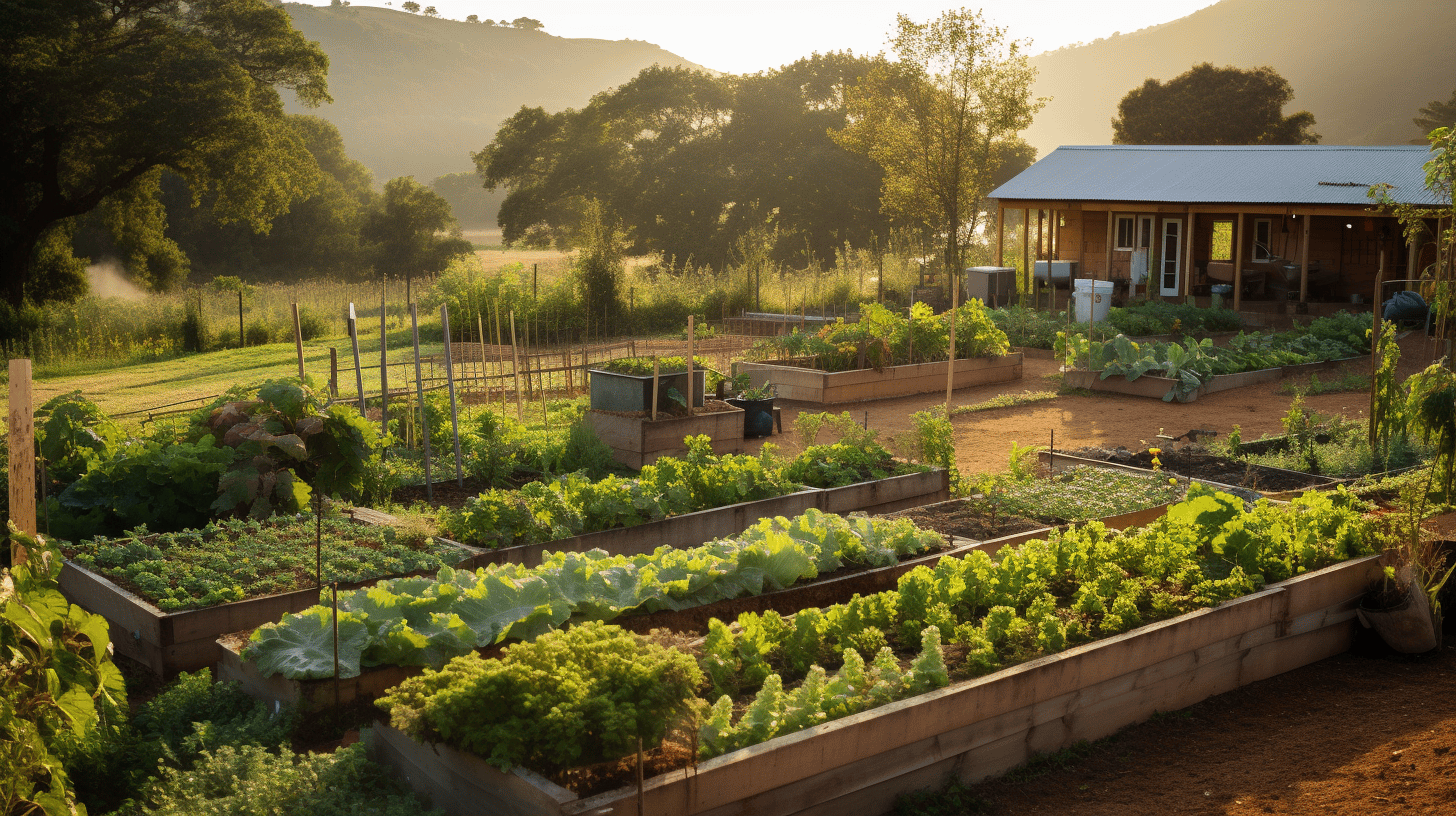
Permaculture is a holistic and sustainable approach to farming that aims to create resilient ecosystems that benefit both people and the environment. By working with nature rather than against it, permaculture offers a way to address the challenges of modern agriculture while fostering long-term sustainability.
In the Introduction section, we will explore the concept of permaculture and its relevance in sustainable farming practices. We will delve into the principles that guide permaculture design and highlight the importance of incorporating these principles into agricultural systems.
So let’s dive in and discover the world of permaculture, where nature’s wisdom becomes the cornerstone of sustainable farming.
Understanding Permaculture
Permaculture, a term derived from “permanent agriculture” or “permanent culture,” is a holistic approach to designing sustainable systems that mimic the patterns and relationships found in nature. In essence, it is a way of harmonizing human activities with the natural world to create regenerative and self-sufficient systems.
What is Permaculture?
Permaculture encompasses a broad array of practices, including organic farming, ecological design, and regenerative agriculture. It seeks to create resilient and diverse ecosystems that can provide for our needs while regenerating the earth’s resources.
At its core, permaculture is about working with nature, rather than against it. It recognizes that everything in the ecosystem is interconnected and strives to find solutions that benefit both humans and the environment. This approach allows us to create sustainable food systems, renewable energy solutions, and regenerative landscapes.
Principles of Permaculture
Permaculture is guided by a set of ethics and principles that serve as a foundation for its design practices. These principles provide a framework for creating systems that are efficient, resilient, and regenerative. Some of the key principles of permaculture include:
- Care for the Earth: This principle emphasizes the importance of environmental stewardship, recognizing that our survival and well-being depend on the health of the planet. It encourages us to minimize waste, conserve resources, and protect biodiversity.
- Care for People: Permaculture also places a strong emphasis on social sustainability. It recognizes that humans are an integral part of the ecosystem and that their well-being is interconnected with the well-being of the Earth. This principle promotes social justice, community engagement, and equitable access to resources.
- Fair Share: This principle encourages us to distribute resources and surpluses in a way that is just and sustainable. It calls for the creation of systems that are not only self-sufficient but also provide for the needs of others and future generations.
- Design from Patterns to Details: Permaculture design starts with observing and understanding the patterns and processes in nature. By emulating these patterns, we can create systems that are inherently sustainable and self-regulating.
- Use and Value Renewable Resources: Permaculture focuses on utilizing renewable resources such as sunlight, wind, and water, while minimizing reliance on non-renewable resources. This principle promotes the use of renewable energy, organic materials, and natural cycles.
These principles, among others, form the foundation of permaculture design. By incorporating these ethics and principles into our practices, we can create sustainable and regenerative systems that benefit both people and the planet.
“Permaculture is not just a way of gardening; it is a mindset – a way of thinking and living in harmony with nature.” – Bill Mollison, Co-Founder of Permaculture
Permaculture in Sustainable Farming
Permaculture has gained significant attention in recent years as a holistic approach to sustainable farming practices. With its emphasis on ecological principles and design strategies, permaculture offers a promising solution for addressing the challenges faced by modern agriculture. In this section, we will explore the importance of permaculture in agriculture and how it contributes to sustainable farming.
Importance of Permaculture in Agriculture
Permaculture goes beyond conventional farming methods by incorporating sustainable practices that prioritize the long-term health of the environment and the well-being of communities. Here’s why permaculture is essential in agriculture:
- Biodiversity: Permaculture encourages the cultivation of diverse plant species as opposed to monocultures. By incorporating a variety of crops, permaculture farms create habitats for beneficial organisms, promote natural pest control, and reduce the reliance on chemical inputs.
- Water Management: With water scarcity becoming an increasingly pressing issue, permaculture systems prioritize efficient water management strategies. Techniques such as rainwater harvesting, swales (gently sloping channels), and water-retaining landscape features help conserve water and enhance the resilience of farming ecosystems.
- Soil Health: Permaculture places great importance on building and maintaining healthy soils. Practices such as composting, cover cropping, and minimal tillage help improve soil structure, fertility, and moisture retention. These methods reduce erosion, enhance nutrient cycling, and support the growth of healthy crops.
- Energy Efficiency: Permaculture systems strive to minimize energy inputs by employing sustainable design principles. For example, integrating animals into the farming system for weed control reduces the need for mechanical intervention. By utilizing natural energy flows, permaculture farmers reduce their reliance on fossil fuels and decrease carbon emissions.
How Permaculture Contributes to Sustainable Farming
Permaculture goes beyond sustainable practices – it offers a comprehensive framework for designing resilient and regenerative agricultural systems. Here are some ways that permaculture contributes to sustainable farming:
- Regenerative Landscape Design: Permaculture design takes into account the unique characteristics of the landscape, including topography, climate, and available resources. By analyzing these factors, farmers can create landscapes that mimic natural ecosystems, fostering ecological harmony and resilience.
- Food Forests and Polycultures: Permaculture embraces the concept of food forests, where different layers of plants – from tall trees to groundcovers – are strategically arranged to maximize productivity and create diverse habitats. Polycultures, or the cultivation of multiple crops together, mimic natural plant communities and enhance biodiversity while increasing overall yields.
- Closed-loop Systems: Permaculture encourages the integration of different components within the farm ecosystem to create closed-loop systems. For example, animal waste can be used as fertilizer, and excess plant materials can be transformed into compost. These closed-loop systems minimize waste, conserve resources, and create a self-sustaining farm ecosystem.
- Community and Social Resilience: Permaculture is not just about sustainable farming practices; it also emphasizes building strong and resilient communities. By fostering local food systems, permaculture farms contribute to food security, promote social cohesion, and enhance community resilience in the face of external shocks.
In conclusion, permaculture offers a holistic and practical approach to sustainable farming. By focusing on ecological principles, efficient resource use, and community engagement, permaculture provides a pathway towards regenerative agriculture that can address the challenges of food production while ensuring the long-term health of our planet.
Benefits of Permaculture in Sustainable Farming
Permaculture, an innovative approach to farming, offers a range of benefits that contribute to sustainable agriculture. Not only does it provide a way to produce food in a sustainable manner, but it also enhances biodiversity, improves soil fertility, and increases resilience to climate change. Additionally, permaculture offers economic advantages by reducing input costs and exposure to volatile commodity markets, and it brings socio-cultural benefits by preserving traditional farming practices, promoting community self-reliance, and advancing food sovereignty.
Environmental Benefits
One of the primary advantages of permaculture is its positive impact on the environment. By utilizing regenerative farming practices, permaculture helps to:
- Enhance biodiversity: Permaculture design principles focus on creating diverse ecosystems that support a wide range of plant and animal species. This helps to preserve and restore local biodiversity, creating habitats for beneficial insects, birds, and other wildlife.
- Boost soil fertility: Permaculture emphasizes the use of organic matter, cover cropping, and composting techniques to nourish the soil. This promotes the growth of beneficial microorganisms and improves soil structure, resulting in healthier plants and increased productivity.
- Conserve water: Through water harvesting techniques, such as swales and rain gardens, permaculture helps to capture and retain water in the landscape. This reduces both the need for irrigation and the risk of soil erosion, resulting in more efficient water use and improved water quality.
Economic Benefits
In addition to its positive environmental impact, permaculture offers significant economic advantages for farmers. Some of these benefits include:
- Reduced input costs: By using organic farming methods and minimizing the need for synthetic fertilizers and pesticides, permaculture reduces the expenses associated with chemical inputs. This can result in cost savings for farmers, especially in the long term.
- Diversified income streams: Permaculture encourages the cultivation of a wide variety of crops and the integration of livestock. This diversification reduces reliance on a single commodity and provides farmers with multiple sources of income, making them less vulnerable to market volatility.
- Resilience to climate change: Permaculture’s focus on building robust and adaptable farming systems helps farmers better withstand the impacts of climate change, such as droughts, floods, and extreme weather events. This resilience allows farmers to continue producing food even in challenging conditions.
Socio-Cultural Benefits
Permaculture not only benefits the environment and the economy but also has significant socio-cultural implications. These include:
- Preservation of traditional farming practices: Permaculture incorporates traditional knowledge and farming techniques, helping to preserve cultural heritage and traditional farming practices. By valuing and respecting indigenous wisdom, permaculture promotes cultural diversity and sustainable agriculture.
- Promotion of community self-reliance: Permaculture encourages communities to take ownership of their food production and become more self-reliant. By growing their own food and sharing resources, communities can improve food security, foster resilience, and strengthen social bonds.
- Advancement of food sovereignty: Permaculture aligns with the principles of food sovereignty, which emphasize the rights of individuals and communities to determine their own food systems. By empowering farmers and promoting local food production, permaculture contributes to food justice and equitable access to nutritious food for all.
In conclusion, permaculture offers a holistic approach to sustainable farming that provides environmental, economic, and socio-cultural benefits. By adopting permaculture practices, farmers can not only produce food in a more sustainable and regenerative manner, but also create a more resilient and equitable food system for future generations.
Case Studies of Successful Permaculture Implementation
Permaculture, a sustainable design system rooted in ecological principles, has gained considerable popularity in recent years. Its holistic approach to land use and resource management has led to successful implementation in both urban and rural settings. Let’s delve into some inspiring case studies that highlight the effectiveness of permaculture practices in creating thriving ecosystems and sustainable communities.
Permaculture in Urban Settings
Urban environments can be challenging for implementing permaculture due to limited space and complex social dynamics. However, innovative urban dwellers have found creative ways to integrate permaculture principles into their surroundings, reaping numerous benefits. One such inspiring example is the Brooklyn Grange – a rooftop farm located in New York City.
- The Brooklyn Grange farm spans across two rooftops in Brooklyn, covering an impressive area of over two acres. It demonstrates the incredible potential of utilizing underutilized spaces in urban areas.
- By employing permaculture techniques such as rainwater harvesting, composting, and companion planting, the farm maximizes its productivity while minimizing its environmental impact.
- The farm supplies fresh, organic produce to local communities, reducing food miles and fostering a connection between urban dwellers and their food sources.
- In addition to providing nutritious food, the Brooklyn Grange also offers educational programs and community events, empowering individuals with the knowledge and skills to engage in sustainable practices.
Permaculture in Rural Settings
Rural landscapes are often seen as more conducive to permaculture implementation due to larger land availability and closer proximity to natural resources. One outstanding case study is the Zaytuna Farm in Australia, established by Geoff Lawton.
- Zaytuna Farm spans over 66 acres and serves as a permaculture education center and demonstration site. It showcases the regenerative potential of permaculture in transforming degraded landscapes into thriving ecosystems.
- Through the strategic design and implementation of swales, contouring, and keyline placement, Zaytuna Farm has significantly enhanced water catchment and retention on the property.
- The farm utilizes diverse polycultures and agroforestry systems, integrating food production with habitat creation and carbon sequestration.
- Zaytuna Farm’s success has attracted students and visitors from around the world, inspiring them to apply permaculture principles in their own contexts and contribute to global sustainability efforts.
These case studies demonstrate the remarkable adaptability and effectiveness of permaculture in both urban and rural settings. By employing permaculture techniques, individuals and communities can foster regenerative landscapes, promote local food production, and build resilient and sustainable communities. Whether it’s on a rooftop in the heart of a city or on a sprawling farm in the countryside, permaculture offers a viable path towards a more harmonious relationship with nature and a sustainable future for all.
How to Implement Permaculture in Sustainable Farming
Permaculture is a holistic approach to sustainable farming that focuses on creating self-sustaining ecosystems by mimicking natural processes. By implementing permaculture principles, farmers can not only improve the health of their land but also increase productivity and reduce their environmental impact. If you’re interested in incorporating permaculture into your farming practices, here are some steps you can follow:
- Observe your land: Before making any changes, take the time to carefully observe your land. Pay attention to factors such as sun and wind patterns, soil composition, and the presence of existing plants and wildlife. This will help you gain a better understanding of your land’s unique characteristics and guide your decision-making process.
- Design your farm: Once you have a good understanding of your land, it’s time to design your farm using permaculture principles. This involves creating a plan that takes into account factors such as water management, biodiversity, and efficient use of resources. You can use techniques such as swales, ponds, and rainwater harvesting systems to optimize water usage and prevent erosion. Additionally, incorporating a diverse variety of plants and animals can help create a balanced and self-supporting ecosystem.
- Implement permaculture techniques: With your design in place, it’s time to start implementing permaculture techniques on your farm. Here are a few key techniques to consider:
- Polyculture: Instead of growing a single crop, consider planting multiple crops together. This not only increases biodiversity but also helps to naturally control pests and diseases.
- Companion planting: Planting compatible crops together can have numerous benefits. For example, planting marigolds alongside vegetables can deter pests, while planting legumes can help fix nitrogen in the soil.
- Mulching: Applying a layer of organic mulch to your soil helps retain moisture, prevent weed growth, and improve soil fertility.
- Crop rotation: Rotate your crops on a regular basis to prevent the buildup of pests and diseases in the soil. This also helps to maintain soil health and fertility.
- Continuously adapt: Permaculture is a dynamic system that requires continuous adaptation and improvement. As you implement permaculture techniques, observe how your farm responds and make adjustments accordingly. This might involve tweaking your planting layout, experimenting with different techniques, or introducing new elements to your farm.
Implementing permaculture in sustainable farming comes with its fair share of challenges, but with careful planning and dedication, these challenges can be overcome. In the next section, we’ll explore some common challenges faced by farmers and offer potential solutions to help navigate them successfully.
Conclusion
In conclusion, permaculture offers a wide range of benefits in sustainable farming practices. By incorporating regenerative principles and strategies, farmers can create thriving ecosystems that benefit the environment, economy, and society. The implementation of permaculture techniques fosters biodiversity, conserves resources, and promotes soil health. It also provides economic opportunities, enhances community resilience, and supports a more sustainable and equitable food system.
If you’re interested in learning more about permaculture and its role in sustainable farming, be sure to visit the Regenerative Agriculture Wiki. Our platform offers a wealth of information, tips, and guides on permaculture and other regenerative agriculture practices. Join us in nurturing the environment, supporting local communities, and building a future where agriculture and ecology thrive in harmony.
Frequently Asked Questions
- What is permaculture?
Permaculture is a sustainable farming practice that involves designing and creating ecosystems that are self-sufficient and mimic natural patterns. It focuses on regenerative agriculture, biodiversity, and minimizing waste.
- What are the benefits of permaculture in sustainable farming?
Permaculture in sustainable farming offers numerous benefits, such as reducing environmental impact, conserving water, improving soil health, promoting biodiversity, producing high-quality organic food, and creating resilient and self-sustaining food systems.
- How does permaculture help in conserving water?
Permaculture utilizes water-efficient techniques like rainwater harvesting, greywater recycling, and designing landscapes to retain and distribute water effectively. By maximizing the use of water resources, permaculture minimizes water wastage in farming practices.
- Can permaculture be implemented on large-scale farms?
Yes, permaculture can be implemented on large-scale farms. While it may require careful planning and adaptations, permaculture principles can be scaled up to create sustainable and productive systems on larger farms.
- What are some key principles of permaculture in farming?
Key principles of permaculture in farming include observing and working with nature, promoting diversity, using natural resources efficiently, minimizing waste, practicing organic and regenerative techniques, and fostering community and cooperation.