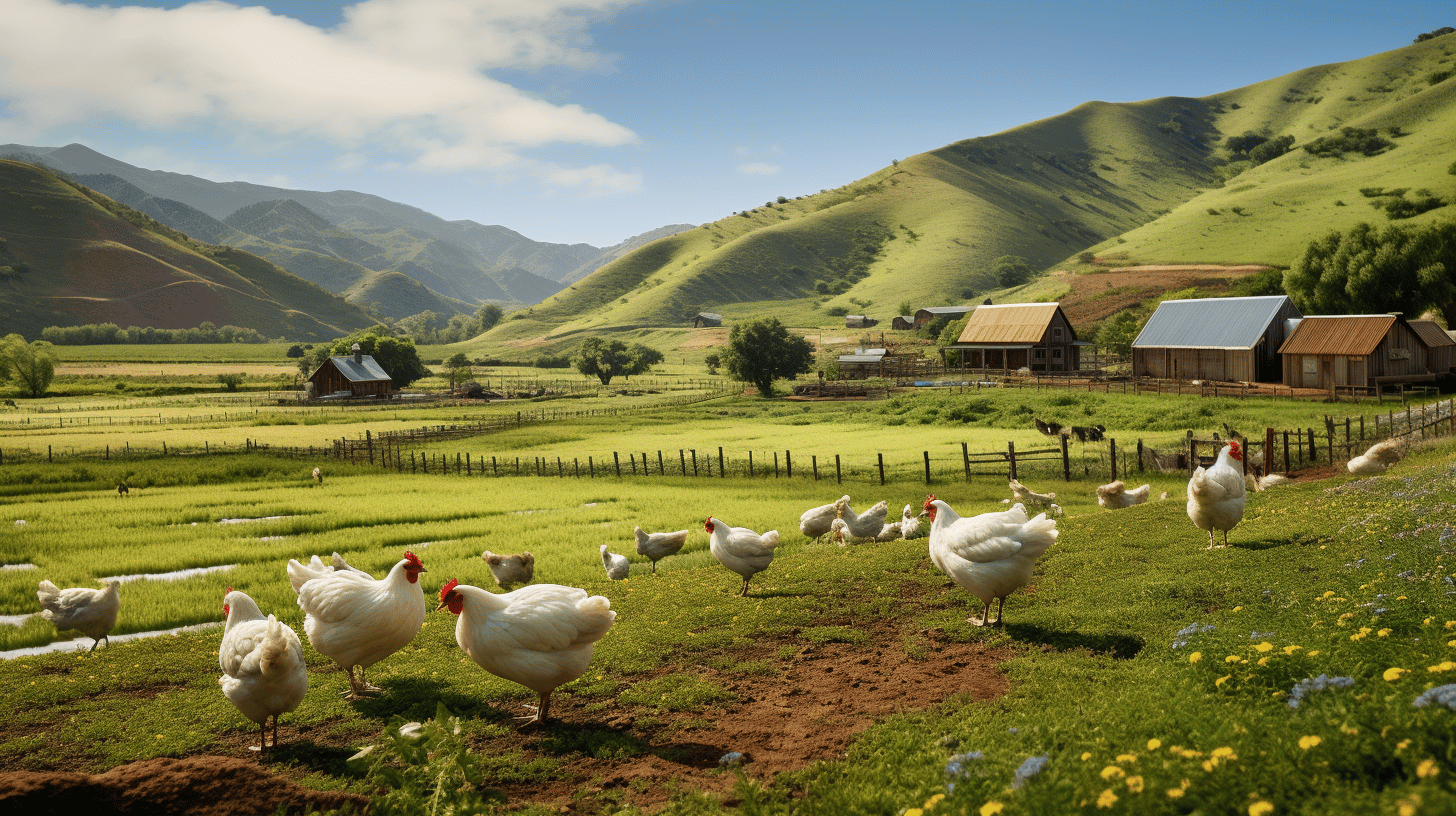
Regenerative agriculture has gained significant attention in recent years as an innovative and sustainable approach to farming. With its focus on restoring and replenishing the health of the soil, regenerative agriculture offers a compelling solution to the challenges faced by conventional farming practices. By adopting regenerative techniques, farmers can not only improve the quality of their land but also increase biodiversity, boost crop health and yield, and positively impact their local communities.
In this article, we will explore inspiring success stories of farmers who have embraced regenerative agriculture and witnessed remarkable transformations on their land and in their livelihoods. We will also delve into the benefits of adopting regenerative practices, which extend far beyond the farm gate. Furthermore, we will highlight a few remarkable farmers who are leading the way in regenerative agriculture, as well as provide educational resources for those interested in learning more about this sustainable farming approach.
Whether you’re a farmer looking for inspiration or an individual intrigued by the potential of regenerative agriculture, this article will shed light on the triumphs and benefits associated with this regenerative approach. So let’s dive in and discover the world of regenerative agriculture success stories that are sure to ignite your passion for sustainable farming practices.
What is Regenerative Agriculture?
Regenerative agriculture is an innovative approach to farming that focuses on restoring and revitalizing the health of the soil, while also benefiting the overall ecosystem. It goes beyond sustainable farming practices by actively seeking to improve the land over time, rather than merely preserving it.
This method embraces a holistic approach that considers the interconnectedness of all aspects of the ecosystem, including soils, plants, animals, and even human communities. By prioritizing soil health, regenerative agriculture aims to increase biodiversity, enhance water retention, and reduce the need for chemical inputs.
Main Principles of Regenerative Agriculture
Regenerative agriculture is based on several key principles that guide farming practices towards sustainability and resilience. These principles include:
- Minimal soil disturbance: Farmers practicing regenerative agriculture minimize soil disturbance to protect its structure and preserve the complex web of organisms that reside within it. This means reducing or eliminating tillage and adopting practices like no-till or low-till farming.
- Cover cropping: Cover crops play a crucial role in regenerative agriculture. These are crops, such as legumes or grasses, planted between main crops to cover the soil, prevent erosion, and promote nutrient cycling. Cover crops also improve soil fertility and increase organic matter content.
- Crop rotation: Regularly rotating crops helps break the lifecycle of pests and diseases, improves soil health, and prevents nutrient depletion. This practice promotes biodiversity, as different crops create diverse habitats for beneficial insects and microorganisms.
- Maintaining soil cover: Keeping the soil covered with organic matter, such as crop residues or mulch, protects it from erosion, moderates soil temperature, and retains moisture. This ensures a favorable environment for soil organisms and helps improve soil structure.
- Integration of livestock: Integrating livestock into agricultural systems can further enhance regenerative practices. Livestock grazing can help manage cover crops and enhance nutrient cycling through their manure. They also contribute to improving soil structure through their hoof action.
Application of Regenerative Agriculture
Regenerative agriculture can be implemented in various types of farming systems, including both large-scale and small-scale operations. It is applicable to a wide range of crops, including grains, vegetables, fruits, and even specialty crops like coffee or cocoa. Here are a few examples of how regenerative agriculture can be applied:
- Regenerative organic agriculture: This approach combines regenerative practices with organic farming principles, ensures the avoidance of synthetic inputs, and focuses on building soil health. It prioritizes biodiversity and ecosystem management, promoting the use of soil amendments like compost and relying on natural pest control methods.
- Regenerative grazing: Livestock can play a crucial role in regenerative agriculture through well-managed grazing. Rotational grazing systems, where livestock are moved regularly between different pastures, can mimic the natural movement of herds and promote healthy grassland ecosystems. This helps improve soil health, increase carbon sequestration, and enhance biodiversity.
- Agroforestry: Agroforestry systems integrate trees or shrubs with agricultural crops, creating a diverse and productive landscape. These systems improve soil fertility, conserve water, provide shade, and support biodiversity. Agroforestry offers multiple benefits by combining food production with the restoration and protection of natural resources.
In summary, regenerative agriculture is a forward-thinking approach to farming that prioritizes the health of the soil and the overall ecosystem. By implementing practices like minimal soil disturbance, cover cropping, crop rotation, maintaining soil cover, and integrating livestock, farmers can improve the long-term sustainability and resilience of their agricultural systems. This holistic approach holds immense potential for mitigating climate change, conserving biodiversity, and ensuring food security for future generations.
Inspiring Success Stories of Regenerative Agriculture
Regenerative agriculture has been gaining momentum as a sustainable farming practice that offers numerous benefits for the environment and the people involved. It focuses on conserving and improving soil health, increasing biodiversity, and promoting climate resilience. But what are some inspiring success stories that showcase the real impact of regenerative agriculture? Let’s explore a few remarkable examples that illustrate the transformative power of this farming approach.
Enhanced Soil Quality
One of the key pillars of regenerative agriculture is the enhancement of soil quality, ensuring its long-term health and productivity. Through practices such as cover cropping, crop rotation, and minimal tillage, farmers have witnessed the following positive outcomes:
- Increased organic matter content in the soil, improving its structure and water-holding capacity.
- Enhanced nutrient cycling and availability, reducing the need for synthetic fertilizers.
- Improved soil biodiversity and microbial activity, creating a vibrant and resilient ecosystem.
Increased Biodiversity
Regenerative agriculture encourages biodiversity by creating a habitat that supports a wide range of plant and animal species. By adopting agroforestry practices, implementing hedgerows, and maintaining diverse cover crops, farmers have observed:
- Greater insect and bird diversity, contributing to natural pest control.
- Healthier pollinator populations, ensuring effective crop pollination.
- Improved resilience to disease outbreaks, as diverse ecosystems are more resistant to outbreaks.
Improved Crop Health and Yield
The holistic approach of regenerative farming leads to improved crop health and increased yields over time. By implementing practices that prioritize the well-being of the entire ecosystem, farmers have witnessed:
- Reduced pest and disease pressures through natural control mechanisms.
- Enhanced nutrient availability, resulting in healthier and more robust crops.
- Increased resilience to extreme weather events, such as droughts or floods.
Boosted Farmer Income
Regenerative agriculture is not only beneficial for the environment but also for farmers’ economic sustainability. By adopting regenerative practices, farmers have experienced:
- Decreased input costs, as they rely less on synthetic fertilizers and pesticides.
- Improved market opportunities, as consumers increasingly value sustainable and environmentally-friendly products.
- Diversified income streams through activities such as agroforestry or value-added products.
Promoted Climate Resilience
Regenerative farming plays a crucial role in mitigating climate change by sequestering carbon dioxide from the atmosphere and enhancing ecosystem resilience. Farmers embracing regenerative practices have observed:
- Increased carbon sequestration in the soil, helping to mitigate climate change.
- Better water management, reducing soil erosion and improving water quality.
- Enhanced adaptability to extreme weather events, such as droughts or floods.
Transformed Community Lifestyle
Beyond the environmental and economic benefits, regenerative agriculture has the potential to transform entire communities. Success stories have shown:
- Revitalized rural areas, with thriving local economies and vibrant communities.
- Improved food security and access to nutritious, locally grown food.
- Strengthened connections between farmers and consumers, fostering a sense of community.
The inspiring success stories of regenerative agriculture demonstrate the power of sustainable farming practices in creating a better future for our planet and for generations to come. As more farmers and stakeholders recognize the potential of regenerative agriculture, its positive impact continues to ripple across the agricultural landscape.
Benefits of Adopting Regenerative Agriculture
Environmental Benefits
Regenerative agriculture offers several environmental benefits that contribute to the overall health and resilience of our ecosystems. Some of these benefits include:
- Improved soil health: By implementing regenerative practices such as cover cropping and crop rotation, farmers can promote the growth of beneficial microorganisms in the soil, enhance nutrient cycling, and increase soil organic matter. This not only improves the soil’s ability to retain water and nutrients but also reduces erosion and enhances its overall health.
- Reduced greenhouse gas emissions: The regeneration of soil through practices like agroforestry and rotational grazing can lead to increased carbon sequestration. This helps to mitigate climate change by reducing the amount of greenhouse gases released into the atmosphere.
- Enhanced biodiversity: Embracing regenerative agriculture methods provides habitat for a greater diversity of plants and animals, including beneficial insects and pollinators. This increased biodiversity helps to create a balanced and resilient ecosystem, which is essential for long-term sustainability.
Economic Benefits
In addition to its positive impact on the environment, regenerative agriculture can also bring numerous economic benefits to farmers and society as a whole. Some of these benefits include:
- Improved soil fertility and crop yields: By focusing on building healthy soil, farmers practicing regenerative agriculture can improve the fertility of their land, resulting in higher crop yields over time. This, in turn, can lead to increased profits for farmers and a more secure food supply.
- Cost savings on inputs: Regenerative agriculture reduces the reliance on synthetic fertilizers and pesticides, which can be expensive inputs for farmers. By adopting practices such as integrated pest management and organic soil management, farmers can reduce their production costs and increase their profits.
- Diversification of income: Regenerative agriculture often involves diversifying farming practices, such as incorporating livestock or agroforestry. This diversification can provide additional income streams for farmers, reducing their reliance on a single crop or market.
Societal Benefits
In addition to the environmental and economic benefits, regenerative agriculture also brings numerous societal benefits. These include:
- Improved water quality: Regenerative practices, such as conservation tillage and the use of cover crops, help to reduce water runoff and prevent the contamination of water sources by harmful chemicals. This leads to improved water quality, benefiting both human and ecological health.
- Support for rural communities: Regenerative agriculture promotes local food production and direct relationships between farmers and consumers. This can strengthen rural communities by creating jobs, supporting local economies, and fostering a greater sense of community.
- Healthier food: By prioritizing soil health and reducing the use of synthetic inputs, regenerative agriculture can produce food that is healthier for consumers. This can lead to improved nutrition and overall well-being for individuals and communities.
In conclusion, adopting regenerative agriculture practices offers a range of benefits, encompassing environmental, economic, and societal aspects. By focusing on soil health, reducing chemical inputs, and embracing biodiversity, farmers can create more sustainable and resilient systems that benefit both the land and the people who depend on it.
A Few Remarkable Farmers Embracing Regenerative Practices
Regenerative agriculture is gaining momentum as farmers across the world recognize its potential to restore the health of our soils, increase biodiversity, and mitigate climate change. In this article, we will explore the stories of a few remarkable farmers who have embraced regenerative practices and are leading the way towards a more sustainable future.
The Power of Cover Crops
Many conventional farmers view cover crops as unnecessary or even a hindrance to their main cash crops. However, these remarkable farmers have seen firsthand the positive impact that cover crops can have on soil health and overall farm productivity. By planting a diverse mix of cover crops such as legumes, grasses, and brassicas during the off-season, they are able to:
- Prevent erosion and improve soil structure
- Increase organic matter content and water-holding capacity
- Suppress weeds and reduce the need for chemical inputs
- Provide habitat and food for beneficial insects and wildlife
According to soil health expert and farmer, Gabe Brown, cover crops have revolutionized his farming operation, resulting in healthier soils, increased yields, and reduced input costs. His farm in North Dakota has become a model of regenerative agriculture, inspiring countless others to follow suit.
Holistic Livestock Management
Many of these remarkable farmers have also recognized the importance of integrating livestock into their regenerative farming systems. By implementing holistic livestock management practices, they are able to mimic the natural grazing patterns of wild herbivores and rejuvenate degraded landscapes. Benefits of holistic livestock management include:
- Improved soil fertility through nutrient cycling
- Enhanced biodiversity through the creation of diverse grazing patterns
- Reduced reliance on synthetic fertilizers and pesticides
- Increased profitability through additional income streams from livestock
One such farmer is Joel Salatin, who runs Polyface Farms in Virginia. Salatin employs a rotational grazing system that allows his animals to graze on fresh grass, mimicking the movement of wild herds. The animals’ natural behavior helps to improve soil health and sequester carbon, while also providing nutrient-dense and ethically-raised meats for consumers.
Building Stronger Communities
While the environmental benefits of regenerative agriculture are clear, these remarkable farmers also recognize the social and economic advantages it brings to their communities. By focusing on local and direct sales, they are able to establish stronger relationships with consumers and build resilient food systems. Some ways in which regenerative farming practices support community development include:
- Creating job opportunities in rural areas
- Providing access to fresh, nutritious food in food-insecure regions
- Fostering a sense of community and connection with the land
One shining example of a farmer who has built a thriving community around regenerative agriculture is Will Harris of White Oak Pastures in Georgia. Harris transformed his conventional cattle farm into a diverse regenerative operation, employing over 160 people and revitalizing the local economy. His commitment to regenerative practices has not only improved the health of his land but also the livelihoods of those around him.
In conclusion, these remarkable farmers serve as inspiration for others looking to adopt regenerative practices. Their stories highlight the power of regenerative agriculture to transform the health of our soils, promote biodiversity, and build stronger communities. By embracing these practices, we can move towards a more sustainable and resilient future for agriculture.
Educational Resources to Learn About Regenerative Agriculture
Regenerative agriculture is gaining significant traction as a sustainable and environmentally friendly approach to farming. If you’re curious to learn more about regenerative agriculture and how it can positively impact our food systems, there are various educational resources available online. From thought-provoking documentaries to insightful books and engaging podcasts, these resources can provide you with a comprehensive understanding of regenerative agriculture and its potential benefits. Here are some recommendations to kickstart your journey:
Online Documentaries
Documentaries are an excellent way to delve into the world of regenerative agriculture and witness firsthand the transformative power it holds. These visual narratives provide an immersive experience that combines storytelling, visuals, and expert interviews. Some compelling documentaries worth considering include:
- Kiss the Ground – This groundbreaking documentary narrated by Woody Harrelson explores the potential of regenerative agriculture to combat climate change and regenerate our degraded soils.
- The Biggest Little Farm – Follow the inspiring journey of John and Molly Chester as they transform a barren plot of land into a thriving, biodiverse farm using regenerative farming techniques.
Books
For those who prefer to delve into the depths of regenerative agriculture through the written word, there are numerous insightful books available. These authors share their knowledge and experiences, guiding readers on a journey towards a more sustainable and regenerative approach to agriculture. Check out these noteworthy books:
- “Dirt to Soil: One Family’s Journey into Regenerative Agriculture” by Gabe Brown – Gabe Brown, a renowned regenerative farmer, shares his firsthand experiences and practical tips for regenerating soil health and enhancing farm productivity.
- “The Soil Will Save Us: How Scientists, Farmers, and Foodies Are Healing the Soil to Save the Planet” by Kristin Ohlson – In this book, Ohlson explores how regenerative agriculture practices can restore and revitalize our soils, mitigating the effects of climate change.
Podcasts
Podcasts are a convenient and entertaining way to learn about regenerative agriculture while on the go. They bring together experts, farmers, and thought leaders who share their insights, experiences, and innovative approaches. Here are a couple of enlightening podcasts to get you started:
- The Regenerative Agriculture Podcast with John Kempf – Host John Kempf interviews leading voices in regenerative agriculture, discussing topics such as soil health, nutrient density, and regenerative practices.
- Farmerama – This podcast focuses on sustainable farming practices and features stories and conversations with farmers, researchers, and activists working towards regenerative agriculture.
Websites
Lastly, websites dedicated to regenerative agriculture serve as valuable resources, offering a wealth of information, articles, case studies, and tools. These websites provide a comprehensive understanding of regenerative agriculture and its practical applications. Explore these websites to expand your knowledge:
- Regeneration International – This organization promotes regenerative agriculture with a focus on global-scale soil restoration and climate change mitigation.
- Regen Network – This platform connects farmers, researchers, and investors, providing tools and resources for regenerative agriculture practices and rewarding farmers for positive environmental outcomes.
In conclusion, these educational resources offer a wealth of knowledge and inspiration, enabling you to dive deep into the world of regenerative agriculture. Whether you prefer documentaries, books, podcasts, or websites, there is something for everyone to explore and learn from. So go ahead, get started on your journey to discover the transformative potential of regenerative agriculture!
How to Adopt Regenerative Agriculture Practices
Regenerative agriculture is gaining popularity as a sustainable and environmentally-friendly approach to farming. It embraces practices that not only protect the soil but also improve its health, biodiversity, and resilience. If you’re interested in adopting regenerative agriculture practices on your farm, here’s a step-by-step guide to get you started:
Step 1: Assess Your Current Farming Practices
Before diving into regenerative agriculture, it’s essential to assess your current farming practices. Take stock of your soil health, water management strategies, use of chemicals and fertilizers, crop rotation, and overall ecosystem balance. Identifying areas that need improvement will guide you in implementing regenerative practices effectively.
Step 2: Focus on Soil Health
Soil is the foundation of regenerative agriculture. Healthy soil is teeming with beneficial microorganisms and organic matter, which promote nutrient cycling and water retention. To enhance soil health:
- Limit or eliminate tillage to prevent soil erosion and disruption of soil structure.
- Incorporate cover crops to protect the soil from erosion, reduce weed pressure, and increase organic matter.
- Implement crop rotation to break pest and disease cycles while improving soil fertility.
- Utilize compost and organic amendments to increase soil organic matter content and improve nutrient availability.
Step 3: Embrace Conservation Practices
Conservation practices go hand in hand with regenerative agriculture. They aim to minimize soil erosion, conserve water, and protect natural resources. Consider these practices:
- Install conservation buffers such as grass strips or windbreaks to prevent soil erosion.
- Implement terracing or contour plowing on sloping land to reduce runoff and retain water.
- Use precision agriculture techniques to optimize resource usage and minimize waste.
Step 4: Diversify Your Farming System
A diverse farming system is crucial for regenerative agriculture. Monocropping can lead to nutrient depletion, pest infestations, and decreased overall ecosystem resilience. Instead, embrace diversity:
- Incorporate polycultures or intercropping practices to increase biodiversity and reduce pest pressure.
- Introduce livestock into your farming system to promote nutrient cycling and improve pasture health.
Step 5: Monitor and Evaluate
Continuous monitoring and evaluation are key to successful adoption of regenerative agriculture practices. Regularly assess your soil health, crop yields, water management, and overall ecosystem balance. This will help you identify any challenges and make necessary adjustments.
By following this step-by-step guide, you can gradually transition to regenerative agriculture practices and make a positive impact on your farm’s sustainability. Remember, the journey to regenerative agriculture may have its challenges, but with dedication and perseverance, you can create a more resilient and thriving farming system.
Stay tuned! In the next section, we will explore potential challenges that farmers may face during the adoption of regenerative agriculture practices and provide solutions to overcome them.
Conclusion
Regenerative agriculture is not just a buzzword; it is an essential approach to farming that holds tremendous potential for the future of agriculture. By adopting regenerative practices, farmers can not only restore soil health, but also enhance biodiversity, improve crop health and yield, boost their income, promote climate resilience, and transform their communities. The success stories of regenerative agriculture are truly inspiring, showcasing the positive impact it can have on our environment, economy, and society.
If you’re interested in learning more about regenerative agriculture, the Regenerative Agriculture Wiki is here to help. Our specialized platform offers extensive content on various topics related to regenerative farming practices. From informative articles and comprehensive guides to online documentaries, books, podcasts, and websites, we have resources that cater to your interests and learning preferences.
Join us in fostering a future where agriculture and ecology thrive in harmony. Explore the potential of regenerative agriculture with the Regenerative Agriculture Wiki and be part of the movement towards a more sustainable and resilient food system.
Visit the Regenerative Agriculture Wiki and start your journey towards a more sustainable future today.
Frequently Asked Questions
- What is regenerative agriculture?
Regenerative agriculture is a farming approach that focuses on restoring and improving soil health, biodiversity, and ecosystem function. It aims to enhance the overall resilience of the farm ecosystem while promoting sustainable and productive farming practices.
- Are there any successful examples of regenerative agriculture?
Yes, there are several successful examples of regenerative agriculture. One notable example is Paicines Ranch in California, which transformed from conventional farming to a regenerative agriculture system, resulting in improved soil health, increased biodiversity, and higher productivity.
- How does regenerative agriculture benefit farmers?
Regenerative agriculture offers several benefits to farmers. It helps increase soil organic matter, which improves soil fertility and water-holding capacity. It also reduces the need for synthetic inputs, minimizes soil erosion, enhances crop resilience, and can lead to higher crop yields and profitability.
- Does regenerative agriculture have environmental benefits?
Yes, regenerative agriculture has numerous environmental benefits. It helps sequester carbon dioxide from the atmosphere, mitigating climate change. It also promotes biodiversity, reduces water pollution, improves water infiltration, and enhances overall ecosystem health.
- Can small-scale farmers practice regenerative agriculture?
Absolutely! Regenerative agriculture principles can be applied by farmers of all scales, including small-scale farmers. In fact, small-scale farmers can benefit greatly as regenerative practices often require fewer inputs and can improve soil health and productivity over time.