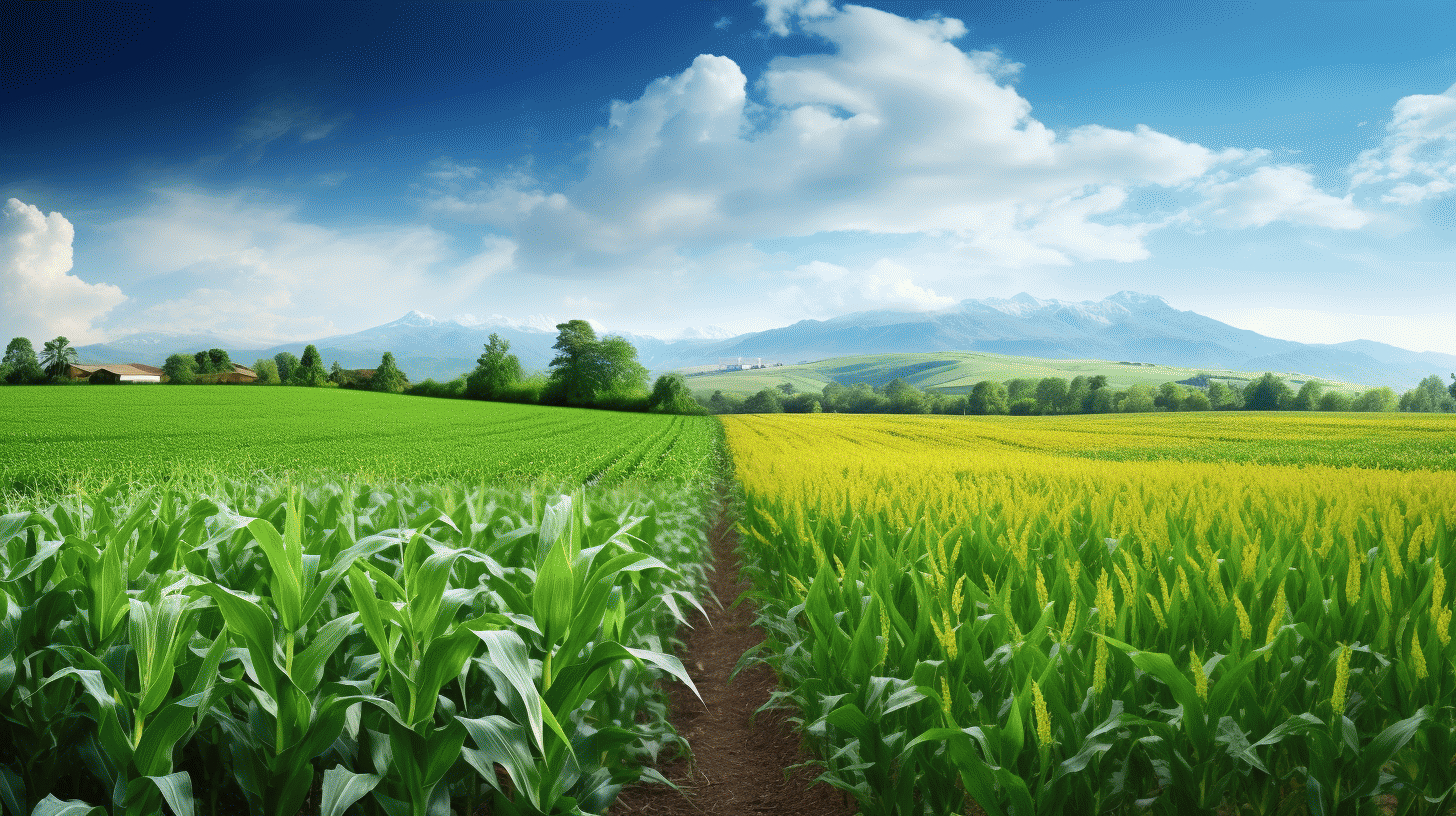
In today’s rapidly changing world, the need for sustainable agriculture has become more urgent than ever before. As concerns about food security and environmental degradation continue to grow, it’s essential to explore innovative and resilient approaches to food production. One such approach gaining increasing attention is permaculture.
Permaculture is not just a farming method; it’s a holistic and sustainable approach to designing systems that mimic the patterns and relationships found in natural ecosystems. By integrating principles such as diversity, regeneration, and closed-loop systems, permaculture offers a path towards creating resilient and thriving polycultures that can sustainably meet our food needs.
In this article, we will delve into the world of permaculture and explore its potential as a solution for sustainable food production. We’ll examine the benefits of adopting permaculture practices, the versatility of its applications, and the crucial role of polycultures within this approach. By the end, you’ll have a deeper understanding of how permaculture can contribute to building resilient and sustainable food systems for the future.
The Urgent Need for Sustainable Agriculture
In a world grappling with global food insecurity and the adverse impacts of climate change, sustainable agriculture has emerged as a crucial solution. Sustainable agriculture aims to meet the needs of the present without compromising the ability of future generations to fulfill their own needs. It involves adopting practices that are environmentally friendly, socially just, and economically viable.
Global Food Insecurity
Did you know that over 7 million people worldwide experienced starvation in 2020? This unsettling statistic highlights the urgency of addressing food insecurity on a global scale. Sustainable agriculture plays a vital role in combatting this issue by:
- Increasing food production: By implementing sustainable practices, farmers can enhance the productivity of their land while minimizing negative environmental impacts.
- Improving food quality: Sustainable agriculture promotes the use of organic farming methods, reducing the presence of harmful chemicals in our food.
- Enhancing resilience: Sustainable farming techniques, such as agroforestry and crop rotation, improve soil health and make farms more resilient to climate change, ensuring a steady food supply.
Permaculture Adoption and Appeal
One approach that has gained significant momentum in the realm of sustainable agriculture is permaculture. Permaculture is a design system that imitates the patterns and relationships found in nature to create sustainable and productive ecosystems.
Permaculture practices have been adopted in at least 45 countries, showcasing its widespread appeal and potential impact. So why has permaculture garnered such attention?
- Regenerative farming: Permaculture prioritizes the regeneration of landscapes and ecosystems, focusing on long-term sustainability rather than short-term gains.
- Natural resource conservation: By using techniques like rainwater harvesting and graywater recycling, permaculture reduces the strain on water resources, making it an environmentally friendly solution.
- Economic viability: In certain countries, permaculture contributes to over 40% of the total income for smallholder farmers, making it not only environmentally sustainable but also economically profitable.
Permaculture’s principles align with the goals of sustainable agriculture, making it an attractive and effective approach for addressing food insecurity while taking care of our planet.
In conclusion, sustainable agriculture is more than just a buzzword; it is a crucial pathway towards a more sustainable and equitable food system. By incorporating practices like permaculture, we can grow food in a way that nourishes both people and the planet, ensuring a brighter future for generations to come.
Permaculture: A Sustainable Solution for Food Production
Permaculture, a term coined by Bill Mollison and David Holmgren in the 1970s, offers a holistic approach to sustainable food production. It is based on the principles of working with nature rather than against it, creating self-sustaining systems that benefit both humans and the environment. From regenerative farming practices to economic impact and resilience in the face of natural disasters, permaculture provides a comprehensive solution to address the challenges of our current food system.
Regenerative Farming Practices
At the heart of permaculture is the concept of regenerative farming practices. These practices aim to restore and enhance the health of the soil, promote biodiversity, and minimize the use of synthetic inputs. By adopting regenerative farming techniques, farmers can:
- Increase Soil Fertility: Permaculture promotes the use of organic matter, such as compost and cover crops, to enrich the soil and improve its structure. This helps retain moisture, reduce erosion, and provide essential nutrients for plant growth.
- Promote Biodiversity: Permaculture encourages the planting of a diverse range of crops, trees, and beneficial plants. This not only enhances ecosystem resilience but also attracts pollinators and beneficial insects, which helps control pests naturally.
- Conserve Water: Permaculture emphasizes efficient water management techniques, such as rainwater harvesting, contour mulching, and the use of swales and ponds. These methods help retain water, mitigate drought conditions, and reduce water consumption.
- Minimize Waste: Permaculture promotes the concept of “closed-loop” systems, where waste from one component of the system becomes a resource for another. For example, organic waste can be composted to produce nutrient-rich soil amendments.
Economic Impact
The adoption of permaculture practices can have a significant economic impact, particularly in developing countries like Malawi. By focusing on sustainable agriculture, permaculture allows farmers to:
- Increase Food Security: By diversifying crops and implementing regenerative practices, permaculture helps farmers mitigate the risks associated with mono-cropping and climate change. This, in turn, ensures a more stable food supply for communities.
- Generate Income: Permaculture offers opportunities for farmers to tap into niche markets for organic and sustainably produced food. This can result in higher profit margins and a more prosperous local economy.
- Reduce Input Costs: Permaculture relies on natural, low-cost inputs and local resources, reducing the dependence on expensive synthetic fertilizers and pesticides. This lowers production costs for farmers, increasing their overall profitability.
Resilience in the Face of Natural Disasters
One of the key strengths of permaculture is its ability to build resilience in communities affected by natural disasters. By implementing resilient permaculture systems, communities can:
- Mitigate Climate Change Impacts: Permaculture practices, such as agroforestry and carbon sequestration, help mitigate climate change by reducing greenhouse gas emissions and increasing carbon storage in the soil.
- Enhance Food Sovereignty: By promoting local food production and self-reliance, permaculture reduces vulnerability to external shocks, such as extreme weather events or disruptions in global food supply chains.
- Recover and Rebuild: Permaculture’s focus on regenerative practices allows communities to recover more quickly after a natural disaster. By preserving biodiversity, conserving resources, and improving soil health, permaculture systems can bounce back faster and ensure long-term food security.
In conclusion, permaculture offers a sustainable solution for food production by incorporating regenerative farming practices, creating economic opportunities, and building resilience in communities. By embracing permaculture principles, we can move towards a more sustainable and resilient food system that benefits both people and the planet.
Versatility of Permaculture Practices
Introduction
Permaculture, a sustainable farming approach, has gained popularity in recent years due to its versatility and effectiveness. By adopting permaculture practices, farmers can explore different agricultural setups, make low-cost investments, and enjoy a wide range of environmental benefits. Let’s dive deeper into each aspect and understand why permaculture is the go-to choice for many farmers.
1. Suitability for Different Agricultural Setups
Permaculture practices are incredibly flexible and can be adapted to various agricultural setups, making it suitable for both small-scale family-run operations and larger rural farms. Whether you have a backyard garden, a community farm, or acres of land, permaculture offers strategies that can be customized to meet your specific needs. Some examples of agricultural setups where permaculture can be applied include:
- Urban Rooftop Gardens: Permaculture principles can be used to design productive and sustainable rooftop gardens in urban areas, utilizing space efficiently and bringing agriculture to the city.
- Suburban Homesteads: Permaculture techniques enable homeowners to transform their backyards into edible landscapes, growing food, and implementing sustainable practices, such as rainwater harvesting and composting.
- Large-Scale Agricultural Operations: Permaculture principles, like agroforestry and water management systems, can be incorporated into large-scale farms to promote biodiversity, enhance soil fertility, and reduce the use of external inputs.
With its adaptable nature, permaculture provides farmers with the tools to create productive and resilient ecosystems regardless of the size or location of their farms.
2. Low-Cost Investment
One of the significant advantages of permaculture is its low-cost investment. Unlike conventional farming methods that often require expensive machinery, synthetic inputs, and ongoing maintenance costs, permaculture focuses on sustainable, natural systems that minimize the need for external resources. Here’s why permaculture is a cost-effective choice for farmers:
- Efficient Resource Use: Permaculture designs aim to make the most efficient use of available resources, such as sunlight, water, and nutrients. By maximizing the use of natural resources, farmers can reduce reliance on costly inputs and achieve higher yields.
- Self-Sufficiency: Permaculture systems emphasize self-sufficiency by incorporating techniques like composting, mulching, and crop rotations. These practices minimize the need for external inputs, saving farmers money in the long run.
- Sustainable Infrastructure: Permaculture encourages the use of sustainable infrastructure, such as rainwater harvesting systems and renewable energy sources. By investing in these long-term solutions, farmers can reduce utility expenses and create self-sustaining agricultural ecosystems.
By taking advantage of permaculture’s low-cost investment model, farmers can not only save money but also create more resilient and economically viable farming systems.
3. Environmental Benefits
Permaculture is not only beneficial for farmers but also for the environment. By implementing permaculture practices, farmers can promote biodiversity, enhance ecosystem services, and reduce their ecological footprint. Here are some environmental benefits associated with permaculture:
- Biodiversity Conservation: Permaculture designs prioritize the creation of diverse habitats, which support a wide range of plants, animals, and beneficial insects. This promotes natural pest control, enhances pollination, and contributes to the overall health of the ecosystem.
- Soil Health and Water Conservation: Permaculture techniques, such as cover cropping and agroforestry, help improve soil fertility, prevent erosion, and conserve water. Healthy soils retain moisture better, reducing the need for irrigation and mitigating the impacts of droughts.
- Climate Change Mitigation: Permaculture systems actively sequester carbon and minimize greenhouse gas emissions. By enhancing soil organic matter, implementing regenerative practices, and utilizing renewable energy sources, permaculture contributes to mitigating climate change.
By adopting permaculture practices, farmers can play a crucial role in safeguarding the environment and creating sustainable food systems for future generations.
In conclusion, permaculture’s versatility allows it to be applied to various agricultural setups, making it a suitable choice for all farmers. Its low-cost investment model provides economic benefits, while the environmental advantages contribute to a more sustainable approach to farming. With its emphasis on biodiversity, resource efficiency, and resilience, permaculture is undeniably revolutionizing the way we practice agriculture.
Polycultures: A Key Component of Permaculture
Introduction
Polycultures, a fundamental aspect of permaculture, involve the cultivation of multiple useful plants together in a harmonious and interconnected manner. By emulating natural ecosystems, polycultures offer a range of benefits that promote sustainability, biodiversity, and resilience. In this article, we’ll explore the advantages of polycultures in mimicking natural systems and how they contribute to increased biomass production, as well as enhancing efficiency and productivity in gardening.
Benefits of Polycultures in Mimicking Natural Ecosystems
Polycultures go beyond the conventional approach of monoculture, which involves growing a single plant species over a large area. Instead, polycultures mimic natural ecosystems, where different plant species coexist and interact symbiotically. By emulating nature’s interconnectedness, polycultures offer several key benefits:
- Biodiversity: Polycultures promote biodiversity by creating a thriving habitat for a wide range of plants, insects, and other organisms. The diversity of plant species in a polyculture helps attract pollinators, ward off pests through natural pest control, and improve overall ecosystem health.
- Resilience: Polycultures are inherently more resilient than monocultures. By diversifying crops, a polyculture is better equipped to withstand environmental stressors, such as extreme weather conditions and disease outbreaks. If one crop fails, others can compensate, ensuring a more consistent yield.
- Nutrient Cycling: In a polyculture system, different plants have varied nutritional needs. As a result, they may absorb different nutrients from the soil and consequently release different ones through their root exudates. This nutrient cycling creates a self-sustaining loop, reducing the need for external inputs like synthetic fertilizers.
- Weed Suppression: The diversity of plant species in a polyculture helps suppress weed growth, reducing the need for manual or chemical weed control. Dense plantings, particularly taller plants shading out low-lying weeds, create a more competitive environment, making it harder for weeds to establish themselves.
Increased Biomass Production
One of the significant advantages of polycultures over monocultures is their ability to maximize biomass production. By growing different plants with diverse structures, root depths, and growth habits, polycultures utilize resources more efficiently and effectively. Here’s how polycultures contribute to increased biomass production:
- Resource Utilization: In a polyculture, plants with different resource requirements (such as sunlight, water, and nutrients) can coexist. Some plants may thrive in the shade of taller plants, making use of underutilized space and capturing light that would otherwise go to waste. This optimal resource utilization results in greater overall biomass production.
- Increased Photosynthesis: Photosynthesis is the process by which plants convert sunlight into energy. In a polyculture, plants with different photosynthetic pathways (such as C3, C4, and CAM) can work together, maximizing the capture and conversion of solar energy. This synergy leads to increased biomass production compared to monocultures.
- Soil Health: Polycultures help improve soil health by enhancing soil structure, promoting microbial diversity, and reducing soil erosion. By maintaining continuous ground cover through the growth of diverse plant species, polycultures protect the soil from erosion caused by wind and water, creating a fertile environment for increased biomass production.
Efficiency and Productivity in Gardening
Integrating principles of permaculture into polyculture gardening enhances efficiency, productivity, and ecological resiliency. Here’s how adopting polyculture practices can benefit your garden:
- Continuous Harvest: Polycultures provide a year-round yield by including plants with different growing seasons. By carefully selecting complementary species that can thrive together and mature at different times, gardeners can ensure a continuous supply of fresh produce.
- Pest and Disease Management: In a polyculture system, the risk of pest and disease outbreaks is reduced. By planting a variety of crops, you naturally disrupt the conditions for pests and diseases to proliferate. Beneficial insects and predators attracted to the diverse plantings also contribute to natural pest control, minimizing the need for pesticides.
- Reduced Inputs: Since polycultures are designed to mimic natural ecosystems, they require fewer external inputs like fertilizers, pesticides, and herbicides. The interplay between different plants creates a balanced ecosystem that is more self-regulating, reducing the need for costly and environmentally harmful inputs.
By embracing the principles of polyculture gardening, you can create a sustainable and productive garden that not only benefits you but also supports the health and biodiversity of the environment around you.
Enhancing Biodiversity and Ecological Services
Biodiversity is the foundation of healthy ecosystems and plays a crucial role in maintaining ecological balance. It supports a wide range of services, such as pollination, pest control, nutrient cycling, and soil fertility. Unfortunately, modern agricultural practices have often led to a decline in biodiversity, with negative consequences for both the environment and food production.
Promotion of Biodiversity in Agricultural Systems
To address this issue, there has been a growing interest in promoting biodiversity within agricultural systems. One approach that has gained popularity is permaculture. Permaculture is an ecological design system that seeks to create sustainable and self-sufficient ecosystems by mimicking natural patterns and processes.
Permaculture practices, including the use of polycultures and plant guilds, have been shown to enhance the diversity of agricultural systems and provide important ecological services.
- Polycultures: Instead of relying on monocultures, which involve growing a single crop in a large area, polycultures involve planting a variety of crops together. This promotes biodiversity by providing a range of habitats and resources for different species. Polycultures also help reduce the risk of pest outbreaks and diseases, as pests are less likely to find a concentrated food source. Additionally, the diverse root systems of different crops contribute to improved soil structure and nutrient cycling.
- Plant Guilds: Plant guilds are a group of plants that work together to support each other’s growth and health. By combining plants with complementary characteristics, such as nitrogen-fixing legumes and nutrient accumulator plants, plant guilds can enhance soil fertility, improve water retention, and attract beneficial insects for pollination and pest control. This integrated approach to planting not only supports biodiversity but also increases the resilience of agricultural systems to climate change and other environmental stresses.
Sustainable Approaches to Food Production
In addition to promoting biodiversity, sustainable approaches to food production can also contribute to the enhancement of ecological services. These practices aim to minimize negative impacts on the environment while maximizing food production and ensuring the long-term viability of agricultural systems.
- Agroforestry: Agroforestry combines the cultivation of trees with agricultural crops or livestock. This approach provides multiple benefits, such as increased biodiversity, improved soil fertility, and climate change mitigation. Trees in agroforestry systems contribute to the provisioning of various ecosystem services, including carbon sequestration, water filtration, and habitat creation for wildlife.
- Crop Rotation: Crop rotation involves the systematic rotation of different crops on a piece of land over time. By alternating crops with different nutrient requirements and growth patterns, farmers can reduce the build-up of pests, diseases, and weeds. This practice also helps to improve soil health, increase nutrient availability, and enhance biodiversity by creating diverse habitats for beneficial organisms.
In conclusion, enhancing biodiversity and ecological services in agricultural systems is not only beneficial for the environment but also essential for sustainable food production. Through practices such as permaculture, polycultures, plant guilds, agroforestry, and crop rotation, farmers can create thriving ecosystems that support natural processes, foster biodiversity, and provide essential ecological services. By prioritizing these approaches, we can move towards a more sustainable and resilient agricultural future.
Conclusion
In conclusion, permaculture offers a sustainable solution for food production that addresses the urgent need for sustainable agriculture. By implementing regenerative farming practices, such as polycultures and mimicking natural ecosystems, farmers can enhance biodiversity, increase biomass production, and promote ecological services. The versatility and low-cost investment of permaculture make it accessible to different agricultural setups, while its resilience in the face of natural disasters ensures food security. Ultimately, permaculture not only provides economic benefits but also fosters a future where agriculture and ecology thrive in harmony.
As you embark on your journey towards sustainable living and regenerative agriculture, the Regenerative Agriculture Wiki is here to support you every step of the way. Explore our extensive content on soil health, holistic management, permaculture, and agroecology to gain insights, tips, and comprehensive guides tailored to your interests. Join us in nurturing the environment, contributing to global food security, and creating a future where agriculture and ecology coexist seamlessly.
Discover the potential of permaculture and embrace a sustainable approach to food production today.
Note: The product link above is for illustrative purposes only and not compulsory for the article.
Frequently Asked Questions
- What is permaculture?
Permaculture is a holistic approach to designing and developing sustainable human settlements and agricultural systems that mimic the patterns and relationships found in natural ecosystems.
- What are polycultures?
Polycultures are diverse agricultural systems that involve planting different species of plants together in a mutually beneficial arrangement. This promotes biodiversity, reduces pests and diseases, and improves soil health.
- How do polycultures contribute to sustainable living?
Polycultures contribute to sustainable living by reducing the reliance on synthetic fertilizers and pesticides, conserving water, enhancing soil fertility, supporting beneficial insects and pollinators, and promoting a more resilient and self-sustaining food production system.
- What are the benefits of using a permaculture approach?
The benefits of using a permaculture approach include improved soil health and fertility, increased biodiversity, reduced need for external inputs, enhanced ecosystem services, increased resilience to climate change, and the creation of regenerative and sustainable food systems.
- Can permaculture principles be applied to urban areas?
Yes, permaculture principles can be applied to urban areas through practices such as urban gardening, rooftop gardens, vertical farming, composting, rainwater harvesting, and community gardening. These practices help create resilient and sustainable urban environments.