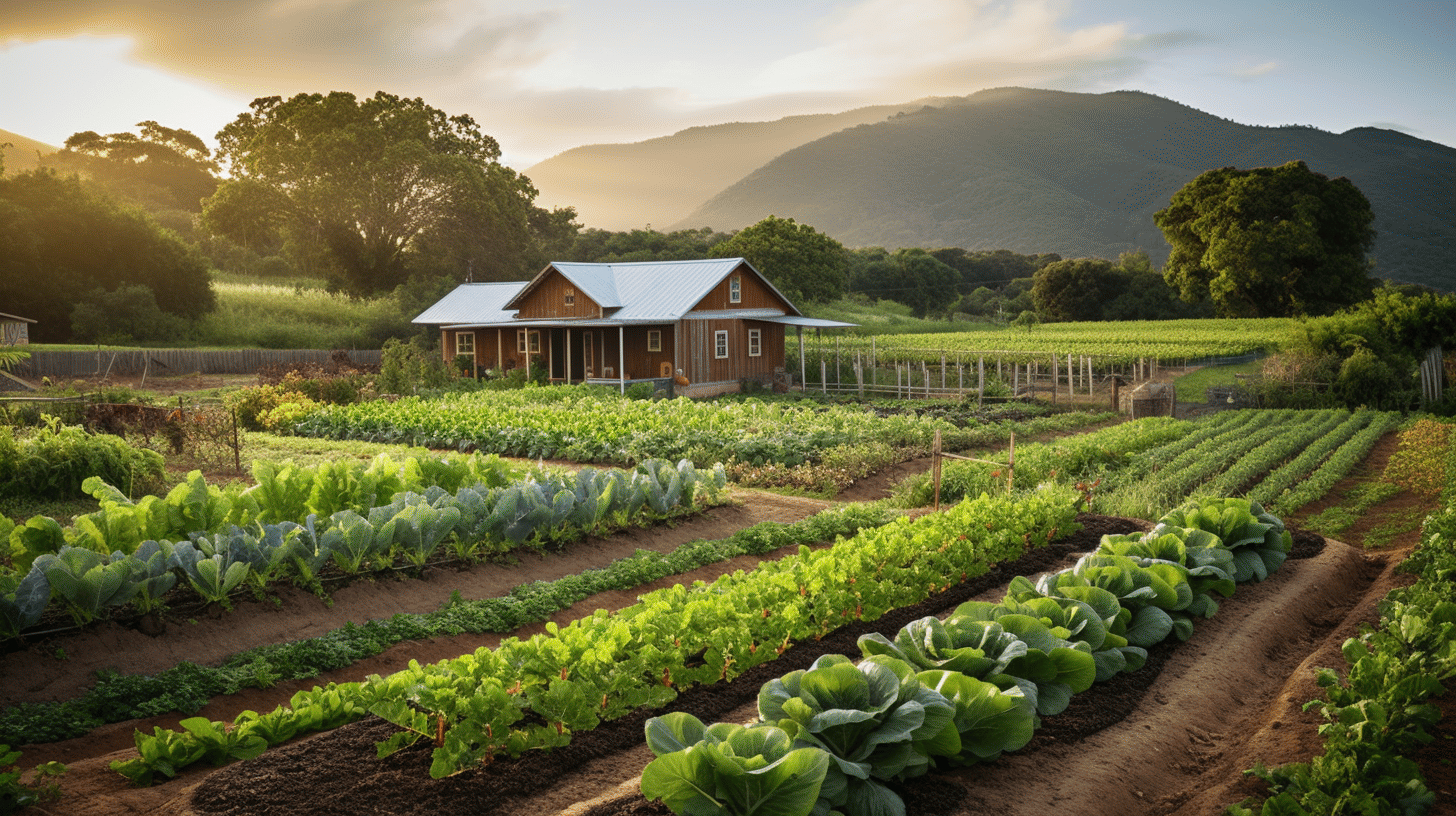
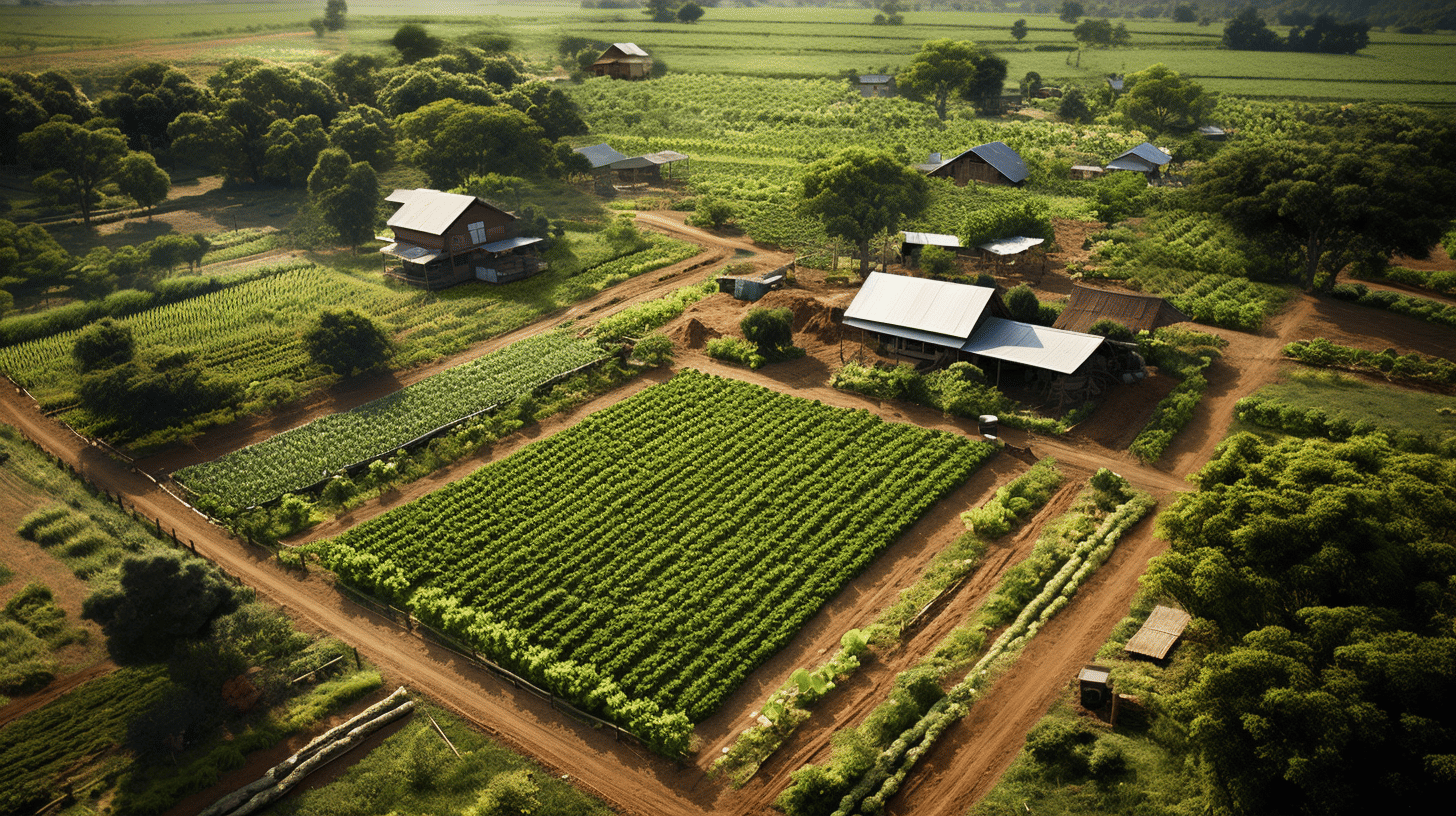
Agroforestry is a holistic farming approach that combines the benefits of trees, crops, and livestock within the same agricultural system. By harnessing the power of agroforestry, farmers can create sustainable and resilient farming practices that not only enhance their economic well-being but also contribute to environmental conservation.
In recent years, the importance of agroforestry has gained recognition as a promising solution to the challenges facing modern agriculture. With its ability to promote biodiversity, regulate pests and diseases, improve soil health, and mitigate climate change, agroforestry offers a multitude of benefits that can revolutionize the future of farming.
Through this article, we will delve into the various aspects of agroforestry, exploring its benefits, challenges, and the innovative practices that are shaping the field. From its impact on job creation and economic well-being to its role in climate change mitigation and sustainable agriculture, agroforestry demonstrates its potential to transform the way we approach food production and environmental stewardship.
So, let’s embark on this journey to uncover the power of agroforestry and discover the innovations that are ensuring a sustainable and prosperous future for farmers and the planet alike.
Agroforestry and its Benefits to Farmers
Agroforestry is a land-use system that combines trees with agricultural practices, offering numerous advantages to farmers. This innovative approach blends the cultivation of crops and the management of livestock with the integration of trees on the same plot of land. The trees in these systems can include fruit trees, timber trees, or even nitrogen-fixing trees.
One of the significant benefits of agroforestry for farmers is the creation of job opportunities and the enhancement of economic well-being. Let’s delve deeper into this aspect:
Job Creation and Economic Well-Being
Agroforestry systems have the potential to generate a significant number of jobs for farmers and rural communities. By diversifying agricultural practices and incorporating trees into their operations, farmers can expand their income streams and improve their financial stability. Here are a few ways in which agroforestry contributes to job creation and economic well-being:
- Additional income: Agroforestry allows farmers to cultivate high-value tree crops alongside traditional crops or livestock. These tree crops can fetch a higher market price, leading to increased profits and income for farmers.
- Value-added products: Agroforestry provides opportunities for farmers to produce value-added products from trees, such as timber, fruits, nuts, medicinal plants, and honey. These products not only generate additional income but also have a higher market demand, further boosting the local economy.
- Employment opportunities: Agroforestry systems require specialized knowledge and skills, creating employment opportunities in various sectors. Farmers need assistance with tree planting, maintenance, pruning, and harvesting. Additionally, agroforestry projects often involve processing and marketing activities, which can employ individuals from the local community.
- Ecotourism and agroecotourism: Agroforestry landscapes can be visually appealing and offer unique experiences for tourists. This creates opportunities for farmers to diversify their income through ecotourism activities such as guided farm tours, nature walks, birdwatching, or even hosting farm-stays. Such initiatives contribute to the local economy and promote sustainable tourism.
- Resilience to market fluctuations: Agroforestry’s diverse income sources help farmers mitigate risks associated with fluctuating market prices or crop failures. With a range of products to rely on, farmers are less vulnerable to economic shocks and can maintain a stable income throughout the year.
In conclusion, agroforestry presents immense potential for job creation and economic well-being in farming communities. By integrating trees into their agricultural practices, farmers can diversify their income streams, tap into high-value markets, and create employment opportunities. This not only improves their financial stability but also contributes to the overall development of rural economies.
(Source: World Agroforestry)
Environmental Benefits of Agroforestry
Agroforestry is not only beneficial for farmers and landowners, but it also has several positive impacts on the environment. By integrating trees and shrubs into agricultural landscapes, agroforestry contributes to the conservation of biodiversity, regulation of pests and diseases, as well as the improvement of soil, air, and water quality. Let’s delve into each of these environmental benefits in more detail.
Biodiversity Conservation
One of the key advantages of agroforestry is its ability to promote biodiversity conservation. By incorporating a variety of trees, crops, and livestock, agroforestry systems create diverse habitats that support a wide range of plant and animal species. Here are a few ways in which agroforestry enhances biodiversity:
- Habitat Creation: Trees and shrubs provide shelter, nesting sites, and food sources for many species, including birds, insects, and small mammals. This helps to increase the overall biodiversity on agricultural lands.
- Corridor Effect: Agroforestry systems can also serve as green corridors, connecting fragmented habitats and allowing for the movement of wildlife between different areas. This is particularly important for migratory species and helps maintain genetic diversity within populations.
- Pollinator Support: Agroforestry systems often attract a diverse array of pollinators, such as bees and butterflies, which are essential for crop pollination. The presence of flowering trees and shrubs provides these insects with ample sources of nectar and pollen, ensuring their abundance and the pollination of crops.
Pest and Disease Regulation
Agroforestry practices can help regulate pests and diseases in agricultural landscapes through ecological mechanisms. By enhancing natural pest control, farmers can reduce their reliance on synthetic pesticides, thus minimizing the negative impacts on both the environment and human health. Here’s how agroforestry contributes to pest and disease regulation:
- Natural Enemies: Trees and shrubs in agroforestry systems provide habitats and food sources for natural enemies of pests, such as predatory insects and birds. These natural enemies can help keep pest populations in check and reduce the need for chemical interventions.
- Microclimate Modification: The presence of trees in agroforestry systems creates microclimates that can deter unfavorable conditions for pests and diseases. For example, shade from trees can reduce the temperature and humidity levels, making it less conducive for the development of certain pests and diseases.
Soil, Air, and Water Quality
Agroforestry practices also contribute to improving soil, air, and water quality, thus promoting overall environmental health. Here’s how agroforestry positively impacts these essential components:
- Soil Quality: Trees in agroforestry systems offer numerous soil benefits, including nutrient cycling, erosion control, and increased organic matter content. The root systems of trees help stabilize the soil, preventing erosion and reducing nutrient runoff into water bodies.
- Air Quality: Trees act as natural air purifiers, absorbing and filtering pollutants from the atmosphere. In agroforestry systems, the presence of trees can help mitigate air pollution by reducing the concentrations of dust, pollutants, and greenhouse gases.
- Water Quality: Agroforestry practices can help protect water quality by reducing the leaching of agricultural chemicals into water bodies. Tree roots absorb excess nutrients and prevent their runoff, thus minimizing the risk of water pollution.
In conclusion, agroforestry has various environmental benefits that contribute to the conservation of biodiversity, regulation of pests and diseases, and the improvement of soil, air, and water quality. By adopting agroforestry practices, farmers and landowners can play a significant role in sustainable land management and environmental stewardship.
To learn more about the environmental benefits of agroforestry, check out this resource for in-depth information.
Agroforestry in Harsh Environments
Agroforestry, the practice of combining agriculture and forestry techniques, has proven to be a game-changer in addressing the challenges posed by harsh environments and challenging soils. This sustainable approach has shown remarkable potential in enhancing crop yield and improving the resilience of agricultural systems in such conditions.
Enhanced Crop Yield in Challenging Soils
One of the most significant benefits of implementing agroforestry in harsh environments is the improved crop yield. Harsh environments often come with a set of soil limitations, such as low fertility, high salinity, or waterlogging, which can hinder traditional crop production. However, by integrating trees and shrubs into the agricultural landscape, farmers can experience a range of positive effects on crop productivity. Here’s how agroforestry helps enhance crop yield in challenging soils:
- Improved Nutrient Cycling: Agroforestry systems involve the cultivation of trees alongside crops, creating a diverse and intricate root system that enhances nutrient cycling. Trees help fix nitrogen from the atmosphere, making it available for plants by enriching the soil. This nutrient enrichment leads to better plant growth and higher crop yield.
- Increased Soil Fertility: In harsh environments with poor soil quality, agroforestry offers a natural solution to improve soil fertility. Trees provide organic matter through leaf litter and root exudates, promoting the development of beneficial soil microorganisms. These microorganisms break down organic matter and release nutrients, stimulating soil fertility and creating a favorable environment for plants to thrive.
- Better Water Management: Challenging soils are often associated with water-related issues like waterlogging or rapid soil moisture drainage. Agroforestry utilizes the characteristics of certain tree species to manage water in the system effectively. Trees with deep-rooted systems can access groundwater, reducing waterlogging, while trees with shallow root systems can help in water retention and prevent rapid soil moisture drainage. This improved water management ensures more efficient water use and helps crops withstand drought or excess moisture conditions.
- Reduced Soil Erosion: Harsh environments are prone to soil erosion, which can lead to significant loss of topsoil and decrease agricultural productivity. The strategic placement of trees and shrubs in agroforestry systems acts as natural windbreaks and barriers, reducing wind erosion. Additionally, tree roots help bind the soil, preventing erosion caused by heavy rainfall or runoff, thereby protecting valuable soil resources for crop cultivation.
Agroforestry has gained recognition for its ability to enhance crop yield and improve the overall sustainability of agricultural systems in harsh environments with challenging soils. By harnessing the synergies between trees and crops, farmers can overcome the adversities posed by these conditions and achieve sustainable and productive agriculture.
To learn more about the positive impact of agroforestry on crop yields in challenging soils, check out our comprehensive guide on agroforestry practices.
Multiple Benefits of Agroforestry
Agroforestry is a sustainable land use system that combines the cultivation of trees with crops or livestock. This practice offers a multitude of benefits, encompassing environmental, economic, and social aspects. Here, we explore some of the key advantages of agroforestry that make it an integral part of sustainable land management.
Climate Change Mitigation
One of the significant contributions of agroforestry lies in its ability to mitigate climate change. Through the process of carbon sequestration, trees in agroforestry plots help remove carbon dioxide from the atmosphere and store it in their biomass and soil. This has a positive impact on reducing greenhouse gas emissions and mitigating the effects of climate change. Studies have shown that agroforestry systems can sequester substantial amounts of carbon, making them valuable in the fight against global warming.
Rural Development and Adaptation
Agroforestry plays a vital role in promoting rural development and providing adaptation benefits for communities. By diversifying income sources and enhancing food security, agroforestry offers economic stability to farmers and rural communities. The integration of trees with crops or livestock provides additional products such as fruits, nuts, timber, and fuelwood, which can be sold or consumed by the farmers themselves. This diversification also reduces the risks associated with relying solely on one type of production.
Furthermore, agroforestry systems enhance the resilience of rural communities to climate change impacts. The presence of trees helps regulate microclimatic conditions, such as temperature and humidity, which are beneficial for crop growth. Trees act as windbreaks, protecting crops from wind damage, and their roots help prevent soil erosion. These adaptive characteristics of agroforestry systems contribute to building sustainable agricultural practices in the face of climate uncertainties.
Improved Soil Health
Agroforestry has significant positive impacts on soil health and fertility. The integration of trees with crops creates a favorable environment for the growth of beneficial soil microorganisms. These microorganisms play a crucial role in nutrient cycling and soil fertility. The leaf litter and other biomass produced by trees provide organic matter to the soil, improving its structure and enhancing moisture retention. Moreover, the deep roots of trees help with nutrient uptake, accessing nutrients in the deeper soil layers that may be unavailable to shallow-rooted crops alone.
In addition to enhancing soil health, agroforestry systems also contribute to soil conservation. The presence of trees helps reduce soil erosion by intercepting raindrops and reducing runoff. They also serve as windbreaks, minimizing the risk of soil erosion caused by wind. These soil conservation measures are crucial in maintaining soil productivity and preventing the loss of valuable topsoil.
In conclusion, agroforestry offers multiple benefits that make it a valuable practice in sustainable land management. It contributes to climate change mitigation through carbon sequestration, promotes rural development and adaptation benefits, and improves soil health. The integration of trees with crops or livestock in agroforestry systems provides a win-win situation for farmers and the environment, making it a desirable approach in achieving sustainable and resilient agriculture.
Agroforestry and Food Production
Agroforestry is a sustainable land-use system that combines the cultivation of trees with agricultural crops or livestock. It is gaining popularity worldwide due to its numerous environmental and socio-economic benefits. One of the key advantages of agroforestry is its positive impact on food production.
Increased Crop Yield and Nutrient Availability
Agroforestry has been found to increase crop yield and nutrient availability across various ecological conditions. Here are some ways in which agroforestry practices contribute to improved food production:
- Tree-Crop Interactions: In agroforestry systems, trees and crops are interplanted in a complementary manner. This relationship enhances the overall productivity of the system. The trees provide shade, which can reduce moisture evaporation and weed growth, leading to improved crop performance.
- Root System Interactions: The root systems of trees and crops interact in agroforestry systems, creating a beneficial exchange of nutrients and water. Tree roots can explore deeper soil layers, accessing nutrients that are not easily available to crop roots alone. This increased nutrient uptake benefits the crops, leading to higher yields.
- Organic Matter Accumulation: The presence of trees in agroforestry systems contributes to the accumulation of organic matter in the soil. This organic matter enhances soil fertility and nutrient availability, providing a favorable environment for crop growth. Increased soil organic carbon and nitrogen levels have been observed in agroforestry systems compared to conventional agricultural practices.
- Crop Diversification: Agroforestry systems promote crop diversification by integrating different types of crops with trees. This diversification enhances the nutritional value of the overall food production. It allows for the cultivation of a wide range of fruits, vegetables, and other crops, leading to more varied and nutritionally balanced diets.
Agroforestry offers a sustainable solution to enhance food production while preserving the environment. By integrating trees with agricultural crops, agroforestry systems create synergistic relationships that result in increased crop yields and nutrient availability. It’s a win-win approach that benefits both farmers and consumers alike.
Want to learn more about the benefits of agroforestry for food production? Check out this comprehensive guide for more information.
Barriers and Solutions for Agroforestry Adoption
Agroforestry, the practice of integrating trees and shrubs with crops and livestock, has gained recognition for its potential to address multiple sustainability challenges in agriculture. However, despite its benefits, agroforestry adoption in the United States remains relatively low, accounting for less than 1% of agricultural practices. Several barriers hinder the widespread adoption of agroforestry, but thankfully, there are potential solutions to overcome these obstacles.
Current Status of Agroforestry
Agroforestry has been practiced in different parts of the world for centuries. However, in the United States, it has yet to become mainstream. The low adoption rate can be attributed to several factors, including:
- Lack of awareness: Many farmers and landowners are unfamiliar with the concept of agroforestry and its potential benefits. They may not be aware of the positive impact it can have on soil health, water quality, biodiversity, and climate resilience.
- Financial considerations: Establishing and maintaining agroforestry systems can require significant upfront investment. Farmers may be hesitant to invest in new practices without a clear understanding of the economic returns and potential risks involved.
- Limited technical knowledge: Agroforestry systems involve complex interactions between trees, crops, and animals. Farmers may lack the technical knowledge and resources necessary to implement and manage these systems effectively.
Promotion and Technical Assistance
To overcome the barriers to agroforestry adoption, it is crucial to promote awareness and provide technical assistance to farmers and landowners. Here are some potential solutions:
- Education and outreach: Conducting educational programs, workshops, and field days can help raise awareness about the benefits of agroforestry. These initiatives can target farmers, landowners, agricultural professionals, and policymakers to ensure widespread understanding and support.
- Financial incentives: Providing financial incentives, such as grants, cost-share programs, and tax benefits, can help offset the initial costs of establishing agroforestry systems. These incentives can encourage farmers to experiment with new practices and evaluate their potential for long-term profitability.
- Technical support: Developing regionalized technical assistance programs can provide farmers with the necessary knowledge and resources to implement agroforestry systems successfully. These programs can offer on-the-ground support, including site assessments, design assistance, and ongoing management guidance.
By addressing these barriers through promotion and technical assistance, we can pave the way for increased adoption of agroforestry in the United States. Agroforestry has the potential to transform our agricultural landscapes, improve ecosystem health, and enhance long-term farm sustainability. Let us work together to create a future where agroforestry becomes a mainstream practice in sustainable agriculture.
Additional Information
Agroforestry currently represents less than 1% of U.S. agriculture and requires regionalized technical assistance to promote its adoption. (Source: Internal Link)
Various Agroforestry Practices
Agroforestry is a sustainable land management practice that combines agricultural crops or livestock with trees and shrubs. It offers a range of benefits, including increased productivity, environmental conservation, and improved soil health. There are several types of agroforestry practices, each with its own unique characteristics and advantages. Let’s explore some of these practices in more detail.
Windbreaks
Windbreaks, sometimes referred to as shelterbelts, are linear plantings of trees or shrubs that are strategically placed to protect crops, livestock, or buildings from strong winds. They can be found in agricultural areas worldwide and serve multiple purposes:
- Wind reduction: Windbreaks break the force of strong winds, reducing wind speed and preventing wind erosion of soil.
- Microclimate modification: The presence of windbreaks creates a microclimate that is more favorable for crop growth, increasing yields and reducing the risk of frost damage.
- Biodiversity enhancement: Windbreaks provide habitat for wildlife and promote biodiversity within the agricultural landscape.
Riparian Forest Buffers
Riparian forest buffers are strips of trees and vegetation that are planted along rivers, streams, and water bodies. These buffers are essential for protecting water quality and providing multiple ecological functions:
- Water filtration: Riparian forest buffers act as natural filters, trapping sediment and pollutants before they enter water bodies, helping to maintain water quality.
- Soil stabilization: The deep roots of trees and vegetation help stabilize streambanks, reducing erosion and preventing the loss of valuable agricultural land.
- Wildlife habitat: Riparian buffers provide important habitat for wildlife, enhancing biodiversity and supporting the conservation of local ecosystems.
Alley Cropping
Alley cropping, also known as agroforestry alley cropping or alley farming, involves planting rows of trees or shrubs alongside agricultural crops. This practice offers several benefits:
- Nutrient cycling: Tree and shrub biomass contributes organic matter to the soil, improving soil fertility and nutrient cycling.
- Income diversification: Alley cropping provides opportunities for farmers to diversify their income streams by growing both tree crops and annual crops simultaneously.
- Soil erosion control: The presence of tree rows helps reduce soil erosion by providing physical barriers to wind and water.
Silvopasture
Silvopasture combines trees or shrubs with livestock grazing. It involves integrating trees into existing pasture or establishing new areas of trees within a grazing system. Silvopasture offers numerous advantages:
- Livestock well-being: Trees provide shade for livestock, protecting them from extreme weather conditions and heat stress.
- Forage quality improvement: A diverse range of tree species in silvopasture systems can contribute to a more varied and nutritious diet for livestock.
- Carbon sequestration: Trees in silvopasture systems help sequester carbon dioxide from the atmosphere, mitigating climate change.
Forest Farming
Forest farming involves growing high-value specialty crops, such as medicinal herbs, edible mushrooms, or non-timber forest products, under the shade of forest trees. This practice offers unique economic and ecological benefits:
- Diverse income streams: Forest farming allows farmers to diversify their income by cultivating multiple crops simultaneously in the same area.
- Conservation of forest ecosystems: Forest farming practices encourage the sustainable use of forest resources, promoting the conservation of valuable woodland habitats.
- Enhanced biodiversity: Forest farming creates habitats and conditions that support a wide range of plant and animal species.
These are just a few examples of the various agroforestry practices that farmers and land managers can adopt to enhance the sustainability and productivity of their agricultural systems. By integrating trees into agricultural landscapes, agroforestry offers a holistic approach to land management, creating synergies between agriculture, forestry, and environmental conservation.
Agroforestry as a Climate Change Solution
Carbon Sequestration
Agroforestry, a sustainable land management practice that combines the cultivation of trees with crops or livestock, is gaining recognition as a powerful solution to mitigate climate change. One of the key benefits of agroforestry is its ability to sequester carbon dioxide from the atmosphere and store it in trees and soils. Here are some important points to consider:
- Silvopasture technique: Silvopasture, a form of agroforestry that integrates trees, forage, and livestock, has been found to have the highest potential for carbon sequestration among agricultural techniques. The trees in silvopasture systems capture and store significant amounts of carbon, while providing shade for livestock and improving forage quality.
- Tree species selection: The choice of tree species in agroforestry systems can also impact their carbon sequestration potential. Certain tree species, such as fast-growing and long-lived trees, have higher carbon sequestration rates compared to others. Proper tree species selection is essential to maximize carbon uptake and storage.
- Soil carbon storage: Agroforestry practices promote the accumulation of organic matter in soils, leading to increased soil carbon storage. The roots of trees and cover crops in agroforestry systems enhance soil aggregation and nutrient cycling, contributing to improved soil health and carbon sequestration.
Agroforestry can play a significant role in offsetting greenhouse gas emissions and reducing the carbon footprint of agriculture. By implementing agroforestry practices, farmers can contribute to climate change mitigation while also benefiting from increased productivity and ecosystem services.
Climate Resilience and Job Opportunities
In addition to its carbon sequestration potential, agroforestry also offers numerous climate resilience benefits and job opportunities. Here’s why:
- Diversification of farm income: Agroforestry diversifies farmers’ income streams by combining traditional agricultural practices with the production of timber, fruits, nuts, and other non-timber forest products. This diversification helps farmers become less reliant on a single crop and provides a buffer against the impacts of climate change on agriculture.
- Improving soil and water management: Agroforestry systems enhance soil moisture retention and reduce erosion, making them more resistant to the effects of droughts and intense rainfall events. The trees act as windbreaks, reducing evaporation and protecting crops and livestock from extreme weather conditions.
- Creating job opportunities: The implementation and management of agroforestry systems require skilled labor, creating new job opportunities in rural areas. From tree planting and management to the processing and marketing of agroforestry products, there is a wide range of jobs that can benefit local economies and communities.
By embracing agroforestry, farmers can adapt to the challenges posed by a changing climate, while also contributing to sustainable economic development in their communities. The integration of trees within agricultural landscapes not only enhances biodiversity and ecosystem services but also provides a foundation for increased climate resilience and job creation.
Additional Information
- Silvopasture has the highest potential for carbon sequestration among agricultural techniques.
- Agroforestry helps farmers become more climate-resilient and generates new job opportunities.
Source: Agroforestry Research Trust
Agroforestry and Sustainable Agriculture
Integration of Agriculture, Forestry, and Ecosystem Services
Agroforestry is a farming practice that combines trees, crops, and sometimes livestock in a holistic and sustainable manner. It bridges the gap between agriculture and forestry, addressing both environmental and economic aspects. By integrating these elements, agroforestry systems offer numerous benefits that contribute to sustainable agriculture.
- Agroforestry helps to conserve water and soil through improved soil structure and reduced erosion. The trees in these systems act as a natural barrier, preventing run-off and maintaining the moisture content of the soil.
- The diverse plant species in agroforestry systems provide a habitat for a wide range of beneficial organisms, such as pollinators and natural predators of pests. This can lead to reduced reliance on chemical inputs, making agroforestry a more environmentally friendly farming approach.
- Another key benefit of agroforestry is its potential to sequester carbon dioxide from the atmosphere. Trees are excellent carbon sinks, helping to mitigate climate change by capturing and storing significant amounts of CO2.
- In addition to the ecological benefits, agroforestry also offers economic advantages. The combination of crops, trees, and livestock diversifies income streams and spreads risk, making farmers more resilient to market fluctuations and climate variability.
- Community-based agroforestry innovations in forest farmer communities have shown promising results in enhancing livelihoods. By promoting sustainable agroforestry practices, these communities can improve food security, generate income, and foster a sense of ownership and stewardship towards their natural resources.
Agroforestry systems provide a holistic approach to sustainable agriculture, considering environmental, economic, and social factors. Through the integrated management of agriculture, forestry, and ecosystem services, farmers can reap the benefits of increased productivity, improved resilience, and a healthier environment. By embracing agroforestry, we can pave the way towards a more sustainable and regenerative agricultural future.
Additional information:
- Agroforestry bridges the gap between agriculture and forestry, addressing both environmental and economic aspects.
- Community-based agroforestry innovations enhance livelihoods in forest farmer communities.
Innovations in Agroforestry
Agroforestry has been revolutionizing the agricultural landscape, with research agencies at the forefront of developing innovative practices that not only increase productivity but also improve long-term sustainability. These advancements have the potential to reshape the way we grow food and manage our natural resources.
Research Agency Innovations
Research agencies, such as the International Centre for Research in Agroforestry (ICRAF) and the World Agroforestry Centre (ICRAF), play a crucial role in driving the development and adoption of agroforestry innovations. Through extensive research and collaboration with farmers and experts, these agencies have been able to uncover groundbreaking solutions that address the challenges faced by agriculture today. Here are just a few examples of their innovative practices:
- Silvopasture Systems: Integrating trees, forage crops, and livestock, silvopasture systems provide multiple benefits. Trees provide shade for livestock, reduce soil erosion, and improve soil fertility, while the presence of livestock helps maintain vegetation and manages pests.
- Alley Cropping: This practice involves planting rows of trees or shrubs alongside crops, creating a “alley” effect. The trees can provide additional income through the production of timber or fruits, protect crops from wind and erosion, and enhance biodiversity.
- Agroforestry Intercropping: Intercropping involves growing two or more species together, such as combining timber trees with food crops or nitrogen-fixing legumes. This approach maximizes land use efficiency, promotes nutrient cycling, and provides a diversified income for farmers.
These and many other innovative practices have the potential to transform agriculture into a more sustainable and resilient system.
Benefit to Insect Pollinators
In addition to increasing productivity, agroforestry practices have also been shown to provide significant benefits to insect pollinators. Insects such as bees, butterflies, and beetles play a crucial role in pollinating crops, ensuring their reproduction and ultimately our food production. However, insect populations have been declining due to habitat loss, pesticide use, and other factors.
Research has shown that agroforestry systems can have a positive impact on insect pollinators by:
- Increasing Habitat: The presence of trees and shrubs in agroforestry systems provides additional nesting sites and food sources for pollinators, enhancing their habitat and promoting population growth.
- Providing Floral Resources: Trees and shrubs in agroforestry systems often produce flowers that attract pollinators. This increases the availability of nectar and pollen, ensuring a stable food supply for these important insects.
- Reducing Exposure to Pesticides: Agroforestry systems can act as buffers, reducing the direct exposure of pollinators to harmful pesticides. The presence of trees and shrubs can intercept and absorb pesticide residues, thus protecting pollinators and maintaining their health.
By doubling the number of insect pollinators, agroforestry practices not only benefit food production but also contribute to the overall health of ecosystems.
In conclusion, research agency innovations in agroforestry have the potential to enhance agricultural productivity and promote sustainability. These innovations, coupled with the benefits they provide to insect pollinators, have the power to drive positive change in our agricultural systems for a more secure and resilient future.
Conclusion
In conclusion, harnessing the power of agroforestry is not only essential for sustainable farming but also has far-reaching benefits for farmers, the environment, and food production. Agroforestry promotes job creation and economic well-being for farmers, while also conserving biodiversity, regulating pests and diseases, and improving soil, air, and water quality. It plays a crucial role in enhancing crop yields, even in challenging soils, and offers multiple benefits such as climate change mitigation, rural development, and improved soil health.
With agroforestry, farmers can experience increased crop yield and nutrient availability, leading to better food production and food security. While there may be barriers to agroforestry adoption, such as limited knowledge and technical assistance, promoting and providing support can help overcome these obstacles. Different agroforestry practices, including windbreaks, riparian forest buffers, alley cropping, silvopasture, and forest farming, offer versatile options for integrating trees and crops.
Agroforestry serves as a climate change solution by sequestering carbon and enhancing climate resilience while creating job opportunities. By integrating agriculture, forestry, and ecosystem services, agroforestry contributes to sustainable agriculture and the preservation of our natural resources. Innovations in agroforestry, such as those developed by research agencies, can further improve its effectiveness and benefit insect pollinators.
In this era of sustainable and regenerative farming practices, agroforestry stands as a powerful approach that nurtures the environment while meeting the needs of farmers and communities. As enthusiastic supporters of regenerative agriculture, Regenerative Agriculture Wiki invites you to explore our comprehensive content on this topic. Join us in fostering a future where agriculture and ecology thrive in perfect harmony.
Frequently Asked Questions
- What is agroforestry?
Agroforestry is a land management system that combines elements of agriculture and forestry, where trees or shrubs are grown in harmony with crops and livestock. It aims to create sustainable and productive ecosystems, providing economic, social, and environmental benefits.
- What are the benefits of agroforestry?
Agroforestry offers numerous benefits such as improved soil fertility, increased biodiversity, enhanced carbon sequestration, higher crop yields, diversified income sources, reduced erosion, and improved water and air quality.
- What are some innovations in agroforestry?
Innovations in agroforestry include alley cropping, where crops are grown between rows of trees, silvopasture, which integrates trees with livestock grazing, and agroforestry for carbon offsets, where trees are planted to sequester carbon and generate credits.
- Can agroforestry be implemented on small farms?
Yes, agroforestry can be implemented on small farms. In fact, it is highly suitable for small-scale farmers as it optimizes land use, enhances ecosystem resilience, and provides additional income streams through tree-based products or services.
- How can one get started with agroforestry?
To get started with agroforestry, one can seek guidance from local agricultural extension services or agroforestry organizations. It is also beneficial to attend workshops, read publications, and connect with experienced agroforestry practitioners for valuable insights and advice.