Polycultures: A Sustainable Farming Approach for Greater Resilience
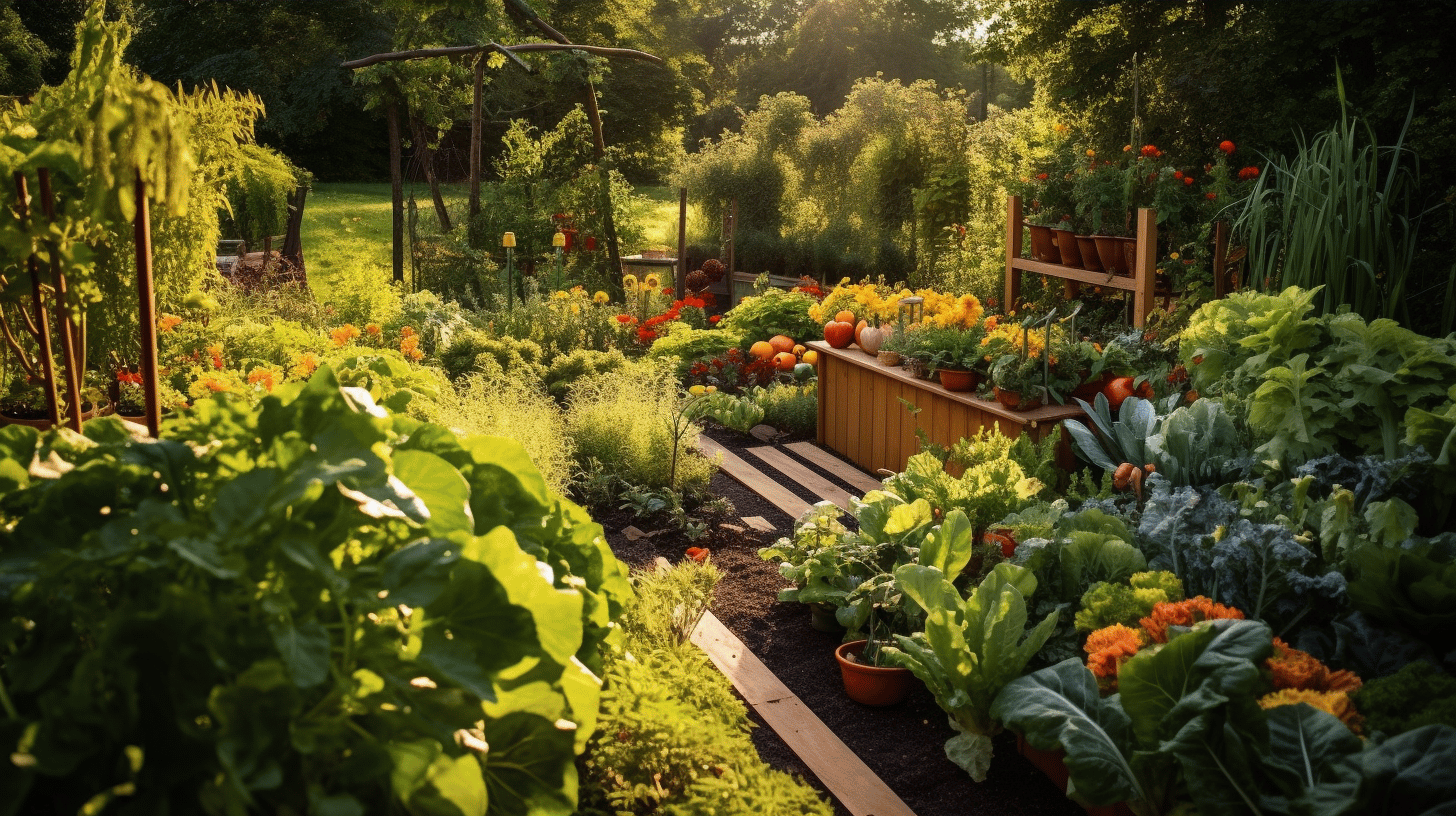
When it comes to farming, finding sustainable practices that can help farmers adapt to the challenges of a changing climate is crucial. One such practice gaining popularity is polycultures. This unique approach involves growing multiple crops together in a single field, mimicking the diversity found in natural ecosystems.
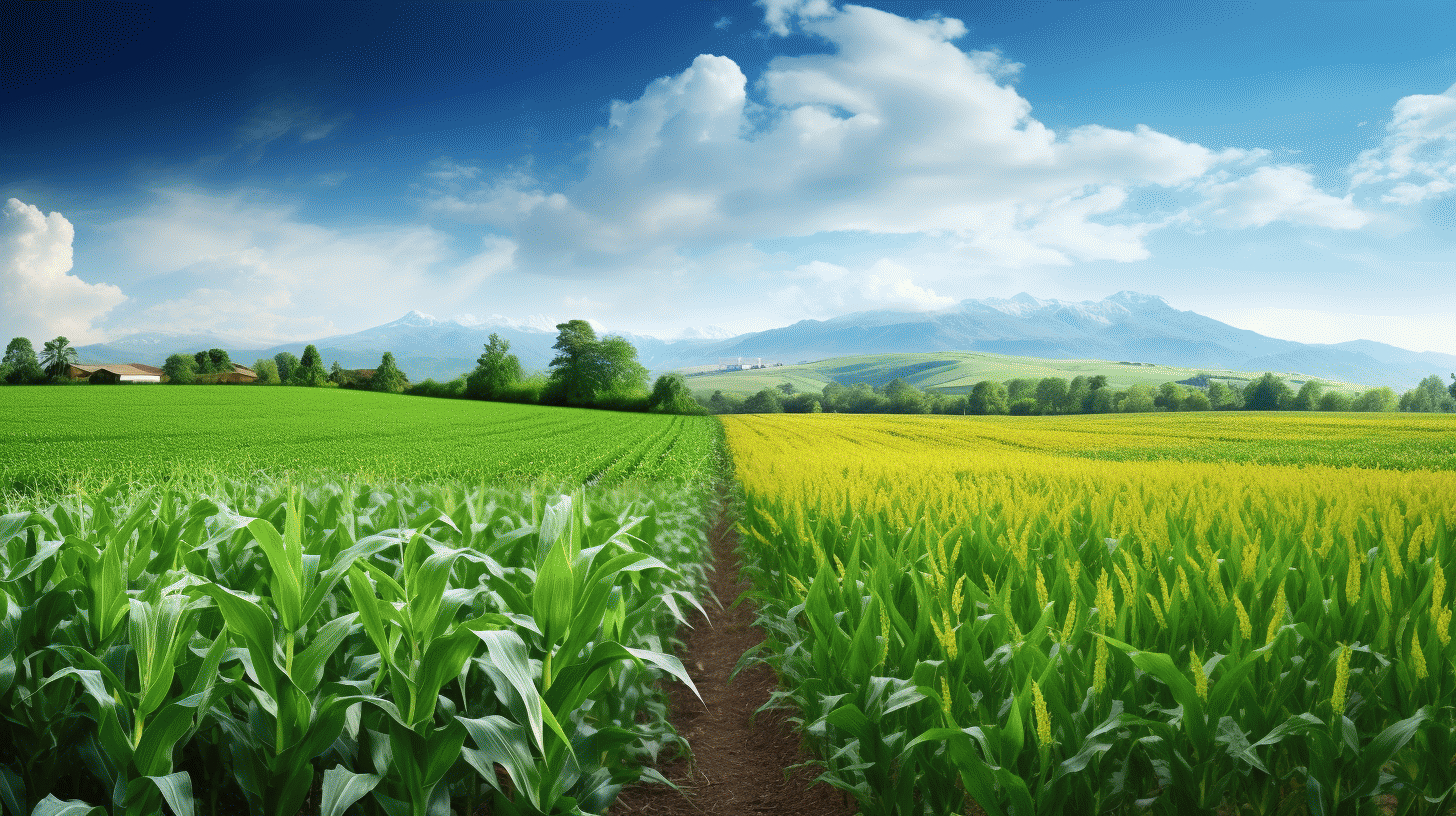
Polycultures, also known as mixed cropping or intercropping, stand in direct contrast to the conventional monoculture farming system, where a single crop dominates the landscape. By diversifying plant species and incorporating a variety of crops, polycultures offer a range of benefits that make them an attractive option for farmers seeking resilience and long-term sustainability.
Through this article, we will explore the different benefits, challenges, and potential applications of polycultures. We will also delve into the various techniques and settings that can be used to implement this innovative farming approach. So let’s dive in and discover how polycultures can transform the agricultural landscape for the better.
Benefits of Polycultures
Polycultures are farming systems that involve growing multiple crops together in the same field. This approach stands in contrast to monocultures, where a single crop is grown in isolation. Polycultures offer several benefits that can make them a compelling choice for farmers. From increased farm resilience to higher yield potential, let’s explore the advantages of implementing polycultures:
Increased Farm Resilience
One of the significant benefits of polycultures is their ability to enhance farm resilience. By diversifying the range of crops grown, farmers can reduce their vulnerability to external shocks such as extreme weather events or disease outbreaks. If one crop fails or is affected by a pest or disease, other crops in the polyculture can still thrive and provide a source of income. This resilience helps farmers maintain their livelihoods and mitigate the risks associated with relying solely on one crop.
Stable Yields
Polycultures also offer the advantage of more stable yields compared to monocultures. The combination of different crops in a single field helps to balance the variability in crop performance. Some crops may perform better in certain conditions, while others may struggle. By diversifying the crop mix, farmers can average out the fluctuations in yield, resulting in a more dependable and predictable harvest.
Pest and Disease Reduction
Greater crop diversity in polycultures can significantly reduce the risk of pests and diseases. Monocultures create an ideal environment for pests and diseases to thrive, as there is a continuous source of their preferred crop. In polycultures, pests and diseases are less likely to spread quickly as they encounter a variety of crops, making it more challenging for them to establish a stronghold. This natural form of pest and disease management minimizes the need for chemical interventions, reducing the environmental impact and potential health risks associated with pesticide use.
Higher Yield Potential
Did you know that annual plants in polycultures can produce larger seeds, resulting in higher yields? This phenomenon, known as the “companion crop effect,” harnesses the positive interactions between different species. When grown together, certain crops support and enhance the growth and productivity of others. This mutualistic relationship can lead to increased overall crop yields and improved nutrition.
Addressing Shifting Cultivation Challenges
Polyculture farming has tremendous potential in addressing the challenges faced by developing nations with a dependence on shifting cultivation practices. Shifting agriculture involves clearing land, planting crops for a few years until soil fertility is depleted, and then moving to a new area. This unsustainable practice leads to deforestation, soil erosion, and loss of biodiversity. By implementing polycultures, farmers can maintain continuous production on the same plot of land while maintaining soil health and promoting biodiversity conservation.
Weed Suppression
In polycultures, intercropping systems play a crucial role in suppressing weeds naturally. Through shading or the release of natural plant toxins, the presence of multiple crops can effectively inhibit weed growth. This reduces the need for herbicides and manual labor to control weeds, saving time and resources for farmers.
Overall, the benefits of polycultures make them an attractive option for farmers looking to improve their farm’s sustainability, resilience, and productivity. By diversifying crops, polycultures can offer stable yields, reduce pest and disease pressure, increase yield potential, address shifting cultivation challenges, and suppress weeds naturally. Implementing polycultures can contribute to the long-term sustainability and success of agricultural systems worldwide.
Transitioning to Polyculture
Polyculture farming is gaining popularity as an environmentally sustainable alternative to monoculture. By planting a diverse range of crops on a single farm, farmers can unlock numerous benefits for both their yields and the surrounding ecosystem. In this section, we will explore the incentives for farmers to transition to polyculture and the positive impact it has on biodiversity.
Incentives for Farmers
There are several attractive incentives for farmers to make the shift from monoculture to polyculture farming:
- Higher Yields: Polyculture farming has been shown to provide higher yields compared to monoculture. By diversifying their crops, farmers can reduce the risk of crop failures due to pests, diseases, or adverse weather conditions. Different crops have different nutrient needs and growth patterns, which means that nutrient uptake and water utilization can be optimized, leading to improved overall productivity.
- Improved Soil Health: Monocultures can deplete the soil of specific nutrients and increase the risk of soil erosion. Polyculture farming, on the other hand, promotes soil health and fertility. The diverse range of crops helps create a balanced nutrient cycle, as different plants have varying nutrient requirements. Additionally, the roots of different plants have varying depths, which helps prevent soil compaction and promotes better water infiltration.
- Reduced Input Costs: Polyculture farming can help reduce input costs for farmers. By diversifying their crops, farmers can reduce the reliance on synthetic fertilizers and pesticides, as different plants can naturally break pest and disease cycles. Moreover, the risk of yield losses due to pest outbreaks is lower in polycultures compared to monocultures, reducing the need for expensive pest control measures.
Positive Impact on Biodiversity
In addition to the incentives mentioned above, transitioning to polyculture farming can have a positive impact on biodiversity. Here’s how:
- Supporting Bird Species Richness: Studies have shown that polycultures support greater bird species richness compared to monocultures. The diverse range of crops provides birds with a variety of food sources, nesting habitats, and shelter. By creating a more diverse and hospitable environment, polyculture farming can contribute to the conservation of bird species and help maintain a healthy ecological balance.
- Enhancing Pollinator Populations: The presence of diverse flowering crops in polycultures attracts a wider range of pollinators, such as bees, butterflies, and other insects. Enhanced pollinator populations lead to increased pollination of crops, resulting in better fruit set and higher yields. By providing a diverse and abundant source of nectar and pollen, polycultures play a crucial role in supporting pollinator communities and promoting the sustainability of agricultural ecosystems.
To achieve the full potential of polyculture farming, it is crucial to design well-planned and properly managed polycultures that take into account crop compatibility, planting patterns, and rotational strategies. When done right, polyculture farming can produce win-win outcomes for both crop yield and biodiversity, benefiting farmers and the environment alike.
Environmental Benefits of Polycultures
Polycultures, also known as mixed or diverse cropping systems, offer numerous environmental benefits that make them an attractive option for sustainable agriculture. This section will explore some of the key advantages of incorporating polycultures into farming practices. Let’s dive in!
Improved Soil Quality and Fertility
One significant advantage of polycultures is their ability to enhance soil quality and fertility. Unlike monocultures, which rely on a single crop, polycultures involve planting a variety of crops together in the same field. This diverse planting approach has several positive effects on the soil:
- Nutrient Cycling: Polycultures foster efficient nutrient cycling by incorporating nitrogen-fixing plants like legumes, clover, and lupine. These plants have a unique ability to convert atmospheric nitrogen into a form that can be used by other crops. By doing so, they reduce the need for synthetic fertilizers, which can be detrimental to the environment.
- Erosion Control: The dense canopy created by different crops in a polyculture helps protect the soil from erosion caused by wind and water. This protective layer reduces the risk of soil degradation and helps maintain soil structure, preventing the loss of precious topsoil.
- Increased Organic Matter: The cultivation of diverse crops in polycultures leads to a higher input of organic matter into the soil. As plants grow and die, their residues contribute to the build-up of organic matter. This, in turn, improves soil structure and water-holding capacity, making the soil more resilient to droughts and floods.
Reduced Greenhouse Gas Emissions
Another compelling reason to adopt polycultures is their potential to reduce greenhouse gas emissions. Monocultures often require intensive input of synthetic fertilizers, which release significant amounts of nitrous oxide (N2O), a potent greenhouse gas. On the other hand, polycultures can mitigate emissions through:
- Nitrogen Fixation: As mentioned earlier, nitrogen-fixing plants in polycultures reduce the need for synthetic fertilizers. Since the production of synthetic fertilizers is an energy-intensive process that contributes to greenhouse gas emissions, the use of polycultures helps to minimize these emissions.
- Diverse Plant Species: The combination of different plant species in polycultures enhances overall carbon sequestration. By capturing carbon dioxide from the atmosphere through photosynthesis, polycultures can help mitigate the impacts of climate change.
Promoting Biodiversity
Polycultures play a crucial role in promoting biodiversity on agricultural lands. By intercropping different species, these systems create a habitat that supports a wide range of organisms, including beneficial insects, pollinators, and soil microorganisms. Here are a few ways in which polycultures contribute to biodiversity conservation:
- Natural Pest Control: The diverse plant community in polycultures attracts a variety of insects, including those that prey on agricultural pests. This natural pest control reduces the reliance on synthetic insecticides, which can be harmful to both the environment and human health.
- Pollination Support: The presence of multiple flower species in polycultures provides a diverse food source for pollinators, such as bees and butterflies. This improves pollination rates, benefiting both crop yields and wild plant populations.
- Ecological Resilience: The resilience of ecosystems relies on biodiversity. Polycultures create ecological niches that support a wide array of species, making agricultural landscapes more resilient to pests, diseases, and other disturbances.
Regenerative Farming Practices
Polycultures align with the principles of regenerative farming, a holistic approach that aims to restore and enhance the health of agricultural ecosystems. By integrating diverse crops, these practices reduce the need for external inputs like fertilizers and pesticides, leading to:
- Reduced Environmental Impact: The use of polycultures reduces the leaching of agrochemicals into water bodies, minimizing pollution and protecting aquatic ecosystems. It also decreases the risk of pesticide resistance and minimizes soil degradation.
- Enhanced Ecological Intensification: Ecological intensification refers to increasing agricultural output while simultaneously reducing negative environmental impacts. Through their ability to increase yields, enhance soil health, and provide ecosystem services, polycultures contribute to the ecological intensification of farming systems.
In conclusion, polycultures offer a range of environmental benefits, from improved soil quality and reduced greenhouse gas emissions to promoting biodiversity and facilitating regenerative farming practices. By embracing these diverse cropping systems, farmers can cultivate more sustainable and resilient agricultural landscapes, benefiting both the environment and society as a whole.
Challenges and Potential of Polycultures
Polycultures, the practice of growing multiple crops together in the same field, have gained attention in modern agriculture. While this approach offers numerous advantages, it also poses its share of challenges. From complications in management to the exploration of special grain crop production, let’s delve into the potential and hurdles of polycultures.
Complications in Management
Managing polycultures can be more complex compared to traditional monoculture farming. The diversity of crops within a field introduces various factors that need careful consideration. Here are some challenges that farmers may encounter when implementing polyculture systems:
- Different growth rates: Crops grow at different speeds, which can make it challenging to optimize inputs such as irrigation, fertilization, and pest control. Crop growth rates can vary due to factors like soil conditions, climate, and crop genetics.
- Days to maturity: Each crop in a polyculture system has its own time frame for reaching maturity. This means that harvesting may need to be done at different times for each crop, requiring careful planning and coordination.
- Harvest requirements: The process of harvesting polycultures can be more labor-intensive due to the diversity of crops. Each crop may have different harvesting techniques and equipment requirements.
While these complications present challenges, they also offer potential benefits. The diversity of polycultures can lead to increased ecological resilience, reduced pest and disease incidence, enhanced soil health, and improved overall crop yields.
Exploring Special Grain Crop Production
In addition to the associated management challenges, researchers are exploring the potential of polycultures to produce special types of grain crops. By combining different crops in a field, farmers can experiment with crop combinations and explore new possibilities. Here are some areas of exploration:
- Nutritional enhancement: Polycultures can be designed to incorporate crops with complementary nutritional profiles. For example, combining grains with legumes can enhance the overall protein content of the harvest.
- Climate adaptation: Polycultures can be customized to better withstand climate challenges like heat stress, water scarcity, or extreme weather events. Crop diversification can help mitigate the impacts of climate change on agriculture.
- Market demands: Polycultures offer the flexibility to adapt to changing market demands. Farmers can experiment with diverse crop combinations to cater to specific consumer preferences or niche markets.
Through ongoing research and experimentation, the potential benefits of polycultures in special grain crop production are being explored. These findings can pave the way for more sustainable and efficient farming practices that optimize both productivity and environmental stewardship.
Polycultures have the capacity to revolutionize modern agriculture by enhancing biodiversity, improving ecological resilience, and addressing market demands. However, it’s crucial to address the complexities associated with managing diverse crop systems effectively. Through innovative practices and continued research, the potential of polycultures can be harnessed to create a more sustainable and resilient agricultural system for the future.
Application of Polycultures
Polycultures, or the practice of cultivating multiple plant species together, have gained significant attention in recent years for their numerous benefits in agriculture. This holistic farming approach offers a sustainable solution to many challenges faced in conventional monoculture farming. By embracing polyculture farming, farmers can unlock a multitude of advantages that contribute to the overall health and productivity of their ecosystems. Let’s explore some of the practical applications of polycultures:
Restoring Soil Ecosystems
One of the key advantages of polyculture farming lies in its ability to restore soil ecosystems. Monoculture farming often depletes soil nutrients and disrupts the diverse microbial community necessary for plant health. However, by incorporating a variety of plants into their fields, farmers can promote biodiversity in the soil. This diversity enhances soil structure, increases water retention, and improves nutrient cycling, ultimately leading to healthier and more productive soils.
Reducing Pesticide and Water Usage
Polycultures have the potential to significantly reduce the reliance on chemical pesticides and herbicides. By planting a diverse array of crops, farmers can naturally control pests and diseases without resorting to synthetic chemicals. This integrated pest management approach reduces the need for expensive inputs, minimizes environmental contamination, and conserves water resources. Additionally, the variety of plants in a polyculture system can help regulate water usage by creating a more balanced and efficient ecosystem.
Enhancing Food Security
In a world grappling with food insecurity, the adoption of polycultures can play a vital role in ensuring food availability and stability. By growing a range of crops, polyculture farming provides a diversified and resilient food production system. This approach mitigates the risk associated with relying on a single crop, as multiple crops can compensate for each other in case of crop failure or environmental challenges. Furthermore, polycultures support local and traditional food systems, giving communities access to a broader range of nutritious foods.
Diversification and Risk Spreading
Polyculture farming provides opportunities for small and subsistence farmers to diversify their income streams while spreading production risks. By cultivating different crops together, farmers can tap into various markets and benefit from the different growth stages and market seasons of the plants. This diversification can help reduce vulnerability to market fluctuations and climatic uncertainties, ensuring a more stable livelihood for farmers.
Addressing Environmental Degradation
Researchers are increasingly recognizing the potential of polycultures to address environmental degradation and enhance biodiversity. By creating habitats for beneficial insects, pollinators, and other wildlife, polycultures contribute to the conservation of biodiversity and the preservation of natural ecosystems. Furthermore, the complex and intertwined nature of polycultures helps reduce soil erosion, improve water quality, and mitigate carbon emissions, making them an effective tool in combating climate change and promoting sustainable land management practices.
Polyculture farming represents a promising approach that can revolutionize the agricultural industry by prioritizing ecological principles and sustainable practices. By adopting polyculture systems, farmers can restore soil health, reduce reliance on synthetic inputs, foster food security, diversify income, and contribute to environmental conservation. As we delve deeper into the potential of polycultures, it becomes evident that this farming approach offers a viable and effective solution to the challenges faced by conventional monoculture farming.
Polyculture Techniques and Settings
Polyculture techniques and settings play a crucial role in optimizing the benefits of this sustainable farming approach. By implementing these techniques, farmers can create scalable and high-yielding systems that promote nutrient removal and conservation, as well as address specific challenges related to certain settings. Let’s explore some of the key techniques and settings used in polycultures:
Scalable and High-Yielding Systems
Polycultures have shown great potential for scalability and high yields when properly implemented. Some of the techniques used to achieve this include:
- Companion planting: Planting crop combinations that complement and support each other’s growth. For example, intercropping legumes with cereal crops can enhance soil fertility through nitrogen fixation.
- Crop rotation: Rotating crops on a regular basis helps prevent soil nutrient depletion and reduces the risk of pests and diseases. This technique improves overall soil health and maximizes yields.
- Strip cropping: Alternating different types of crops in narrow strips can prevent the spread of pests and diseases while optimizing the use of resources such as water and sunlight.
- Succession planting: Planting crops in a continuous sequence to ensure a steady supply of fresh produce throughout the growing season. This technique increases overall productivity and reduces the risk of crop failure.
- Agroforestry: Integrating trees and shrubs into farming systems to provide shade, prevent soil erosion, and enhance biodiversity. Agroforestry systems can also provide additional income streams through the sale of timber, fruits, or nuts.
Nutrient Removal and Conservation
Polycultures are known for their capacity to efficiently manage and conserve nutrients in the soil. Some techniques used to achieve this include:
- Cover cropping: Planting cover crops between main crops helps reduce soil erosion, suppress weeds, and improve soil fertility by adding organic matter when they are incorporated back into the soil.
- Green manure: Growing leguminous cover crops, such as clover or vetch, that fix nitrogen from the atmosphere and release it into the soil when they decompose. This reduces the need for synthetic fertilizers and improves soil nutrient content.
- Composting: Creating compost from organic waste materials such as crop residues, animal manure, and kitchen scraps. This nutrient-rich compost can then be applied to the soil, enhancing its fertility and promoting healthy plant growth.
Pond Polyculture
In settings where there are water bodies such as ponds or reservoirs, polyculture techniques can be specifically adapted to take advantage of these aquatic environments. Some methods used include:
- Integrated fish farming: Combining the cultivation of fish species with the production of aquatic plants or other aquatic organisms. This integrated approach maximizes the use of resources, such as fish waste being used as fertilizer for plants, while also providing additional food sources or income streams.
- Aquatic plant cultivation: Growing plants such as water hyacinth or water spinach in the pond, which can serve as a nutrient source for fish and provide an additional food source for farmers.
By utilizing these techniques and adapting them to specific settings, farmers can harness the full potential of polycultures to achieve sustainable and resilient agricultural systems.
Did you know? The use of polycultures in pond systems, known as pond polyculture, has been practiced for centuries in countries like China and Bangladesh, where it has proven to be a highly efficient and sustainable way of producing food. This technique not only enhances food security but also contributes to the conservation of water resources and biodiversity. Learn more about pond polyculture.
Frequently Asked Questions
- What is polyculture farming?
Polyculture farming is a sustainable agricultural method that involves growing multiple crop species and/or raising multiple livestock species in the same field or farm. It promotes biodiversity, reduces the risk of crop failure, and enhances overall farm resilience.
- What are the benefits of polyculture farming?
Polyculture farming offers several benefits, including increased crop yields, natural pest control, soil fertility improvement, reduced dependence on chemical inputs, enhanced biodiversity, and improved farm resilience to climate change and other challenges.
- How does polyculture farming differ from monoculture farming?
Unlike monoculture farming, which involves growing a single crop species over a large area, polyculture farming focuses on diversifying crops and/or livestock on the same farm. This diversification promotes ecological balance, reduces the risk of pests and diseases, and improves soil health.
- Can polyculture farming be economically viable?
Yes, polyculture farming can be economically viable. Although it may require more planning and management compared to monoculture farming, polyculture systems often have lower input costs (e.g., chemical fertilizers and pesticides) and can generate higher profits through diversification, increased yields, and better ecosystem services.
- Are there any challenges to implementing polyculture farming?
Implementing polyculture farming can pose challenges such as crop compatibility and management, marketing diverse products, and adapting to changing market demands. However, proper planning, knowledge sharing, and community support can help overcome these challenges.