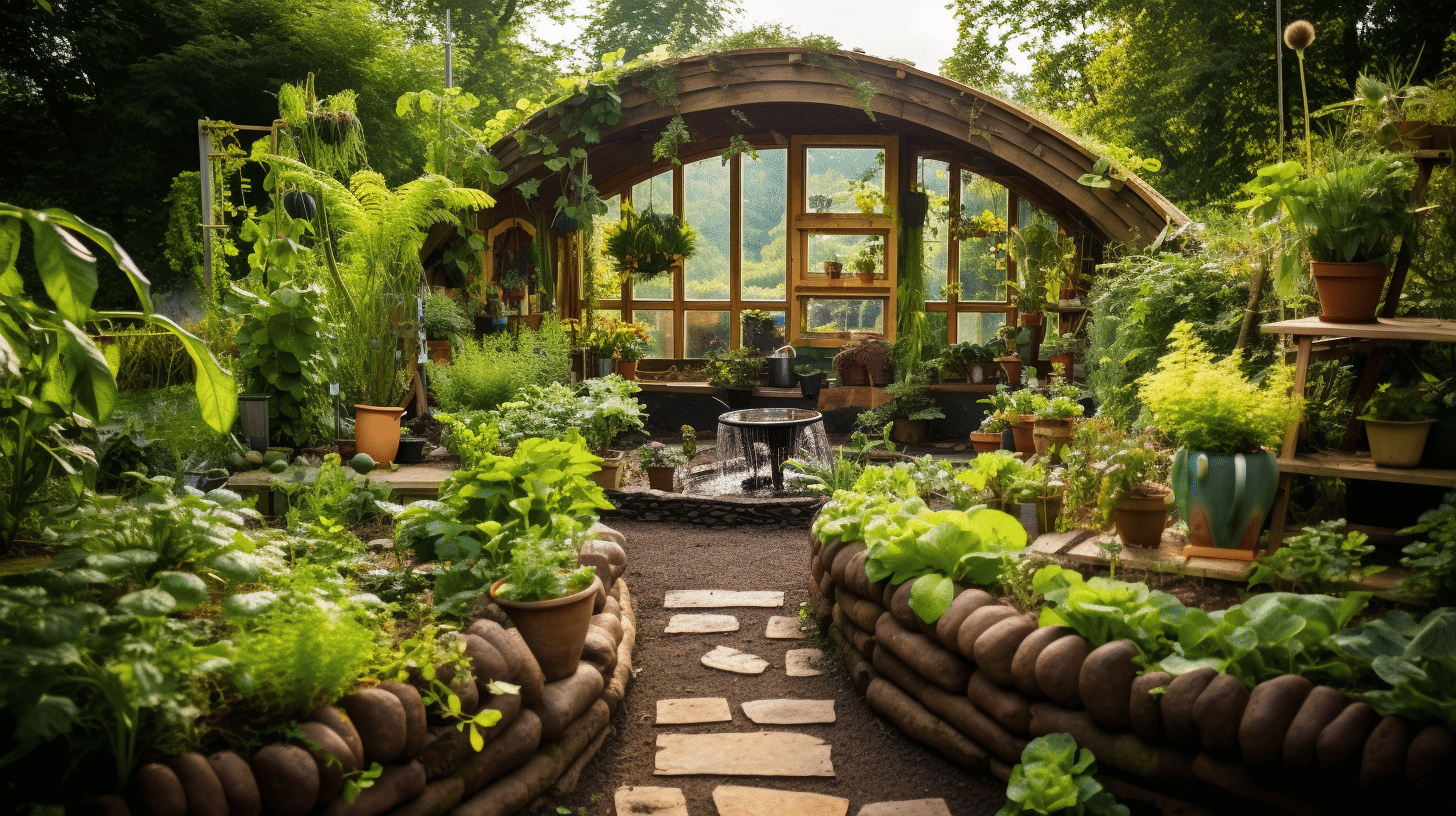
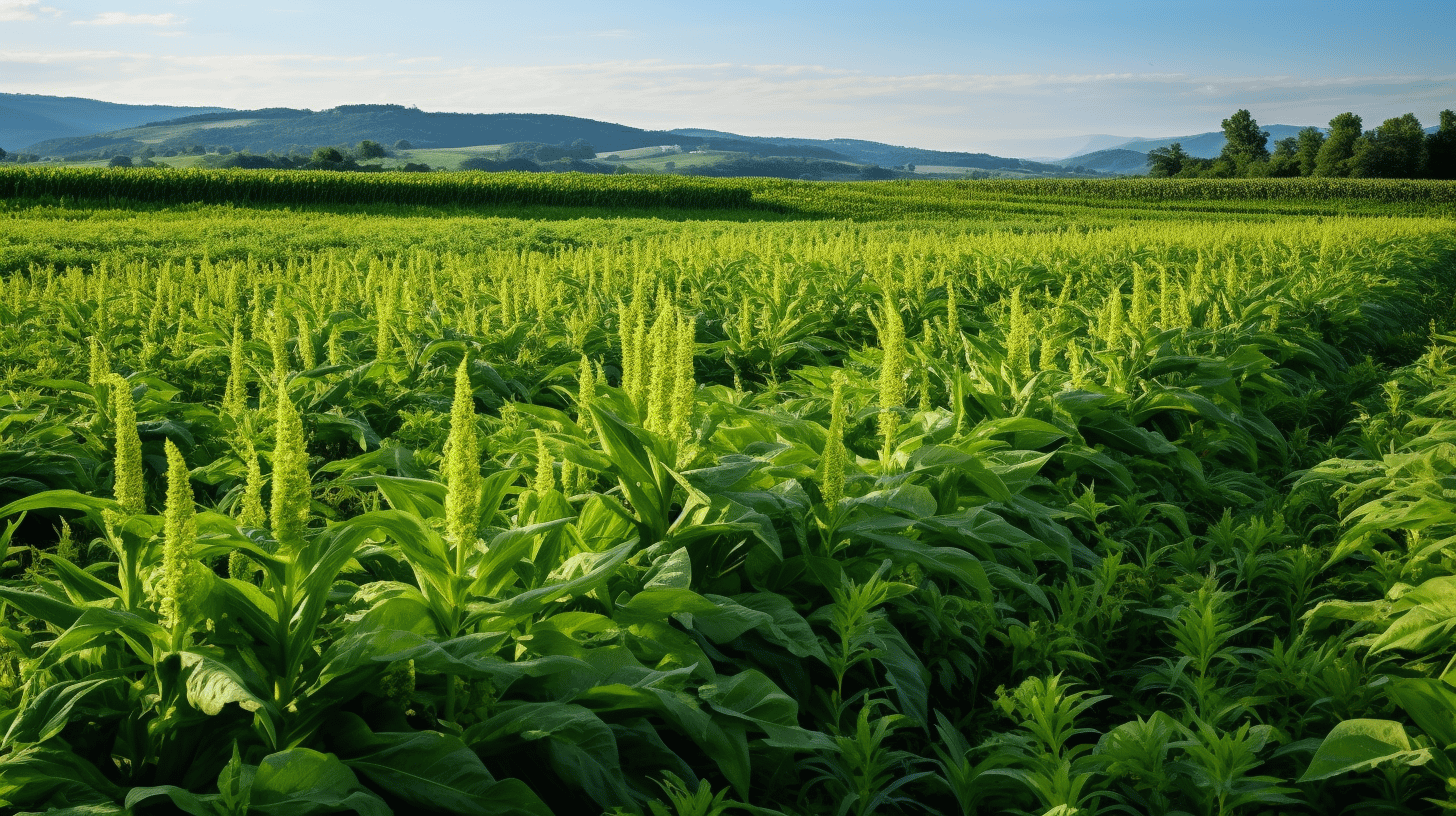
Imagine a world where agriculture is not just about maximizing yields or fending off pests and diseases. Instead, it is a harmonious and holistic approach that mimics the patterns and processes of natural ecosystems. This is the realm of permaculture, a design philosophy that aims to create sustainable and regenerative systems that are resilient to environmental challenges.
In recent years, interest in permaculture has grown as people recognize the need for more sustainable agricultural practices. By integrating diverse plant species and leveraging natural processes, permaculture-inspired polycultures offer a promising solution to the limitations and drawbacks of traditional monoculture farming.
In this article, we will explore the power of polycultures, the principles of permaculture design applied to them, and the role of permaculture in shaping the future of agriculture. We will also discuss the importance of data and research in developing resilient polycultures, as well as the practical application of permaculture principles at different scales.
So, whether you are a farmer looking to transition to more sustainable practices or a gardener seeking ways to enhance your garden’s resilience, join us on this journey as we dive into the world of permaculture and discover how it can revolutionize our approach to food production.
The Power of Polycultures
Have you ever heard of the saying, “Strength in diversity”? Well, this principle holds true in the world of agriculture as well. Farmers and gardeners have been realizing the power of polycultures – the practice of growing multiple crop species together – and its numerous benefits. In this article, we will explore the advantages of polycultures, with a particular focus on their resilience to pests and pathogens, making them an excellent choice for sustainable and productive farming practices.
Benefits of Polycultures
Polycultures offer a myriad of advantages that make them an attractive option for farmers and gardeners alike. Here are some of the key benefits:
- Enhanced biodiversity: By growing a diverse range of crops, polycultures promote biodiversity on the farm. This diversity creates a more balanced ecosystem, fostering the presence of beneficial insects, birds, and microbes that can help in controlling pests and diseases naturally.
- Improved soil fertility: Different crops have different nutrient requirements and root structures. When grown together in a polyculture, they can complement each other, reducing nutrient imbalances and enhancing soil fertility. This synergy often leads to increased soil organic matter, moisture retention, and overall soil health.
- Efficient resource utilization: When different crops are grown together, they utilize resources such as water, sunlight, and nutrients more efficiently. Some plants may have deeper roots, accessing nutrients that are out of reach for others. This resource sharing minimizes wastage and maximizes the productivity of the land.
- Crop resilience: Polycultures offer resilience in the face of environmental challenges. By diversifying the plant species, the risk of total crop failure due to pests or diseases is significantly reduced. Even if one crop is affected, the others can compensate for the loss, ensuring a more stable and reliable harvest.
Resilience to Pests and Pathogens
One of the most remarkable advantages of polycultures is their resilience to pests and pathogens. When different crops are grown together, the risk of widespread pest infestation or disease outbreak decreases. Here’s why polycultures excel in this aspect:
- Natural pest control: In a polyculture, the presence of diverse plant species attracts a wider range of beneficial insects and birds. These natural predators help in controlling pests, creating a balanced ecosystem where pests are kept in check without the need for chemical interventions.
- Physical barriers: Certain plant combinations in polycultures can act as physical barriers to pests. Tall plants can provide shade and protection for smaller, more vulnerable varieties. Some plants, like marigolds, emit natural compounds that repel pests, acting as a barrier to prevent infestations.
- Disease suppression: Polycultures can limit the spread of diseases by reducing the concentration of host plants for pathogens. Mixing different plant species prevents the buildup of a specific pathogen population, reducing the risk of disease outbreaks and minimizing crop losses.
In conclusion, polycultures offer tremendous benefits for sustainable and resilient farming systems. By harnessing the power of diversity and mimicking natural ecosystems, farmers and gardeners can create thriving agricultural environments that are more resistant to pests, diseases, and climate variability. So, if you’re looking to enhance the productivity and sustainability of your farm or garden, consider embracing the power of polycultures.
To learn more about the principles and practices of permaculture, which align closely with the concept of polycultures, check out our article on Permaculture Principles and Design.
Permaculture Design Principles for Polycultures
Integrating Rather than Segregating
Permaculture design principles are key to creating and maintaining thriving polycultures. One of the fundamental principles is integrating rather than segregating different elements within the system. Instead of planting monocultures or separating plants into distinct plots, permaculturists emphasize the benefits of combining plant species that work together harmoniously.
By integrating a variety of plants, we can create a beneficial symbiosis where each species contributes to the overall health and productivity of the system. Here’s why integrating different plants is important:
- Enhanced nutrient cycling: When different plant species are grown together, nutrient cycling becomes more efficient. Some plants are better at fixing nitrogen in the soil, while others have deep roots that help bring up minerals from lower layers. By combining plants with different nutrient needs and cycling abilities, we can optimize the use of available resources.
- Natural pest and disease control: Monocultures provide a perfect environment for pests and diseases to thrive. In contrast, polycultures promote natural pest and disease control by disrupting the life cycles of pests and attracting beneficial insects that prey on them. Integrating plants with different levels of pest resistance and growth habits creates a more diverse and resilient ecosystem.
- Improved soil structure: Different plants have different root structures, which helps improve soil structure and prevent erosion. Some plants have taproots that penetrate deep into the soil, improving drainage and breaking up compacted soil. Others have fibrous roots that help bind the soil together, reducing the risk of erosion. Integrating plants with varied root structures improves soil health and fertility.
To illustrate the power of integration, consider the Three Sisters planting technique used by Indigenous peoples in the Americas. This technique combines corn, beans, and squash in a symbiotic relationship. The corn provides support for the beans to climb, while the beans enrich the soil with nitrogen. The squash, with its large leaves, acts as a living mulch, suppressing weeds and conserving soil moisture. Together, these plants create a self-sustaining system that maximizes yields and minimizes the need for external inputs.
By integrating rather than segregating different plant species, we can harness the power of diversity and create a more resilient and productive polyculture system.
Learn more about permaculture design principles and their application in polycultures here.
The Role of Permaculture in Agriculture
Permaculture is gaining recognition as a potential solution to the challenges faced by industrialized agriculture. With its focus on sustainability, biodiversity, and holistic design principles, permaculture offers a more environmentally friendly and regenerative approach to food production. But its applications extend beyond agriculture alone. Permaculture principles can be applied to various land uses, including landscaping and community development. Let’s explore the role of permaculture in addressing the issues of industrialized agriculture and its broader impact on different aspects of our lives.
A Solution to Industrialized Agriculture Challenges
The industrialized agriculture system has brought about numerous environmental, social, and economic challenges. From soil degradation and water pollution to loss of biodiversity and reliance on chemical inputs, the current agricultural practices are not sustainable in the long run. This is where permaculture comes into play.
Permaculture offers an alternative approach that aims to mimic the natural ecosystems and their patterns. By adopting permaculture practices, farmers and gardeners can create self-sustaining systems that work in harmony with nature. Here are some key ways in which permaculture addresses the challenges of industrialized agriculture:
- Sustainable Soil Management: Permaculture emphasizes the importance of building healthy soil through techniques like composting, mulching, and crop rotation. By nurturing the soil ecosystem, permaculture improves soil fertility, reduces erosion, and enhances water retention capacity.
- Biodiversity Conservation: Industrialized agriculture often relies on monoculture, which leads to a loss of biodiversity. Permaculture, on the other hand, encourages planting diverse crops and integrating them with native plants. This approach creates habitats for beneficial insects, bees, and other pollinators, thereby promoting a healthy ecosystem.
- Natural Pest Control: Instead of relying on harmful chemical pesticides, permaculture employs natural pest control methods such as companion planting, attracting beneficial insects, and using biological controls. By maintaining a balance in the ecosystem, permaculture reduces the need for synthetic inputs and minimizes harm to beneficial organisms.
Applicable to Various Land Uses
While permaculture is often associated with food production, its principles can be applied to a wide range of land uses. Whether you are designing a landscape, developing a community, or managing a farm, permaculture offers a comprehensive framework for sustainable and regenerative practices. Here are some examples of how permaculture principles can be applied to other land uses:
- Landscaping: Permaculture design can transform our landscapes into thriving ecosystems. By incorporating elements like rainwater harvesting, native plantings, and wildlife habitat creation, permaculture landscapes not only add beauty but also contribute to ecological balance and resilience.
- Community Development: Permaculture principles can guide the development of sustainable and resilient communities. From designing energy-efficient buildings and creating community gardens to implementing waste management systems and fostering social cohesion, permaculture offers a holistic approach to community development.
- Education and Awareness: Permaculture is not just a set of techniques; it is also a philosophy and a way of life. By promoting permaculture education and awareness, we can empower individuals and communities to make informed choices that positively impact the environment and society as a whole.
In conclusion, permaculture provides a promising path towards a more sustainable and resilient agriculture system. Its principles are not limited to food production but can be applied to a wide range of land uses, promoting biodiversity, enhancing soil health, and fostering ecological balance. By embracing permaculture, we can create a future where agriculture coexists harmoniously with nature, benefiting both the environment and the communities that depend on it.
Importance of Data and Research in Polycultures
Polycultures have been gaining attention as a sustainable and efficient agricultural practice. However, to fully understand the benefits and intricacies of polycultures, data and research play a crucial role.
1. Validating the Claims
The claims about the benefits of polycultures, such as increased yields, improved soil health, and pest control, need to be backed by scientific evidence. By conducting research and collecting data, scientists can validate these claims and provide concrete evidence for their effectiveness. It is through research that the true potential of polycultures can be explored and understood.
2. Optimizing Polyculture Designs
Data and research allow farmers and agricultural experts to design and optimize polycultures for maximum productivity. By studying the interactions between different plant species and their impact on yields, nutrient cycling, and pest management, researchers can develop effective polyculture designs. These designs can then be shared with farmers, enabling them to make informed decisions about which plants to grow together and how to arrange them in their fields.
3. Understanding Ecological Dynamics
Polycultures are complex systems that involve multiple species interacting with each other and their environment. Understanding the ecological dynamics at play in polycultures requires careful observation and data collection. Through research, scientists can uncover important insights into the relationships between different plant species, insects, soil microbes, and other organisms in polycultures. This knowledge is crucial for maintaining the ecological balance and long-term sustainability of polyculture systems.
4. Addressing Knowledge Gaps
Despite the increasing popularity of polycultures, there are still many knowledge gaps in this field. Data and research efforts can help fill these gaps by investigating unanswered questions and exploring new areas of inquiry. For example, researchers may focus on identifying the best plant combinations for specific environmental conditions, studying the impact of different management practices on polycultures, or evaluating the economic feasibility of polyculture farming. Through rigorous research, these knowledge gaps can be addressed, providing valuable insights for farmers and policymakers.
In summary, data and research are essential for unlocking the full potential of polycultures. They validate claims, optimize polyculture designs, enhance our understanding of ecological dynamics, and address knowledge gaps. By investing in data-driven research, we can further improve the effectiveness and sustainability of polyculture farming practices.
Permaculture Principles for Resilient Polycultures
In the realm of permaculture, there are key principles that guide the design and implementation of resilient polycultures. These principles not only promote sustainable and regenerative practices but also contribute to the overall health and productivity of the ecosystem. Let’s delve into some of these foundational principles that form the backbone of permaculture design.
Observation, Analysis, and Feedback
At the heart of permaculture lies the concept of observation, analysis, and feedback. Designing resilient polycultures begins with a deep understanding of the local environment and ecosystem. By closely observing the land, its patterns, and interactions, permaculturists gain valuable insights that inform their design decisions.
This principle emphasizes the importance of stepping back and taking the time to observe and analyze before diving headfirst into designing a polyculture system. By closely studying the natural processes, climate, and existing patterns on the site, permaculturists can identify opportunities and challenges, enabling them to make informed choices about which species to include and how to integrate them into the system.
Functional Biodiversity and Ecological Design
Permaculture principles advocate for the use of functional biodiversity and ecological design in polycultures. Instead of relying on a single crop, these systems harness the power of diversity by integrating a variety of plant species. Each species contributes different functions and benefits, creating a harmonious and mutually supportive ecosystem.
By incorporating plants with different growth habits, root structures, and nutrient requirements, permaculturists can maximize the use of available resources and minimize waste. Additionally, diverse polycultures tend to have increased pest and disease resilience, as pests are less likely to find a monoculture feast that meets all their needs.
Renewable Resources and Energy-efficient Planning
In line with the ethos of sustainability, permaculture principles promote the use of renewable resources and energy-efficient planning in polyculture design. This means minimizing reliance on non-renewable resources such as fossil fuels and synthetic inputs, and instead harnessing the power of natural processes.
Implementing renewable energy systems such as solar panels or wind turbines can help power irrigation systems, tools, and other equipment, reducing the reliance on non-renewable energy sources. Energy-efficient planning involves strategically placing elements within the polyculture to optimize energy flows and minimize energy waste.
Integration of Functions and Elements
The integration of functions and elements is a core principle in permaculture design. Instead of isolating components, permaculturists seek to create relationships and connections between different elements within the polyculture system. This creates a web of interactions and mutually beneficial relationships, mimicking the resilience and symbiosis found in natural ecosystems.
For example, incorporating nitrogen-fixing plants like legumes into a polyculture not only provides nitrogen to neighboring plants but also attracts pollinators and beneficial insects. Similarly, integrating livestock within the system can help manage weeds and provide fertilizer. By strategically designing these interactions, permaculturists can maximize the productivity and resilience of their polycultures.
By adhering to these permaculture principles, designers and practitioners can create resilient polycultures that not only provide abundant yields but also enhance biodiversity, conserve resources, and contribute to the overall health of the ecosystem. The principles of observation, analysis, functional biodiversity, renewable resources, energy-efficient planning, and integration form the foundation of permaculture design, paving the way for sustainable and regenerative agriculture practices.
Applying Permaculture Principles at Different Scales
Permaculture principles can be applied at different scales, from small-scale gardens to large-scale urban agriculture. Whether you have a tiny backyard or an expansive city farm, incorporating permaculture practices can help create sustainable and regenerative systems that benefit both the environment and the community. Let’s explore how these principles can be implemented at different scales.
From Small-scale Gardens to Large-scale Urban Agriculture
Small-scale Gardens:
At the small-scale level, permaculture principles can transform a conventional backyard garden into a thriving ecosystem. Here are some ways to apply permaculture principles in a small garden:
- Observation and Design: Before starting, take some time to observe and understand the existing conditions of your garden – the soil type, microclimates, and available resources. Then, design your garden to maximize efficiency and productivity, considering factors such as sunlight exposure, water usage, and plant compatibility.
- Use of Companion Planting: Companion planting involves strategically placing plants that have mutually beneficial relationships, such as pest control or nutrient sharing. This technique helps enhance biodiversity and reduce pest infestations without relying on chemical interventions.
- Mulching and Water Conservation: Mulching helps retain soil moisture and suppress weed growth. By using organic materials like straw, wood chips, or leaves as mulch, you can reduce water usage, prevent soil erosion, and provide organic matter for the soil’s health.
- Implementing a Closed-loop System: Create a closed-loop system by establishing a composting area in your garden. By recycling organic waste, you can provide nutrient-rich compost to the soil, reducing the need for synthetic fertilizers and promoting soil health.
Large-scale Urban Agriculture:
Scaling up permaculture principles to large urban agriculture projects brings a new set of challenges and opportunities. Urban areas can be transformed into productive and sustainable food systems using the following techniques:
- Rooftop and Vertical Farming: Utilize rooftops and vertical spaces to grow food, maximizing the use of limited land availability in cities. Techniques like aquaponics, hydroponics, and vertical gardening can be integrated into urban settings with careful planning and design.
- Community Gardens and Food Forests: Establish community gardens or food forests in unused urban spaces, creating valuable green spaces and fostering community engagement. These projects help improve food security, provide educational opportunities, and strengthen social connections.
- Rainwater Harvesting and Greywater Recycling: Install systems to capture rainwater and recycle greywater from buildings for irrigation purposes. This integration reduces the strain on municipal water supplies and promotes water conservation.
- Integration with Local Businesses: Collaborate with local businesses, such as restaurants or grocery stores, to create a closed-loop system. Excess food waste can be collected and composted, and in return, the resulting compost can be used for urban agriculture projects.
Remember, these are just a few examples of how permaculture principles can be applied at different scales. The key is to observe, design, and implement practices that are tailored to the specific needs and constraints of your environment.
“Applying permaculture principles at different scales allows us to create sustainable and regenerative systems that benefit the environment and the community.” [1](https://www.example.com/permaculture-principles)
Creating Sustainable and Regenerative Agriculture
Introduction
In today’s world, where environmental concerns are at the forefront of discussions, creating sustainable and regenerative agriculture practices has become more important than ever. Traditional farming methods often rely heavily on synthetic inputs, which can have negative impacts on soil health, water quality, and biodiversity. However, by adopting innovative approaches and applying permaculture principles, farmers can maximize yield while minimizing inputs and promote the health and resilience of agroecosystems.
Maximizing Yield and Minimizing Inputs
When it comes to sustainable and regenerative agriculture, maximizing yield without compromising the environment is a key goal. While conventional farming practices often revolve around high-input monoculture systems, there are alternative methods that can be equally, if not more, productive. Some techniques that farmers can employ include:
- Polyculture design: Instead of planting a single crop, farmers can create diverse agricultural systems that mimic natural ecosystems. By harnessing the power of biodiversity, crops can form symbiotic relationships, minimizing the need for synthetic fertilizers and pesticides. This approach strengthens natural pest and disease control mechanisms, reduces the risk of crop failure, and improves overall ecosystem health.
- Crop rotation: Rotating crops in a field can help break the cycle of pests and pathogens while improving soil fertility. Different plants have varied nutrient requirements, and by rotating crops, nutrients can be replenished naturally, reducing the need for chemical fertilizers. Additionally, crop rotation can help suppress weeds, improve soil structure, and enhance water infiltration.
- Conservation tillage: Traditional tillage practices can lead to soil degradation through erosion and loss of organic matter. Conservation tillage methods, such as no-till or reduced tillage, help to minimize soil disturbance, preserving soil structure and beneficial soil organisms. This approach also reduces fuel consumption and greenhouse gas emissions associated with tillage operations.
Utilizing Biological Resources and Natural Patterns
Permaculture principles advocate for the use of biological resources and the utilization of natural patterns in designing agricultural systems. By working with nature rather than against it, farmers can create self-sustaining and regenerative systems. Here are some ways biological resources and natural patterns can be utilized:
- Companion planting: Certain plant combinations can benefit each other in various ways. For example, planting legumes alongside other crops can enhance nitrogen fixation, providing a natural source of fertilizer. Additionally, intercropping with flowering plants can attract beneficial insects, which control pest populations, reducing the reliance on chemical interventions.
- Integration of livestock: Integrating livestock into agricultural systems can have numerous benefits. By allowing animals to graze in designated areas, they can help manage vegetation, enhance nutrient cycling, and contribute to soil fertility. Proper management ensures a balance between livestock and plant resources to avoid overgrazing and maintain ecosystem integrity.
- Water harvesting and conservation: Efficient water management is crucial in sustainable and regenerative agriculture. Implementing techniques such as swales, contour farming, and rainwater collection systems helps capture and utilize rainwater, reducing the need for irrigation and minimizing water waste.
In Conclusion
Creating sustainable and regenerative agriculture is not only possible but necessary for the long-term health of our planet. By maximizing yield while minimizing inputs, and utilizing biological resources and natural patterns, farmers can cultivate thriving ecosystems that support biodiversity, enhance soil health, conserve water, and promote food security. By adopting these practices, we can create a more sustainable future for both farmers and the environment.
Resilience and Collaboration in Polyculture Design
Polyculture design is a holistic approach to agriculture that involves growing multiple types of crops or raising different livestock species in the same area. This practice offers a range of benefits, including increased biodiversity, improved soil health, and enhanced pest and disease management. However, successful polycultures require more than just planting a variety of crops; they require thoughtful design, observation, and collaboration.
Thoughtful Design, Observation, and Collaboration
Thoughtful design is at the core of successful polyculture systems. It involves carefully considering the interactions between different crops and identifying complementary relationships that can maximize productivity and resilience. By observing how different plants interact with one another, farmers can make informed decisions regarding which species to plant together, taking into account factors such as nutrient requirements, water needs, and growth habits.
Collaboration also plays a vital role in polyculture design. Just as plants can work together to create a more resilient system, farmers and researchers can collaborate to share knowledge, experiences, and resources. This collective effort can lead to the development of innovative techniques and the identification of best practices that can enhance the success of polyculture systems.
Applicable to Social Systems
It’s not just agricultural systems that can benefit from the principles of permaculture design. In fact, permaculture principles can be applied to social systems as well, fostering resilience and cooperation. By encouraging collaboration, inclusivity, and shared decision-making, communities can create environments that support sustainable practices and meaningful connections.
Just as diverse plant communities are more resilient to pests and diseases, diverse social networks are more resilient to challenges and crises. By fostering a sense of community and encouraging collaboration, individuals can pool their resources, knowledge, and skills to overcome obstacles and create long-lasting solutions.
In conclusion, resilience and collaboration are crucial elements of successful polyculture design, whether in agriculture or social systems. By embracing thoughtful design, observation, and collaboration, we can create more sustainable and resilient systems that benefit both people and the planet. Let’s work together to cultivate a future rooted in resilience and collaboration.
Conclusion
In conclusion, incorporating permaculture principles into the design of resilient polycultures offers a range of benefits for sustainable and regenerative agriculture. By integrating rather than segregating, using and valuing diversity, and leveraging edges and margins, farmers can create robust and thriving ecosystems that are resilient to pests and pathogens. Permaculture principles also offer solutions to the challenges of industrialized agriculture and can be applied to various land uses, from small-scale gardens to large-scale urban agriculture.
At Regenerative Agriculture Wiki, we are committed to promoting the adoption of sustainable farming practices. Our platform offers comprehensive resources and guides to help farmers, environmentalists, and individuals interested in sustainable living learn more about permaculture and regenerative agriculture. Join us in fostering a future where agriculture and ecology thrive in harmony. Visit our website for enlightening content and valuable insights.
Explore the potential of regenerative agriculture with Regenerative Agriculture Wiki
Frequently Asked Questions
- What are polycultures and why are they important in permaculture design?
Polycultures are diverse plant communities consisting of multiple plant species that are intentionally cultivated together. They are important in permaculture design because they mimic natural ecosystems, increase biodiversity, enhance soil health, reduce pest and disease risks, and improve overall resilience.
- How do I create a resilient polyculture in my garden?
To create a resilient polyculture in your garden, consider factors such as plant compatibility, companion planting techniques, succession planting, diversity of plant species, and providing optimal growing conditions. Design for long-term sustainability and observe and learn from your garden to make necessary adjustments.
- What are some examples of plant combinations in a polyculture?
Examples of plant combinations in a polyculture include planting nitrogen-fixing legumes with nutrient-demanding crops, interplanting tall and short crops to maximize space, combining plants with different root depths to optimize nutrient uptake, and planting flowers and herbs to attract beneficial insects.
- How do polycultures benefit the environment?
Polycultures benefit the environment in several ways. They promote soil conservation and reduce erosion, enhance biodiversity by providing habitats for beneficial insects and pollinators, increase carbon sequestration, minimize the use of synthetic inputs, and contribute to a more sustainable and regenerative agricultural system.
- Can I implement polyculture principles in a small urban garden?
Yes, polyculture principles can be implemented in small urban gardens. You can maximize space by using vertical gardening techniques, mix vegetables, herbs, and flowers in containers or raised beds, and create diverse microenvironments to support a variety of plant species. Adapt the principles to suit your garden’s unique constraints.