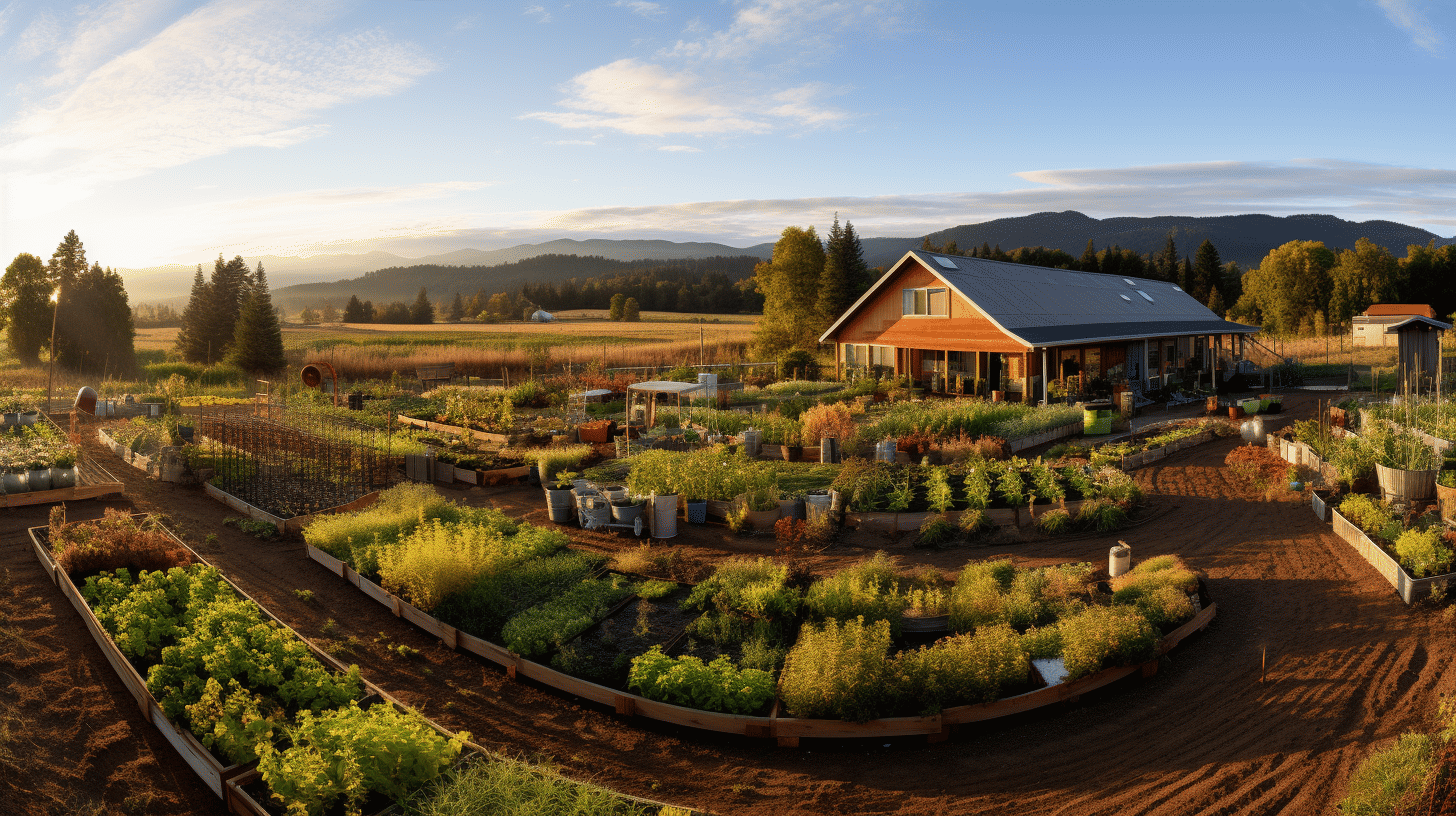
Imagine a world where agricultural practices are not only sustainable but also regenerative, where farmers work harmoniously with nature to maximize crop yields while preserving the health of the land. This vision is at the heart of permaculture, an innovative approach to farming that is gaining traction worldwide. By applying ecological principles and working in harmony with natural ecosystems, permaculture offers a solution to the challenges facing our food production systems today.
In this article, we will explore the fascinating world of permaculture techniques and how they can be used to maximize sustainable crop yields. We will delve into the fundamental principles of permaculture and its role in global food production. From there, we will explore specific permaculture techniques that promote healthy soil, conserve water, and foster biodiversity. We will also examine the economic and environmental impact of permaculture and how it can contribute to a more sustainable future.
Whether you are a farmer looking to adopt more sustainable practices or an avid gardener hoping to improve your crop yield, permaculture techniques offer valuable insights and strategies. So let’s dive into the world of permaculture and discover how we can maximize our crop yields while treading lightly on the planet.
Understanding Permaculture
Permaculture: A Sustainable Approach
Permaculture is more than just a gardening technique; it’s a holistic approach to sustainable living that encompasses everything from food production to architecture. By following the principles of permaculture, individuals can create self-sustaining ecosystems that provide not only food but also shelter, water, and energy.
At its core, permaculture is about working with nature rather than against it. It draws inspiration from natural ecosystems, observing their patterns and cycles, and then applying those principles to design human-made systems that mimic and support these natural processes.
Role in Global Food Production
In a world grappling with issues like climate change, deforestation, and food scarcity, permaculture offers a ray of hope. By promoting regenerative agriculture practices, permaculture farming helps in attaining self-sustenance and reducing our reliance on conventional, resource-intensive methods.
One of the key aspects of permaculture farming is its focus on biodiversity. Instead of relying on mono-cropping systems, permaculturists aim to create diverse polycultures that mimic natural ecosystems. By planting a variety of crops, they not only increase the overall resilience of the system but also foster a more nutrient-rich and balanced harvest.
Permaculture’s Contributions to Sustainable Practices
Permaculture goes far beyond just sustainable food production. Its design principles can be applied to various aspects of our lives, contributing to more sustainable practices in many areas. Here are a few ways permaculture makes a positive impact:
- Water Conservation: Permaculture emphasizes the importance of water management. Through techniques such as swales, rainwater harvesting, and greywater recycling, permaculture designs aim to minimize water waste and maximize its efficiency.
- Energy Efficiency: Permaculture design principles also prioritize energy efficiency. By strategically placing buildings, utilizing passive solar design, and incorporating renewable energy sources like solar and wind power, permaculturists strive to reduce energy consumption and reliance on fossil fuels.
- Waste Reduction: Permaculture promotes the concept of “closing the loop” by utilizing waste as a resource. Composting, vermiculture, and recycling are integral parts of permaculture systems, ensuring that organic waste is transformed into valuable inputs for the soil.
Permaculture, with its emphasis on regenerative practices, is not only beneficial for the environment but also for our well-being. By creating healthier homes and fostering a deeper connection with nature, permaculture promotes a more sustainable and fulfilling way of life.
In conclusion, permaculture offers a sustainable approach to food production and living. By working in harmony with nature and fostering biodiversity, permaculture can help address some of the pressing challenges facing our global food systems. Moreover, its principles extend beyond just agriculture, contributing to more sustainable practices in water management, energy efficiency, and waste reduction. With its focus on holistic design and regenerative practices, permaculture is an inspiring model for a more sustainable future.
Permaculture Techniques
Permaculture is a holistic approach to sustainable land use and design that aims to create self-sustaining ecosystems that work in harmony with nature. It draws inspiration from various disciplines such as ecology, sustainable agriculture, appropriate technology, and indigenous wisdom. At its core, permaculture seeks to create regenerative systems that maximize biodiversity and resource efficiency.
Healthy Soil Through Composting and Mulching
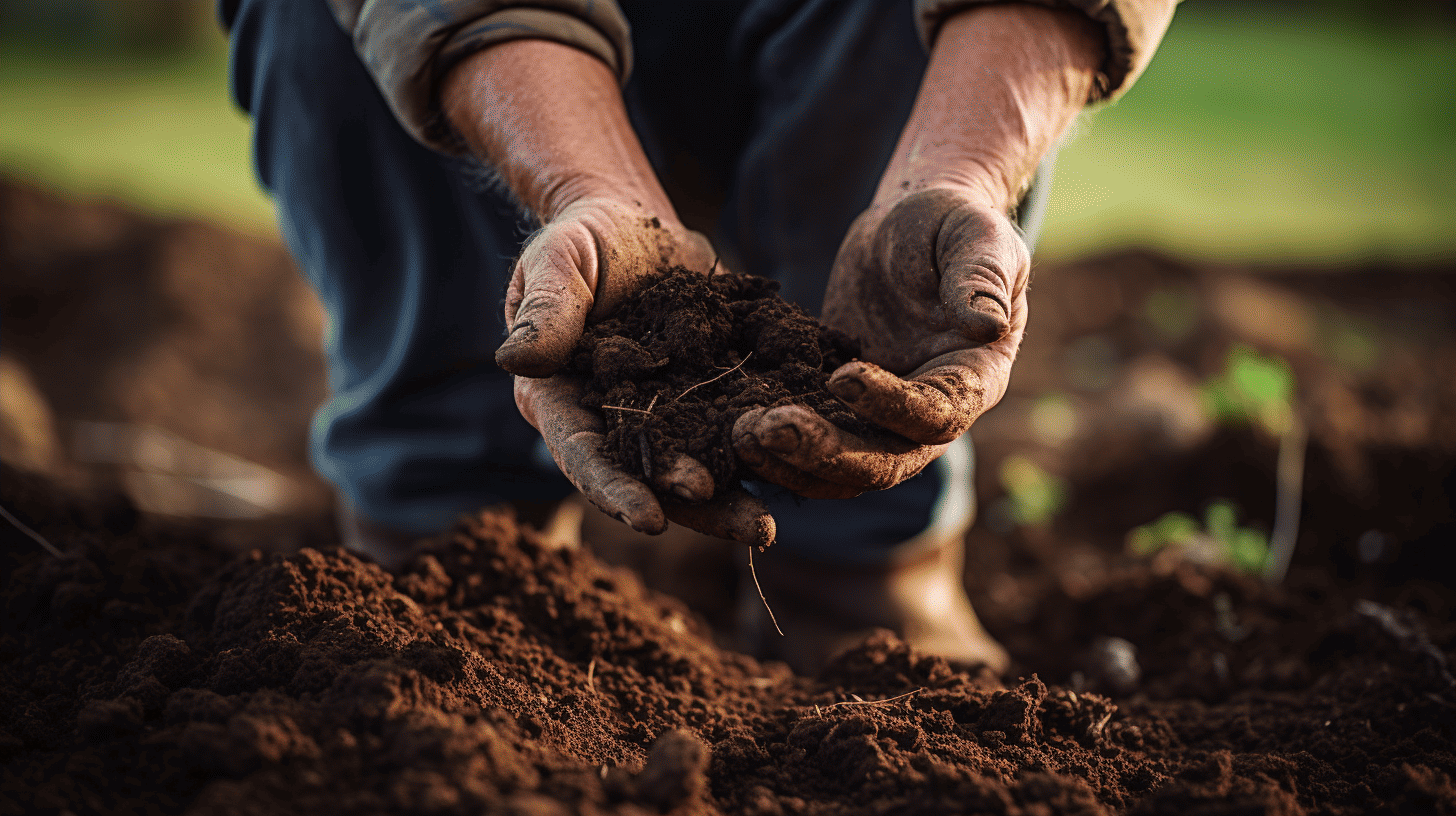
One of the fundamental principles of permaculture is the focus on soil health. Healthy soil is the foundation of any successful garden or farm, as it provides nutrients for plants to thrive. Permaculture employs various techniques to build and maintain healthy soil, such as composting and mulching.
Composting is the process of decomposing organic matter, such as kitchen scraps, yard trimmings, and animal manure, into nutrient-rich soil amendment. By creating a compost pile, permaculturists can effectively recycle organic waste and produce high-quality compost that nourishes the soil.
Mulching, on the other hand, involves covering the soil’s surface with a layer of organic matter, such as wood chips, straw, or leaves. This protective layer helps retain moisture, suppresses weed growth, improves soil structure, and promotes a healthy soil ecosystem by providing habitat for beneficial organisms.
Water Conservation: Rainwater Harvesting & Contour Planting
Water conservation is a central aspect of permaculture design. By implementing techniques such as rainwater harvesting and contour planting, permaculturists can minimize water use and maximize its effectiveness in the garden or farm.
Rainwater harvesting involves capturing and storing rainwater for later use. This can be done through simple techniques, such as collecting rainwater in barrels or constructing larger-scale systems like swales and ponds. Harvested rainwater can then be used for irrigation, reducing the reliance on other water sources.
Contour planting is another water-conserving technique used in permaculture. By designing the landscape to follow contour lines or creating subtle slopes, permaculturists can prevent excessive runoff and allow water to infiltrate the soil. This prevents soil erosion, helps retain water in the root zone, and promotes a healthy water cycle within the ecosystem.
Organic Farming Methods
Permaculture promotes organic farming methods as a sustainable alternative to conventional agriculture. Organic farming eschews the use of synthetic fertilizers, pesticides, and genetically modified organisms, opting instead for natural approaches to pest and weed management.
Permaculturists employ a variety of organic farming techniques, including:
– Crop rotation: This practice involves alternating crops in a specific sequence to prevent the buildup of pests and diseases, improve soil fertility, and maximize yields.
– Natural pest control: Permaculturists encourage the presence of beneficial insects, birds, and other animals that prey on pests, reducing the need for pesticides.
– Biological pest control: By introducing beneficial insects or organisms that prey on specific pests, permaculturists can control pest populations naturally.
– Polyculture: Unlike monoculture, which focuses on growing a single crop, permaculture embraces polyculture by planting a diverse range of crops that support one another and promote biodiversity.
Companion Planting for Biodiversity
Companion planting is a permaculture technique that promotes biodiversity and maximizes space utilization. It involves planting different crops together based on their beneficial interactions, such as nutrient exchange, pest control, and weed suppression.
Some common examples of companion planting include:
– Planting marigolds next to tomatoes to deter pests like nematodes.
– Growing beans alongside corn to provide natural nitrogen fixation for the soil.
– Interplanting aromatic herbs like basil and thyme to repel pests and attract beneficial insects.
By strategically choosing companion plants, permaculturists can create a harmonious ecosystem that supports the overall health and productivity of the garden.
Resource Conservation and Reusing Materials
Permaculture strives to minimize waste and conserve resources by adopting techniques like recycling and reusing materials. Instead of discarding materials after their initial use, permaculturists find creative ways to repurpose them within the system.
For example, old pallets can be transformed into raised beds, plastic bottles can be upcycled into vertical planters, and fallen tree branches can be used as mulch or as the foundation for hugelkultur beds. By embracing resource conservation, permaculturists reduce their environmental footprint and promote a more sustainable way of living.
Seasonal Adaptations for Optimal Land Productivity
Permaculture emphasizes the importance of working with the rhythms and cycles of nature. By adapting to the changing seasons, permaculturists can optimize land productivity and minimize the need for external inputs.
Some seasonal adaptations and practices in permaculture include:
– Planting annual vegetables and crops that are suited to the local climate and growing season.
– Pruning fruit trees during winter to promote healthy growth and optimize fruit production.
– Cover cropping during fall and winter to protect the soil, improve fertility, and suppress weeds.
By aligning their activities with the natural cycles of the land, permaculturists can achieve higher yields and healthier ecosystems.
Soil Fertility Improvement
Maintaining and improving soil fertility is a top priority in permaculture. In addition to composting and mulching, permaculturists utilize various methods to enhance soil fertility and vitality.
Some of these methods include:
– No-dig farming: This technique involves minimal disturbance of the soil, preserving its structure and beneficial microbial life.
– Green manure cover crops: By planting nitrogen-fixing cover crops and later incorporating them into the soil, permaculturists can increase soil fertility.
– Biochar application: Biochar is a carbon-rich material made from burning organic matter in a low-oxygen environment. Adding biochar to the soil helps improve nutrient retention and water-holding capacity.
By focusing on soil fertility improvement, permaculturists create a solid foundation for the health and productivity of their gardens or farms.
In conclusion, permaculture offers a comprehensive approach to sustainable land use and design. By implementing techniques like composting, mulching, water conservation, organic farming, companion planting, resource conservation, seasonal adaptations, and soil fertility improvement, permaculturists can create harmonious and abundant ecosystems that benefit both humans and the environment.
Economic and Environmental Impact of Permaculture
Profitable Yields and Sustainability
One of the significant benefits of permaculture is its potential to increase yields and profitability for farmers. According to CRO and university trials conducted across the United States, the use of biological treatments in permaculture practices has shown up to a staggering 37% increase in yield for 23 different crops.[1] This means that farmers not only achieve higher production levels but also generate more income from their harvests.
Permaculture encourages the diversification of crops, which helps reduce the risks associated with relying on a single crop. By planting a variety of plants, farmers create a balanced ecosystem that is resilient to pests and diseases. This reduces the need for expensive chemical inputs and protects the economic viability of the farm in the long run.
In addition to increased yields, permaculture practices often lead to reduced water and energy consumption. By designing farms to work with natural processes, such as capturing rainwater and utilizing renewable energy sources, farmers can decrease their reliance on external resources. This not only lowers production costs but also contributes to a more sustainable agricultural system.
Improvement of Environmental Conditions
Permaculture goes beyond producing food; it aims to restore and regenerate the environment. By mimicking natural ecosystems, permaculture systems can help improve soil health, biodiversity, and water quality. Here’s how permaculture positively impacts the environment:
- Soil Regeneration: Permaculture emphasizes the use of organic matter, cover crops, and proper soil management techniques. These practices promote soil health and fertility, ensuring that the land remains productive for future generations.
- Biodiversity Conservation: By planting a diverse range of crops, permaculture systems create habitats that support a wide array of beneficial insects, birds, and pollinators. This helps restore biodiversity and preserves essential ecological balances.
- Water Conservation: Through techniques such as swales, mulching, and water catchment systems, permaculture minimizes water runoff and enhances water infiltration into the soil. This helps recharge groundwater sources and reduces the risk of water scarcity.
Production of Green Products
Permaculture not only focuses on sustainable farming practices but also promotes the production of green products. By utilizing organic and regenerative farming methods, permaculture farmers can produce crops that are free from synthetic chemicals and pesticides. These green products are not only healthier for consumers but also fetch a higher price in the market, reflecting the growing demand for sustainable and environmentally friendly produce.
Furthermore, permaculture extends beyond food production. It also encompasses activities such as natural building, renewable energy generation, and waste management. By adopting these practices, individuals and communities can create and promote a range of green products that contribute to a more sustainable and resilient economy.
The economic and environmental impact of permaculture is undeniable. Not only does it provide profitable yields for farmers, but it also helps restore and improve environmental conditions. By adopting permaculture practices, we can contribute to a more sustainable and regenerative future for our planet. So let’s embrace permaculture and pave the way for a greener, more prosperous world.
Want to learn more about the benefits of permaculture? Check out this comprehensive guide to permaculture to discover how you can implement sustainable practices in your own garden.
[1] Reference source
Conclusion
In conclusion, permaculture techniques offer a powerful solution for maximizing sustainable crop yield while promoting environmental stewardship. By implementing practices such as composting and mulching, rainwater harvesting, organic farming methods, companion planting, and resource conservation, farmers can enhance soil health, conserve valuable water resources, support biodiversity, and improve land productivity. These techniques not only contribute to profitable yields but also have a positive impact on the environment by reducing the use of chemicals and reusing materials.
The economic benefits of permaculture are evident in the production of green products that appeal to environmentally conscious consumers. By adopting permaculture principles, farmers can create a viable and sustainable business model that aligns with the growing demand for sustainable and regenerative agricultural practices.
At Regenerative Agriculture Wiki, we are committed to promoting the potential of permaculture and other regenerative farming practices. Our blog provides comprehensive guides, tips, and insights, catering to individuals from all backgrounds and interests. Whether you are a farmer looking to maximize your crop yield or an environmentalist passionate about sustainable living, we have the resources to educate and inspire you.
Join us in fostering a future where agriculture and ecology thrive in harmony. Visit Regenerative Agriculture Wiki to explore our extensive content and learn more about the transformative power of regenerative agriculture.
Frequently Asked Questions
- What is permaculture and how does it relate to sustainable crop yield?
Permaculture is an agricultural approach that focuses on designing systems that are sustainable, self-sufficient, and mimic natural ecosystems. By implementing permaculture techniques, such as companion planting and polyculture, farmers can maximize sustainable crop yield while minimizing environmental impact.
- What are some permaculture techniques that can help maximize sustainable crop yield?
Some permaculture techniques for maximizing sustainable crop yield include companion planting, polyculture, crop rotation, mulching, contouring, and water harvesting. These practices promote biodiversity, improve soil fertility, conserve water, and reduce pest and disease pressures.
- How does companion planting contribute to sustainable crop yield?
Companion planting involves growing compatible plants together, which can enhance crop health, deter pests, attract beneficial insects, and improve pollination. This synergy promotes sustainable crop yield by creating a balanced ecosystem within the garden or farm.
- What is the importance of crop rotation in permaculture?
Crop rotation is a vital permaculture technique as it helps prevent nutrient depletion, minimize pest and disease buildup, and maintain soil structure. By rotating crops each season, farmers can maximize sustainable crop yield and promote long-term soil health.
- How can mulching and water harvesting techniques contribute to sustainable crop yield?
Mulching helps retain moisture, suppress weeds, regulate soil temperature, and improve soil fertility. Water harvesting techniques, such as building swales or using rainwater collection systems, ensure efficient water utilization, reduce irrigation needs, and promote sustainable crop yield.