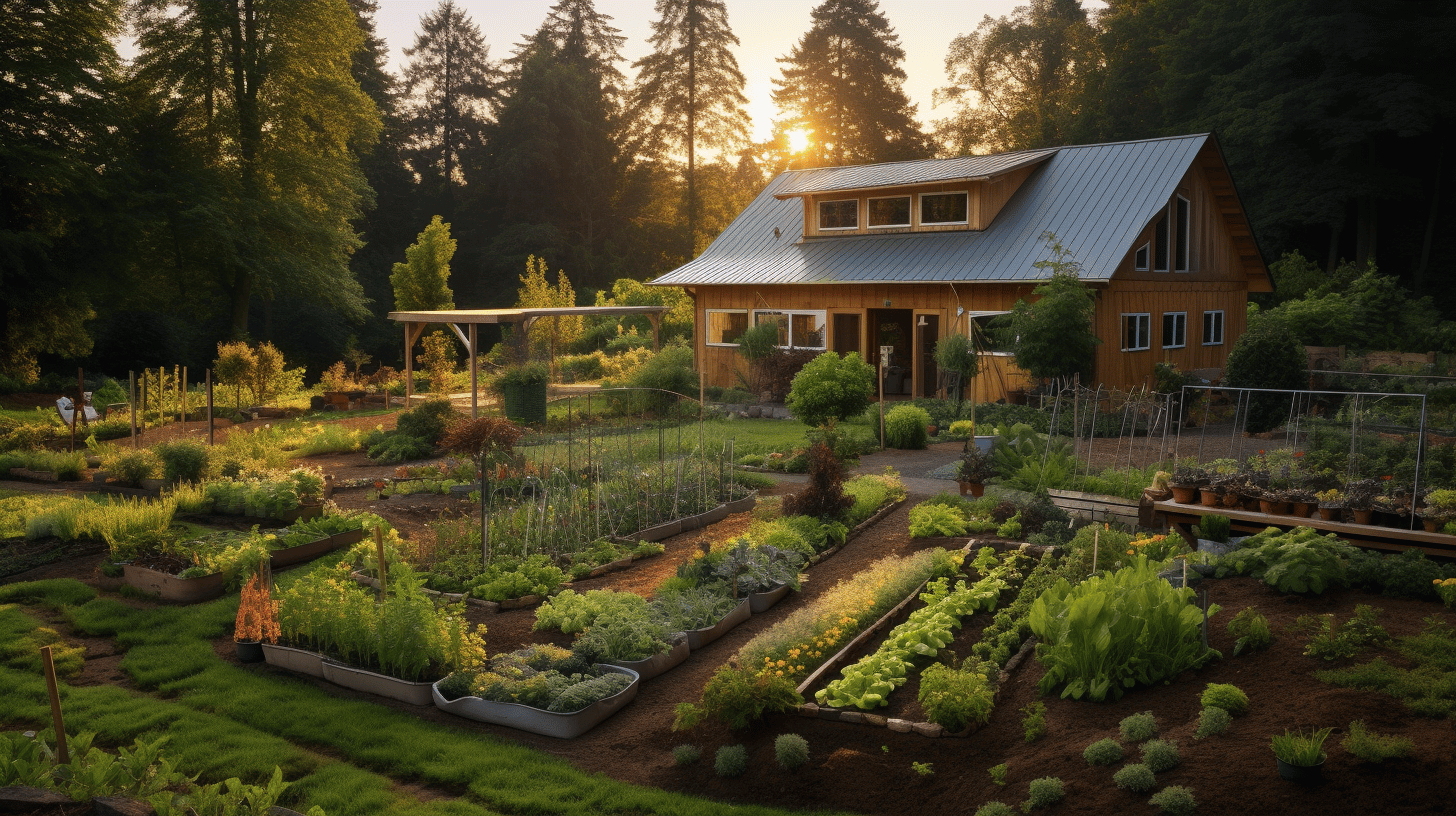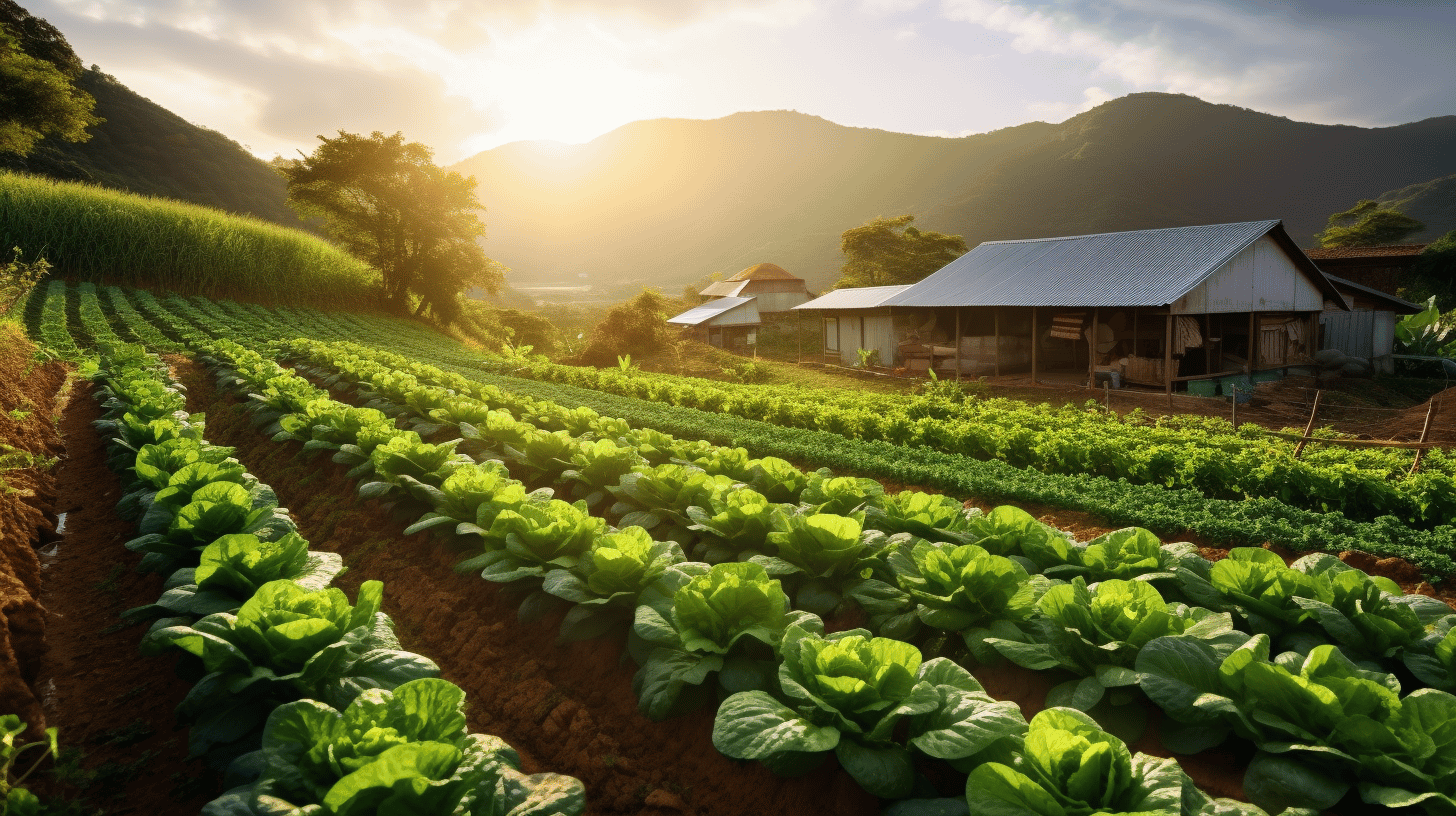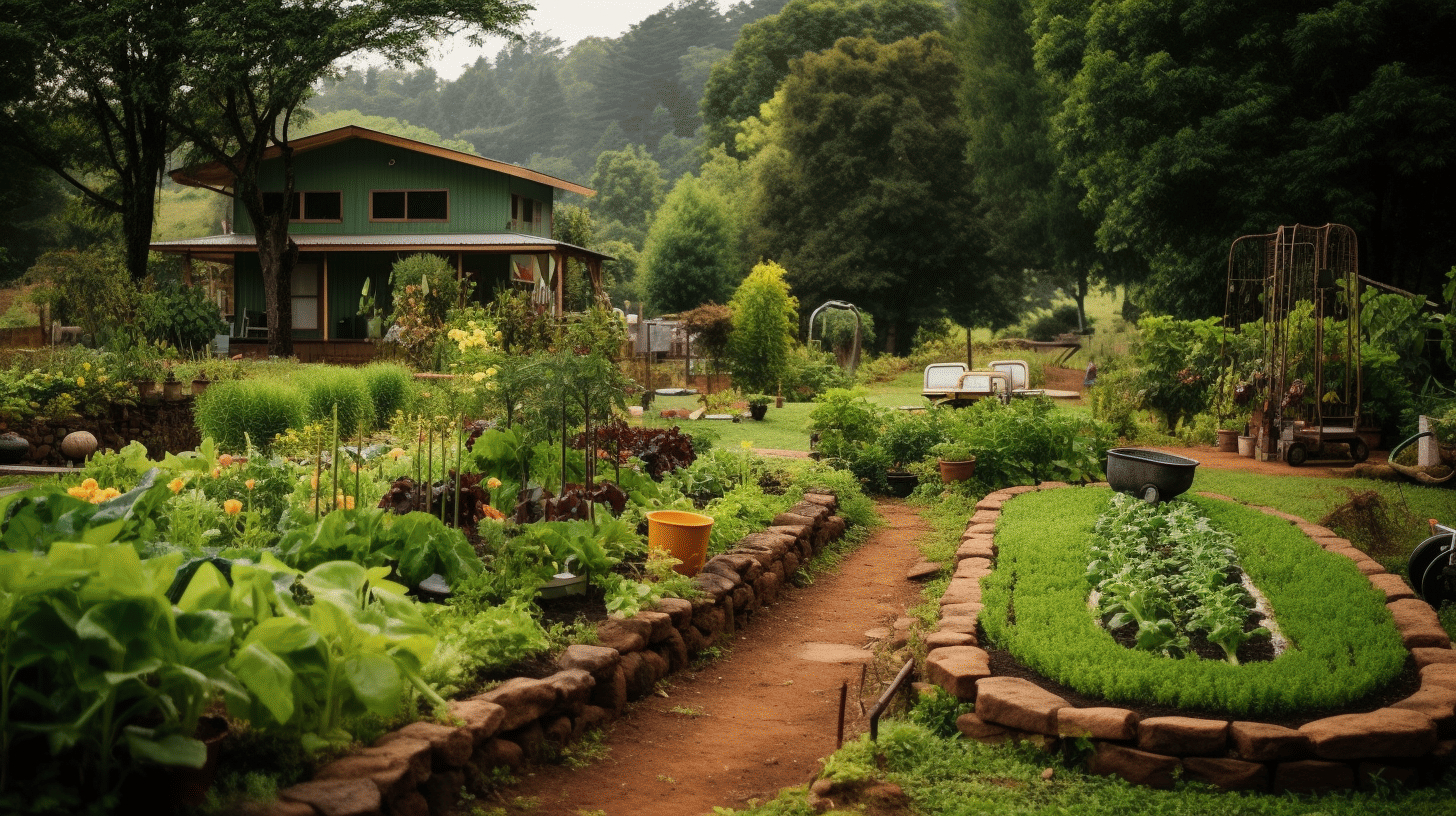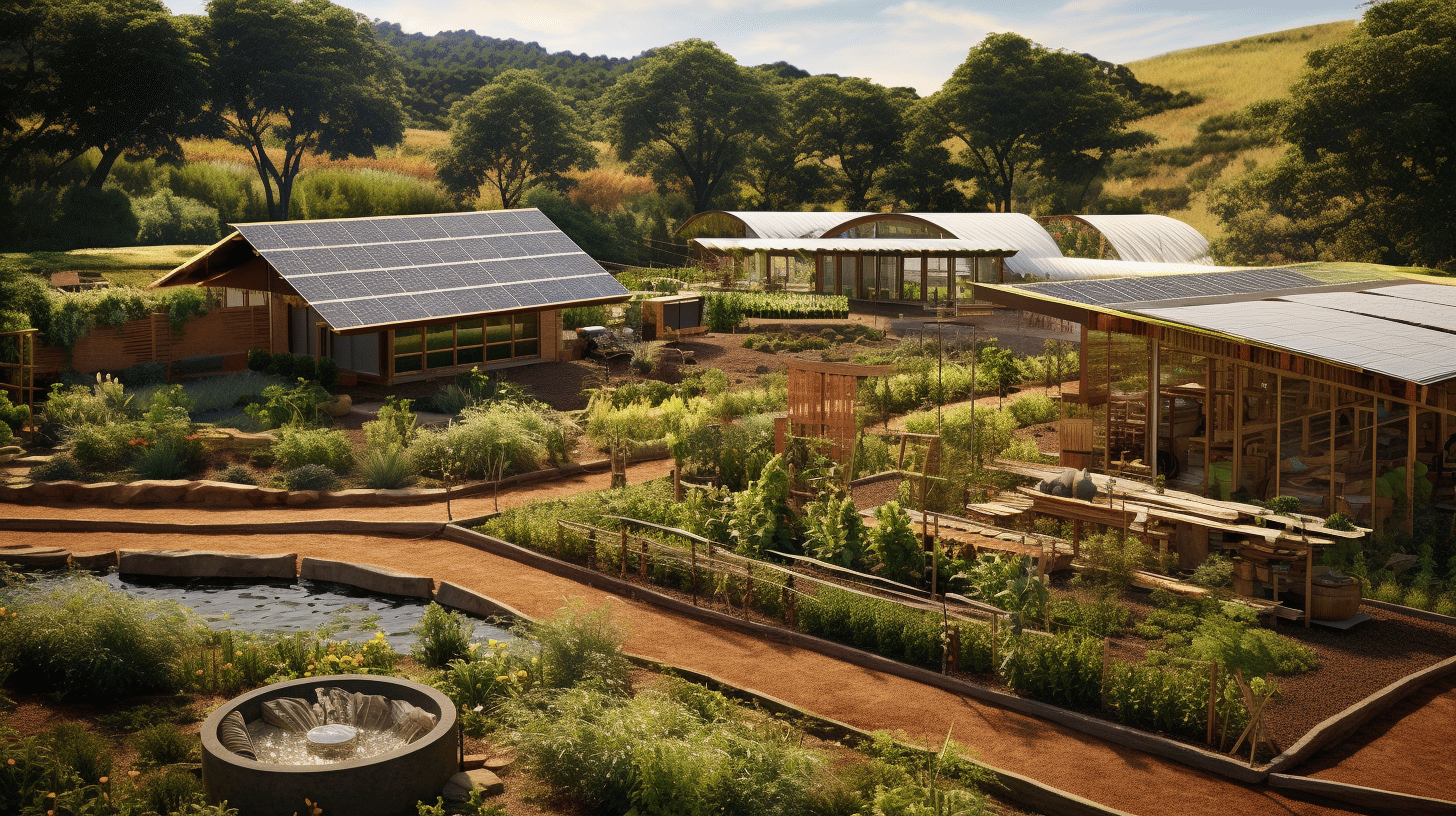
Welcome to the world of permaculture, where sustainable farming meets ecological design. As the demand for organic and eco-friendly practices continues to grow, permaculture has emerged as a solution that harnesses the power of nature to create self-sustaining and regenerative ecosystems. Whether you’re a seasoned farmer or just starting out, exploring permaculture principles and techniques can transform your approach to agriculture.
Permaculture goes way beyond organic farming. It is a holistic approach that aims to restore and regenerate ecosystems, while also providing abundant yields for human consumption. By working with nature rather than against it, permaculture is designed to mimic natural patterns and create resilient agricultural systems that can thrive in harmony with the environment.
Restoring the health of soil and water is a cornerstone of permaculture. By implementing techniques like vermiculture, which involves using earthworms to break down organic matter, farmers can enhance soil fertility and improve water conservation. These practices not only benefit the crops but also promote biodiversity and protect ecosystems.
But what exactly is permaculture and how does it differ from other sustainable farming methods? In the next section, we’ll delve deeper into the core principles of permaculture and explore the various methods used in this farming philosophy.
Understanding Permaculture
Permaculture is a design system that goes beyond traditional organic farming. It takes a holistic approach to sustainable living, focusing not just on agriculture but also on restoring ecosystems and conserving resources. Permaculture aims to create self-sustaining and regenerative systems that work in harmony with nature.
Beyond Organic Farming
While organic farming strives to eliminate the use of synthetic pesticides and fertilizers, permaculture takes it a step further. It seeks to create agricultural systems that mimic the natural ecosystem, aiming for maximum diversity and minimal waste. Here are some key principles of permaculture:
- Earth Care: Permaculture emphasizes the importance of caring for the earth by nurturing and restoring the soil, promoting biodiversity, and conserving water resources. It recognizes that healthy soil is the foundation of a thriving ecosystem and focuses on building and improving soil health through sustainable practices.
- People Care: Permaculture also recognizes the importance of caring for people. It aims to create sustainable livelihoods and communities that are resilient and self-reliant. This includes providing access to nutritious food, clean water, and a safe environment for everyone.
- Fair Share: Another principle of permaculture is fair share. It encourages the equitable distribution of resources and promotes social and economic justice. Permaculture practitioners strive to create systems that benefit not just themselves but also the broader community.
Restoring Soil and Water Conservation
One of the key aspects of permaculture is the restoration of soil health and water conservation. Traditional agriculture often relies on intensive tilling and excessive use of synthetic fertilizers, which can degrade soil quality and contribute to water pollution. In permaculture, alternative methods are employed to restore and regenerate the soil. These methods include:
- Mulching: Mulching involves covering the soil with a layer of organic material, such as straw or wood chips. This helps retain moisture, suppresses weed growth, and provides nutrients as it breaks down.
- Composting: Composting is a crucial practice in permaculture. It involves the decomposition of organic waste, such as kitchen scraps and yard trimmings, to create nutrient-rich humus. Compost can then be used to improve soil fertility and structure.
Vermicomposting in Permaculture
Vermicomposting is a common practice in permaculture, utilizing earthworms to break down organic waste. These earthworms consume organic matter and excrete nutrient-rich castings, which can be used as a natural soil amendment. Vermicomposting offers several benefits in a permaculture system:
- Waste Reduction: Vermicomposting helps divert organic waste from landfills and reduces greenhouse gas emissions. It turns kitchen scraps and other organic materials into valuable compost, closing the nutrient loop.
- Soil Enrichment: The castings produced by earthworms are packed with beneficial microbes and nutrients. Adding vermicompost to the soil improves its structure, fertility, and water-holding capacity.
- Biodiversity Promotion: By creating favorable conditions for earthworm populations, vermicomposting promotes biodiversity in the soil. Earthworms are essential for healthy soil ecosystems, enhancing nutrient cycling and improving soil structure.
Permaculture offers a sustainable and holistic approach to land management and food production. By applying permaculture principles and practices, we can create regenerative systems that benefit the planet and future generations.
Sustainable Farming Methods
Sustainable farming methods have gained traction in recent years as people seek environmentally-friendly and socially responsible approaches to food production. These methods aim to minimize harm to the environment, conserve natural resources, and promote biodiversity.
In this section, we will explore four popular sustainable farming methods: permaculture, biodynamic farming, hydroponics, and urban agriculture. Each of these techniques offers unique benefits and challenges, but all share a common goal of creating a more sustainable and resilient food system.
Let’s take a closer look at each of these methods:
Permaculture
Permaculture is an innovative approach to farming that emphasizes the creation of self-sustaining ecosystems. It seeks to mimic the patterns and relationships found in natural ecosystems to create productive and sustainable food systems. Here are some key features of permaculture:
- Design principles: Permaculture uses a set of design principles to guide sustainable land management. These principles include observing and interacting with nature, using resources efficiently, and maximizing diversity.
- Food forest: One common technique used in permaculture is the creation of food forests. These are designed landscapes that mimic the structure and function of natural forests, providing a diverse range of food crops, timber, and other useful products.
- Integrated systems: Permaculture encourages the integration of different elements within a system, such as livestock, crops, and water management. This integration helps create a balanced and resilient ecosystem.
Biodynamic Farming
Biodynamic farming takes a holistic approach to agriculture, considering the farm as a living organism. Developed in the early twentieth century, this method focuses on the interrelation between plants, animals, soil, and cosmic forces. Key aspects of biodynamic farming include:
- Compost and preparations: Biodynamic farmers use compost and specific preparations, such as herbal teas and fermented elements, to enhance soil fertility and promote healthy plant growth.
- Crop rotation and biodiversity: Biodynamic farmers often practice crop rotation to maintain soil health and prevent pest and disease outbreaks. They also emphasize biodiversity, encouraging the presence of companion plants and beneficial insects.
- Astrological considerations: Biodynamic farming incorporates an awareness of lunar and astrological cycles. These considerations dictate when to plant, harvest, and perform other agricultural activities.
Hydroponics
Hydroponics is a soil-less farming method that allows plants to grow in a nutrient-rich water solution. This controlled environment technique offers several advantages, including:
- Water efficiency: Hydroponics uses up to 90% less water compared to traditional soil-based farming methods. The water is recirculated within the system, minimizing waste.
- Year-round cultivation: With hydroponics, farmers can grow crops all year round, regardless of seasonal limitations, providing a consistent supply of fresh produce.
- Precision nutrient control: In hydroponic systems, nutrients can be precisely controlled, ensuring that plants receive the optimal balance of minerals for their growth.
Urban Agriculture
Urban agriculture refers to the practice of growing food in urban areas, utilizing spaces such as rooftops, gardens, and community plots. This method brings several benefits to cities and communities, including:
- Food security and access: Urban agriculture helps increase food security by providing fresh, locally-grown food in areas that lack access to healthy food options. It reduces dependence on long-distance transportation and promotes self-sufficiency.
- Community engagement: Urban agriculture fosters community connections, offering opportunities for shared gardening, educational programs, and food-related events. It brings people together and promotes a sense of belonging.
- Green spaces and biodiversity: Urban agriculture helps create green spaces in cities, improving air quality and reducing urban heat islands. These green areas also support biodiversity by providing habitats for pollinators and other wildlife.
These are just a few examples of sustainable farming methods. Each has its unique advantages and challenges, and their adoption depends on various factors such as climate, resources, and community needs. However, what they all have in common is the commitment to nurturing the environment, promoting biodiversity, and creating a more resilient and sustainable food system.
Key Principles and Techniques in Permaculture
Permaculture is a holistic approach to sustainable and regenerative design that has gained popularity in recent years. It offers a way to create productive and resilient ecosystems by working with nature, rather than against it. In permaculture, there are several key principles and techniques that are commonly used to achieve these goals. In this article, we will explore three of these principles and techniques: Keyline Cultivation, Regenerative Agriculture, and Crop Rotation and Natural Pest Control.
Keyline Cultivation
One important principle in permaculture is Keyline Cultivation. This technique focuses on effectively managing water resources on a landscape. The goal is to evenly distribute rainfall across the land, preventing erosion and promoting healthy soil and plant growth. Keyline Cultivation involves a series of swales, or ditches, that are strategically placed on the contour of the land. These swales capture and hold water, allowing it to slowly infiltrate the soil and recharge groundwater sources. This technique not only improves water retention but also helps to reduce the need for irrigation, making it ideal for arid climates.
Regenerative Agriculture
Another key principle in permaculture is Regenerative Agriculture. This approach emphasizes the importance of building healthy soil and promoting beneficial interactions between plants and soil organisms. By nurturing healthy soil ecosystems, Regenerative Agriculture aims to enhance nutrient cycling, improve water retention, and increase overall resilience in agricultural systems. This is achieved through practices such as using cover crops, composting, and minimizing the use of synthetic inputs. By focusing on soil health, Regenerative Agriculture can promote sustainable food production while also mitigating climate change by sequestering carbon in the soil.
Crop Rotation and Natural Pest Control
Crop rotation and natural pest control are two more techniques commonly used in permaculture. Crop rotation involves the systematic planting of different crops in a particular sequence over time. This practice helps to reduce soil-borne diseases and pests, as well as improve soil fertility. By rotating crops, farmers can break pest and disease cycles, minimize the need for chemical pesticides, and maintain a diverse and balanced ecosystem.
Natural pest control, on the other hand, involves attracting beneficial insects and organisms that prey on pests. This can be done by creating habitat for these beneficial creatures, using companion planting techniques, and avoiding the use of harmful pesticides. By encouraging a diverse range of species in the garden or farm, natural pest control helps to create a balanced ecosystem where pests are kept in check naturally.
In conclusion, permaculture offers a range of key principles and techniques that can be used to create sustainable and resilient food systems. Keyline Cultivation helps to manage water resources effectively, Regenerative Agriculture focuses on building healthy soils, and Crop Rotation and Natural Pest Control promote a diverse and balanced ecosystem. By incorporating these principles and techniques, individuals can play a role in creating a more sustainable future for our planet.
Access this study to read more about the benefits of Regenerative Agriculture.
Goals and Benefits of Sustainable Farming
Sustainable farming is a holistic approach to agriculture that aims to meet current needs without compromising the needs of future generations. It takes into account not only the economic aspect of farming but also the environmental and social impacts. Let’s explore some of the key goals and benefits of sustainable farming:
Meeting Current Needs While Considering Future Generations
One of the primary goals of sustainable farming is to ensure that the needs of the present generation are met without jeopardizing the ability of future generations to meet their own needs. This is done by implementing practices that:
- Preserve and enhance the fertility of the land: Sustainable farmers prioritize soil health and employ techniques such as soil conservation, organic fertilizers, and crop rotation to maintain the vitality of the soil for future growing seasons.
- Conserve water resources: Water scarcity is a growing concern globally. Sustainable farming practices include efficient irrigation methods, rainwater harvesting, and water-use monitoring to ensure responsible water management.
- Minimize the use of synthetic inputs: Sustainable farmers aim to reduce dependency on synthetic fertilizers, pesticides, and herbicides. Instead, they emphasize natural and organic alternatives to minimize chemical inputs that can harm the environment and human health.
Nourishing Humans and Enhancing Biodiversity
Sustainable farming also focuses on nourishing humans while enhancing biodiversity and ecosystem health. This is achieved through practices like permaculture, which integrates various elements to create self-sustaining and regenerative systems. Some key benefits include:
- Healthier food: Sustainable farming prioritizes the production of nutritious and chemical-free food. This promotes better human health by reducing exposure to harmful pesticides and ensuring a higher nutrient content in crops.
- Biodiversity conservation: Sustainable farming practices provide habitat for beneficial insects, birds, and other wildlife. By preserving and enhancing biodiversity, farmers contribute to the overall health of ecosystems and the ecological balance.
- Soil enhancement: Using techniques like cover cropping and composting, sustainable farmers improve soil quality and fertility. This leads to an increase in beneficial microorganisms and promotes long-term soil health, which is essential for sustainable food production.
In summary, sustainable farming has several key goals and benefits. It aims to meet current needs while considering the needs of future generations, and it focuses on nourishing humans while enhancing biodiversity and ecosystem health. By implementing sustainable farming practices, we can work towards a more sustainable and resilient agricultural system that supports both people and the planet.
Integration of Technology in Permaculture
Permaculture, an approach to sustainable and holistic living, has gained significant attention in recent years. By designing systems that mimic natural ecosystems, permaculturists aim to create regenerative and self-sustaining environments. As we embrace technological advancements in various aspects of our lives, it’s only natural to explore how technology can be integrated into permaculture practices to enhance their effectiveness and efficiency.
The Benefits of Technology in Permaculture
Integrating technology into permaculture has the potential to revolutionize sustainable farming practices and expand the reach of these methods. Here are a few notable benefits:
- Data Analysis for Improved Decision-making: By utilizing sensors, drones, and other monitoring devices, permaculturists can collect valuable data on soil moisture, temperature, and nutrient levels. This data can be analyzed to make informed decisions about planting, irrigation, and soil management, leading to better yields and resource utilization.
- Efficient Resource Management: Technology can help automate essential tasks such as watering, fertilizing, and pest control. Smart irrigation systems, for example, monitor weather conditions and soil moisture levels to optimize watering schedules, reducing water waste and saving valuable resources.
- Precision Agriculture Techniques: Precision agriculture techniques, facilitated by technology, allow permaculturists to apply resources only where they are needed. This targeted approach minimizes the use of fertilizers and pesticides, reduces environmental impact, and increases overall efficiency.
Innovative Technological Tools for Permaculture
The integration of technology in permaculture opens up a world of possibilities. Here are a few innovative tools and techniques that are being used or have the potential to transform permaculture practices:
- Remote Monitoring Systems: Remote monitoring systems equipped with sensors can provide real-time data on various environmental parameters, allowing permaculturists to make timely and informed decisions. These systems can monitor weather conditions, soil moisture, humidity, and even detect pest infestations.
- Vertical Farming: With the help of aquaponics, hydroponics, and aeroponics systems, vertical farming allows permaculturists to grow crops indoors or in small spaces. LED grow lights provide optimal lighting conditions for plant growth, and automated systems control factors such as temperature and nutrient delivery.
- Permaculture Design Software: Permaculture design software simplifies the process of planning and implementing permaculture projects. It allows users to create digital maps, analyze site conditions, and generate optimal design solutions. Some popular permaculture design software includes Permaculture Designer and Holmgren Design.
Embracing the Balance
While integrating technology into permaculture offers exciting possibilities, it’s crucial to strike a balance between technological advancements and traditional permaculture principles. Technology should complement permaculture, not replace it. Here are a few strategies to ensure a harmonious integration:
- Start Small: Begin by incorporating simple and affordable technologies into your permaculture systems. Gradually assess their effectiveness and potential impact before scaling up.
- Continued Education: Stay informed about the latest developments in technology and their applications in permaculture. Attend workshops, conferences, and engage with the permaculture community to exchange ideas and learn from others’ experiences.
- Ecosystem-Centric Approach: While leveraging technology, it’s essential to maintain an ecosystem-centric approach. Ensure that technological interventions align with permaculture principles and contribute to overall ecosystem health and resilience.
Integrating technology into permaculture practices has the potential to enhance productivity, improve resource management, and support sustainable livelihoods. By harnessing the power of innovation, permaculturists can create regenerative systems that benefit both people and the planet. Let’s remember that technology is a tool, and it is our responsibility to use it wisely and in harmony with nature.
Practices and Techniques in Sustainable Agriculture
Sustainable agriculture is a vital approach to farming that focuses not only on the production of high-quality crops but also on the long-term health of the environment and the well-being of communities. By adopting sustainable practices, farmers can minimize the impact of agriculture on the environment, promote biodiversity, and ensure the availability of resources for future generations.
Protecting the Environment and Expanding Resources
One of the core principles of sustainable agriculture is the protection of the environment. This involves minimizing the use of synthetic inputs such as chemical fertilizers and pesticides, which can have detrimental effects on ecosystems. Instead, sustainable farmers focus on natural and organic methods to promote soil health, biodiversity, and water conservation.
Here are some key practices and techniques that sustainable farmers employ to protect the environment and expand resources:
- Crop Rotation: By rotating the crops planted in their fields, farmers can naturally control pests and diseases. Different plants have varying nutrient requirements, so crop rotation helps maintain soil fertility and reduces the risk of nutrient depletion.
- Cover Crops: Planting cover crops, such as legumes or grasses, during fallow periods helps prevent soil erosion, improves soil structure, and adds organic matter. Cover crops also enhance nutrient cycling and reduce the need for synthetic fertilizers.
- Conservation Tillage: Instead of traditional plowing, sustainable farmers practice conservation tillage techniques to minimize soil disturbance. No-till or reduced-till methods help retain moisture, reduce erosion, and preserve beneficial microorganisms in the soil.
- Integrated Pest Management (IPM): Integrated Pest Management is an approach that combines various pest-control strategies to minimize the use of synthetic pesticides. IPM emphasizes the use of biological controls, such as beneficial insects or crop rotation, to manage pests effectively while reducing chemical inputs.
- Water Management: Sustainable farmers employ techniques to conserve water and prevent water pollution. These include drip irrigation systems, rainwater harvesting, and the use of cover crops to reduce evaporation and improve water infiltration.
By implementing these practices, sustainable farmers are not only reducing their environmental impact but also working towards the expansion of natural resources for future generations.
Agroecology and Sustainable Practices
Agroecology is a holistic approach to sustainable agriculture that focuses on understanding the ecological processes and relationships within farming systems. It integrates principles of ecology, agronomy, and social sciences to create resilient and sustainable agricultural systems. Here are some key components of agroecology:
- Biodiversity Enhancement: Agroecological systems prioritize the conservation and enhancement of biodiversity. By preserving natural habitats, planting hedgerows, and practicing intercropping, farmers can create diverse ecosystems that support beneficial insects, pollinators, and natural pest control.
- Soil Health Management: Agroecological practices prioritize the improvement of soil health through techniques like composting, green manure, and agroforestry. By maintaining fertile soil, farmers can promote long-term sustainability and reduce the reliance on synthetic inputs.
- Social Resilience: Agroecology takes into consideration the social aspects of sustainable agriculture, such as fair trade practices, community involvement, and agricultural education. By empowering farmers and involving local communities, agroecology contributes to the overall well-being and social resilience of rural areas.
- Knowledge Sharing: Agroecology emphasizes the importance of farmer-to-farmer knowledge sharing and the preservation of traditional farming practices. By exchanging information and experiences, farmers can learn from each other and adapt sustainable techniques to their specific environments.
In conclusion, sustainable agriculture is a multifaceted approach that encompasses various practices and techniques to protect the environment, expand resources, and promote resilient farming systems. By implementing these practices, farmers can contribute to the long-term sustainability of agriculture while ensuring food security and environmental stewardship.
Permaculture and Indigenous Knowledge
Borrowing from Ancient Farming Techniques
Permaculture, a holistic approach to sustainable farming and design, draws inspiration from various sources, including indigenous knowledge systems. Indigenous communities have practiced sustainable land management techniques for centuries, incorporating a deep respect for the land and its ecosystems. These ancient farming techniques offer valuable lessons for modern permaculturists looking to create regenerative and self-sustaining systems.
The Wisdom of Indigenous Communities
Indigenous communities across the globe have honed their farming practices over generations, relying on deep observation and an intimate understanding of their local environments. These communities have developed sustainable ways of cultivating food that prioritize the health of the soil, water, and biodiversity. By observing and interacting closely with nature, indigenous farmers have developed techniques that promote ecological balance and long-term sustainability.
Holistic Approaches to Farming
Permaculture aligns closely with indigenous farming techniques, as both emphasize holistic approaches to farming and land management. Key principles and practices that permaculture borrows from indigenous knowledge include:
- Agroforestry: Indigenous communities often incorporate trees and shrubs into their agricultural systems, creating a diverse and beneficial ecosystem. This practice promotes biodiversity, conserves water, and nurtures healthy soil.
- Crop Rotation: Indigenous farmers have long understood the importance of rotating crops to maintain soil fertility and ward off pests and diseases. By cultivating a variety of crops in different seasons, farmers mitigate the risks of depleting the soil and maximize productivity.
- Water Management: Indigenous communities have developed sophisticated water management systems, such as terracing, canals, and rainwater harvesting techniques. These practices ensure efficient use of water resources while minimizing soil erosion and flooding.
Cultural Significance and Knowledge Preservation
By incorporating indigenous farming techniques and principles, permaculturists not only benefit from ecological wisdom but also contribute to the preservation and acknowledgment of indigenous culture and knowledge. It is crucial to respect and honor the contributions of indigenous communities, recognizing these practices as a valuable part of our shared human heritage.
Similarities with Agroecology
Permaculture and agroecology share common ground in their commitment to sustainable and regenerative agricultural practices. Both approaches prioritize ecological balance, biodiversity, and the well-being of communities and ecosystems. While permaculture incorporates indigenous wisdom, agroecology draws on scientific research and principles from the field of ecology.
Ecological Design and Regeneration
Both permaculture and agroecology seek to design agricultural systems that mimic natural ecosystems and promote regenerative processes. Some key similarities between the two approaches include:
- Polyculture: Both permaculture and agroecology emphasize growing diverse crops together in a polyculture rather than monocultures. This approach helps reduce pests and diseases, enhances biological interactions, and maximizes resource use efficiency.
- Soil Health: Permaculture and agroecology share a focus on improving soil health through organic matter additions, minimizing tillage, and integrating livestock. Healthy soils are central to both approaches, as they contribute to plant nutrition, water retention, and carbon sequestration.
- Community Engagement: Both permaculture and agroecology highlight the importance of community engagement and participation. These approaches encourage knowledge sharing, collaboration, and local empowerment, recognizing that sustainable agriculture requires collective effort and diverse perspectives.
The Power of Synergy
Permaculture and agroecology complement and reinforce each other, offering a holistic and integrated approach to sustainable farming. By combining traditional ecological knowledge with scientific understanding, farmers and land managers can tap into a wealth of wisdom and strategies to build resilient and regenerative systems.
In the quest for a more sustainable future, permaculture and indigenous knowledge, along with agroecology, form powerful allies. Together, these approaches can help revitalize landscapes, support biodiversity, and ensure food sovereignty for communities worldwide. Let us celebrate the wisdom of indigenous communities and learn from their profound understanding of the interconnectedness of all living beings.
Design Principles of Permaculture
Permaculture, a holistic approach to sustainable agriculture and land management, involves designing systems that mimic natural ecosystems. By following permaculture principles, gardeners and farmers can create self-sustaining ecosystems that are resilient, productive, and beneficial for both humans and the environment.
Self-Sustaining Ecosystems and Circular Systems
In permaculture design, the goal is to create self-sustaining ecosystems that minimize waste and maximize efficiency. By observing and learning from nature, permaculturists aim to create productive systems that work harmoniously with the environment.
One key principle is to incorporate circular systems into the design. Circular systems mimic natural cycles, ensuring that resources are recycled and reused within the system. This helps reduce dependence on external inputs and minimizes waste. Some examples of circular systems in permaculture include:
- Composting: Organic waste is composted and used as fertilizer for plants. This not only reduces the need for synthetic fertilizers but also improves soil health and promotes biodiversity.
- Water harvesting and recycling: Rainwater is collected and stored in ponds or tanks, providing a sustainable water source for irrigation. Greywater from sinks and showers can be treated and used for non-potable purposes, further reducing water waste.
- Crop rotation: By rotating crops in a systematic manner, permaculturists reduce the risk of soil depletion and pest infestations. Different crops have different nutrient needs and attract different pests, so rotating crops helps maintain soil fertility and balance pest populations.
Crop Rotation, Irrigation, and Native Species Planting
In permaculture, strategic crop rotation is a widely used practice to maintain soil health and promote crop diversity. Rather than planting the same crop in the same location year after year, permaculturists rotate different crops in a planned sequence. This has several benefits:
- Nutrient cycling: Different crops have different nutrient requirements and uptake patterns. By rotating crops, nutrients in the soil are used more efficiently, and the risk of nutrient imbalances is reduced.
- Pest and disease management: Crop rotation disrupts pest and disease cycles, making it harder for pests and pathogens to establish themselves. This reduces the need for chemical pesticides and improves plant health.
- Weed suppression: Some crops can suppress weeds through shading or allelopathic effects. By rotating these crops with more weed-prone crops, permaculturists can reduce weed pressure naturally.
In addition to crop rotation, permaculturists prioritize sustainable irrigation practices and the use of native species in their designs. Drip irrigation systems, for example, deliver water directly to the plant roots, minimizing water waste through evaporation and runoff. Planting native species is another important aspect of permaculture design, as these plants are adapted to the local climate, require less maintenance, and support native wildlife and biodiversity.
In a permaculture system, every element serves multiple functions and is connected in a web of relationships. By following these design principles and incorporating circular systems, permaculturists can create productive and resilient ecosystems that support both humans and the environment.
Permaculture as a Sustainable Philosophy
Permaculture is a sustainable philosophy that has gained significant traction in recent years. It offers a holistic approach to designing and cultivating systems that are environmentally-friendly, socially just, and economically viable. Permaculture is not just a set of gardening techniques; it’s a way of life that encourages individuals to connect with and observe their environment, and work in harmony with nature.
A Connected Approach and Design Principles
At its core, permaculture aims to create regenerative and self-sustaining systems. This is achieved by following a set of design principles that guide practitioners in making informed decisions. These principles, developed by permaculture co-founder Bill Mollison, provide a framework that ensures sustainable outcomes. Some key design principles include:
- Observation: Taking the time to observe and understand the natural patterns and processes of the land before making any interventions.
- Diversity: Embracing diversity in all aspects of design, whether it’s the crops grown, the animals raised, or the people involved in the system.
- Integrate rather than segregate: Designing systems where different elements work together symbiotically, creating a mutually beneficial relationship.
- Use edges and value the marginal: Identifying and utilizing the edges between different elements of a system as areas of increased productivity and diversity.
- Obtain a yield: Ensuring that the systems we design are productive and provide for our needs while still giving back to the environment.
By following these principles, permaculture practitioners can create resilient and self-sustaining ecosystems that mimic the diversity and stability of natural ecosystems.
Connecting with Ecology and Landscape Potential
One of the fundamental aspects of permaculture design is the connection with the ecology and potential of a landscape. Instead of imposing rigid systems upon the land, permaculture encourages individuals to work with existing ecological patterns and processes. By studying and understanding the unique features of a landscape, permaculture practitioners can create designs that are tailored to its specific needs and potentials.
This approach involves careful observation of the interactions between plants, animals, soil, water, and climate. By analyzing these relationships, permaculturists can identify opportunities for enhancing ecosystem health and productivity. For example, they may design a water catchment system to utilize rainwater efficiently, or incorporate a diversity of plant species to improve soil fertility and combat pests.
In permaculture, landscapes are viewed as living systems that evolve over time. By respecting and working with nature’s inherent wisdom, we can create resilient and sustainable systems that are not only productive but also regenerative.
Permaculture offers a promising path towards sustainability, providing individuals with the tools to create resilient and self-sustaining systems that benefit both people and the planet. By adopting a connected approach and following the principles of permaculture design, we can cultivate a more sustainable future for ourselves and future generations.
Scaling and Applications of Permaculture
Permaculture is a versatile approach to sustainable design that can be applied in a variety of settings, from small-scale urban gardens to vast rural farms. It offers a holistic and regenerative approach to land use, focusing on creating systems that are self-sustaining and in harmony with nature. In this section, we will explore the wide-ranging applications of permaculture and how it can be scaled to suit different needs.
Applicability in Different Settings
Permaculture principles and techniques can be adapted to suit various environments and scales, making it a viable option for a wide range of individuals, communities, and organizations. Here are some examples of how permaculture can be applied to different settings:
- Urban Gardens: Even in densely populated cities, permaculture can thrive. Rooftop gardens, vertical gardens, and community gardens can all benefit from permaculture principles. By maximizing the use of space and creating efficient, self-sustaining systems, urban gardens can provide fresh produce, improve air quality, and promote community resilience.
- Small Farms: Permaculture can be a game-changer for small-scale farmers. By working with natural processes instead of against them, farmers can reduce their dependence on external inputs and increase their yields. Practices such as agroforestry, integrated livestock systems, and water management techniques help build resilient and productive farms.
- Large-Scale Agriculture: Permaculture can also be scaled up to address the challenges faced by large-scale commercial farms. By implementing regenerative practices, such as cover cropping, agroforestry, and biological pest control, farmers can improve soil health, conserve water, and reduce their ecological footprint.
- Community Projects: Permaculture principles can empower communities to take control of their food, energy, and housing needs. Projects such as community gardens, food forests, and renewable energy systems can foster self-sufficiency, build social connections, and enhance local resilience.
Mimicking Natural Patterns for Sustainable Design
One of the key tenets of permaculture is observing and mimicking natural patterns and processes. By understanding and applying these patterns, we can design systems that are both productive and sustainable. Here are some examples of how permaculture design mimics natural patterns:
- Guild Planting: In nature, different plant species often grow together in symbiotic relationships. Permaculture design utilizes guild planting, where complementary plants are grouped together to support each other’s growth. For example, nitrogen-fixing plants can be planted alongside fruit trees to provide them with nutrients.
- Water Harvesting: Permaculture design takes inspiration from the water-cycling systems found in nature. Techniques such as swales, rainwater harvesting, and keyline design help capture and distribute water efficiently, reducing the need for irrigation and preventing erosion.
- Biological Pest Control: Permaculture encourages the use of natural predators and beneficial insects to control pests. By creating habitat and diversity in the garden, permaculturists can attract beneficial insects that prey on pests, reducing the need for chemical pesticides.
Permaculture’s ability to mimic natural patterns and adapt to different scales makes it a powerful tool for sustainable design in a wide range of settings. From urban gardens to large-scale farms, permaculture offers practical solutions for creating regenerative systems that benefit both people and the planet.
Challenges and Productivity of Permaculture
Permaculture, with its emphasis on sustainability and regenerative practices, has gained popularity among farmers and environmentalists alike. While it offers numerous benefits, it’s important to acknowledge the challenges and consider the overall productivity of permaculture systems.
Challenge of Yield
One of the main challenges faced in permaculture is the perception of lower yields compared to conventional farming methods. This can be attributed to several factors, including:
- Transition period: When transitioning from conventional farming to permaculture, it takes time for the ecosystem to establish and reach its full potential. During this period, yields may be lower as the natural balance is being restored. However, it’s important to note that once the system is established, the productivity can increase significantly in the long run.
- Learning curve: Implementing permaculture techniques requires a deep understanding of ecological processes and plant interactions. Farmers need to acquire knowledge and develop new skills to effectively manage their permaculture systems. This learning curve can initially impact productivity until the necessary expertise is gained.
- Site limitations: Each site has its own unique characteristics, and some may pose challenges for permaculture practices. Factors such as soil composition, climate, and water availability can influence the effectiveness of permaculture techniques. Adapting and optimizing practices to suit the specific site conditions is crucial for maximizing productivity.
High Productivity for Human Consumption and Nature
While permaculture systems may face challenges in terms of yield, they offer abundant productivity in other aspects, such as:
- Diversity and resilience: Permaculture emphasizes biodiversity and the creation of resilient ecosystems. By incorporating a variety of plants and animals, permaculture farms become more resilient to pests, diseases, and extreme weather conditions. This holistic approach enhances the overall productivity and long-term sustainability of the system.
- Natural resource conservation: Permaculture systems prioritize the conservation of natural resources such as soil, water, and energy. By implementing practices like water harvesting, soil regeneration, and energy-efficient methods, permaculture farms reduce their reliance on external inputs and become self-sufficient. This conservation leads to long-term productivity by minimizing resource depletion and ensuring their availability for future generations.
- Ecological balance: Permaculture aims to create a harmonious relationship between humans, flora, and fauna. By designing systems that mimic natural ecosystems, permaculture farms foster ecological balance and promote healthy interactions between different species. This balance, in turn, supports the overall productivity and stability of the farm as ecological processes work synergistically.
Despite the initial challenges, permaculture has proven to be a productive and sustainable farming method that addresses many of the environmental issues associated with conventional agriculture. By embracing the principles and techniques of permaculture, farmers can create flourishing ecosystems that provide abundant yields while preserving the health of the planet.
Frequently Asked Questions
- What is permaculture?
Permaculture is a design system that focuses on creating sustainable and self-sufficient ecosystems inspired by natural patterns and processes.
- How can permaculture help in designing sustainable farms?
Permaculture principles can be applied to design sustainable farms by integrating organic farming methods, water conservation techniques, biodiversity, and renewable energy sources to create resilient and productive agricultural systems.
- What are some key elements of a permaculture farm design?
Some key elements of a permaculture farm design include food forests, swales for water management, composting systems, beneficial insect habitats, animal integration, and efficient use of energy and resources.
- Are there any specific permaculture techniques for maximizing crop yields?
Yes, permaculture techniques such as companion planting, polyculture, crop rotation, and natural pest control can help maximize crop yields without relying heavily on synthetic fertilizers and pesticides.
- How can I get started with designing a permaculture farm?
To get started with designing a permaculture farm, it’s recommended to take a permaculture design course, research successful permaculture projects, observe natural patterns in your landscape, and gradually implement permaculture principles on your farm.