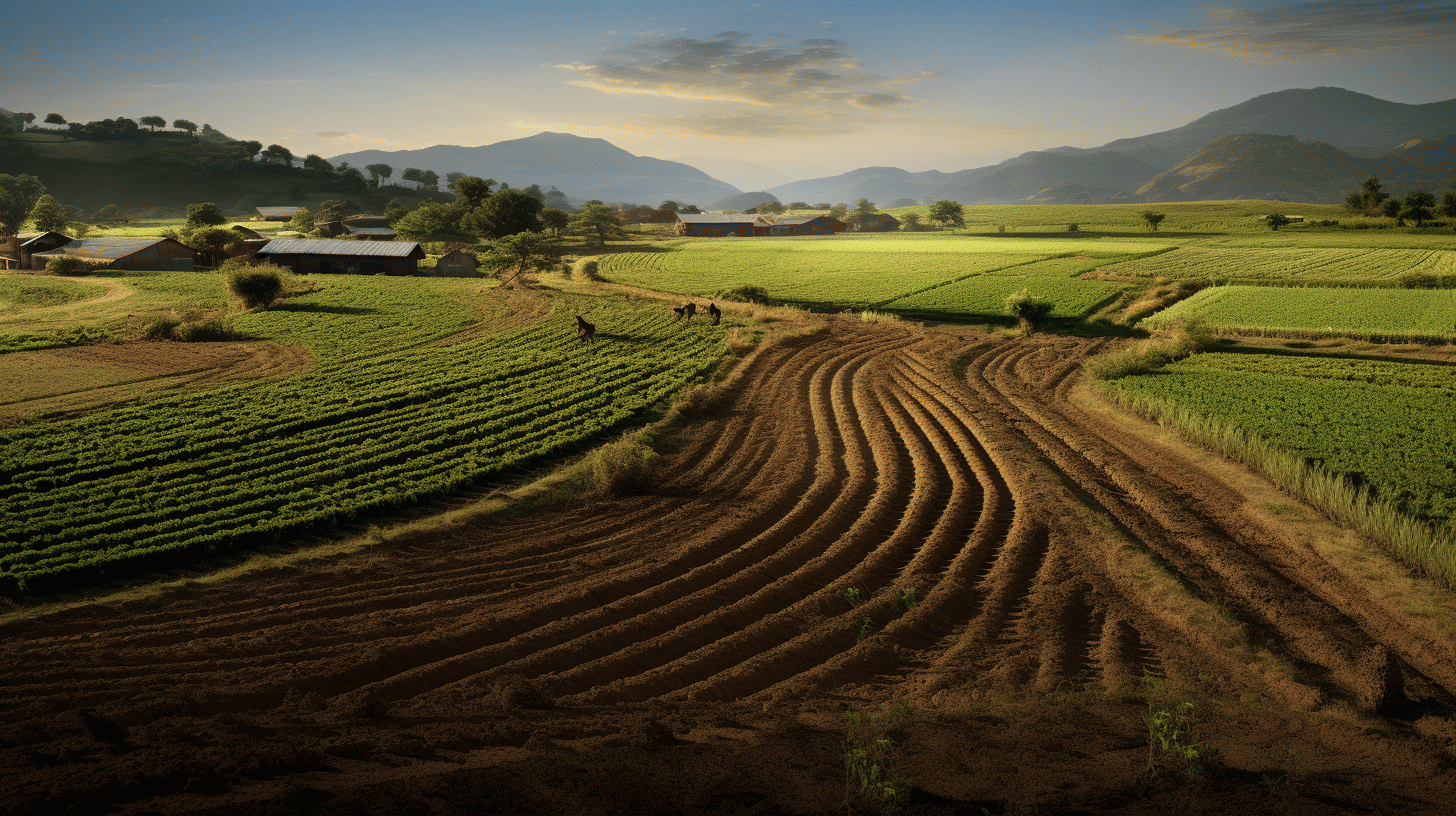
Regenerative agriculture is quickly gaining recognition as the future of sustainable food production. As concerns about climate change, soil degradation, and food insecurity continue to grow, farmers and agricultural experts are searching for innovative solutions that can address these challenges head-on.
In this article, we will explore the concept of regenerative agriculture and its potential to transform the way we produce food. We will delve into the principles behind this approach, the momentum and interest it has gained in recent years, and the numerous benefits it offers to soil health, workers, consumers, and the environment.
But first, let’s take a moment to understand the challenges faced by farmers today and the pressing need for regenerative agriculture.
Challenges Faced by Farmers and the Need for Regenerative Agriculture
Agriculture plays a vital role in our society, providing us with the food and resources we need to thrive. However, farmers and ranchers are facing a myriad of challenges that put their livelihoods at risk. From climate change to soil degradation, these hurdles are threatening the long-term sustainability of our food systems. This is where regenerative agriculture comes in – a holistic approach that aims to restore and enhance ecosystem health while improving farm profitability.
Escalating Challenges
- Climate Change: Extreme weather events, such as droughts, floods, and heatwaves, are becoming increasingly frequent due to climate change. These events can devastate crops and livestock, resulting in significant financial losses for farmers.
- Soil Degradation: Soil is the foundation of agriculture, but years of intensive farming practices have degraded it. The excessive use of chemical fertilizers and pesticides has disrupted the natural balance of soil ecosystems, leading to reduced fertility and increased erosion.
- Loss of Biodiversity: Modern agricultural practices often simplify landscapes, leading to a loss of biodiversity. The disappearance of beneficial insects and native plants can disrupt ecosystem services, such as pollination and natural pest control, making farms more vulnerable to pests and diseases.
- Water Scarcity: With the growing demand for water in agriculture, farmers are facing increasing challenges in accessing adequate water resources. Dwindling water supplies and water quality issues further exacerbate the difficulties faced by farmers.
Slow Adoption of Regenerative Farming
While regenerative agriculture presents a promising solution to these challenges, the adoption rate among farmers is still relatively slow. Despite the proven benefits, including improved soil health, increased biodiversity, and enhanced resilience to climate change, many farmers hesitate to transition to regenerative practices. Here are a few reasons why:
- Lack of Awareness: Many farmers may not be aware of the benefits and practices associated with regenerative agriculture. Education and outreach programs are crucial in bridging this knowledge gap and showcasing the positive impacts of regenerative practices.
- Financial Barriers: Transitioning to regenerative agriculture often requires significant initial investments in infrastructure, equipment, and training. Many farmers might be deterred by the financial risks associated with these upfront costs, especially if they are already struggling to make ends meet.
- Lack of Support: Government policies, grants, and incentives can play a pivotal role in encouraging and supporting farmers to adopt regenerative practices. However, the availability and accessibility of such support may vary across regions, leaving some farmers without the necessary assistance to make the transition.
In conclusion, farmers are facing escalating challenges that threaten the sustainability of our food systems. Regenerative agriculture offers a holistic approach to address these challenges by promoting ecosystem health and productivity. However, there is a need to accelerate the adoption of regenerative practices by addressing knowledge gaps, providing financial support, and fostering an enabling policy environment. Only through collective efforts can we ensure a resilient and sustainable future for farmers and our food systems.
Definition and Principles of Regenerative Agriculture
Regenerative agriculture is a systematic approach to adopting the best sustainable practices that impact nature and climate positively. It goes beyond traditional agriculture methods by focusing on restoring and replenishing the health of the land, rather than simply sustaining it.
At its core, regenerative agriculture aims to create a mutually beneficial relationship between the land and the farmer. It recognizes that our farming practices should work with, rather than against, the natural design and cycles of the earth. By doing so, regenerative agriculture helps landholders attune their agricultural practices to the natural design of the earth’s cycles and support systems.
A Systematic Approach to Sustainable Practices
Unlike conventional farming methods that often degrade the soil and deplete its nutrients, regenerative agriculture takes a holistic approach to land management. It prioritizes building and maintaining healthy soil, which is the foundation for productive and sustainable farming.
Here are some key principles of regenerative agriculture:
- Soil Health: Regenerative agriculture emphasizes the importance of soil health. It focuses on practices that improve soil structure, increase organic matter, enhance microbial activity, and retain water. Healthy soil acts as a carbon sink, helping to mitigate climate change by sequestering carbon dioxide from the atmosphere.
- Biodiversity: Encouraging biodiversity is another essential principle of regenerative agriculture. By planting diverse crops and integrating perennial plants, farmers create habitats for beneficial insects, birds, and other wildlife. This promotes natural pest control and pollination, reducing the need for synthetic pesticides and fertilizers.
- Crop Rotation and Cover Crops: Rotating crops and planting cover crops help break pest and disease cycles, improve soil fertility, and reduce erosion. These practices also promote a more balanced nutrient cycle by alternating different types of crops to replenish soil nutrients naturally.
- Water Management: Regenerative agriculture techniques include implementing water-conserving practices such as precision irrigation, watershed management, and the use of cover crops and mulching to reduce evaporation. By utilizing water efficiently, farmers can reduce their water usage and maintain water quality.
Supporting Natural Design and Cycles
Regenerative agriculture acknowledges the natural processes and cycles that occur in ecosystems and aims to work in harmony with them. It involves:
- Holistic Management: Regenerative farmers take a holistic approach to land management by considering the entire ecosystem. They focus on optimizing the interactions between soil, plants, animals, and people to create a balanced and resilient agricultural system.
- Restoring Ecosystem Functions: Through regenerative practices like agroforestry, agroecology, and the restoration of wetlands and riparian areas, farmers strive to enhance the natural functions of ecosystems. This includes improving biodiversity, nutrient cycling, water infiltration, and erosion control.
- Community Engagement: Regenerative agriculture is not just about farming practices; it’s also about fostering connections between farmers, consumers, and communities. By engaging in local food systems, farmers can build relationships, support local economies, and promote sustainable food production.
In conclusion, regenerative agriculture offers a proactive and forward-thinking approach to farming that prioritizes the long-term health of the land, enhances biodiversity, mitigates climate change, and supports vibrant communities. By adopting these principles and practices, farmers can play a vital role in creating a more sustainable and resilient food system for future generations.
Momentum and Interest in Regenerative Agriculture
Regenerative agriculture is rapidly gaining momentum as farmers and agricultural producers recognize the numerous benefits of adopting more resilient farming practices. There has been a growing interest in regenerative agriculture, driven by factors such as environmental concerns, the need for sustainable food production, and the desire to enhance soil health and fertility.
Increasing Interest in Resilient Farming
Farmers around the world are increasingly turning to regenerative agriculture as they witness its positive impacts firsthand. By implementing regenerative practices such as cover cropping, crop rotation, and minimal tillage, farmers are able to improve soil health, increase biodiversity, and enhance water retention capacity. These practices not only benefit the environment but also result in higher crop yields and reduced reliance on synthetic inputs.
Regenerative agriculture offers a holistic approach to farming that considers the entire ecosystem within which crops are grown. It seeks to mimic natural processes and promote the regrowth of soil microorganisms, which play a crucial role in nutrient cycling and plant health. With regenerative practices, farmers are able to build resilient agricultural systems that can adapt to changing environmental conditions, such as extreme weather events and climate variability.
Corporate Initiatives and Global Incentives
The interest in regenerative agriculture is not limited to individual farmers. Several corporate entities have also recognized the importance of sustainable farming practices and are taking proactive steps towards supporting regenerative agriculture initiatives.
One such example is Unilever, a multinational consumer goods company, which has recently revealed the encouraging results of its regenerative agriculture projects. These projects are an integral part of Unilever’s Net Zero pathway, aimed at reducing the environmental impact of their agricultural supply chains. By partnering with farmers and providing them the necessary resources and guidance, Unilever is helping to drive the adoption of regenerative practices on a large scale.
Furthermore, a global initiative called Regenagri is in the pipeline to incentivize farmers for adopting regenerative agriculture techniques. This initiative aims to establish a framework where farmers are financially rewarded for implementing regenerative practices that promote sustainability, climate change mitigation, and soil conservation. Such initiatives offer a significant opportunity to accelerate the adoption of regenerative agriculture practices and create a more sustainable future for agricultural production.
The increasing momentum and interest in regenerative agriculture is a positive sign for the future of farming. As more farmers and corporate entities recognize the tangible benefits of adopting regenerative practices, we can expect to see a widespread transformation in the way we produce food. Regenerative agriculture not only helps to mitigate climate change and restore ecosystem health but also ensures a more resilient and sustainable agricultural system for future generations.
Benefits and Impact of Regenerative Agriculture
Regenerative agriculture is a farming approach that goes beyond sustainability and aims to restore and enhance the health of the land. It focuses on improving soil health, reducing environmental impact, and promoting the well-being of workers and consumers. Let’s dive into some of the benefits and impacts of this transformative agricultural practice.
Soil Health and Carbon Sequestration
Regenerative farming practices build soil health and contribute to carbon sequestration efforts. By implementing techniques such as cover cropping, crop rotation, and reduced tillage, farmers can enhance the organic matter content in the soil. This, in turn, enhances soil structure, water infiltration, and nutrient retention. Additionally, regenerative practices increase microbial activity, promoting beneficial soil organisms that support plant health.
But the benefits don’t stop there. One of the significant impacts of regenerative agriculture is its contribution to carbon sequestration. Healthy soils have the ability to capture and store carbon dioxide from the atmosphere, thus helping to mitigate climate change. In fact, studies have shown that regenerative farming practices can sequester substantial amounts of carbon, leading to a more sustainable and resilient agricultural system.
Workers, Consumers, and Environmental Benefits
Regenerative agriculture can benefit workers across entire supply chains, as well as consumers and the environment. By prioritizing the well-being of workers, this approach ensures fair wages, safe working conditions, and access to education and training. It promotes social equity and fosters a sense of community, empowering farmers and laborers alike.
Moreover, regenerative agriculture has a positive impact on consumers. Farms that embrace these practices produce food that is not only nutritious but also free from harmful synthetic chemicals. There is a growing awareness among consumers about the importance of sustainable and ethical farming, and regenerative agriculture aligns with these values.
From an environmental perspective, regenerative agriculture minimizes soil erosion, reduces water pollution, and enhances biodiversity. Through the use of cover crops and diversified cropping systems, farmers create habitats for beneficial insects and wildlife, promoting ecological balance and resilience.
Nutrient Density and Crop Profitability
Farms that used regenerative agriculture practices produced crops with higher levels of certain vitamins, minerals, and nutrients. Studies have shown that this farming approach can significantly increase the nutrient density of harvested crops. By prioritizing soil health through organic matter enrichment and microbial activity enhancement, regenerative farmers optimize plant nutrient uptake and transfer these benefits to consumers.
Additionally, regenerative farming practices can increase crop profitability by up to 78% compared to conventional practices. By reducing the reliance on costly synthetic inputs, minimizing water and soil degradation, and achieving higher yields, farmers can improve their bottom line while also promoting long-term sustainability.
In summary, regenerative agriculture offers a multitude of benefits and positive impacts. By focusing on soil health, it contributes to carbon sequestration and mitigates climate change. It prioritizes the well-being of workers, produces nutritious food for consumers, and promotes environmental stewardship. Ultimately, regenerative agriculture presents a holistic and sustainable approach to farming, creating a win-win scenario for everyone involved.
Environmental Impact and Sustainability of Regenerative Agriculture
Regenerative agriculture not only promises to address the challenges faced by farmers but also offers a more sustainable and environmentally friendly approach to food production. By adopting regenerative farming practices, farmers can have a positive impact on the environment and promote long-term sustainability. Let’s delve deeper into the environmental impact and sustainability of regenerative agriculture.
Greenhouse Gas Reduction and Water Quality
One of the most significant environmental benefits of regenerative agriculture is its potential to reduce greenhouse gas emissions. Traditional farming methods, such as excessive tilling and the use of synthetic fertilizers, contribute to the release of carbon dioxide and nitrous oxide into the atmosphere. On the other hand, regenerative practices like cover cropping and rotational grazing help to sequester carbon in the soil, mitigating the effects of climate change.
Additionally, regenerative agriculture focuses on improving water quality by minimizing the use of chemical inputs and implementing conservation practices. By reducing pesticide and fertilizer runoff, regenerative farmers help to protect local water sources and minimize water pollution.
Soil Organic Matter and Yields
Regenerative agriculture emphasizes the importance of soil health and organic matter content. Through practices like crop rotation, composting, and minimal soil disturbance, farmers can increase the organic matter in their soil. This leads to improved soil structure, water retention, and nutrient absorption capacity.
Healthy soils also translate to higher crop yields and increased resilience to extreme weather conditions. By enhancing soil fertility naturally, regenerative agriculture reduces the reliance on synthetic fertilizers, thus minimizing their environmental impact.
Habitat and Species Diversity
Regenerative farming practices prioritize biodiversity and ecosystem health. By creating diverse ecosystems on their farms, regenerative farmers provide habitats for beneficial insects, birds, and other wildlife. This natural approach to farming encourages a balance in the ecosystem and helps to control pests naturally, reducing the need for chemical pesticides.
Moreover, regenerative agriculture contributes to the preservation of native plant species and the restoration of natural habitats. By promoting habitat restoration and species diversity, regenerative farmers play a crucial role in conserving biodiversity and protecting endangered species.
In conclusion, regenerative agriculture offers numerous environmental benefits and contributes to the long-term sustainability of our food systems. By focusing on soil health, water quality, and biodiversity, regenerative farmers can effectively reduce greenhouse gas emissions, enhance soil fertility, and preserve our natural ecosystems. The adoption of regenerative practices is a crucial step towards creating a more sustainable future for food production.
Frequently Asked Questions
- What is regenerative agriculture?
Regenerative agriculture is a holistic farming and land management approach that focuses on rebuilding depleted soil health, restoring biodiversity, and enhancing ecosystem services. It aims to create resilient agricultural systems that can sustainably produce food while also improving the environment.
- What are the benefits of regenerative agriculture?
Regenerative agriculture offers numerous benefits including improved soil fertility, increased crop yields, enhanced water retention, reduced soil erosion, decreased greenhouse gas emissions, promotion of biodiversity, and improved long-term sustainability of food production.
- How does regenerative agriculture differ from conventional farming methods?
Unlike conventional farming methods that often rely on synthetic inputs and aggressive tilling practices, regenerative agriculture emphasizes natural processes such as cover cropping, crop rotation, composting, and minimizing chemical use. It focuses on restoring and maintaining healthy soil ecosystems rather than depleting them.
- Can regenerative agriculture be practiced on a large scale?
Yes, regenerative agriculture can be practiced on various scales, from small farms to large-scale commercial operations. It requires a shift in mindset and management practices, but it has proven successful in improving soil health and productivity across diverse agricultural systems.
- Is regenerative agriculture economically viable for farmers?
While transitioning to regenerative agriculture may require some initial investment and changes in management practices, it can ultimately be economically viable for farmers. By improving soil health and reducing input costs in the long run, regenerative practices can increase profitability and resilience for farmers.