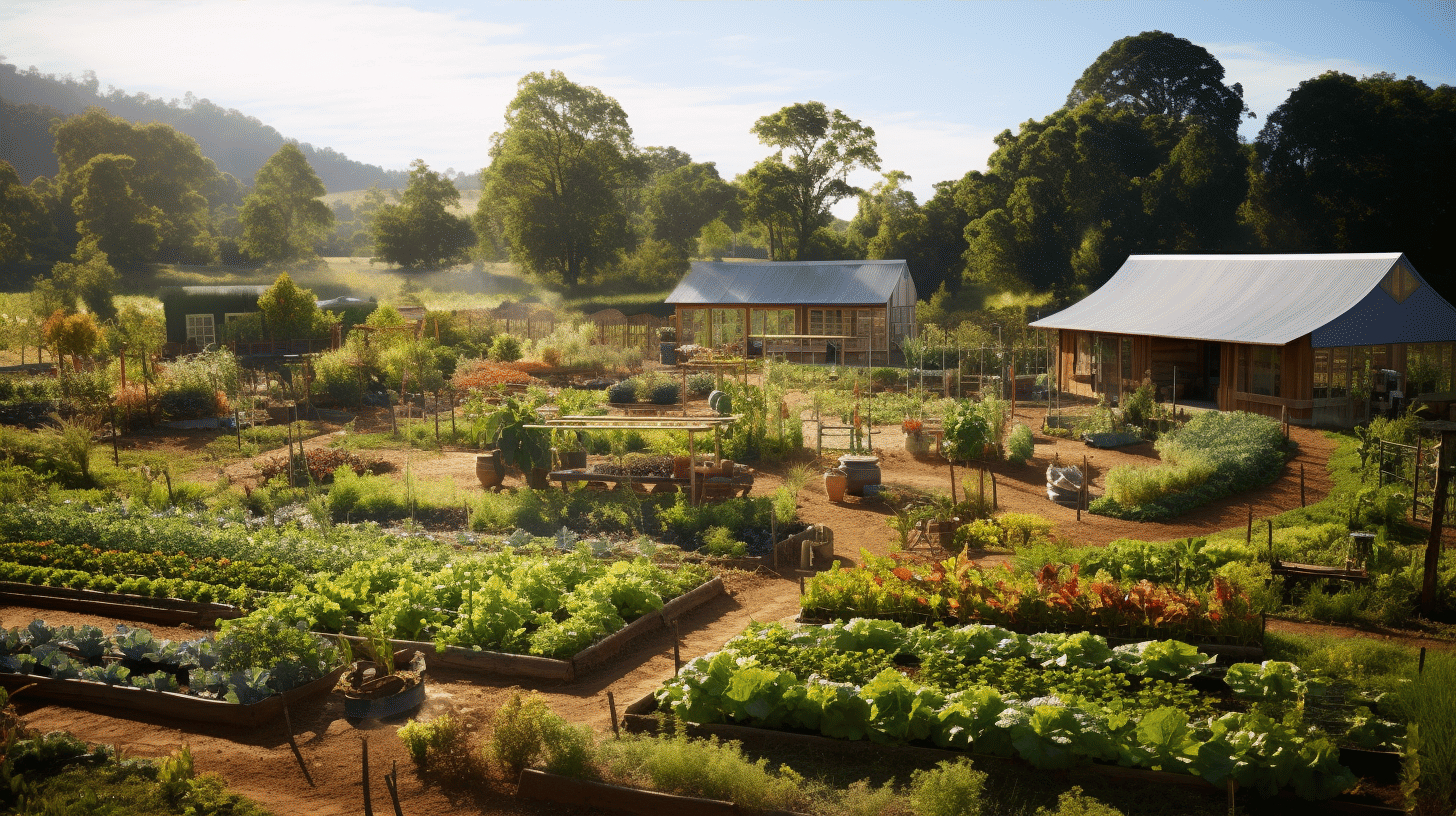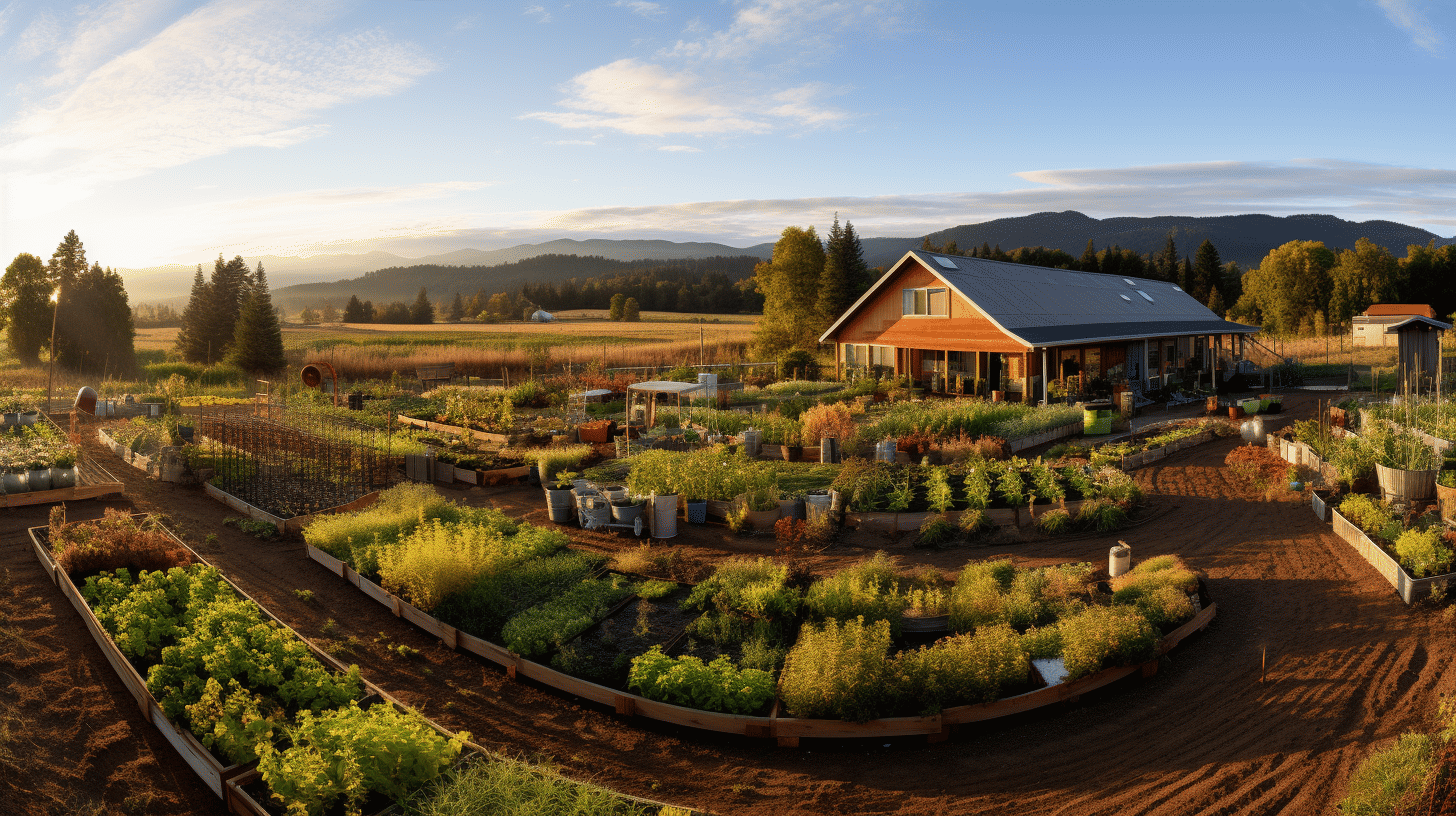
Permaculture is an innovative approach to sustainable farming that aims to create ecologically balanced and self-sufficient systems. By emphasizing the principles of harmony with nature, resource conservation, and organic practices, permaculture offers an effective solution for addressing the challenges faced by modern agriculture.
In this article, we will explore the key principles of permaculture, and delve into their applications in farming. We will also discuss the multitude of benefits that permaculture brings to sustainable farming, as well as the barriers and solutions that come with implementing this approach. Whether you are a farmer looking to make your operation more sustainable or simply curious about environmentally friendly farming practices, this article will provide valuable insights and actionable tips to help you embark on a permaculture journey.
So, let’s dive in and discover the world of permaculture and how it can transform the way we farm for a healthier future.
Overview of Permaculture
Permaculture, a term that may sound unfamiliar to some, is an innovative and holistic approach to sustainable living and agriculture. It provides a framework for designing and creating systems that mimic the patterns of nature, aiming to promote harmony between humans and the environment. In this section, we will delve into the definition of permaculture and explore its fascinating origins and development.
Definition of Permaculture
Permaculture, coined by Australian environmentalist Bill Mollison and his student David Holmgren in the late 1970s, is a combination of the words “permanent” and “agriculture” (though it has since evolved beyond agriculture alone). The concept encompasses not only sustainable food production but also sustainable living as a whole, including building structures, energy systems, and societal interactions.
At its core, permaculture seeks to create diverse, regenerative, and self-sustaining ecosystems that meet the needs of both humans and the environment. It goes beyond conventional farming methods and embraces principles such as:
- Care for the Earth – Cultivating a deep respect for the environment and its resources, working towards preserving and regenerating ecosystems.
- Care for People – Recognizing the importance of social well-being and promoting fair and equitable relationships within communities.
- Fair Share – Ensuring that resources are distributed fairly and promoting the idea of surplus being shared with others and reinvested in the system.
By applying these principles, permaculturists strive to create systems that not only produce an abundance of food but also increase biodiversity, conserve water, restore degraded land, and promote community resilience.
Origins and Development
The origins of permaculture can be traced back to the 1970s in Tasmania, Australia, where Bill Mollison and David Holmgren began developing the concept. Motivated by concerns over the unsustainable practices they observed in conventional agriculture, they sought to create a more harmonious and regenerative approach.
In 1978, Mollison published the book “Permaculture: A Designers’ Manual,” which served as a comprehensive guide to permaculture principles, strategies, and techniques. This seminal work introduced permaculture to a global audience and ignited a movement that continues to thrive today.
Since its inception, permaculture has evolved and expanded, encompassing a wide range of applications beyond just agriculture. It has inspired individuals and communities worldwide to reimagine their relationship with the environment and adopt sustainable practices in all aspects of life.
Today, permaculture is practiced in diverse regions and climates around the globe, making a positive impact on food security, environmental restoration, and community resilience. It continues to be embraced as a powerful tool for creating more sustainable and regenerative systems that benefit both people and the planet.
Key Principles of Permaculture
Permaculture is a holistic design approach that aims to create sustainable and regenerative systems that mimic the patterns and processes found in nature. It encompasses various principles that guide practitioners in creating resilient and productive environments. Let’s dive into some of the key principles of permaculture and explore how they can be applied in practice.
Observe and Interact
One of the fundamental principles of permaculture is to observe and interact with our surroundings. By taking the time to carefully observe the natural patterns and processes in a given landscape, we can gain insights into how to best design our systems. This involves studying the local climate, topography, vegetation, and wildlife.
Catch and Store Energy
In permaculture, there is an emphasis on catching and storing energy in various forms. This includes harnessing the power of the sun, wind, water, and other renewable energy sources. For example, a permaculture design might incorporate solar panels, rainwater harvesting systems, and wind turbines to generate and store energy for future use.
Obtain a Yield
Permaculture seeks to create systems that are productive and provide a yield of valuable resources. This can include growing food, harvesting timber, producing renewable energy, and more. The goal is to design systems that not only sustain us but also provide abundance and diversity.
Apply Self-Regulation and Accept Feedback
Self-regulation and feedback loops are important aspects of permaculture. By closely monitoring and responding to the feedback our systems provide, we can make adjustments and improvements over time. This involves carefully observing the outcomes of our actions and continuously learning and adapting.
Use and Value Renewable Resources
Permaculture promotes the use and appreciation of renewable resources over non-renewable ones. Instead of depleting finite resources, permaculturists focus on utilizing renewable resources that can be replenished naturally. This includes harvesting rainwater, using organic materials for mulching, and utilizing renewable energy sources.
Produce No Waste
The aim of permaculture is to minimize waste and create closed-loop systems where nothing goes to waste. This involves practices such as composting organic matter, recycling materials, and reusing resources wherever possible. It’s about seeing waste as a valuable resource and finding ways to integrate it back into the system.
Design from Patterns to Details
Permaculture design starts with observing and understanding the larger patterns and relationships in a system before diving into the details. By understanding the interconnected nature of systems, we can create more effective and harmonious designs. This approach allows us to better mimic and align with natural patterns and processes.
Integrate Rather Than Segregate
Permaculture encourages the integration of different elements in a system, rather than isolating them. By fostering connections between plants, animals, and other components, we can create symbiotic relationships that enhance the overall resilience and productivity of the system. This integration also promotes biodiversity and strengthens the ecosystem as a whole.
Use Small and Slow Solutions
Instead of seeking large-scale, quick-fix solutions, permaculture advocates for small and slow interventions. By taking small steps and implementing changes gradually, we can better understand how our systems respond and make adjustments accordingly. This approach ensures that we are not overwhelming the system and allows for more nuanced and effective solutions.
Use and Value Diversity
Permaculture recognizes the importance of diversity in creating resilient systems. By fostering a wide range of species, genetic diversity, and functional diversity, we can enhance the stability and adaptability of our designs. This includes incorporating diverse crops, companion planting, and creating habitat for various organisms.
Use Edges and Value the Marginal
Edges and marginal spaces in a landscape often have unique characteristics and provide opportunities for increased productivity and creativity. Permaculture seeks to utilize these edges and value the marginal spaces by designing systems that make the most of these areas. This includes planting along fence lines, creating edge habitats, and utilizing vertical spaces.
Creatively Use and Respond to Change
Permaculture acknowledges that change is inevitable and that we must be adaptable and creative in our responses. By embracing change and seeing it as an opportunity for growth, we can better navigate and design systems that can respond to changing circumstances. This includes incorporating flexible design elements and strategies that allow for adaptation as needed.
Incorporating these key principles into a permaculture design can help create sustainable and regenerative systems that benefit both humans and the environment. By observing nature, harnessing renewable resources, and embracing diversity, permaculture offers a framework for designing resilient and productive ecosystems.
Application of Permaculture Principles in Farming
Permaculture is a sustainable farming approach that seeks to mimic the patterns and systems found in nature. By integrating diverse elements and utilizing natural processes, permaculture aims to create self-sustaining and resilient agricultural systems. In this article, we will explore the various ways in which permaculture principles can be applied in farming to promote ecological harmony and improve productivity.
Soil Conservation
One of the key elements of permaculture is soil conservation. Healthy, fertile soil is the foundation of any successful farming endeavor. By prioritizing soil health, farmers can optimize crop growth and minimize the need for synthetic fertilizers and pesticides. Some practices that can be employed for soil conservation in permaculture farming include:
- Composting: By composting organic waste, farmers can enrich the soil with essential nutrients, improve its texture, and promote beneficial microbial activity.
- Mulching: Applying organic mulch, such as straw or wood chips, to the soil surface helps retain moisture, regulate temperature, suppress weeds, and enhance soil structure.
- Cover cropping: Planting cover crops during fallow periods helps prevent soil erosion, improve soil fertility, and suppress weeds. Cover crops also add organic matter to the soil when they are eventually incorporated.
Water Conservation
Water scarcity is a global concern, making water conservation a critical aspect of sustainable farming. Permaculture offers several strategies to maximize water efficiency and reduce water waste:
- Rainwater harvesting: Collecting rainwater in tanks or ponds allows farmers to store water for irrigation during dry periods. This practice not only conserves water but also reduces the reliance on external water sources.
- Drip irrigation: Using drip irrigation systems, which deliver water directly to the plant roots in a slow and targeted manner, minimizes water loss through evaporation and runoff.
- Swales and contour planting: Creating swales, which are shallow ditches on contour lines, helps capture and retain rainwater on sloping lands. Contour planting, where crops are planted along the contour lines, further prevents water runoff and encourages infiltration.
Biodiversity Enhancement
Permaculture recognizes the importance of biodiversity for ecosystem health and resilience. By promoting species diversity, farmers can achieve a more balanced and robust farming system:
- Polyculture: Planting multiple crops together promotes natural pest control, improves nutrient cycling, and enhances overall system resilience. Mixing different plant species also reduces the risk of crop failure caused by pests or diseases targeting a specific crop.
- Hedgerows and windbreaks: Planting hedgerows and windbreaks with a variety of tree and shrub species helps create habitat for beneficial insects and birds, provides shade, and reduces wind erosion.
- Companion planting: Growing compatible plant species together can enhance pest management, attract beneficial insects, and improve soil fertility through nitrogen fixation or nutrient sharing.
Sustainable Crop Rotation
Crop rotation is a well-established practice in conventional agriculture, but permaculture takes it a step further by incorporating greater diversity and synergistic relationships between different crops. Some benefits of sustainable crop rotation in permaculture farming include:
- Pest and disease management: Rotating crops disrupts pest and disease cycles, reducing the need for chemical interventions. Different crop combinations also attract different pests, reducing the risk of widespread infestations.
- Nutrient management: Rotating crops helps balance nutrient uptake and replenish soil fertility. Leguminous crops, for example, can fix atmospheric nitrogen, reducing the need for nitrogen fertilizers in subsequent crops.
Integrated Pest Management
Pest control in permaculture farming focuses on natural and holistic approaches rather than relying solely on synthetic pesticides. Integrated pest management (IPM) strategies include:
- Biological control: Encouraging beneficial insects, such as ladybugs and lacewings, that prey on pests can help keep pest populations in check naturally.
- Crop diversity: Diverse cropping systems disrupt pest life cycles, making it harder for pests to establish themselves. Companion planting with pest-repellent plants can also deter insect pests.
- Trap crops: Planting specific crops that attract pests away from main crops can help protect valuable plants. These sacrificial crops can be monitored and managed more closely to reduce pest damage.
Adopting permaculture principles in farming offers numerous benefits for both farmers and the environment. By prioritizing soil conservation, water efficiency, biodiversity enhancement, sustainable crop rotation, and integrated pest management, farmers can create resilient, productive, and sustainable farming systems that work in harmony with nature.
Benefits of Permaculture in Sustainable Farming
Permaculture, a holistic approach to farming, is gaining popularity among farmers and sustainability enthusiasts alike. By mimicking natural ecosystems and utilizing regenerative agricultural practices, permaculture offers a range of benefits for both the environment and the farmers themselves. In this article, we will explore the numerous advantages of implementing permaculture in sustainable farming.
Increasing Crop Yield
One of the primary goals of every farmer is to maximize crop yield. Permaculture enables farmers to achieve this in a sustainable and long-term manner. By diversifying plant species and designing efficient food forests, permaculture optimizes the use of available space and resources. The various layers of plants in a permaculture system work together symbiotically, creating a self-sustaining ecosystem that enhances pollination, reduces pests, and provides optimal conditions for crop growth.
Strengthening Biodiversity
The preservation of biodiversity is essential for the health of our planet. Permaculture farms actively promote and support biodiversity by creating habitats for a wide variety of plants, animals, and insects. This diversity not only enhances the resilience of the ecosystem but also fosters natural pest control and pollination. Furthermore, by maintaining a wide range of crops and plant species, permaculture farms contribute to the conservation of heirloom and indigenous varieties, safeguarding agricultural heritage for future generations.
Improving Soil Health
Soil health is the cornerstone of sustainable agriculture. Permaculture employs regenerative practices such as cover cropping, mulching, and composting to replenish and improve the quality of the soil. These practices increase organic matter content, enhance nutrient cycling, and promote soil structure, leading to healthier plants and increased water retention. Additionally, permaculture emphasizes the use of perennial crops and agroforestry, which help prevent soil erosion and improve soil fertility over time.
Climate Change Mitigation
In the face of climate change, adopting sustainable farming practices becomes even more crucial. Permaculture plays a vital role in mitigating climate change by sequestering carbon dioxide from the atmosphere and reducing greenhouse gas emissions. The use of perennial crops and agroforestry systems in permaculture farms significantly contributes to carbon sequestration. Furthermore, the emphasis on on-site water management and efficient energy use reduces the carbon footprint associated with conventional farming practices.
Economic Benefits
While the ecological benefits of permaculture are significant, it is also important to highlight the economic advantages for farmers. By reducing the dependency on external inputs such as fertilizers and pesticides, permaculture reduces production costs. Additionally, the diversification of crops and value-added products allows farmers to tap into various market niches, increasing their income potential. Moreover, permaculture systems are designed to be sustainable in the long run, ensuring a more resilient and profitable farming operation.
In conclusion, permaculture offers a host of benefits for sustainable farming. From increasing crop yield and strengthening biodiversity to improving soil health and mitigating climate change, permaculture fosters a regenerative approach to agriculture. Not only does it provide ecological advantages, but it also offers economic opportunities for farmers. Embracing permaculture principles can lead to a more sustainable and resilient farming future.
Barriers and Solutions for Implementing Permaculture
Introduction:
Permaculture, a sustainable and holistic approach to land design, holds immense promise for transforming our agricultural practices. By mimicking natural ecosystems and fostering biodiversity, permaculture offers solutions for creating resilient and productive food systems. However, the implementation of permaculture faces several barriers that can hinder its widespread adoption. In this section, we will explore some common barriers and propose strategies to overcome them, enabling the successful implementation of permaculture practices.
Financial Cost:
One of the primary barriers to implementing permaculture is the perceived high financial cost. Establishing and maintaining a permaculture system requires initial investments in infrastructure, plants, and materials. This deterrence can be particularly challenging for individuals or communities with limited financial resources. However, it is important to understand that while there may be an upfront investment, permaculture systems offer long-term cost savings and profitability.
To overcome the financial barrier of implementing permaculture, here are a few strategies:
- Seek funding opportunities: Research and apply for grants, incentives, and loans available for sustainable agriculture initiatives. Local government bodies, non-profit organizations, and agricultural development programs often provide support for permaculture projects.
- Start small: Begin with designing and implementing smaller permaculture elements and gradually expand over time. This approach allows for incremental investment as resources become available and increases the chances of success.
- Collaboration and resource-sharing: Pool resources and collaborate with like-minded individuals or organizations to collectively invest in permaculture projects. Shared equipment, knowledge, and labor can significantly reduce the financial burden.
Labor Intensity:
Another common barrier in implementing permaculture is the perception of high labor requirements. Since permaculture relies on creating self-sustaining ecosystems, there is an initial need for intensive planning, design, and implementation. This can be overwhelming, especially for individuals or organizations with limited manpower. However, it is crucial to recognize that the labor invested in the early stages of permaculture design reaps long-term benefits and reduces maintenance efforts over time.
To address the labor intensity barrier, consider these solutions:
- Education and training: Provide comprehensive training and education on permaculture principles and techniques. This empowers individuals and communities to gain the necessary knowledge and skills to efficiently manage permaculture systems, making labor-intensive tasks more manageable.
- Community involvement: Encourage community participation and volunteerism in permaculture projects. By fostering a sense of ownership and shared responsibility, the workload can be distributed among enthusiastic individuals, making it more feasible to implement and maintain permaculture systems.
- Design for efficiency: Incorporate design principles that minimize the need for ongoing manual labor. Integrate elements such as smart irrigation systems, efficient composting, and strategic placement of plants to reduce maintenance requirements.
Lack of Knowledge and Training:
A lack of knowledge and training in permaculture practices is another significant barrier to its implementation. Many individuals and communities may not be familiar with the principles and techniques of permaculture, preventing them from adopting these sustainable practices. Effective education and training programs can bridge this knowledge gap and pave the way for successful implementation.
To overcome the lack of knowledge and training barrier, consider the following strategies:
- Workshops and courses: Organize workshops, seminars, and training programs to introduce permaculture principles and practices. Invite experienced permaculture designers as instructors or seek partnerships with local educational institutions to offer courses on sustainable agriculture.
- Demonstration sites: Establish demonstration sites that showcase successful permaculture systems. These sites can serve as practical learning spaces where individuals can observe permaculture principles in action and gain inspiration for their own projects.
- Knowledge sharing platforms: Develop online platforms, such as blogs, forums, and social media groups, dedicated to sharing knowledge and experiences in permaculture. This facilitates the exchange of ideas and encourages a supportive network for beginners and experienced practitioners alike.
In conclusion, while there are legitimate barriers to implementing permaculture, such as financial cost, labor intensity, and lack of knowledge, it is crucial to recognize the inherent benefits and potential of this sustainable approach. By adopting strategies to address these barriers, we can promote the widespread adoption of permaculture, creating resilient and regenerative food systems for a more sustainable future.
Conclusion
In conclusion, permaculture offers a holistic approach to sustainable farming that prioritizes ecosystem health, resource conservation, and community resilience. By embracing the key principles of permaculture, farmers and land stewards can create productive and regenerative agricultural systems that benefit both the environment and human well-being.
Through careful observation, thoughtful design, and strategic implementation, permaculture practices enable farmers to work in harmony with nature, maximizing the potential of their land while minimizing negative impacts. From soil conservation and water management to biodiversity enhancement and integrated pest management, permaculture provides a comprehensive framework for sustainable farming.
By adopting permaculture principles, farmers can experience a range of benefits, including increased crop yields, improved soil health, strengthened biodiversity, and climate change mitigation. Furthermore, the economic benefits of permaculture, such as reduced input costs and diversified income streams, make it a viable and attractive option for farmers looking to enhance the ecological and financial sustainability of their operations.
While there may be barriers to implementing permaculture, such as financial costs and labor intensity, solutions and strategies exist to overcome these challenges. Through knowledge-sharing, training programs, and community support, farmers can gain the skills and resources needed to successfully apply permaculture principles on their farms.
In conclusion, permaculture offers a promising pathway towards sustainable and regenerative agriculture. By integrating the principles of permaculture into farming practices, we can create a future where agriculture and ecology thrive in harmony, ensuring food security, environmental health, and a resilient and thriving planet.
Join us at Regenerative Agriculture Wiki to explore more about permaculture and other regenerative farming practices. Together, let’s cultivate a future where the power of regenerative agriculture transforms the world.
Frequently Asked Questions
- What are the key principles of permaculture for sustainable farming?
The key principles of permaculture for sustainable farming include observing and interacting, catching and storing energy, obtaining a yield, self-regulating and accepting feedback, using and valuing renewable resources and services, producing no waste, designing from patterns to details, integrating rather than segregating, using small and slow solutions, and valuing diversity.
- How can permaculture principles benefit sustainable farming practices?
Permaculture principles help create sustainable farming systems by promoting ecological balance, minimizing the use of non-renewable resources, maximizing resource efficiency, reducing waste and pollution, improving soil health, conserving water, and fostering biodiversity.
- Are permaculture principles applicable to all types of farming?
Yes, permaculture principles can be applied to various types of farming, including organic farming, regenerative agriculture, agroforestry, and urban farming. The principles are flexible and adaptable, allowing farmers to incorporate sustainable practices based on their specific context and resources.
- Can permaculture principles be implemented on a small scale farm?
Absolutely! Permaculture principles are well-suited for small-scale farms as they emphasize maximizing space and resources, using diverse planting methods, and creating self-sustaining and resilient ecosystems. Small-scale farmers can benefit from permaculture in terms of increased productivity, biodiversity, and ecological sustainability.
- Where can I learn more about permaculture principles for sustainable farming?
There are various resources available to learn more about permaculture principles for sustainable farming. You can attend permaculture design courses, read books and articles on the subject, join online communities and forums, and visit permaculture farms and gardens to gain practical knowledge and insights.