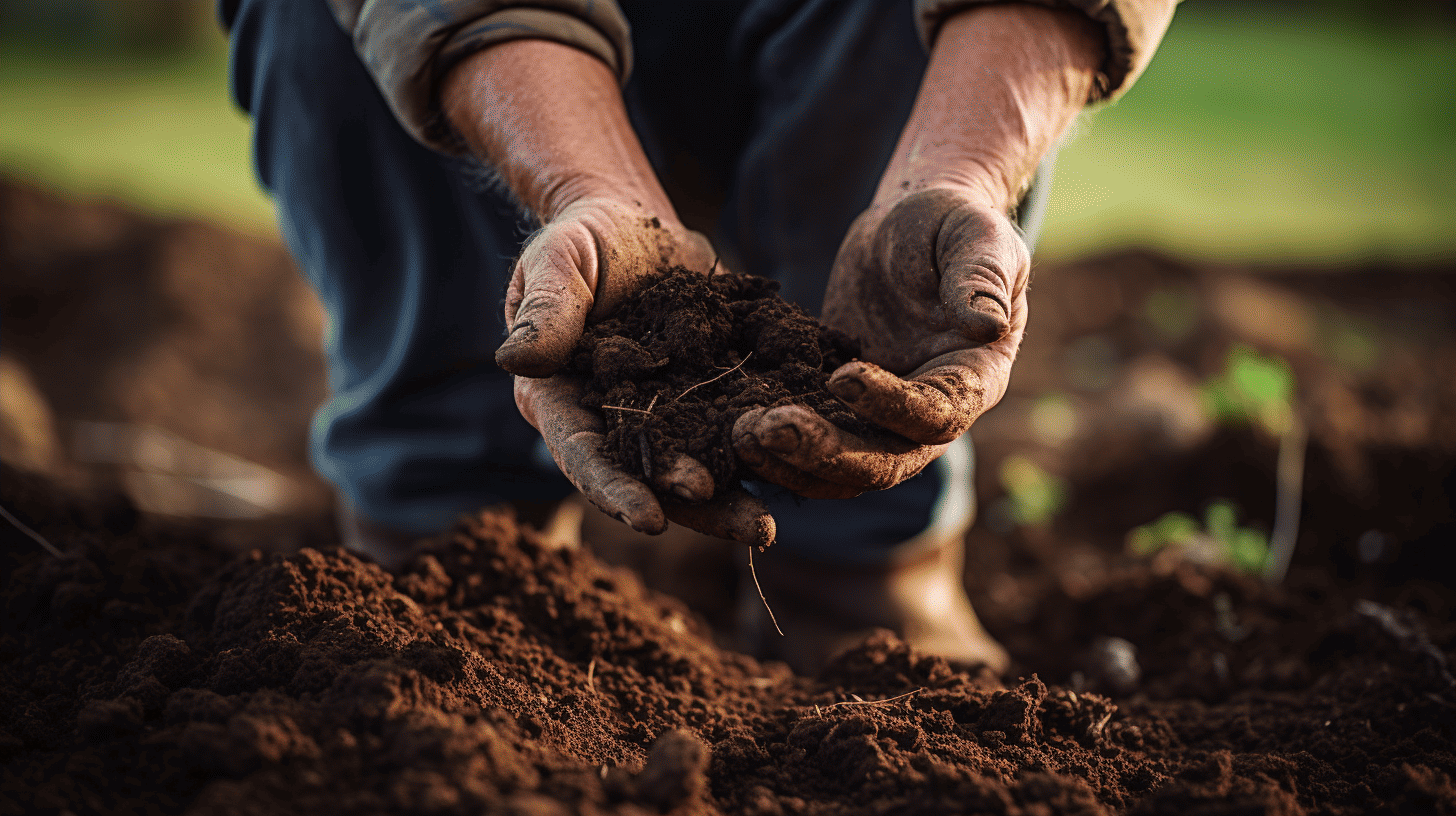
In the pursuit of sustainable farming practices, understanding soil health is of paramount importance. Soil is not just a medium for plant growth; it is a complex ecosystem that directly impacts crop productivity, resource efficiency, environmental conservation, and the overall health of our planet. By nurturing and maintaining healthy soil, farmers can ensure long-term agricultural sustainability and safeguard the well-being of future generations.
Sustainable farming goes beyond just maximizing crop yields. It involves adopting practices that promote biodiversity, conserve natural resources, and minimize negative environmental impacts. And at the heart of these practices lies the concept of soil health.
So what exactly is soil health? It’s more than just soil fertility. It’s about fostering a balanced and thriving soil ecosystem that can sustainably support plant growth and the diverse life forms that depend on it.
Understanding soil health involves examining several key factors and indicators that provide valuable insights into the overall state of the soil. By analyzing these factors, farmers can make informed decisions and implement practices that optimize soil health and promote sustainable farming practices.
Throughout this article, we will delve deeper into the significance of soil health in sustainable farming. We will explore the factors that determine soil health, the indicators that help evaluate its condition, and the critical role it plays in sustaining crop production, improving resource efficiency, protecting the environment, and supporting biodiversity.
Through an exploration of the practices to improve soil health, we will provide actionable steps that farmers can take to enhance the quality and fertility of their soils. Additionally, we will shed light on the potential consequences of ignoring soil health in farming, including soil erosion, nutrient loss, decreased productivity, and adverse environmental impacts.
Lastly, we will look into the future of sustainable farming and soil health, considering the technological advancements, policies, and educational initiatives that are driving positive change in the agricultural industry.
By taking a holistic approach to soil health, farmers can contribute to a more sustainable and resilient agricultural system, ensuring a healthier planet for generations to come. So let’s embark on this journey to understand the importance of soil health in sustainable farming and discover how we can nurture our soils to preserve and enhance their intrinsic value.
Understanding Soil Health
Soil health is a critical factor in agriculture and plays a significant role in the success of crops. Farmers, gardeners, and scientists alike are constantly striving to understand and enhance soil health to optimize plant growth and ensure sustainable farming practices. In this article, we will explore the definition of soil health, the determining factors that affect it, and the indicators used to assess soil health.
Definition of Soil Health
Soil health is a term used to describe the overall well-being and fertility of the soil. It encompasses the physical, chemical, and biological properties of the soil, as well as its ability to support plant growth. Healthy soil provides a favorable environment for plants, allowing them to take up nutrients, retain water, and establish strong root systems. It also promotes beneficial microbial activity and helps prevent soil erosion.
Determining Factors of Soil Health
Several factors influence soil health, and understanding these factors is crucial for maintaining and improving soil quality. Here are some key determinants of soil health:
- Soil Texture: The texture of the soil, such as its proportions of sand, silt, and clay particles, affects its ability to retain water and nutrients. Different plant species have different soil texture preferences, so it’s essential to know your soil type for optimal crop selection.
- Organic Matter: The organic matter content in the soil is vital for soil health. Organic matter provides essential nutrients to plants, improves soil structure, and enhances water holding capacity. It also supports the growth of beneficial soil microorganisms.
- Nutrient Content: The nutrient content in the soil is crucial for plant growth. Essential nutrients, such as nitrogen, phosphorus, and potassium, need to be present in adequate amounts for healthy plant development. Soil testing can help identify nutrient deficiencies and guide nutrient management strategies.
- pH Level: Soil pH is a measure of acidity or alkalinity. Different plants require different pH levels to thrive. Adjusting soil pH can significantly impact nutrient availability and plant health.
- Soil Structure: The physical arrangement of soil particles, known as soil structure, affects water infiltration, drainage, and root penetration. A well-structured soil allows for proper root development and nutrient uptake.
Soil Health Indicators
To determine soil health, scientists and farmers use various indicators that provide insights into the soil’s overall health and quality. These indicators help assess the soil’s ability to support plant growth and its resilience to environmental stressors. Some common soil health indicators include:
- Soil Organic Matter Content: Organic matter content reflects the soil’s fertility, nutrient-holding capacity, and ability to support beneficial soil organisms.
- Microbial Activity: Assessing microbial activity in the soil helps identify the presence of beneficial microorganisms that contribute to nutrient cycling and plant growth.
- Bulk Density: Bulk density is a measure of soil compaction. High bulk density can impede root growth and water movement, negatively affecting plant health.
- Water Holding Capacity: The soil’s ability to hold and release water to plants is crucial for maintaining plant hydration and resilience during drought or excessive rainfall.
- Soil Erosion: Monitoring soil erosion helps evaluate the soil’s vulnerability to erosion and the effectiveness of erosion control measures.
By understanding these indicators and the factors that contribute to soil health, farmers and gardeners can make informed decisions to improve soil quality and maximize crop productivity.
Soil health is a dynamic and complex field of study, and ongoing research continues to shed light on the intricacies of this vital natural resource. By taking care of our soils, we can ensure the long-term sustainability of our agricultural systems and support a healthier planet for future generations.
Role of Soil Health in Sustainable Farming
Soil health plays a crucial role in sustainable farming practices. It’s not just about growing crops; it’s about ensuring the long-term viability of agricultural systems while prioritizing the health of the environment. In this section, we’ll explore the various ways in which soil health contributes to sustainable farming.
Sustaining Crop Production
Healthy soil is the foundation for productive and resilient crop production. When the soil is rich in organic matter and nutrients, it provides a fertile environment that supports the growth and development of plants. Here are a few key ways in which soil health sustains crop production:
- Nutrient availability: Healthy soil contains a wide range of essential nutrients that are readily available to plants. This ensures that crops have access to the nutrients they need to thrive.
- Water retention: Soil with good organic matter content has the ability to retain moisture effectively. This helps to sustain crop production during dry periods by ensuring that plants have access to an adequate water supply.
- Disease suppression: Certain soil conditions, such as a well-balanced pH level and a diverse microbial community, can help suppress the growth of plant pathogens. This reduces the risk of crop diseases and minimizes the need for chemical interventions.
Improving Resource Efficiency
Another significant benefit of maintaining soil health in sustainable farming is the improvement of resource efficiency. By optimizing resource utilization, farmers can reduce waste and enhance overall agricultural productivity. Here’s how soil health contributes to improved resource efficiency:
- Nutrient cycling: Healthy soil promotes efficient nutrient cycling, where organic matter is broken down and transformed into essential plant nutrients. This natural process reduces the dependence on synthetic fertilizers, resulting in cost savings and minimizing nutrient runoff into water bodies.
- Water management: Soil with good structure and sufficient organic matter can capture rainfall and store it for future use by plants. This helps to minimize irrigation needs and conserves water resources.
- Energy conservation: Sustainable farming practices that prioritize soil health often involve reduced tillage or no-till systems. By avoiding excessive soil disturbance, farmers can conserve energy and reduce greenhouse gas emissions associated with fuel consumption.
Protecting the Environment
One of the primary goals of sustainable farming is to protect the environment and minimize the negative impacts of agricultural practices on natural ecosystems. Soil health plays a crucial role in achieving this objective by:
- Preventing erosion: Healthy soils with ample organic matter have improved structure and stability, preventing erosion caused by wind and water. This helps to preserve valuable topsoil and prevents sediment runoff into water bodies, protecting water quality and aquatic habitats.
- Reducing chemical inputs: By maintaining soil fertility and promoting natural processes, farmers can reduce the reliance on synthetic fertilizers, pesticides, and herbicides. This leads to a decrease in the release of harmful chemicals into the environment, mitigating pollution risks.
Supporting Biodiversity
Healthy soils are teeming with diverse and abundant microbial life, which in turn supports a thriving ecosystem. The presence of a robust soil microbiome contributes to overall biodiversity on the farm, ensuring the long-term sustainability of agricultural systems. Here’s how soil health supports biodiversity:
- Beneficial insects and pollinators: A healthy soil ecosystem provides habitat and food sources for beneficial insects and pollinators. These organisms play a vital role in pest control and pollination, contributing to sustainable crop production.
- Plant diversity: A biodiverse soil environment promotes the growth of diverse plant species, including cover crops and native vegetation. This enhances habitat diversity and encourages beneficial interactions between plants and soil organisms.
- Healthy food webs: The interconnectedness of the soil food web supports the transfer of energy and nutrients through various trophic levels. This promotes the stability and resilience of the overall ecosystem, ensuring long-term sustainability.
In conclusion, soil health is a fundamental aspect of sustainable farming. It sustains crop production, improves resource efficiency, protects the environment, and supports biodiversity. By prioritizing and implementing practices that enhance soil health, farmers can contribute to a more sustainable and resilient agricultural system.
Practices to Improve Soil Health in Sustainable Farming
When it comes to sustainable farming, one of the most critical factors to consider is the health of the soil. Soil health directly affects crop productivity, nutrient availability, water holding capacity, and the overall resilience of the farming system. By implementing specific practices, farmers can improve soil health and ensure its long-term sustainability.
Crop Rotation
Crop rotation is a fundamental practice in sustainable farming that involves growing different crops in sequential seasons on the same piece of land. This practice offers several benefits for soil health, including:
- Nutrient Cycling: Different crops have varying nutrient demands, and rotating crops helps prevent the depletion of specific nutrients from the soil. For example, legumes like peas and beans fix atmospheric nitrogen, enriching the soil with this essential nutrient.
- Disease and Pest Management: Crop rotation disrupts the life cycles of pests and pathogens, reducing the risk of buildup and controlling their populations naturally. Different crops also have varying susceptibility to specific diseases, so rotating crops can help break disease cycles.
- Weed Control: Certain crops, like cover crops, can suppress weed growth through competition, shading, and allelopathic effects. By incorporating weed-suppressive crops into the rotation, farmers can minimize weed pressure without relying heavily on herbicides.
To effectively implement crop rotation, farmers need to carefully plan the sequence of crops, considering their nutrient needs, growth habits, and disease susceptibility. By diversifying crop selection and rotation patterns, farmers can maintain soil health and maximize yields in a sustainable manner.
Cover Crops
Integrating cover crops into the farming system is another essential practice for improving soil health and sustainability. Cover crops are crops specifically grown to protect and improve the soil between main crop plantings. Some key benefits of cover crops are:
- Erosion Control: The roots of cover crops help bind the soil particles, preventing erosion from wind and water. This is especially valuable on sloping fields where runoff can be a concern.
- Soil Organic Matter: Cover crops add organic matter to the soil when they decompose. Increased organic matter content improves soil structure, water holding capacity, and nutrient availability.
- Nutrient Cycling and Retention: Certain cover crops, like legumes and brassicas, can scavenge and accumulate nutrients from the soil, preventing leaching and making them available for the following crops.
- Weed Suppression: Cover crops compete with weeds for light, water, and nutrients, reducing weed growth. This can reduce the reliance on herbicides and minimize weed pressure.
By selecting appropriate cover crops and integrating them into the crop rotation, farmers can optimize soil health, increase biodiversity, and enhance the resilience of their farming systems.
Organic Matter and Compost Usage
Maintaining adequate levels of organic matter in the soil is crucial for soil health and fertility. Organic matter improves the soil’s ability to hold moisture, increases nutrient availability, and stimulates beneficial microbial activity. Using compost is an effective way to increase organic matter content. Compost contributes to soil health by:
- Adding Nutrients: Compost is rich in nutrients and helps replenish essential elements in the soil. It provides a slow and steady release of nutrients, preventing nutrient imbalances and excessive leaching.
- Improving Soil Structure: Compost enhances soil structure by improving aggregation, increasing water infiltration, and reducing erosion. It helps create a loose, crumbly soil texture that allows roots to penetrate easily and promotes better air circulation.
- Promoting Microbial Activity: Compost acts as a source of food and habitat for beneficial soil microorganisms. These microorganisms play a crucial role in nutrient cycling, carbon sequestration, disease suppression, and overall soil ecosystem functioning.
By incorporating organic matter, such as compost, into the farming system, farmers can enhance soil fertility, improve moisture management, and support a thriving soil ecosystem.
Reducing Soil Tillage
Minimizing or eliminating intensive soil tillage is a fundamental practice in sustainable farming. Excessive tillage disrupts soil structure, breaks down aggregates, speeds up organic matter decomposition, and increases erosion risk. By reducing soil tillage, farmers can:
- Preserve Soil Structure: Reduced tillage practices, such as conservation tillage or no-till farming, help maintain soil structure, allowing for better water infiltration and root development. Intact soil aggregates resist compaction and improve overall soil health.
- Enhance Water Conservation: Reduced soil disturbance minimizes water loss through evaporation, as it preserves the protective surface residue that acts as a mulch and reduces soil moisture evaporation.
- Promote Carbon Sequestration: Intensive tillage accelerates the oxidation of soil organic matter, resulting in the release of carbon dioxide (CO2) into the atmosphere. By reducing tillage, farmers can contribute to carbon sequestration and mitigate climate change.
While transitioning to reduced tillage may pose challenges, such as managing weeds and adapting machinery, it is an effective practice to improve soil health, conserve resources, and promote sustainable farming.
Beneficial Microorganisms
Harnessing the power of beneficial microorganisms is a promising approach for improving soil health and agricultural sustainability. These microorganisms, including bacteria, fungi, and archaea, contribute to nutrient cycling, disease suppression, and plant growth promotion. By fostering a favorable soil microbiome, farmers can:
- Enhance Nutrient Availability: Beneficial microorganisms play a vital role in transforming and mineralizing nutrients, making them more accessible to plants. They can solubilize phosphorus, fix atmospheric nitrogen, and enhance nutrient uptake efficiency.
- Suppress Soil-Borne Diseases: Certain microbial species have antagonistic effects against plant pathogens. They can compete for resources, produce antimicrobial compounds, and trigger systemic resistance in plants, aiding in disease control.
- Stimulate Plant Growth: Some beneficial microorganisms synthesize plant growth-promoting hormones, enhance nutrient acquisition, and improve root development. This can lead to more vigorous and resilient crop growth.
To foster a diverse and beneficial soil microbiome, farmers can practice crop rotation, use organic matter amendments, and minimize the use of synthetic fertilizers and pesticides. Additionally, maintaining balanced soil moisture, proper aeration, and avoiding excessive soil disturbances can support the activity and abundance of beneficial microorganisms.
By adopting these practices – crop rotation, cover crops, organic matter usage, reduced tillage, and considering beneficial microorganisms – farmers can improve soil health, increase crop productivity, and ensure the long-term sustainability of their farming systems.
Impacts of Ignoring Soil Health in Farming
When it comes to farming, the health of the soil plays a crucial role in the success and sustainability of agricultural practices. Unfortunately, soil health is often overlooked or ignored, leading to a range of negative impacts. In this section, we will explore some of the key consequences that result from neglecting soil health in farming.
Soil Erosion
One significant impact of ignoring soil health is soil erosion. Soil erosion is the process by which the top layer of soil is carried away by wind or water, leaving behind depleted and less fertile land. This erosion can occur at an alarming rate when proper soil management practices are not implemented.
- Without proper soil conservation measures, soil erosion can result in the loss of valuable nutrients and organic matter, leading to decreased fertility and productivity of farmland.
- Additionally, soil erosion can contribute to the formation of sediment in rivers and streams, harming aquatic ecosystems and causing water pollution.
- Stable soil structure helps prevent erosion, and neglecting soil health undermines this stability.
Loss of Nutrient Cycle
Another consequence of ignoring soil health is the disruption of the nutrient cycle. Healthy soil is rich in organic matter, which serves as a source of essential nutrients for plants. When soil health is disregarded, this natural nutrient cycle is compromised.
- Without proper management, soil can become depleted of its essential nutrients over time, requiring farmers to rely heavily on artificial fertilizers.
- This overreliance on synthetic fertilizers not only increases farming costs but also poses risks to the environment and human health due to the leaching of excess nutrients into water bodies.
Decreased Farm Productivity
The health of the soil directly impacts farm productivity. Neglecting soil health can result in reduced crop yields and lower overall farm productivity. Here are some ways in which this decline in productivity manifests:
- Lack of proper soil management can lead to poor water infiltration and drainage, leading to waterlogged or dry soil conditions that are unfavorable for plant growth.
- Unhealthy soil is more susceptible to pests, diseases, and weeds, which can further decrease crop yields if left unaddressed.
- Reduced productivity can have severe economic consequences for farmers, affecting their livelihoods and the larger agricultural industry.
Adverse Environmental Impacts
Ignoring soil health not only affects farm productivity but also has broader environmental implications. The consequences of neglecting soil health can ripple through ecosystems and contribute to various environmental problems:
- Soil degradation can disrupt natural habitats, affecting biodiversity and ecological balance.
- Soil erosion can lead to sedimentation in water bodies, affecting water quality and causing harm to aquatic species.
- Depleted soil lacking organic matter reduces its ability to sequester carbon, contributing to greenhouse gas emissions and climate change.
In summary, the impacts of ignoring soil health in farming are far-reaching and have detrimental effects on both agricultural productivity and the environment. It is crucial for farmers and policymakers to prioritize and implement sustainable soil management practices to ensure the long-term health and viability of agricultural systems. Only through sustainable soil management can we foster resilient and productive farming practices for future generations.
The Future of Sustainable Farming and Soil Health
As the world continues to grapple with environmental challenges and food security concerns, the future of sustainable farming and soil health becomes increasingly important. With technological advancements, the development of soil health policies, and education and awareness initiatives, there is hope for a future where agriculture can thrive while preserving our planet’s natural resources.
Technological Advancements in Soil Health
Technological innovations are playing a crucial role in revolutionizing sustainable farming practices and enhancing soil health. Farmers now have access to a wide range of tools and technologies that can help them monitor and improve soil conditions. Some notable advancements include:
- Precision agriculture: Using sensors, drones, and satellites, precision agriculture allows farmers to gather real-time data on soil moisture, temperature, and nutrient levels. This information helps them make informed decisions about irrigation, fertilization, and crop rotation, optimizing resource usage and minimizing environmental impact.
- Soil testing and analysis: Advanced soil testing technologies provide farmers with detailed insights into the nutrient composition, pH levels, and organic matter content of their soil. This information helps them tailor fertilization strategies and apply soil amendments effectively, ensuring optimal crop growth and minimizing fertilizer waste.
- Regenerative farming practices: Regenerative farming focuses on building healthy soil ecosystems that support sustainable crop production. Technologies such as cover cropping, rotational grazing, and no-till farming help improve soil structure, moisture retention, and nutrient cycling. These practices not only enhance soil health but also contribute to carbon sequestration, mitigating climate change.
Creating Soil Health Policies
To ensure the long-term viability of sustainable farming and soil health, policymakers around the world are recognizing the need to implement comprehensive soil health policies. These policies aim to:
- Promote sustainable agricultural practices: Governments are incentivizing farmers to adopt sustainable farming practices through financial incentives, subsidies, and grants. By promoting practices such as organic farming, agroforestry, and integrated pest management, these policies encourage soil conservation and help preserve biodiversity.
- Regulate chemical usage: Soil health policies also focus on regulating the use of chemical fertilizers and pesticides. Stricter regulations and guidelines can prevent excessive chemical runoff, groundwater contamination, and soil degradation. This not only protects soil health but also safeguards human health and ecosystem integrity.
- Support research and innovation: Governments and institutions are investing in research and development to explore new technologies and methods for enhancing soil health. This support facilitates scientific breakthroughs in areas such as soil microbiology, crop breeding, and organic farming practices, ultimately leading to more sustainable and resilient agricultural systems.
Education and Awareness Initiatives
Educating farmers, consumers, and the general public about the importance of soil health is crucial for creating a sustainable future. Education and awareness initiatives play a key role in:
- Promoting best practices: By providing farmers with training and workshops on soil health management, these initiatives empower them to adopt sustainable practices and implement soil conservation techniques. This knowledge transfer helps farmers optimize their yields, reduce costs, and minimize their ecological footprint.
- Consumer awareness: Educating consumers about the impact of their choices on soil health can drive demand for sustainably produced food. Initiatives that highlight the benefits of organic farming, regenerative agriculture, and locally sourced produce encourage consumers to support sustainable farming practices.
- Youth engagement: Engaging young people through school programs, workshops, and community initiatives fosters a deep understanding of soil health and its role in sustainable food production. By inspiring the next generation of farmers, scientists, and policymakers, these initiatives ensure a continued focus on soil health and sustainable agriculture.
In conclusion, the future of sustainable farming and soil health looks promising with advancements in technology, the formulation of soil health policies, and education and awareness initiatives. By leveraging these tools and strategies, we can create a world where agriculture thrives in harmony with the environment, ensuring food security for generations to come.
Conclusion
In conclusion, soil health plays a pivotal role in sustainable farming practices. By prioritizing the well-being of our soils, we can ensure the long-term viability of our agricultural systems and contribute to a healthier and more resilient planet. Implementing practices such as crop rotation, utilizing cover crops, and incorporating organic matter and compost can greatly improve soil health and fertility.
Ignoring the importance of soil health can lead to detrimental consequences such as soil erosion, loss of the nutrient cycle, decreased farm productivity, and adverse environmental impacts. However, by adopting regenerative agriculture practices, we can mitigate these risks and create a more sustainable future for farming.
At Regenerative Agriculture Wiki, we are dedicated to providing comprehensive resources and insights on regenerative farming practices, including soil health. We invite you to explore our platform and join us in embracing sustainable agriculture for the benefit of both our environment and our communities.
Remember, the future of farming lies in our hands, and by prioritizing soil health, we can cultivate a world where agriculture and ecology thrive in harmony.
Explore more about regenerative agriculture and soil health on Regenerative Agriculture Wiki
Frequently Asked Questions
- What is soil health and why is it important in sustainable farming?
Soil health refers to the quality and fertility of the soil. It is important in sustainable farming because healthy soil supports plant growth, nutrient cycling, water filtration, and carbon sequestration. It also reduces the need for synthetic fertilizers and pesticides.
- How can sustainable farming practices improve soil health?
Sustainable farming practices such as crop rotation, cover cropping, reduced tillage, and organic nutrient management can improve soil health. These practices enhance soil structure, increase organic matter content, and promote beneficial microbial activity.
- What are the signs of healthy soil in sustainable farming?
Signs of healthy soil in sustainable farming include good soil structure, rich dark color, presence of earthworms and other soil organisms, good water infiltration and retention, and adequate nutrient availability for plants.
- Why is soil erosion a concern in sustainable farming?
Soil erosion is a concern in sustainable farming because it leads to the loss of topsoil, which is rich in nutrients and essential for plant growth. Soil erosion also results in reduced water holding capacity, decreased soil fertility, and environmental pollution.
- How can farmers monitor and assess soil health in sustainable farming practices?
Farmers can monitor and assess soil health through various methods such as soil testing, observing plant health and growth, evaluating soil erosion rates, measuring organic matter content, and assessing soil compaction levels.