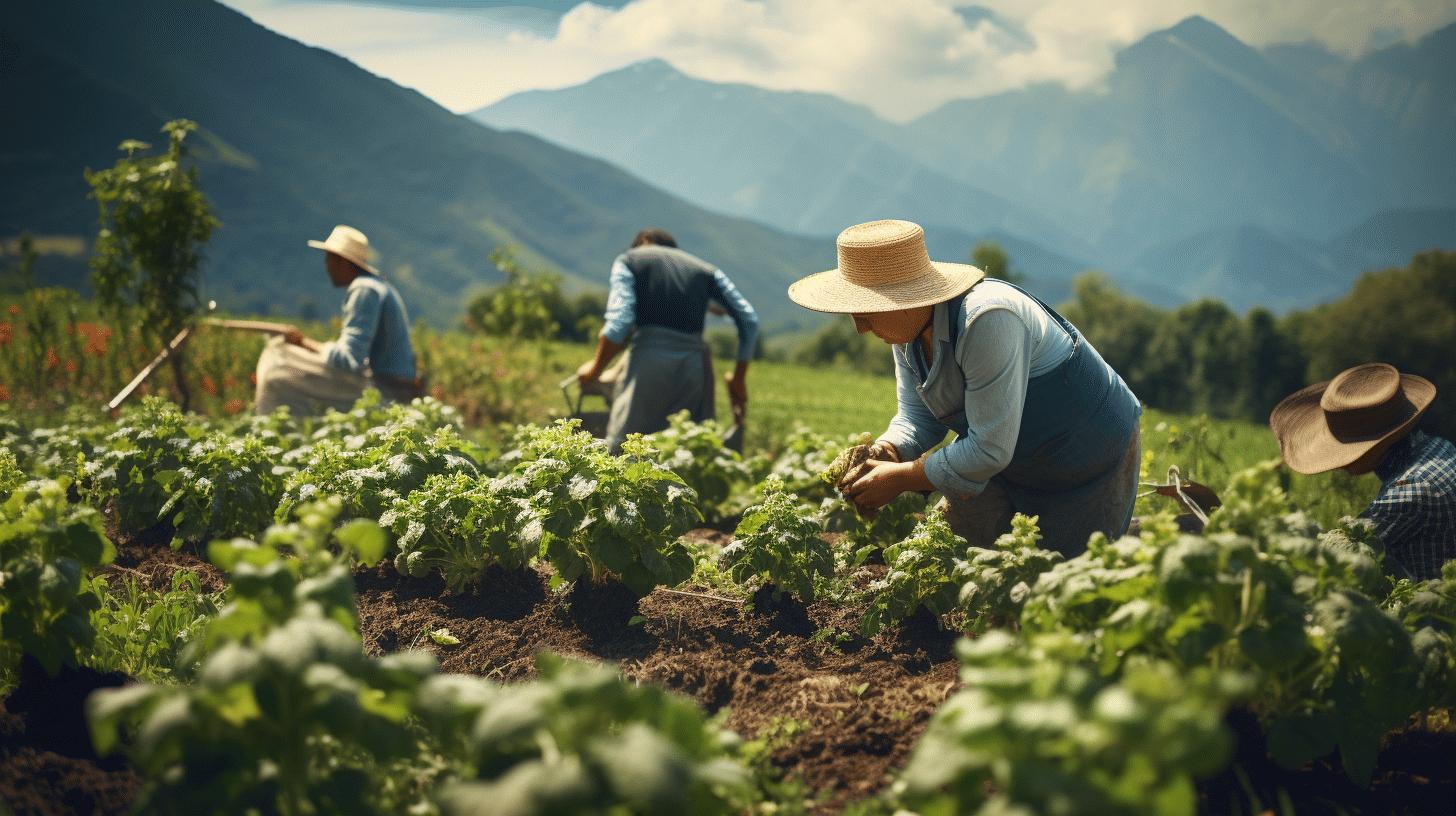
Sustainable farming practices have become increasingly important in recent years as the world grapples with environmental challenges and the need for more efficient and responsible food production. With a growing global population, the demand for food continues to rise, making it crucial to adopt methods that minimize adverse impacts on the environment and promote long-term ecological balance.
In this article, we will delve into the world of sustainable farming and explore the principles of holistic management that experienced sustainable farmers employ to optimize their operations. By embracing holistic management, farmers can achieve not only environmental sustainability but also economic resilience and social well-being.
Join us on this journey as we gain insights from experienced sustainable farmers who have mastered the art of holistic management and discover the tips and strategies that have propelled them towards sustainability and success.
In the following sections, we will explore various aspects of sustainable farming and its impact on different areas of agriculture. We will discuss the importance of water conservation, the growing trend towards organic production, and the expanding sustainable agriculture market. Additionally, we will examine the barriers that hinder widespread adoption of sustainable farming practices and the need for policy and financial support. Moreover, we will explore the increasing consumer preference for organic products and the rise in organic sales. Further, we will delve into the shift towards sustainable energy practices and the utilization of renewable energy in farming operations. Finally, we will explore the role of data and technology in sustainable agriculture, especially the utilization of big data and earth observation data, as well as the adoption of digital agriculture techniques.
By the end of this article, you will have gained a comprehensive understanding of holistic management, its benefits, and its role in sustainable farming. Let’s dive deeper into the world of sustainable agriculture and learn from those who have paved the way for a more environmentally conscious and resilient farming future.
Importance of Sustainable Farming
Sustainable farming is not just a passing trend but a crucial aspect of our future. As the world population continues to grow, so does the demand for food. However, the resources we rely on for agriculture, such as water and land, are limited. It is in our best interest to adopt sustainable farming practices to ensure the long-term viability of our food production systems.
Water Conservation
One of the most pressing issues in agriculture is water conservation. The agricultural sector currently consumes a staggering 69% of the planet’s fresh water. This statistic highlights the urgent need for conservation measures in agriculture. By implementing sustainable farming practices that minimize water usage, we can alleviate the strain on water resources and reduce our ecological footprint.
To conserve water, farmers can implement various techniques:
- Drip irrigation: This method delivers water directly to the plant roots, minimizing wastage through evaporation or runoff.
- Water-efficient crop selection: Choosing crops that are well-suited to the local climate and require less water can significantly reduce irrigation needs.
- Soil moisture monitoring: By regularly monitoring soil moisture levels, farmers can accurately determine when watering is necessary, avoiding overwatering.
By conserving water through sustainable farming practices, we can ensure its availability for future generations and mitigate the impacts of water scarcity on food production.
Growing Trend Towards Organic Production
Another key aspect of sustainable farming is the increasing trend towards organic production. Consumers are becoming more conscious about the food they consume, and there is a growing demand for organic and environmentally friendly products. Farmers are responding to this demand, with 28% of farms planning to increase organic production.
Organic farming methods prioritize the use of natural fertilizers, beneficial insects, and crop rotation to maintain soil health and minimize the use of synthetic chemicals. By avoiding the use of pesticides and herbicides, organic farming reduces the contamination of soil and water, promoting a healthier ecosystem.
The benefits of organic farming extend beyond environmental sustainability. Organic products are often considered healthier and more nutritious, as they are free from synthetic additives and genetically modified organisms (GMOs). This creates an opportunity for farmers to tap into the lucrative organic market while promoting sustainability.
Growth of Sustainable Agriculture Market
The potential for growth and investment in sustainable agriculture is undeniable. The global sustainable agriculture market is predicted to reach a staggering 31.35 billion by 2031. This projection showcases the increasing interest in and support for sustainable farming practices.
Investing in sustainable agriculture can have a plethora of benefits:
- Economic stability: Sustainable farming practices can increase the resilience of agricultural systems, reducing vulnerability to climate change and market fluctuations.
- Environmental protection: By embracing sustainable practices, farmers play a crucial role in preserving biodiversity, mitigating climate change, and reducing pollution.
- Social responsibility: Supporting sustainable agriculture ensures fair working conditions for farmers and promotes community development.
With the rising demand for sustainable and ethical products, farmers who adopt sustainable practices can tap into a market with immense potential for growth and profitability.
In conclusion, sustainable farming is essential for the future of our food production systems. By conserving water, embracing organic practices, and investing in sustainability, we can protect our environment, support the well-being of farmers, and meet the demands of a growing population. The time to prioritize sustainable farming is now, as we strive for a more resilient and environmentally conscious agricultural sector.
Barriers to Sustainable Farming Adoption
Farmers currently face a multitude of challenges when it comes to adopting sustainable farming practices. Despite the growing awareness of the importance of sustainability in agriculture, there are several barriers that prevent widespread adoption. One significant barrier is the lack of policy and financial support for farmers who want to transition to sustainable farming methods.
Need for Policy and Financial Support
Farmers currently lack incentives to adopt new methods and technologies for sustainability, indicating a need for policy and financial support. Without proper support from government policies and financial institutions, farmers may find it difficult to make the necessary investments and changes required for sustainable farming practices.
Importance of Policy Support
Strong and effective policies are crucial for promoting sustainable farming adoption. These policies can provide guidance and regulations that create a favorable environment for farmers to transition to sustainable practices. They can also offer financial incentives, such as grants and subsidies, to help offset the costs of implementing new technologies and methods.
- Regulations: Clear guidelines and regulations can encourage farmers to adopt sustainable farming practices. These regulations can promote soil conservation, water management, and reduced use of chemical inputs. They can also address issues such as animal welfare and biodiversity preservation.
- Education and Training: Policies can also focus on providing education and training for farmers. By equipping farmers with the knowledge and skills necessary for sustainable farming practices, they can feel more confident in making the transition.
Role of Financial Support
Access to adequate financial resources is essential for farmers to invest in sustainable farming practices. Farming requires substantial upfront costs, and without financial support, farmers may be unwilling or unable to make the necessary changes.
- Loans and Grants: Financial institutions, governments, and non-profit organizations can offer low-interest loans and grants to farmers looking to adopt sustainable farming practices. These financial resources can help cover the costs of purchasing sustainable equipment, implementing new technologies, and making infrastructure improvements.
- Subsidies: Subsidies can also play a significant role in encouraging sustainable farming adoption. By providing financial assistance for sustainable inputs and practices, farmers can be incentivized to make the switch.
- Insurance Programs: Insurance programs specifically tailored to sustainable farming practices can help mitigate the risks associated with adopting new methods. These programs can provide protection against unpredictable weather events, pests, diseases, or other potential challenges that farmers may face during the transition.
In conclusion, policy and financial support are crucial for overcoming the barriers to sustainable farming adoption. By implementing strong policies and providing adequate financial resources, governments and financial institutions can empower farmers to embrace sustainable farming practices. This support can create a pathway towards a more sustainable and resilient agriculture system, benefiting both farmers and the environment.
Consumer Preference for Organic Products
Introduction:
Consumer preference for organic products has been on the rise in recent years. People are becoming more conscious of the impact of their choices on their health and the environment, leading to a greater demand for organic options. This shift in consumer behavior has significant implications for the food and agriculture industries, as well as for individual health and sustainability. In this section, we will explore the increase in organic sales and what it reveals about consumer preferences.
Increase in Organic Sales:
Organic agriculture has seen a remarkable 31% increase in overall sales since 2016, indicating a clear surge in consumer preference for organic products. This data provides valuable insights into the growing trend of customers opting for organic choices in their daily lives. Let’s take a closer look at what might be driving this increase:
- Health Consciousness: People are increasingly concerned about the potential health risks associated with conventional farming practices, including the use of pesticides, artificial hormones, and genetically modified organisms (GMOs). Organic products are seen as a healthier alternative, as they are produced without the use of these potentially harmful substances.
- Environmental Sustainability: Another significant factor behind the rise in organic sales is consumers’ growing awareness of environmental issues. Organic farming practices prioritize soil health, biodiversity, and ecological balance, making them more sustainable in the long run. By choosing organic products, consumers feel they are contributing to a healthier planet.
- Transparency and Trust: In an era of increasing distrust in the food industry, consumers are seeking transparency and reliability in their purchases. The organic label provides an assurance that products have met specific standards and have undergone strict certification processes. This certification helps build trust between consumers and producers, giving them peace of mind about the quality and authenticity of the organic products they buy.
- Availability and Accessibility: As the demand for organic products continues to grow, their availability and accessibility have also improved. Organic options can now be found in mainstream supermarkets, local farmers’ markets, and online platforms. This increased visibility and convenience have made it easier for consumers to incorporate organic products into their shopping routines.
In conclusion, the significant increase in organic sales reflects a shift in consumer preferences towards healthier, more sustainable options. This trend is driven by a combination of health consciousness, environmental concerns, the desire for transparency, and improved availability. As more individuals recognize the benefits of organic products, it is likely that this consumer preference will continue to grow and shape the future of the food industry. So, whether it’s choosing organic fruits and vegetables or opting for organic skincare products, consumers are making a conscious choice to prioritize their health and the well-being of the planet.
Shift towards Sustainable Energy Practices
In recent years, there has been a significant shift towards sustainable energy practices across various industries. Notably, the agriculture sector has been actively embracing renewable energy solutions for their operations. This transition is driven by the increasing recognition of the importance of reducing greenhouse gas emissions and adopting environmentally friendly practices. As a result, there has been a substantial increase in the use of renewable energy sources in agriculture.
Increase in Renewable Energy Use
Farmers and ranchers have been at the forefront of embracing sustainable energy practices. In fact, data shows that they have increased their use of renewable energy sources by an impressive 132% in the last five years[1]. This substantial rise demonstrates the commitment of the agricultural community to reducing their carbon footprint and contributing to a greener and more sustainable future.
Here are some ways in which farmers and ranchers have been incorporating renewable energy sources into their operations:
- Solar Power: Installing solar panels on their farms or ranches to harness the power of the sun and generate clean electricity. This not only helps offset their energy consumption but also reduces dependence on traditional energy sources.
- Wind Energy: Utilizing wind turbines to generate electricity. Farms and open rural areas provide favorable conditions for harnessing wind power, making it an attractive renewable energy option for agricultural operations.
- Biomass Energy: Making use of organic materials, such as crop residues and animal waste, to produce bioenergy. Through processes like anaerobic digestion or combustion, farmers can convert agricultural waste into biogas or biofuels to power their operations.
By adopting these renewable energy solutions, farmers and ranchers are reaping a multitude of benefits, including:
- Cost Savings: Renewable energy sources such as solar and wind power can significantly reduce energy costs in the long run. By generating their own electricity, farmers can offset their reliance on the grid and potentially earn revenue by selling excess energy back to the utility company through programs like net metering.
- Environmental Impact: With renewable energy, agricultural operations can significantly reduce their carbon emissions, helping combat climate change and preserve the environment for future generations. Switching to renewable sources also helps conserve traditional fossil fuels, which are finite and contribute to air and water pollution.
- Energy Independence: By generating their own energy on-site, farmers and ranchers can become less reliant on external energy suppliers and fluctuations in energy prices. This independence provides stability and resilience to their operations.
As the demand for sustainable practices continues to grow, it is encouraging to see the agricultural sector taking significant strides towards adopting renewable energy solutions. This shift not only aligns with global efforts to combat climate change but also showcases the industry’s commitment to a more sustainable and environmentally conscious future.
[1] Additional Information – Farmers and ranchers have increased their use of renewable energy sources by 132% in the last five years – highlighting the shift towards more sustainable energy practices in agriculture.
Data and Technology in Sustainable Agriculture
Sustainable agriculture is an ever-evolving field that continues to embrace advancements in data and technology. Farmers and agricultural experts are harnessing the power of big data and digital tools to optimize farming practices, enhance productivity, and promote environmental sustainability. In this section, we will explore two key aspects of data and technology utilization in sustainable agriculture: the utilization of big data and earth observation data, and the adoption of digital agriculture.
Utilization of Big Data and Earth Observation Data
Farm operations generate vast amounts of data that can be used to gain valuable insights and make informed decisions. When combined with Earth Observation (EO) data, which includes satellite imagery, weather data, and soil composition data, farmers can leverage this information to improve their agricultural practices and mitigate the impact of climate change. Here are some ways in which big data and EO data are utilized in sustainable agriculture:
- Precision Farming: By analyzing data from sensors placed across the farm, farmers can monitor and manage crop health, irrigation, and fertilization with precision. This data-driven approach helps optimize resource utilization and reduce environmental impact.
- Predictive Analytics: Big data analytics can help identify patterns and trends in crop growth, disease outbreak, and pest infestation. Farmers can use this information to predict and prevent potential problems, reducing the need for chemical inputs and promoting sustainable farming practices.
- Crop Yield Optimization: By analyzing data on soil moisture, temperature, and nutrient levels, farmers can optimize crop yield and resource allocation. This ensures that crops receive the right amount of water and nutrients, minimizing waste and maximizing productivity.
Adoption of Digital Agriculture
Digital agriculture, also known as smart farming or precision agriculture, involves the use of digital tools and technologies to monitor and manage agricultural operations efficiently. Here are some key aspects of digital agriculture in sustainable farming:
- Sensor Technology: Sensors installed in the field can collect real-time data on soil moisture, temperature, humidity, and other factors. This data is then analyzed, allowing farmers to make data-driven decisions about irrigation, fertilization, and pest control.
- Farm Management Software: Digital tools and software solutions help farmers organize and manage agricultural operations effectively. These tools can track inventory, monitor crop growth, and optimize resource allocation, leading to improved productivity and sustainability.
- Robotics and Automation: Robotics and automation technologies are revolutionizing agriculture by performing tasks such as planting, harvesting, and weed control. These technologies not only increase efficiency but also reduce the need for manual labor and chemical inputs.
In conclusion, data and technology are playing a crucial role in driving sustainable agriculture forward. The utilization of big data, in combination with earth observation data, empowers farmers to make informed decisions and optimize resource utilization. Similarly, the adoption of digital agriculture, with its focus on precision farming and data-driven decision-making, helps farmers improve productivity while minimizing environmental impact. By embracing data-driven technologies, the agricultural sector can continue to move towards a more sustainable, resilient, and efficient future.
Holistic Management in Sustainable Farming
Holistic management is a decision-making framework that assists farmers in establishing long-term goals and sustainable practices. It focuses on the interconnections between land, people, livestock, wildlife, water, and more, promoting a holistic approach to farming. By taking into account the complex relationships and ecological dynamics at play, holistic management aims to create a balanced and regenerative agricultural system.
Understanding Holistic Management
Holistic management takes into consideration various factors that impact the sustainability of farming practices. It emphasizes the following key principles:
- Holistic decision-making: Holistic management encourages farmers to make decisions that consider the entire ecosystem, rather than focusing solely on individual components. By evaluating the long-term effects of their choices, farmers can implement practices that benefit both their land and their communities.
- Holistic goal-setting: Setting holistic goals allows farmers to define their desired outcomes, taking into account ecological, social, and economic considerations. By aligning their actions with these goals, farmers can make informed decisions that support the well-being of their farm and the surrounding environment.
- Monitoring and adaptability: Holistic management encourages farmers to constantly monitor their practices and make adjustments as needed. By carefully observing the outcomes of their actions, farmers can identify areas for improvement and adapt their strategies accordingly.
Benefits of Holistic Management
Implementing holistic management practices can bring various benefits to farmers and the environment. Some key advantages include:
- Improved soil health: By implementing regenerative practices such as rotational grazing and cover cropping, holistic management can help improve soil health. Healthy soils promote nutrient cycling, water infiltration, and carbon sequestration, enhancing the overall productivity and sustainability of the farm.
- Enhanced biodiversity: A holistic approach to farming supports diverse ecosystems, providing habitats for various plant and animal species. By preserving and promoting biodiversity, farmers can mitigate the negative impacts of monoculture and pest outbreaks, enhancing overall ecosystem resilience.
- Increased profitability: Holistic management allows farmers to optimize their resources and maximize their profitability in the long run. By reducing input costs, improving soil health, and diversifying their income streams, farmers can create more economically viable and resilient farming systems.
- Water management: Holistic management considers water as a valuable resource and encourages practices that minimize water use, enhance water quality, and preserve water sources such as streams and aquifers. This can help mitigate the environmental impacts of agriculture on water systems and ensure water availability for future generations.
In conclusion, holistic management offers a comprehensive framework for sustainable farming, considering the interconnections between various aspects of the farm ecosystem. By implementing holistic practices, farmers can improve soil health, enhance biodiversity, increase profitability, and manage water resources effectively. This holistic approach to farming holds great potential for creating a more sustainable and regenerative agricultural system.
Conclusion
In conclusion, mastering holistic management is crucial for sustainable farmers looking to optimize their practices and contribute to a more regenerative agricultural system. By understanding the principles of holistic management and implementing them on their farms, farmers can experience numerous benefits such as improved soil health, increased biodiversity, and enhanced productivity.
Through this article, we have explored the importance of sustainable farming, including water conservation, the growing trend towards organic production, and the expanding sustainable agriculture market. We have also discussed the barriers to adopting sustainable farming practices, emphasizing the need for policy and financial support.
Furthermore, we have touched on the consumer preference for organic products, with an increase in organic sales indicating a shift towards more sustainable and eco-friendly choices. Additionally, we highlighted the importance of sustainable energy practices in agriculture, citing the rising usage of renewable energy sources.
Data and technology play an important role in sustainable agriculture as well, with the utilization of big data and earth observation data enabling farmers to make informed decisions. The adoption of digital agriculture tools further enhances farm management and efficiency.
Finally, we delved into holistic management and its benefits in sustainable farming. By adopting holistic management practices, farmers can create a harmonious ecosystem that supports ecological health, financial profitability, and social well-being.
To continue exploring the fascinating world of regenerative agriculture and gain valuable insights, tips, and comprehensive guides, visit the Regenerative Agriculture Wiki. Join us in fostering a future where agriculture and ecology thrive in harmony. Together, we can make a positive impact on our environment, contribute to global food security, and promote sustainable living.
Start your regenerative agriculture journey today with the Regenerative Agriculture Wiki!
Frequently Asked Questions
- What is holistic management in sustainable farming?
Holistic management is an approach to sustainable farming that considers the whole ecosystem and focuses on the interconnectedness of land, animals, and people. It aims to enhance biodiversity, soil health, and ecological balance while providing economic benefits.
- What are some key principles of holistic management?
Key principles of holistic management include creating a holistic goal, practicing holistic decision-making, embracing continuous learning, adopting a long-term perspective, and considering the social, economic, and ecological aspects of farming.
- How can holistic management benefit sustainable farmers?
Holistic management can benefit sustainable farmers by improving soil health and fertility, increasing biodiversity, reducing the need for synthetic inputs, enhancing water conservation, promoting animal welfare, and creating more resilient and economically viable farming systems.
- What are some practical tips for mastering holistic management?
To master holistic management, sustainable farmers should focus on regenerative practices like rotational grazing, cover cropping, composting, and agroforestry. They should also engage in regular monitoring and adaptive management, build strong community networks, and prioritize education and knowledge sharing.
- Where can I learn more about holistic management and sustainable farming techniques?
There are various resources available for learning more about holistic management and sustainable farming techniques. You can attend workshops and conferences, join farmer networks and associations, read books and research papers, and consult experienced sustainable farmers and agronomists.