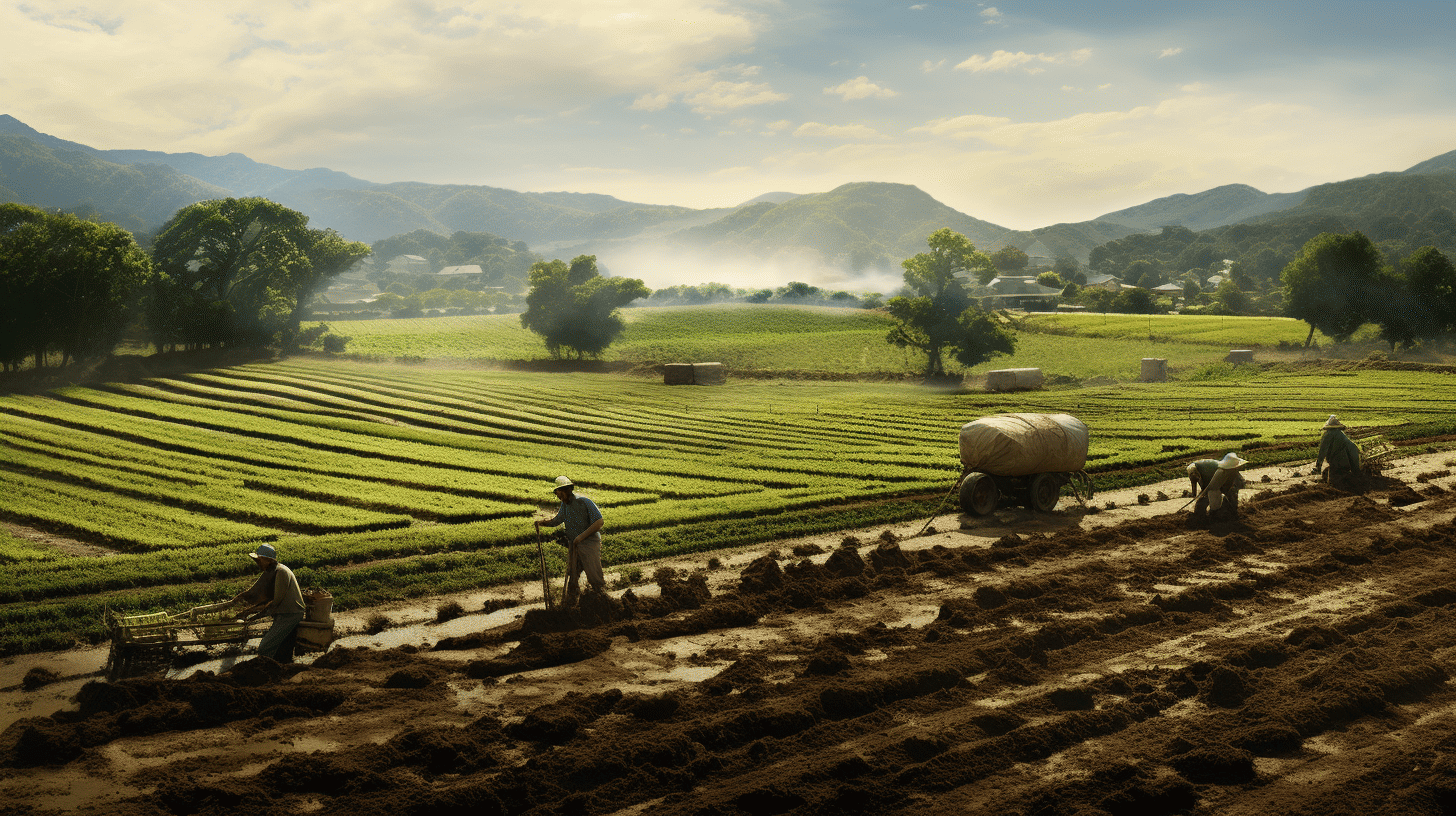
Holistic management has emerged as a key approach in sustainable farming, helping farmers take a comprehensive and ecological approach to land management. By considering the interconnections between different aspects of farming, such as soil health, biodiversity, and community engagement, holistic management enables farmers to create resilient and thriving agricultural systems. In this article, we delve into the world of holistic farm management, exploring its concepts, principles, and role in sustainable farming. We will also share valuable insights from successful farmers who have implemented holistic management practices, as well as discuss the challenges that arise during implementation and strategies to overcome them. Whether you’re an experienced farmer or just starting out, this article aims to provide you with practical knowledge and inspiration to embark on your own holistic management journey. So let’s dive in and discover the transformative power of holistic farm management!
Understanding Holistic Farm Management
Holistic farm management is a comprehensive approach to farming that takes into account the interconnectedness of all aspects of a farm operation. It goes beyond focusing solely on crop production or animal husbandry and instead looks at the farm as a whole ecosystem. This approach emphasizes sustainability, biodiversity, and the overall health of the land, animals, and people involved.
Concept and Importance
Holistic farm management is based on the idea that farms should be managed in a way that mimics natural ecosystems. Instead of relying heavily on chemical inputs and intensive monoculture, holistic farmers strive to create a self-sustaining system that works in harmony with nature. This approach brings numerous benefits:
- Sustainable Farming: Holistic farm management focuses on long-term sustainability by promoting practices that conserve natural resources, reduce environmental impact, and ensure the viability of the farm for future generations.
- Improved Soil Health: By implementing practices such as cover cropping, crop rotation, and composting, holistic farmers promote soil health and fertility. Healthy soils are more resilient, retain moisture better, and reduce the need for synthetic fertilizers and pesticides.
- Biodiversity: Holistic farm management encourages the preservation and enhancement of biodiversity on the farm. This includes planting diverse crops, maintaining hedgerows and wildlife habitats, and incorporating beneficial insects and pollinators into the ecosystem.
- Profitability: Contrary to the notion that sustainable farming is less profitable, holistic farm management can actually increase profitability. By reducing input costs, improving efficiency, and focusing on value-added products, farmers can achieve a higher return on investment.
Principles of Holistic Management
Holistic farm management is guided by a set of principles that serve as a roadmap for decision-making. These principles are essential in achieving the desired outcomes of sustainability, profitability, and ecosystem health. Some key principles include:
| Principle | Description |
|---|---|
| Holistic Context | Farmers establish a clear vision for their farm, including their goals, values, and desired quality of life. This serves as a guide to make decisions in line with their overall vision. |
| Holistic Decision-Making | Farmers consider the social, economic, and environmental impacts of their decisions, taking a long-term perspective and weighing the potential outcomes on the whole farm system. |
| Land and Animal Health | The health and well-being of the land and animals are prioritized. This involves rotational grazing, pasture management, and soil conservation practices. |
| Financial Planning | Holistic farm management includes robust financial planning, budgeting, and forecasting to ensure the financial sustainability of the farm. |
| Monitoring and Adaptation | Ongoing monitoring of key indicators allows farmers to assess the effectiveness of their management practices and make necessary adjustments to achieve their goals. |
Role in Sustainable Farming
Holistic farm management plays a crucial role in achieving sustainable farming practices. By considering the interconnections between ecological, social, and economic aspects of the farm, holistic management ensures that all components are working together harmoniously. This ultimately leads to a more resilient and regenerative farming system.
In conclusion, holistic farm management offers a holistic approach to farming that promotes sustainability, biodiversity, and profitability. By considering the farm as a whole ecosystem and implementing the principles of holistic management, farmers can create thriving and resilient agricultural systems that benefit both the environment and the people involved.
Steps to Implement Holistic Management in Farming
**Introduction**
Implementing holistic management practices in farming is a comprehensive approach that can benefit both the farmer and the environment. By taking into account the interconnectedness of soil health, biodiversity, and sustainable practices, farmers can create a robust management plan that promotes long-term success. In this article, we will outline the key steps to implement holistic management in farming, allowing farmers to make informed decisions and cultivate a more sustainable future.
Setting Holistic Goals
Setting holistic goals is the first step in implementing holistic management in farming. These goals should encompass the larger vision and values of the farmer, as well as the needs of the land and community. Here are some key considerations when setting holistic goals:
- Identify values: Determine the principles and values that guide your farm’s operation. This could include sustainability, soil health, biodiversity, or community well-being.
- Assess resources: Take stock of your farm’s resources, including land, water, labor, and capital. Consider their current condition and how they can support your holistic goals.
- Consider external factors: Evaluate external factors that may impact your farm, such as climate change, market trends, or regulatory requirements. Incorporate these factors into your goals to ensure resilience and adaptability.
By setting holistic goals, farmers establish a clear direction for their farm, aligning their actions with their values and the needs of the ecosystem.
Creating a Holistic Management Plan
Once holistic goals are established, the next step is to create a holistic management plan. This plan serves as a roadmap for implementing practices that align with the holistic goals. Here’s how to create an effective plan:
- Identify key strategies: Evaluate different management strategies that can help achieve your holistic goals. This could include rotational grazing, cover cropping, integrated pest management, or water conservation practices.
- Assess feasibility: Consider the feasibility of implementing each strategy on your farm. Take into account factors such as scale, equipment, training, and available resources. Prioritize strategies that are realistic and suitable for your specific farm.
- Develop an action timeline: Outline the steps needed to implement each strategy and create a timeline for their execution. This will help ensure that the plan is implemented systematically and efficiently.
A holistic management plan provides a structured approach to implementing sustainable practices and guides farmers towards achieving their long-term goals.
Implementing the Management Strategy
Once a holistic management plan is in place, it’s time to put the strategies into action. Here are some key steps to consider during implementation:
- Provide training: Ensure that all farm workers receive proper training and understanding of the management strategies being implemented. This will promote consistency and effective execution of the plan.
- Allocate resources: Allocate the necessary resources, including time, labor, materials, and funding, to implement the strategies outlined in the management plan. Consider integrating new technologies or seeking external support if needed.
- Monitor progress: Regularly monitor and assess the progress of the implemented strategies. Document any changes observed in soil health, biodiversity, productivity, or cost savings. This feedback will help fine-tune the management plan as needed.
Implementing the management strategy involves active participation and monitoring to ensure that the desired outcomes are achieved.
Monitoring and Adapting the Plan
Monitoring the effectiveness of the management plan is essential for continuous improvement and adaptation. Here are some key steps in monitoring and adapting the plan:
- Collect data: Collect relevant data on soil health, water quality, biodiversity, and farm productivity. This data provides valuable insights into the impact of the management strategies.
- Analyze results: Analyze the collected data and identify any trends, correlations, or areas that need improvement. Use this analysis to inform decision-making and guide adaptive management practices.
- Adjust the plan: Based on the analysis of the data, make necessary adjustments to the holistic management plan. This could involve tweaking strategies, incorporating new approaches, or addressing potential challenges or risks.
Monitoring and adapting the plan ensures that farming practices remain aligned with the holistic goals and can address changing circumstances effectively.
By following these steps, farmers can implement holistic management practices and foster a more sustainable and resilient farming system. It’s important to remember that holistic management is a dynamic process, and continuous learning and adaptation are key to its success.
“The journey towards implementing holistic management in farming starts with setting holistic goals and creating a comprehensive management plan. By implementing sustainable strategies and continuously monitoring and adapting our practices, we can cultivate a farm that thrives in harmony with the environment.”
Lessons from Successful Holistic Farmers
When it comes to farming, there are various approaches and philosophies that can be followed. One approach that has gained traction in recent years is holistic farming. Holistic farmers take a more comprehensive and interconnected approach to agriculture, considering the entire ecosystem and the well-being of all living organisms involved.
In this article, we will explore the lessons we can learn from successful holistic farmers and how these practices can be applied to improve sustainable agriculture. Whether you are an aspiring farmer or simply interested in the agricultural industry, there is much to gain from the experiences of these innovative individuals. So, let’s dive in and discover the strategies and principles that have made these farmers successful.
Importance of Setting Clear, Long-Term Goals
One common trait among successful holistic farmers is their ability to set clear, long-term goals for their farms. They understand that farming is not just a day-to-day job, but a lifelong commitment. By having a clear vision of what they want to achieve, these farmers are able to make informed decisions and take actions that align with their objectives.
Here are some reasons why setting clear, long-term goals is crucial for holistic farmers:
- Guidance and Focus: Goals provide a roadmap for farmers, keeping them focused on their priorities and helping them make decisions that contribute to their overall vision.
- Efficiency and Resource Management: Having well-defined goals allows farmers to allocate resources effectively, making the most of their time, land, and capital.
- Measuring Success: Goals provide a benchmark for success and progress. Farmers can track their achievements and make adjustments along the way to stay on track towards their desired outcomes.
By setting goals that encompass not just financial aspects but also environmental and social aspects, holistic farmers create a sustainable and balanced approach to farming.
Value of Soil Health and Biodiversity
Successful holistic farmers understand the fundamental importance of soil health and the role it plays in the overall well-being of their farms. They prioritize nurturing and maintaining healthy soils to create a thriving ecosystem for their crops and livestock. Here’s why soil health and biodiversity are crucial:
- Nutrient Cycling: Healthy soils contain a diverse range of microorganisms that help break down organic matter and release nutrients that are essential for plant growth.
- Water Retention and Drainage: Soil structure impacts water infiltration and retention. Healthy soils can hold water efficiently while allowing excess water to drain away, reducing the risk of erosion and waterlogging.
- Pest and Disease Resistance: Biodiverse ecosystems promote natural pest and disease control by maintaining a balance between predators, pests, and beneficial organisms.
Holistic farmers employ regenerative practices such as cover cropping, crop rotation, and minimal tillage to enhance soil health and biodiversity. They prioritize soil testing and monitoring to ensure they are meeting the needs of their crops and livestock while minimizing negative impacts on the environment.
Impact of Community Building and Collaboration
Successful holistic farmers recognize the power of community building and collaboration. They understand that working together with like-minded individuals can lead to shared knowledge, resources, and support. Here’s how community building and collaboration benefit holistic farmers:
- Knowledge Sharing: Collaborating with other farmers, researchers, and experts allows holistic farmers to learn from each other’s experiences, share best practices, and stay updated on the latest innovations in sustainable agriculture.
- Economic Benefits: Collaborative efforts, such as cooperative purchasing or marketing initiatives, can help farmers reduce costs, improve market access, and increase profitability.
- Resilience and Support: Building a strong network of peers provides emotional support, encourages resilience during challenges, and fosters a sense of belonging within the farming community.
Holistic farmers actively participate in local farmer networks, attend conferences, and engage in online forums to connect with fellow farmers and industry professionals. They prioritize building relationships and contributing to the collective knowledge of the farming community.
The Role of Ongoing Learning and Adaptability
Continual learning and adaptability are vital characteristics of successful holistic farmers. They understand the significance of staying updated with new research, trends, and technologies in the agricultural industry. Here’s why ongoing learning and adaptability are crucial:
- Innovation and Improvement: Staying abreast of advancements in sustainable agriculture allows farmers to adopt innovative practices that enhance productivity, efficiency, and sustainability.
- Environmental Stewardship: Evolving farming practices based on new knowledge helps minimize negative environmental impacts and preserve the long-term health of the land.
- Market Demand: Understanding evolving consumer preferences and market trends enables farmers to adapt their production methods to meet demand and improve market competitiveness.
Holistic farmers embrace a growth mindset, seeking opportunities for professional development through workshops, courses, and conferences. They actively seek out new information and apply learnings to improve their farming practices.
In conclusion, successful holistic farmers show us the way to a more sustainable and interconnected approach to agriculture. By setting clear, long-term goals, prioritizing soil health and biodiversity, embracing community building and collaboration, and investing in ongoing learning, these farmers are leading the way in creating a more resilient and regenerative food system.
So, whether you are a farmer or simply a supporter of sustainable agriculture, there are valuable lessons to be learned from holistic farming practices. Let’s work together to build a more sustainable and resilient future for our agricultural systems.
Challenges in Implementing Holistic Management
Holistic management is gaining recognition as a strategic approach for sustainable land management. However, like any transformative process, it comes with its own set of challenges. In this section, we will explore the key obstacles that organizations and individuals may face when implementing holistic management practices.
Initial Costs and Funding
One of the primary challenges in implementing holistic management is the initial costs involved. Transitioning from conventional land management practices to holistic management requires investment in infrastructure, equipment, and training. This upfront investment can be a significant barrier, especially for small-scale farmers or landowners with limited financial resources.
Moreover, securing funding for holistic management projects can be challenging. Traditional funding sources may be hesitant to support projects that deviate from conventional practices. However, there are alternative financing options available, such as grants, loans, and crowdfunding initiatives, specifically tailored to support sustainable land management practices. These options can help alleviate the financial burden and make holistic management more accessible to a wider range of individuals and organizations.
Resistance to Change
Another obstacle to implementing holistic management is the resistance to change. This resistance can come from various stakeholders, including landowners, farmers, and even communities. Change is often met with skepticism, as people may fear the unknown or question the effectiveness of new practices.
To address this resistance, education and outreach efforts are crucial. It is essential to communicate the benefits of holistic management, such as improved soil health, increased biodiversity, and long-term sustainability. Demonstrating tangible outcomes and sharing success stories from those who have already implemented holistic management can help overcome resistance and build trust in the process.
Lack of Knowledge and Training
Holistic management involves a holistic understanding of ecological processes, financial planning, and decision-making skills. Unfortunately, there is often a lack of knowledge and training around these concepts, which can pose a significant challenge when implementing holistic management practices.
To bridge this gap, training programs and workshops on holistic management should be made widely available. These initiatives can provide individuals with the necessary knowledge and skills to implement holistic management effectively. Collaborations between educational institutions, government agencies, and non-profit organizations can play a vital role in delivering comprehensive training programs to support the adoption of holistic management practices.
Climate and Environmental Factors
Lastly, climate and environmental factors can present challenges in implementing holistic management. The success of holistic management practices heavily depends on the ecological conditions specific to each region. Factors such as rainfall patterns, soil composition, and vegetation types can significantly influence the outcomes of holistic management efforts.
A thoughtful assessment of the local climate and environmental conditions is crucial before implementing holistic management practices. This assessment can help identify potential limitations and tailor management strategies accordingly. Additionally, ongoing monitoring and adaptive management can ensure that holistic management practices remain effective in the face of changing environmental conditions.
In conclusion, while holistic management offers a promising solution for sustainable land management, it is not without its challenges. From initial costs and resistance to change to lack of knowledge and training, and climate-specific factors, addressing these obstacles requires a multi-pronged approach. By providing financial support, engaging in education and outreach, offering training programs, and adapting to local environmental conditions, organizations and individuals can overcome these challenges and unlock the full potential of holistic management practices.
Overcoming Challenges in Holistic Management Implementation
Holistic management is a comprehensive approach to land and resource management that takes into account the interconnectedness of environmental, social, and economic factors. While this approach provides numerous benefits, implementing holistic management can come with its fair share of challenges. In this article, we will explore some of these challenges and discuss strategies for overcoming them.
Adequate Financial Planning
One of the biggest hurdles in implementing holistic management is the need for adequate financial planning. This approach often requires upfront investments in infrastructure, such as fencing, water systems, and rotational grazing infrastructure. Additionally, ongoing monitoring and management costs can add up over time.
To overcome this challenge, it is essential to develop a comprehensive financial plan. Here are some strategies that can help:
- Budgeting: Develop a detailed budget that takes into account all the necessary expenses for implementing holistic management. This includes infrastructure costs, ongoing management expenses, and potential income streams.
- Seek Funding Opportunities: Look for grants, subsidies, or other funding opportunities that can help cover the initial costs of implementing holistic management. Research government programs, non-profit organizations, and private foundations that support sustainable land management practices.
- Evaluate Cost-Effective Solutions: Explore cost-effective alternatives for infrastructure development and management. For example, consider using temporary fencing or utilizing existing water sources instead of constructing new ones.
By carefully planning and securing adequate financial resources, the challenges associated with implementing holistic management can be effectively overcome.
Involving the Community and Stakeholders
Another significant challenge in implementing holistic management is engaging the community and stakeholders. This approach requires collaboration and cooperation among landowners, farmers, ranchers, local communities, and other stakeholders.
Here are some strategies to overcome this challenge:
- Education and Awareness: Educate the community and stakeholders about the benefits of holistic management and how it can positively impact the environment and local economy. Organize workshops, seminars, and field visits to showcase successful examples of holistic management.
- Open Communication: Create platforms for open communication and dialogue among stakeholders. Encourage discussions, feedback, and the exchange of ideas. This can help build trust, foster collaboration, and address any concerns or misconceptions.
- Partnerships: Foster partnerships with local organizations, conservation groups, governmental agencies, and universities that have experience and expertise in holistic management. These partnerships can provide valuable support, resources, and guidance throughout the implementation process.
By involving the community and stakeholders in the decision-making process and establishing strong partnerships, the challenges associated with holistic management implementation can be effectively mitigated.
Continual Education and Training
Implementing holistic management requires a deep understanding of ecological processes, as well as the ability to apply adaptive management strategies. Continual education and training are crucial to ensure that land managers and stakeholders have the knowledge and skills necessary to implement holistic management effectively.
Here are some strategies for addressing this challenge:
- Training Programs: Develop and provide training programs that focus on holistic management principles and practices. These programs can cover topics such as soil health, grazing management, biodiversity conservation, and monitoring techniques.
- Peer-to-Peer Learning: Facilitate peer-to-peer learning networks where land managers and stakeholders can share experiences, success stories, and challenges they have encountered during the implementation process. This can promote continuous learning and provide support and guidance to others.
- Access to Resources: Provide easy access to educational resources, research papers, case studies, and online platforms that offer information and support for holistic management implementation. This can help land managers and stakeholders stay updated with the latest developments and best practices.
Continual education and training ensure that land managers and stakeholders are equipped with the necessary knowledge and skills to overcome challenges and achieve success in implementing holistic management.
Adapting to Environmental Changes
Environmental changes, such as climate change and extreme weather events, can pose significant challenges to holistic management implementation. These changes can impact soil health, water availability, vegetation composition, and animal behavior, necessitating adaptive management strategies.
Here are some strategies for adapting to environmental changes:
- Regular Monitoring: Establish a monitoring program to track changes in key environmental indicators, such as soil moisture levels, vegetation cover, and wildlife populations. This data can help land managers identify trends and make informed decisions.
- Flexibility in Management Plans: Develop flexible management plans that can be adjusted based on changing environmental conditions. This includes having alternative grazing strategies, water management techniques, and backup infrastructure plans in place.
- Resilience Building: Implement practices that enhance the resilience of ecosystems, such as reseeding native plant species, improving soil organic matter levels, and creating diverse habitat structures. These practices can help ecosystems better withstand and recover from environmental changes.
By proactively monitoring environmental changes, being flexible in management plans, and building resilience, land managers can effectively adapt to the challenges posed by changing environmental conditions.
In conclusion, while implementing holistic management can present various challenges, these challenges can be overcome with adequate financial planning, community involvement, continual education and training, and adaptation to environmental changes. By addressing these challenges head-on, land managers can unlock the full potential of holistic management and achieve sustainable and thriving land and resource management practices.
Conclusion
In conclusion, implementing holistic farm management practices is crucial for the long-term success and sustainability of agriculture. By adopting a holistic approach, farmers can not only improve their yields and profitability but also contribute to the health of the environment and promote regenerative practices.
Throughout this article, we have explored the concept and importance of holistic management, as well as the principles that guide its implementation. We have also discussed the steps involved in implementing holistic management on a farm, emphasizing the importance of goal-setting, planning, and ongoing monitoring.
Furthermore, we have learned valuable lessons from successful farmers who have embraced holistic management practices. They have emphasized the value of clear, long-term goals, the importance of soil health and biodiversity, the impact of community building and collaboration, and the role of ongoing learning and adaptability.
However, we also recognize the challenges that farmers may face when implementing holistic management, including initial costs, resistance to change, and a lack of knowledge and training. Nevertheless, we have provided strategies for overcoming these challenges, such as adequate financial planning, involving the community and stakeholders, continual education and training, and adapting to environmental changes.
In conclusion, holistic farm management holds immense potential for creating a sustainable and regenerative agricultural system. By embracing these practices, farmers can cultivate healthier soils, more biodiverse landscapes, and thriving communities. Together, let’s foster a future where agriculture and ecology thrive in harmony.
At Regenerative Agriculture Wiki, we are committed to providing comprehensive resources and insights on regenerative farming practices, including holistic management. Visit our website to explore our extensive content and join us in fostering a future where agriculture and ecology thrive in harmony.
Frequently Asked Questions
- What is holistic management and why is it important for farmers?
Holistic management is a farming approach that considers the ecological, social, and economic aspects of the farm as a whole. It helps farmers make more sustainable and regenerative decisions, improving soil health, biodiversity, and profitability.
- What are some key principles of holistic management?
Key principles of holistic management include defining the holistic context, assessing the ecosystem health, implementing planned grazing, practicing holistic financial planning, and constantly monitoring and adapting management strategies.
- Can holistic management be applied to any type of farming?
Yes, holistic management can be applied to various types of farming, including livestock farming, crop farming, and mixed farming systems. The principles can be adapted to suit different farm sizes and goals.
- Are there any success stories of farmers implementing holistic management?
Yes, there are numerous success stories of farmers who have implemented holistic management. These farmers have reported improved soil fertility, increased yields, reduced need for chemical inputs, better animal health, and overall increased profitability.
- Are there any resources available for farmers interested in learning more about holistic management?
Yes, there are several resources available for farmers interested in learning more about holistic management. Books like ‘Holistic Management’ by Allan Savory and online courses provided by organizations like the Savory Institute are great starting points.