Regenerative agriculture has gained significant traction in recent years as a sustainable farming approach that aims to restore soil health, enhance biodiversity, and mitigate climate change. By implementing practices such as cover cropping and polycultures, farmers can not only improve soil fertility and water retention but also reduce the need for synthetic inputs and increase resilience to extreme weather events. This article delves into the benefits, challenges, and financial aspects of scaling up regenerative agriculture through the adoption of cover crops and polyculture farming systems.
It is crucial to understand the underlying principles and practices of regenerative agriculture before exploring the specific techniques involved in this farming approach. By nurturing the soil and focusing on holistic farming systems, regenerative agriculture offers a promising solution to address the environmental and sustainability challenges facing modern agriculture.
In the United States, there has been a growing interest in cover crop adoption as a key component of regenerative agriculture practices. With various financial incentives and government programs in place to promote the use of cover crops, more farmers are recognizing the value of integrating these plants into their farming systems.
Polyculture farming systems, on the other hand, involve the deliberate cultivation of multiple crops within the same field. By diversifying plant species, farmers can mimic the resilience and ecological balance found in natural ecosystems. Polycultures not only improve soil health but also provide numerous other benefits such as pest and disease reduction, nutrient cycling, and enhanced biodiversity.
While the environmental and agronomic benefits of regenerative agriculture practices are widely acknowledged, the financial aspects of implementing cover crops and polycultures may pose challenges for some farmers. Assessing the costs, potential returns, and effectiveness of available incentives is crucial to ensure the successful adoption and scaling up of these practices.
In the following sections, we will delve deeper into the adoption rates, geographic distribution, and financial incentives for cover cropping in the US. We will also explore the benefits of polyculture farming systems and their connection to regenerative agriculture. Finally, we will examine the cost of cover crops and the effectiveness of incentives to shed light on the financial considerations of implementing these practices. Let’s dive in!
Understanding Regenerative Agriculture
Regenerative agriculture is a holistic approach to farming that aims to restore and improve the health of the soil, enhance biodiversity, and promote sustainability. It goes beyond sustainable farming practices by actively regenerating the land and ecosystem. By implementing regenerative agriculture techniques, farmers are not only able to produce high-quality crops but also contribute positively to the environment.
Benefits of Regenerative Agriculture
Regenerative agriculture practices offer several benefits that make it an attractive option for farmers and the environment alike. Here are some key advantages:
- Improved Soil Health: Regenerative agriculture focuses on building healthy soil through practices like cover cropping, crop rotation, and minimal tillage. These practices enhance soil fertility, increase water retention, and reduce soil erosion. Healthy soils support diverse microbial populations, which in turn improve nutrient availability for plants.
- Carbon Sequestration: One of the most significant benefits of regenerative agriculture is its ability to sequester carbon from the atmosphere and store it in the soil. This helps mitigate climate change by reducing greenhouse gas emissions and supporting carbon sinks. Studies have shown that regenerative farming practices can capture and store large amounts of carbon dioxide, potentially offsetting the emissions from conventional farming.
- Biodiversity Conservation: By implementing regenerative practices such as agroforestry and polyculture farming, farmers can create diverse habitats that support a wide range of wildlife and native plants. These practices help restore biodiversity, promote natural pest control, and reduce the reliance on synthetic pesticides and fertilizers.
- Water Management: Regenerative agriculture techniques such as contour plowing and cover cropping help improve water infiltration into the soil, reducing runoff and water pollution. This leads to better water quality, increased water availability, and improved resilience to droughts and floods.
Cost Considerations
While regenerative agriculture offers numerous benefits, it’s essential to consider the cost implications for farmers. Transitioning to regenerative practices may require upfront investments and changes in farming methods. However, these costs can be outweighed by the long-term benefits and savings. According to a study, regenerative agriculture practices are estimated to cost $355.05 per hectare, but they also provide economic advantages like increased yields and reduced input costs over time.
Conclusion
Regenerative agriculture brings together sustainable farming practices and ecosystem restoration to create a more resilient and productive agricultural system. By prioritizing soil health, carbon sequestration, biodiversity conservation, and water management, regenerative agriculture offers a promising solution to address the challenges of climate change and environmental degradation. With continued research and support, regenerative agriculture has the potential to shape the future of sustainable farming practices.
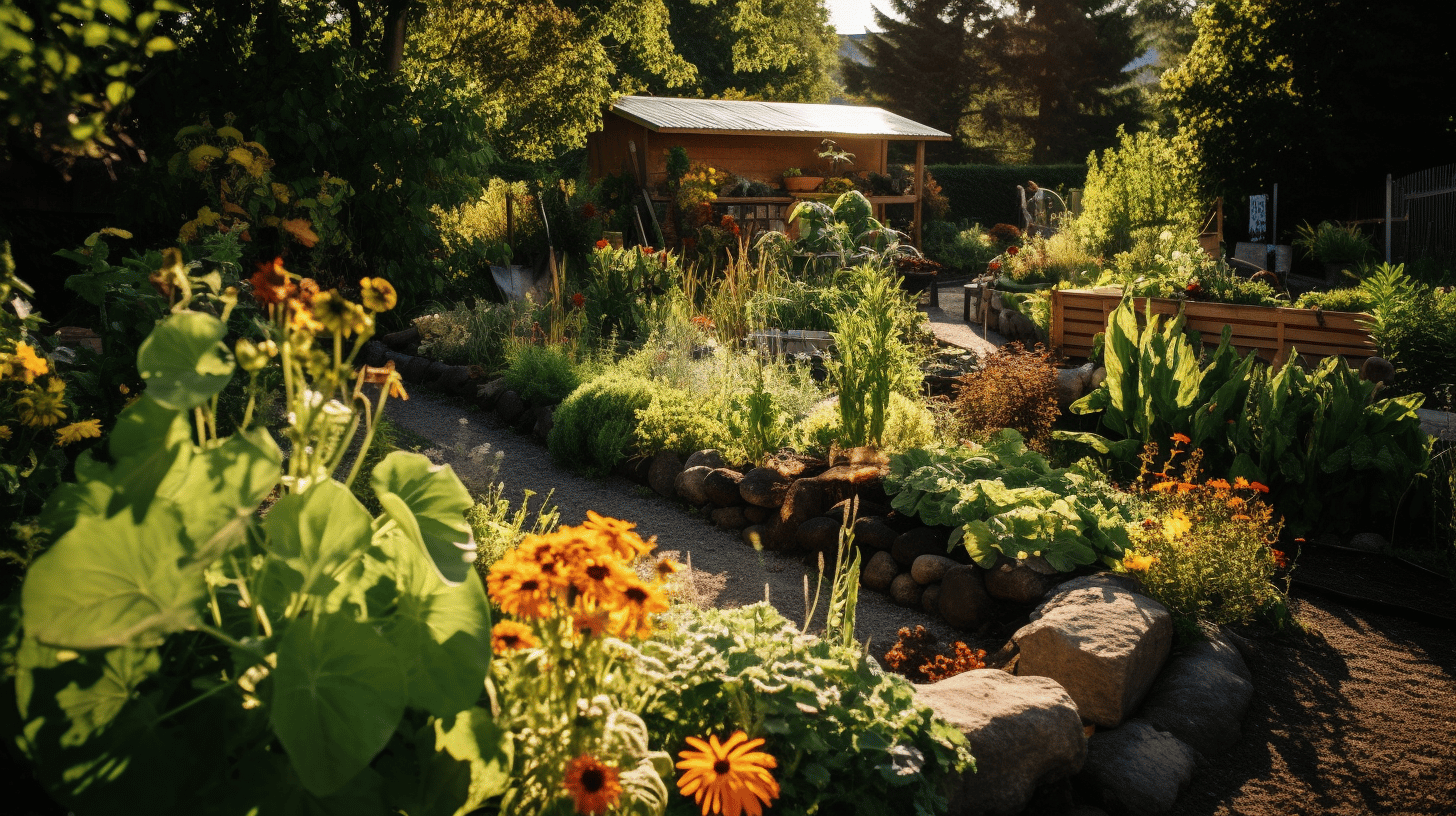
Polyculture farming systems can help sequester carbon, enhance biodiversity, and improve soil health.
Cover Crop Adoption in the US
Cover crop adoption in the US has been steadily increasing over the years, with more and more farmers recognizing the benefits of implementing this sustainable agricultural practice. This section will explore the adoption rates, geographic distribution, and financial incentives that have contributed to the growth of cover crop usage in the United States.
Adoption Rates
Cover crop adoption rate in the US has seen significant growth in recent years. In 2017, the adoption rate stood at 5.1%, indicating a positive trend towards incorporating cover crops into farming practices. This number has continued to rise, with cover crop adoption reaching 7.2% in 2021, a considerable increase from the 1.8% recorded a decade prior. This upward trajectory showcases the growing acceptance and understanding of the benefits of cover crops among farmers.
Geographic Distribution
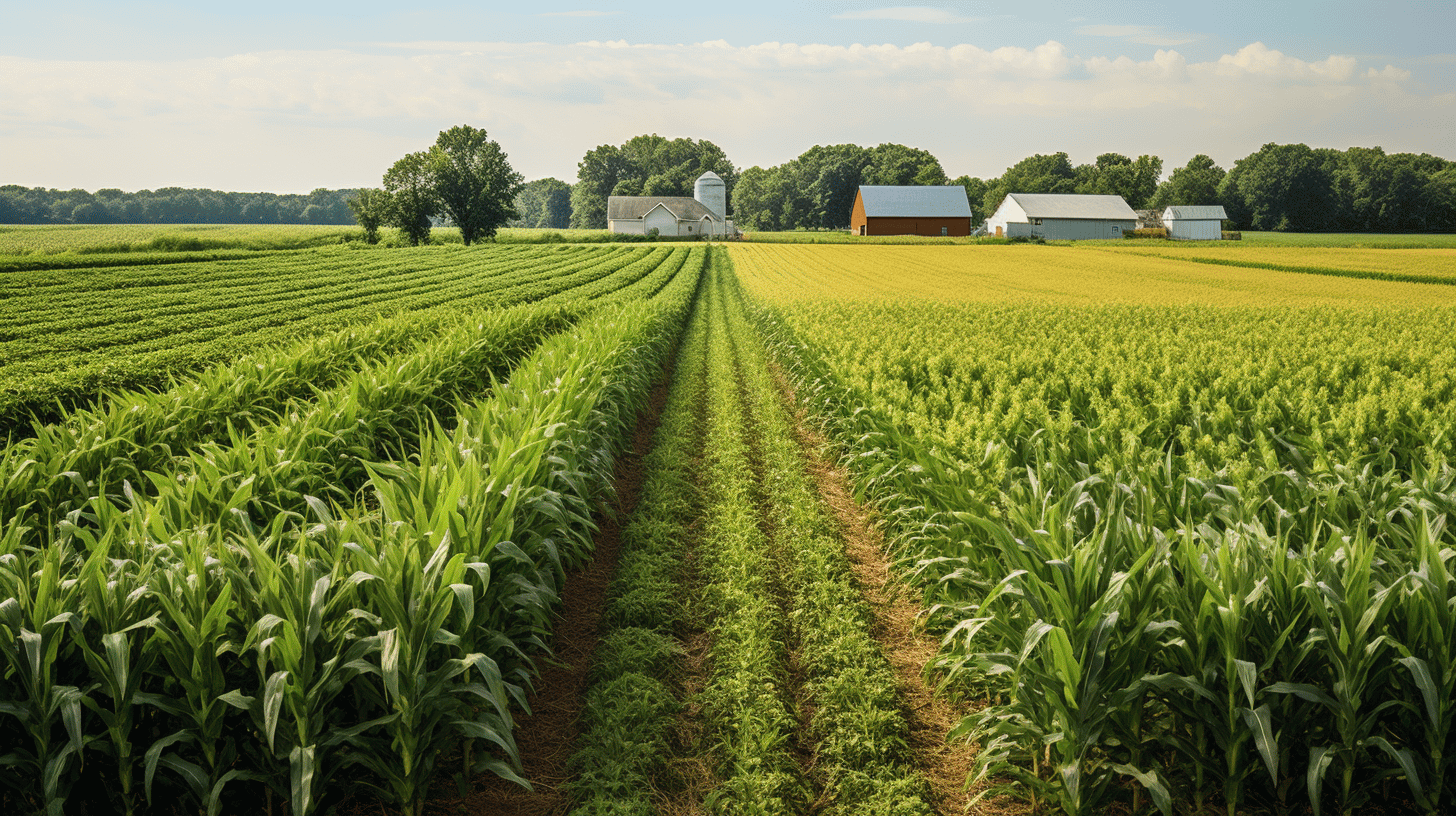
The adoption of cover crops varies across different states in the US. Cropland planted to winter cover crops in 2017 ranged from under 5% to over 30% throughout the country. Some states have been particularly successful in embracing cover crops as a sustainable farming method. For instance, in Illinois, Indiana, and Iowa, cover crops were adopted on 11% of farms and 4% of cropland acres. These states stand as beacons of successful cover crop integration, setting an example for others to follow.
Financial Incentives
Financial incentives have played a crucial role in encouraging farmers to adopt cover crops. In 2017, payments to plant cover crops came from private companies, contributing to 16% of the adoption rate. Additionally, the federal Pandemic Cover Crop Program provided substantial assistance, accounting for 8.6% of the adoption rate. These incentives have proven to be effective motivators for farmers to incorporate cover crops into their operations.
The increase in adoption rates and the availability of financial incentives have fueled the growth of cover crop usage in the US. This sustainable farming practice has gained traction due to its numerous benefits, such as soil health improvement, erosion control, nutrient retention, and weed suppression. The steady rise in cover crop adoption is a testament to the value it brings to the agricultural sector and the environment as a whole. As more farmers recognize these advantages and receive support through financial incentives, the adoption of cover crops is expected to continue to increase in the years to come.
Role of Polyculture Farming Systems
Polyculture farming systems play a crucial role in sustainable agriculture by promoting biodiversity, improving soil health, and reducing reliance on chemical inputs. Unlike monoculture farming, which focuses on cultivating a single crop, polyculture embraces a more holistic approach by integrating multiple crops, cover cropping, and intercropping techniques. This method not only mimics natural ecosystems but also brings numerous benefits to farmers and the environment.
Benefits of Polyculture Systems
Polyculture farming systems offer a range of benefits that contribute to the overall sustainability and resilience of agricultural practices. Here are some key advantages:
- Enhanced Biodiversity: By diversifying crops and habitats, polyculture systems create a favorable environment for beneficial insects, pollinators, and microorganisms. This leads to a more balanced ecosystem and a reduction in pest and disease pressure. Farmers can also reduce or eliminate the need for chemical pesticides, fostering a healthier and more natural farming environment.
- Improved Soil Health: Polyculture practices, such as cover cropping and intercropping, contribute to soil fertility and structure. Cover crops, which are grown between main crops, protect the soil from erosion, suppress weeds, and enhance nutrient cycling. Intercropping, on the other hand, involves growing different crops together, which can optimize resource utilization and improve nutrient availability in the soil. These practices build organic matter, increase water-holding capacity, and enhance soil structure, leading to healthier, more productive soils.
- Increased Resilience to Climate Change: Polyculture farming systems are more resilient to the impacts of climate change, such as drought and extreme weather events. The presence of multiple crops with diverse root structures and growth patterns helps buffer against environmental stresses. This diversification also reduces the risk of crop failure and financial loss for farmers, ensuring a more stable food production system.
- Water Conservation: Cover crops in polyculture systems act as living mulches, reducing soil water evaporation and preventing water runoff. This water conservation practice can help mitigate the effects of drought and improve overall water use efficiency on farms.
Connection to Regenerative Agriculture
Polyculture farming systems, including cover cropping and intercropping, are integral components of regenerative agriculture. Regenerative agriculture aims to restore and enhance the natural resources damaged by conventional farming practices. By diversifying crops and employing techniques that mimic nature, polyculture systems align perfectly with the principles of regenerative agriculture. These practices contribute to carbon sequestration, soil regeneration, and sustainable food production, emphasizing harmony with the environment and long-term agricultural viability.
In conclusion, polyculture farming systems offer a promising alternative to monoculture agriculture. By embracing biodiversity, improving soil health, and promoting resilience to climate change, these systems provide an important pathway towards sustainable and regenerative agriculture. Farmers and the environment benefit from the multiple advantages of polyculture, making it an integral part of the future of farming.
Financial Aspects of Cover Crop Adoption
Introduction
Implementing cover crops in agricultural systems not only has multiple environmental benefits but also holds significant financial implications for farmers. While there are initial costs associated with cover crop adoption, numerous studies have shown that the long-term financial benefits outweigh the upfront investment. This section explores the financial aspects of cover crop adoption, including the cost of cover crops themselves and the effectiveness of available incentives.
Cost of Cover Crops
When considering the financial aspects of cover crop adoption, one of the primary concerns for farmers is the cost of implementing cover crops into their existing systems. While it’s true that cover crops require an initial investment, it’s important to take into account the long-term benefits and potential cost savings they offer. Here are a few key points to consider:
- Cover crop costs vary depending on factors such as seed type, planting method, and acreage.
- On average, cover crop seed costs range from $20 to $50 per acre.
- Additional costs may include equipment rental, labor, and management practices like termination.
It’s worth noting that the costs associated with cover crops are offset by the various financial benefits that farmers can reap in the long run.
Effectiveness of Incentives
To encourage cover crop adoption, many states and organizations provide financial incentives to farmers. These incentives aim to offset the costs associated with cover crop implementation and encourage farmers to embrace regenerative agriculture practices. Some of the most common incentives include:
- Cost-Share Programs: These programs provide financial assistance to cover a portion of the costs incurred by farmers when implementing cover crops. They are typically offered through government agencies, conservation districts, or agricultural organizations.
- Insurance Premium Reductions: In some cases, farmers who adopt cover crops may qualify for lower insurance premiums due to reduced risk potential, as cover crops can improve soil health and reduce erosion.
- Conservation Stewardship Program (CSP): Administered by the Natural Resources Conservation Service (NRCS), the CSP offers financial incentives to farmers who adopt advanced conservation practices, including cover cropping.
In conclusion
While cover crop adoption carries upfront costs, the financial benefits over time serve as a compelling argument for farmers to incorporate them into their agricultural systems. The costs of cover crops can be balanced by the long-term savings and potential financial incentives available. By considering the financial aspects alongside the environmental advantages, farmers can make well-informed decisions about the implementation of cover crops, ensuring sustainable and economically beneficial farming practices.
Frequently Asked Questions
- What are cover crops?
Cover crops are plants that are grown primarily to protect and improve the soil in between main crop seasons. They help prevent soil erosion, suppress weeds, improve soil fertility, and enhance biodiversity.
- What are the benefits of implementing cover crops?
Implementing cover crops offers various benefits, including improved soil health, increased water infiltration, reduced soil erosion, enhanced nutrient cycling, weed suppression, and habitat provision for beneficial insects and wildlife.
- What are polycultures?
Polycultures are agricultural systems that involve growing multiple crops together in the same field. This promotes biodiversity, reduces pest and disease pressure, improves soil health, enhances ecosystem resilience, and increases overall farm productivity.
- Why is scaling up regenerative agriculture important?
Scaling up regenerative agriculture is crucial to address environmental issues such as soil degradation, water pollution, biodiversity loss, and climate change. By implementing sustainable farming practices like cover crops and polycultures, we can restore ecosystem health and produce food in a more sustainable and resilient manner.
- How can I transition to regenerative agriculture practices?
Transitioning to regenerative agriculture practices involves assessing soil health, planning crop rotations, incorporating cover crops and polycultures, reducing synthetic inputs, managing pests and diseases through natural methods, and continuously monitoring and adapting management practices based on ecological principles.