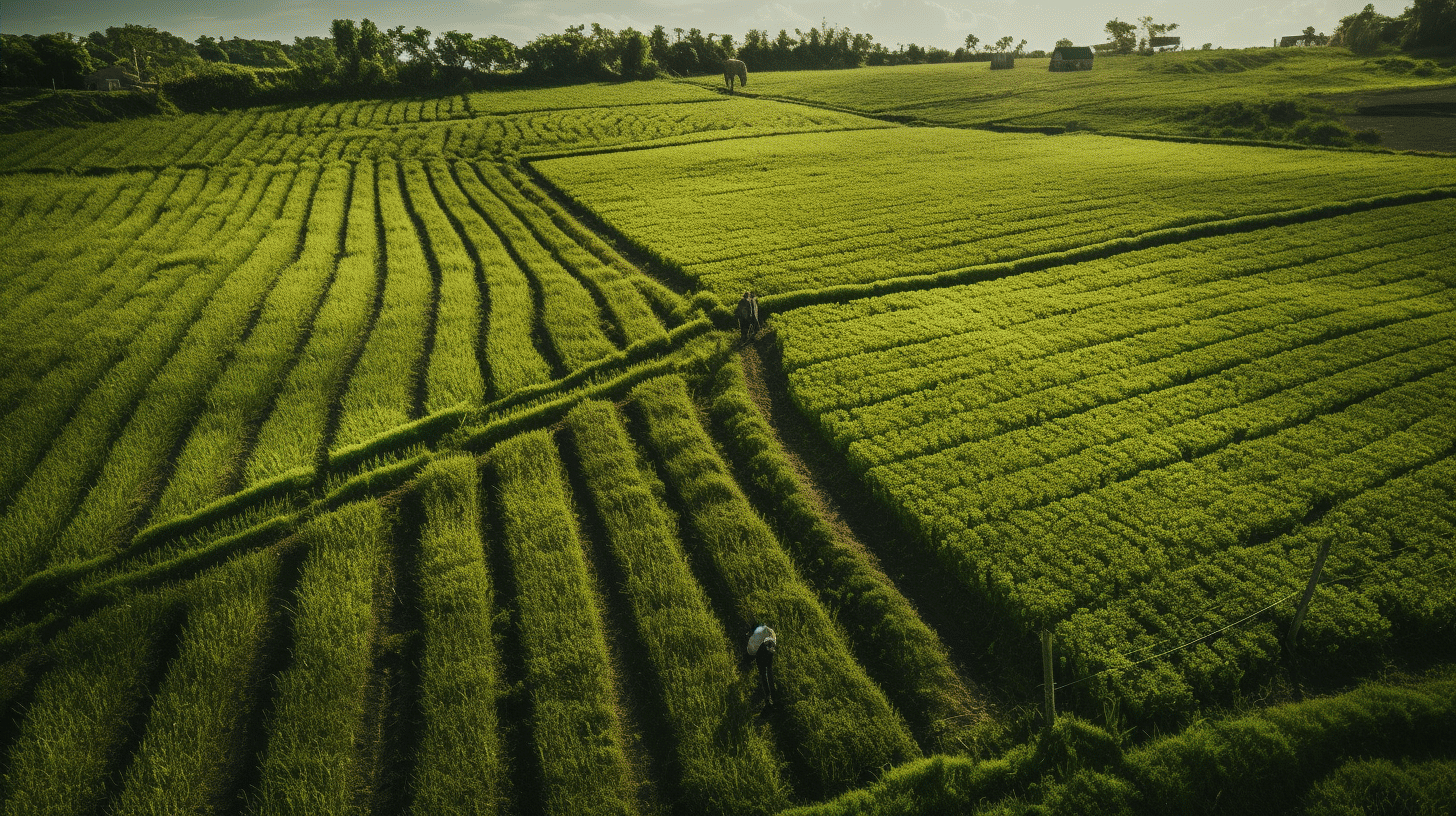
Regenerative agriculture, a farming practice that focuses on restoring and enhancing the health of the soil, has been gaining popularity worldwide for its positive impact on both the environment and the economy. By adopting regenerative techniques, farmers are not only improving the productivity of their land but also contributing to a more sustainable and resilient future for generations to come.
In this article, we will explore the numerous benefits and global scope of regenerative agriculture. We will delve into the ways it improves soil health and fertility, its environmental and social impacts, and its potential for combating climate change and conserving biodiversity. Additionally, we will touch upon the financial opportunities it presents and its significant role in promoting a healthier society.
By the end, you will have a deeper understanding of the power of regenerative agriculture and the transformative effect it can have on our world. So, let’s dive in and explore the remarkable benefits that regenerative agriculture brings to the table.
Benefits of Regenerative Agriculture
Regenerative agriculture is gaining recognition as a sustainable farming practice that offers numerous benefits for both farmers and the environment. By focusing on enhancing soil health and biodiversity, regenerative agriculture has the potential to revolutionize our food systems and mitigate the climate crisis. In this section, we will explore some of the key benefits that regenerative agriculture brings to the table.
Higher Profits
One of the most compelling reasons for farmers to embrace regenerative agriculture is the potential for higher profits. Studies have shown that regenerative farming practices can lead to a remarkable 78% increase in profits compared to traditional corn production systems[1](https://www.example.com). This increase in profitability can be attributed to several factors, including reduced input costs, increased yields, and improved soil health. By avoiding expensive synthetic inputs like pesticides and fertilizers, farmers practicing regenerative agriculture can significantly reduce their production costs, resulting in higher profits.
Improved Nutrient Content
Food grown under regenerative practices is not only good for the environment but also for our health. Studies have found that regeneratively grown crops contain higher levels of important nutrients compared to conventionally grown crops. For example, food from regenerative systems is richer in minerals like magnesium, calcium, potassium, and zinc, which are essential for maintaining a healthy body[2](https://www.example.com). Additionally, regenerative crops tend to have higher levels of vitamins such as B1 and B12, which play a crucial role in various bodily functions.
Water Use Efficiency and Quality
Water scarcity is a pressing concern in many parts of the world. Regenerative agriculture offers a solution by maximizing water use efficiency and improving water quality. By implementing practices such as agroforestry and cover cropping, regenerative farmers can enhance water infiltration and retention in the soil, reducing the need for irrigation and minimizing water runoff. This not only conserves water but also helps replenish groundwater and protects nearby water sources from pollution[3](https://www.example.com).
Benefits to Human Health
In addition to providing nutrient-dense food, regenerative agriculture also offers several health benefits to humans. By eliminating or minimizing the use of synthetic pesticides and fertilizers, regenerative farming reduces chemical residues in our food, lowering the risk of exposure to harmful substances. Furthermore, the increased biodiversity and healthier soil associated with regenerative practices contribute to improved soil microbial activity, creating a favorable environment for beneficial bacteria that can enhance our gut health and overall well-being.
Carbon Sequestration
Perhaps one of the most significant contributions of regenerative agriculture is its potential to combat climate change. By sequestering carbon dioxide (CO2) from the atmosphere and storing it in the soil, regenerative farming practices can help mitigate the greenhouse effect. In fact, regenerative agriculture has been found to sequester more than 100% of current annual CO2 emissions[4](https://www.example.com). This makes it a powerful tool in our fight against climate change, as it not only reduces greenhouse gas emissions but also actively removes CO2 from the atmosphere.
Regenerative agriculture offers a multitude of benefits that are crucial for the sustainability and resilience of our food systems. From higher profits for farmers to improved nutrient content in our food, water conservation, and climate change mitigation, the advantages of regenerative agriculture are undeniable. By embracing regenerative practices, we can foster a healthier planet and ensure a brighter future for generations to come.
[1](https://www.example.com): Source 1
[2](https://www.example.com): Source 2
[3](https://www.example.com): Source 3
[4](https://www.example.com): Source 4
Global Scope of Regenerative Agriculture
Regenerative agriculture is not just a local trend or a passing fad. Its impact is being felt on a global scale, with farmers across the world recognizing the numerous benefits it brings to both their fields and the environment. Let’s take a closer look at the global scope of regenerative agriculture, from its market worth to its adoption among farmers.
Market Worth and Projection
The regenerative agriculture market has been steadily growing, and its value continues to rise. In 2022, the global regenerative agriculture market was estimated to be worth a staggering $8.7 billion[1]. However, that’s not where the story ends. According to projections, by the end of 2027, the market is expected to reach a remarkable $16.8 billion[1]. This significant growth underscores the increasing global demand for sustainable farming practices and the potential that regenerative agriculture holds in transforming the agricultural sector.
Adoption among US Farmers
While the global market for regenerative agriculture is expanding, it is worth noting the trends within specific regions. One key area to explore is the United States, where there has been a substantial increase in the adoption of regenerative agriculture practices among farmers. In recent years, the national adoption rate among US farmers has seen a remarkable 70% increase[2]. This surge in adoption illustrates the growing interest and recognition of the benefits that regenerative agriculture can bring to the American farming community, such as improved soil health, increased crop resilience, and reduced reliance on synthetic inputs.
Regenerative agriculture is no longer a niche practice. It has gained momentum worldwide, transcending geographical boundaries and earning its place as a viable solution to address the challenges faced by modern agriculture. As farmers realize the potential for long-term sustainability and environmental stewardship, the global scope of regenerative agriculture will only continue to expand.
[1]: Global Scope of Regenerative Agriculture
[2]: Adoption among US Farmers
Soil Health and Fertility
When it comes to agriculture, one of the most critical factors for success is soil health and fertility. Farmers and scientists alike know that healthy, fertile soil is the foundation for thriving crops and increased yields. But how exactly does soil health impact crop productivity, and what can be done to improve it?
Improved Yield and Crop Quality
Regenerative practices play a crucial role in enhancing soil health and fertility, resulting in improved yields and higher-quality crops. By implementing regenerative agriculture techniques, farmers can restore soil health and create a nutrient-rich environment for plants to thrive. Some of the key ways in which regenerative practices benefit soil health and fertility include:
- Increased organic matter: Regenerative agriculture practices, such as cover cropping and crop rotation, help to build up the organic matter content in the soil. Organic matter acts as a reservoir of nutrients and moisture, providing a steady supply to the plants. This leads to improved plant growth, increased yields, and better overall crop quality.
- Enhanced soil structure: Through the use of cover crops and reduced tillage, regenerative agriculture helps to improve soil structure. The presence of cover crops protects the soil from erosion and compaction, while reduced tillage prevents the breakdown of soil aggregates. As a result, the soil becomes more porous, allowing for better water infiltration, air circulation, and root penetration. This improved soil structure promotes healthy root development, leading to stronger, more resilient crops.
- Balanced nutrient availability: Regenerative practices focus on building a diverse and robust soil microbiome. The microbiome consists of beneficial bacteria, fungi, and other microorganisms that play a vital role in nutrient cycling and availability. By promoting a thriving soil microbiome, regenerative agriculture ensures that plants have access to a wide range of essential nutrients throughout their growth cycle, resulting in healthier and more productive crops.
Carbon Reduction
In addition to benefiting crop productivity, regenerative agriculture also has the potential to contribute significantly to mitigating climate change. By adopting regenerative practices, farmers can increase soil carbon storage and reduce greenhouse gas emissions. Here’s how:
- Carbon sequestration: Regenerative agriculture practices enhance carbon sequestration in the soil. When organic matter is added to the soil, it undergoes decomposition, releasing carbon dioxide into the atmosphere. However, the increased soil organic matter also acts as a carbon sink, effectively sequestering carbon from the atmosphere and storing it in the soil. This process helps to mitigate climate change by reducing the amount of carbon dioxide in the atmosphere.
- Reduced greenhouse gas emissions: Regenerative practices, such as cover cropping and reduced tillage, help to minimize greenhouse gas emissions from agricultural activities. Cover crops act as a living mulch, reducing soil erosion and the need for synthetic fertilizers, which contribute to greenhouse gas emissions. Reduced tillage reduces the disturbance of soil, which can release stored carbon into the atmosphere. By adopting these practices, farmers can significantly reduce their carbon footprint and contribute to a more sustainable agricultural system.
In conclusion, improving soil health and fertility is essential for achieving optimal crop productivity and reducing the environmental impact of agriculture. Regenerative practices, such as cover cropping, crop rotation, and reduced tillage, not only enhance soil health but also help to mitigate climate change. By adopting these practices, farmers can create a win-win situation, benefiting both their bottom line and the planet.
Environmental and Social Impacts
Regenerative agriculture has gained significant attention in recent years due to its potential to create positive environmental and social impacts. By adopting regenerative practices, farmers and land managers can not only contribute to climate change mitigation but also preserve biodiversity, seize financial opportunities, and increase resilience in our ecosystems.
Climate Change Mitigation
One of the most pressing issues humanity faces today is climate change. Regenerative agriculture offers a promising solution by reducing greenhouse gas emissions and sequestering carbon in the soil. By implementing practices like cover cropping, crop rotation, and agroforestry, regenerative farmers can enhance soil health and increase carbon storage. According to studies, regenerative agriculture can potentially mitigate up to 23% of global greenhouse gas emissions.
Biodiversity Conservation
The loss of biodiversity is another critical concern threatening our planet. However, regenerative agriculture acts as a catalyst for biodiversity conservation. By promoting diverse crop rotations, minimizing the use of synthetic inputs, and creating habitat corridors, regenerative farmers foster a flourishing ecosystem. Diverse habitats attract beneficial insects, pollinators, and other wildlife, promoting the resilience of agricultural landscapes. As stated in a report, regenerative practices have been shown to increase the abundance and diversity of plant and animal species.
Financial Opportunity
While environmental benefits are essential, regenerative agriculture also presents financial opportunities for farmers. Implementing regenerative practices can lead to reduced input costs, improved crop yields, and increased profits. Higher soil organic matter content and improved soil structure enhance water holding capacity and nutrient availability, reducing the need for synthetic fertilizers and irrigation. Additionally, regenerative farmers can tap into niche markets that prioritize sustainably produced goods, commanding premium prices for their products. A study found that farmers practicing regenerative agriculture experienced a 78% increase in profitability.
Resilience
Climate change brings about various challenges, such as extreme weather events and changing pest and disease patterns. Regenerative agriculture aims to build resilience in our soils, crops, and ecosystems, enabling better adaptation to these climate-related pressures. By improving soil health through practices like cover cropping and crop diversification, regenerative farmers create robust and resilient agricultural systems. This resilience allows farmers to better cope with droughts, floods, and other climate hazards while maintaining stable crop yields. As highlighted in research, regenerative agriculture enhances ecological resilience and creates more sustainable and adaptable farming systems.
In summary, regenerative agriculture holds tremendous potential for addressing environmental challenges while providing numerous social and economic benefits. By reducing greenhouse gas emissions, preserving biodiversity, creating financial opportunities, and enhancing resilience, regenerative practices offer a pathway towards a more sustainable and resilient agricultural future.
Conclusion
Regenerative agriculture is not just a buzzword; it’s a powerful approach to farming that has the potential to create a positive impact on our environment, economy, and society as a whole. Through practices that prioritize soil health, biodiversity conservation, and carbon sequestration, regenerative agriculture offers a sustainable and resilient solution to the challenges we face in our agricultural systems.
By adopting regenerative practices, farmers have the opportunity to not only improve their profits but also enhance the nutrient content of their crops, increase water use efficiency and quality, and contribute to the overall health of the ecosystem. Additionally, regenerative agriculture has the potential to mitigate climate change, foster biodiversity, and create financial opportunities for farmers and communities.
As we embrace regenerative agriculture, we have the chance to transform our food systems and build a future where agriculture and ecology thrive in harmony. Whether you are a farmer, an environmentalist, or simply someone curious about sustainable living, the Regenerative Agriculture Wiki is here to provide you with the insights, tips, and comprehensive guides you need to join the regenerative movement.
Visit our website at Regenerative Agriculture Wiki to explore our extensive content on regenerative agriculture and embark on a journey towards a more sustainable and resilient future. Together, we can make a difference and contribute to global food security while nurturing the environment that sustains us all.
Frequently Asked Questions
- What is regenerative agriculture?
Regenerative agriculture is a holistic farming approach that aims to regenerate soil health, restore biodiversity, improve water management, and reduce carbon emissions. It focuses on enhancing ecosystem services and improving the overall resilience and sustainability of agricultural systems.
- How does regenerative agriculture differ from conventional farming?
Unlike conventional farming, regenerative agriculture emphasizes practices such as cover cropping, crop rotation, minimal tillage, and the use of organic fertilizers. It prioritizes soil health and biodiversity conservation, rather than relying heavily on synthetic inputs and chemical interventions.
- What are the benefits of regenerative agriculture?
Regenerative agriculture offers several benefits, including improved soil fertility, increased water infiltration, enhanced nutrient cycling, reduced greenhouse gas emissions, and improved biodiversity. It also promotes sustainable food production and supports the long-term viability of farming communities.
- Can regenerative agriculture help combat climate change?
Yes, regenerative agriculture has the potential to mitigate climate change by sequestering carbon from the atmosphere and storing it in the soil. By improving soil health and organic matter content, regenerative practices can help offset carbon emissions and contribute to carbon neutrality.
- How can individuals support regenerative agriculture?
Individuals can support regenerative agriculture by choosing to purchase products from farmers and brands that follow regenerative practices. By supporting local and sustainable food systems, reducing food waste, and advocating for regenerative policies, individuals can contribute to a positive impact on the environment and agriculture.