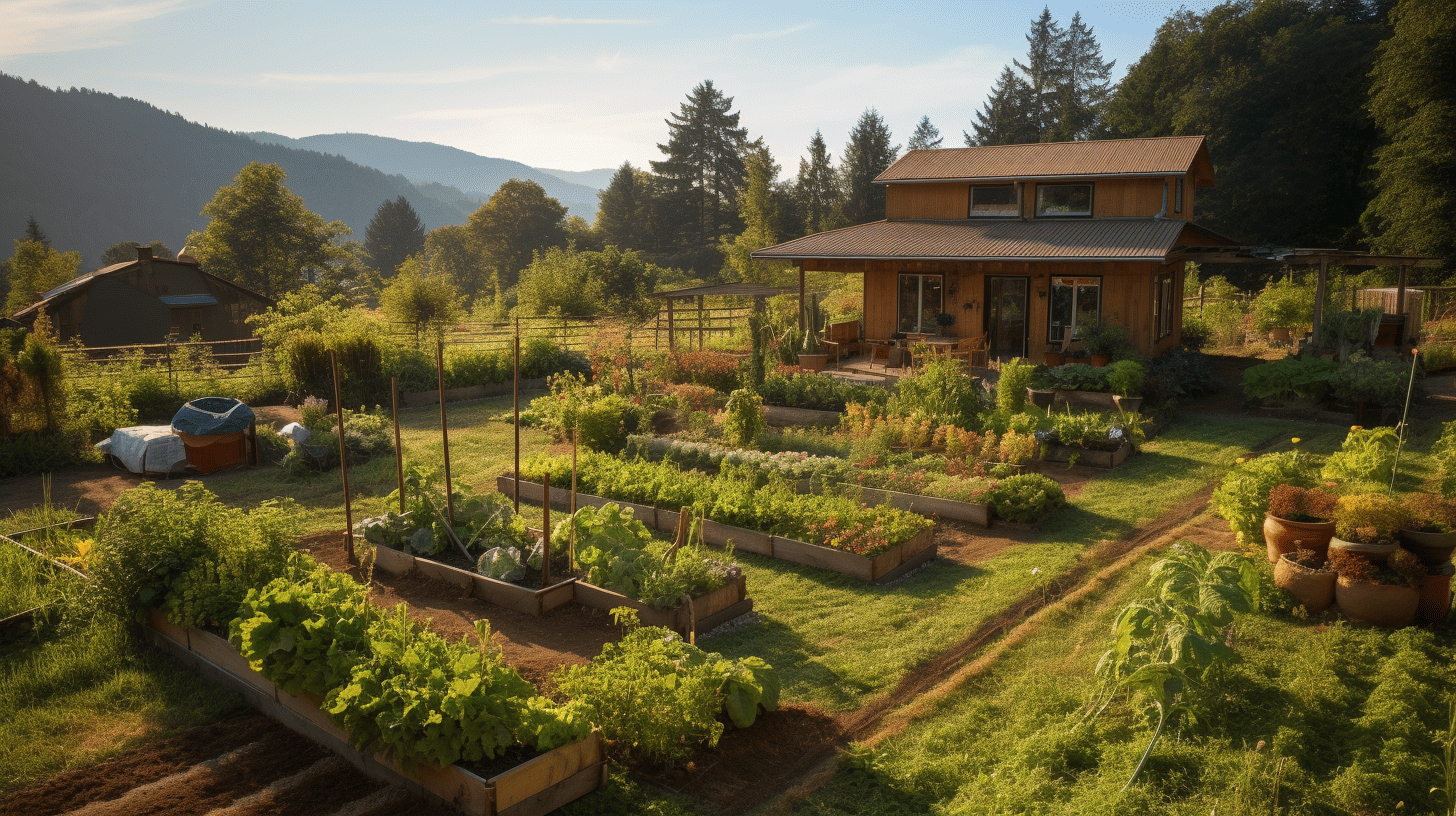
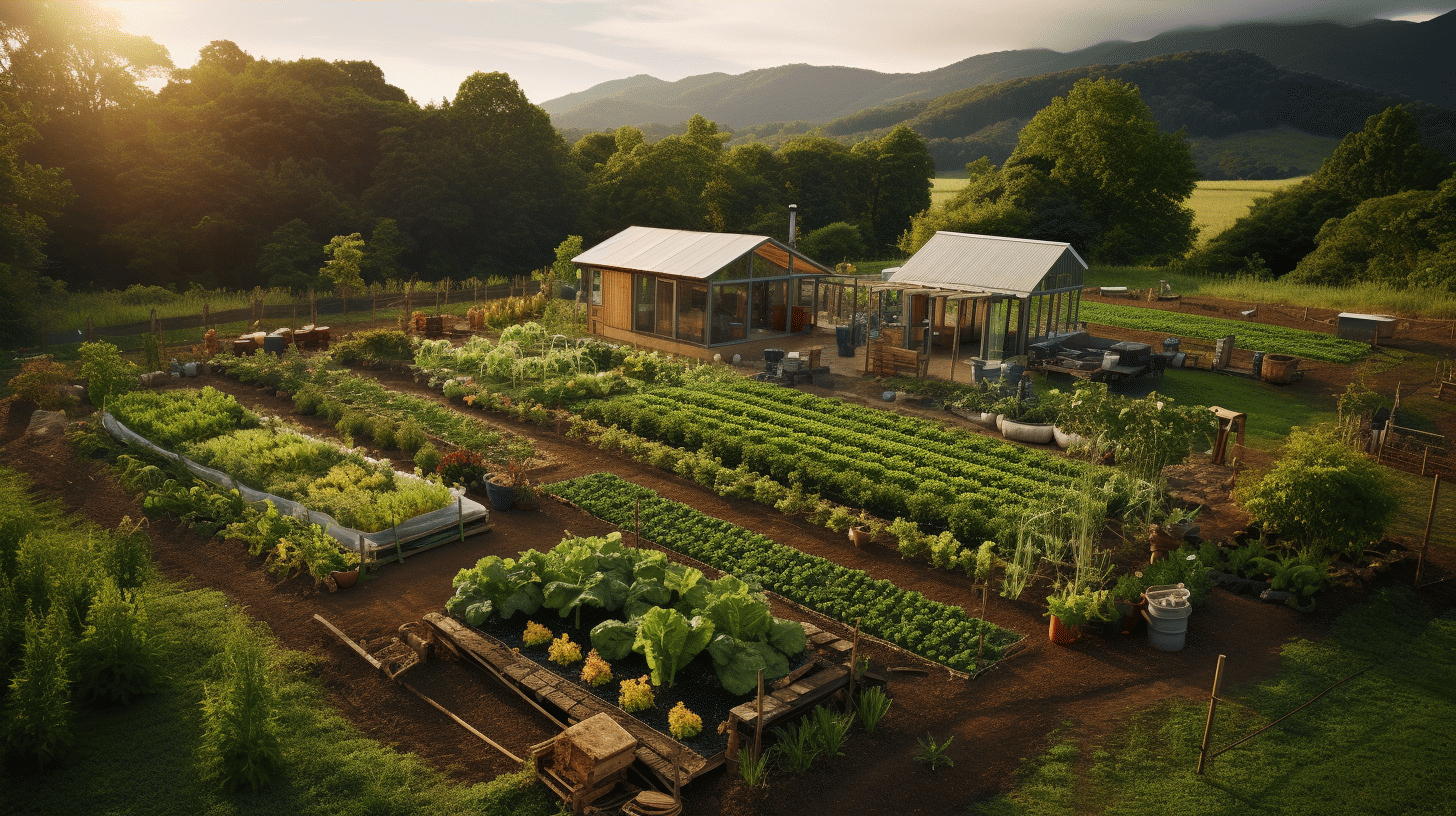
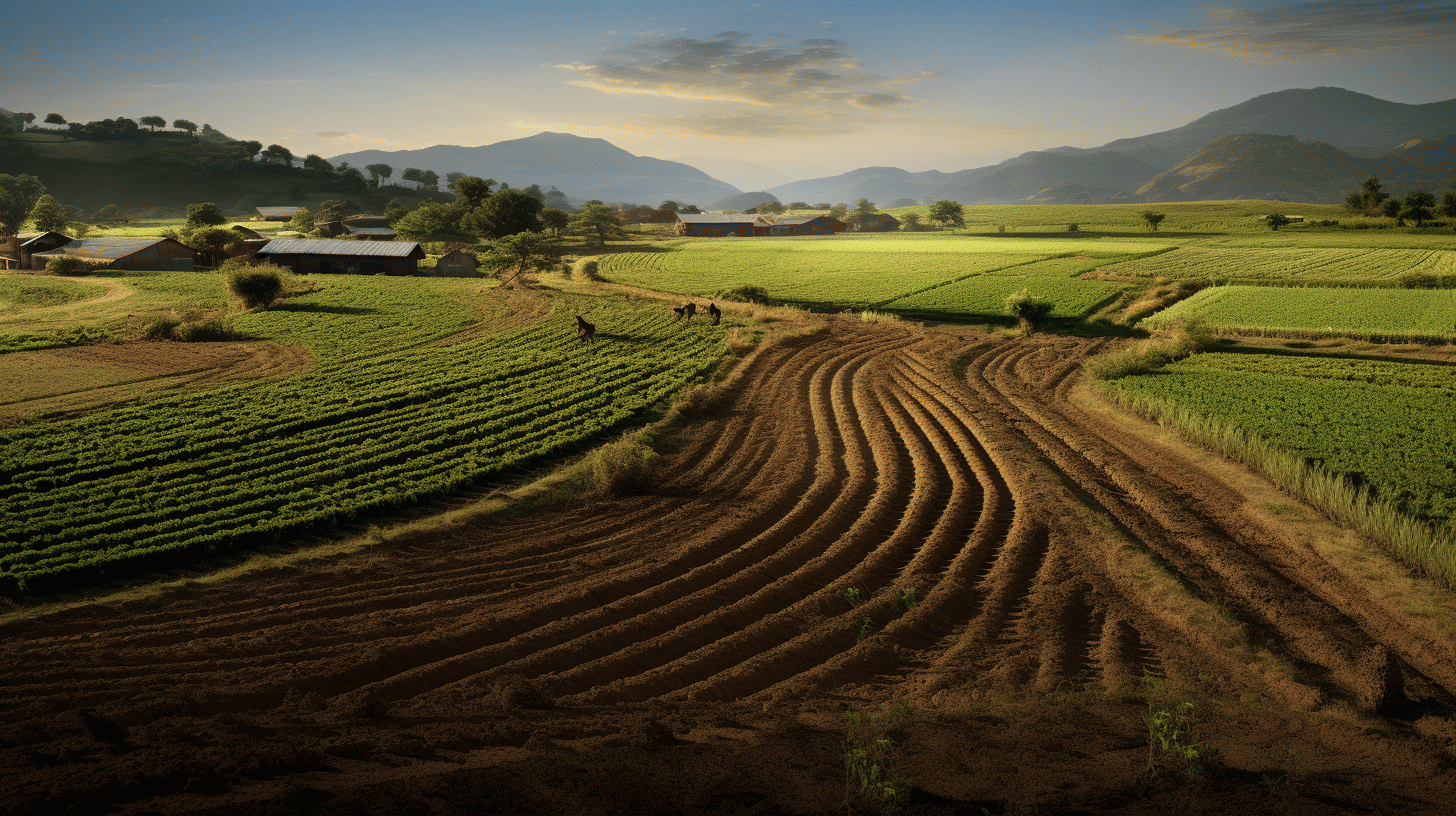
Regenerative farming, also known as regenerative agriculture, is a holistic approach to farming that aims to restore ecosystems and promote sustainability. It goes beyond just maintaining the land; it actively seeks to improve soil health, increase biodiversity, and enhance carbon storage. This innovative method of farming has gained momentum in recent years as farmers, researchers, and consumers recognize the need for sustainable agricultural practices.
In this article, we will explore the concept of regenerative farming and its role in addressing climate change. We will delve into the benefits of regenerative farming, from improved soil health to income and job creation. Additionally, we will highlight the essential role of permaculture in regenerative farming and discuss strategies to increase the adoption of these practices.
The world is facing significant challenges in terms of food security, climate change, and environmental degradation. Regenerative farming offers a promising solution by providing a framework that not only sustains agricultural production but also supports the wellbeing of the planet. Let’s dive deeper into the world of regenerative farming and discover the potential it holds for restoring ecosystems through permaculture.
Understanding Regenerative Farming
Regenerative farming is a sustainable agricultural practice that focuses on nurturing and restoring the health and vitality of the soil. It goes beyond traditional farming methods by promoting biodiversity, improving soil fertility, and reducing the use of synthetic inputs. This approach not only benefits the environment but also offers several advantages for farmers and can contribute to addressing the global challenges of climate change and food security.
Profitability of Regenerative Farming
One of the key benefits of regenerative farming is its potential for increased profitability over the long term. While transitioning to regenerative practices may require initial investments and a change in farming methods, studies have shown that the financial rewards can be significant.
According to research, regenerative farming can be up to 60% more profitable after six years of implementation. This is primarily due to reduced input costs, such as fertilizers and pesticides, and improved soil health, which leads to higher crop yields. In fact, regenerative practices have led to a remarkable 78% increase in profits for farmers who have adopted this approach.
Furthermore, regenerative farming can provide farmers with additional sources of income. By diversifying their crops and incorporating livestock into their operations, farmers can tap into various markets and value-added products. For example, they can sell organic fruits and vegetables, raise grass-fed beef, or produce high-quality wool from pasture-raised sheep. These diversified revenue streams can help farmers mitigate risks and enhance their overall financial stability.
Regenerative Farming and Climate Change
The impacts of climate change are becoming increasingly evident, with extreme weather events, water scarcity, and shifting growing seasons affecting agricultural productivity worldwide. As a major contributor to greenhouse gas emissions, agriculture plays a significant role in exacerbating these challenges. However, regenerative farming offers a sustainable solution that can mitigate the effects of climate change.
By using regenerative practices that focus on soil health, farmers can sequester carbon dioxide from the atmosphere and store it in the soil. Healthy soils act as a carbon sink, helping to offset greenhouse gas emissions. Additionally, regenerative farming reduces the reliance on synthetic fertilizers, which are energy-intensive to produce and contribute to climate change.
Moreover, regenerative practices promote water conservation and improve water quality. Healthy soils have better water-holding capacity, reducing the need for irrigation and preventing soil erosion. This not only conserves water resources but also minimizes the risk of nutrient runoff into water bodies, potentially harming aquatic ecosystems.
The Global Regenerative Agriculture Market
The potential of regenerative farming goes beyond individual farms. It has become a driving force in the global agriculture market, with increasing demand for sustainably produced food and products. The market for regenerative agriculture is expected to experience significant growth in the coming years.
Estimates suggest that the global regenerative agriculture market will reach a value of $16.8 billion by 2027, growing at a compound annual growth rate of 14.0%. This growth is driven by various factors, including the rising awareness of the environmental impacts of conventional agriculture, consumer demand for sustainable and organic products, and government initiatives promoting regenerative practices.
As the market expands, it creates new opportunities for farmers, food manufacturers, and retailers to invest in regenerative practices and participate in this growing sector. With consumers increasingly seeking out regenerative products, businesses that adopt sustainable practices can differentiate themselves in the market and attract a larger customer base.
In conclusion, regenerative farming offers a holistic approach to agriculture that benefits the environment, enhances the profitability of farmers, and addresses the challenges posed by climate change. By adopting regenerative practices, farmers can contribute to building a more sustainable and resilient food system while reaping financial rewards. As the global regenerative agriculture market continues to grow, embracing these practices becomes an opportunity for farmers, businesses, and consumers alike.
Benefits of Regenerative Farming
Farming practices have evolved over time, with regenerative farming emerging as a sustainable and environmentally-friendly approach. Regenerative farming goes beyond conventional agriculture by focusing on restoring and enhancing the ecosystem rather than depleting it. This innovative approach offers numerous benefits that promote soil health, biodiversity, carbon storage, and even income and job creation. Let’s take a closer look at each of these advantages below.
Improved Soil Health
Regenerative farming prioritizes soil health as the foundation of successful agriculture. By implementing practices such as cover cropping, crop rotation, and minimal tillage, regenerative farmers can:
- Increase organic matter content: This leads to improved water retention, nutrient availability, and soil structure.
- Enhance soil fertility: By promoting the growth of beneficial microorganisms and the development of a diverse soil food web.
- Reduce soil erosion: Through the use of cover crops and other conservation techniques, regenerative farmers prevent valuable topsoil from being washed away by rain or blown away by wind.
- Minimize soil compaction: By avoiding excessive mechanization and implementing practices that promote healthier soil structure.
Increased Biodiversity
Regenerative farming creates a habitat that benefits a wide range of species, from insects to birds and mammals. By diversifying crop species, including native plants, and creating wildlife corridors, regenerative farming:
- Supports pollinators: A diverse range of plants attracts pollinators, including bees and butterflies, which are crucial for crop pollination.
- Provides habitats for beneficial insects: Predatory insects that naturally control pests find refuge in regenerative farming systems, reducing the need for harmful pesticides.
- Nurtures wildlife: Birds, mammals, and other wildlife thrive in regenerative farmland, contributing to the overall health of the ecosystem.
Enhanced Carbon Storage
One of the primary advantages of regenerative farming is its ability to sequester and store carbon dioxide from the atmosphere. By implementing practices such as agroforestry, which involves integrating trees with crops or pastures, regenerative farming:
- Absorbs carbon dioxide: Trees and plants capture carbon dioxide during photosynthesis, helping to mitigate climate change.
- Builds organic matter: As organic matter accumulates in the soil, it becomes a long-term carbon sink, storing carbon for years to come.
- Improves soil structure: Increased organic matter enriches the soil’s physical properties, allowing it to hold more carbon and resist erosion.
Income and Job Creation
Regenerative farming can bring economic benefits to farmers and rural communities. Research shows that:
- Organic agriculture creates 21% more jobs than conventional agriculture[1].
- Direct marketing channels and value-added products, such as farmers’ markets and farm-to-table restaurants, provide higher returns for farmers.
- By diversifying their income streams through practices like agroforestry or ecotourism, farmers can reduce the risk of crop failure and market volatility.
Regenerative farming offers a holistic approach to agricultural systems, providing ecological, social, and economic benefits. By prioritizing soil health, promoting biodiversity, sequestering carbon, and supporting livelihoods, this innovative approach shows great promise for the future of sustainable food production.
[1] Pimentel, D., Hepperly‐Shields, M., Hanson, J., Douds, D., & Seidel, R. (2005). Environmental, Energetic, and Economic Comparisons of Organic and Conventional Farming Systems. BioScience, 55(7), 573-582. doi: 10.1641/0006-3568(2005)055[0573:EEAECO]2.0.CO;2
The Role of Permaculture in Regenerative Farming
Introduction
Permaculture is a holistic approach to farming that goes beyond conventional practices. It embraces the idea of creating sustainable ecosystems that are both productive and self-sustaining. This approach aims to work with nature rather than against it, ensuring a regenerative and harmonious relationship between agriculture and the environment.
A Holistic Approach
Permaculture encompasses a range of practices that work together to create a resilient and regenerative farming system. Some key elements include:
- Companion Planting: This technique involves planting compatible crops together, benefiting from their natural symbiotic relationships. For example, planting nitrogen-fixing legumes alongside other crops can enrich the soil, reducing the need for synthetic fertilizers.
- Food Forests: Mimicking the structure and functions of natural forests, food forests incorporate a variety of edible plants, trees, and shrubs. This multi-layered approach maximizes productivity, provides habitat for beneficial insects and wildlife, and enhances ecological diversity.
- No-Till Method: Unlike conventional farming practices that involve extensive soil disturbance, no-till farming minimizes soil erosion and compaction by leaving the soil undisturbed. This technique helps retain moisture, improves soil structure, and reduces the need for synthetic inputs.
- Circular Use of Waste: Permaculture emphasizes the efficient use of resources, including waste materials. It encourages practices like composting, recycling organic matter, and reusing farm waste as inputs for nutrient-rich soil amendments.
Practices in Permaculture
Within the framework of permaculture, farmers employ a range of practices that align with its principles:
- Polyculture: Growing a diverse range of crops together promotes natural pest and disease control, enhances soil fertility, and reduces the reliance on synthetic inputs.
- Water Conservation: Permaculture emphasizes the efficient use of water resources through techniques such as rainwater harvesting, contouring landscapes to retain water, and using drought-tolerant plants.
- Biodiversity: By integrating native plants, attracting pollinators, and enhancing natural habitats, permaculture farms support a diverse range of species, creating a balanced ecosystem.
- Minimal Energy Input: Permaculture encourages the use of renewable energy sources, such as solar and wind power, as well as promoting energy-efficient practices in farming operations.
Growing Interest in Permaculture
There is a growing interest in sustainable food, fiber, and energy systems, with permaculture gaining popularity as a method to achieve these goals. Here are a few reasons for this increasing interest:
- Environmental Stewardship: Permaculture aligns with the values of many individuals and communities who are concerned about the environmental impact of conventional agriculture. It offers an alternative that prioritizes the health of the planet and natural resources.
- Resilient Food Systems: With increasing concerns about food security and the vulnerability of industrialized agriculture to climate change and other disruptions, permaculture provides a resilient and adaptable approach to food production.
- Community Engagement: Permaculture promotes community involvement, education, and empowerment. It fosters connections among individuals and communities, encouraging knowledge sharing, skill-building, and cooperative efforts.
- Regenerative Agriculture: As the importance of regenerating our soil, restoring biodiversity, and mitigating climate change becomes evident, permaculture offers practical solutions that work towards these objectives.
In summary, permaculture plays a vital role in regenerative farming by embracing holistic practices, working with nature, and promoting sustainable and resilient food systems. Its growing interest reflects a shift towards more environmentally conscious and community-oriented approaches to agriculture. By adopting permaculture principles, farmers can contribute to a healthier planet and create thriving ecosystems that benefit both human beings and the Earth we call home.
Note: The provided information is based on collective knowledge and experience in the field of permaculture and regenerative farming.
Strategies to Increase Adoption of Regenerative Farming
Promoting Awareness and Education
One of the key strategies to increase the adoption of regenerative farming practices is through promoting awareness and education. By educating farmers and the general public about the benefits and importance of regenerative farming, we can create a stronger foundation for its widespread adoption. Here are some effective ways to promote awareness and education:
- Workshops and Training Programs: Organizing workshops and training programs that focus on regenerative farming techniques can provide farmers with the knowledge and skills they need to transition to these practices. These programs can cover topics such as soil health, biodiversity, crop rotation, and holistic land management.
- Educational Resources: Developing and distributing educational resources such as brochures, fact sheets, and online guides can help disseminate information about regenerative farming practices. These resources should explain the principles behind regenerative farming and provide practical tips on how to implement them.
- Farm Visits and Demonstrations: Organizing farm visits and demonstrations can be a powerful way to showcase the benefits of regenerative farming firsthand. By allowing farmers and the public to see successful regenerative farming operations in action, we can inspire them to adopt these practices themselves.
- Collaboration with Agricultural Institutions: Partnering with agricultural colleges, universities, and research institutions can enhance the educational efforts around regenerative farming. By collaborating on research projects and sharing knowledge, we can contribute to a stronger scientific understanding of regenerative farming and its benefits.
By engaging in these awareness and education initiatives, we can equip farmers with the necessary knowledge and resources to embrace regenerative farming practices, contributing to the growth of this sustainable agricultural approach.
Additional information: Only 15% of global farmland is currently cared for using regenerative practices, indicating significant growth potential. Regenerative farmers prioritize climate, ecosystems, water quality, people’s health, and relationships within and beyond the farming community.
Conclusion
In conclusion, regenerative farming offers immense potential for restoring ecosystems and creating a sustainable future for agriculture. By implementing practices such as permaculture, farmers can not only improve soil health and increase biodiversity but also mitigate the effects of climate change and enhance carbon storage. Additionally, regenerative farming has the potential to generate income and job opportunities, contributing to the economic well-being of communities.
To learn more about regenerative farming and explore comprehensive guides and insights, visit Regenerative Agriculture Wiki. Join us in fostering a future where agriculture and ecology thrive in harmony. Together, we can make a difference in the world of farming and contribute to global food security.
Frequently Asked Questions
- What is regenerative farming?
Regenerative farming is an approach to agriculture that focuses on restoring ecosystem health and vitality. It aims to improve soil quality, enhance biodiversity, and promote sustainable farming practices.
- What is permaculture in relation to regenerative farming?
Permaculture is a design system that incorporates principles of regenerative farming. It involves creating sustainable and self-sufficient agricultural systems that mimic natural ecosystems, utilizing diversity, and minimizing waste.
- Why is regenerative farming important?
Regenerative farming is important as it helps combat soil degradation, enhance soil fertility, and reduce the use of harmful chemicals. It also promotes biodiversity, sequesters carbon, and increases the resilience of agricultural systems.
- What are some key practices involved in regenerative farming?
Some key practices in regenerative farming include cover cropping, crop rotation, composting, agroforestry, holistic grazing, and minimizing synthetic inputs. These practices aim to improve soil health, conserve water, and promote ecological balance.
- Can regenerative farming be applied to all types of agriculture?
Yes, regenerative farming principles can be applied to various types of agriculture, including small-scale and large-scale farming. It can be implemented in conventional, organic, or biodynamic farming systems to improve sustainability and environmental outcomes.